Blog Archives
Pearls from artists* # 109
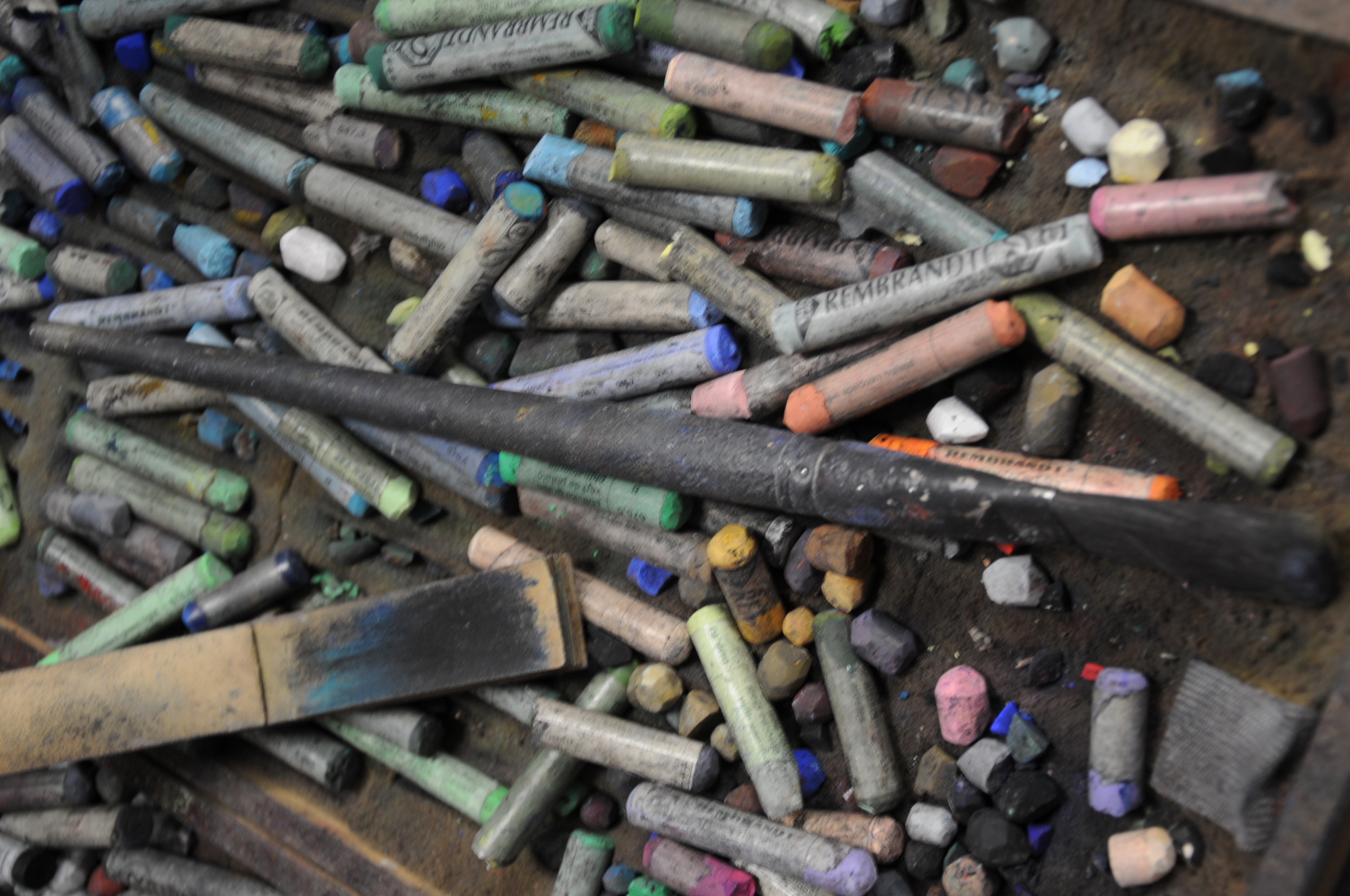
A few of Barbara’s pastels
* an ongoing series of quotations – mostly from artists, to artists – that offers wisdom, inspiration, and advice for the sometimes lonely road we are on.
A BOX OF PASTELS
I once held on my knees a simple wooden box
in which a rainbow lay dusty and broken.
It was a set of pastels that had years before
belonged to the painter Mary Cassatt,
and all of the colors she’d used in her work
lay open before me. Those hues she’d most used,
the peaches and pinks, were worn down to stubs,
while the cool colors – violet, ultramarine –
had been set, scarcely touched, to one side.
She’d had little patience with darkness, and her heart
held only a measure of shadow. I touched
the warm dust of those colors, her tools,
and left there with light on the tips of my fingers.
Ted Kooser in Art and Artists: Poems, edited by Emily Fragos
Comments are welcome!
Q: How long have you been working in your current studio?
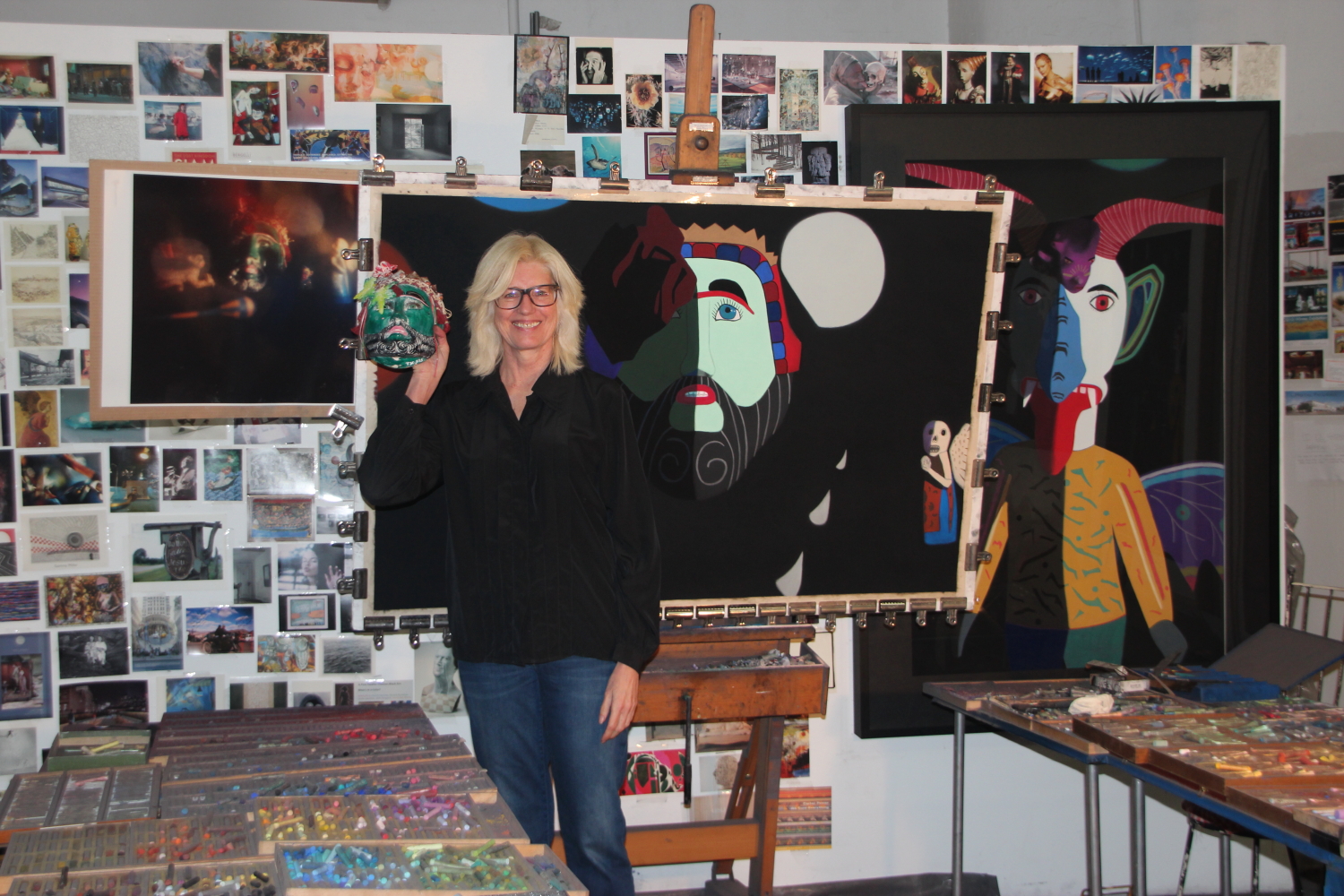
Barbara in her studio; Photo: Elliott Jones
A: I have been in my West 29th Street space for seventeen years, but from the beginning, in the mid-1980’s, I had a studio. My first one was in the spare bedroom of the Alexandria, Virginia, house that I shared with Bryan and that I still own. For about three years in the 1990s I had a studio on the third floor of the Torpedo Factory Art Center, a building in Alexandria that is open to the public. People come in, watch artists work, and occasionally buy a piece of art.
In April 997 an opportunity to move to New York arose and I didn’t look back. By then I was showing in a good 57th Street gallery, Brewster Arts Ltd. (the gallery focused exclusively on Latin American artists; I was thrilled with the company I was in; the only fellow non-Latina represented by owner, Mia Kim, was Leonora Carrington), and I had managed to find a New York agent, Leah Poller, with whom to collaborate. I looked at only one other space before finding my West 29th Street studio. An old friend of Bryan’s from Cal Tech rented the space next door and he had told us it was available. Initially the studio was a sublet. The lease-holder was a painter headed to northern California to work temporarily for George Lucas at the Lucas Ranch. After several years she decided to stay so I was able to take over the lease.
My studio continues to be an oasis in a chaotic city, a place to make art, to read, and to think. I love to walk in the door every morning and always feel more calm the moment I arrive. It’s my absolute favorite place in New York!
Comments are welcome!
Q: How do you feel about accepting commissions?

“Reunion,” soft pastel on sandpaper, 38″ x 58″, 1990
A: By the time I left the Navy in 1989 to devote myself to making art, I had begun a career as a portrait painter. I needed to make money, this was the only way I could think of to do so, and I had perfected the craft of creating photo-realistic portraits in pastel. It worked for a little while.
A year later I found myself feeling bored and frustrated for many reasons. I didn’t like having to please a client because their concerns generally had little to do with art. Once I ensured that the portrait was a good (and usually flattering) likeness, there was no more room for experimentation, growth, or creativity. I believed (and still do) that I could never learn all there was to know about soft pastel. I wanted to explore color and composition and take this under-appreciated medium as far as possible. It seemed likely that painting portraits would not allow me to accomplish this. Also, I tended to underestimate the amount of time needed to make a portrait and charged too small a fee.
So I decided commissioned portraits were not for me and made the last one in 1990 (above). I feel fortunate to have the freedom to create work that does not answer to external concerns.
Comments are welcome!
Q: Where do you want your work to go in the future?
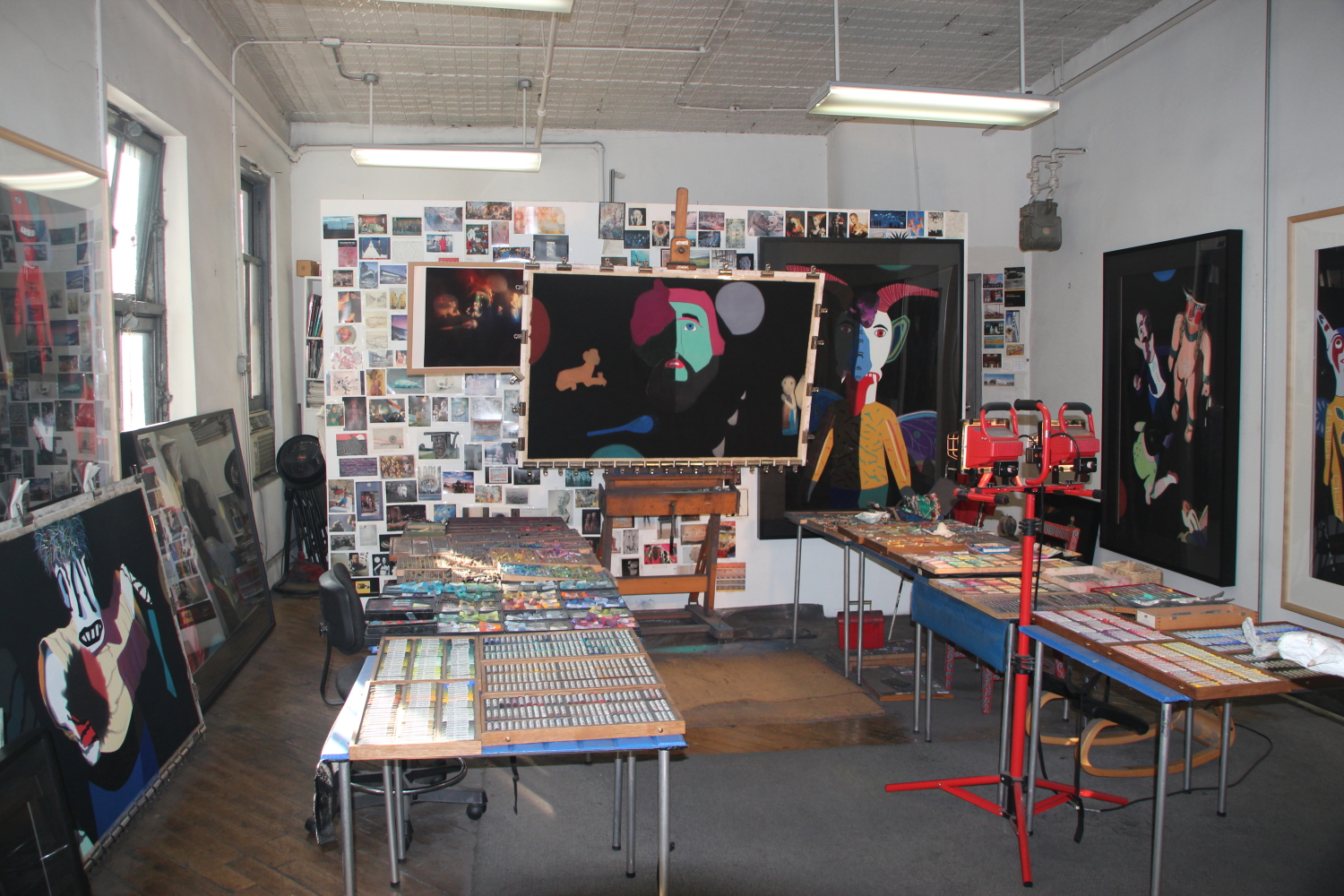
Barbara’s studio
A: Recently I answered a question about why I create, but now that I think about it, the same answer applies to what I want to do as an artist in the future:
~ to create bold and vibrant pastel paintings and photographs that have never existed before
~ to continue to push my primary medium – soft pastel on sandpaper – as far as I can and to use it in more innovative ways
~ to create opportunities for artistic dialogue with people who understand and value the work to which I am devoting my life
The last has always been the toughest. I sometimes think of myself as Sisyphus because expanding the audience for my art is an ongoing uphill battle. Many artist friends tell me they feel the same way about building their audience. It’s one of the most difficult tasks that we have to do as artists. I heard Annie Leibovitz interviewed on the radio once and remember her saying that after 40 years as a photographer, everything just gets richer. Notice that she didn’t say it gets any easier; she said, “it just gets richer.” I have been a painter for nearly 30 years and a photographer for 11. I agree completely. All artists have to go wherever our work goes. Creating art and watching the process evolve is an endlessly fascinating intellectual journey. I wouldn’t want to be spending my time on earth doing anything else!
Comments are welcome!
Q: What have you learned about the people of Mexico through your travels, reading, and research?
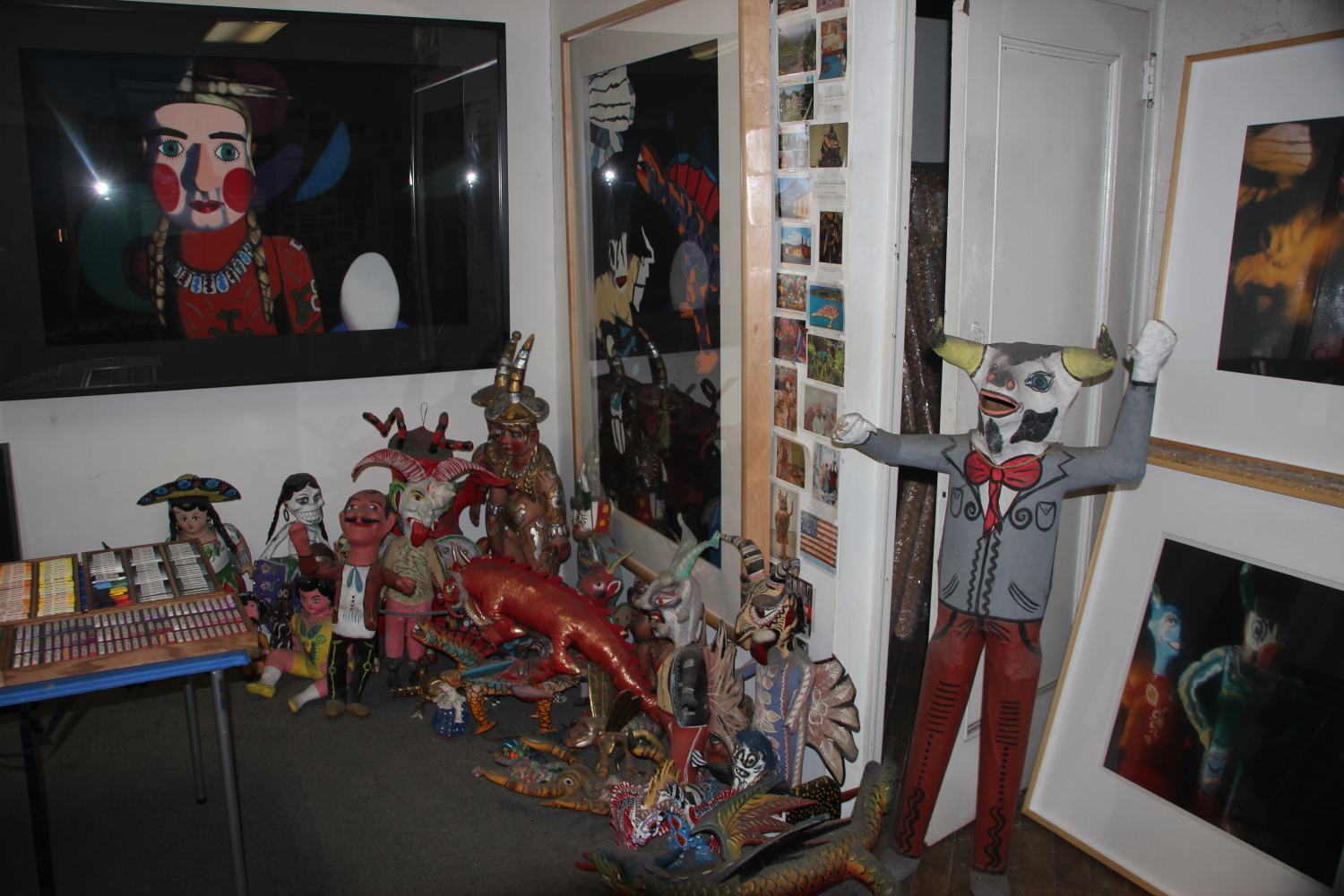
A corner of the studio
A: It didn’t take long to become smitten with these beautiful people. It happened on my first trip there in 1992 when Bryan and I, along with busloads of other tourists, were visiting the Oaxacan cemeteries on The Day of the Dead. The Oaxaquenos tending their ancestor’s graves were so dignified and so gracious, even with so many mostly-American tourists tromping around on a sacred night, that I couldn’t help being taken with them and with their beliefs. My studies since that time have given me a deeper appreciation for the art, architecture, history, mythology, etc. that comprise the extremely rich and complex story of Mexico as a cradle of civilization in the West. It is a wonderfully heady mix and hopefully some of it comes through in my work as a painter and a photographer.
By the way I often wonder why the narrative of Mexico’s fascinating history was not taught in American public schools, at least not where I went to public school in suburban New Jersey. Mexico is our neighbor, for goodness sake, but when I speak to many Americans about Mexico they have never learned anything about the place! It’s shocking, but many people think only “Spring Break” and/or “Drug Wars,” when they hear the word “Mexico.” As a kid I remember learning about Egypt, Mesopotamia, Greece, and other early civilizations in the Middle East, Europe, and Asia, but very little about Mexico. We learned about the Maya, when it was still believed that they were a peaceful people who devoted their lives to scientific and religious pursuits, but that story was debunked years ago. And I am fairly sure that not many Americans even know that Maya still exist in the world … in Mexico and in Guatemala. There are a few remote places that were not completely destroyed by Spanish Conquistadores in the 16th century and later. I’ve been to Mayan villages in Guatemala and seen shamans performing ancient rituals. For an artist from a place as rooted in the present moment as New York, it’s an astounding thing to witness!
Comments are welcome!
Pearls from artists* # 58
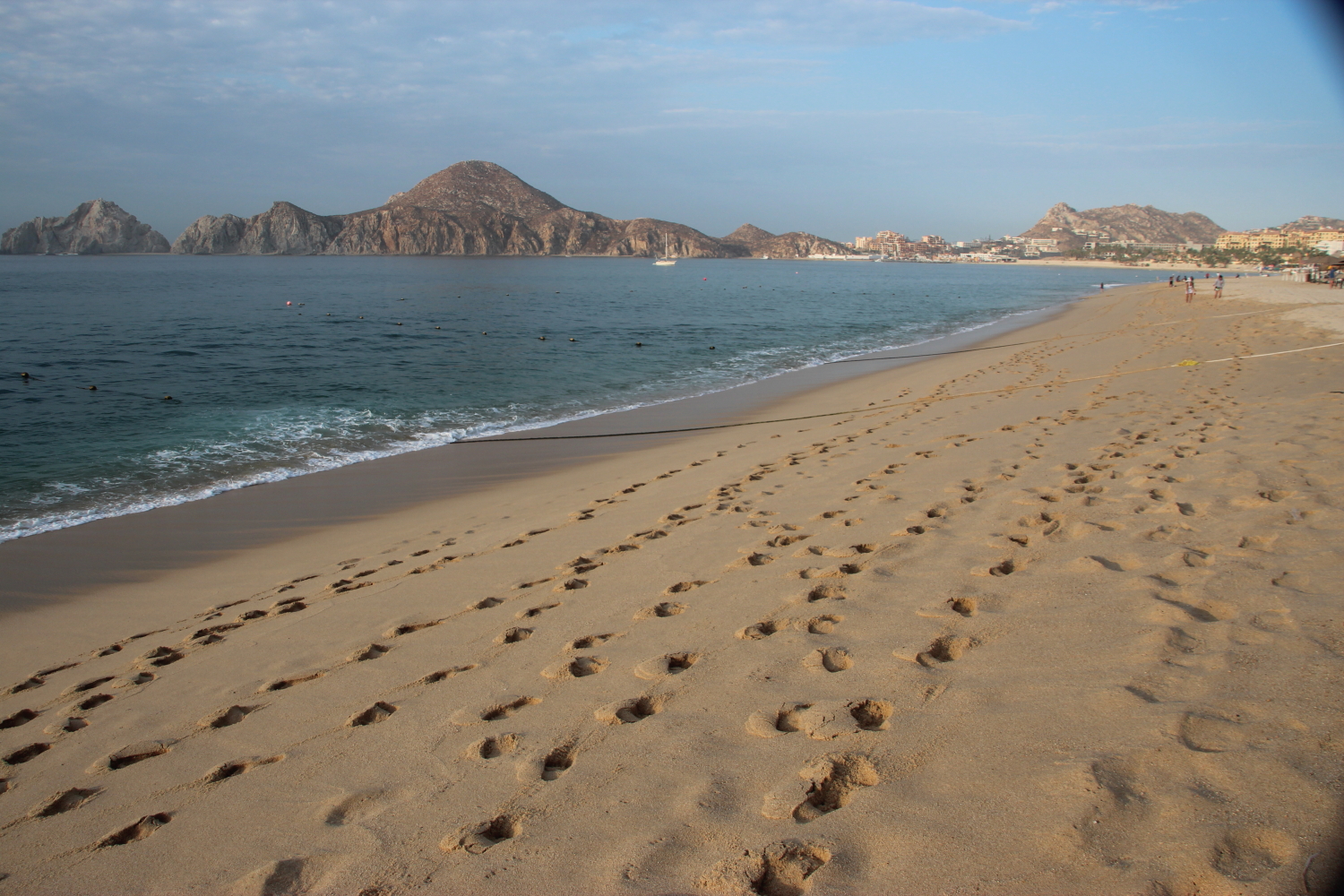
Cabo San Lucas, Mexico
* an ongoing series of quotations – mostly from artists, to artists – that offers wisdom, inspiration, and advice for the sometimes lonely road we are on.
I remember as a teenager having a group of friends at school and another group whom I spent the weekends with. I functioned fine until on occasions when I was with friends from both groups at the same time. Then it became really difficult, because I was used to acting very differently with the two groups. With one I was the leader, very vocal and outspoken about my opinions. With the other group I wanted desperately to belong and so I adapted to fit in, which meant not really being myself.
The lack of authenticity is painful. It applies to all levels of life. If our voice as a painter is inauthentic, we’re in trouble. In the end there is nothing so compelling as to be yourself. This is why being an artist can be so exhilarating. If you want to uncover your truth, you have a daily technique to come to terms with your limitations and to overcome them. You have an opportunity to look at the limiting stories you have written in your head and heart and rewrite them with boldness and vision. The quality of your attention influences how you see things.
What you put your attention on grows stronger in your life. Life, if you look around you, whether inside or in nature, is one bubbling mass of creativity. Recognize we have no shortage of it. If you focus your attention on what you now decide is fundamental , that quality will grow in your life. Not what our parents or teachers or friends or media or anybody says or said. What we now put our attention on will grow in our life. If you want to paint and put your focus there you will unleash a torrent of energy and enthusiasm.
Ian Roberts in Creative Authenticity: 16 Principles to Clarify and Deepen Your Artistic Vision
Comments are welcome!
Q: What is it about soft pastel that you find so intriguing that you use it as your primary fine art medium?

Some of Barbara’s pastels
A: For starters it’s the medium that I fell in love with many years ago. I recently read this article online, “What is Pastel?” by Mike Mahon, and will quote it because it neatly sums up what I love about working with pastel.
Pastel is the most permanent of all media when applied to conservation ground and properly framed. Pastel has no liquid binder that may cause it to oxidize with the passage of time as oftentimes happens with other media.
In this instance, Pastel does not refer to pale colors, as the word is commonly used in cosmetic and fashion terminology. The pure, powdered pigment is ground into a paste with a minimum amount of gum binder, rolled into sticks and dried. The infinite variety of colors in the Pastel palette range from soft and subtle to hard and brilliant.
An artwork is created by stroking the stick of dry pigment across an abrasive ground, embedding the color in the “tooth” of the ground. If the ground is completely covered with Pastel, the work is considered a Pastel painting; whereas, leaving much of the ground exposed produces a Pastel sketch. Techniques vary with individual artists. The Pastel medium is favored by many artists because it allows a spontaneous approach. There is no drying time, therefore, no change in color occurs after drying as it does in other media.
Did you know that a particle of Pastel pigment seen under a microscope looks like a diamond with many facets? It does! Therefore, Pastel paintings reflect light like a prism. No other medium has the same power of color or stability.
Historically, Pastel can be traced back to the 16th century. Its invention is attributed to the German painter, Johann Thiele. A Venetian woman, Rosalba Camera, was the first to make consistent use of Pastel. Chardin did portraits with an open stroke, while La Tour preferred the blended finish. Thereafter, a galaxy of famous artists—Watteau, Copley, Delacroix, Millet, Manet, Renoir, Toulouse Lautrec, Vuillard, Bonnard, Glackens, Whistler, Hassam, William Merritt Chase—used Pastel for a finished work rather than for preliminary sketches.
Pastels from the 16th century exist today, as fresh as the day they were painted. Edgar Degas was the most prolific user of Pastel and its champion. His protégé, Mary Cassat, introduced Pastel to her friends in Philadelphia and Washington, and thus to the United States. In the Spring of 1983, Sotheby Parke Bernet sold at auction, two Degas Pastels for more than $3,000,000 each! Both Pastels were painted about 1880.
Note: Do not confuse Pastel with “colored chalk.” Chalk is a porous, limestone substance impregnated with dyes, whereas, Pastel is pure pigment—the same as is used in other permanent painting media.
Today, Pastel paintings have the stature of oil and watercolor as a major fine art medium. Many of our most renowned, living artists have distinguished themselves in Pastel and have enriched the art world with this beautiful medium.
So knowing all this, I often wonder, why don’t more artists use pastel? Is it because framing is a big issue? Works on paper need to be framed and pastel paintings have unique problems (see my April 27, 2013 blog post). Second only to the cost of maintaining a studio in New York City, frames are my single largest business expense. Sometimes I am grateful that pastel is a very slow medium. I typically finish 4 or 5 paintings in a year, which means I only have to pay for 4 or 5 frames!
Comments are welcome!
Pearls from artists* # 38
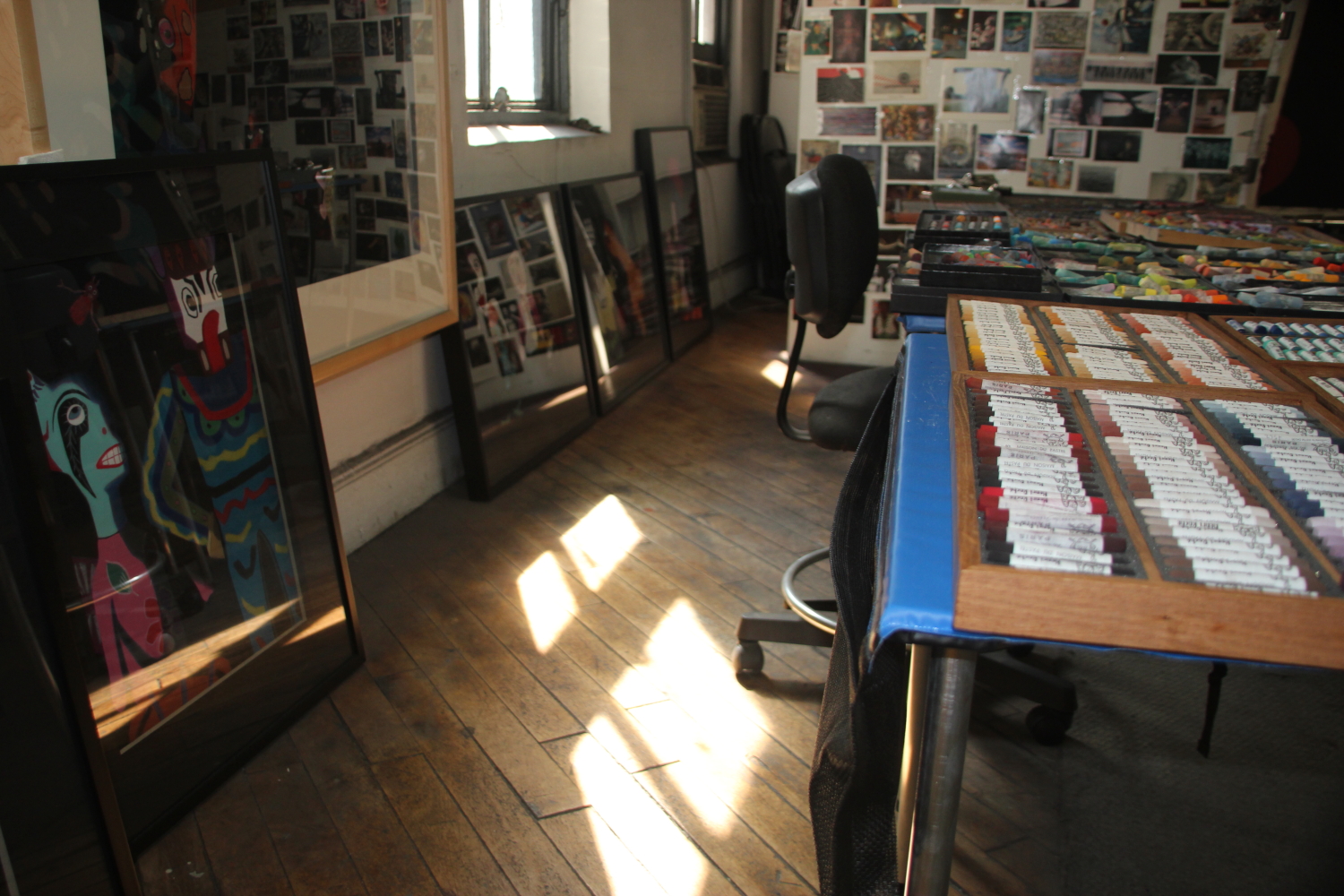
Morning sun at the studio
* an ongoing series of quotations – mostly from artists, to artists – that offers wisdom, inspiration, and advice for the sometimes lonely road we are on.
It’s one thing to be intelligent and it’s another to enjoy thinking, to relish the time spent alone with one’s thoughts, to happily muse, imagine, and analyze. Artists, who are introspective by nature, typically enjoy spending time in this fashion and may even prefer solitude to the company of others. Able to work by themselves, artists are often lost in a state of dreamy thoughtfulness of the sort described by the painter Hans Hofmann when he wrote, ” The first red spot on a white canvas may at once suggest to me the meaning of ‘morning redness,’ and from there I dream further with my color.” Artists are not introspective, thoughtful, lost in time and space because they wish to ignore the world. They’re introspective because out of that attitude artistic answers flow.
Eric Maisel in A Life in the Arts
Comments are welcome!
Pearls from artists* # 35
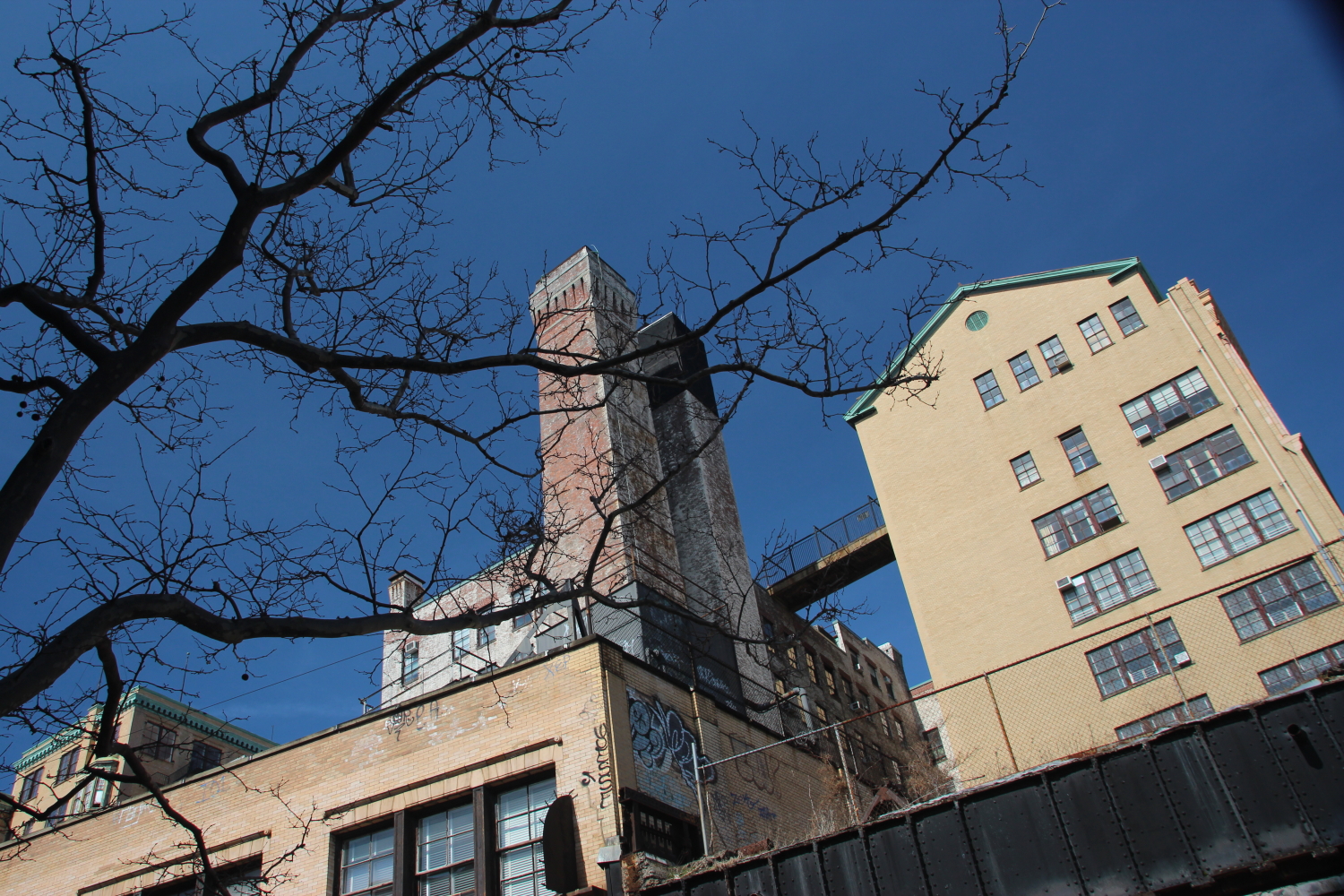
Westbeth, NYC
* an ongoing series of quotations – mostly from artists, to artists – that offers wisdom, inspiration, and advice for the sometimes lonely road we are on.
An individual who has committed himself to art and now wrestles within it, having given up everything else, has also become strict, you see. Such a person is more likely to warn off others rather than to beckon them to enter into a realm of the most tremendous demands and indescribable sacrifices. And for someone sitting at his desk, behind closed doors, matters are still relatively simple: at least he has to deal only with himself. But an actor, even when his work originates in the purest experiences of his being, stands in the open and performs his work in the open where he is exposed to all the influences, detractions, disturbances, and even hostilities that originate in his colleagues and his audience and that interrupt, distract, and split him off. For him things are more difficult than for anyone else; above all, he needs to lure success and to base his actions on it. And yet what misery results if this new alignment leads him to abandon the inner direction that had driven him into art in the first place. He seems to have no self; his job consists in letting others dictate selves to him. And the audience, once it has accepted him, wants to preserve him within the limits where it finds entertainment; and yet his achievement depends entirely upon his capacity to maintain an interior constancy through all kinds of changes, blindly, like a madman. Any momentary weakness toward success is as sure to doom him as giving in and drawing on applause as a precondition for their creation spells doom for the painter or poet.
Ulrich Baer in The Wisdom of Rilke
Comments are welcome!
Q: Is there an overarching narrative in your photographs with Mexican and Guatemalan figures?
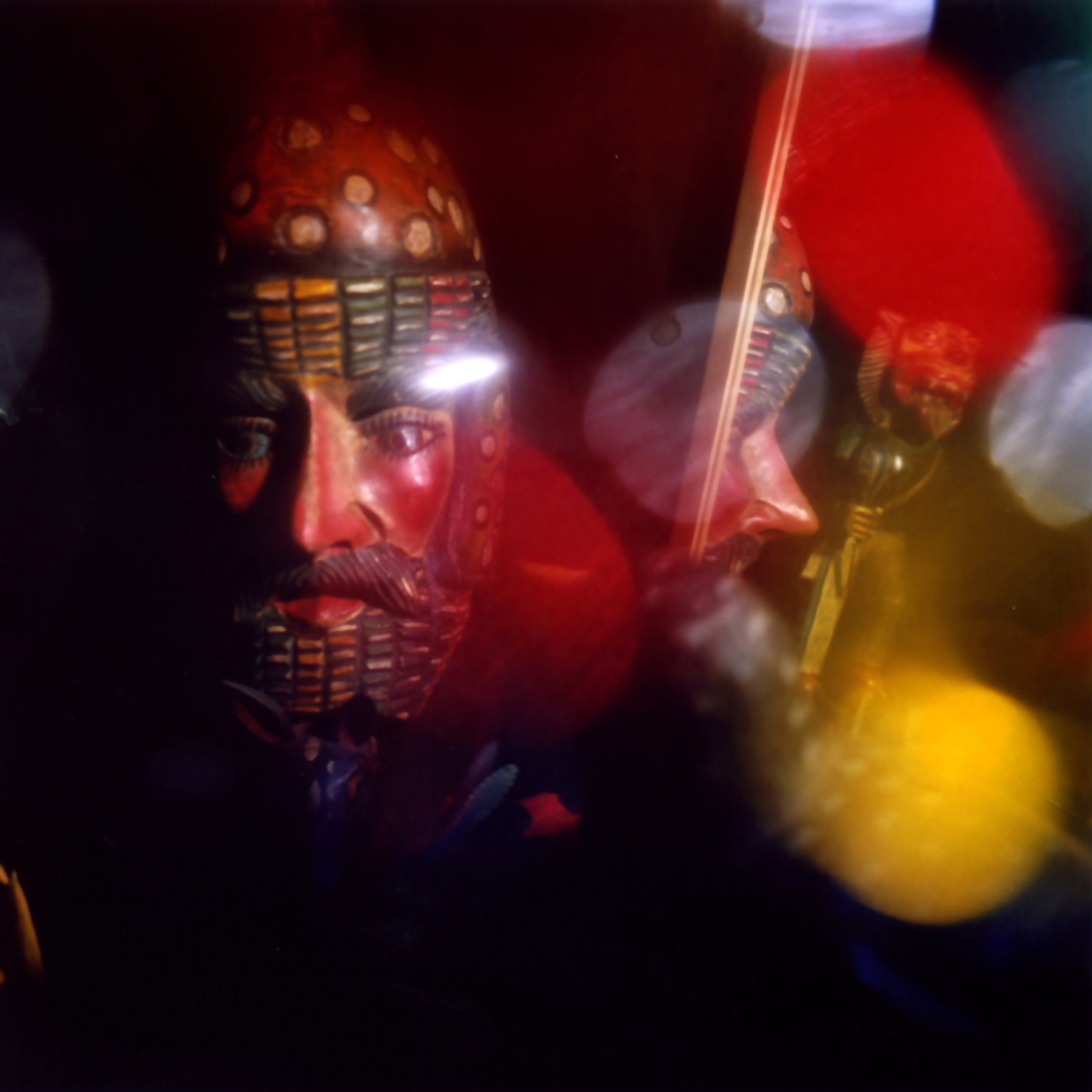
Untitled chromogenic print, 24″ x 24,” edition of 5
A: Maybe, but that’s something for the viewer to judge. I never specify exactly what my work is about for a couple of reasons: my thinking about the meaning of my work constantly evolves, plus I wouldn’t want to cut off other people’s interpretations. Everything is equally valid. I heard Annie Leibovitz interviewed some time ago on the radio. She said that after 40 years as a photographer, everything just gets richer. It doesn’t get easier, it just gets richer. I’ve been a painter for 27 years, a photographer for 11, and I agree completely. Creating this work is an endlessly fascinating intellectual journey. I realize that I am only one voice in a vast art world, but I hope that through the ongoing series of questions and answers on my blog, I am conveying some sense of how artists work and think.
Comments are welcome!


 barbararachkoscoloreddust.com