Blog Archives
Pearls from artists* # 722
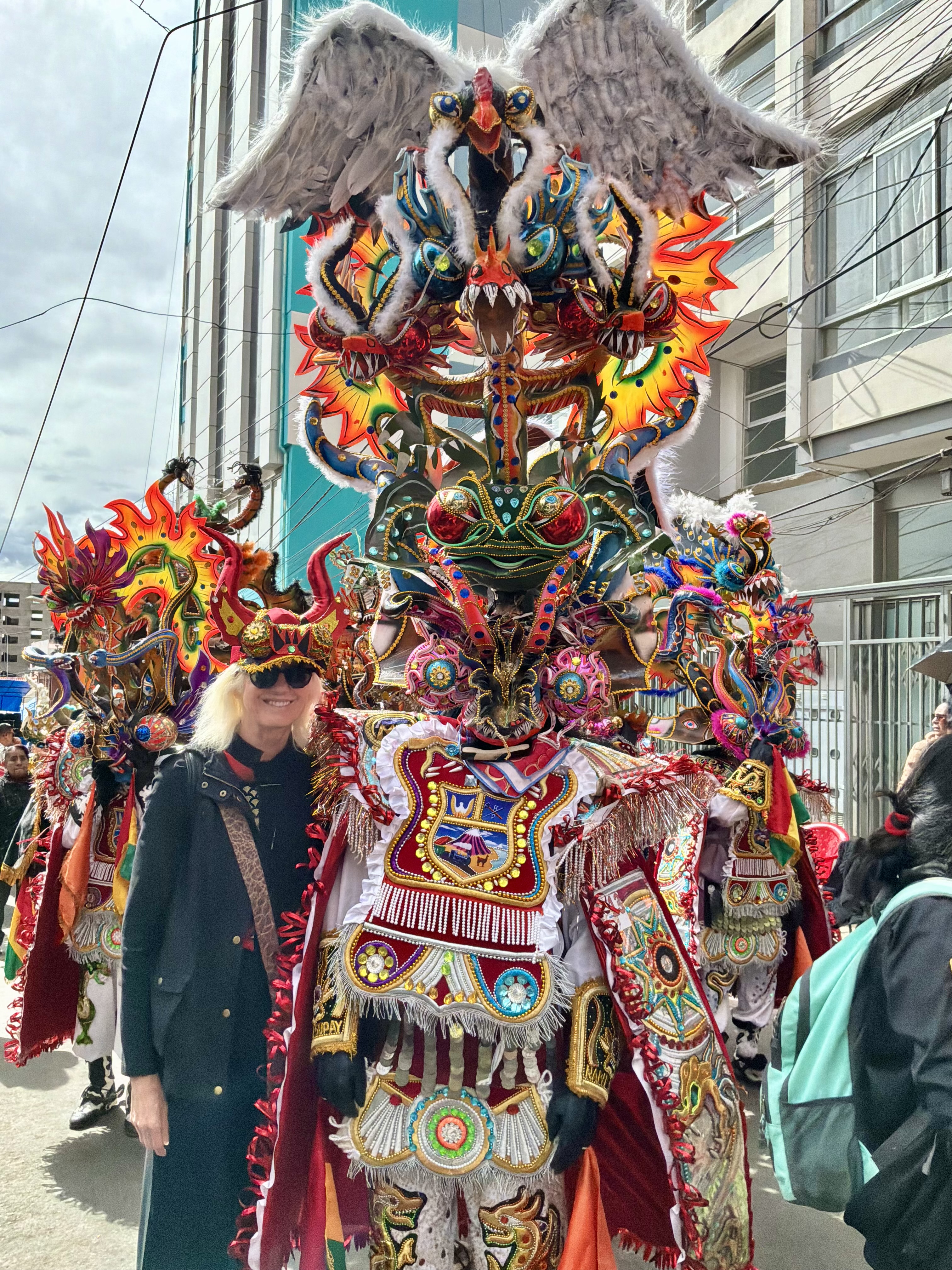
Barbara attending Carnival in Oruro, Bolivia!
*an ongoing series of quotations – mostly from artists, to artists – that offers wisdom, inspiration, and advice for the sometimes lonely road we are on
One of the most insidious kinds of pressure to which an artist can succumb is the pressure to be accessible. Well-meaning advisors may tell you that x is acceptable, marketable, popular and wealthy. But if you alter your work to be more x-ish, people will spot it as inauthentic; it will not be heartfelt because it does not originate in your own being. By all means develop and revise your work to communicate more and more clearly; but if you alter one word in order to please some imagined market “out there,” the integrity and originality of everything you do is at risk. You get off the sure base of what you really know and are. Whereas if you create your own material in your own way, developing art work that is more and more authentically yours, people will spot it as genuine. In resisting the temptation to accessibility, you are creating a genuine space and living in it.
Stephen Nachmanovitch in Free Play: Improvisation in Life and Art
Comments are welcome!
Q: Your work has been described as “beautiful but unsettling.” How do you respond to that? (Question from “Pastel, Passion, and Perseverance: An Interview with Barbara Rachko” in .ART Odyssey: Healing)
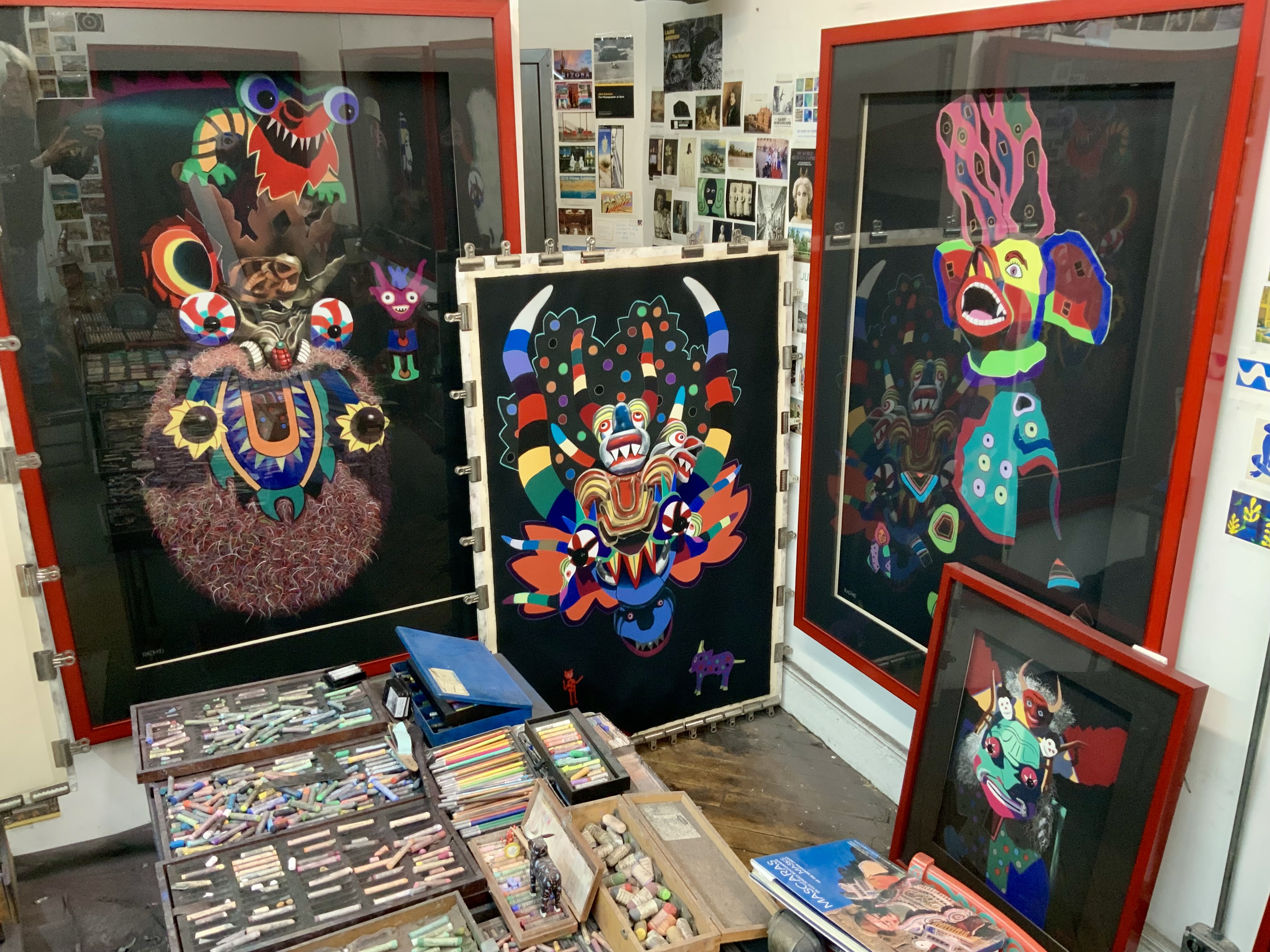
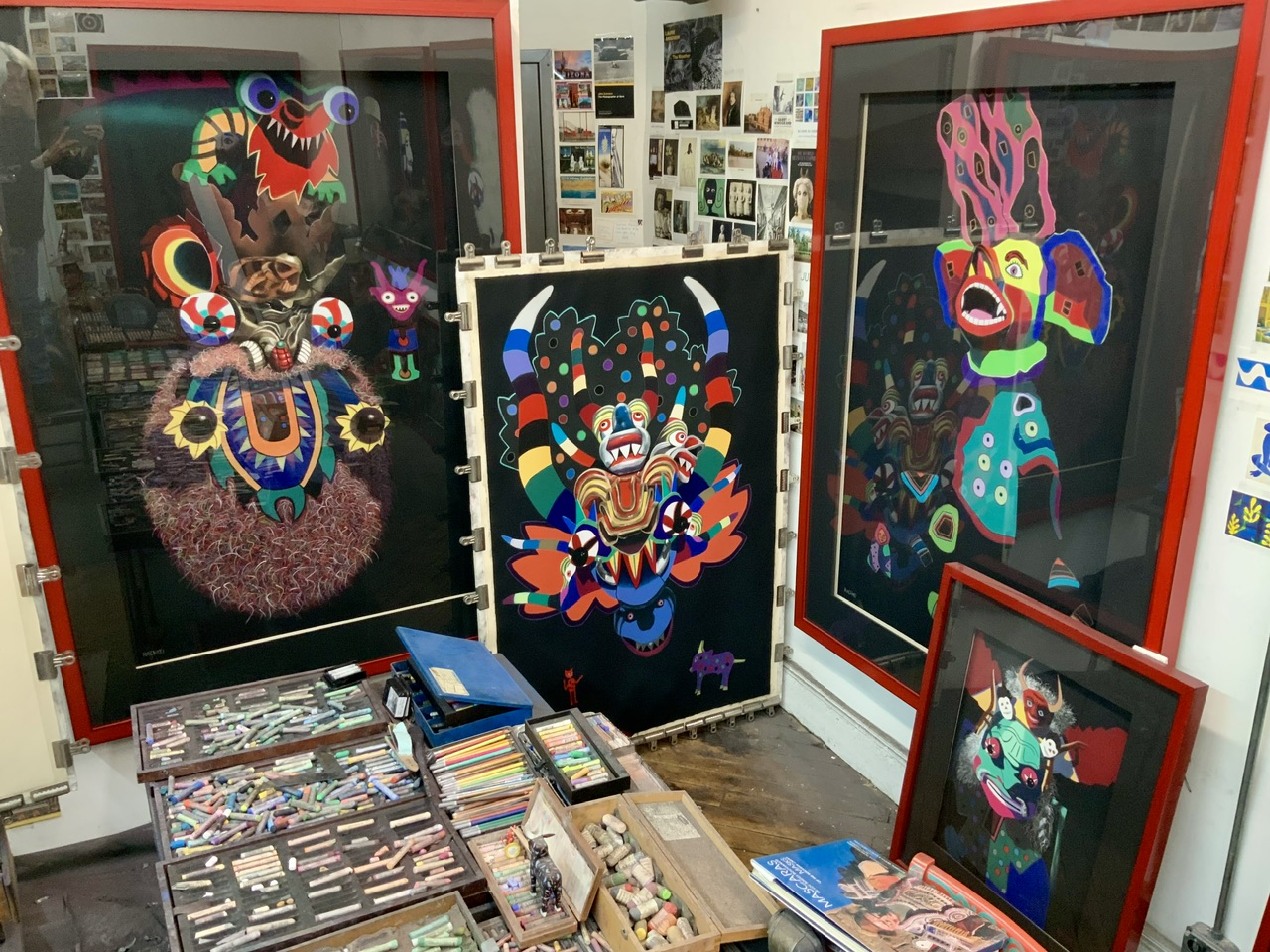
Barbara’s Studio
A: For me, every painting I make is beautiful. Beauty is vital. I see the figures in my pastel paintings as misunderstood, colorful misfits—archetypes—certainly not terrifying or unsettling. In the studio, what I’m often doing is solving technical challenges: figuring out how to depict feathers in pastel, how to lead the viewer’s eye around the painting in complex ways using detail, contrast, and color. Meanings emerge later, when others look and bring their own perspectives. I never want to dictate interpretation. People should be free to see what speaks to them.
Comments are welcome!
Q: Travel clearly plays an important role in your practice. What does it give you? (Question from “Pastel, Passion, and Perseverance: An Interview with Barbara Rachko” in .ART Odyssey: Healing)
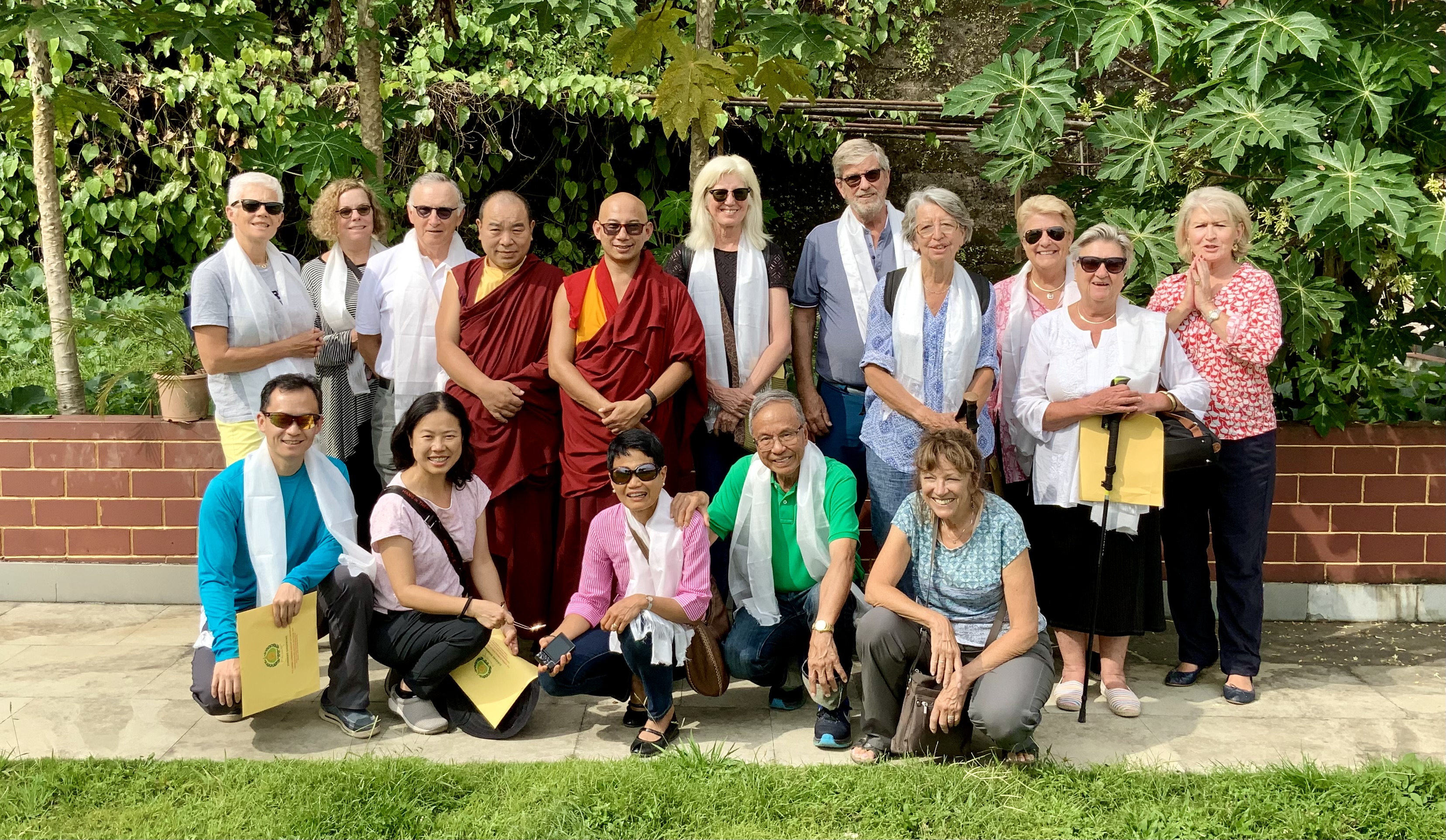
With friends at a Buddhist Monastery, Gangtok, India
A: Travel is the spark. It opens you up, makes you think differently, introduces you to people everywhere.
It makes you realize that people are the same wherever you go – which in turn makes all the political divisions and wars feel so senseless.
The work itself gets made in silence, but those bright sparks from travel feed that silence. Countries like India and Bolivia are full of character and color. They shift your perspective, and you bring that back to the studio.
Pearls from artists* # 711
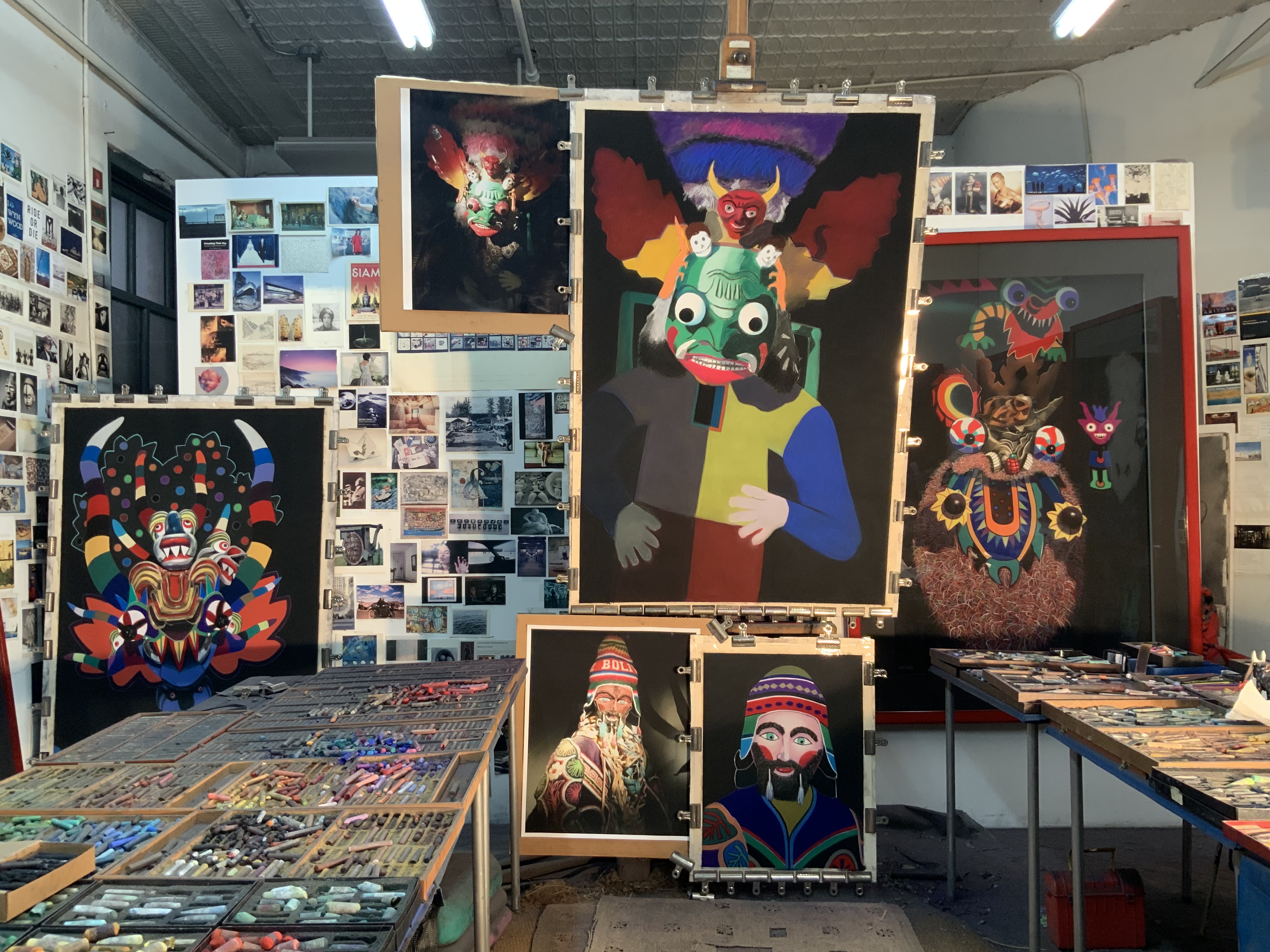
Barbara’s Studio
*an ongoing series of quotations – mostly from artists, to artists – that offers wisdom, inspiration, and advice for the sometimes lonely road we are on
The people considered ‘most accomplished’ in our culture pass through a standardized education conveyor belt to be indoctrinated into a cutthroat hamster wheel success ladder. Yet the production and consumption of those goods are destroying the planet that sustains our very lives. Those who question the absurdity of these choices are considered deviant. Try to carve a different path for yourself that makes sense to you, and every societal force conspires to push you back into that absurd groove that virtually everyone else swerved into long ago.
Artists also deal with vocation specific stress. We confront repeated rejection in a way that most other professionals do not. Our relationships may suffer from family members who fail to understand how art careers ‘work.’ They may resent that we bring in little money. There is often a maddening lack of congruity between artists’ abilities, sustained hard work, and reward. Engineers who excel at their job can make a good living, while highly skilled creatives may never reap financial benefits, even after a lifetime of effort. Frequently, artists must reckon with the success of others who have far less talent, depth, and dedication, while endlessly struggling to keep their own practice afloat. Finally, although many people suffer from early trauma and manage to survive and move on, it is in the nature of sone artists’ work to repeatedly re-expose themselves to pain through their practice.
Kate Kretz in Art From Your Core: A Holistic Guide to Visual Voice
Comments are welcome!
Pearls from artists* # 705
*an ongoing series of quotations – mostly from artists, to artists – that offers wisdom, inspiration, and advice for the sometimes lonely road we are on.
There are infinitely many ways to structure art and as many ways to construe it once it exists. One mark of a great poem, novel, symphony, or painting is that innumerable interpretations are generated—different people see it differently from one time to another. The hundredth time I taste an artwork I love, I still find something new in it, because I am different, and because there is some largeness or manyness in the art that can resonate with the changing versions of myself.
Stephen Nachmanovitch in Free Play: Improvisation in Life and Art
Comments are welcome!
Pearls from artists* # 704
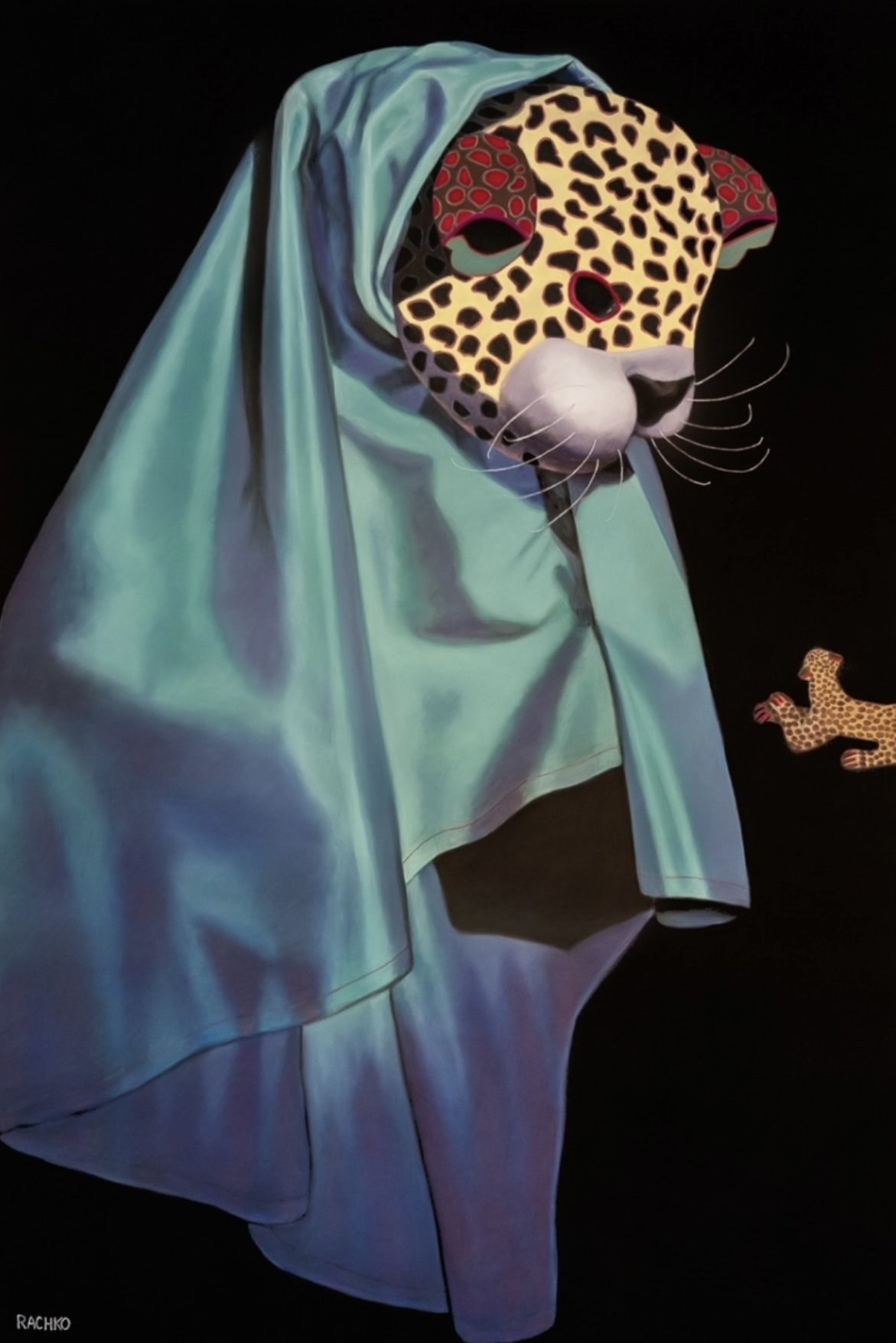
*an ongoing series of quotations – mostly from artists, to artists – that offers wisdom, inspiration, and advice for the sometimes lonely road we are on.
Why do we do art? There may be multiple and serious motivations, such as opening people’s eyes to injustice or saving the world; but if the activity to save the world doesn’t give us joy, what’s the point of having a world, and how will we have the wholeness and energy to carry on? This whole adventure of creativity is about joy and love. We live for the pure joy of being, and out of that joy unfold the ten thousand art forms and all the branches of learning and compassionate activity.
Stephen Nachmanovitch in Free Play: Improvisation in Art and Life
Comments are welcome!
Pearls from artists* # 703
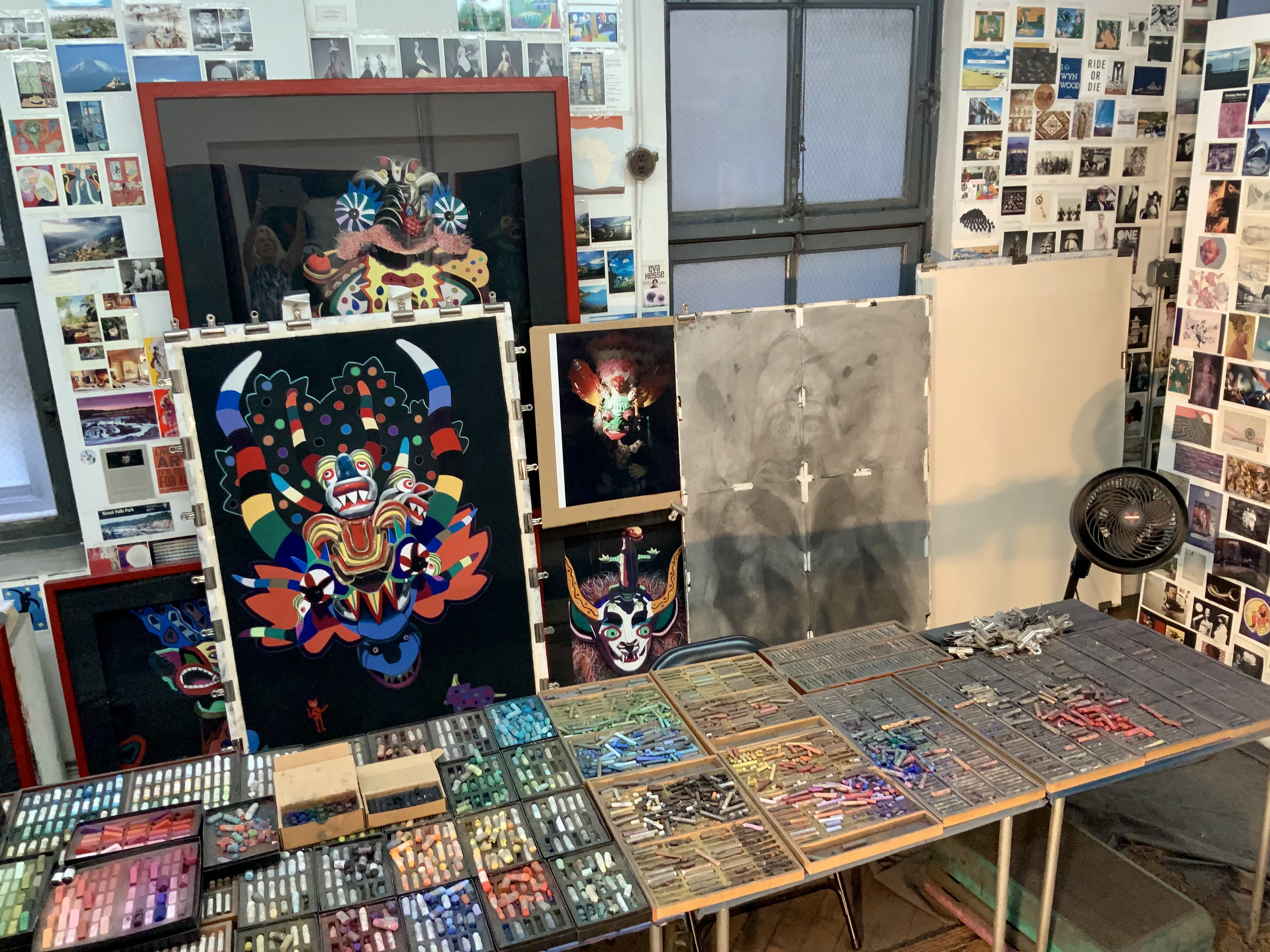
Barbara’s Studio
*an ongoing series of quotations – mostly from artists, to artists – that offers wisdom, inspiration, and advice for the sometimes lonely road we are on.
Artmaking embodies freedom, in a way that few vocations do. But, while we have no supervisors in our studios, we are not quite as free as we imagine. We all carry sone cumulative art baggage. All the people and ideas that have influenced us over the years have shaped the art we make today. Sone guidance served us well, seamlessly dovetailing into our own divine direction. Yet others may hold us back, constraining the distinct development of our creative articulation.
The work we do is affected by logistical limitations, such as time, space, and money. But we also possess biases, assumptions, rules, values, methodologies, goal structures, and conceptual frameworks we have assimilated into our practice along the way. We may delude ourselves into thinking we have actively chosen these limiting parameters, instead of recognizing that we may have absorbed them purely by default. Authority figures, over the course of our entire lives, have provided positive or negative reinforcement, not only through overt criticism or praise, but also through omission. These pressures are frequently tacit, wordlessly shaping the direction of our practice when a piece was changed or ignored by the powers that be.
Kate Kretz in Art From Your Core: A Holistic Guide to Visual Voice
Comments are welcome!
Pearls from artists* # 702
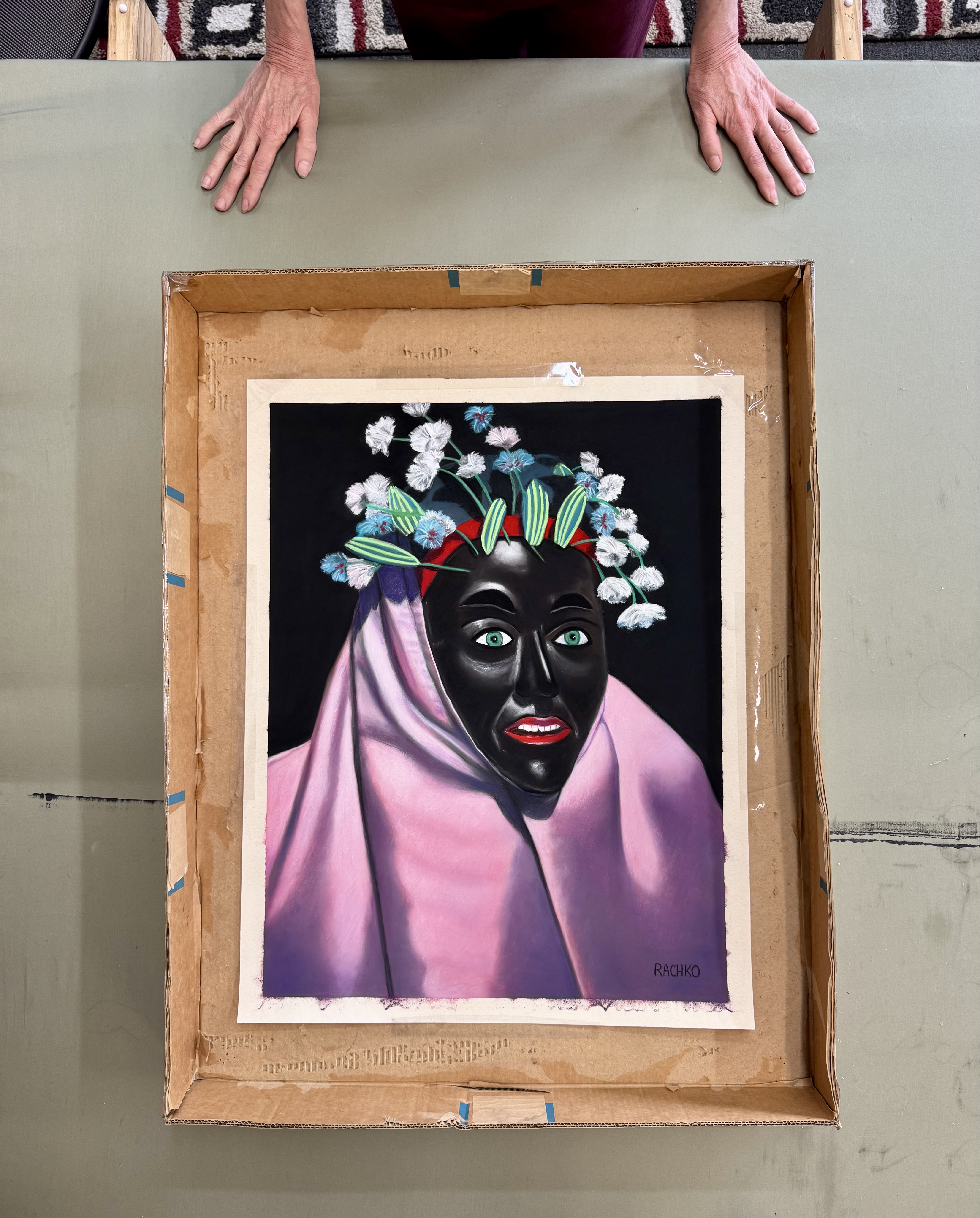
“Oblate,” soft pastel on sandpaper, 26” x 20”
*an ongoing series of quotations – mostly from artists, to artists – that offers wisdom, inspiration, and advice for the sometimes lonely road we are on.
The most noteworthy hurdle we face as artists is the brutal ‘Why should I care?’ Why, out of all the millions of art objects and experiences vying for our attention, should someone spend time on ours? We cannot share our visions with people if we cannot get them to stop and look at our work. Louise Bourgeois said, ‘Art is a seduction,’ but there are many different types of seduction. There should be something about our work that speaks to those with similar sensibilities, that sends them a secret signal.
Kate Kretz in Art From Your Core: A Holistic Guide to Visual Voice
Comments are welcome!
Pearls from artists* # 696

*an ongoing series of quotations – mostly from artists, to artists – that offers wisdom, inspiration, and advice for the sometimes lonely road we are on.
Although it’s important to make communities with like-minded people — people who are your age, your generation, who are working on projects that have resonance with yours — I am a firm believer in crossing generations to find mentorship and inspiration, and a sense of furthering the craft. So I’d say that as you begin to seek mentorship, be creative about where you look. Look in unlikely places, and make it more likely that you will cross boundaries and reach a wider, more culturally and intellectually diverse audience.
Anna Deavere Smith in Letters to a Young Artist: Straight-Up Advice on Making a Life in the Arts — for Actors, Performers, Writers, and Artists of Every Kind”
Comments are welcome!
Q: How do you think your recent trip to Bolivia will affect your work?
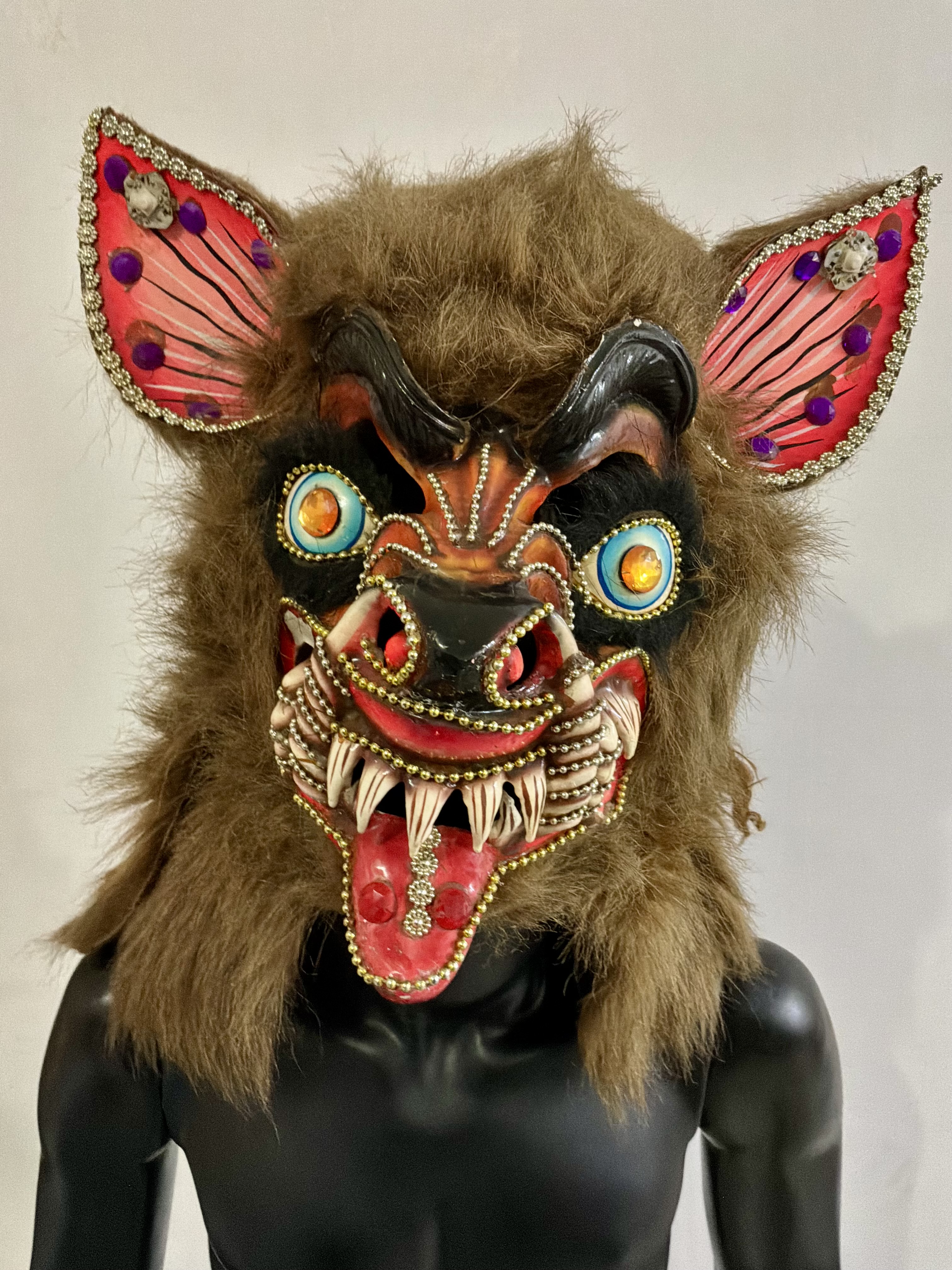
Reference photo from my trip to Bolivia
A: I have been back in the United States for one month and I know from past trips that there is always a long gestation period as I reflect on colorful new experiences, new sights, sounds, etc. My three and a half-weeks in Bolivia were non-stop, intense, and just full of so many high points. Bolivia is a fascinating country with profound cultural riches, and exceptionally warm and welcoming people. I experienced new friendships and events that were way beyond anything I could have imagined. In short, there’s a lot to process!
In the immediate aftermath, back in the studio I am deliberately selecting more vibrant colors and bumping up the contrast and drama in the painting on my easel (“Gatecrasher”) as I attempt to reflect some of what I saw and experienced in Oruro during Carnaval. I have begun to plan a pastel painting based on the mask pictured above, which I photographed in La Paz. We shall see what new work is created over the coming months and years. For now, it’s exciting to be reenergized and to have new subject matter with which to work. And, at this early date, I can barely conceive what our new Bolivia documentary will be like!
Comments are welcome!



