Blog Archives
Pearls from artists* # 82
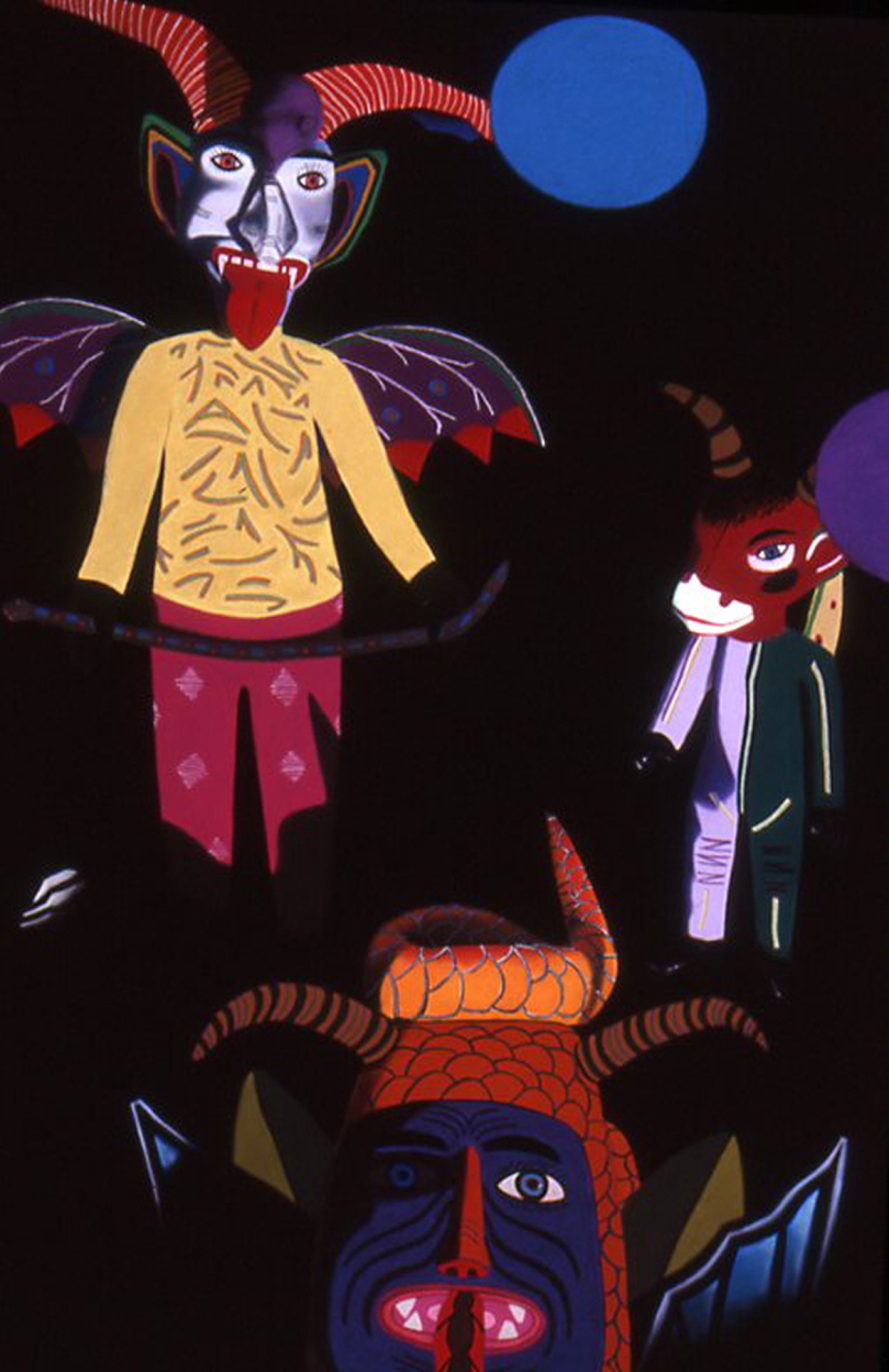
“The Sovereign,” soft pastel on sandpaper, 58″ x 38″
* an ongoing series of quotations – mostly from artists, to artists – that offers wisdom, inspiration, and advice for the sometimes lonely road we are on.
Art isn’t psychology. For one thing art deals in images, not language. Images precede language and are closer to feelings. They summon feelings before they’re named and categorized, when they’re still fresh and sometimes hard to recognize or identify.
For another thing, to translate his vision an artist uses materials that are, for lack of a better word, alchemical. Paint, for example, has this wonderful, mysterious quality – a smell and a sensuous, velvety feel and an ability to hold color and light – that unlocks and speeds up one’s creative metabolism. And paint captures my every impulse – from my broadest conceptions to the tiniest ticks and tremors of my wrist.
There are literally no words to describe what occurs when an image suddenly and unexpectedly appears on the canvas. Sometimes it’s serendipity, the result of a fortunate brushstroke. Sometimes I think it has to do with the inherent qualities of paint, or the slickness of a surface, or the fullness or acuity of a brush. And sometimes when I’ve got a good rhythm going and everything comes together, I feel as though it produces the purest expression of who I am and what I am and how I perceive the world.
Eric Fischl and Michael Stone in Bad Boy: My Life on and off the Canvas
Comments are welcome!
Pearls from artists* # 79
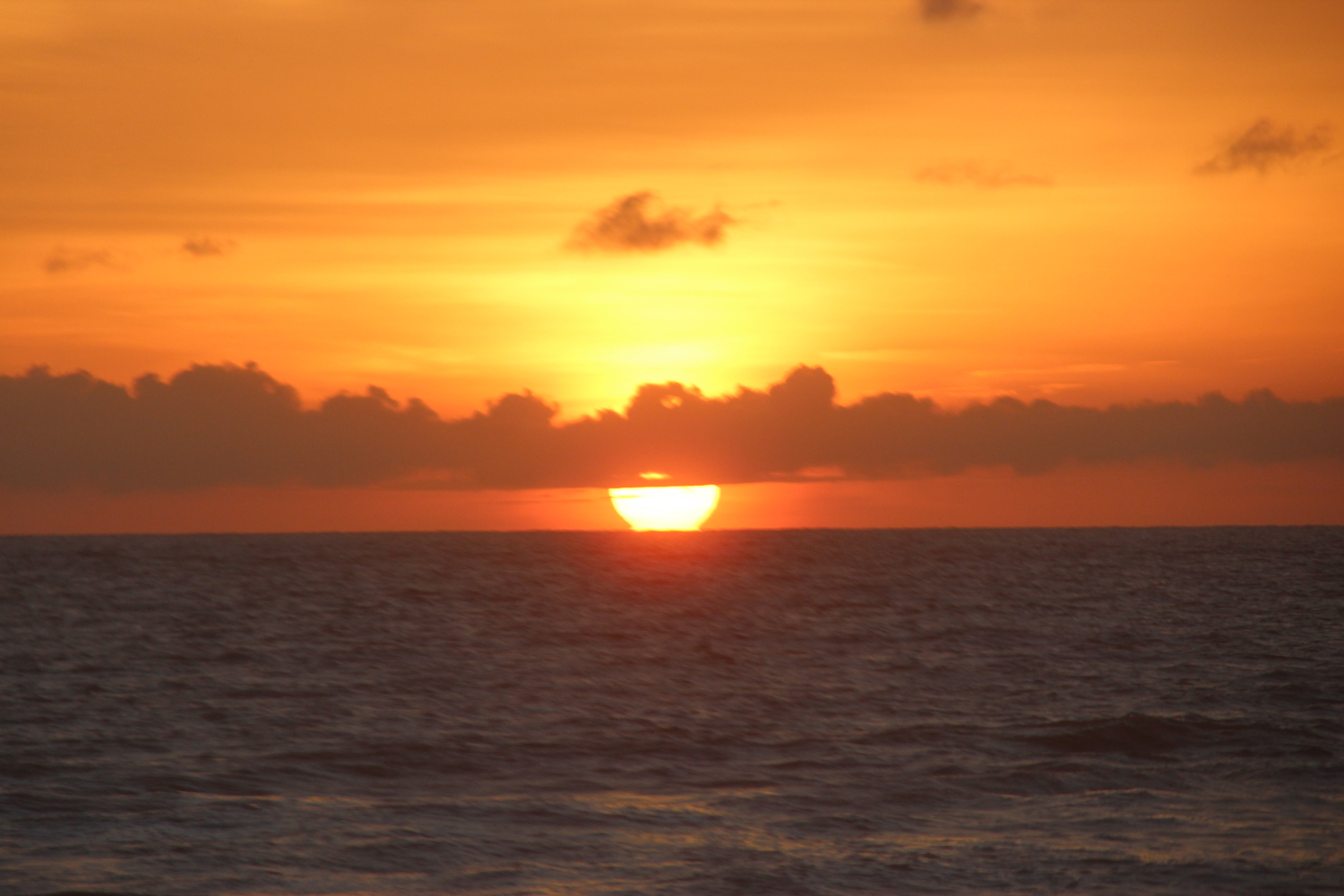
Negombo, Sri Lanka
* an ongoing series of quotations – mostly from artists, to artists – that offers wisdom, inspiration, and advice for the sometimes lonely road we are on.
“What’s to say? Great paintings – people flock to see them, they draw crowds, they’re reproduced endlessly on coffee mugs and mouse pads and anything-you-like. And, I count myself in the following, you can have a lifetime of perfectly sincere museum-going where you traipse around enjoying everything and then go out and have some lunch. But … if a painting really works down in your heart and changes the way you see, and think, and feel, you don’t think, ‘oh, I love this picture because it’s universal.’ ‘I love this painting because it speaks to all mankind.’ That’s not the reason anyone loves a piece of art. It’s a secret whisper from an alleyway. Psst, you. Hey, kid. Yes, you.” Fingertip gliding over the faded-out photo – the conservator’s touch, a-touch-without-touching, a communion wafer’s space between the surface and his forefinger. “An individual heart-shock. Your dream … Vermeer’s dream. You see one painting, I see another, the art book puts it at another remove still, the lady buying the greeting card at the museum shop sees something else entire, and that’s not even to mention the people separated from us by time – four hundred years before us, four hundred years after we’re gone – it’ll never strike anybody the same way and the great majority of people it’ll never strike in any deep way at all – a really great painting is fluid enough to work its way into the mind and heart through all kinds of different angles, in ways that are unique and particular. Yours, yours. I was painted for you… fateful objects. Every dealer and antiquaire recognizes them. The pieces that occur and recur. Maybe for someone else, not a dealer, it wouldn’t be an object. It’d be a city, a color, a time of day. The nail where your fate is liable to catch and snag.”
Donna Tartt in The Goldfinch
Comments are welcome!
Q: What have you learned about the people of Mexico through your travels, reading, and research?
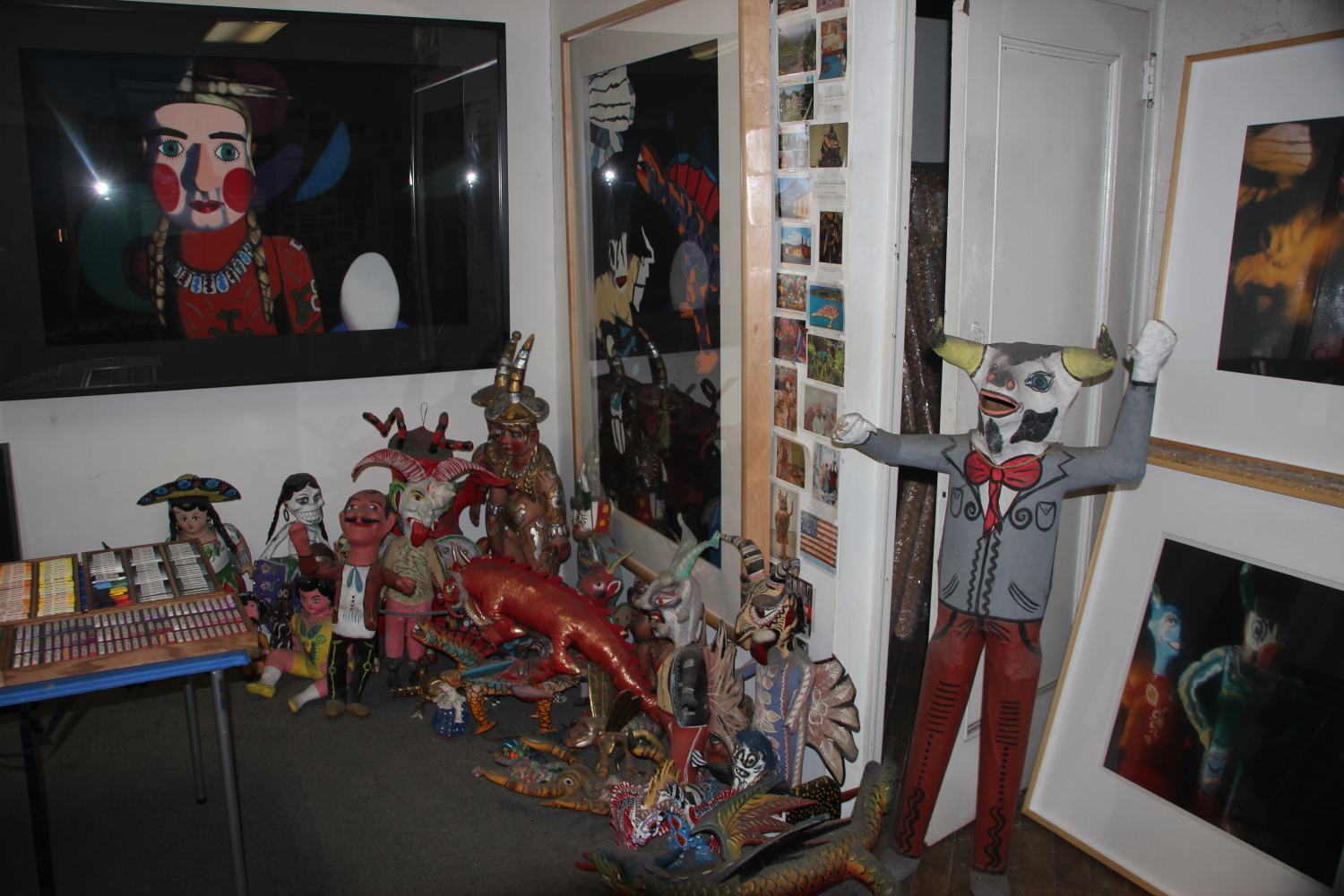
A corner of the studio
A: It didn’t take long to become smitten with these beautiful people. It happened on my first trip there in 1992 when Bryan and I, along with busloads of other tourists, were visiting the Oaxacan cemeteries on The Day of the Dead. The Oaxaquenos tending their ancestor’s graves were so dignified and so gracious, even with so many mostly-American tourists tromping around on a sacred night, that I couldn’t help being taken with them and with their beliefs. My studies since that time have given me a deeper appreciation for the art, architecture, history, mythology, etc. that comprise the extremely rich and complex story of Mexico as a cradle of civilization in the West. It is a wonderfully heady mix and hopefully some of it comes through in my work as a painter and a photographer.
By the way I often wonder why the narrative of Mexico’s fascinating history was not taught in American public schools, at least not where I went to public school in suburban New Jersey. Mexico is our neighbor, for goodness sake, but when I speak to many Americans about Mexico they have never learned anything about the place! It’s shocking, but many people think only “Spring Break” and/or “Drug Wars,” when they hear the word “Mexico.” As a kid I remember learning about Egypt, Mesopotamia, Greece, and other early civilizations in the Middle East, Europe, and Asia, but very little about Mexico. We learned about the Maya, when it was still believed that they were a peaceful people who devoted their lives to scientific and religious pursuits, but that story was debunked years ago. And I am fairly sure that not many Americans even know that Maya still exist in the world … in Mexico and in Guatemala. There are a few remote places that were not completely destroyed by Spanish Conquistadores in the 16th century and later. I’ve been to Mayan villages in Guatemala and seen shamans performing ancient rituals. For an artist from a place as rooted in the present moment as New York, it’s an astounding thing to witness!
Comments are welcome!
Pearls from artists* # 62
“The Sovereign,” soft pastel on sandpaper, 58″ x 38″
* an ongoing series of quotations – mostly from artists, to artists – that offers wisdom, inspiration, and advice for the sometimes lonely road we are on.
Yes, I’m formalistically obsessed. I see in a picture what I see in nature – everything has its place and is integrated. Like a tree or a human body, the image is put together for a greater whole. If you chop off something, you immediately destroy the organism. Form is crucial to what I do, and I believe that the form, in a way, creates the content. If you don’t have the form, you don’t get the content. If you get the maximum formal relationships in a precise, organic, metaphoric methodology, then you have a better chance of bringing out the content to its full degree. Of course, a picture doesn’t stand alone by its form. You can have forms that relate but offer no meaning. Ultimately, a picture is judged by its meaning, and I think that’s what a lot of people lose sight of.
Interview with Roger Ballen in Lines, Marks, and Drawings: Through the Lens of Roger Ballen, Craig Allen Subler and Christine Mullen Kreamer
Comments are welcome!
Pearls from artists* # 61
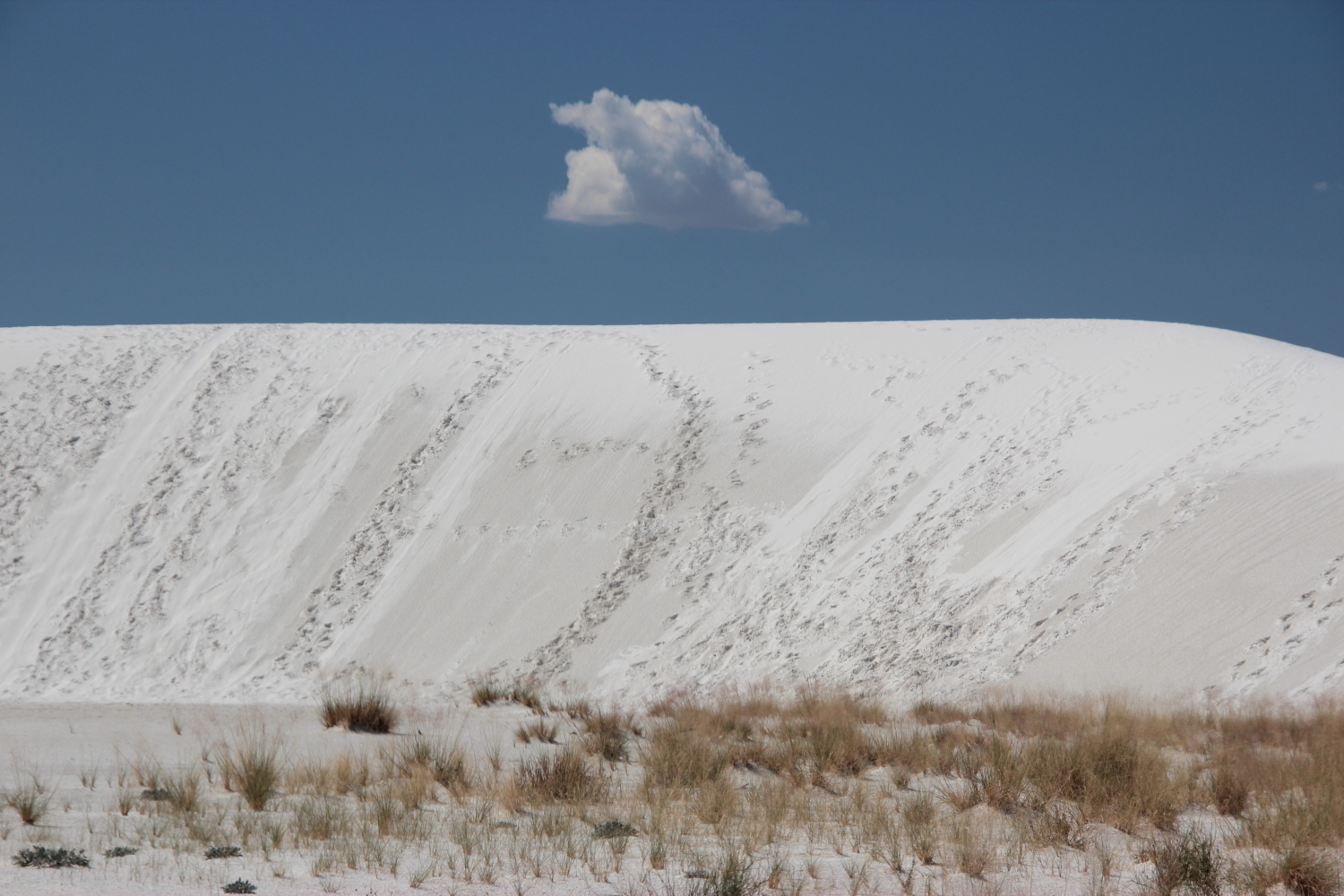
White Sands, NM
* an ongoing series of quotations – mostly from artists, to artists – that offers wisdom, inspiration, and advice for the sometimes lonely road we are on.
I can only shudder when I think of life without our handiwork. The sheer paucity of living only for the sake of survival and empty diversion would be that of an empty vessel. My own life as an artist helps me to fill that vessel, and on occasion I am able to share that with another. Is there meaning in my struggle, my endless solitude? Yes, I believe there is, for at the very least I have found greater meaning for myself in that search. And as those artists who have come before me have perhaps more clearly expressed, our ability to ponder the questions that denote our humanness are worthy of a life of solitude. That is where I find my solace and my courage. In the final analysis, it is the art that I make that allows me to pause and briefly see. Only now do I begin to understand and accept both the burden and joy of my life.
Dianne Albin quoted in Eric Maisel’s The Van Gogh Blues
Comments are welcome!
Pearls from artists* # 60
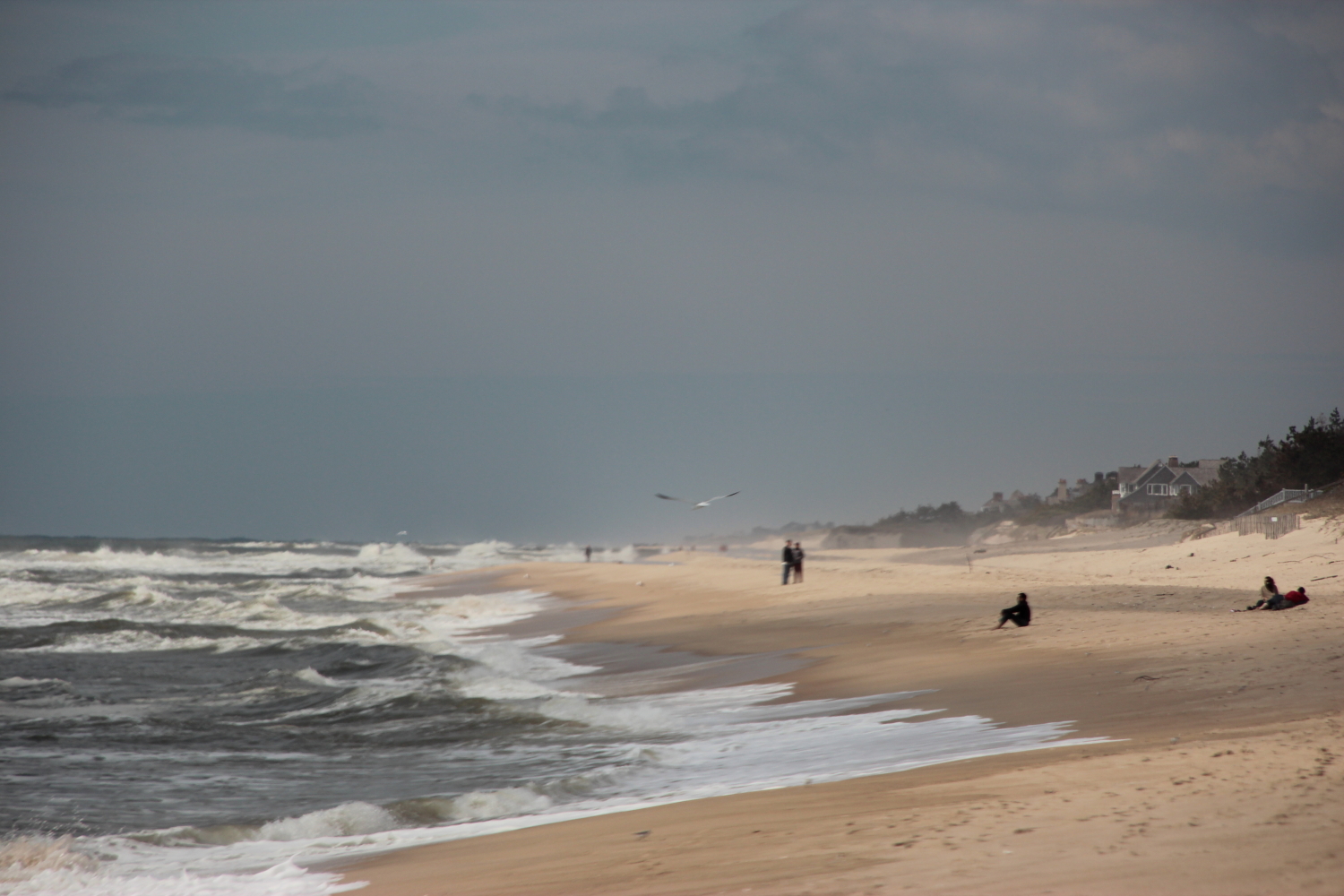
East Hampton, NY
* an ongoing series of quotations – mostly from artists, to artists – that offers wisdom, inspiration, and advice for the sometimes lonely road we are on.
For an artist, it is a driven pursuit, whether we acknowledge this or not, that endless search for meaning. Each work we attempt poses the same questions. Perhaps this time I will see more clearly, understand something more. That is why I think that the attempt always feels so important, for the answers we encounter are only partial and not always clear. Yet at its very best, one work of art, whether produced by oneself or another, offers a sense of possibility that flames the mind and spirit, and in that moment we know this is a life worth pursuing, a struggle that offers the possibility of answers as well as meaning. Perhaps in the end, that which we seek lies within the quest itself, for there is no final knowing, only a continual unfolding and bringing together of what has been discovered.
Dianne Albin quoted in Eric Maisel’s The Van Gogh Blues
Comments are welcome!
Pearls from artists* # 59

Studio
* an ongoing series of quotations – mostly from artists, to artists – that offers wisdom, inspiration, and advice for the sometimes lonely road we are on.
Friends sometimes ask, “Don’t you get lonely sitting by yourself all day?” At first it seemed odd to hear myself say No. Then I realized that I was not alone; I was in the book; I was with the characters. I was with my Self.
Not only do I not feel alone with my characters; they are more vivid and interesting to me than the people in my real life. If you think about it, the case can’t be otherwise. In order for a book (or any project or enterprise) to hold our attention for the length of time it takes to unfold itself, it has to plug into some internal perplexity or passion that is of paramount importance to us. The problem becomes the theme of our work, even if we can’t at the start understand or articulate it. As the characters arise, each embodies infallibly an aspect of that dilemma, that perplexity. These characters might not be interesting to anyone else but they’re absolutely fascinating to us. They are us. Meaner, smarter, sexier versions of ourselves. It’s fun to be with them because they’re wrestling with the same issue that has its hooks into us. They’re our soul mates, our lovers, our best friends. Even the villains. Especially the villains.
Stephen Pressfield in The War of Art
Comments are welcome!
Q: Would you speak about the practical realities – time and expenses – involved in making your pastel-on-sandpaper paintings? What might people be surprised to learn about this aspect of art-making?
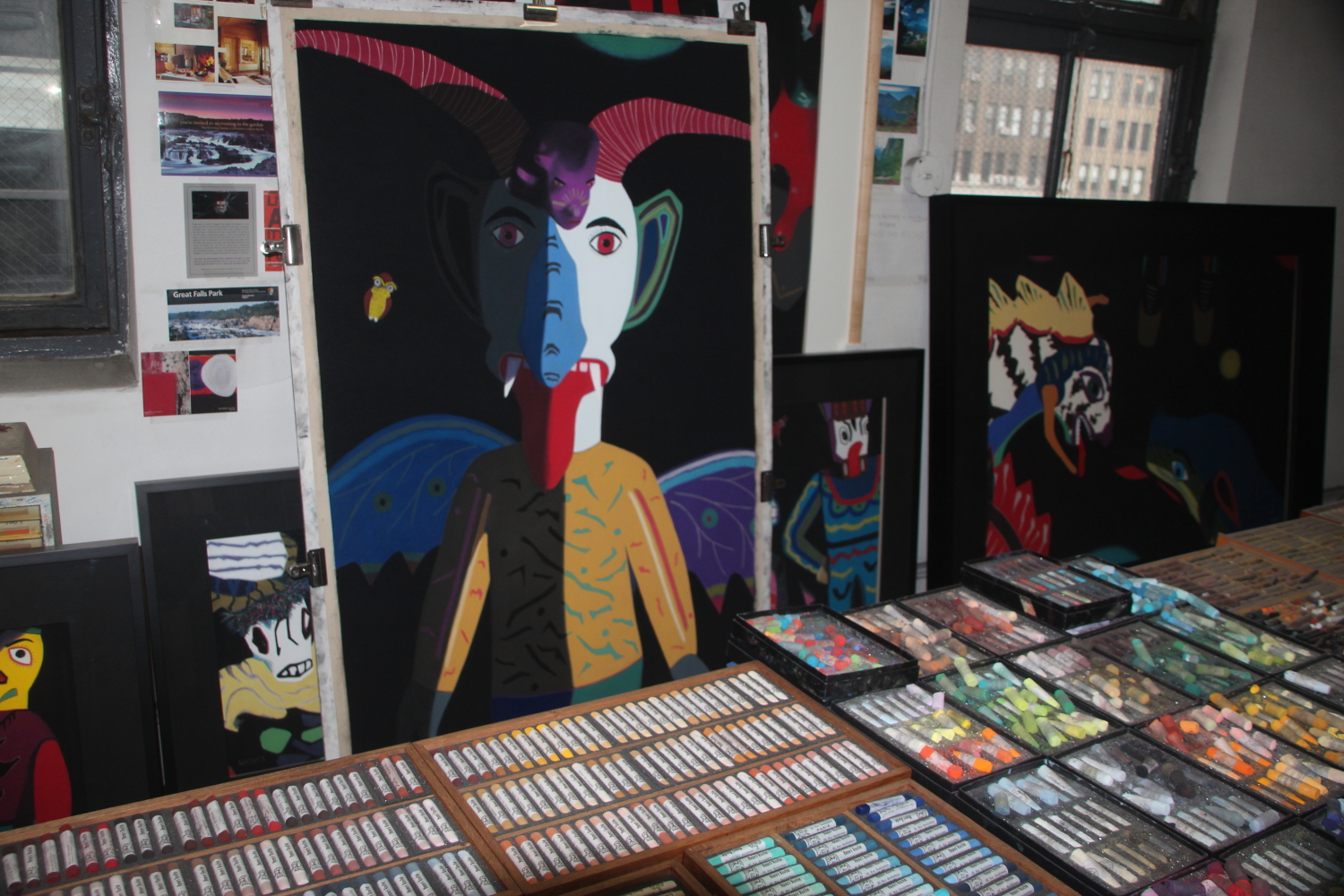
Studio
A: I have often said that this work is labor-intensive. In a good year I can complete five or six large (38″ x 58″) pastel paintings. In 2013 I am on track to make four, or, on average, one completed painting every three months. I try to spend between thirty-five and forty hours a week in the studio. Of course, I don’t work continuously all day long. I work for awhile, step back, look, make changes and additions, think, make more changes, step back, etc. Still, hundreds of hours go into making each piece in the “Black Paintings” series, if we count only the actual execution. There is also much thinking and preparation – there is no way to measure this – that happen before I ever get to stand before an empty piece of sandpaper and begin.
As far as current expenses, they are upwards of $12,000 per painting. Here is a partial breakdown:
$4500 New York studio, rent and utilities ($1350/month) for three months
$2500 Supplies, including frames (between $1500 – $1700), photographs, pastels (pro-rated), paper
$2000 Foreign travel to find the cultural objects, masks, etc. depicted in my work (approximate, pro-rated)
$3000 Business expenses, such as computer-related expenses, website, marketing, advertising, etc.
This list leaves out many items, most notably compensation for my time, shipping and exhibition expenses, costs of training (i.e. ongoing photography classes), photography equipment, etc. Given my overhead, the paintings are always priced at the bare minimum that will allow me to continue making art.
I wonder: ARE people surprised by these numbers? Anyone who has ever tried it knows that art is a tough road. Long ago I stopped thinking about the cost and began doing whatever is necessary to make the best paintings. The quality of the work and my evolution as an artist are paramount now. This is my life’s work, after all.
Comments are welcome!
Pearls from artists* # 39

Great Salt Lake
* an ongoing series of quotations – mostly from artists, to artists – that offers wisdom, inspiration, and advice for the sometimes lonely road we are on.
When you think of paying an author for his work you ought to think generously. It is the author who makes your magazine. If you cannot pay in cold cash, why don’t you write the author and ask what you could do for him? Offer to do something in the nature of a personal sacrifice, I would say. He may need to have some typing done, or some printing; he may need a table to write on, or books to reference; he may need some research work done for him. There are a thousand and one things he may need and appreciate much more than cold cash, especially when it constitutes a sum which, by American standards of living, means absolutely nothing. It costs me, for example, almost five dollars a week for postage. It costs me much more than that for the gifts of books and water colors I am obliged to make to enthusiastic admirers who are too poor to buy my work.
… But this, it seems to me, is the way one good artist should treat another. And you who are editors of small magazines are mostly artists yourselves, I take it. You all expect to become celebrated writers some day; you identify yourselves with the men whose work you admire and hope to publish. Well, carry out the identification to the nth degree, I say. Think how you would feel if, after years of labor and struggle, you are asked to accept a trivial sum. It is far, far better to say: “We have no money at all. We believe in you and your work… will you help us? We are willing to make any sacrifice in order to make your name known.” Most authors would be touched by such an appeal; they would offer their work gladly; they would probably offer to help in other ways. I am thinking naturally of the kind of writers whom you wish to interest in your project. There can be a magnificent collaboration between author and editor, author an publisher. But you, as editor, must first begin by giving, not demanding. Give the shirt off your back, or offer to give it, and then see what sort of response you will get form the author. I have often noticed with beggars that when they ask for something and you offer them twice or ten times as much, they are so overwhelmed that they often refuse to accept anything, or else they offer to become your slave. Writers, in a way, are like beggars. They are continually begging to be heard, to be recognized. Really they are simply begging for a chance to give of their great gifts – which is the most heart-rending begging of all and a disgrace to any civilized community in which it happens. Which is to say, almost the entire civilized world.
Henry Miller in Stand Still Like the Hummingbird
Comments are welcome!
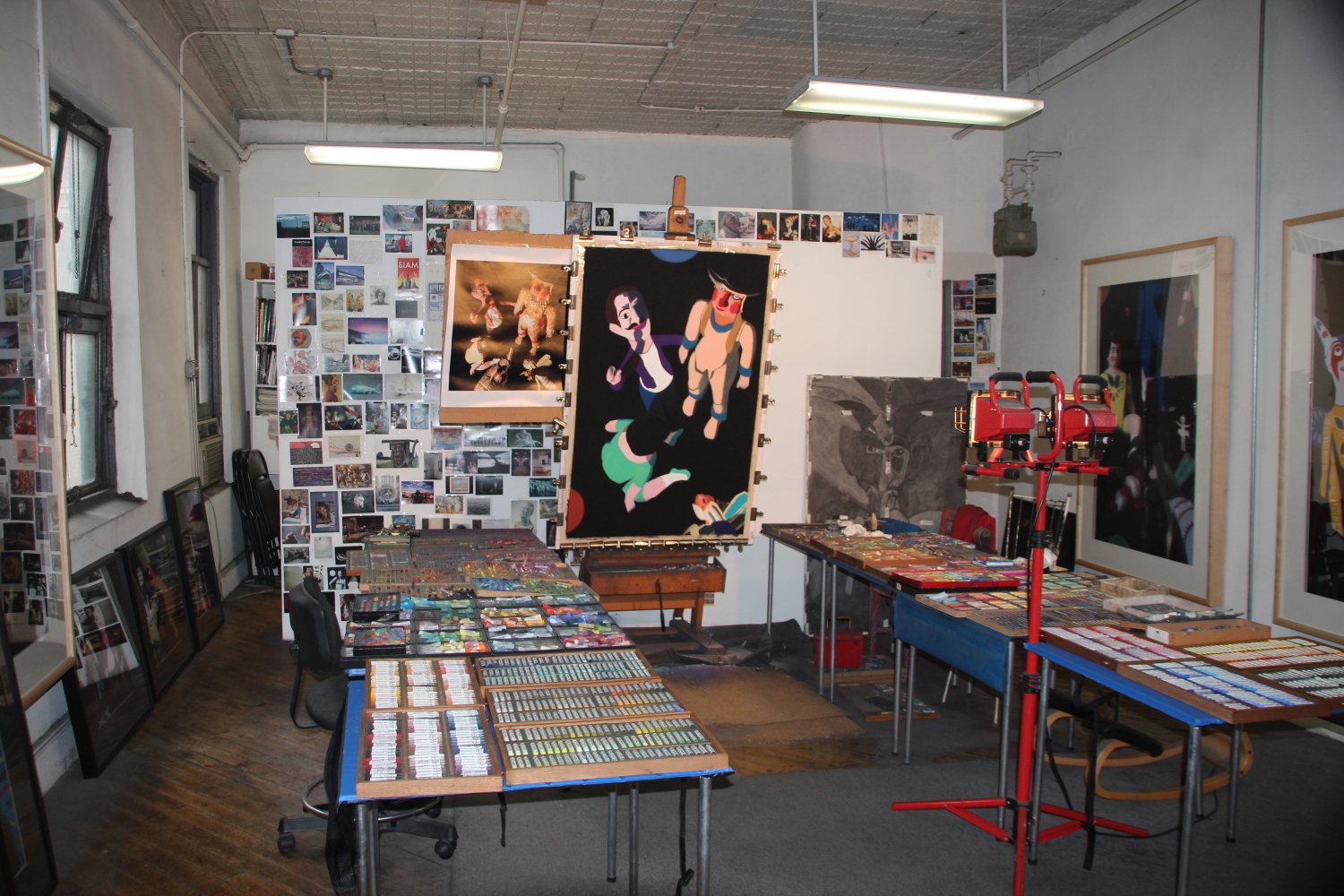


 barbararachkoscoloreddust.com