Blog Archives
Pearls from artists* # 58
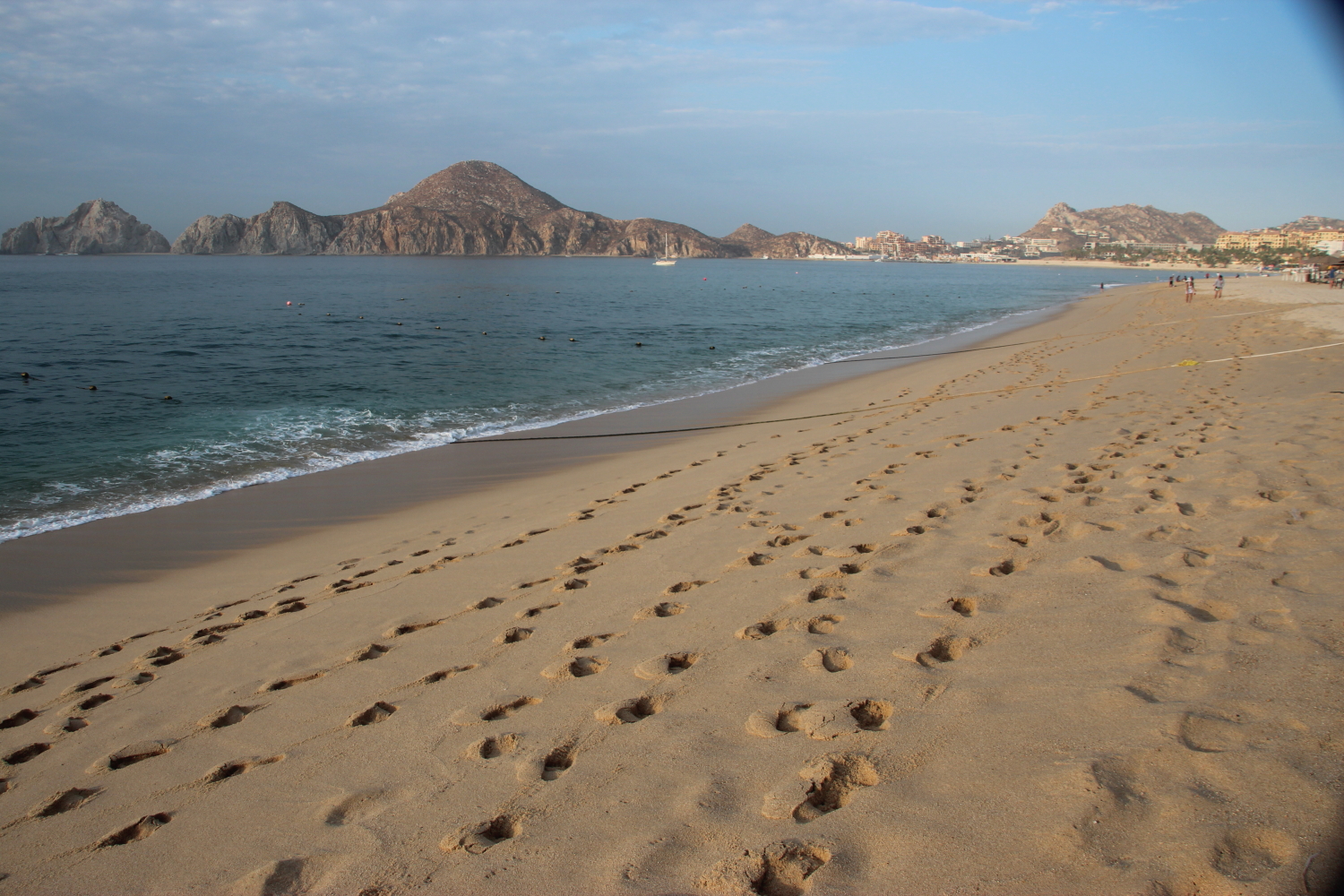
Cabo San Lucas, Mexico
* an ongoing series of quotations – mostly from artists, to artists – that offers wisdom, inspiration, and advice for the sometimes lonely road we are on.
I remember as a teenager having a group of friends at school and another group whom I spent the weekends with. I functioned fine until on occasions when I was with friends from both groups at the same time. Then it became really difficult, because I was used to acting very differently with the two groups. With one I was the leader, very vocal and outspoken about my opinions. With the other group I wanted desperately to belong and so I adapted to fit in, which meant not really being myself.
The lack of authenticity is painful. It applies to all levels of life. If our voice as a painter is inauthentic, we’re in trouble. In the end there is nothing so compelling as to be yourself. This is why being an artist can be so exhilarating. If you want to uncover your truth, you have a daily technique to come to terms with your limitations and to overcome them. You have an opportunity to look at the limiting stories you have written in your head and heart and rewrite them with boldness and vision. The quality of your attention influences how you see things.
What you put your attention on grows stronger in your life. Life, if you look around you, whether inside or in nature, is one bubbling mass of creativity. Recognize we have no shortage of it. If you focus your attention on what you now decide is fundamental , that quality will grow in your life. Not what our parents or teachers or friends or media or anybody says or said. What we now put our attention on will grow in our life. If you want to paint and put your focus there you will unleash a torrent of energy and enthusiasm.
Ian Roberts in Creative Authenticity: 16 Principles to Clarify and Deepen Your Artistic Vision
Comments are welcome!
Q: You recently spent several weeks in Sri Lanka. After experiencing so many new sights and sounds, is it difficult to get back to work in your studio?
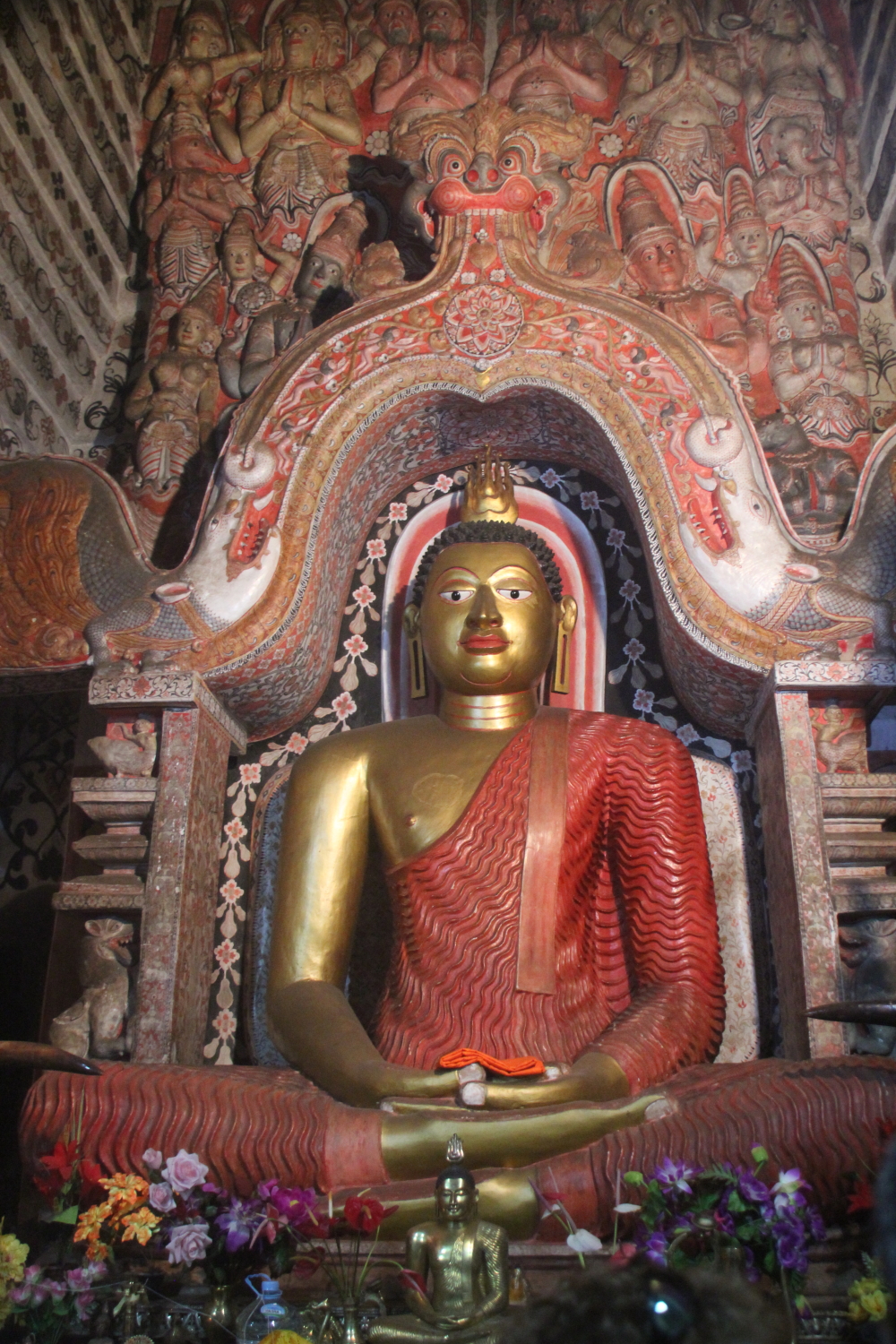
Cave temple at Natha Devale, Sri Lanka
A: It definitely requires some readjustment and a period – maybe a day or two – during which I feel removed from the painting on my easel and need time to become reacquainted with it. It’s a time to refocus, stay put, and reflect. For weeks I’ve led an action-packed life, exploring a fascinating country on the other side of the world. Over time, all of the experiences I’ve had will stay with me, or not, and in some ways begin to influence my work.
It’s funny. I often think of my studio as a cave. It’s a rather dark place and sometimes I have to force myself to go. In Sri Lanka I saw many ancient Buddhist cave temples, wild and vibrant, with colorful paintings on the walls and ceilings, chock full of statues of Buddha and other deities. My travels have given me a new appreciation of the riches to be found in caves of all sorts, including (especially) my own studio!
Comments are welcome!
Pearls from artists* # 57

Studio corner
* an ongoing series of quotations – mostly from artists, to artists – that offers wisdom, inspiration, and advice for the sometimes lonely road we are on.
You are talented and creative. You rarely block, and when you do block you know how to move yourself along. Your moods are not incapacitating and you haven’t stepped over into madness. Your personality is sufficiently integrated that your necessary arrogance doesn’t prevent you from having successful relationships, your nonconformity hasn’t made you a pariah, and your skepticism hasn’t bred in you a nihilistic darkness. You work happily in isolation but can also move into the world and have a life. You have, in short, met the challenges posed so far.
Are you home free? Unfortunately not. The next challenges you face are as great as any posed so far. They are the multiple challenges of doing the business of art: making money, developing a career, acknowledging and making the most of your limited opportunities, living with compromise, dealing with mass taste and commercialism, negotiating the marketplace, and making personal sense of the mechanics and metaphysics of the business environment of art.
Many artists grow bitter in this difficult arena. Many an artist flounders. Only the rare artist sits himself down to examine these matters, for they are painful to consider. But you have no choice but to examine them. If you are an artist, you want an audience. And if you want an audience, you must do business.
Comments are welcome!
Eric Maisel in A Life in the Arts
Pearls from artists* # 53
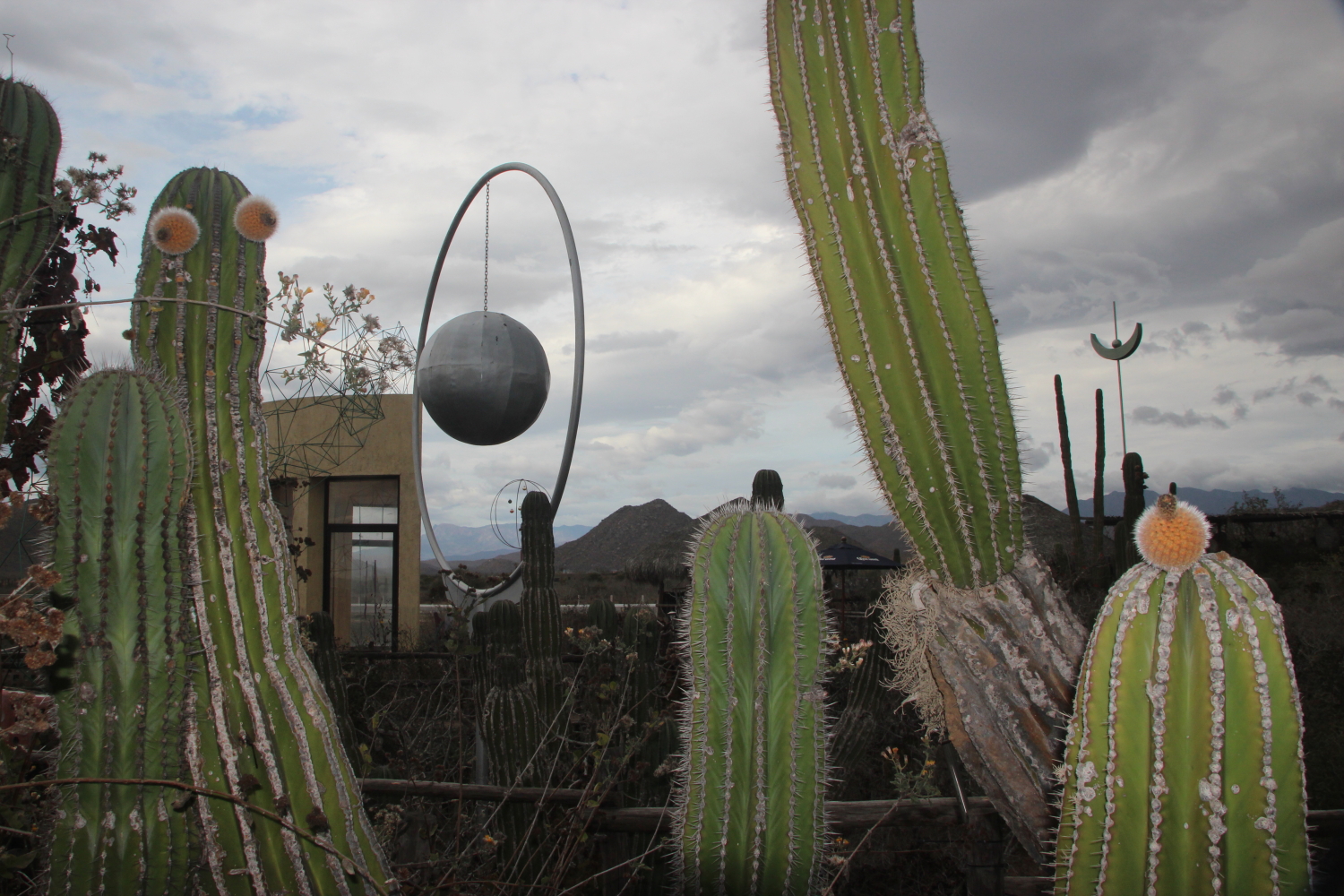
“Art and Beer,” a roadside bar and sculpture garden in Baja del Sur, Mexico
* an ongoing series of quotations – mostly from artists, to artists – that offers wisdom, inspiration, and advice for the sometimes lonely road we are on.
We do treat books surprisingly lightly in contemporary culture. We’d never expect to understand a piece of music on one listen, but we tend to believe we’ve read a book after reading it just once. Books and music share more in terms of resonance than just a present-tense correlation of heard note to read word. Books need time to draw us in, it takes time to understand what makes them, structurally, in thematic resonance, in afterthought, and always in correspondence with the books which came before them , because books are produced by books more than by writers; they’re a result of all the books that went before them. Great books are adaptable; they alter with us as we alter in life, they renew themselves as we change and re-read them at different times in our lives. You can’t step into the same story twice – or maybe it’s that stories. books, art can’t step into the same person twice, maybe it’s that they allow for our mutability, are ready for us at all times, and maybe it’s this adaptability, regardless of time, that makes them art, because real art (as opposed to more transient art, which is real too, just for less time) will hold us at all our different ages like it held all the people before us and will hold all the people after us, in an elasticity and with a generosity that allow for all our comings and goings. Because come then go we will, and in that order.
Ali Smith in Artful
Comments are welcome!
Q: You have sometimes spoken about your early work as a portrait artist. When and why did you start making portraits? Do you still do them?

“Bryan,” soft pastel on sandpaper, 22″ x 28″, 1988
A: In 1989 I was a Naval officer working at the Pentagon and I hated my job as a computer analyst. Although it was terrifying to leave the security of a paycheck for the uncertainty of an artist’s existence, I made the leap. In retrospect it was one of the best decisions of my life. When I resigned from active duty (I remained in the Navy Reserve, which provided a part-time job and a small income; in 2003 I retired as a Navy Commander), I needed a way to make a living.
Prior to this career change, I worked hard to develop my portrait skills. I volunteered to run a life drawing class at The Art League School in Alexandria, VA, where I made hundreds of figure drawings using charcoal and pastel. I spent a semester commuting between Washington, DC and New York to study artistic anatomy at the New York Academy of Art. I spent another semester studying gross anatomy with medical students at Georgetown University Medical School. So I was well prepared to devote myself to making portraits.
For a time I made a living making commissioned photo-realist portraits in soft pastel on sandpaper. However, after about two years I became bored. I remember thinking, “I did not leave a boring job just to make boring art!” Furthermore, I had no interest in doing commissions because what I wanted to accomplish as an artist did not coincide with what portrait clients wanted. I completed my final portrait commission in 1990 and never looked back. To this day I remain loathe to do a commission of any kind.
Comments are welcome!
Q: Your pastel-on-sandpaper paintings are very labor intensive. Do you typically have just one in progress at any given time?

Works in progress, soft pastel on sandpaper, 58″ x 38″
A: For many years I always worked on one at a time because I have only one or two ideas – never more than that – about what I will make next. Also, I believe that “all art is the result of one’s having gone through an experience to the end.” (It’s on a note taped to the wall near my easel). So I would work on one painting at a time until all of the problems in it were resolved. Each piece that I undertake represents an investment of several months of my life and after nearly three decades as an artist, I know that once I start a piece I will not abandon it for any reason. When it is the best painting that I can make – when adding or subtracting anything would be a diminishment – I pronounce it “finished.” In the past I would start the next one only when the completed piece was out of my sight and at the frame shop.
But a few years ago I began working on two pastel paintings at a time. When I get stuck – or just need a break from looking at the same image day after day (I am in my studio 5 days a week) – I switch to the other one. This helps me work more efficiently. The two paintings interact with each other; they play off of each other and one suggests solutions that help me to resolve problem areas in the other. I’m not sure exactly how this happens – maybe putting a piece aside for awhile alerts my unconscious to begin working deeply on it – but having two in progress at the same time is my preferred way of working now.
A note about the painting on the left above, which was previously called, “Judas.” I happen to be reading “Cloud Atlas,” by David Mitchell and came across the word “judasing” used as a verb meaning, “doing some evil to a person who profoundly trusted you.” I’d never heard the word before, but it resonated with an event in my personal life. So the new title of my painting is “Judasing.” This is a good reminder that work and life are inextricably (and inexplicably) woven together and that titles can come from anywhere!
Comments are welcome!
Pearls from artists* # 42
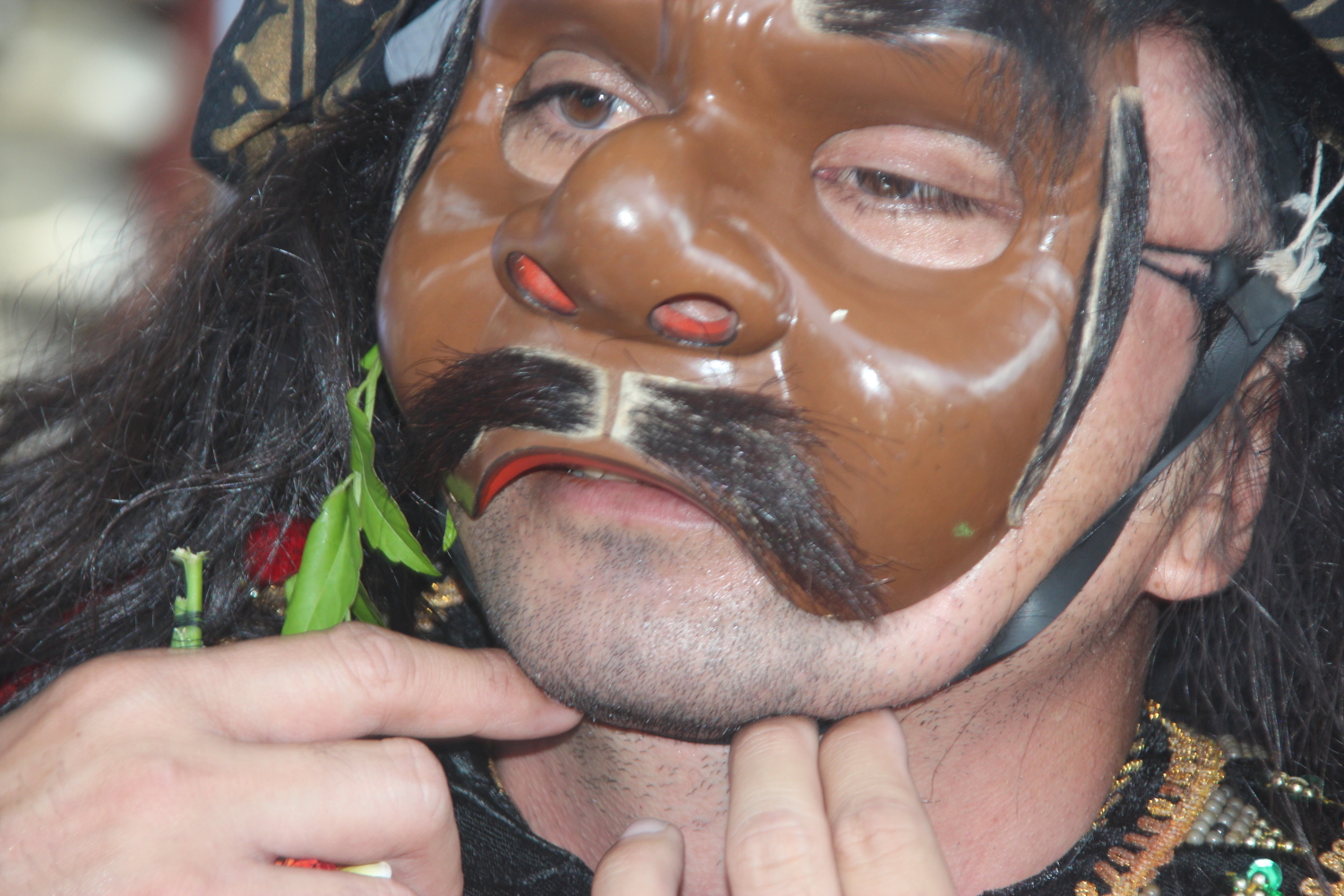
Balinese dancer
* an ongoing series of quotations – mostly from artists, to artists – that offers wisdom, inspiration, and advice for the sometimes lonely road we are on.
Things-as-they-are offer such an abundance of material that a photographer must guard against the temptation of trying to do everything. It is essential to cut from the raw material of life – to cut and cut, but to cut with discrimination. While working, a photographer must reach a precise awareness of what he is trying to do. Sometimes you have the feeling that you have already taken the strongest possible picture of a particular situation or scene; nevertheless, you find yourself compulsively shooting, because you cannot be sure in advance exactly how the situation, the scene is going to unfold. You must stay with the scene, just in case elements of the situation shoot off from the core again. At the same time, it’s essential to avoid shooting like a machine-gunner and burdening yourself with useless recordings which clutter your memory and spoil the exactness of the reportage as a whole.
Henri Cartier-Bresson in Images a la sauvette
Comments are welcome!
Q: Why do you need to use a photograph as a reference source to make a pastel painting?
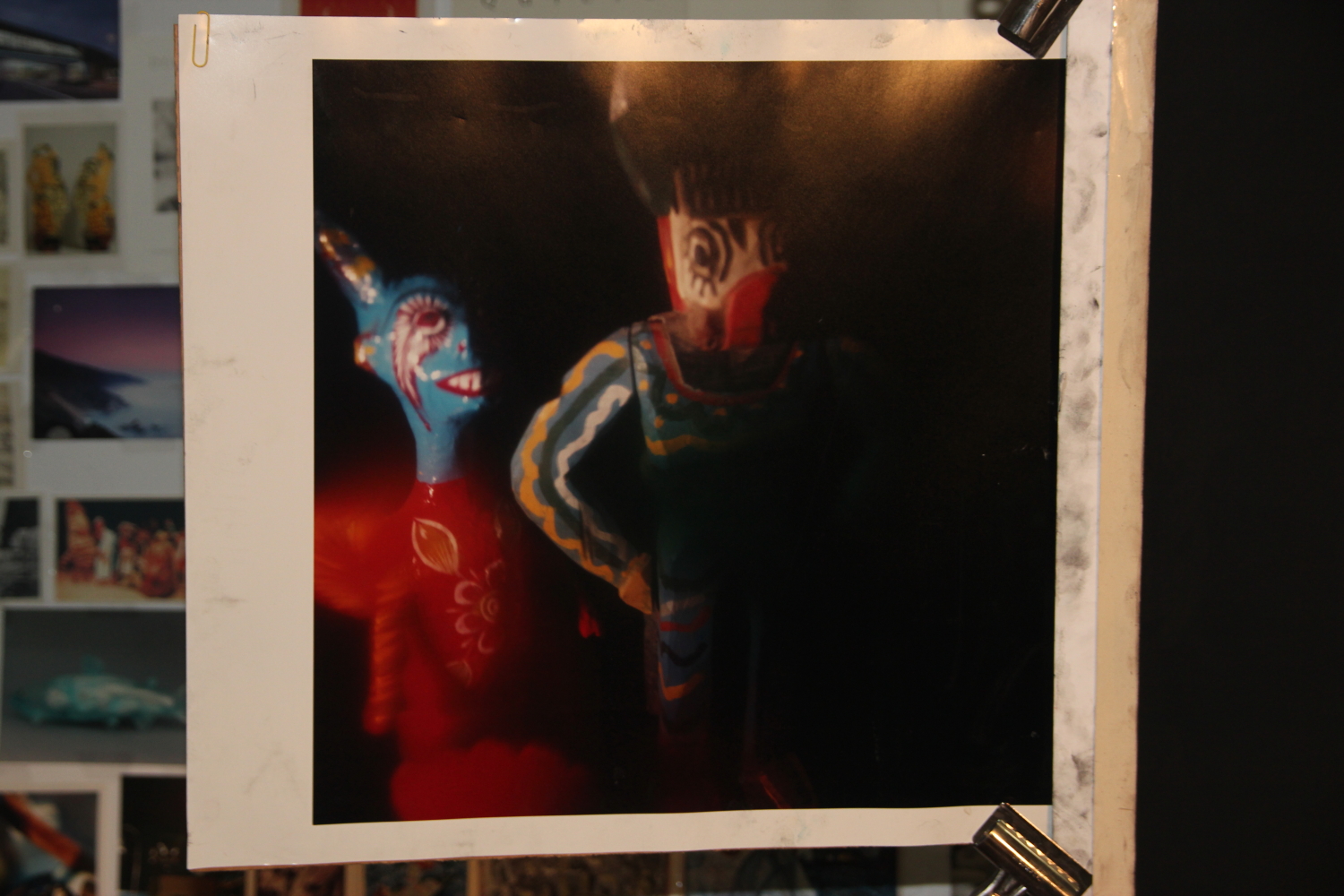
One of Barbara’s reference photos
A: When I was about 4 or 5 years old I discovered that I had a natural ability to draw anything that I could see. It’s the way my brain is wired and it is a gift! One of my earliest memories as an artist is of copying the Sunday comics. Always it has been much more difficult to draw what I CANNOT see, i.e., to recall how things look solely from memory or to invent them outright.
The evolution of my pastel-on-sandpaper paintings has been the opposite of what one might expect. I started out making extremely photo-realistic portraits. I remember feeling highly unflattered when after months of hard work, someone would look at my completed painting and say, “It looks just like a photograph!” I know this was meant as a compliment, but to me it meant that I had failed as an artist. Art is so much more than copying physical appearances.
So I resolved to move away from photo-realism. It has been slow going and part of me still feels like a slacker if I don’t put in all the details. But after nearly three decades I have arrived at my present way of working, which although still highly representational, contains much that is made up, simplified, and/or stylized. As I have always done, I continue to work from life and from photographs, but at a certain point I put everything aside and work solely from memory.
Comments are welcome!
Pearls from artists* # 41
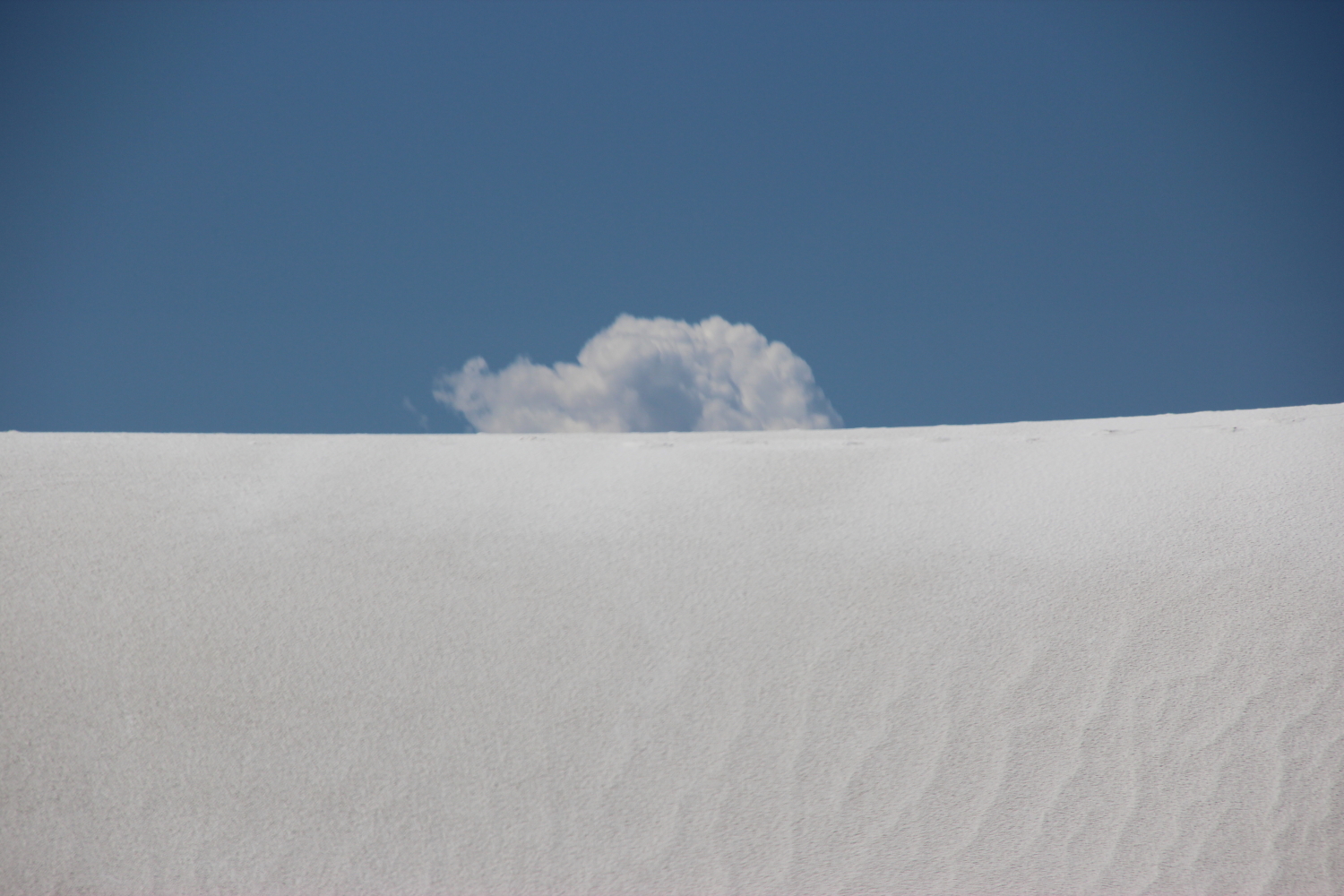
White Sands, NM
* an ongoing series of quotations – mostly from artists, to artists – that offers wisdom, inspiration, and advice for the sometimes lonely road we are on.
If you look at the work of an artist over a lifetime there is always transformation. Some hit a lively place early and then seem to lose it later. Others find that place progressively throughout their life; others still, find it late. But regardless, they are all learning to isolate the poetic place within them. That focus on the poetic in our own work increases our appreciation of the beauty around us, increases our growth, and increases our divine connection.
One thing you see in many artists’ work is that as they continue over the decades to translate their experience of the poetic into form, they learn to communicate better. They strip away all the extraneous stuff and artistic baggage they had. They say more with less.
The problem is seldom that what we truly, deeply experience is too simple to simplify. There is power in stripping everyhing away to reveal the vision. That’s what takes a lifetime.
Ian Roberts in Creative Authenticity: 16 Principles to Clarify and Deepen Your Artistic Vision
Comments are welcome!


 barbararachkoscoloreddust.com