Blog Archives
Pearls from artists* # 722
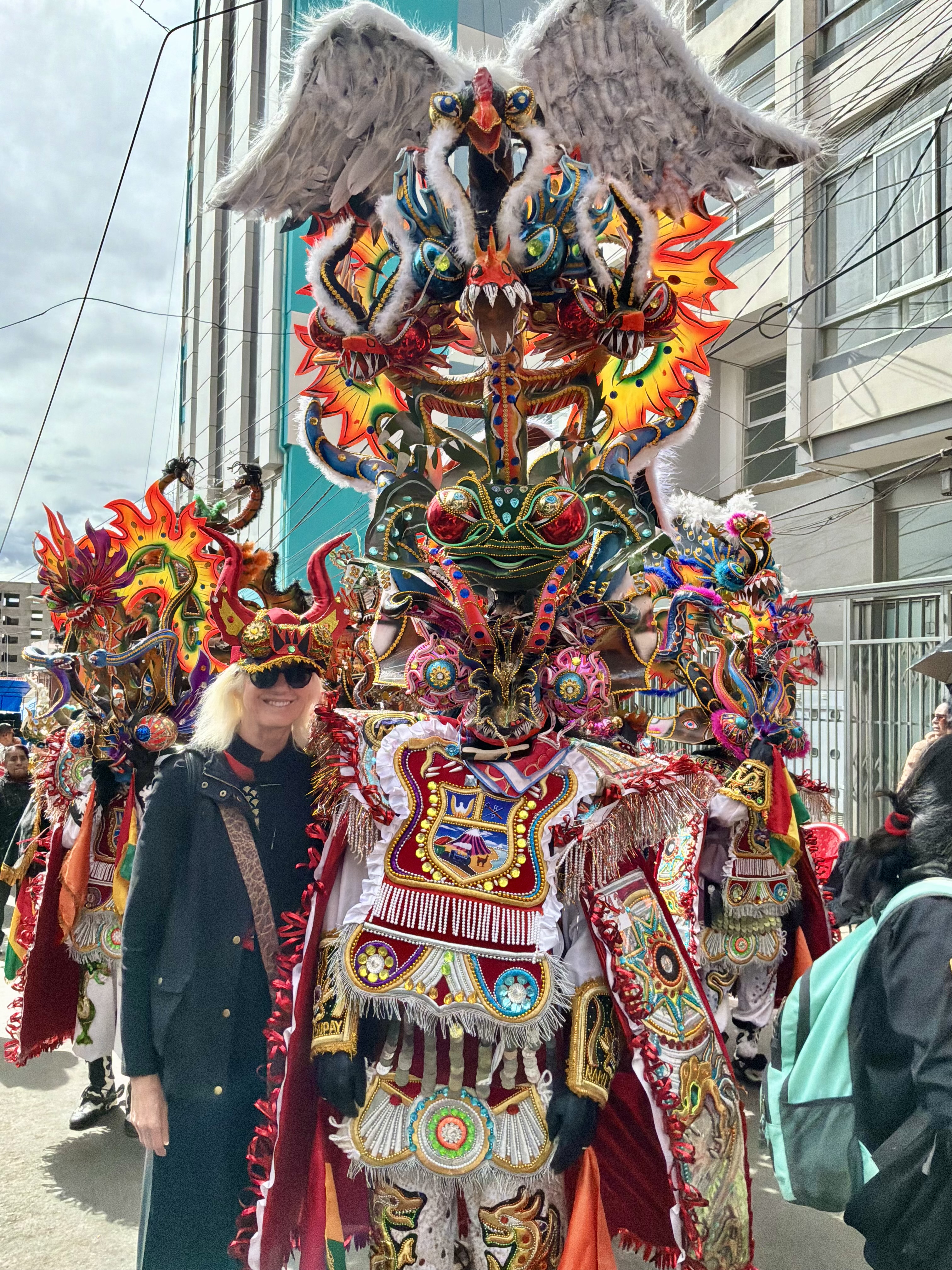
Barbara attending Carnival in Oruro, Bolivia!
*an ongoing series of quotations – mostly from artists, to artists – that offers wisdom, inspiration, and advice for the sometimes lonely road we are on
One of the most insidious kinds of pressure to which an artist can succumb is the pressure to be accessible. Well-meaning advisors may tell you that x is acceptable, marketable, popular and wealthy. But if you alter your work to be more x-ish, people will spot it as inauthentic; it will not be heartfelt because it does not originate in your own being. By all means develop and revise your work to communicate more and more clearly; but if you alter one word in order to please some imagined market “out there,” the integrity and originality of everything you do is at risk. You get off the sure base of what you really know and are. Whereas if you create your own material in your own way, developing art work that is more and more authentically yours, people will spot it as genuine. In resisting the temptation to accessibility, you are creating a genuine space and living in it.
Stephen Nachmanovitch in Free Play: Improvisation in Life and Art
Comments are welcome!
Pearls from artists* # 51
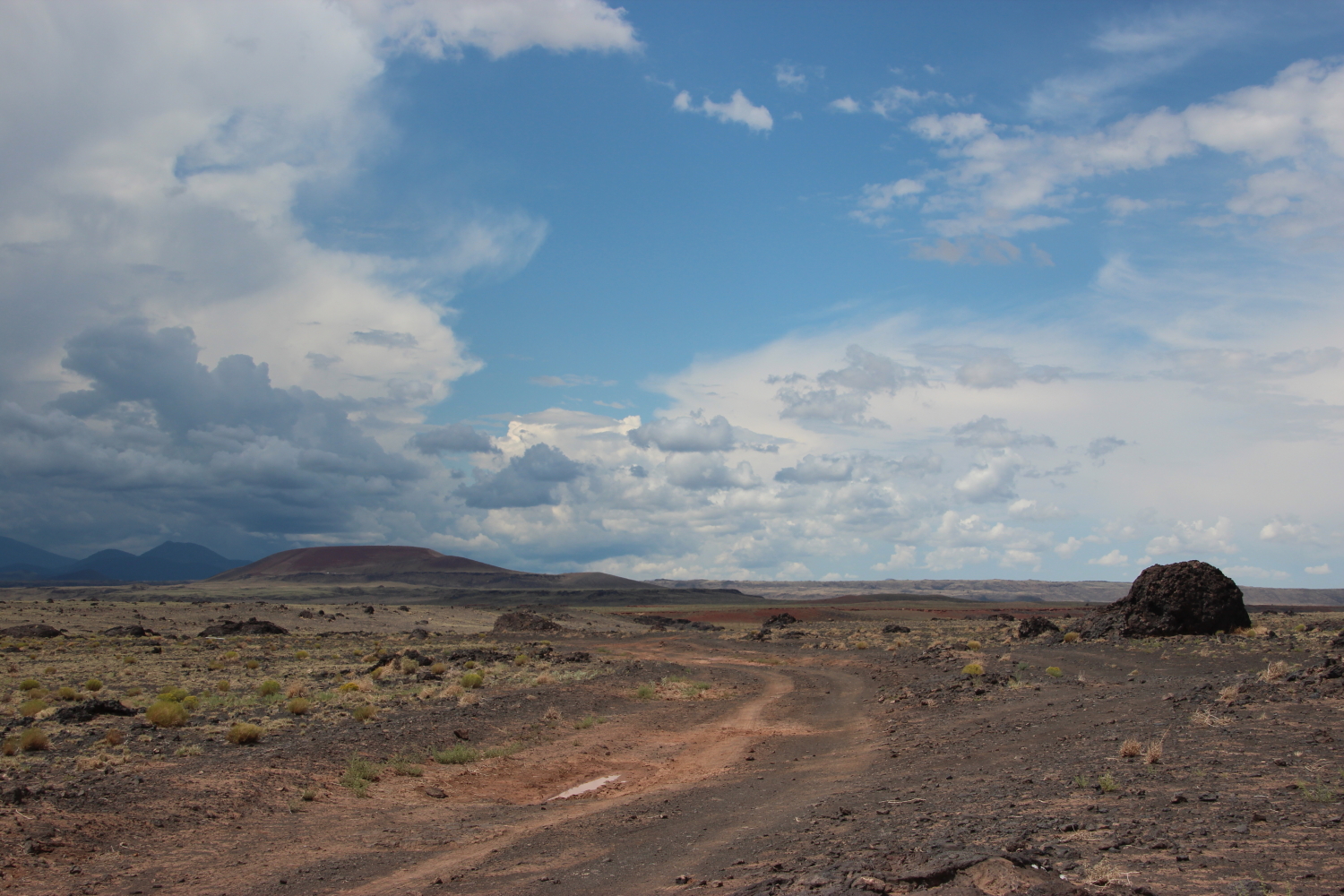
Road to Roden Crater in Arizona
* an ongoing series of quotations – mostly from artists, to artists – that offers wisdom, inspiration, and advice for the sometimes lonely road we are on.
The most demanding part of living a lifetime as an artist is the strict discipline of forcing oneself to work steadily along the nerve of one’s own most intimate sensitivity. As in any profession, facility develops. In most this is a decided advantage, and so it is with the actual facture of art; I notice with interest that my hand is more deft, lighter, as I grow more experienced. But I find that I have to resist the temptation to fall into the same kind of pleasurable relaxation I once enjoyed with clay. I have in some subtle sense to fight my hand if I am to grow along the reaches of my nerve.
And here I find myself faced with two fears. The first is simply that of the unknown – I cannot know where my nerve is going until I venture along it. The second is less sharp but more permeating: the logical knowledge that the nerve of any given individual is as limited as the individual. Under its own law, it may just naturally run out. If this happens, the artist does best, it seems to me, to fall silent. But by now the habit of work is so ingrained in me that I do not know if I could bear the silence.
Anne Truitt in Daybook: The Journal of an Artist
Pearls from artists* # 42
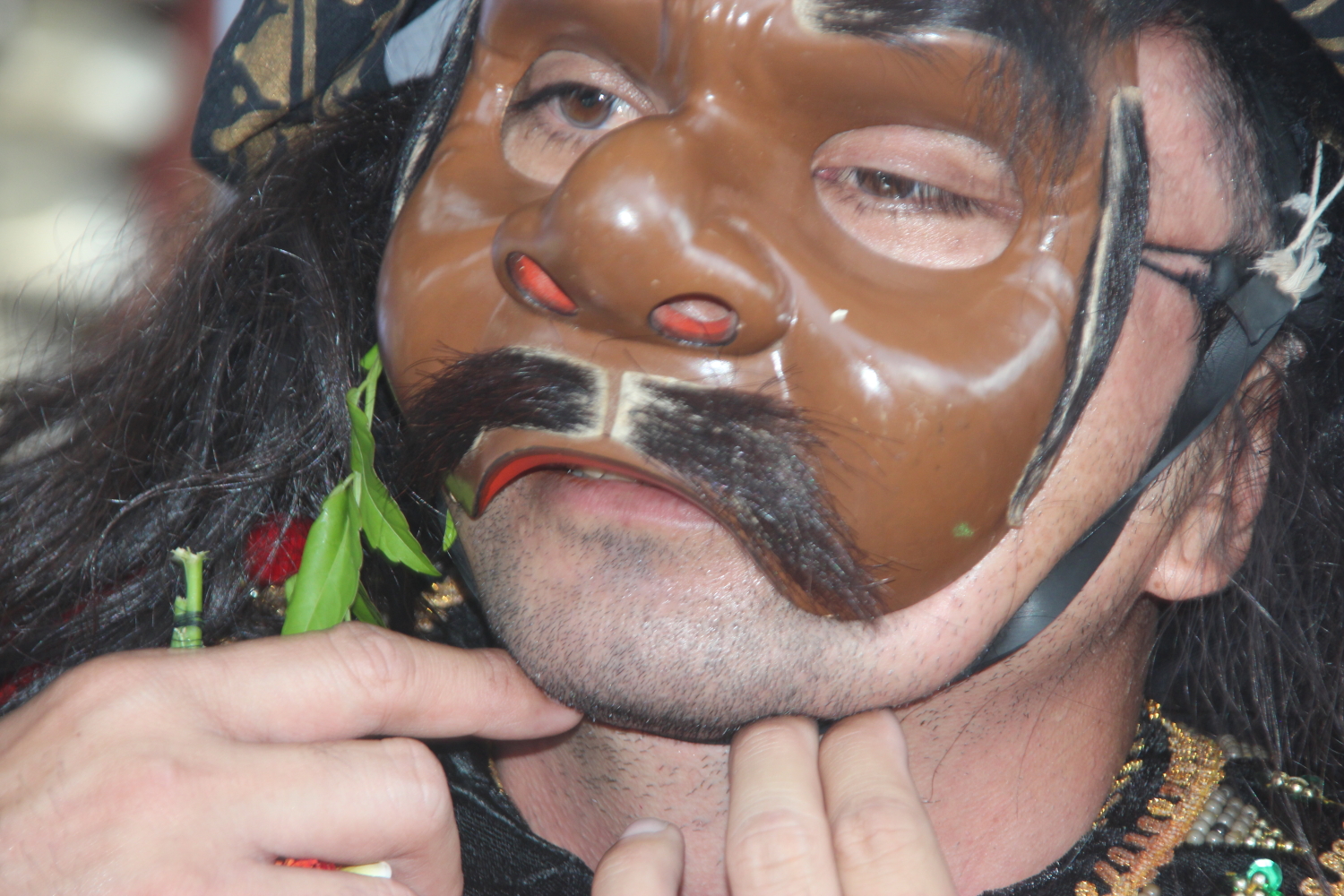
Balinese dancer
* an ongoing series of quotations – mostly from artists, to artists – that offers wisdom, inspiration, and advice for the sometimes lonely road we are on.
Things-as-they-are offer such an abundance of material that a photographer must guard against the temptation of trying to do everything. It is essential to cut from the raw material of life – to cut and cut, but to cut with discrimination. While working, a photographer must reach a precise awareness of what he is trying to do. Sometimes you have the feeling that you have already taken the strongest possible picture of a particular situation or scene; nevertheless, you find yourself compulsively shooting, because you cannot be sure in advance exactly how the situation, the scene is going to unfold. You must stay with the scene, just in case elements of the situation shoot off from the core again. At the same time, it’s essential to avoid shooting like a machine-gunner and burdening yourself with useless recordings which clutter your memory and spoil the exactness of the reportage as a whole.
Henri Cartier-Bresson in Images a la sauvette
Comments are welcome!



