Blog Archives
Pearls from artists* # 159
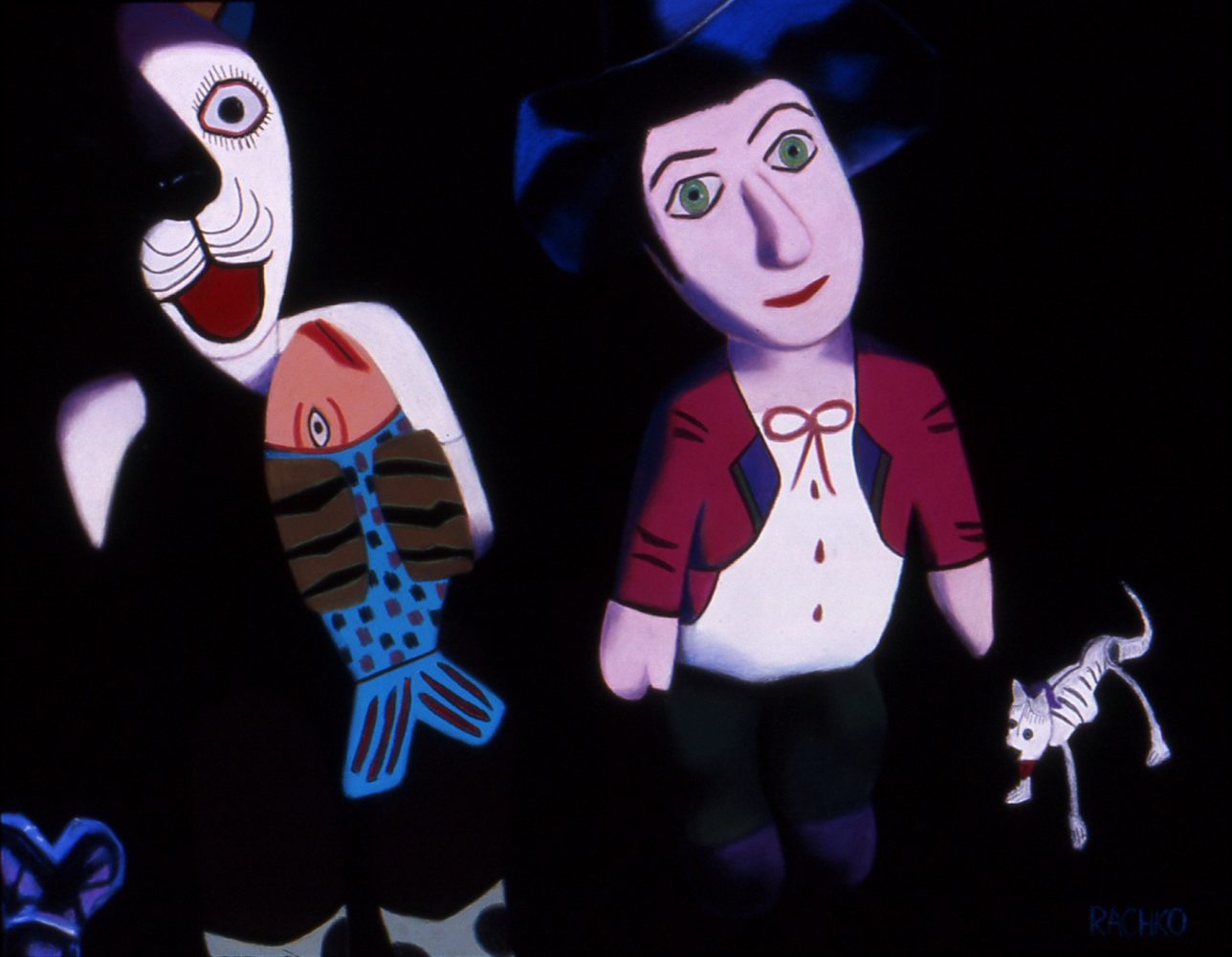
“Offering,” soft pastel on sandpaper, 20″ x 26″
* an ongoing series of quotations – mostly from artists, to artists – that offers wisdom, inspiration, and advice for the sometimes lonely road we are on.
We, the artists who are meant to provide art and teach the importance of beauty, have not yet been able to educate the public to know the difference between beauty and ugliness. .. It’s time to make sure artists with good intentions are ready to be taken seriously and to gain back their noble respectful place in culture. We should be ready with our own high standard of art for the new era, in which art patrons and a society that are more informed than ever will be thoughtfully critical and will expect everything from artists they support – talent, knowledge, skill and experience.
Samuel Adoquei in Origin of Inspiration: Seven Short Essays for Creative People
Comments are welcome!
Q: All artists go through periods when they wonder what it’s all for. What do you do during times like that?
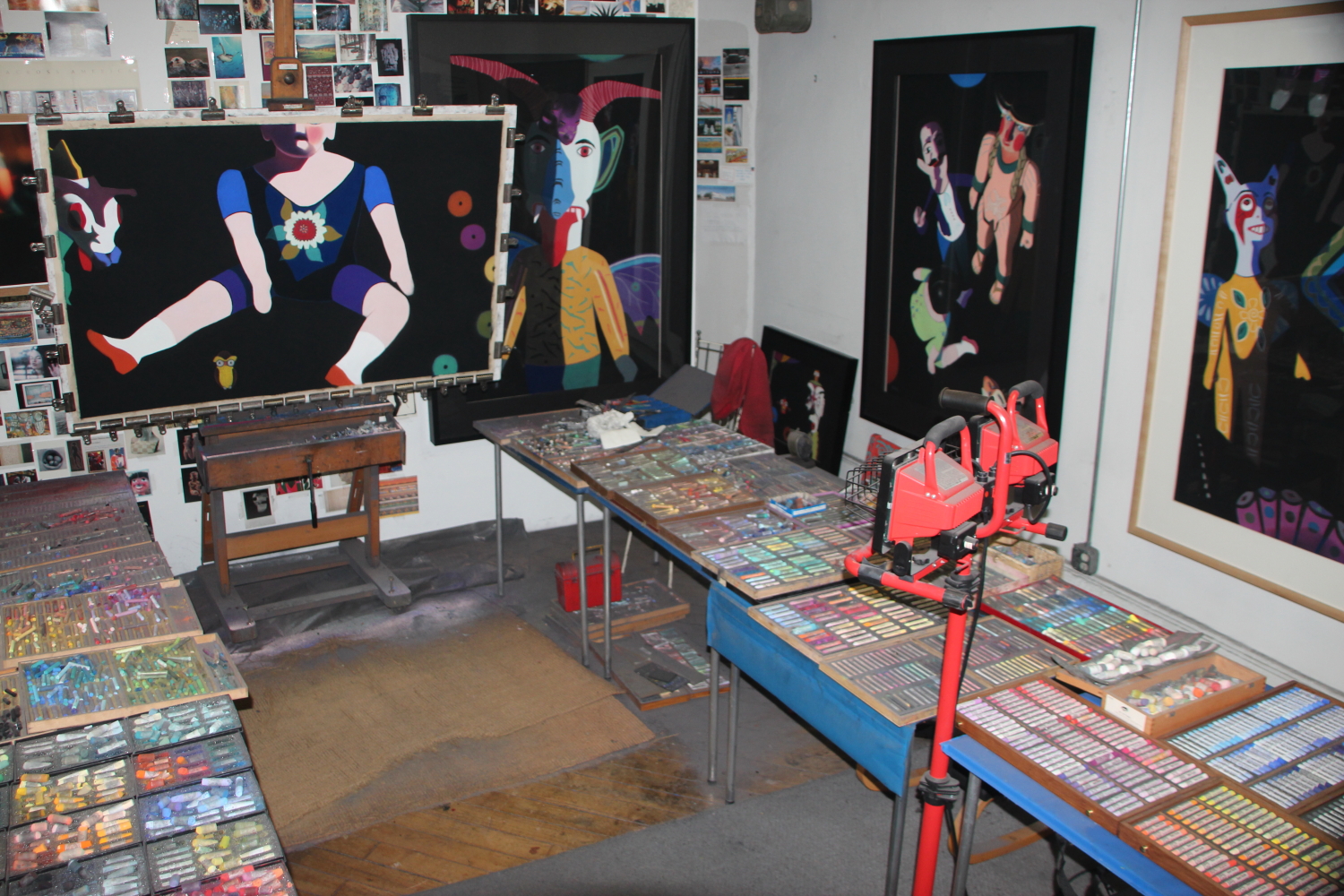
Barbara’s studio
A: Fortunately, that doesn’t happen very often. I love and enjoy all the varied facets involved in being an artist, even (usually) the business aspects, which are just another puzzle to be solved. I have vivid memories of being stuck in a job that I hated, one I couldn’t immediately leave because I was an officer in the US Navy. Life is so much better as a visual artist!
I appreciate the freedom that comes with being a self-employed artist. The words of Louise Bourgeois often come to mind: “It is a PRIVILEGE to be an artist.”
Still, with very valid reasons, no one ever said that an artist’s life is easy. It is difficult at every phase.
Books offer sustenance, especially ones written by artists who have endured all sorts of terrible hardships beyond anything artists today are likely to experience. I just pick up a favorite book. My Wednesday blog posts, “Pearls from artists,” give some idea of the sorts of inspiration I find. I read the wise words of a fellow artist, then I get back to work. As I quickly become intrigued with the problems at hand in a painting, all doubt usually dissolves.
I try to remember: Artists are extremely fortunate to be doing what we love and what we are meant to do with our short time on earth. What more could a person ask?
Comments are welcome!
Pearls from artists* # 132
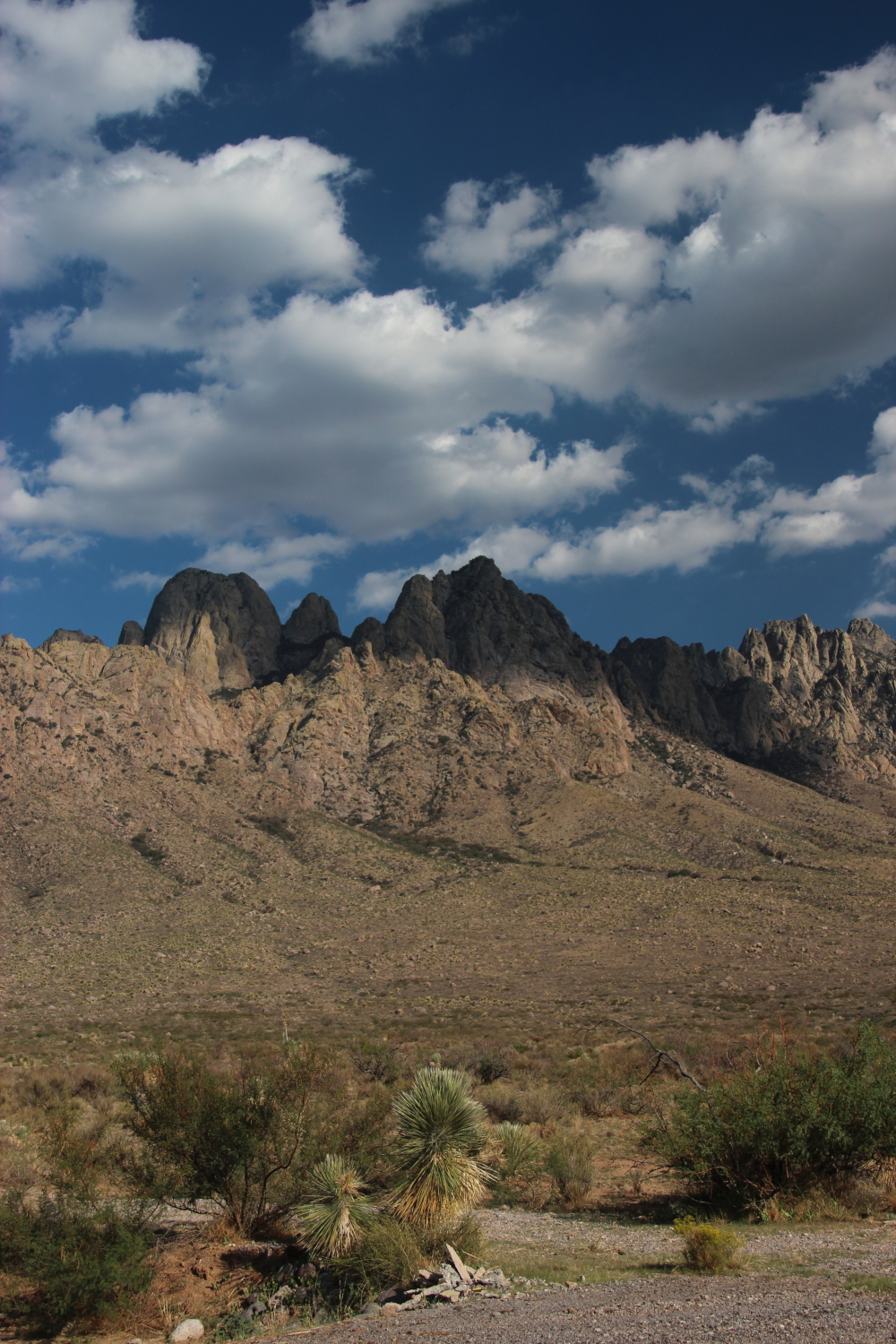
Las Cruces, NM
* an ongoing series of quotations – mostly from artists, to artists – that offers wisdom, inspiration, and advice for the sometimes lonely road we are on.
… To feel confident and successful is not natural to the artist.
To feel insufficient.
to experience disappointment and defeat in waiting for
inspiration
is the natural state of mind of an artist.
As a result praise to most artists is a little embarrassing.
They cannot take credit for inspiration,
for what we can see perfectly, but we cannot do perfectly…
Agnes Martin quoted in The Art Life: On Creativity and Career by Stuart Horodner
Comments are welcome!
Pearls from artists* # 129
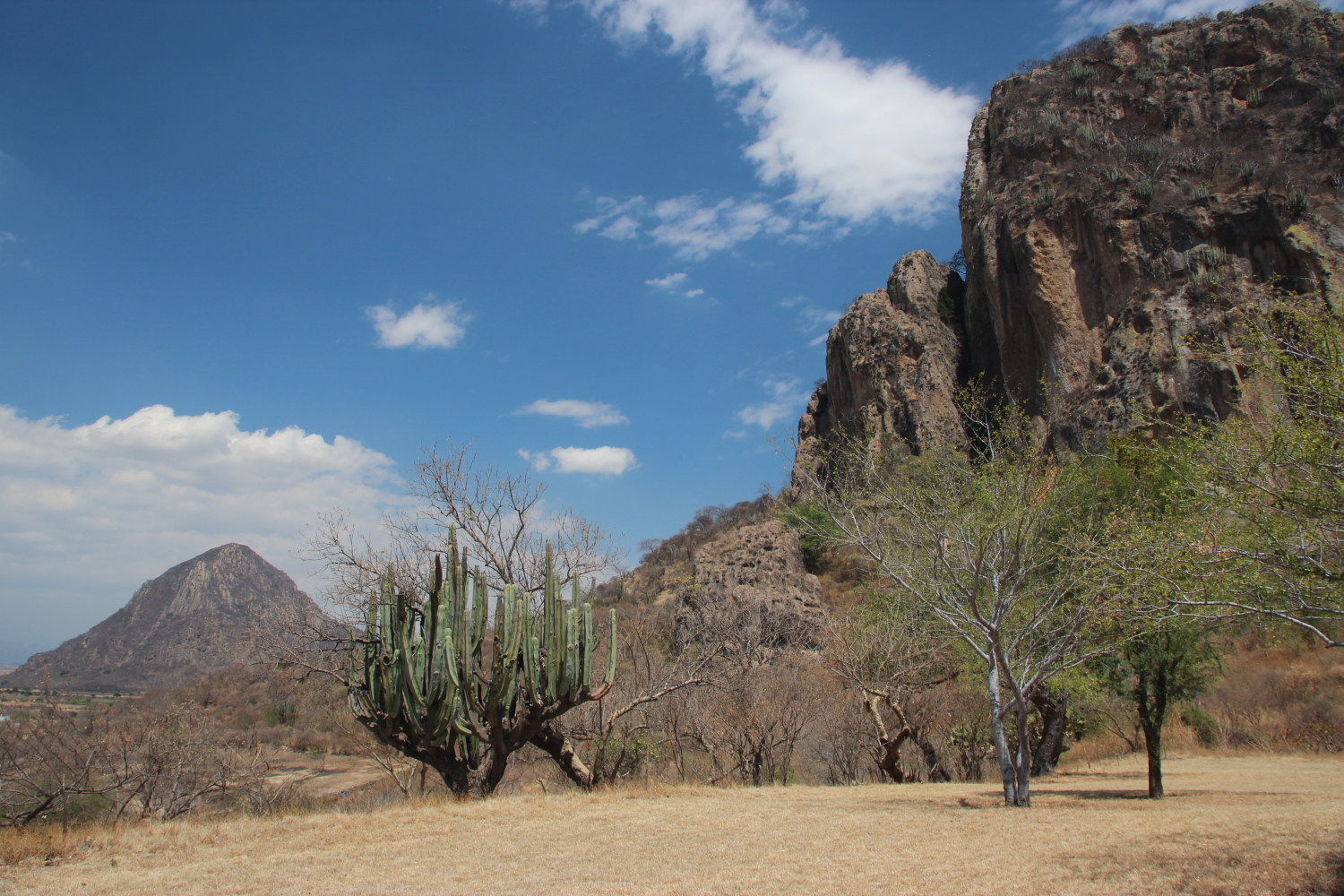
Chalcatzingo, Mexico
* an ongoing series of quotations – mostly from artists, to artists – that offers wisdom, inspiration, and advice for the sometimes lonely road we are on.
A painter friend of mine once told me that he thought of sound as an usher for the here and now. When he was a small child, Adam suffered an illness that left him profoundly deaf for several months. His memories of that time are vivid and not, he insists, at all negative. Indeed, they opened a world in which the images he saw could be woven together with much greater freedom and originality than he’d ever known. The experience was powerful enough that it helped steer him toward his lifelong immersion in the visual arts. “Sound imposes a narrative on you,” he said, “and it’s always someone else’s narrative. My experience of silence was like being awake inside a dream I could direct.”
George Prochnik in In Pursuit of Silence: Listening for Meaning in a World of Noise
Comments are welcome!
Pearls from artists* # 127
eBook cover
* an ongoing series of quotations – mostly from artists, to artists – that offers wisdom, inspiration, and advice for the sometimes lonely road we are on.
Two facts differentiate Daybook from my work in visual art.
The first is the simple safety of numbers. There are 6500 Daybooks in the world. My contribution to them was entirely mental, emotional. I never put my hand on a single copy of these objects until I picked up a printed book. I made no physical effort; no blood, no bone marrow moved from me to them. I do not mean that I made no effort. On the contrary, the effort was excruciating because it was so without physical involvement, so entirely hard-wrought out of nothing physical at all; no matter how little of the material world goes into visual art, something of it always does, and that something keeps you company as you work. There seems to me no essential difference in psychic cost between visual and literary effort, The difference is in what emerges as result. A work of visual art is painfully liable to accident; months of concentration and can be destroyed by a careless shove. Not so 6500 objects. This fact gives me a feeling of security like that of living in a large, flourishing, and prosperous family.
Ancillary to this aspect is the commonplaceness of a book. People do not have to go much out of their way to get hold of it, and they can carry it around with them and mark it up, and even drop it in a tub while reading in a bath. It is a relief to have my work an ordinary part of life, released from the sacrosanct precincts of galleries and museums. A book is also cheap. Its cost is roughly equivalent to its material value as an object, per se. This seems to me more healthy than the price of art, which bears no relation to its quality and fluctuates in the marketplace in ways that leave it open to exploitation. An artist who sells widely has only to mark a piece of paper for it to become worth an amount way out of proportion to its original cost. This aspect of art has always bothered me, and is one reason why I like teaching; an artist can exchange knowledge and experience for money in an economy as honest as that of a bricklayer.
Anne Truitt in Turn: The Journal of an Artist
Comments are welcome!
Q: You have written about how you came to your current subject matter, but what led you away from photorealism to work that while not exactly abstract, leans more in that direction?
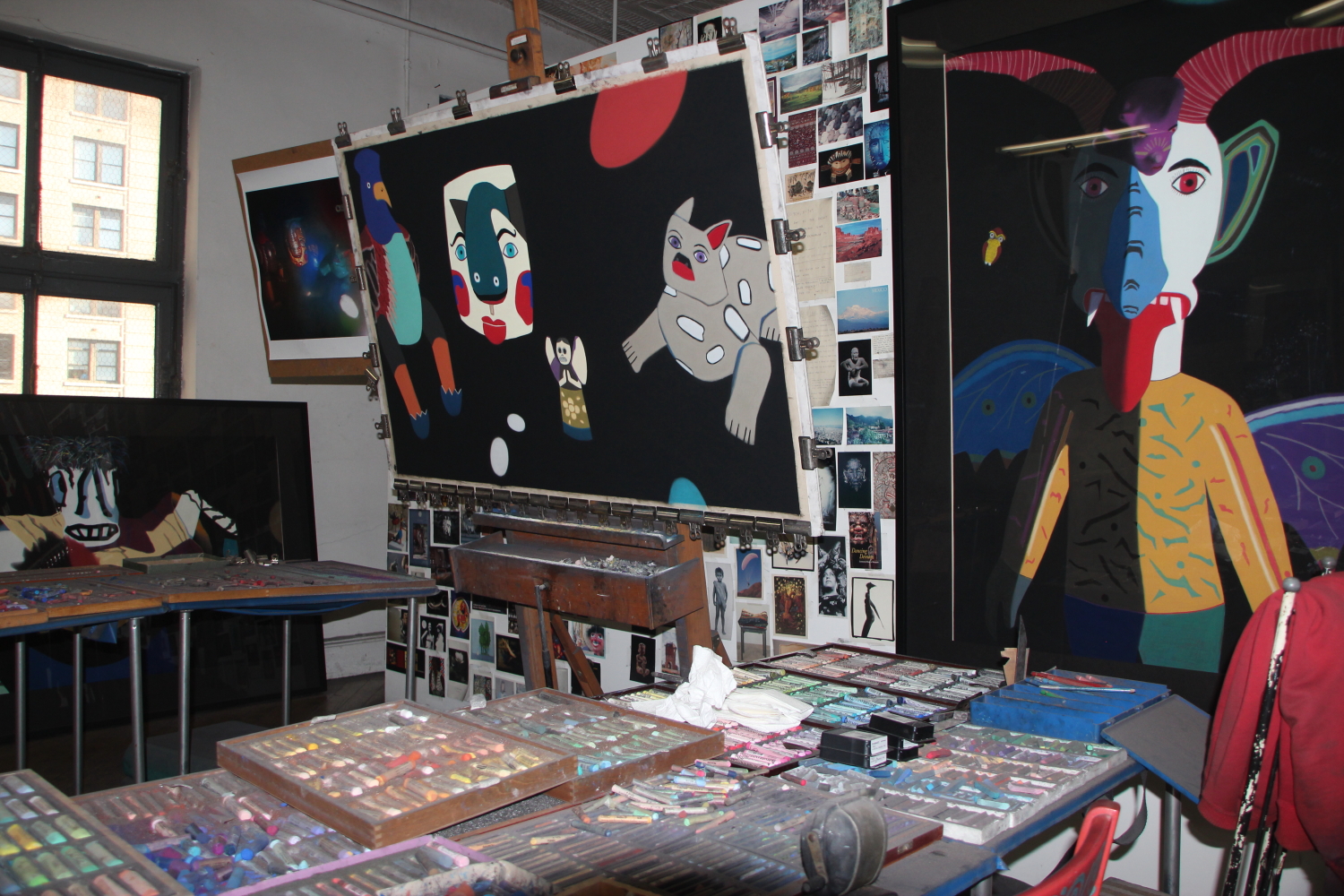
Barbara’s studio
A: Once I had achieved a high degree of technical facility with soft pastel, there was not much more to be gained from copying reality. Cameras do an excellent job of that so what would be the point?
Ultimately, all art lies in following an experience through to the end. Art is in the choices one makes. A visual artist’s private decisions about what to include and what to leave out become her unique inimitable style. Years ago I made a conscious decision to abandon photorealism. Since then I have been on a journey to work more from imagination and direct experience and less from physical reality.
It’s funny. I have always worked from photographs. Because I have a strong work ethic and substantial technical skill, I often feel like a slacker if I do not put in all the details that I see in the reference photo. That’s why the journey has been so slow, I think, as I convince myself it’s really ok to omit more and more details.
Comments are welcome!
Q: I have been always fascinated with the re-contexualizing power of Art and with the way some objects or even some concepts often gain a second life when they are “transduced” on a canvas or in a block of marble. So I would like to ask you if in your opinion, personal experience is an absolutely indespensable part of a creative process. Do you think that a creative process could be disconnected from direct experience?
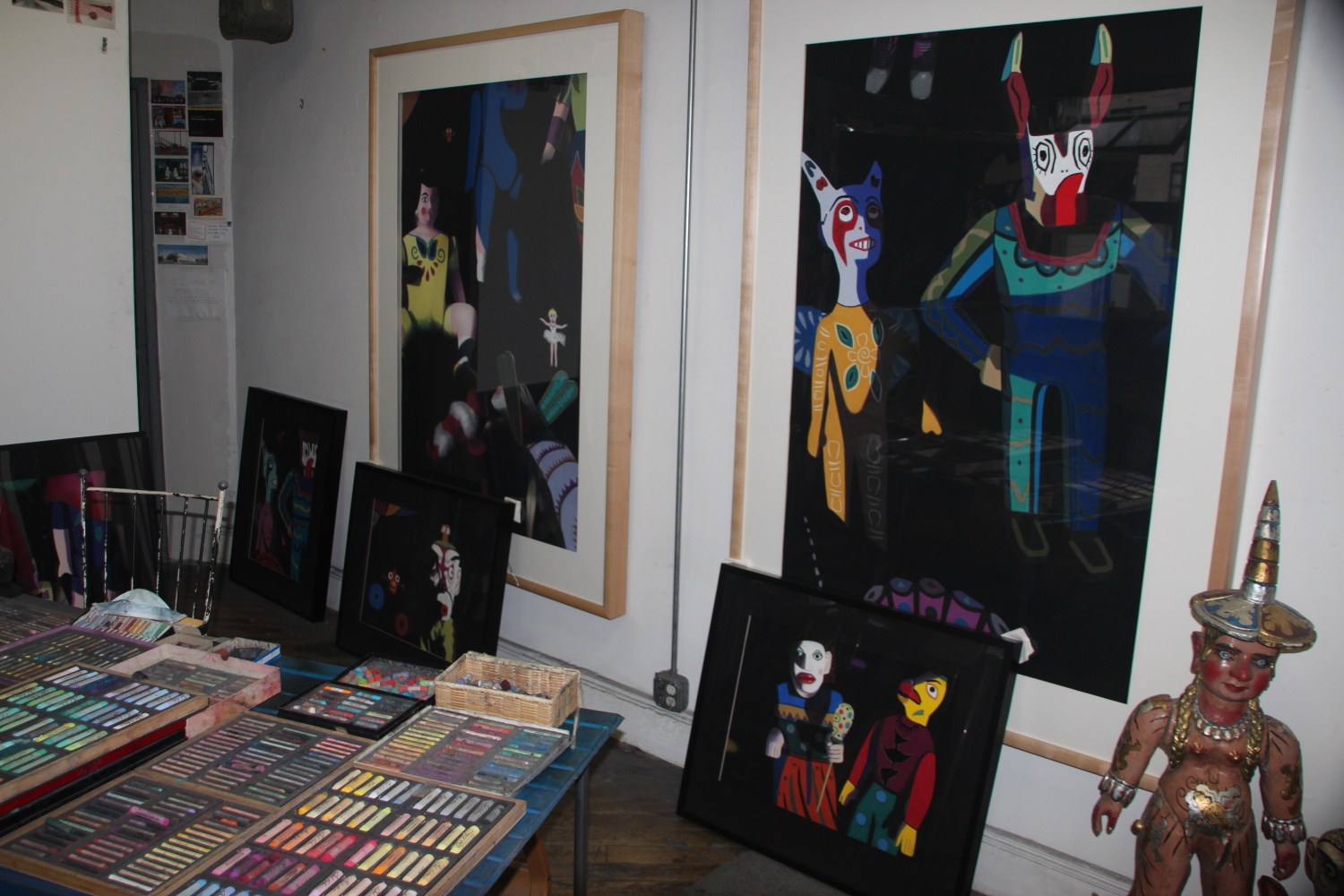
Barbara’s studio
A: Certainly personal experience is an indispensable and inseparable part of the creative process. For me art and life are one and I suspect that is true for most artists. When I look at each of my pastel paintings I can remember what was going on in my life at the time I made it. Each is a sort of veiled autobiography waiting to be decoded and in a way, each is also a time-capsule of the larger zeitgeist. It’s still a mystery how exactly this happens but all lived experience – what’s going on in the world, books I’m reading and thinking about, movies I’ve seen that have stayed with me, places I’ve visited, etc. – overtly and/or not so obviously, finds its way into the work.
Life experience also explains why the work I do now is different from my work even five years ago. In many ways I am not the same person.
The inseparableness of art and life is one reason that travel is so important to my creative process. Artists always seek new influences that will enrich and change our work. To be an artist, indeed to be alive, is to never stop learning and growing.
Comments are welcome!
Q: You took classes at The Art League School in Alexandria, VA in the late eighties studying intensely with Lisa Semerad and Diane Tesler. How have these experiences impacted on the way you currently produce your artworks? By the way, I sometimes wonder if a certain kind of formal training in artistic disciplines could even stifle a young artist’s creativity. What do you think?
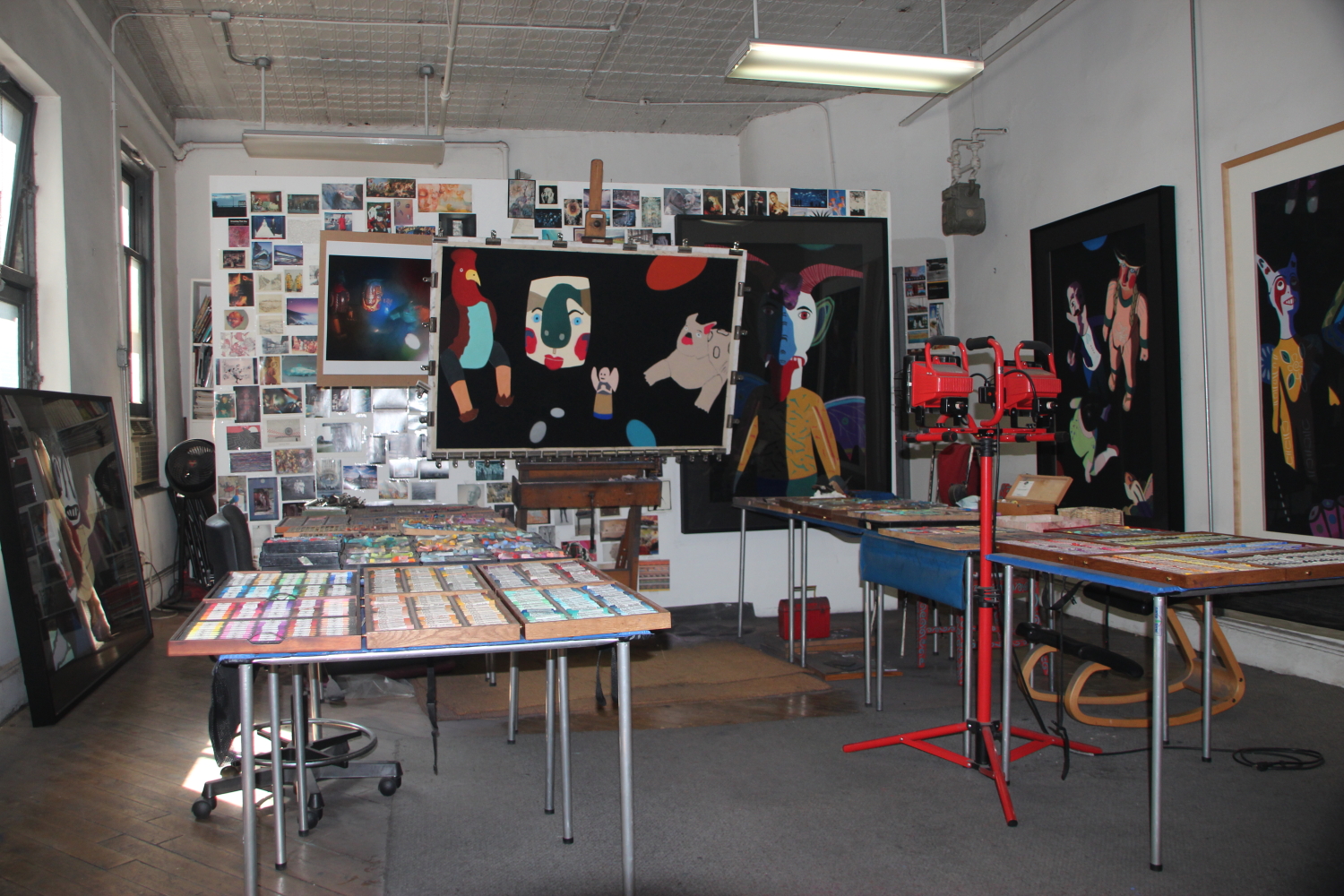
Barbara’s studio
A: From studying with Lisa and Diane I gained an excellent technical foundation and developed my ability to draw and depict just about anything in soft pastel. They were both extremely effective teachers and I worked hard in their classes. I probably got my work ethic from them. Without Diane and Lisa I doubt I would have gained the necessary skills nor the confidence to move to New York to pursue my art career.
Needless to say, I believe developing excellent technical skills is paramount. Artists can, and should, go ahead and break the rules later, but they won’t be able to make strong work, expressing what they want, without a firm foundation. Once you have the skills, you can focus on the things that really make your work come alive and speak to an appreciative audience.
Comments are welcome!
Pearls from artists* # 111
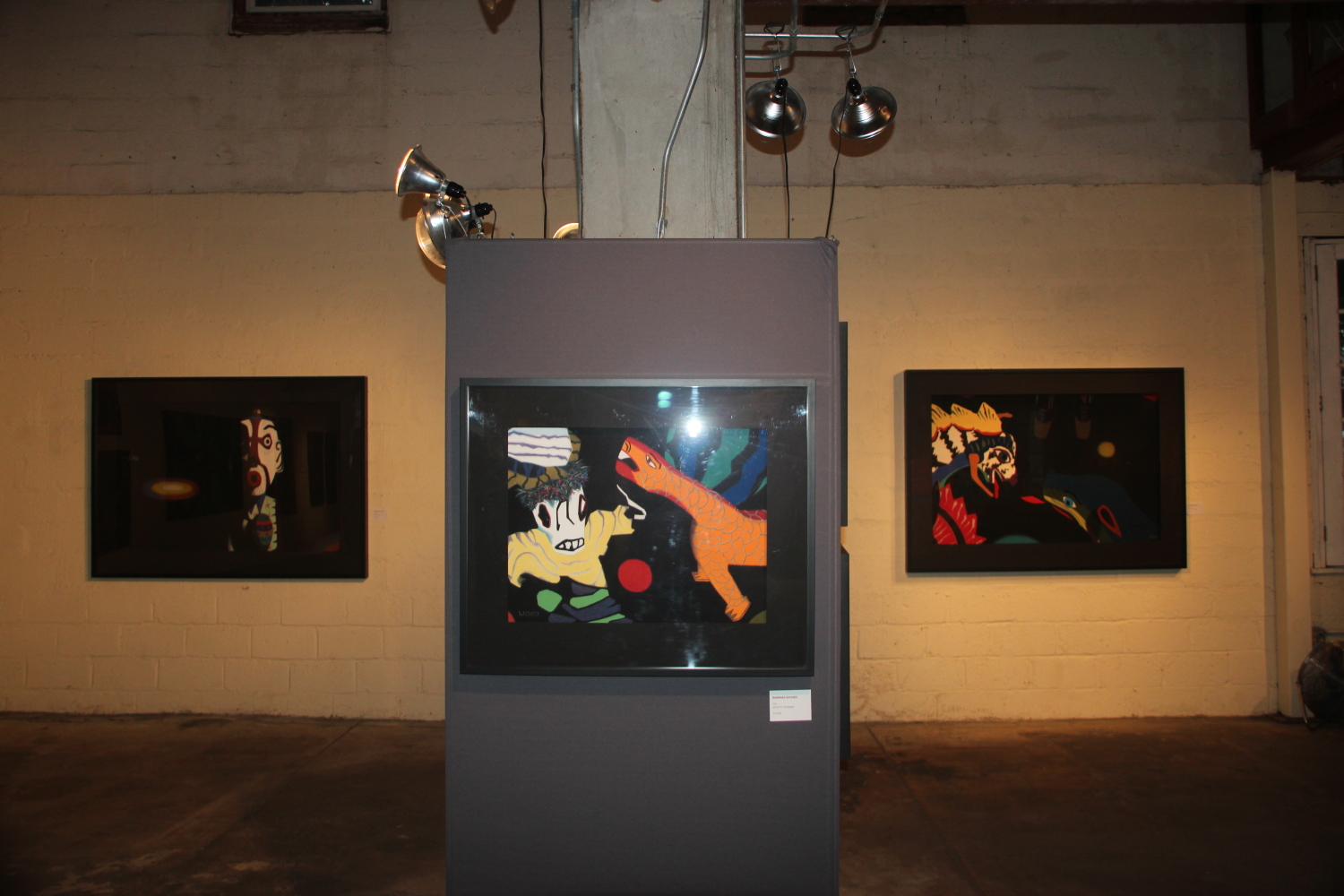
Perkins Center for the Arts, Collingswood, NJ
It is very difficult to describe the creative experience in such a way that it would cover all cases. One of the essentials is the variety with which one approaches any kind of artistic creation. It doesn’t start in any one particular way and it is not always easy to say what gets you going.
I’ve sometimes made the analogy with eating. Why do you eat? You’re hungry. You are sort of in the mood to eat, and if you are in the mood to eat, the food tastes better; you’re more interested in what you’re eating. The whole experience is more “creative.” It’s the hunger that stimulates you to eat. It’s the same thing in art; except that, in art, the hunger is the need for self-expression.
How does it come about that you feel hungry? You don’t know, you just feel hungry. The juices are working, and suddenly you are aware of the fact that you want a piece of bread and butter. It’s about the same in art. If you pass your life in creating works of art in one field or another, you recognize the “hunger” signs and you are quick to take advantage of them, if they’re accompanied by ideas. Sometimes, you have the hunger and you don’t have any ideas; there’s no bread in the house. It’s as simple as that.
AAron Copland in The Creative Experience: Why and How Do We Create?, Stanley Rosner and Lawrence E. Abt, editors
Comments are welcome!
Pearls from artists* # 108
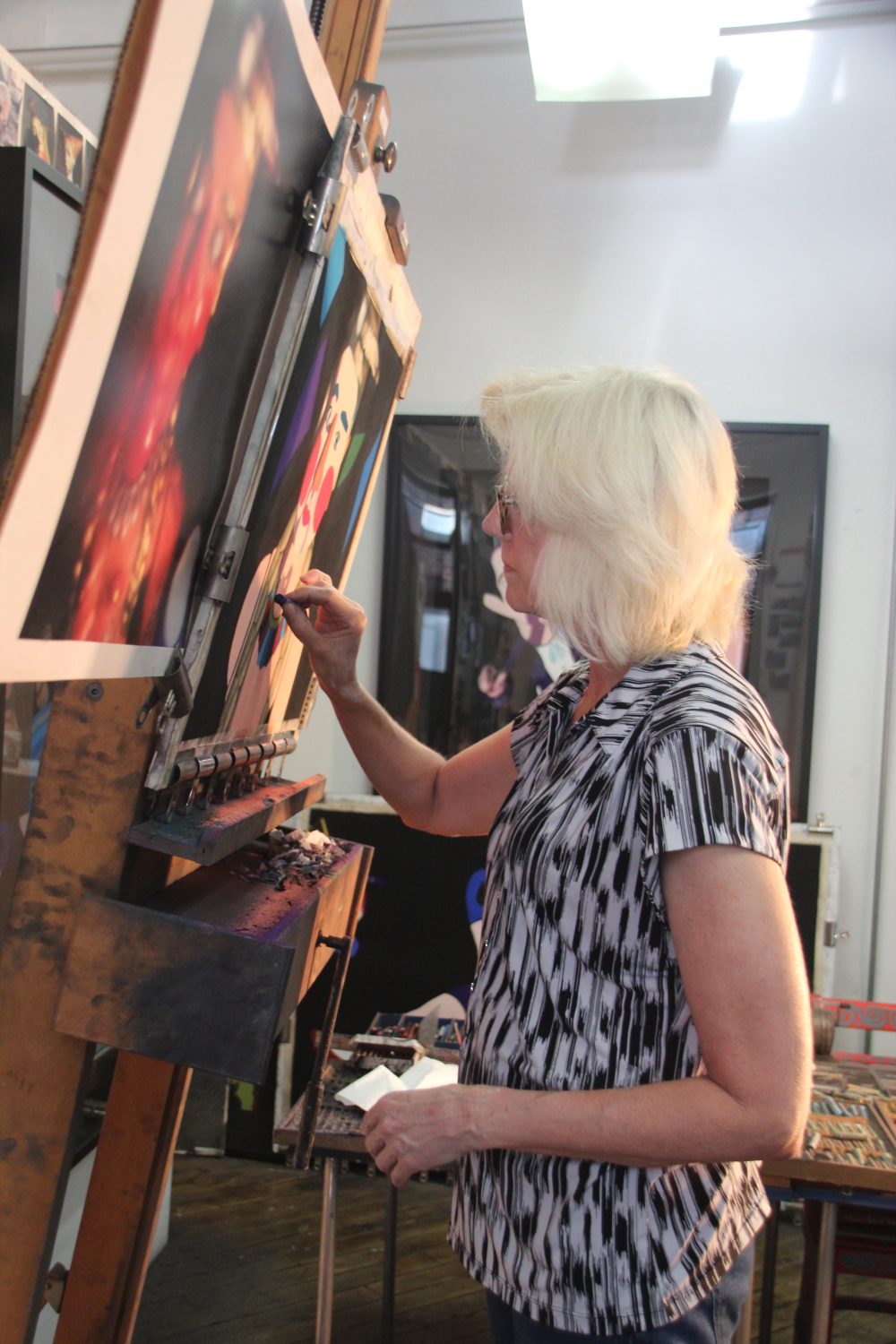
At work on a pastel painting
* an ongoing series of quotations – mostly from artists, to artists – that offers wisdom, inspiration, and advice for the sometimes lonely road we are on.
Artists generally need privacy in order to create, and as I’ve noted, what constitutes adequate privacy varies by person and time. Solitude quickly becomes isolation when it oversteps one’s desires. But most artists need to feel that they and their work won’t be examined prematurely and, certainly, won’t be ambushed unfinished by ridiculing eyes. You might go out and invite various people to critique a piece in progress, even knowing they’re unlikely to view it with sympathy, exactly because you feel there’s necessary information in their opinion. But, if you’ve invited them, however unpleasant the response, your experience is likely preferable to what you would feel if they impulsively offered up the same critiques unsolicited.
Someone making art needs privacy in part because the process of creation makes many people feel vulnerable, sometimes exquisitely so, particularly since the work frequently emerges in a jumble of mixed-up small parts that you can only assemble gradually, or in a wet lumpy mound that requires patient sculpting. When people feel prematurely revealed or exposed, they often experience great discomfort and find themselves babbling apologetically, seeking to reassure by laying out the distance they have yet to travel. It is in part this babble-as-smoke-screen to cover exposure resulting, distracting, unhappy self-consciousness that privacy seeks to shelter.
But even more significantly, privacy grants us permission to turn our attention inward without interruption. As I described earlier, in order to concentrate, think, and fantasize, we need to feel we’re in a safe enough space that we can lower our vigilance, stop monitoring our environment, and allow ourselves to refocus on the happenings within our own minds. There are times interruptions feel merciful, but many more when they disrupt our effort to flesh out an inchoate notion.
Janna Malamud Smith in an absorbing errand: How Artists and Craftsmen Make Their Way to Mastery
Comments are welcome!


 barbararachkoscoloreddust.com