Blog Archives
Pearls from artists* # 611
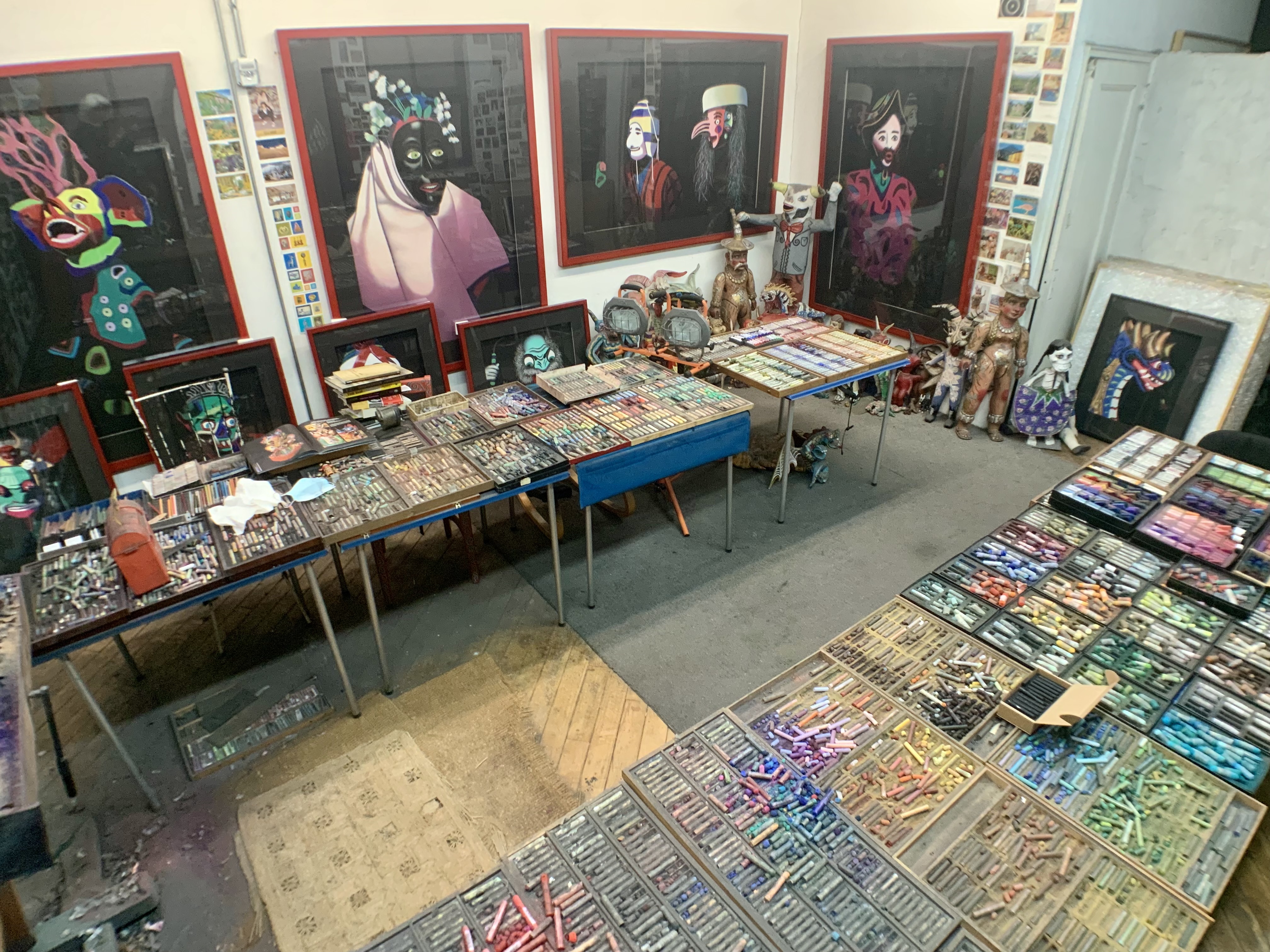
Barbara’s Studio
*an ongoing series of quotations – mostly from artists, to artists – that offers wisdom, inspiration, and advice for the sometimes lonely road we are on.
This common participation in the Trinity of Line, Form, and Color has founded a promiscuous fellowship which, while promoting the respect for skill, promotes to a far greater degree the misunderstanding of art. For skill in itself is but a sleight of hand. In a work of art one does not measure its extent but counts himself happiest when he is unaware of its existence in the contemplation of the result. Among those who decorate our banks and hotels you will find many who can imitate the manner of any master, living or dead, far better than the master could imitate himself, but they have no more knowledge of his soul than they have knowledge of their own. We will know how little skill avails, how ineffective are its artifices in filling the lack of true artistic motivation. His “less is more,” is Robert Browning’s famous evaluation of this problem in comparing the imperfections of Raphael’s art to the impecability of Del Sarto’s, “I should rather say that it will be more difficult to improve the mind of the master who makes such mistakes than to repair the work he has spoilt,” Leonardo wrote. Neither Giotto nor Goya exhibited half the skill of Coreggio or Sargent, either in the complexity of their undertaking or the apparent virtuosity of execution. The artist must have the particular skill to achieve his particular ends. If he has more, we are fortunate not to know it, for the exhibition of excess would only mar his art. You may be sure that the artist whose method is muddled betrays less his technical inadequacy than the incoherence of his own intentions.
Mark Rothko in The Artist’s Reality: Philosophies of Art
Comments are welcome!
Pearls from artists* # 608

*an ongoing series of quotations – mostly from artists, to artists – that offers wisdom, inspiration, and advice for the sometimes lonely road we are on.
There is in all of these forms of expression a unitive experience that is the essence of the creative mystery. The heart of improvisation is the free play of consciousness as it draws, writes, paints, and plays with the raw material emerging from the unconscious. Such play entails a certain degree of risk.
Stephen Nachmanovitch in Free Play: Improvisation in Life and Art
Comments are welcome!

Pearls from artists* # 591

*an ongoing series of quotations – mostly from artists, to artists – that offers wisdom, inspiration, and advice for the sometimes lonely road we are on.
Like lîla, or divine creativity, art is a gift, coming from a place of joy, self-discovery, inner knowing. Play, intrinsically rewarding, doesn’t cost anything. As soon as you put a price on it, it becomes, to some extent, not play. Somewhere, therefore, we each have to map out for ourselves the tricky questions of money and the artist. This is a difficult issue because artists have to eat, equip themselves, and subsidize years of professional training. Yet the marketplace shifts our art at least to some degree out of the state of free play, and may in some cases contaminate it totally. Professional athletes face the same issues. Certainly they play to a great extent for love of their sport, but issues of money, prestige, and fame introduce a lot of non play as well.
Stephen Nachmanovitch in Free Play: Improvisation in Life and Art
Comments are welcome!
Pearls from artists* # 549
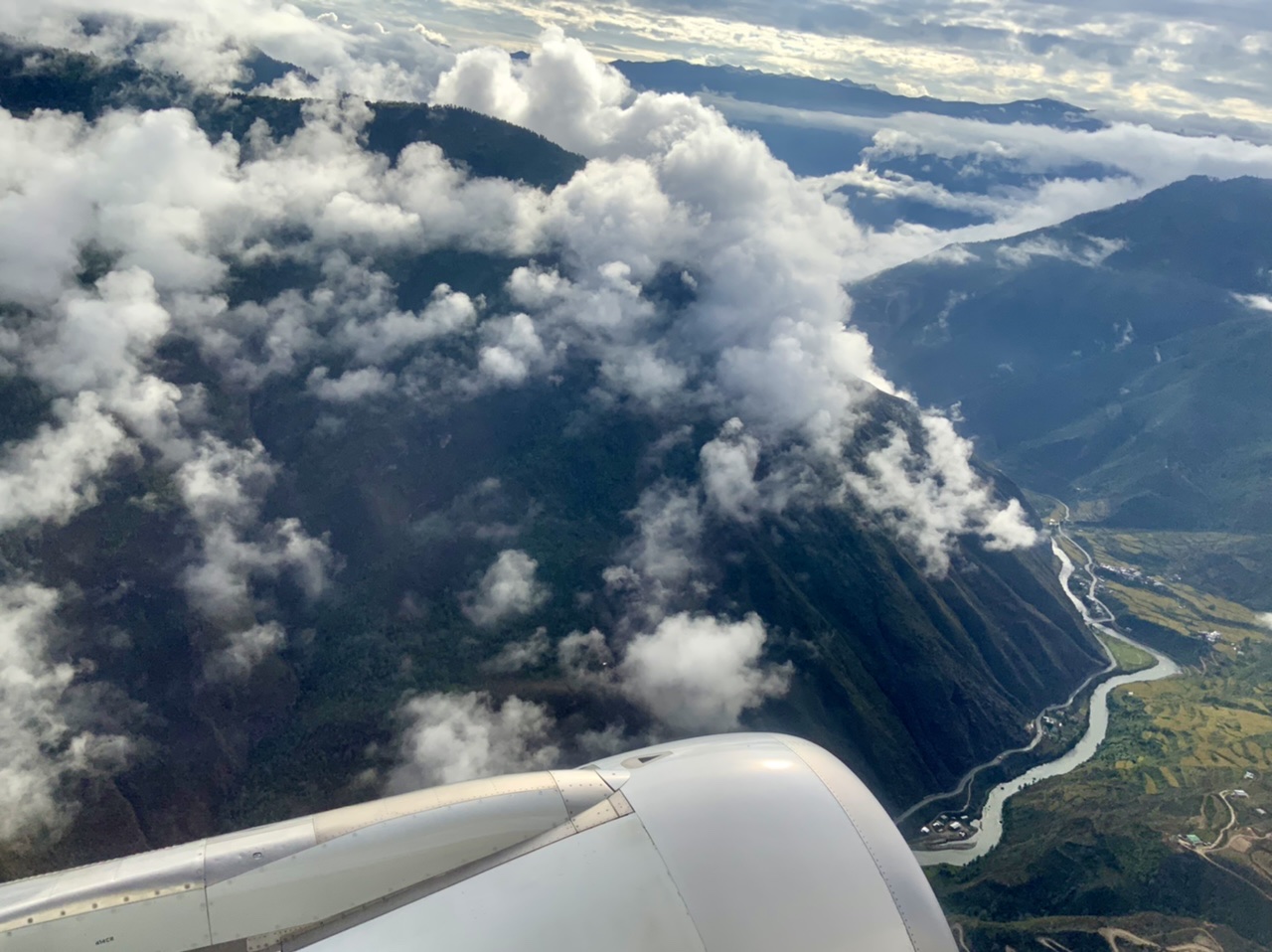
Departing from Paro Airport in Bhutan
*an ongoing series of quotations – mostly from artists, to artists – that offers wisdom, inspiration, and advice for the sometimes lonely road we are on.
… a lot of times you take a trip halfway around the world. You think the trip is for one thing… and you came away with something else. You change in a way you did not expect. These are the lessons that come well after school, college, training, apprenticeships. These lessons are not full courses; they are two sentences long. I felt I had gotten a degree in two minutes.
Anna Deavere Smith in Letters to a Young Artist: Straight-up Advice on Making a Life in the Arts – For Actors, Performers, Writers, and Artists of Every Kind
Comments are welcome!
Pearls from artists* # 517
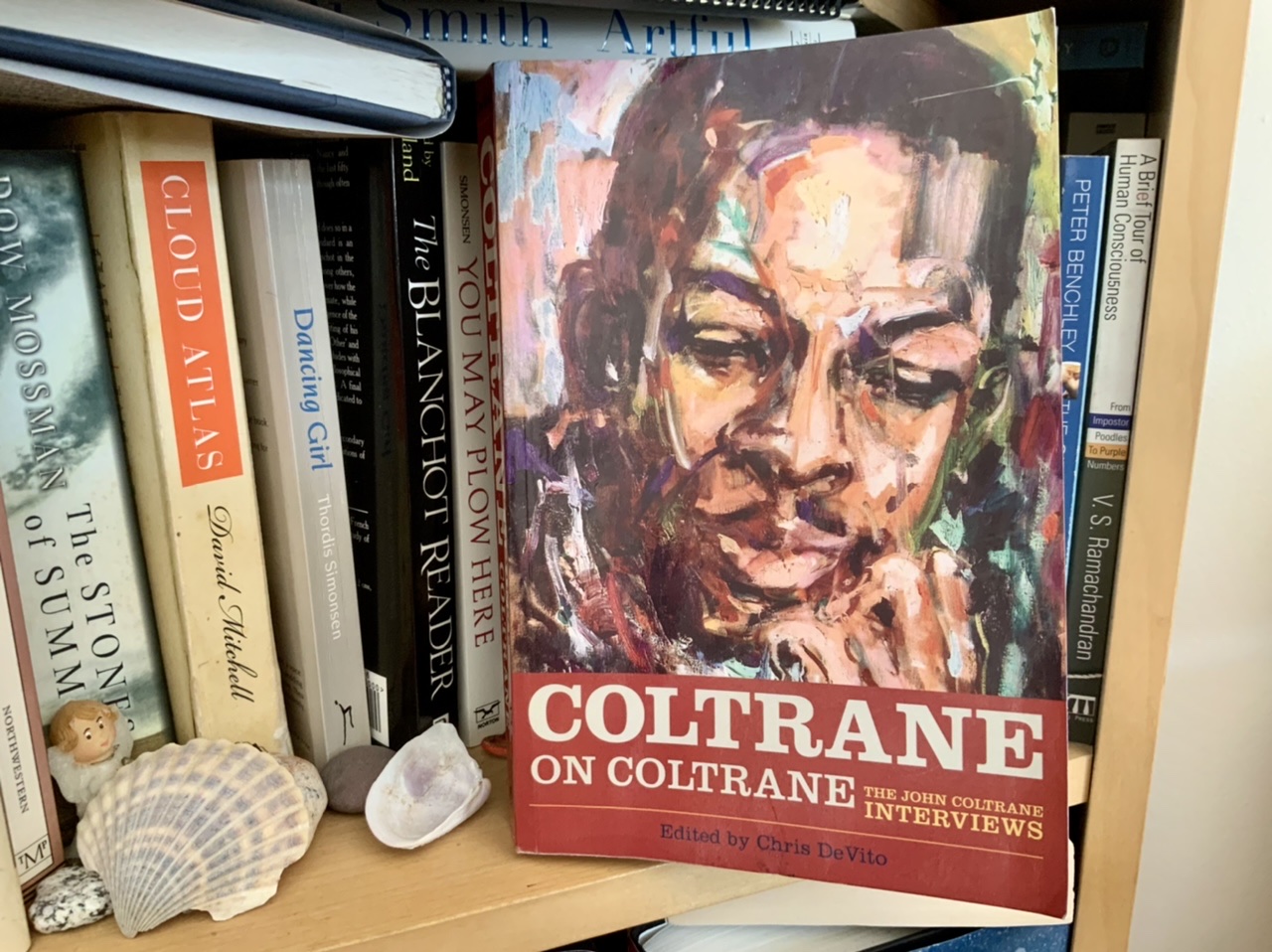
*an ongoing series of quotations – mostly from artists, to artists – that offers wisdom, inspiration, and advice for the sometimes lonely road we are on
You know. Don, I was reading a book on the life of Van Gogh today. and I had to pause and think of that wonderful and persistent force – the creative urge. The creative urge was in this man who found himself so at odds with the world he lived in, and in spite of all the adversity, frustrations, rejections, and so forth – beautiful and living art came forth abundantly… If only he could be here today. Truth is indestructible. It seems history shows (and it’s the same way today) that the innovator is more often than not met with some degree of condemnation; usually according to the degree of his departure from the prevailing modes of expression or what have you. Change is always so hard to accept. We also see that these innovators always seek to revitalize, extend and reconstruct the status quo in their given fields, wherever it is needed. Quite often they are the rejects, outcasts, sub-citizens, etc. of the very societies to which they bring so much sustenance. Often they are people who endure great personal tragedy in their lives. Whatever the case, whether accepted or rejected, rich or poor, they are forever guided by that great and eternal constant – the creative urge. Let us cherish it and give all praise to God.
John Coltrane in Coltrane on Coltrane: The John Coltrane Interviews
Comments are welcome!
Pearls from artists* # 479
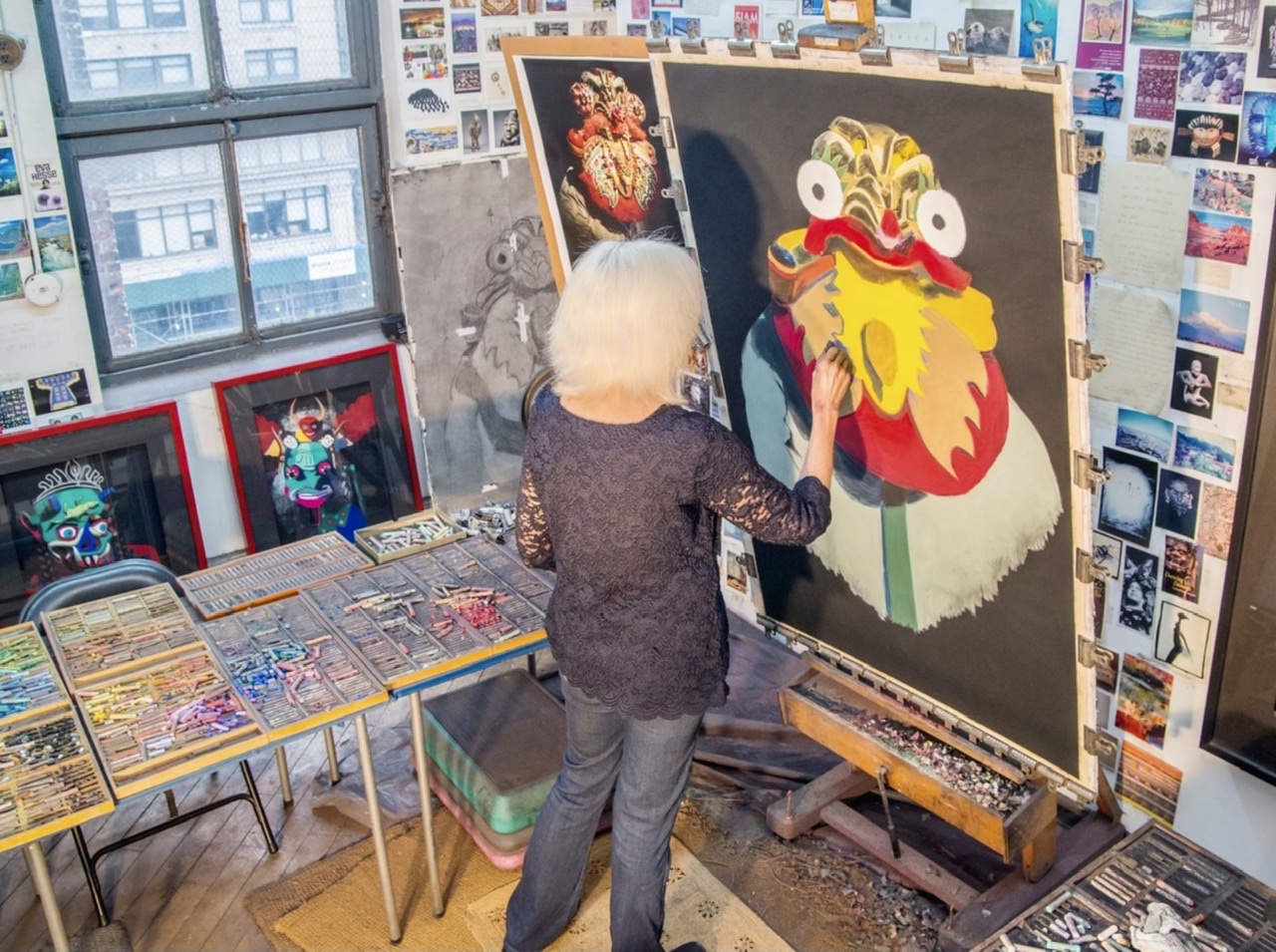
*an ongoing series of quotations – mostly from artists, to artists – that offers wisdom, inspiration, and advice for the sometimes lonely road we are on.
… a gift is a thing we cannot get by our own efforts. We cannot buy it; we cannot acquire it through an act of will. It is bestowed upon us. Thus we rightly speak of talent as a “gift,” for although a talent can be performed through an effort of the will, no effort in the world can cause its initial appearance. Mozart, composing on the harpsicord at the age of four, had a gift.
We also rightly speak of intuition or inspiration as a gift. As the artist works, some portion of his creation is bestowed upon him. An idea pops into his head, a tune begins to play, a phrase comes to mind, a color falls into place on the canvas. Usually, in fact, the artist does not find himself engaged or exhilarated by the work, nor does it seem authentic, until this gratuitous element has appeared so that along with any true creation comes the uncanny sense that “I,” the artist, did not make the work. “Not I, not I, but the wind that blows through me,” says D.H. Lawrence. Not all artists emphasize the gift phase of their creations to the degree Lawrence does, but all artists feel it.
Lewis Hyde in The Gift: Imagination and the Erotic Life of Property
Comments are welcome!
Pearls from artists* # 474

*an ongoing series of quotations – mostly from artists, to artists – that offers wisdom, inspiration, and advice for the sometimes lonely road we are on.
If ever an artist needed a degree of protection against his public, surely it is Vincent van Gogh. Reproductions of his most emblematic paintings, especially the gyrating nightscapes and the blazing series of sunflower studies made in his late years, adorn countless bedrooms, living rooms, and bathrooms all across what used to be known as the developed world. The popularity of the works executed in the great flowering of this last period, which began around the time of his revelatory visit in the autumn of 1885 to the newly completed Rijksmuseum, in Amsterdam, and ended when he died less than five years later at the age of thirty-seven, is unparalleled. Of the great ones among his contemporaries, and there were many, only Degas can come near to rivaling him as a mainstay of interior decoration.
John Banville in His Own Worst Enemy, The New York Review of Books, May 13, 2021
Comments are welcome!
Q: How do you work and approach your subject? (Question from “Arts Illustrated”)
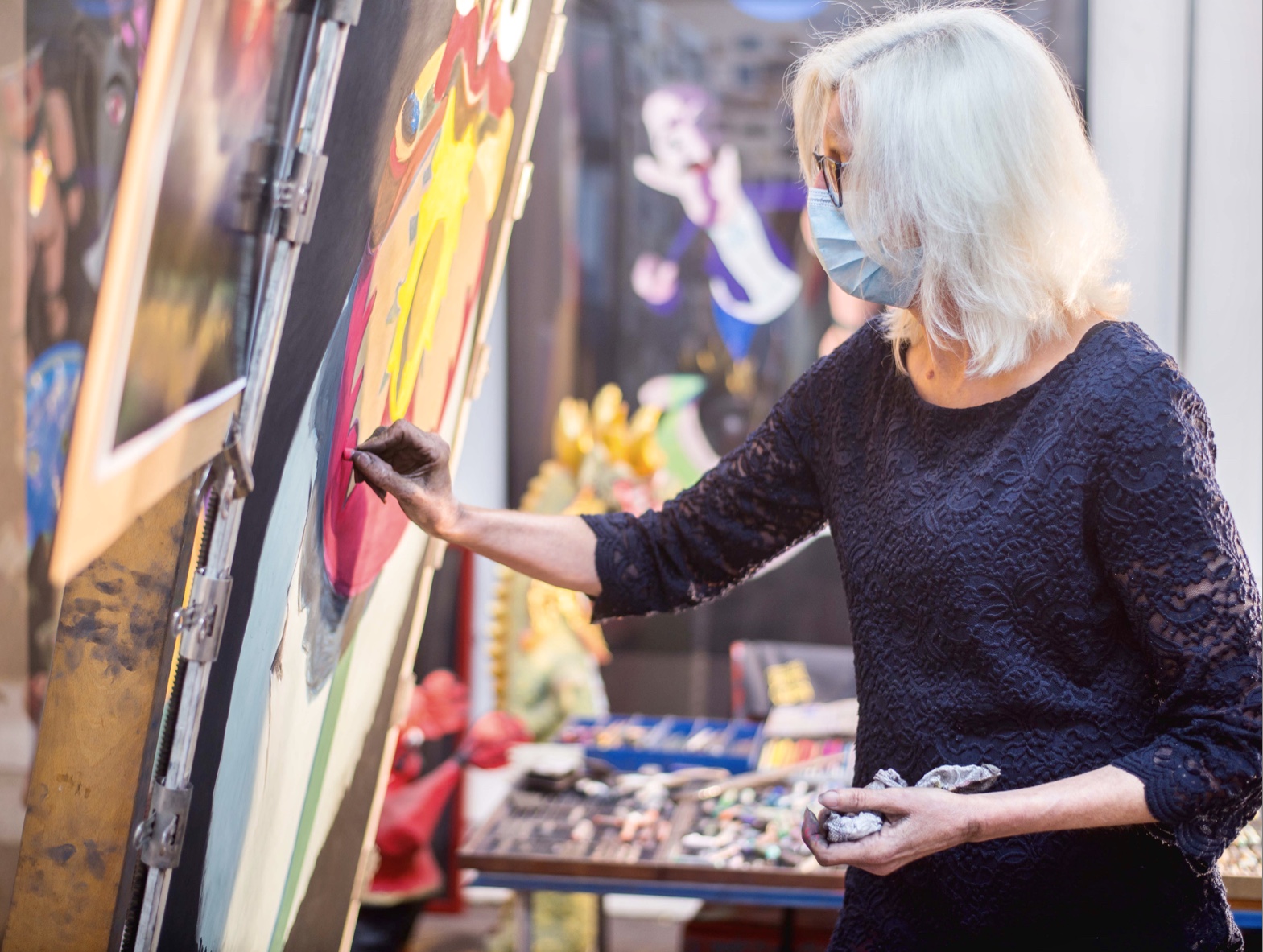
A: Undoubtedly, I could not make my work without UART sandpaper since my entire pastel technique evolved around it. I use 400 0r 500 grit. My favorite thing about it is its ‘tooth’ (i.e. texture or roughness).
Over the many months I spend creating a pastel painting, I build layer upon layer of soft pastel. Because the paper I use is relatively “toothy,” it accepts all of the pastel the painting needs. And as many people know, I own and use thousands of soft pastels!
Many layers of soft pastel and several months of studio time go into creating each painting. My self-invented technique is analogous to the glazing techniques used by the Old Masters, who slowly built up layers of thin oil paint to achieve a high degree of finish. Colors were not only mixed physically, but optically.
Similarly, I gradually build up layers of soft pastel, as many as thirty, to create a pastel painting. After applying a color, I blend it with my fingers and push it into the sandpaper’s tooth. It mixes with the color beneath to create a new color, continually adding richness, saturation, and intensity to the piece. By the time a pastel painting is finished, the colors are bold, vibrant, and exciting.
From the beginning in the 1980s I used photographs as reference material and my late husband, Bryan, would shoot 4” x 5” negatives of my elaborate setups with his Toyo-Omega view camera. In those days I rarely picked up a camera except when we were traveling. After Bryan was killed on 9/11, I inherited his extensive camera collection – old Nikons, Leicas, Graphlex cameras, etc. – and I wanted to learn how to use them. In 2002 I enrolled in a series of photography courses (about 10 over 4 years) at the International Center of Photography in New York. I learned how to use all of Bryan’s cameras and how to make my own big color prints in the darkroom.
Along the way I discovered that the sense of composition, form, and color I developed over many years as a painter translated well into photography. The camera was just another medium with which to express my ideas. Astonishingly, in 2009 I had my first solo photography exhibition in New York.
It’s wonderful to be both a painter and a photographer. Pastel painting will always be my first love, but photography lets me explore ideas much faster than I ever could as a painter. Paintings take months of work. To me, photographs – from the initial impulse to hanging a framed print on the wall – are instant gratification.
For several years I have been using my iPad Pro to capture thousands of travel photographs. Most recently, I visited Gujarat and Rajasthan in India. I have never been inclined to use a sketchbook so composing photos on my iPad keeps my eye sharp while I’m halfway around the world, far from my studio practice.
My blog, “Barbara Rachko’s Colored Dust,” continues to be a crucial part of my overall art practice. Blogging twice a week forces me to think deeply about my work and to explain it clearly to others. The process has helped me develop a better understanding about why I make art and, I like to think, has helped me to become a better writer.
Comments are welcome!
Q: What is your favorite thing about creating on sandpaper? (Cassandra Alvarado Oliphant via Instagram)
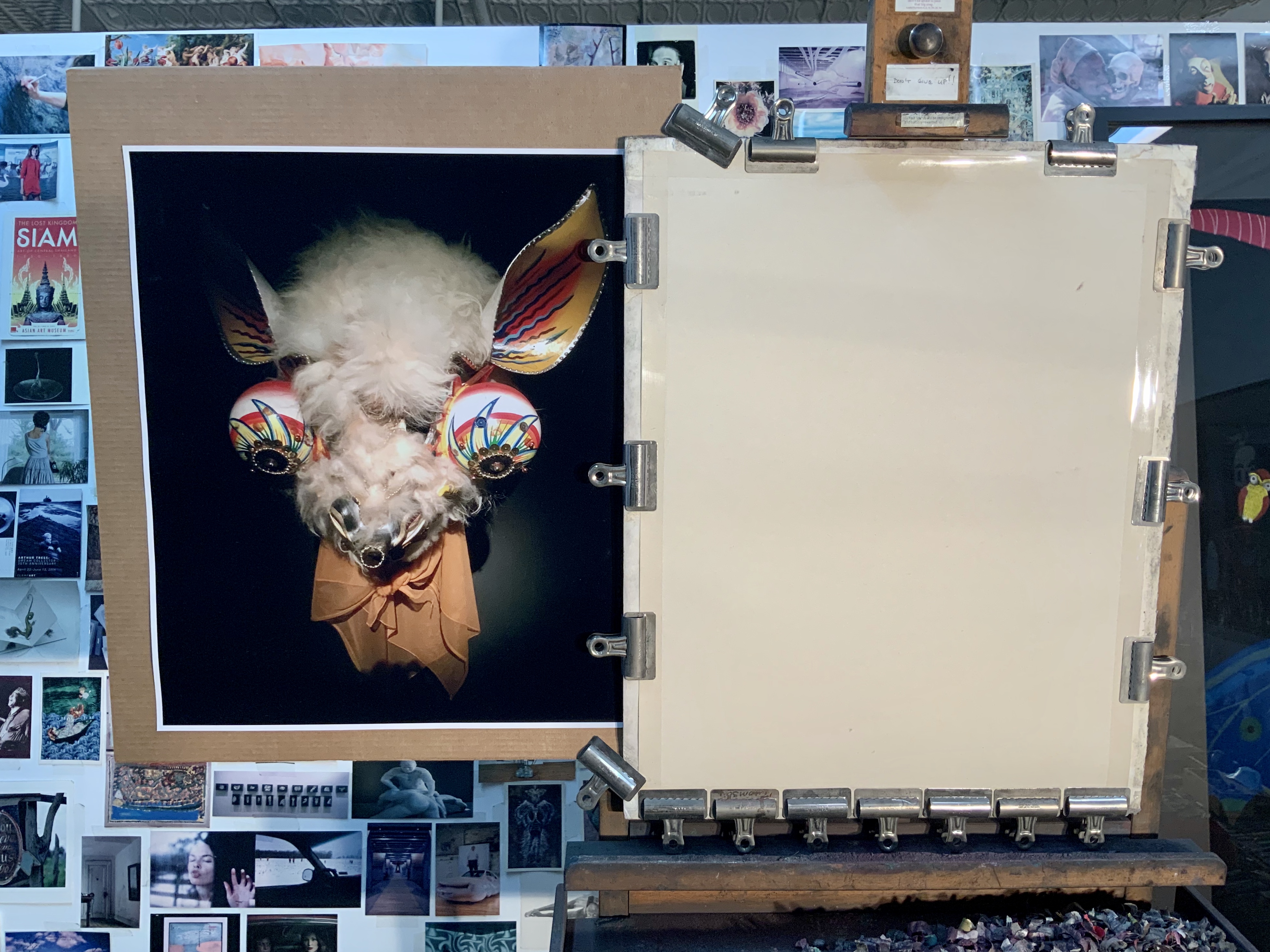
Ready to start
A: Undoubtedly, I could not make my work without UART sandpaper since my entire pastel technique evolved around it. I use 400 and 500 grit. My favorite thing about it is its ‘tooth’ (i.e. texture or roughness).
Over the many months I spend creating a painting, I build layer upon layer of soft pastel. Because this paper is relatively “toothy,” it accepts all of the pastel the painting needs. And as many people know, I own and use thousands of soft pastels!
Many layers of soft pastel and several months of studio time go into creating each painting. My self-invented technique is analogous to the glazing techniques used by the Old Masters, who slowly built up layers of thin oil paint to achieve a high degree of finish. Colors were not only mixed physically, but optically.
Similarly, I gradually build up layers of soft pastel, as many as thirty, to create a pastel painting. After applying a color, I blend it with my fingers and push it into the sandpaper’s tooth. It mixes with the color beneath to create a new color, continually adding richness, saturation, and intensity to the piece. By the time a pastel painting is finished, the colors are bold, vibrant, and exciting.
Comments are welcome!


 barbararachkoscoloreddust.com
Pearls from artists* # 529
Oct 19
Posted by barbararachkoscoloreddust
* an ongoing series of quotations – mostly from artists to artists – that offers wisdom, inspiration, and advice for the sometimes lonely road we are on.
All sorts of novelists, composers, choreographers, poets, and painters find themselves engaged in the challenges of authority and freedom that are the lifeblood of the arts. Art is a way of life – and not only or even essentially for geniuses. An artistic community – to whatever degree it may be joined by social, economic, or other concerns – is fundamentally united by the imperatives of a vocation as they are shaped in a particular time. Genius doesn’t emerge ex nihilo. And it doesn’t have a unique relationship with authority and freedom. Whatever truth there is to Walter Benjamin’s comment, apropos of Proust’s novel, that certain masterpieces begin or end a genre, it’s usually true that every masterpiece reaffirms the fundamental character of a form. For every epochal achievement that we may see as an assertion of unexpected degrees of freedom (Beethoven’s final quartets or Shakespeare’s last plays), there are others that reaffirm the pressure of tradition (an example is Raphael’s neoclassical designs for tapestries representing scenes from the lives of Saint Peter and Saint Paul). For every creative spirit, the great as well as the merely good, there is a sense in which the wager is the same.
Jed Perl in Authority and Freedom: A Defense of the Arts
Comments are welcome!
Share this:
Posted in 2022, An Artist's Life, Art in general, Art Works in Progress, Inspiration, Pearls from Artists, Quotes
Comments Off on Pearls from artists* # 529
Tags: achievement, apropos, artistic, assertion, authority, Beethoven, certain, challenges, character, choreographers, comment, community, composers, concerns, creative, degree, degrees, designs, economic, emerge, engaged, epochal, essentially, every, ex nihilo, example, freedom, fundamental, fundamentally, genius, geniuses, Jed Perl, joined, lifeblood, masterpiece, masterpieces, merely, neoclassical, novelists, painters, particular, presence, pressure, Proust, quartets, Raphael, reaffirm, relationship, Saint Paul, Saint Peter, scenes, Shakespeare, shaped, social, spirit, tapestries, the arts, themselves, tradition, unexpected, unique, united, usually, vocation, Walter Benjamin, whatever, work in progress