Category Archives: Travel
Pearls from artists* # 73
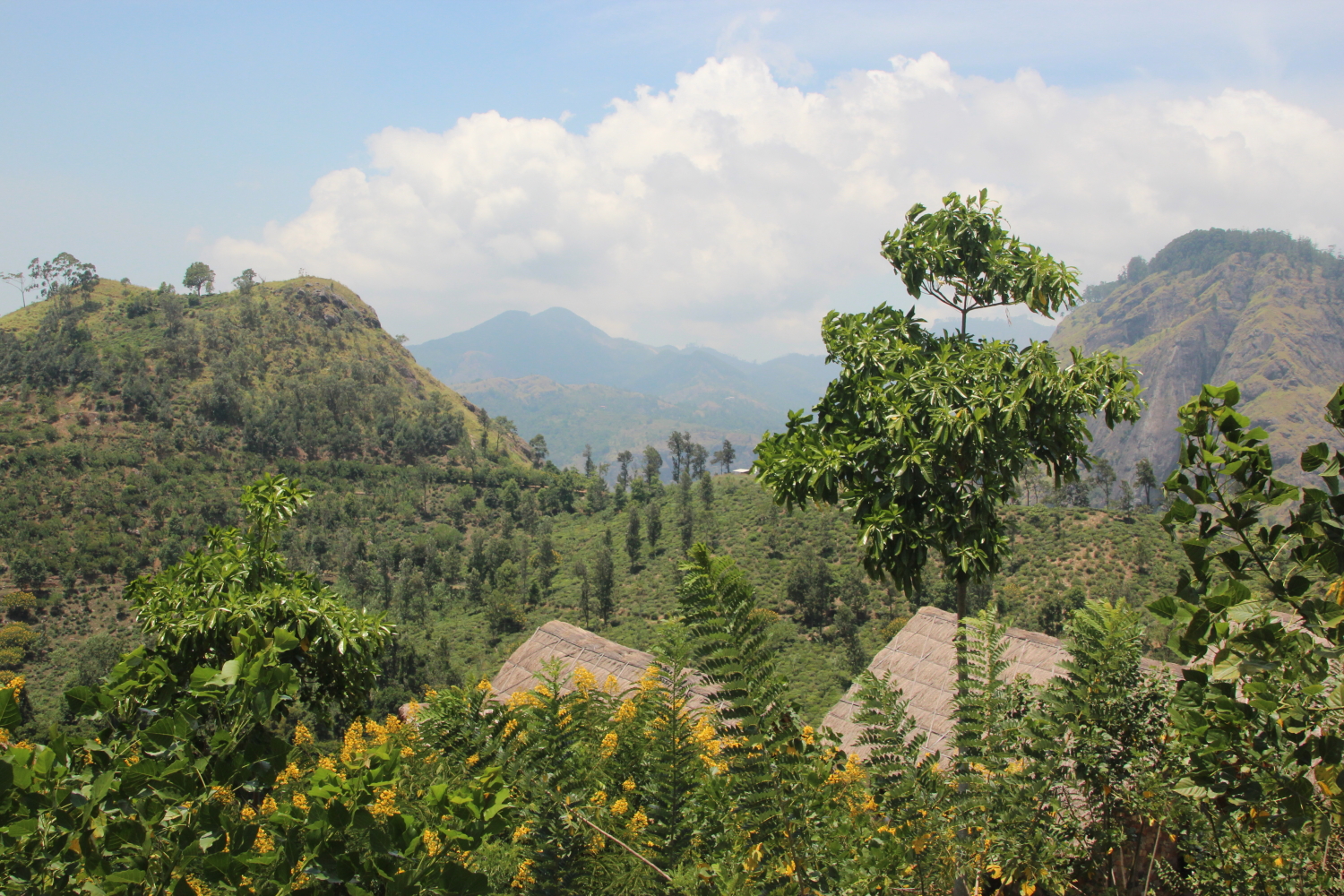
Sri Lanka
* an ongoing series of quotations – mostly from artists, to artists – that offers wisdom, inspiration, and advice for the sometimes lonely road we are on.
The primary tool in a creative process is interest. To be true to one’s interest, to pursue it successfully, one’s body is the best barometer. The heart races. The pulse soars. Interest can be your guide. It always points you in the right direction. It defines the quality, energy, and content of your work. You cannot feign or fake interest or choose to be interested in something because it is prescribed. It is never prescribed. It is discovered. When you sense this quickening you must act immediately. You must follow that interest and hold on tight.
Anne Bogart in A Director Prepares: Seven Essays on Art and Theater
Comments are welcome!
Pearls from artists* # 72
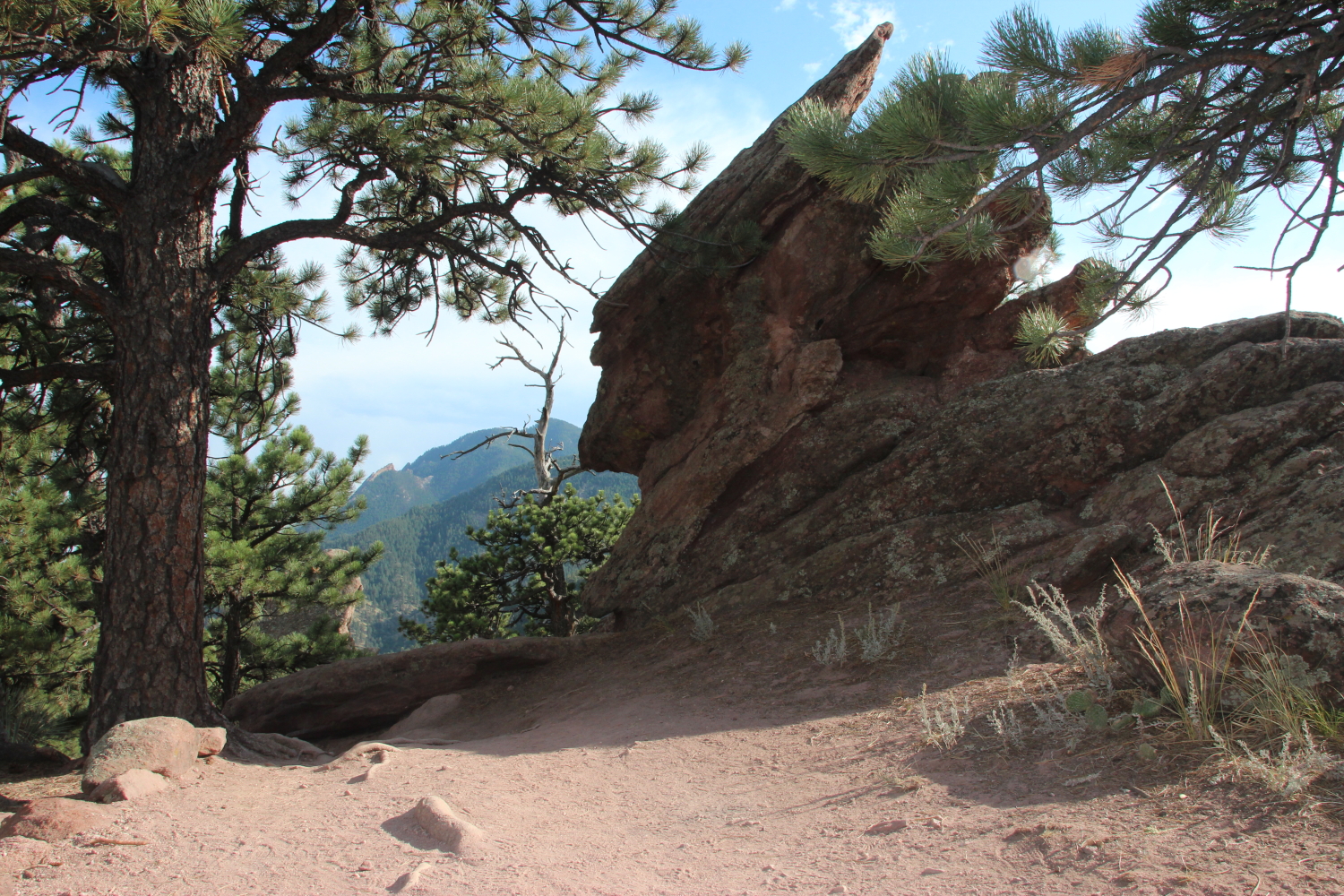
Boulder, CO
* an ongoing series of quotations – mostly from artists, to artists – that offers wisdom, inspiration, and advice for the sometimes lonely road we are on.
Art is a process and a journey. All artists have to find a way to lie to themselves, find ways to fool themselves into believing that what they’re doing is good enough, the best they can do at that moment, and that’s ok. Every work of art falls short of what the artist envisioned. It is precisely that gap between their intention and their execution that opens up the door for the next work.
Eric Fischl and Michael Stone in Bad Boy: My Life on and off the Canvas
Comments are welcome!
Q: What’s on the easel today?
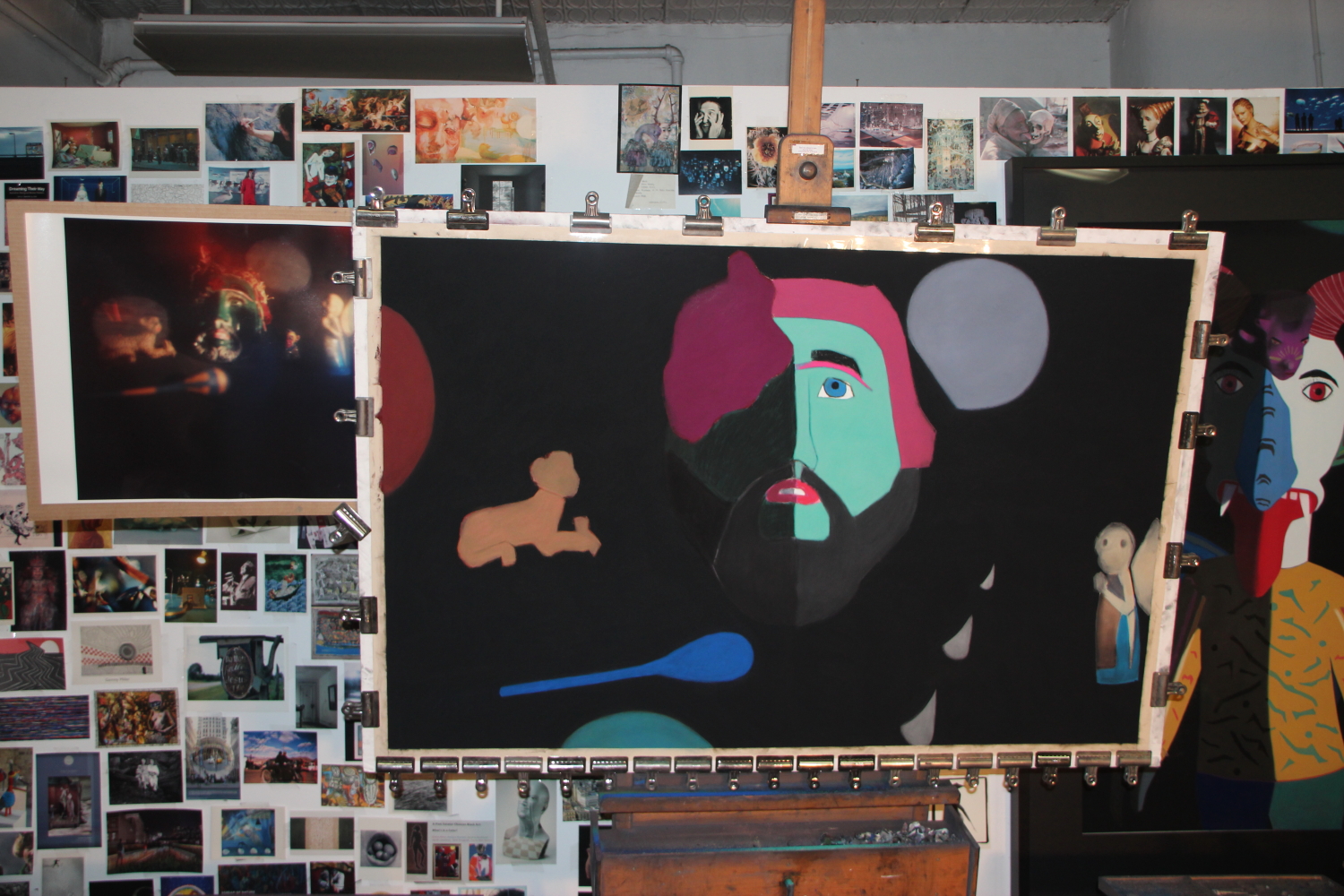
Pastel-on-sandpaper painting in progress
A: I am working on a pastel painting that features a mask I found in Todos Santos, Mexico on a recent trip there with friends. This is the first time I have so prominently featured a head without a body so I’m unsure whether the painting is coming together just yet. Fortunately it’s very early in the process so there is plenty of time to make adjustments.
Comments are welcome!
Q: Can you discuss your process, including how you actually use Mexican and Guatemalan folk art figures in your art?

A corner of Barbara’s studio
A: When I set up the figures to photograph for a painting, I work very intuitively, so how I actually cast them in an artwork is difficult to say. Looks count a lot – I select an object and put it in a particular place, look at it, move it or let it stay, and sometimes develop a storyline. I spend time arranging lights and looking for interesting cast shadows. With my first “Domestic Threats” series, all of this was done so that Bryan, my late husband, or I could shoot a couple of negatives with his Toyo Omega 4″ x 5″ view camera. For my “Black Paintings” series, begun in 2007, I shoot medium format negatives with a Mamiya 6 camera.
I always look at a 20″ x 24″ photograph for reference as I make a pastel-on-sandpaper painting, plus I also work from the ‘live’ objects. The photograph is mainly a catalyst because finished paintings are always quite different from their associated reference photos. Also, since I spend months creating them, the paintings’ interpretative development goes way beyond that of the photo.
I once completed 6 large (58” x 38”) pastel paintings in a single year, but more recently 4 or 5 per year is common. It takes approximately 3 months to make each one. During that time I layer and blend together as many as 25 to 30 layers of pastel. Of course, the colors get more intense as the painting progresses and the pigment accumulates on the sandpaper.
Comments are welcome!
Q: Can you speak about what draws you to the Mexican and Guatemalan figures that you collect?
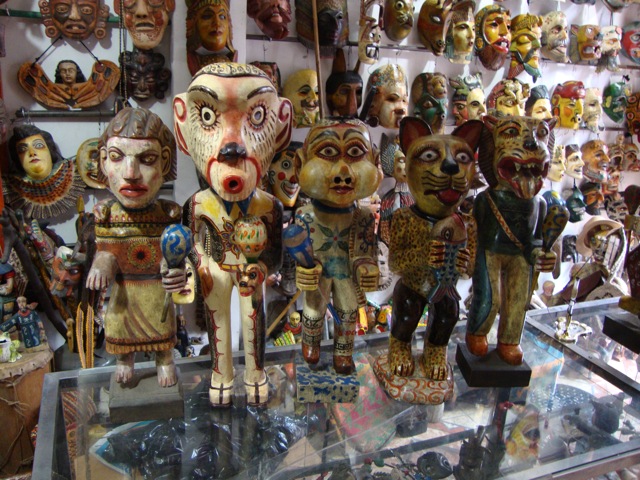
Shop in Panajachel, Guatemala, Photo: Donna Tang
A: I search the markets and bazaars of Mexico, Guatemala, and elsewhere for folk art objects – masks, carved wooden animals, papier mache figures, children’s toys – to bring back to New York to paint and photograph. Color is very important – the brighter and the more eye-catching the patterns are on these objects the better – plus they must be unique and have lots of personality. I try not to buy anything mass-produced or obviously made for the tourist trade. The objects must have been used or otherwise look like they’ve had a life (i.e., been part of religious festivities) to draw my attention. How and where each one comes into my possession is an important part of my creative process.
Finding, buying, and getting them back to the U.S. is always circuitous, but that, too, is part of the process, an adventure, and often a good story. Here’s an example. In 2009 I was in a small town on the shores of Lake Atitlan in Guatemala, called Panajachel. After returning from a boat ride across the lake, my friends and I were walking back to our hotel when we discovered a wonderful mask store. I spent some time looking around, made my selections, and was ready to buy five exquisitely-made standing wooden figures, when I learned that Tomas, the store owner, did not accept credit cards. I was heart-broken and thought, “Oh, no, I’ll have to leave them behind.” However, thanks to my good friend, Donna, whose Spanish is much more fluent than mine, the three of us brain-stormed until finally, Tomas had an idea. I could pay for the figures at the hotel up the block and in a few days when the hotel was paid by the credit card company, the hotel would pay Tomas. Fabulous! Tomas, Donna, and I walked to the hotel, where the transaction was made and the first hurdle was overcome. Working out the packing and shipping arrangements took another hour or two, but during that time Tomas and I became friends and exchanged telephone numbers (the store didn’t even have a telephone so he gave me the phone number of the post office next door, saying that when I called, he could easily run next door!). Most surprisingly, the package was waiting for me in New York when I returned home from Guatemala.
Comments are welcome!
Q: What have you learned about the people of Mexico through your travels, reading, and research?
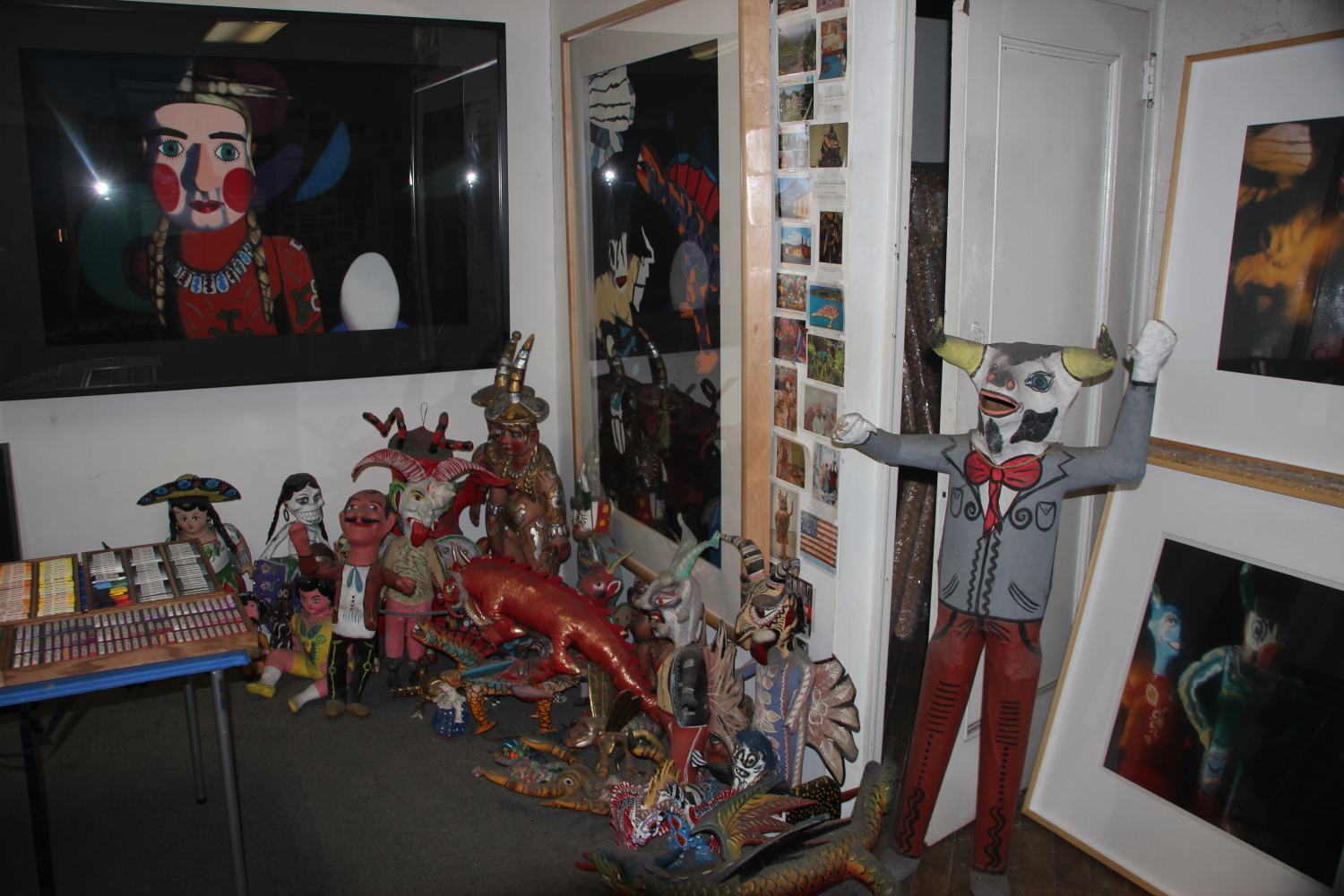
A corner of the studio
A: It didn’t take long to become smitten with these beautiful people. It happened on my first trip there in 1992 when Bryan and I, along with busloads of other tourists, were visiting the Oaxacan cemeteries on The Day of the Dead. The Oaxaquenos tending their ancestor’s graves were so dignified and so gracious, even with so many mostly-American tourists tromping around on a sacred night, that I couldn’t help being taken with them and with their beliefs. My studies since that time have given me a deeper appreciation for the art, architecture, history, mythology, etc. that comprise the extremely rich and complex story of Mexico as a cradle of civilization in the West. It is a wonderfully heady mix and hopefully some of it comes through in my work as a painter and a photographer.
By the way I often wonder why the narrative of Mexico’s fascinating history was not taught in American public schools, at least not where I went to public school in suburban New Jersey. Mexico is our neighbor, for goodness sake, but when I speak to many Americans about Mexico they have never learned anything about the place! It’s shocking, but many people think only “Spring Break” and/or “Drug Wars,” when they hear the word “Mexico.” As a kid I remember learning about Egypt, Mesopotamia, Greece, and other early civilizations in the Middle East, Europe, and Asia, but very little about Mexico. We learned about the Maya, when it was still believed that they were a peaceful people who devoted their lives to scientific and religious pursuits, but that story was debunked years ago. And I am fairly sure that not many Americans even know that Maya still exist in the world … in Mexico and in Guatemala. There are a few remote places that were not completely destroyed by Spanish Conquistadores in the 16th century and later. I’ve been to Mayan villages in Guatemala and seen shamans performing ancient rituals. For an artist from a place as rooted in the present moment as New York, it’s an astounding thing to witness!
Comments are welcome!
Q: How do you define success as an artist?
Self-portrait at an architect’s estate in Sri Lanka
A: This is another question that has many answers depending more or less on how things are progressing in the studio. I’d say that you are a successful artist if you are able to keep working and evolving, and are mostly living by your own rules, using your time as you see fit to become a better artist. This means navigating through all the ups and downs, the obstacles – and we know there are many – to art-making and finding joy and on-going discovery in your own particular creative process. The work is everything, as we always say, but hopefully, you have found an appreciative audience and do sell a piece of art now and then.
I know that I am more fortunate than many. Over time I’ve realized that money, i.e., sales, is one of the less important aspects of being an artist. The richness that being a professional artist brings to my life goes far beyond anything that can be acquired with cash!
Comments are welcome!
Q: Are there any other photographs from your trip to Sri Lanka that you’d like to share?
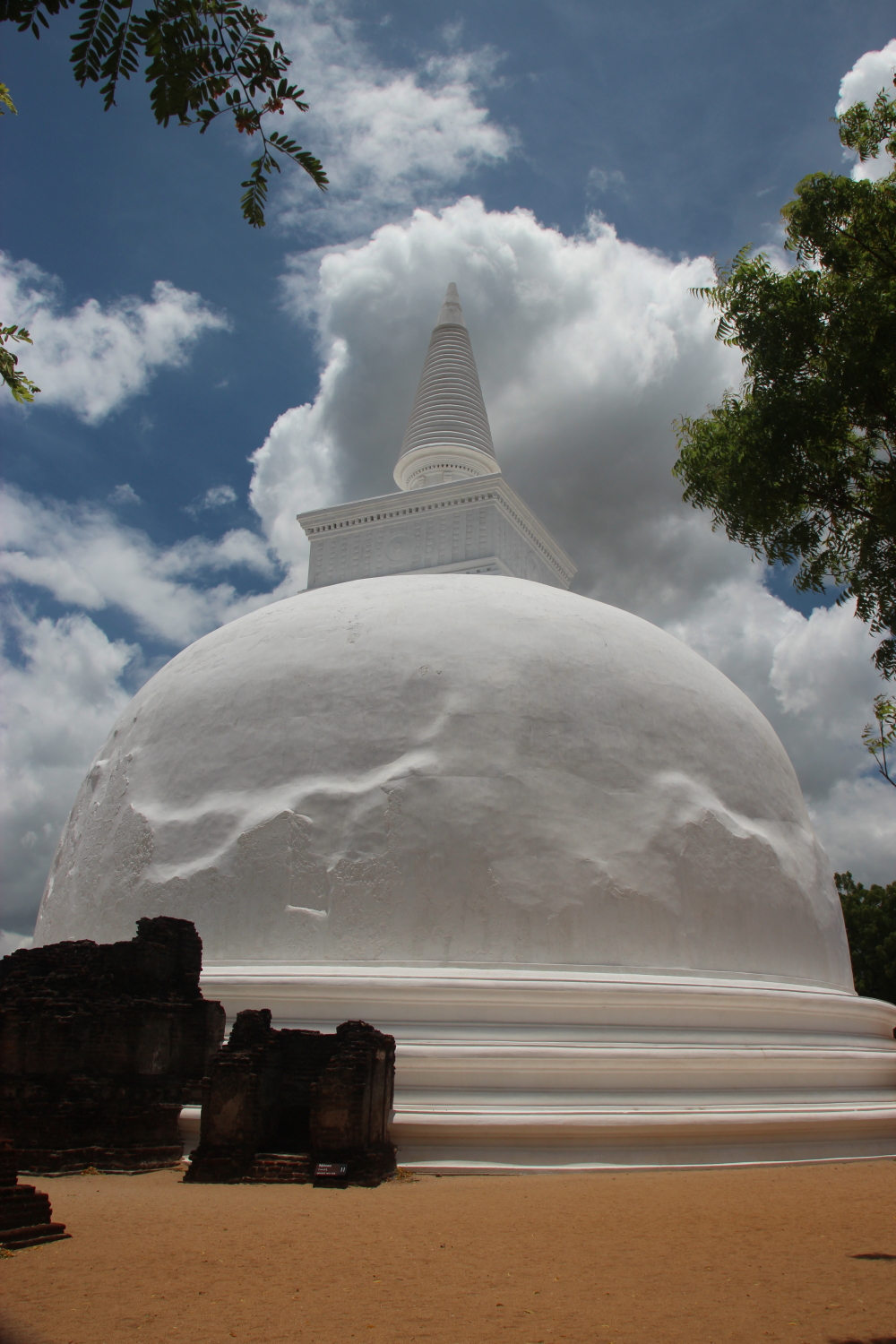
Stupa at Polunnaruwa
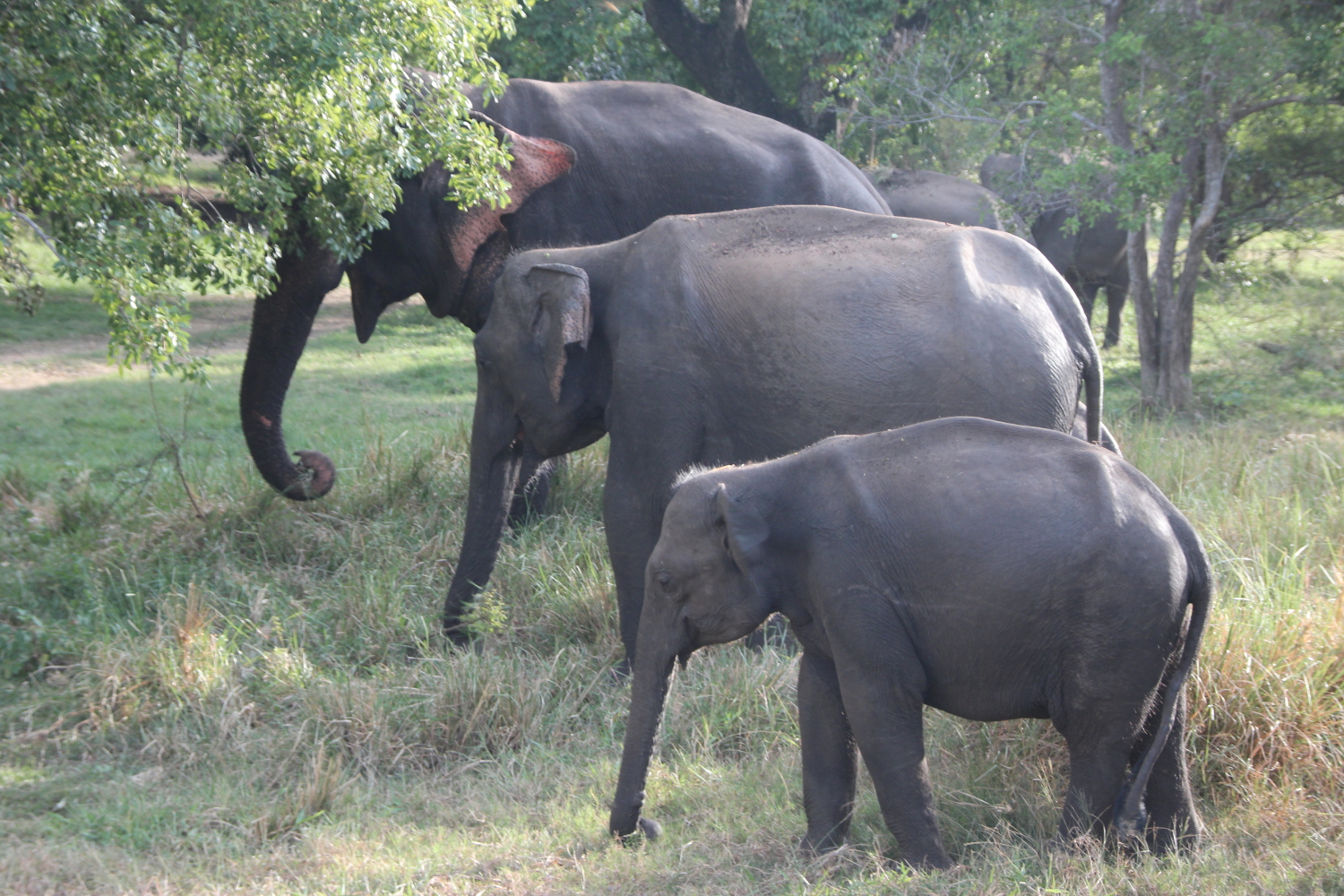
Elephant orphanage
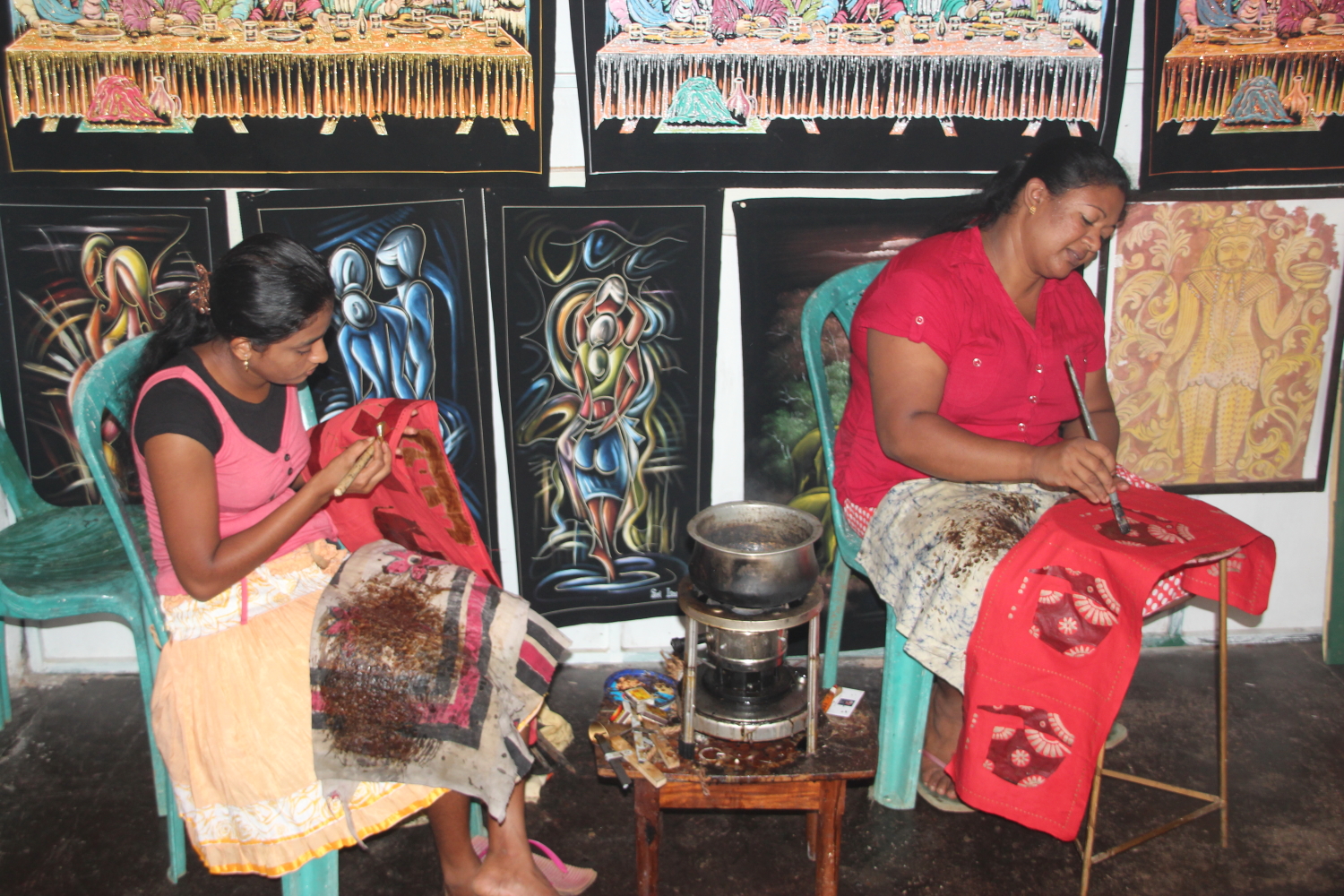
Batik artisans, Sigiriya village
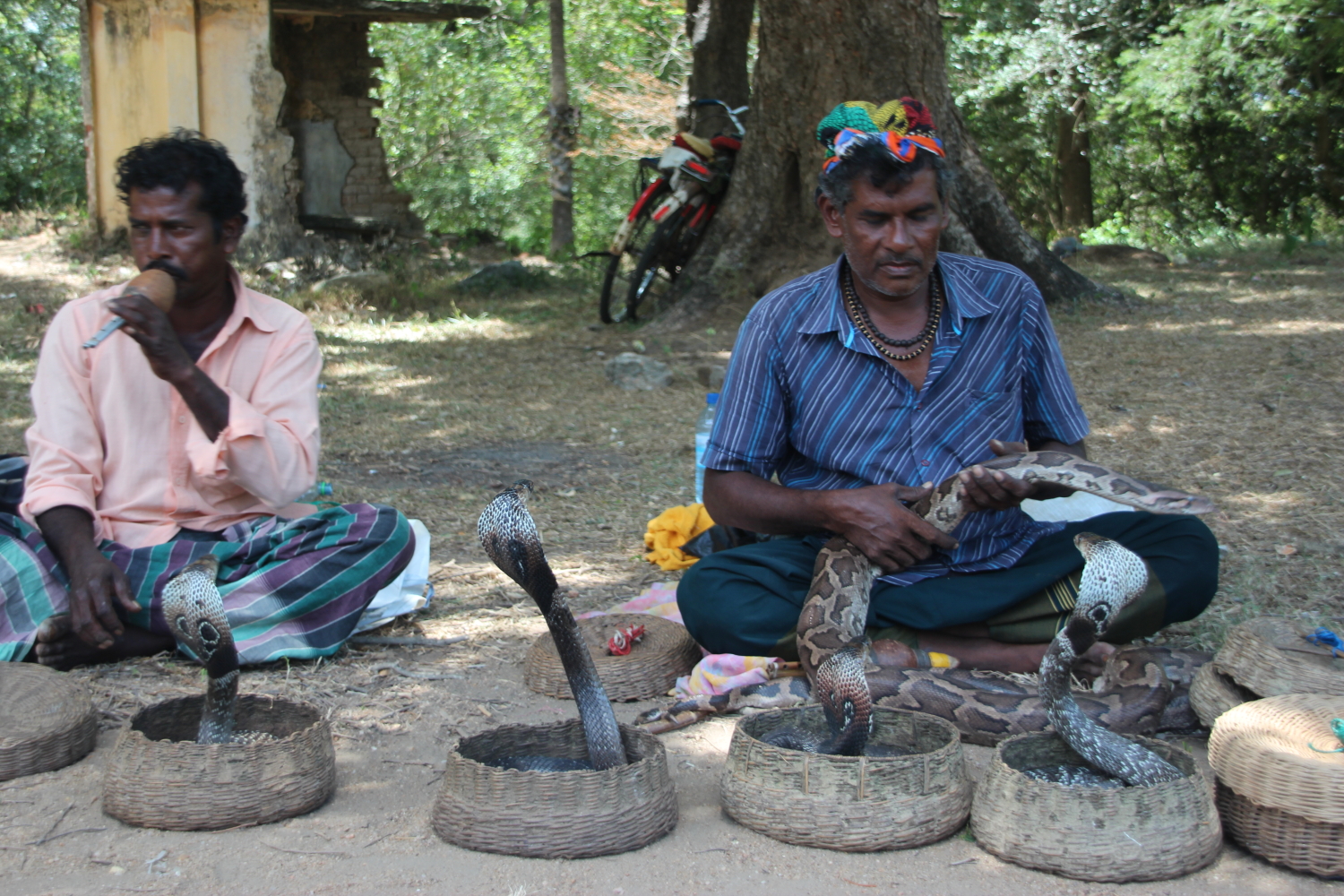
Cobras and handlers
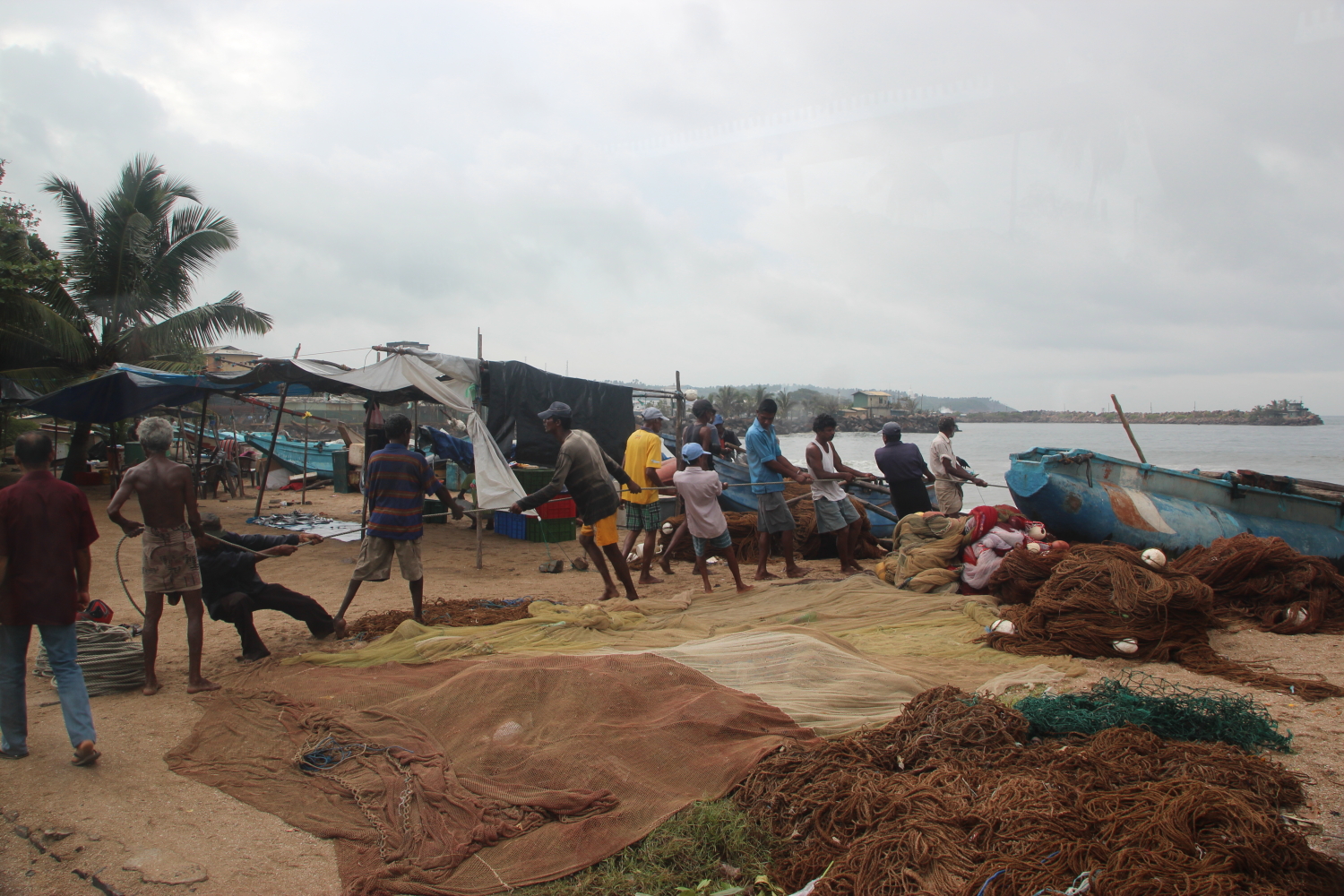
Hauling in the nets, Galle
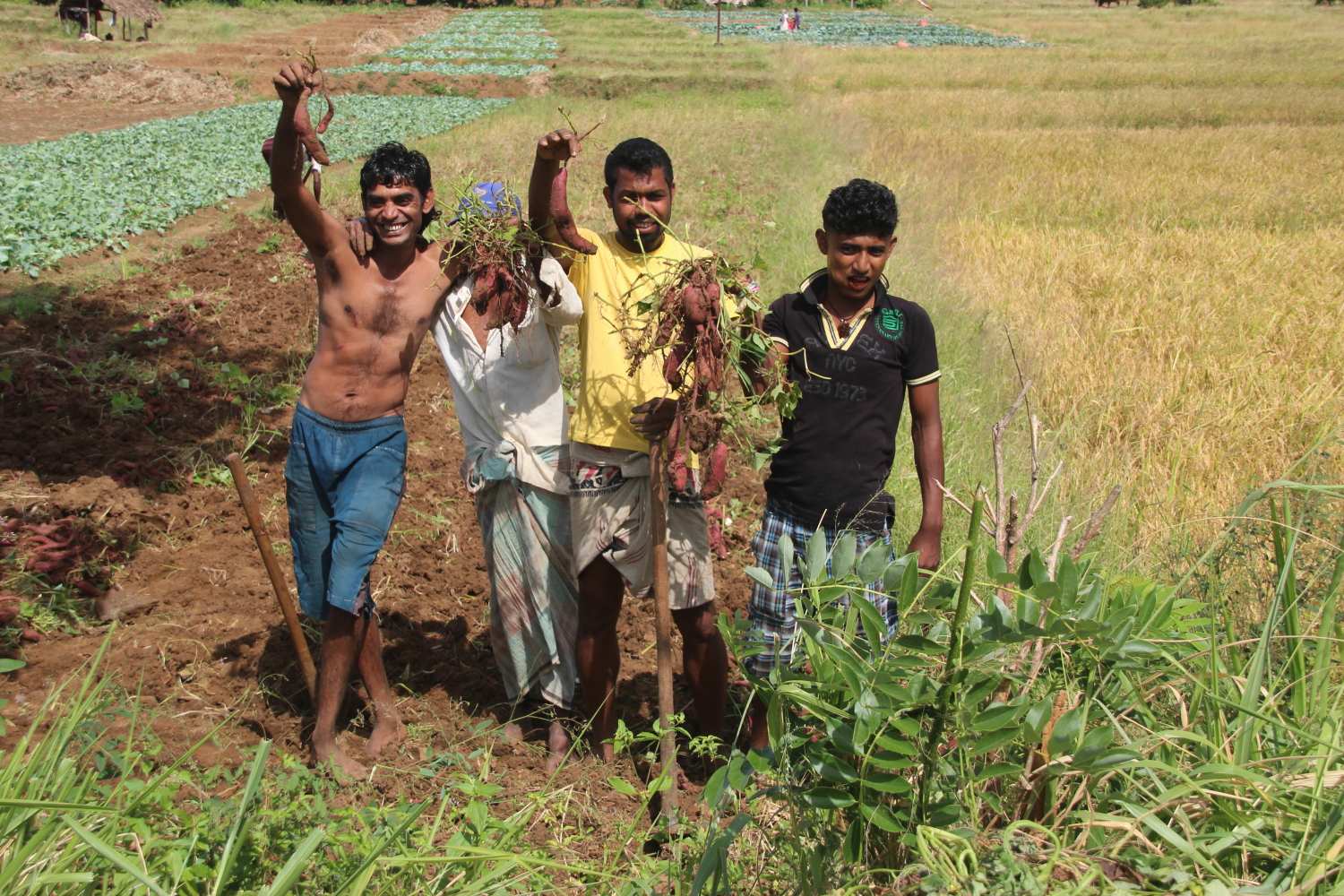
Showing off the radish harvest
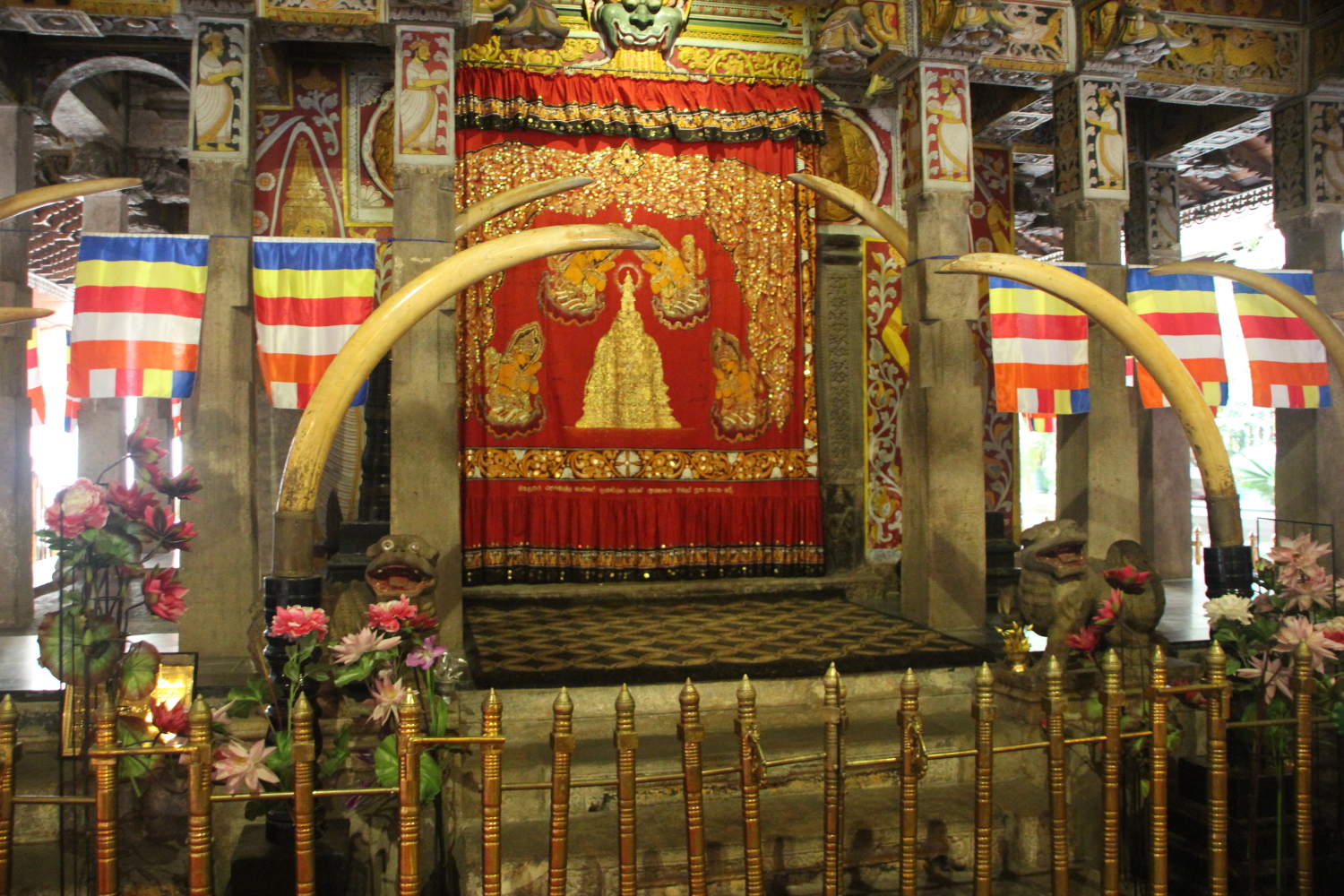
Temple of the Tooth, Kandy
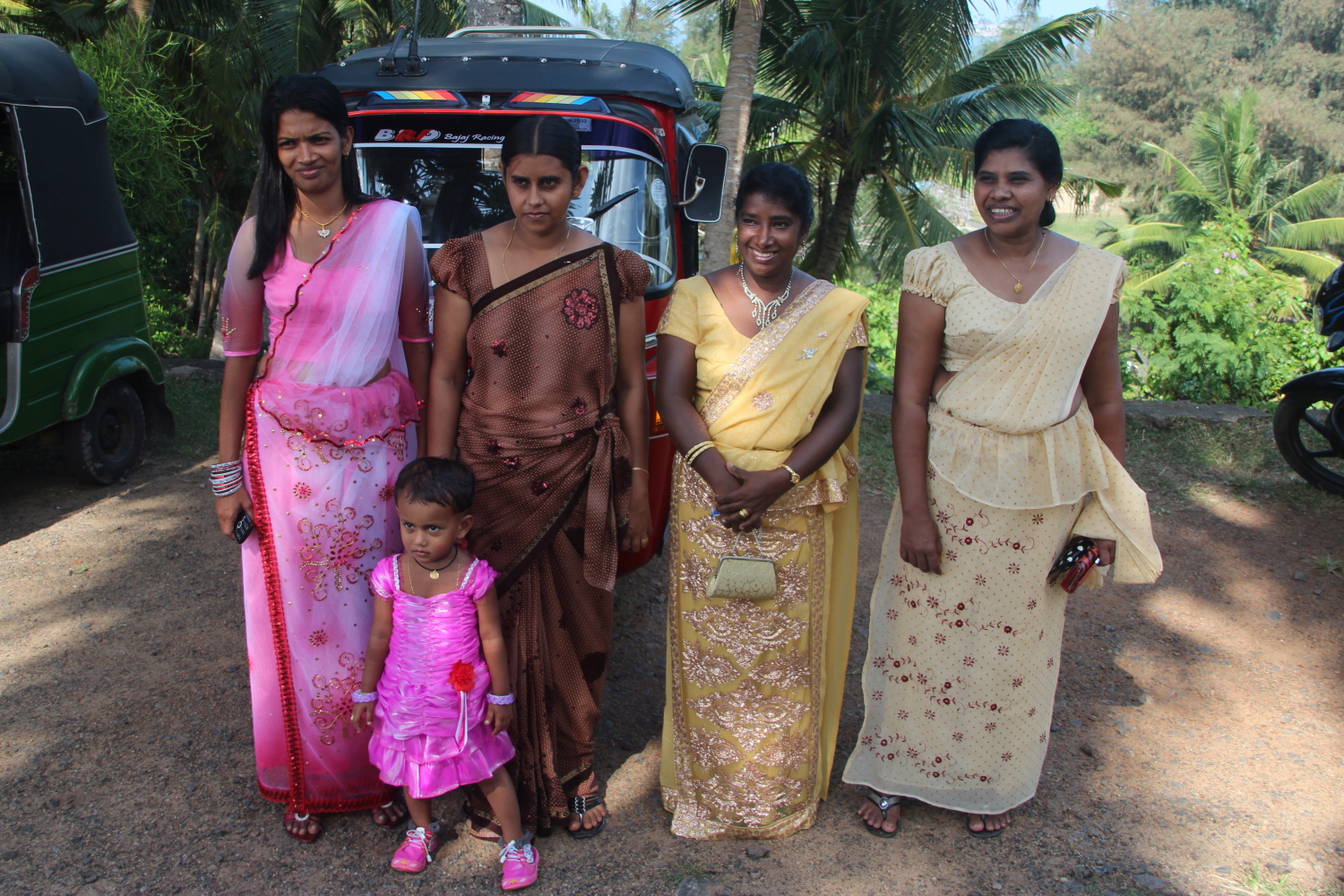
Wedding party, Galle
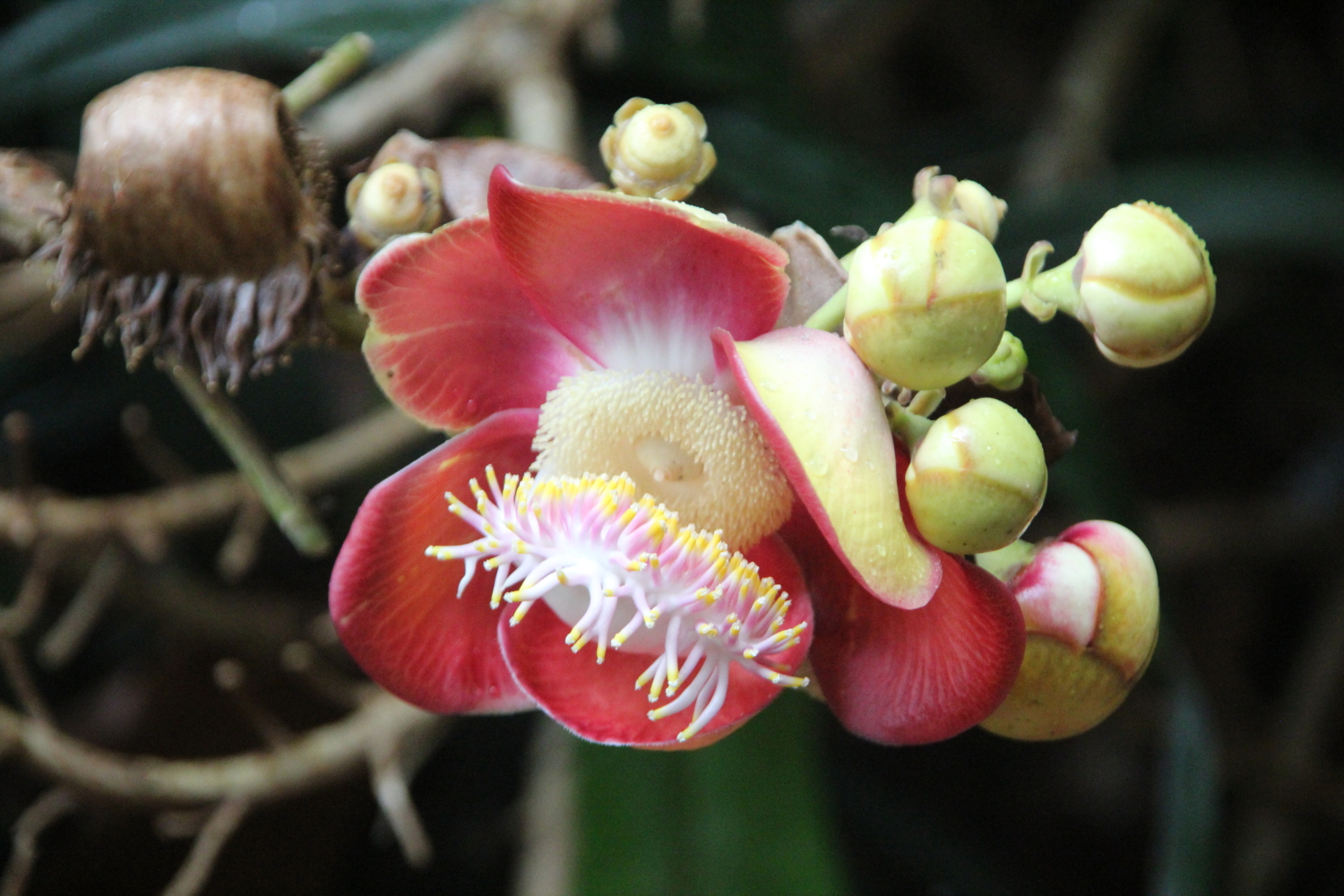
Couroupita guianensis
Pearls from artists* # 61
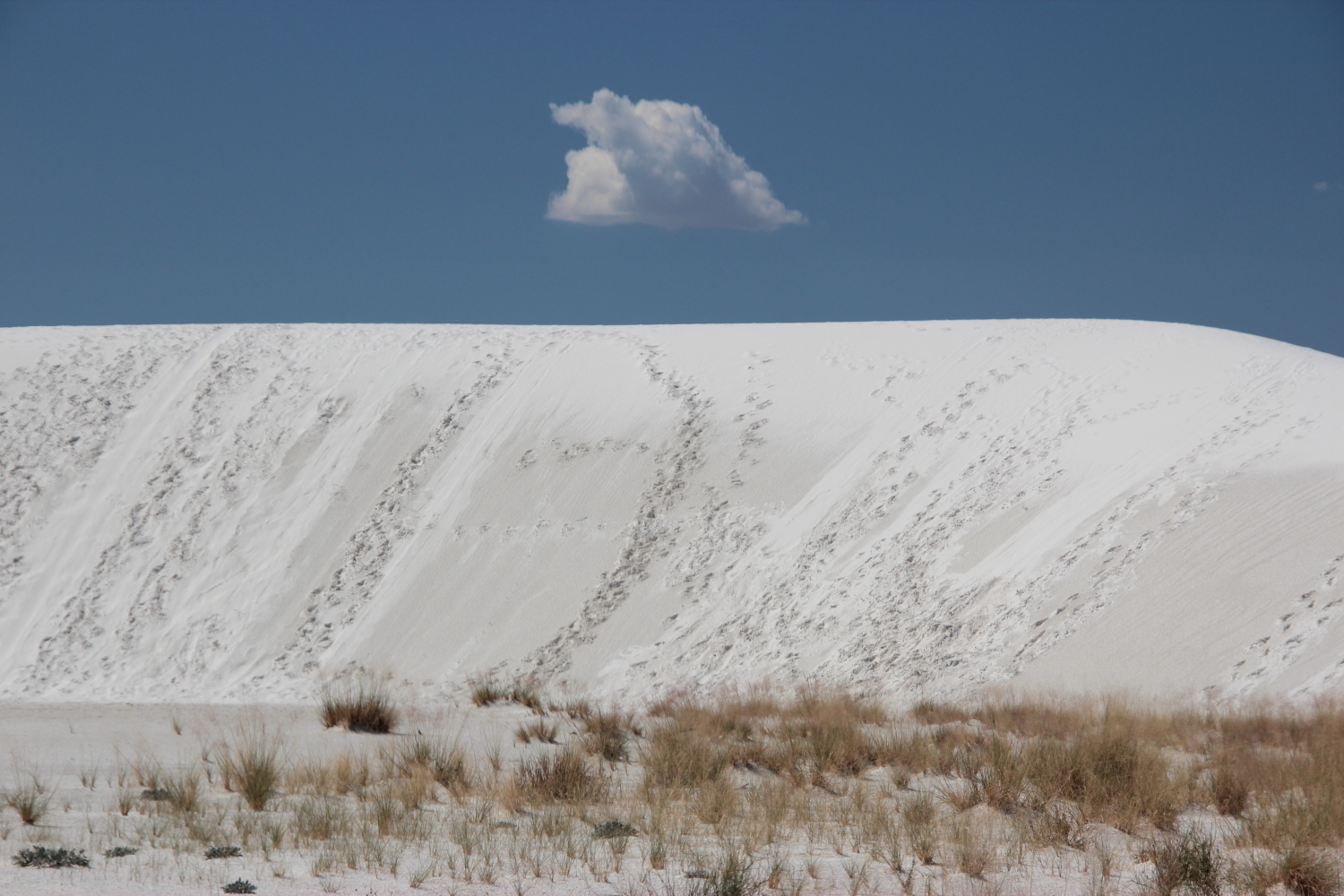
White Sands, NM
* an ongoing series of quotations – mostly from artists, to artists – that offers wisdom, inspiration, and advice for the sometimes lonely road we are on.
I can only shudder when I think of life without our handiwork. The sheer paucity of living only for the sake of survival and empty diversion would be that of an empty vessel. My own life as an artist helps me to fill that vessel, and on occasion I am able to share that with another. Is there meaning in my struggle, my endless solitude? Yes, I believe there is, for at the very least I have found greater meaning for myself in that search. And as those artists who have come before me have perhaps more clearly expressed, our ability to ponder the questions that denote our humanness are worthy of a life of solitude. That is where I find my solace and my courage. In the final analysis, it is the art that I make that allows me to pause and briefly see. Only now do I begin to understand and accept both the burden and joy of my life.
Dianne Albin quoted in Eric Maisel’s The Van Gogh Blues
Comments are welcome!
Q: At the end of last Saturday’s (September 28th) post you mentioned something called, “Esala Perahera.” What is that?
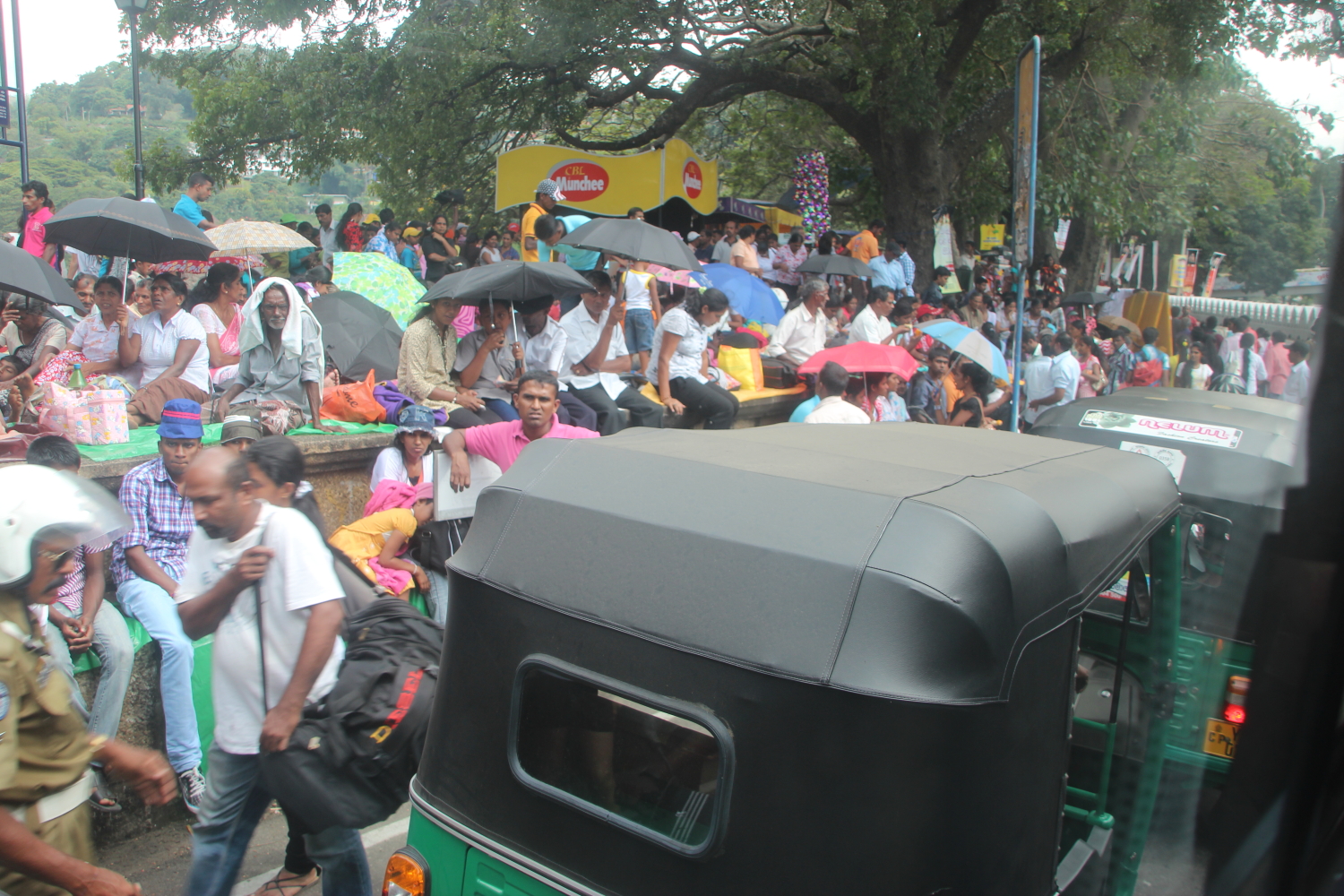
Waiting for the Perahera to start, Kandy, Sri Lanka
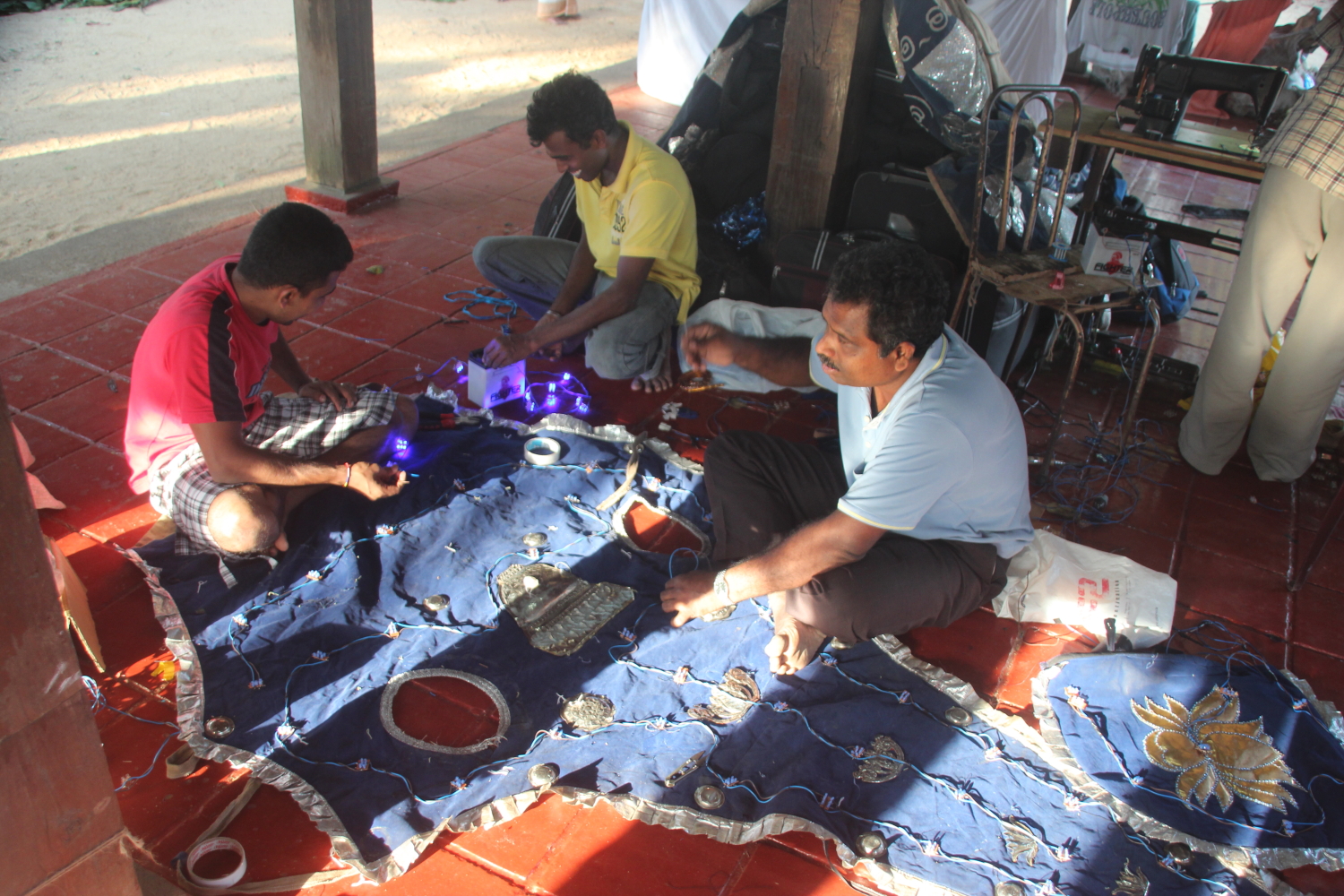
Mending an elephant’s headdress, Kandy, Sri Lanka
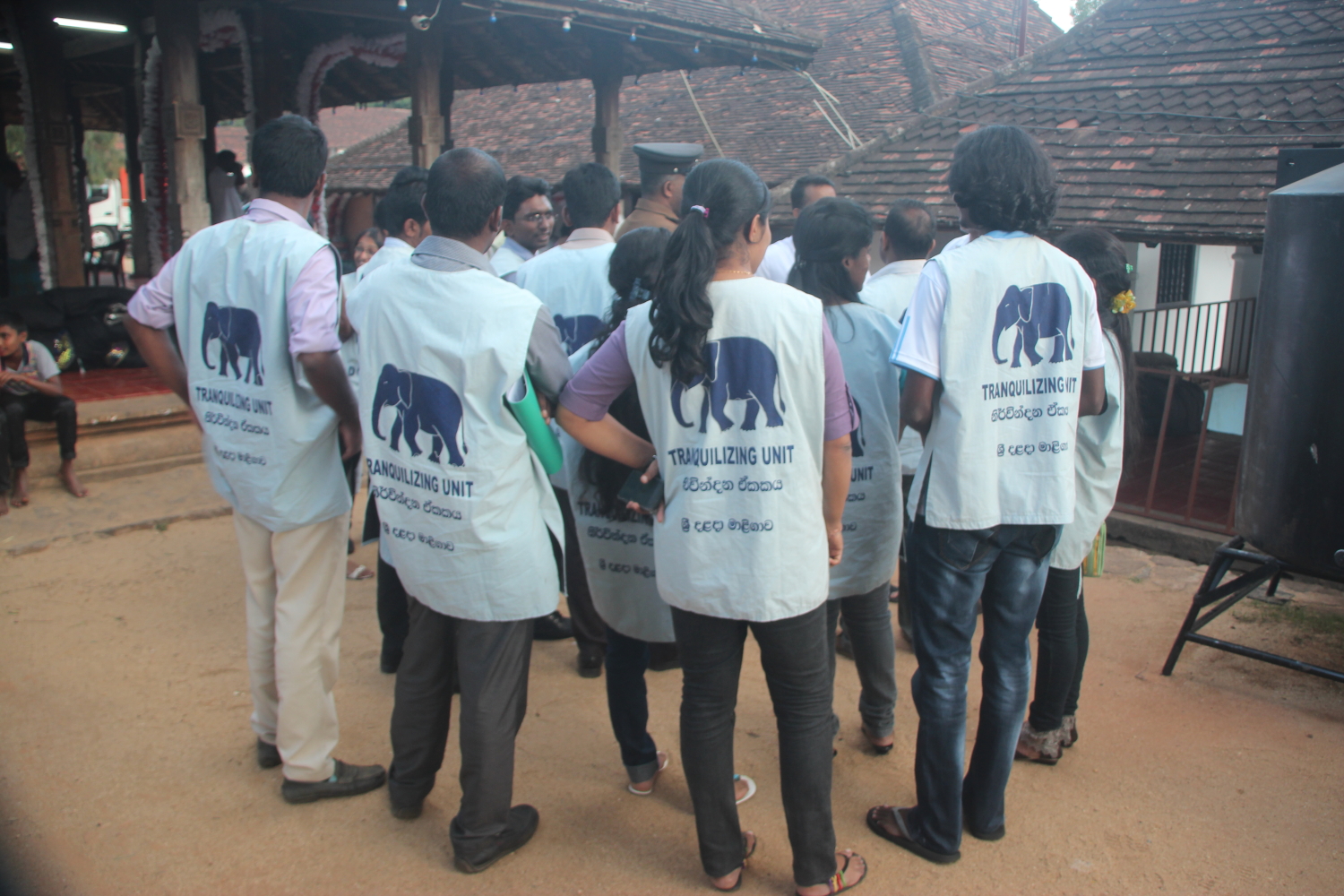
Preparations – planning what to do in case an elephant charges
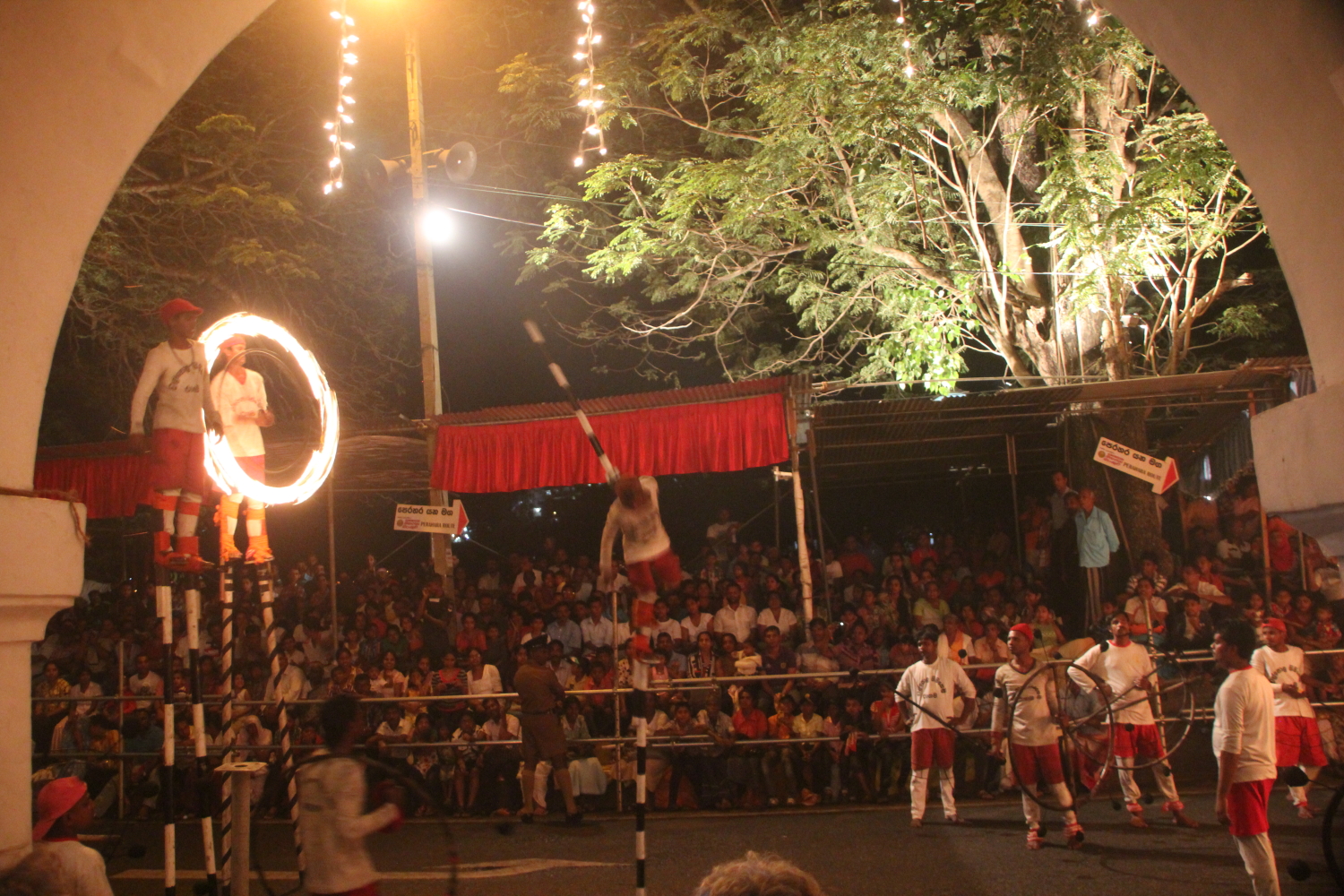
Flame throwers watching a man balancing on one stilt
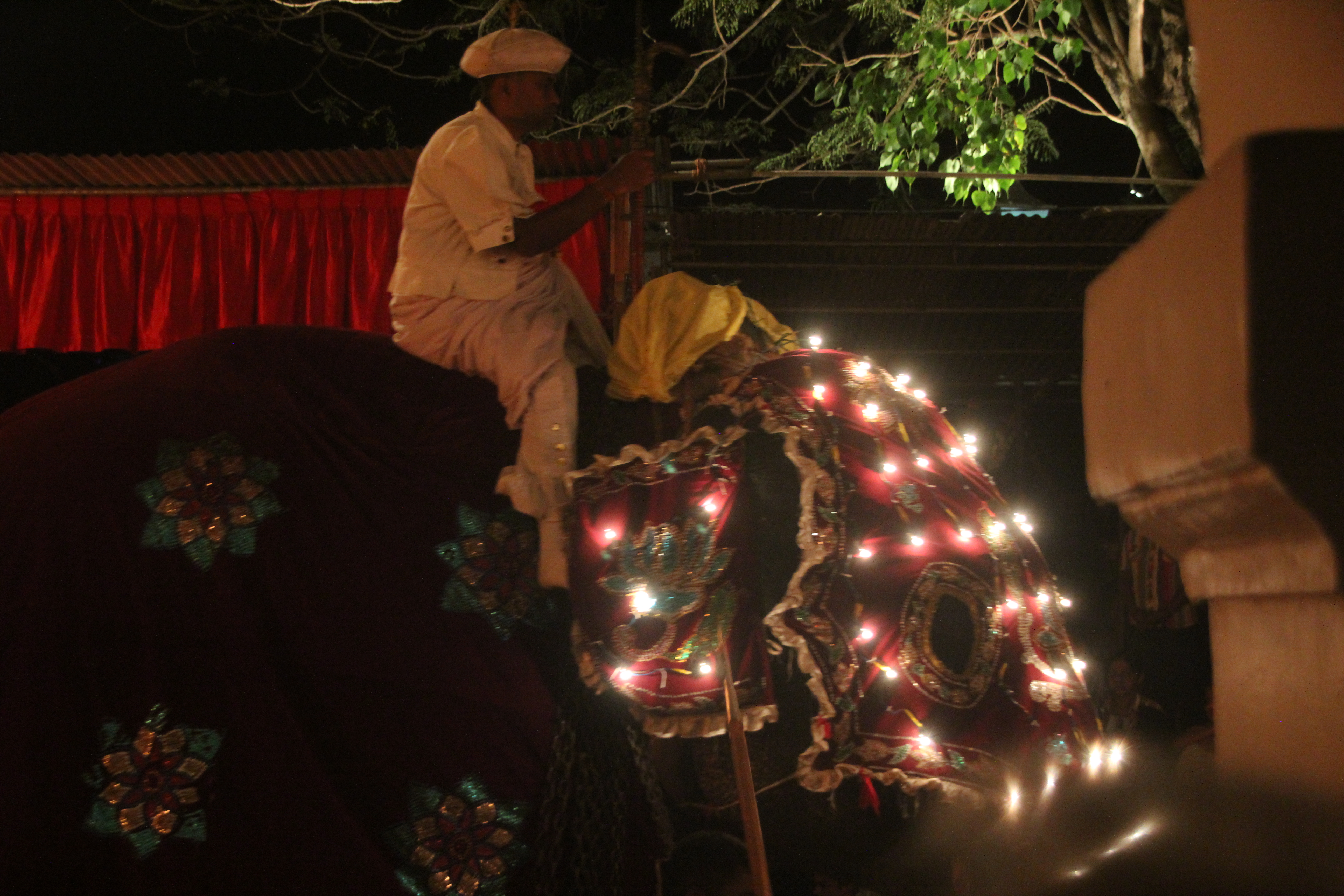
First elephant in the procession
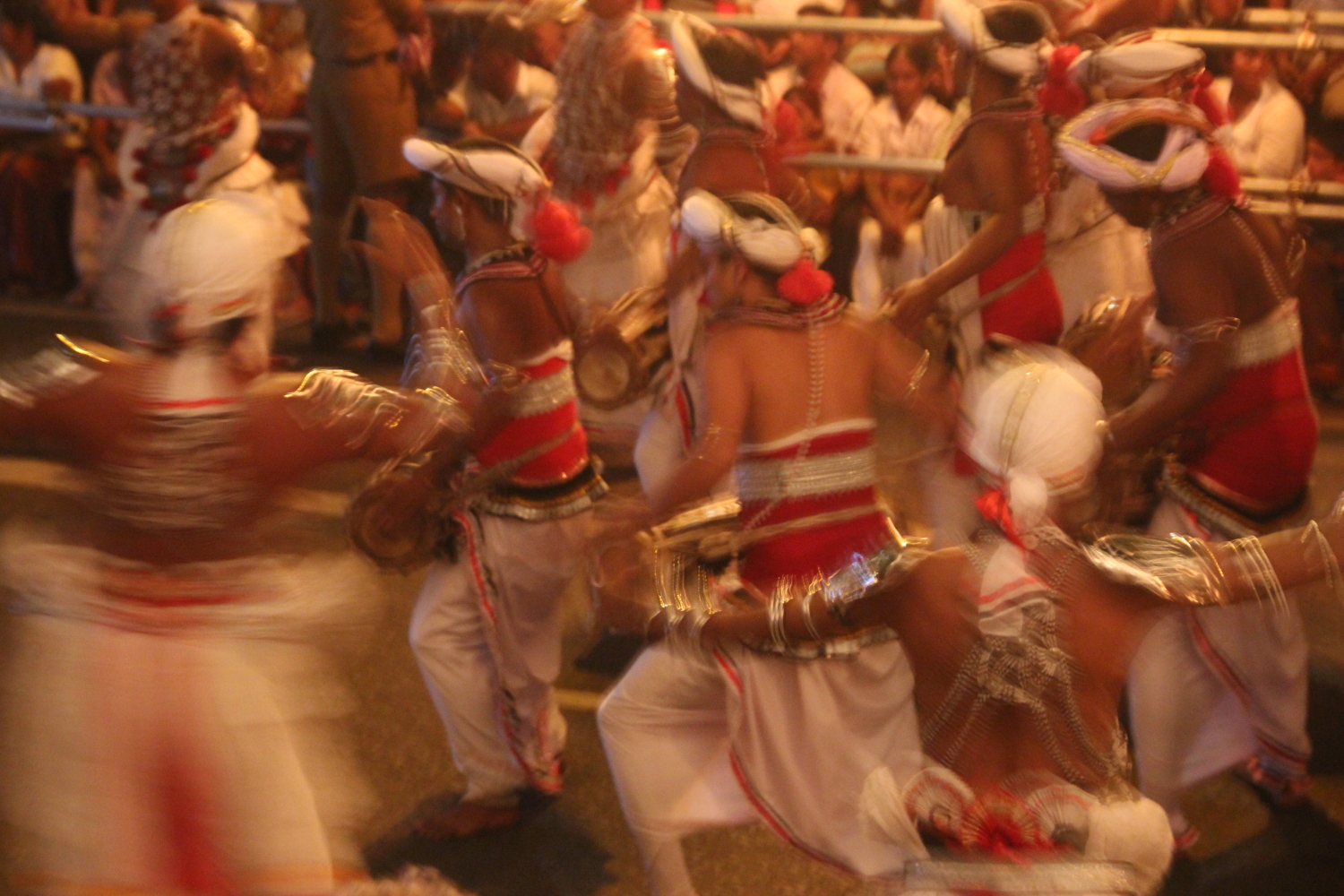
Drummers, Kandy, Sri Lanka
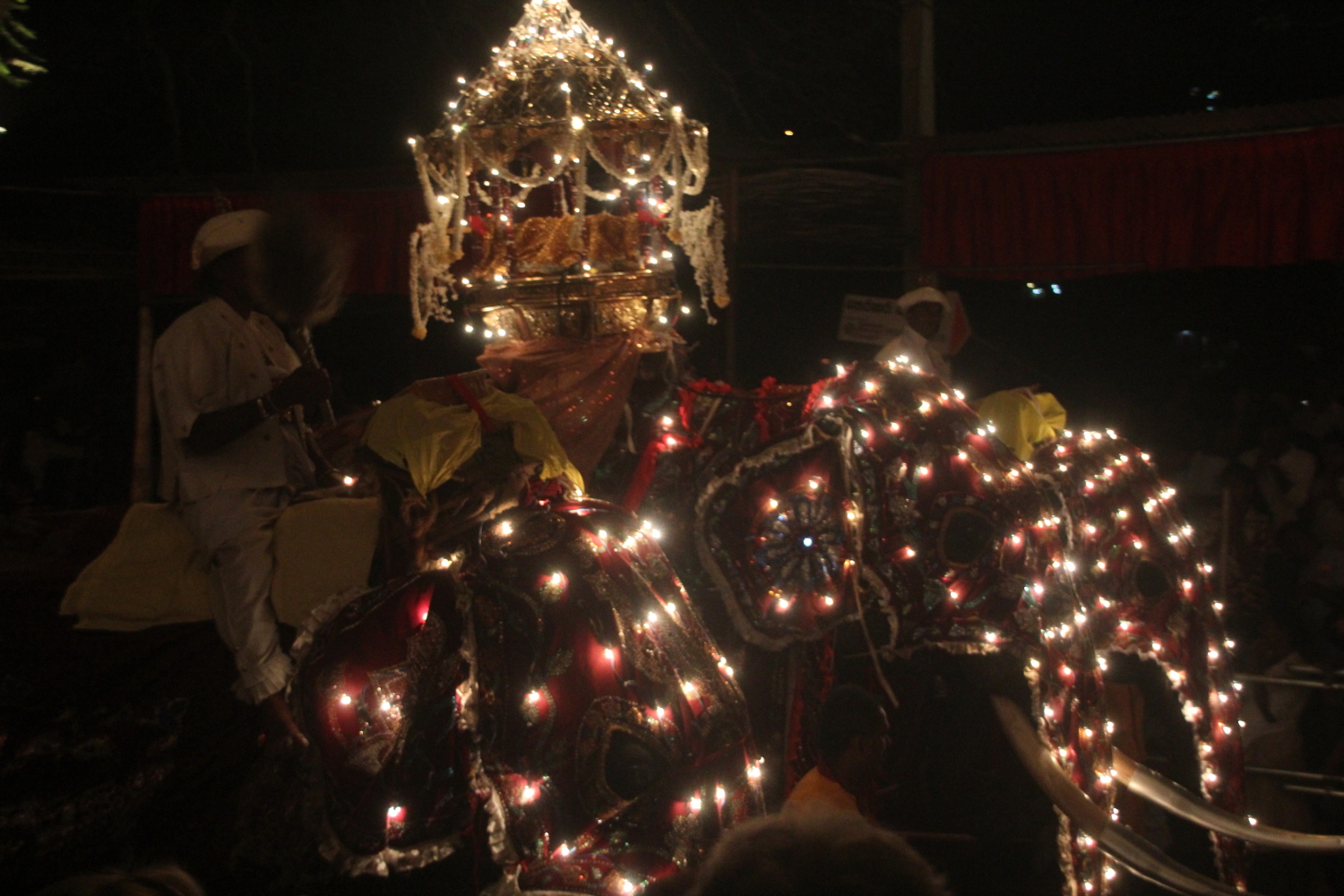
Three elephants, Kandy, Sri Lanka
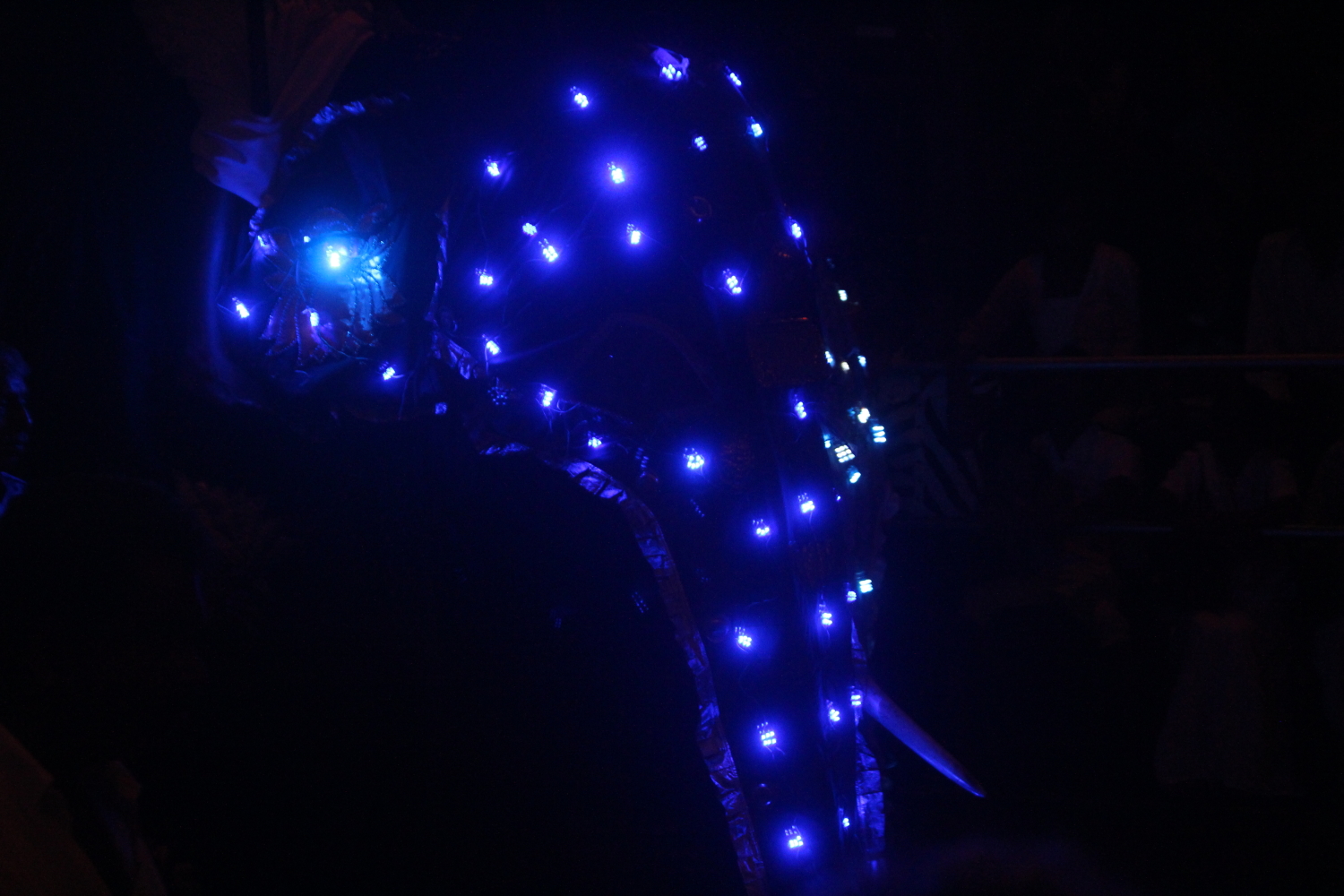
A single “tusker,” Kandy, Sri Lanka
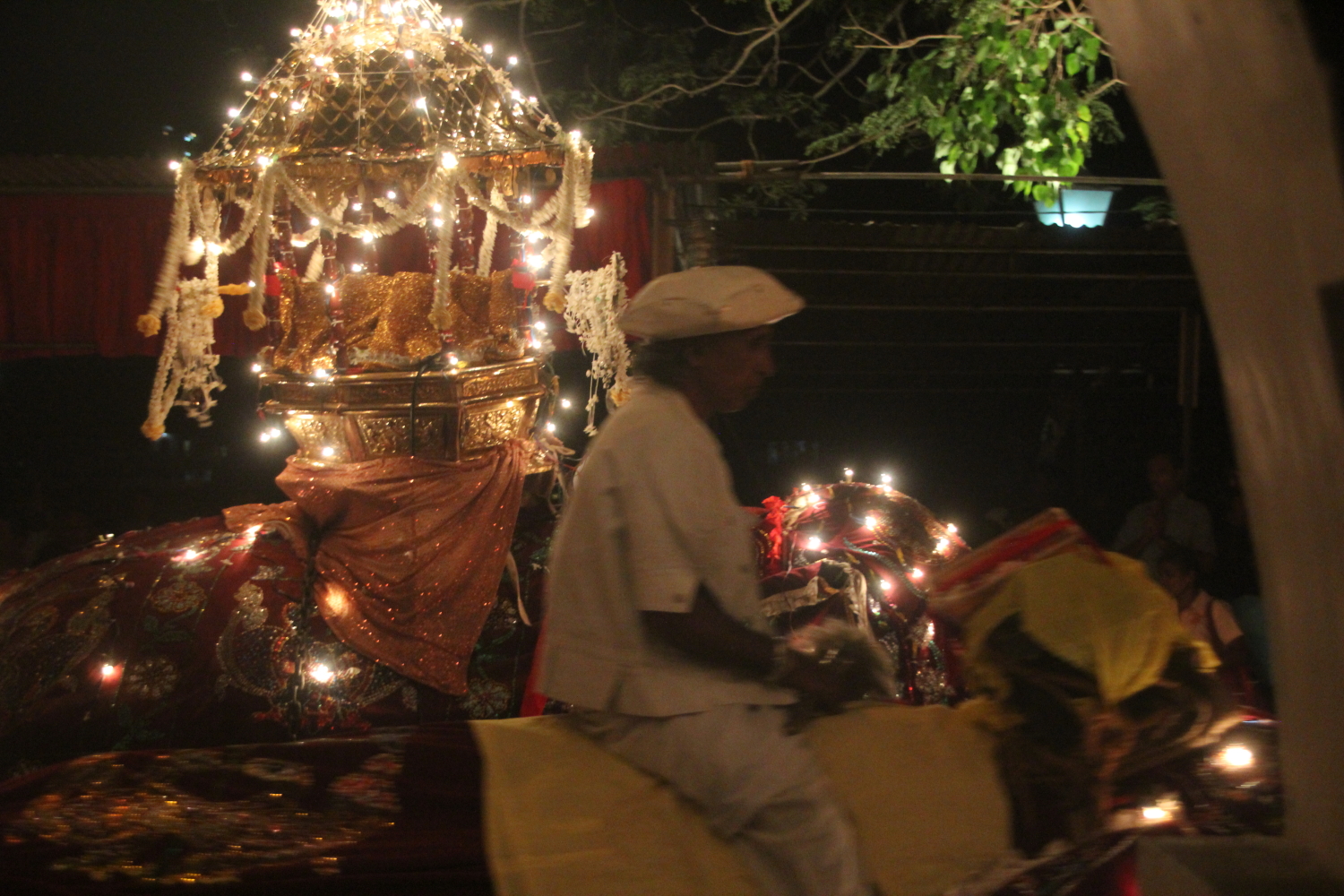
Esala Perahera, Kandy, Sri Lanka
After the festival
A: My trip to Sri Lanka was timed so that I could observe it first hand. Here is a description from the “Insight Guide to Sri Lanka:”
The lunar month of Esala is a month for festivals and peraheras all around the island. Easily the finest and the most famous is the Esala Perahera held at Kandy over the ten days leading up to the Esala Poya (full moon) day (late July or early August). The festival dates back to ancient Anuradhapura, when the Tooth Relic (of the Buddha) was taken through the city in procession, and the pattern continues to this day, with the relic carried at the head of an enormous procession which winds its way round and round the city by night. The perahera becomes gradually longer and more lavish over the 10 days of the festival, until by the final night it has swollen to include a cast of hundreds of elephants and thousands of dancers, drummers, fire-eaters, acrobats, and many others – an extraordinary sight without parallel anywhere else in Sri Lanka, if not the whole of Asia.
I would go further and add that the Esala Perahera is one of the world’s great festivals. Who could ever imagine such a spectacle? It may be a cliché to say it, but travel is ultimately the best education.
Comments are welcome!


 barbararachkoscoloreddust.com