Blog Archives
Q: How long does it take you to complete a pastel-on-sandpaper painting?
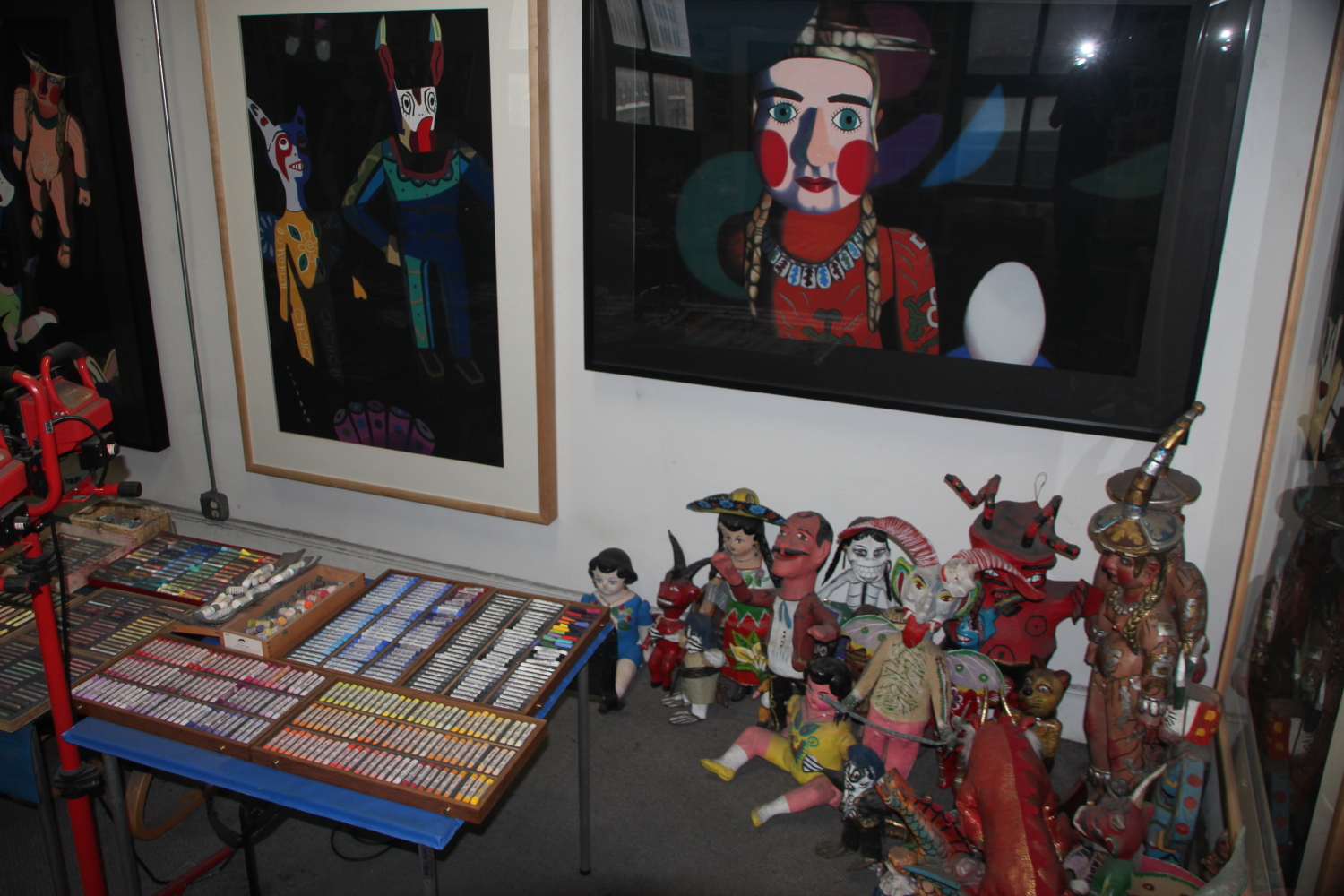
Barbara’s studio
A: Mine is a slow and labor-intensive process. First, there is foreign travel to find the cultural objects – masks, carved wooden animals, paper mâché figures, and toys – that are my subject matter. If they are heavy I ship them home.
Next comes planning exactly how to photograph them, lighting and setting everything up, and shooting a roll of 220 film with my Mamiya 6 camera. I still like to use an analog camera for my fine art work, although I am rethinking this. I have the film developed, decide which image to use, and order a 20” x 24” reference photograph from Manhattan Photo on West 20th Street.
Then I am ready to start. I work on each pastel-on-sandpaper painting for approximately three months. I am in my studio 7 to 8 hours a day, five days a week. During that time I make thousands of creative decisions as I apply and layer soft pastels (I have 8 tables-worth to choose from!), blend them with my fingers, and mix new colors directly on the sandpaper. A finished piece consists of up to 30 layers of soft pastel. My self-invented technique accounts for the vivid, intense color that often leads viewers of my originals to look very closely and ask, “What medium is this?” I believe I am pushing soft pastel to its limits, using it in ways that no other artist has done.
Comments are welcome!
Q: What’s on the easel today?
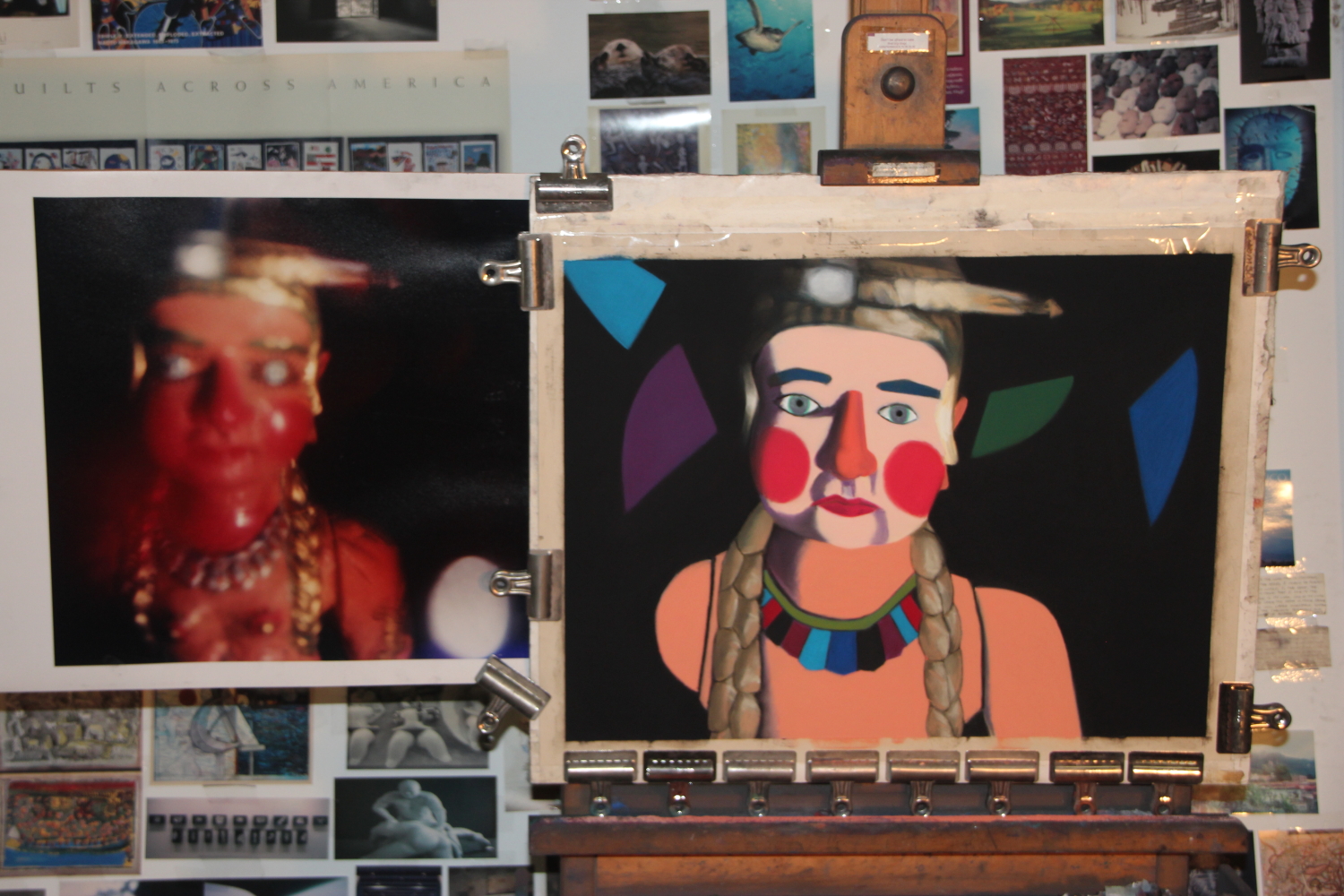
Pastel painting in progress
A: I am working on an untitled small, 20″ x 26″, pastel-on-sandpaper painting.
Q: What does your creative process look like when you are ready to begin a new painting?

Preliminary sketch
A: My working methods have changed dramatically over the years with my current process being a much-simplified version of how I used to work. In other words as I pared down my imagery in the “Black Paintings,” my process quite naturally pared down, too.
One constant is that I have always worked in series with each pastel painting leading quite logically to the next. Another is that I always have set up a scene, lit and photographed it, and worked with a 20″ x 24″ photograph as the primary reference material. In the “Domestic Threats” series I shot with a 4″ x 5″ view camera. Nowadays the first step is to decide which photo I want to make into a painting (currently I have a backlog of images to choose from) and to order a 19 1/2″ x 19 1/2″ image (my Mamiya 6 shoots square images and uses film) printed on 20″ x 24″ paper. I get the print made at Manhattan Photo on West 20th Street in New York. Typically I have in mind the next two or three paintings that I want to create.
Once I have the reference photograph in hand, I make a preliminary tonal charcoal sketch on a piece of white drawing paper. The sketch helps me think about how to proceed and points out potential problem areas ahead. For example, in the photograph above I had originally thought about creating a vertical painting, but changed to horizontal format after discovering spatial problems in my sketch.
Also, I decided to make a small painting now because it has been two years since I last worked in a smaller (than my usual 38″ x 58″) size. I am re-using the photograph on which “Epiphany” is based. Using a photograph a second time lets me see how my working methods have evolved over time.
Comments are welcome!
Q: How do you experience art in New York?

Lower Manhattan
A: As a New York artist I am very fortunate to live in a city with a vibrant, exciting cultural scene. Simply put, art is in the air here and I take inspiration from everything I see and experience: painting, photography, sculpture, installation, performance art, public art, dance, theater, film, opera, jazz, etc. This city itself is an endlessly fascinating place. Visually it is always thrilling! I never know what I am going to see – good and bad – whenever I leave my apartment.
I have been living here since April 1997. The city provides a heady mix to ponder and this mix mysteriously enriches, influences, and somehow finds its way into the work. I have been an artist for nearly thirty years and I continue to be intrigued with watching the intricacies of how my creative process evolves and grows.
Comments are welcome!
Pearls from artists* # 86

“Broken,” 38″ x 58,” soft pastel on sandpaper
* an ongoing series of quotations – mostly from artists, to artists – that offers wisdom, inspiration, and advice for the sometimes lonely road we are on.
When I’m working from a photograph, a transparency, or direct observation, I am always amazed at how much more I see as the painting progresses. After I think I have completely perceived a particular area, something else reveals itself. As the work continues, the level of awareness deepens. The process takes it’s own time. I have come to accept that time and not fight it. I know that when I begin my work, no matter how hard I try, I’ll never observe as much on the first day as I will on the last. Like life, the development will not be rushed, nor will there be full realization before completion.
Dr. Leopold Caligor, a prominent New York psychiatrist, says that he listens to tapes of recorded sessions with patients, he hears new things and gains deeper insights. Each time he listens, more information is uncovered. This process is repeated until understanding is complete.
Audrey Flack in Art & Soul: Notes on Creating
Comments are welcome!
Pearls from artists* # 81
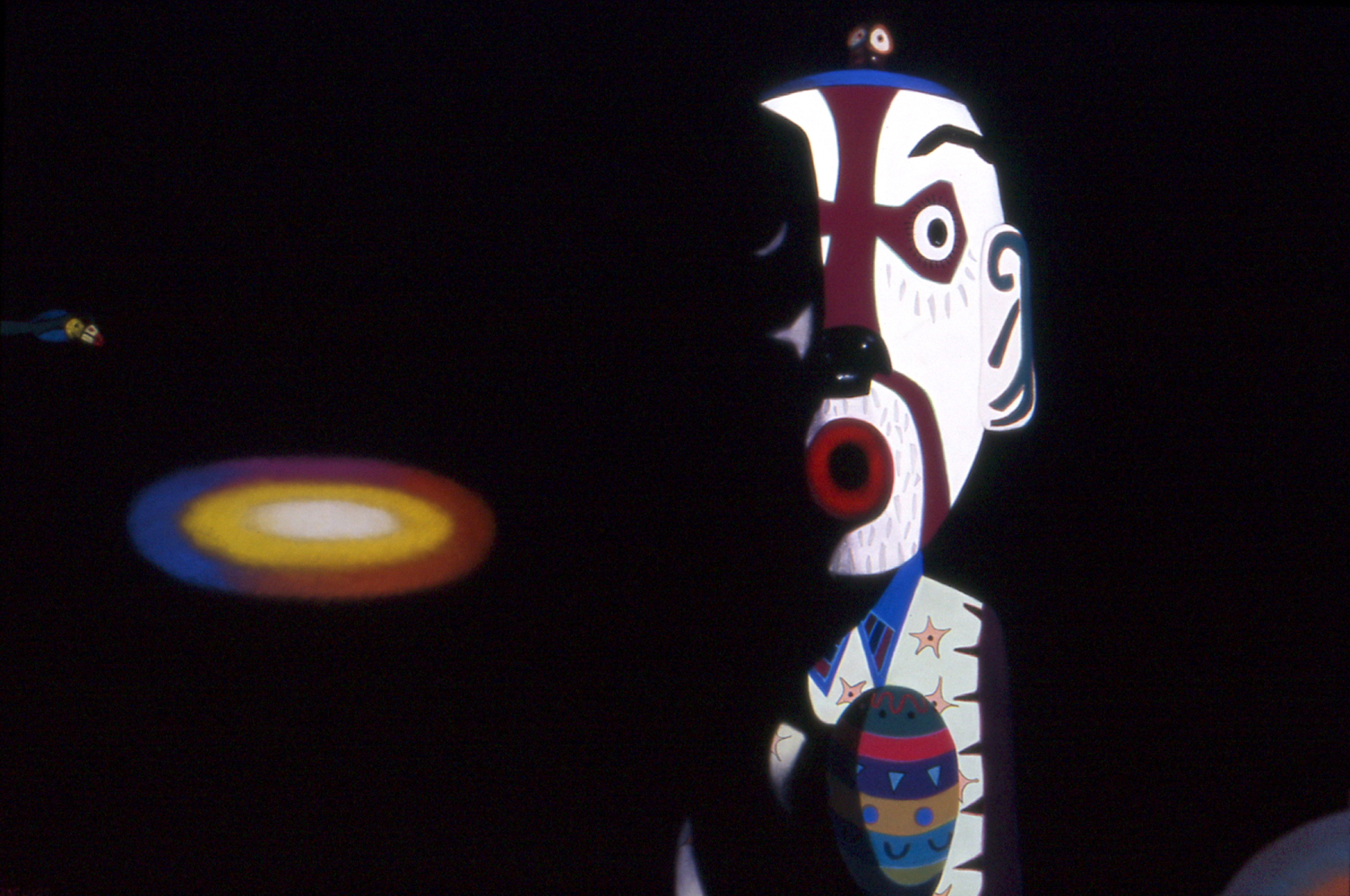
“Poker Face,” soft pastel on sandpaper, 38″ x 58″
* an ongoing series of quotations – mostly from artists, to artists – that offers wisdom, inspiration, and advice for the sometimes lonely road we are on.
The creative process remains as baffling and unpredictable to me today as it did when I began my journey over forty years ago. On the one hand, it seems entirely logical – insight building on insight; figures from my past, the culture, and everyday life sparking scenes and images on canvas; and all of it – subject, narrative, theme – working together with gesture, form, light to capture deeply felt experience. But in real time the process is a blur, a state that precludes consciousness or any kind of rational thinking. When I’m working well, I’m lost in the moment, painting quickly and intuitively, reacting to forms on the canvas, allowing their meaning to reveal itself to me. In every painting I make I’m looking for some kind of revelation, something I didn’t see before. If it surprises me, hopefully it will surprise the viewer, too.
Eric Fischl and Michael Stone in Bad Boy: My Life On and Off the Canvas
Comments are welcome!
Q: I just got home from my first painting experience… three hours and I am exhausted! Yet you, Barbara, build up as many as 30 layers of pastel, concentrate on such intricate detail, and work on a single painting for months. How do you do it?
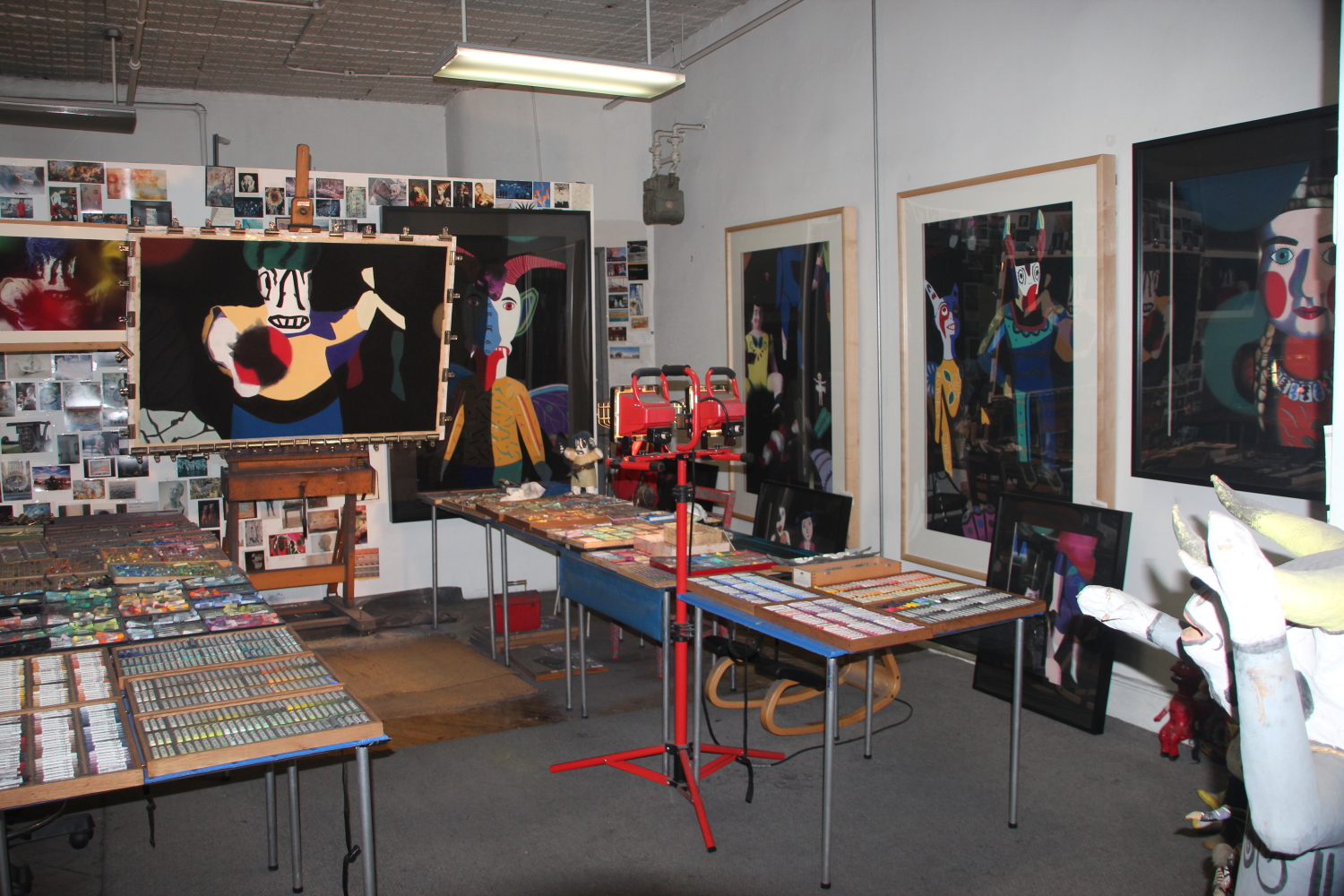
Barbara’s studio
A: The short answer is that I absolutely love making art in my studio and on the best days I barely even notice time going by!
Admittedly, it’s a hard road. Pursuing life as an artist takes a very special and rare sort of person. Talent and having innate gifts are a given, merely the starting point. We must possess a whole cluster of characteristics and be unwavering in displaying them. We are passionate, hard-working, smart, devoted, sensitive, self-starting, creative, hard-headed, resilient, curious, persistent, disciplined, stubborn, inner-directed, tireless, strong, and on and on. Into the mix add these facts. We need to be good business people. Even if we are, we are unlikely to make much money. We are not respected as a profession. People often misunderstand us: at best they ignore us, at worst they insult our work and us, saying we are lazy, crazy, and more.
The odds are stacked against any one individual having the necessary skills and stamina to withstand it all. So many artists give up, deciding it’s too tough and just not worth it, and who can blame them? This is why I believe artists who persevere over a lifetime are true heroes. It’s why I do all I can to help my peers. Ours is an extremely difficult life – it’s impossible to overstate this – and each of us finds our own intrinsic rewards in the work itself. Otherwise there is no reason to stick with it. Art is a calling and for those of us who are called, the work is paramount. We build our lives around the work until all else becomes secondary and falls away. We are in this for the duration.
In my younger days everything I tried in the way of a career eventually became boring. Now with nearly thirty years behind me as a working artist, I can still say, “I am never bored in the studio!” It’s difficult to put into words why this is true, but I know that I would not want to spend my time on this earth doing anything else. How very fortunate that I do not have to do so!
Comments are welcome!
Pearls from artists* # 80
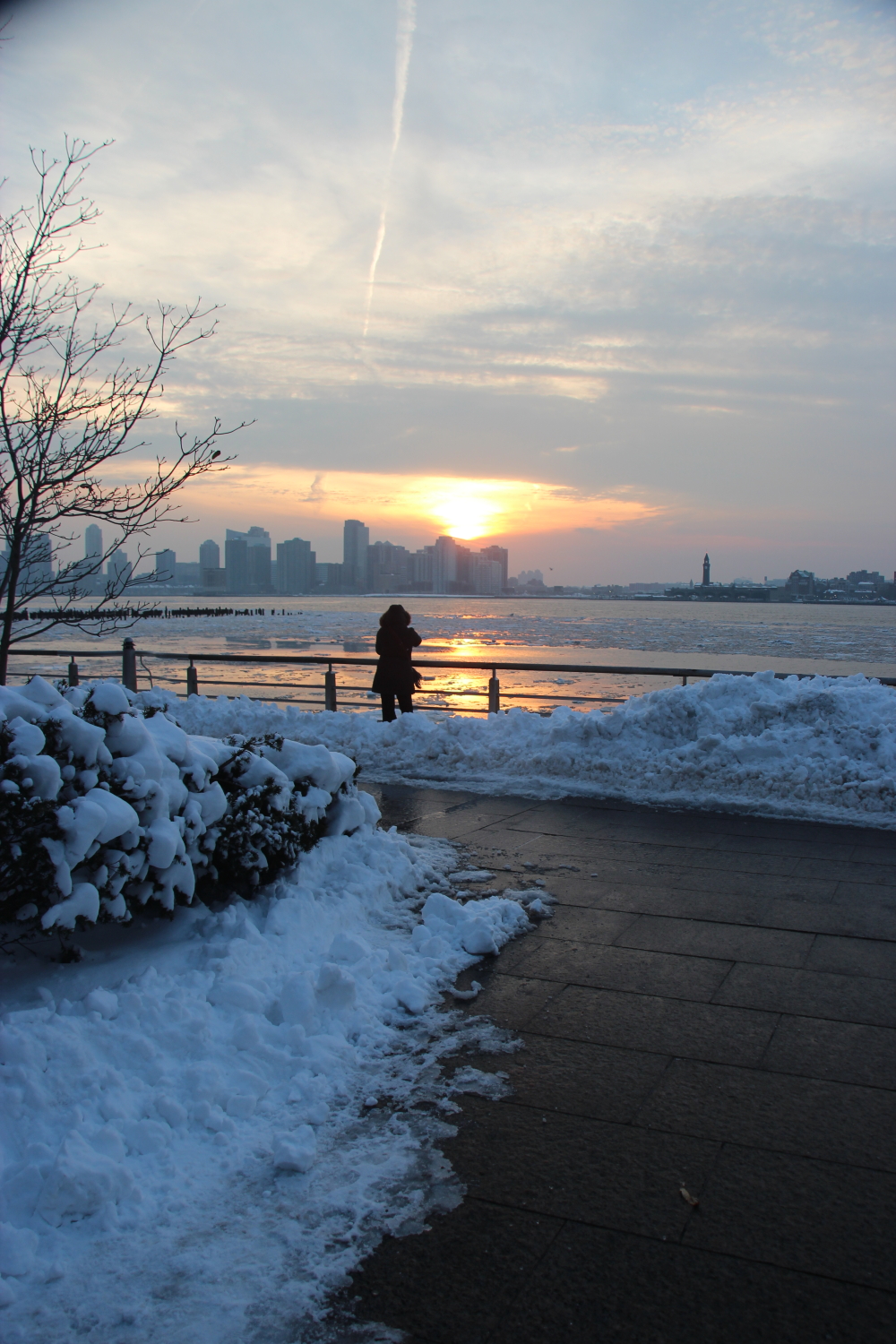
New York, NY
* an ongoing series of quotations – mostly from artists, to artists – that offers wisdom, inspiration, and advice for the sometimes lonely road we are on.
Whatever teaches us to talk to ourselves is important: whatever teaches us to sing ourselves out of despair. But the painting [“The Goldfinch,” 1654, by C. Fabritius] has also taught me that we can speak to each other across time. And I feel I have something very serious and urgent to say to you, my non-existent reader, and I feel I should say it as urgently as if I were standing in the room with you. That life – whatever else it is – is short. That fate is cruel but maybe not random. That Nature (meaning Death) always wins but that doesn’t mean we have to bow and grovel to it. That maybe if we’re not always so glad to be here, it’s our task to immerse ourselves anyway: wade straight through it, right through the cesspool, while keeping eyes and hearts open. And in the midst of our dying, as we rise from the organic and sink back ignominiously into the organic, it is a glory and a privilege to love what Death doesn’t touch. For if disaster and oblivion have followed this painting down through time – so too has love. Insofar as it is immortal (and it is) I have a small, bright, immutable part in that immortality. It exists; and it keeps on existing. And I add my own love to the history of people who have loved beautiful things, and looked out for them, and pulled them from the fire, and sought them when they were lost, and tried to preserve them and save them while passing them along literally from hand to hand, singing out brilliantly from the wreck of time to the next generation of lovers, and the next.
Donna Tartt in The Goldfinch
Comments are welcome!
Pearls from artists* # 79

Negombo, Sri Lanka
* an ongoing series of quotations – mostly from artists, to artists – that offers wisdom, inspiration, and advice for the sometimes lonely road we are on.
“What’s to say? Great paintings – people flock to see them, they draw crowds, they’re reproduced endlessly on coffee mugs and mouse pads and anything-you-like. And, I count myself in the following, you can have a lifetime of perfectly sincere museum-going where you traipse around enjoying everything and then go out and have some lunch. But … if a painting really works down in your heart and changes the way you see, and think, and feel, you don’t think, ‘oh, I love this picture because it’s universal.’ ‘I love this painting because it speaks to all mankind.’ That’s not the reason anyone loves a piece of art. It’s a secret whisper from an alleyway. Psst, you. Hey, kid. Yes, you.” Fingertip gliding over the faded-out photo – the conservator’s touch, a-touch-without-touching, a communion wafer’s space between the surface and his forefinger. “An individual heart-shock. Your dream … Vermeer’s dream. You see one painting, I see another, the art book puts it at another remove still, the lady buying the greeting card at the museum shop sees something else entire, and that’s not even to mention the people separated from us by time – four hundred years before us, four hundred years after we’re gone – it’ll never strike anybody the same way and the great majority of people it’ll never strike in any deep way at all – a really great painting is fluid enough to work its way into the mind and heart through all kinds of different angles, in ways that are unique and particular. Yours, yours. I was painted for you… fateful objects. Every dealer and antiquaire recognizes them. The pieces that occur and recur. Maybe for someone else, not a dealer, it wouldn’t be an object. It’d be a city, a color, a time of day. The nail where your fate is liable to catch and snag.”
Donna Tartt in The Goldfinch
Comments are welcome!
Q: What’s on the easel today?
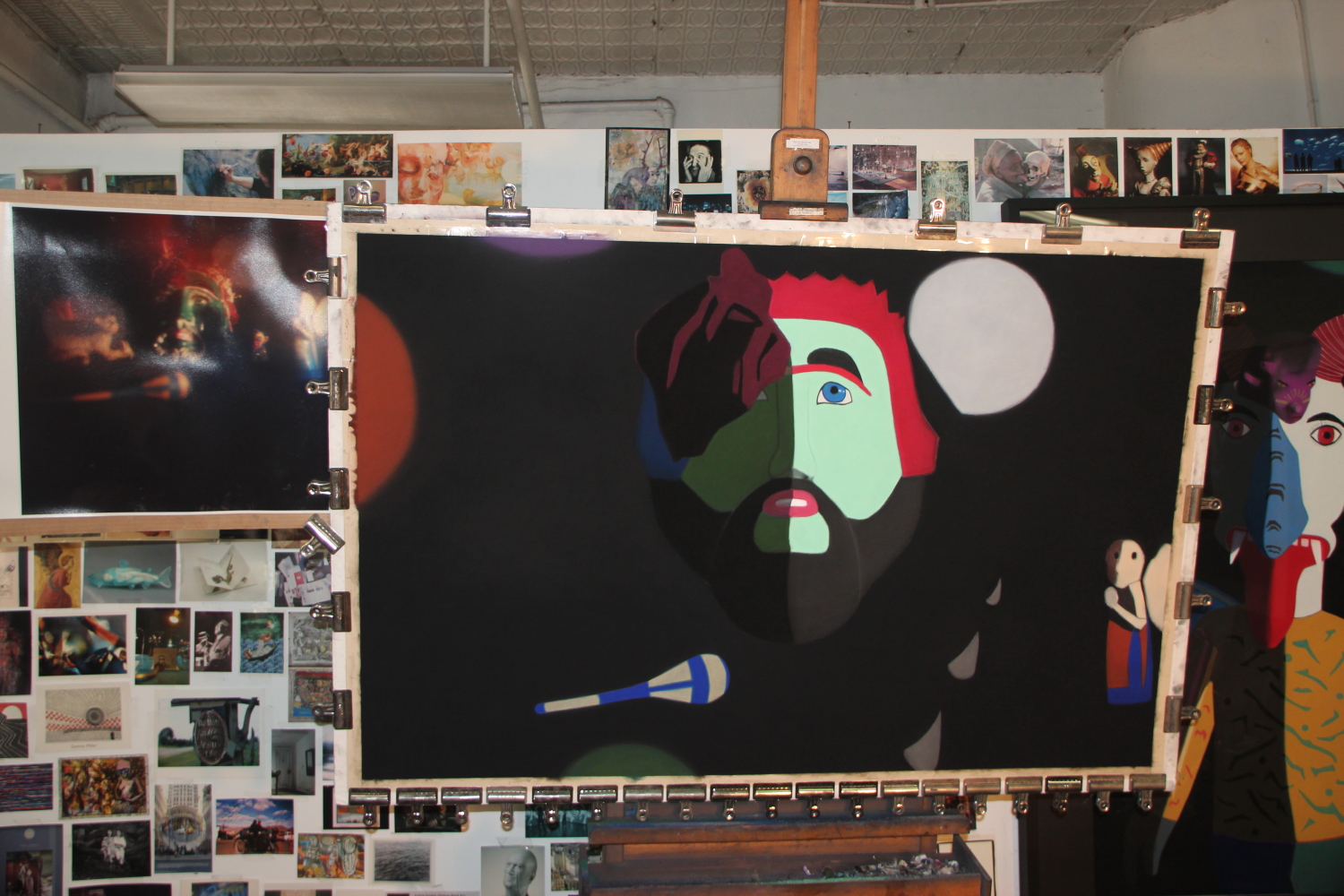
Work in progress
A: I continue to work on a pastel-on-sandpaper painting that I began some weeks ago. For now the working title is “Blinded,” which relates to the maroon and black shape on the main figure’s right eye. I haven’t yet figured out the deeper meaning of that shape.
Comments are welcome!


 barbararachkoscoloreddust.com