Blog Archives
Pearls from artists* # 713

Dropping off “Magisterial” at the framer
*an ongoing series of quotations – mostly from artists, to artists – that offers wisdom, inspiration, and advice for the sometimes lonely road we are on
One of the great traps at times of blockage is that we may accuse ourselves of a deficit of concentration and focus, a deficit of discipline. We then take a paternal or militaristic attitude toward ourselves. We will force ourselves to work, we will go on a schedule, we will take vows. The most dangerous trap is to get into a contest of strength between “will power” and “won’t power.” Discipline is crucial, but we do not attain it by stiffening up. We attain it by sitting still and penetrating the emptiness within, making of that emptiness a friend rather than an adversary or bogeyman.
When you are stuck, meditate, free associate, do automatic writing, talk to yourself and answer yourself. Play with the blocks. Stay in the temenos of the workplace. Relax, surrender to the bafflement; don’t leave the temenos, and the solution will come. Persevere gently. Use intelleto, the visionary faculty. Stay close to the zero mark; indulge neither in great highs or great lows.
The depths are obscured in us when we try to force feelings; we clarify them by giving them adequate time and space and letting them come. What we experienced yesterday as the pride of creativity or the self-deprecating feeling of incapacity we see today as the signal to surrender.
Like the rules of the universe, the whole matter of personal creativity is baffling and paradoxical. To try to control yourself, to try to create, to try to break free of the knots you yourself have tied is to set yourself up at a distance from that which you already are. It is like looking around this way and that for your own head.
Stephen Nachmanovitch in Free Play: Improvisation in Life and Art
Comments are welcome!
Pearls from artists* # 81
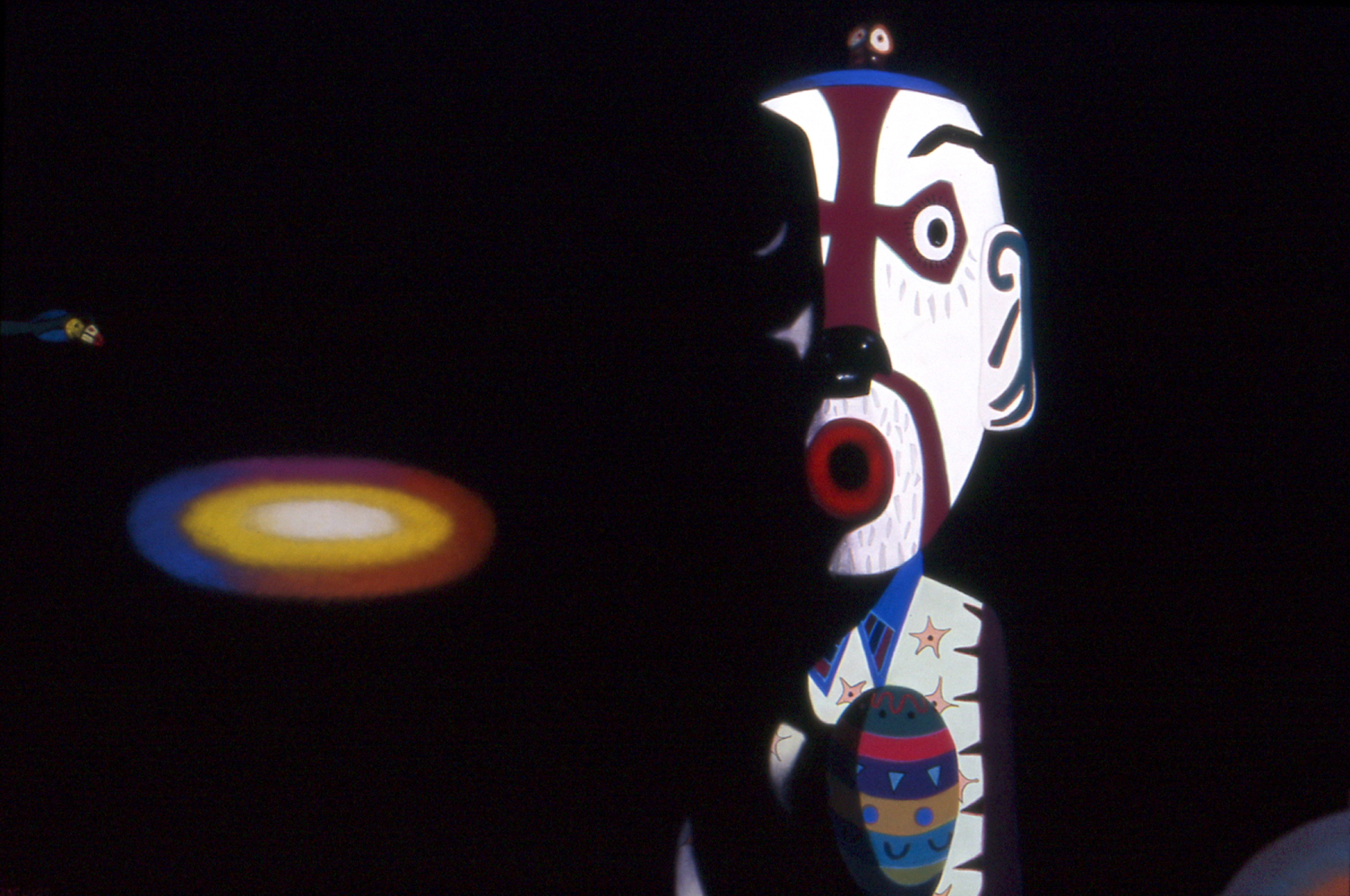
“Poker Face,” soft pastel on sandpaper, 38″ x 58″
* an ongoing series of quotations – mostly from artists, to artists – that offers wisdom, inspiration, and advice for the sometimes lonely road we are on.
The creative process remains as baffling and unpredictable to me today as it did when I began my journey over forty years ago. On the one hand, it seems entirely logical – insight building on insight; figures from my past, the culture, and everyday life sparking scenes and images on canvas; and all of it – subject, narrative, theme – working together with gesture, form, light to capture deeply felt experience. But in real time the process is a blur, a state that precludes consciousness or any kind of rational thinking. When I’m working well, I’m lost in the moment, painting quickly and intuitively, reacting to forms on the canvas, allowing their meaning to reveal itself to me. In every painting I make I’m looking for some kind of revelation, something I didn’t see before. If it surprises me, hopefully it will surprise the viewer, too.
Eric Fischl and Michael Stone in Bad Boy: My Life On and Off the Canvas
Comments are welcome!



