Blog Archives
Pearls from artists* # 719
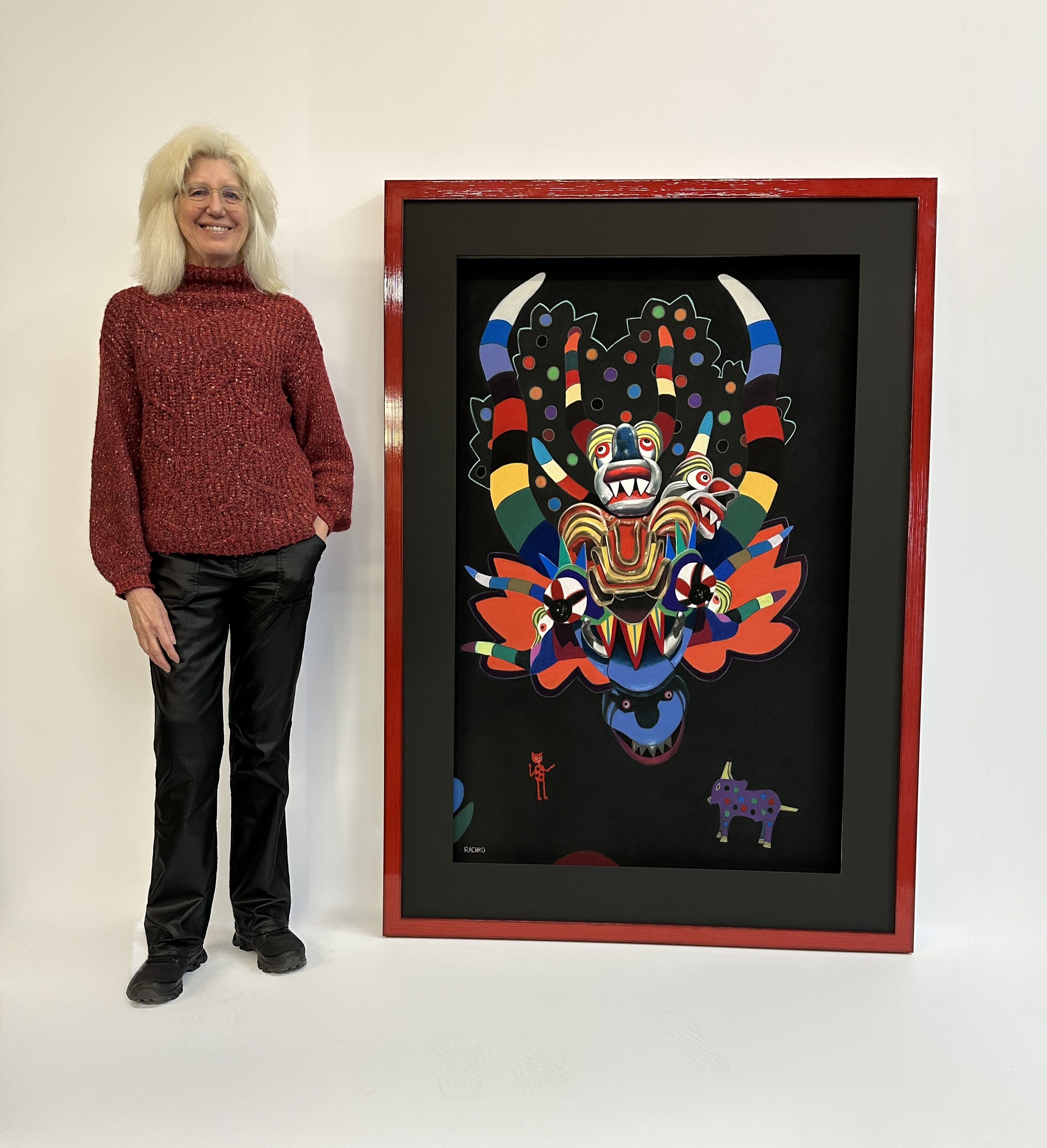
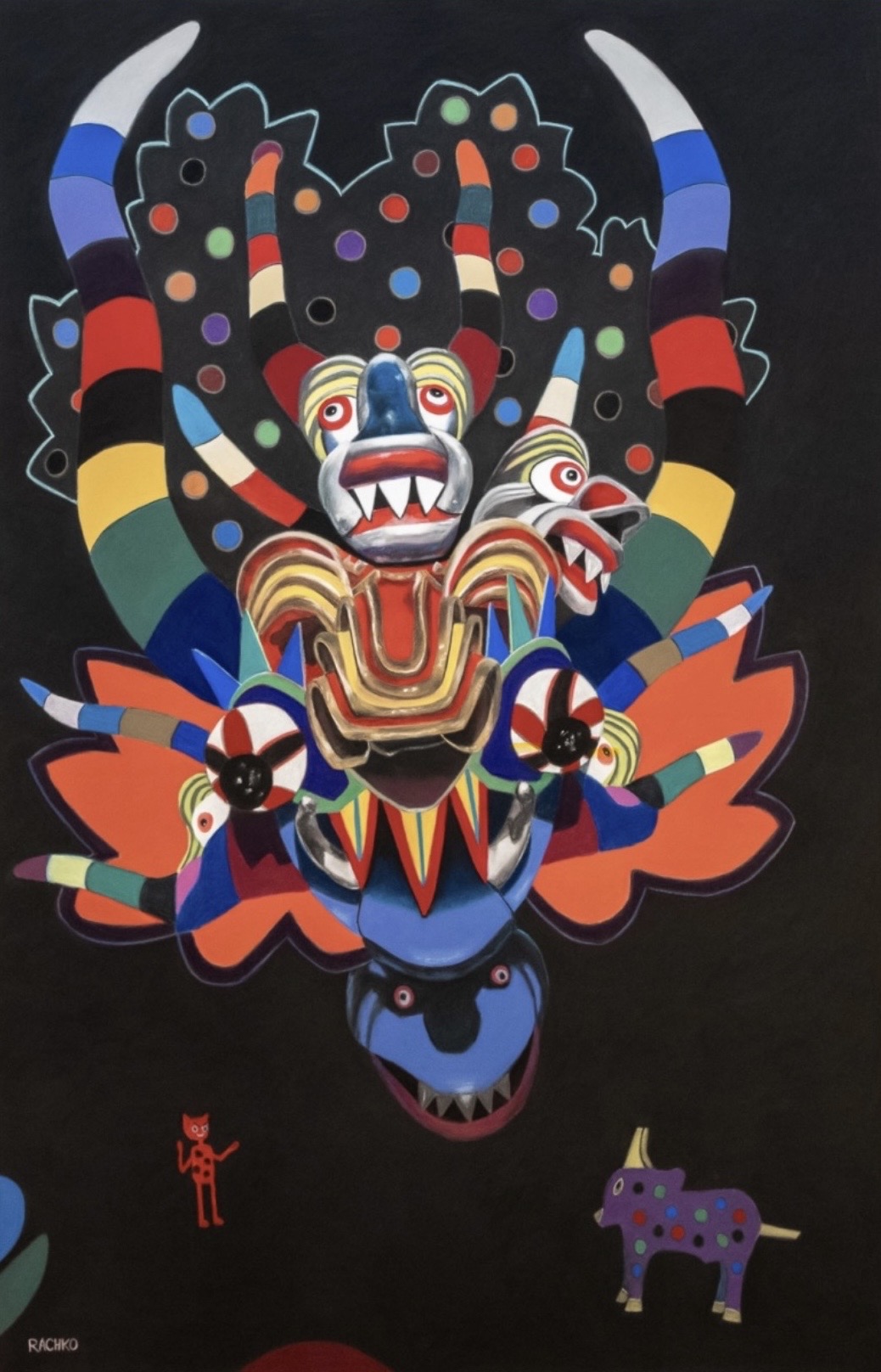
With “Magisterial,” soft pastel on sandpaper, 70” x 50” framed
*an ongoing series of quotations – mostly from artists, to artists – that offers wisdom, inspiration, and advice for the sometimes lonely road we are on
The secret of success is to find out what your talent is for and then seek to develop the technical abilities you will need to assist you in acquiring the necessary skills. It is here that the secret of success or the forming of great achievements lies for every noble artist, no matter what their medium is. Passion and inspiration will come automatically to assist your noble vision when you broaden your experience and knowledge to become an expert in your particular field, thus helping to improve the lives of mankind. Believing that what you are creating will bring advancement to man’s life will also follow as will hopefulness for the future. Those who benefit from your service, directly or indirectly, will reward you for that which your rare talent has produced and for improving their lives while contributing to the advancement of mankind.
Samuel Adoquei in Origin of Inspiration: Seven Short Essays for Creative People
Comments are welcome!
Pearls from artists* # 713

Dropping off “Magisterial” at the framer
*an ongoing series of quotations – mostly from artists, to artists – that offers wisdom, inspiration, and advice for the sometimes lonely road we are on
One of the great traps at times of blockage is that we may accuse ourselves of a deficit of concentration and focus, a deficit of discipline. We then take a paternal or militaristic attitude toward ourselves. We will force ourselves to work, we will go on a schedule, we will take vows. The most dangerous trap is to get into a contest of strength between “will power” and “won’t power.” Discipline is crucial, but we do not attain it by stiffening up. We attain it by sitting still and penetrating the emptiness within, making of that emptiness a friend rather than an adversary or bogeyman.
When you are stuck, meditate, free associate, do automatic writing, talk to yourself and answer yourself. Play with the blocks. Stay in the temenos of the workplace. Relax, surrender to the bafflement; don’t leave the temenos, and the solution will come. Persevere gently. Use intelleto, the visionary faculty. Stay close to the zero mark; indulge neither in great highs or great lows.
The depths are obscured in us when we try to force feelings; we clarify them by giving them adequate time and space and letting them come. What we experienced yesterday as the pride of creativity or the self-deprecating feeling of incapacity we see today as the signal to surrender.
Like the rules of the universe, the whole matter of personal creativity is baffling and paradoxical. To try to control yourself, to try to create, to try to break free of the knots you yourself have tied is to set yourself up at a distance from that which you already are. It is like looking around this way and that for your own head.
Stephen Nachmanovitch in Free Play: Improvisation in Life and Art
Comments are welcome!
Pearls from artists* # 712
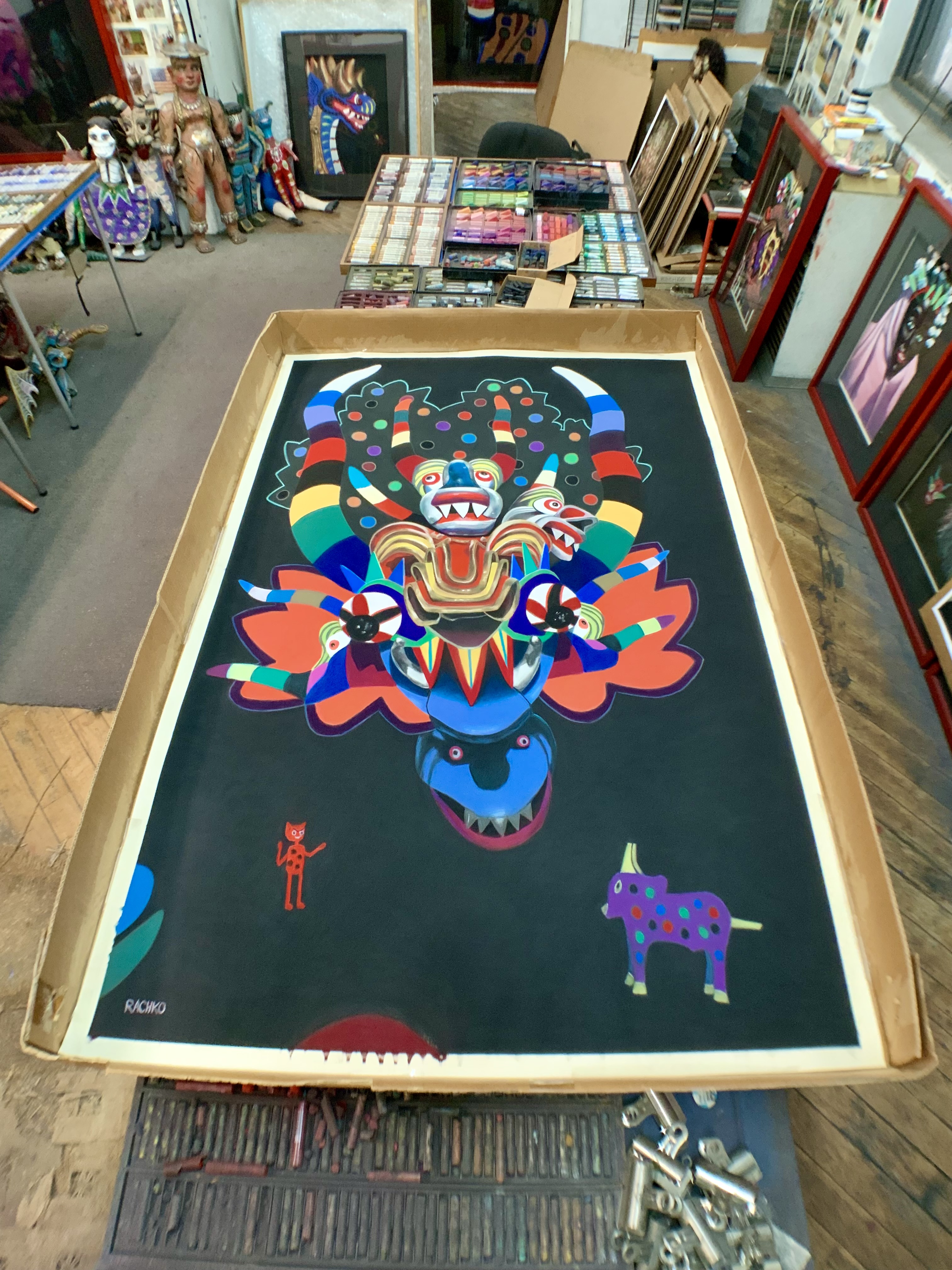
Finished: “Magisterial,” soft pastel on sandpaper, 58” x 38”
*an ongoing series of quotations – mostly from artists, to artists – that offers wisdom, inspiration, and advice for the sometimes lonely road we are on
To get to the idea of our relation to the creative impulses that flow through us, we can look at the way we respond to our own finished work. I have two responses. First, I’m done with the image in terms of my attachment to it. Whether the painting has succeeded or failed, I’m pretty much done with it.
But paradoxically, I also have an almost objective fascination with the marks and traces of my work when it is successful. I look at it and am fascinated by it, because I don’t know how I did it. It’s as if I’m looking at someone else’s work. I am more astonished by the result than anyone else might be. I know that I have been in the service of spirit, a channel for the divine.
Ian Robert’s in Creative Authenticity: 16 Principles to Clarify and Deepen Your Artistic Vision
Comments are welcome!
Pearls from artists* # 709
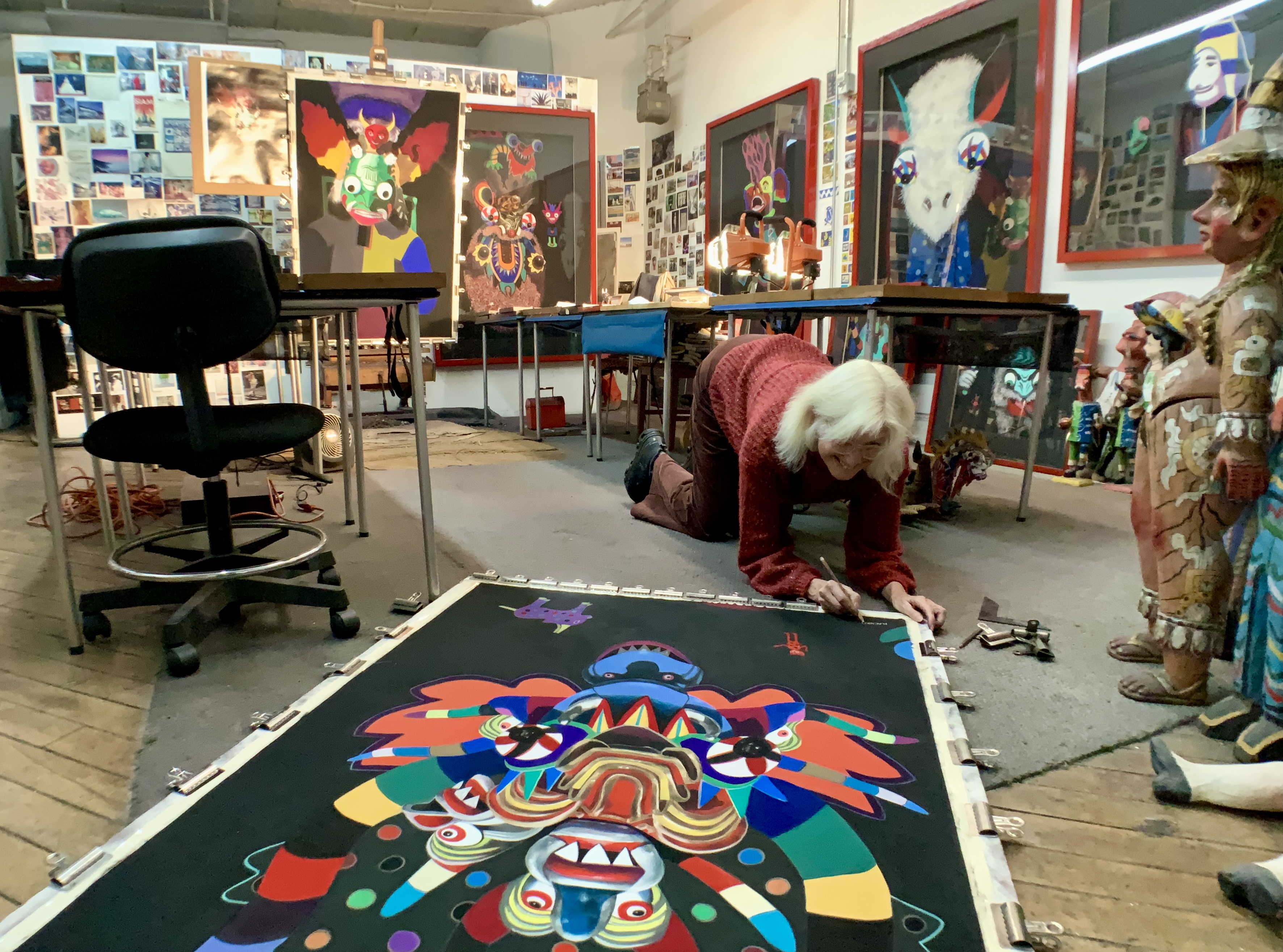
Signing “Magisterial,” soft pastel on sandpaper, 58” x 38”
*an ongoing series of quotations – mostly from artists, to artists – that offers wisdom, inspiration, and advice for the sometimes lonely road we are on
The artist’s life cannot be otherwise than full of conflicts, for two forces are at war within him—on the one hand the common human longing for happiness, satisfaction and security in life, and on the other a ruthless passion for creation which may go so far as to override every personal desire… There are hardly any exceptions to the rule that a person must pay dearly for the divine gift of creative fire.
Carl Jung quoted in Free Play: Improvisation in Life and Art by Steven Nachmanovitch
Comments are welcome!
Pearls from artists* # 708

*an ongoing series of quotations – mostly from artists, to artists – that offers wisdom, inspiration, and advice for the sometimes lonely road we are on
Free play must be tempered with judgment, and judgment tempered with freedom to play. We perform innumerable balancing acts, dances between opposite poles, each of which is necessary for life and art to exist. We have to live right on the balance point of an equi-valence between free flow of impulse and constant testing and questing for quality. With too little judgment, we get trash. We too much judgment, we get blockage. In order to play freely, we must have a command of technique. Back and forth flows the dialogue of imagination and discipline, passion and precision. We harmonize groundedness in daily practice with spiritedness in daily stepping out into the unknown.
Stephen Nachmanovitch in Free Play: Improvisation in Life and Art
Comments are welcome!
Start/Finish of “Magisterial,” soft pastel on sandpaper, 58” x 38”
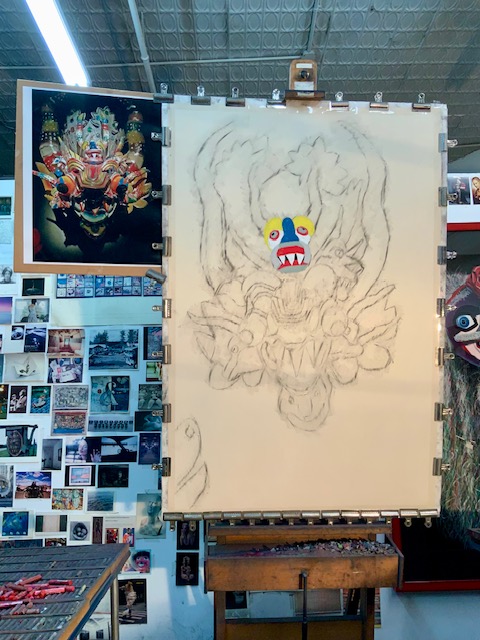
Start
Comments are welcome!



Q: What kind of internal conversations do you tend to have when you are in the process of making art? (Question from Vedica Art Studios and Gallery)
Jan 10
Posted by barbararachkoscoloreddust
A: When standing at my easel creating a pastel painting, I focus on formal properties: composition, shape, color, and line. I always strive to produce a painting I’ve never seen before. Even as (perhaps especially as) the creator, I want to be surprised by the final result. My studio days are spent thinking, looking, reacting, and adjusting colors and composition as I refine increasingly tiny details, ensuring all elements work harmoniously. I determine which areas need to recede or advance, which require intricate details to appear three-dimensional, and which are better left as flat areas of color.
These countless adjustments ensure viewers’ eyes are guided around the finished painting in intriguing ways. I often recall something collectors of my pastel paintings shared: they mentioned a New York Times review of a Nan Goldin exhibition, in which the writer stated, “All of the pleasure circuits are fired in looking.” The collectors agreed this is exactly how they feel when viewing my work. Artists live for appreciative comments like these!
Comments are welcome!
Share this:
Posted in 2026, An Artist's Life, Creative Process, Studio, Working methods
Comments Off on Q: What kind of internal conversations do you tend to have when you are in the process of making art? (Question from Vedica Art Studios and Gallery)
Tags: adjusting, adjustments, advance, agreed, always, appear, appreciative, areas, around, artists, “Magisterial”, “New York Times”, better, circuits, collectors, colors, comments, composition, countless, creating, creator, details, determine, elements, ensure, ensuring, especially, exactly, exhibition, finished, fired, formal, guided, harmoniously, increasingly, intricate, intriguing, looking, mentioned, Nan Goldin, painting, pastel painting, perhaps, pleasure, produce, properties, question, reacting, recall, recede, refine, require, result, review, shared, something, stated, strive, Studio, surprised, thinking, three-dimensional, Vedica Art Studios and Gallery, viewers, viewing, working, writer