Blog Archives
Pearls from artists* # 712
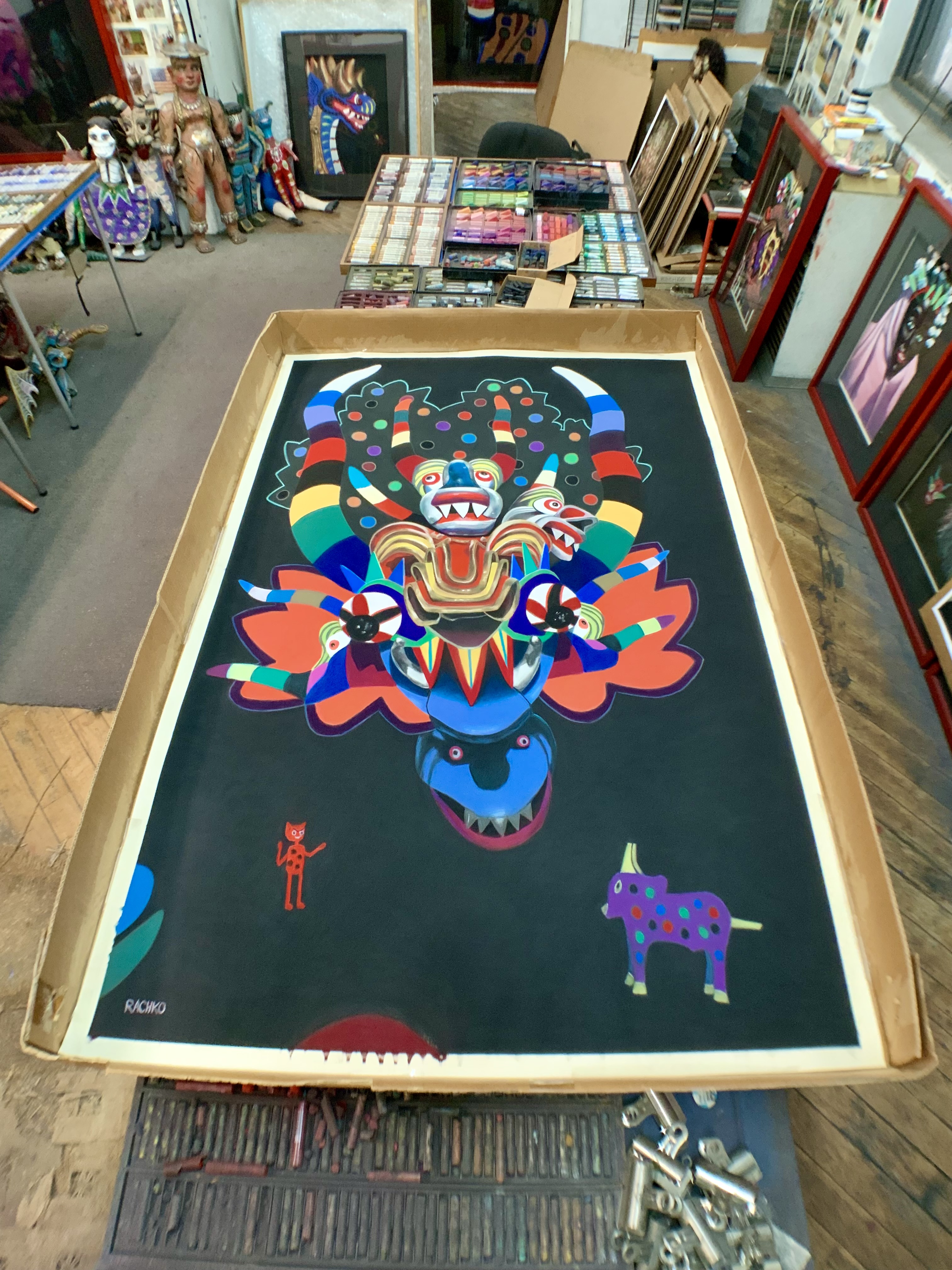
Finished: “Magisterial,” soft pastel on sandpaper, 58” x 38”
*an ongoing series of quotations – mostly from artists, to artists – that offers wisdom, inspiration, and advice for the sometimes lonely road we are on
To get to the idea of our relation to the creative impulses that flow through us, we can look at the way we respond to our own finished work. I have two responses. First, I’m done with the image in terms of my attachment to it. Whether the painting has succeeded or failed, I’m pretty much done with it.
But paradoxically, I also have an almost objective fascination with the marks and traces of my work when it is successful. I look at it and am fascinated by it, because I don’t know how I did it. It’s as if I’m looking at someone else’s work. I am more astonished by the result than anyone else might be. I know that I have been in the service of spirit, a channel for the divine.
Ian Robert’s in Creative Authenticity: 16 Principles to Clarify and Deepen Your Artistic Vision
Comments are welcome!
Q: Foreign travel has long been a significant aspect of your work. What are your views on cultural appropriation?
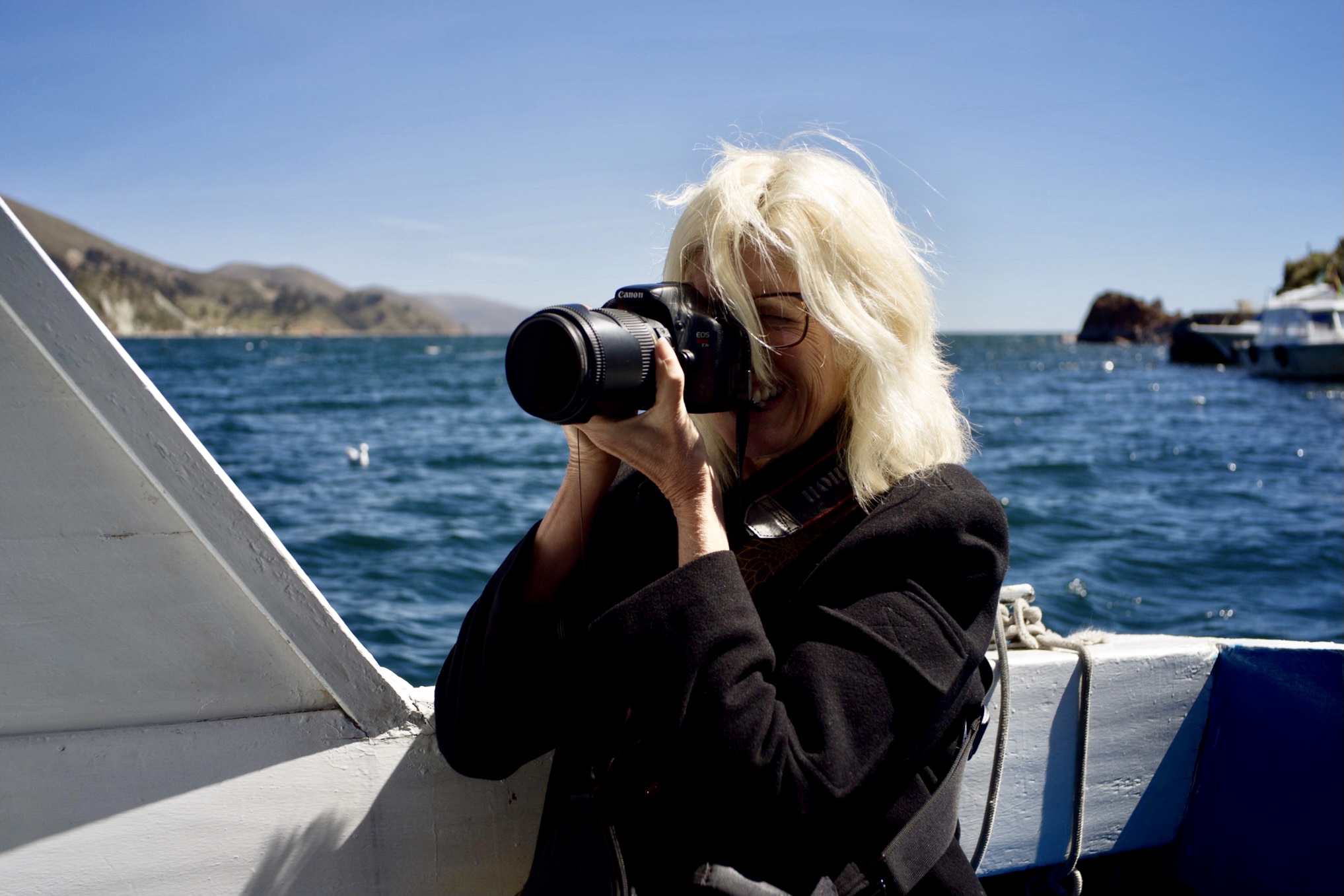
A: For more than three decades my inspiration and subject matter have come mainly from international travel to remote parts of the globe. I daresay there is no better education than travel. The result is that I possess a deep love and reverence for people and cultures all over the world. We are all connected by our shared humanity.
I wholeheartedly agree with what Henry Louis Gates eloquently expressed in the NY Times Book Review of October 12, 2021. Additions are mine.
Any teacher, any student, any writer, [any artist] sufficiently attentive and motivated, must be able to engage freely with subjects of their choice. That is not only the essence of learning; it’s the essence of being human.
And
What I owe to my teachers – and to my students – is a shared sense of wonder and awe as we contemplate works of the human imagination across space and time, works created by people who don’t look like us and who, in so many cases, would be astonished that we know their work and their names. Social identities can connect us in multiple and overlapping ways; they are not protected but betrayed when we turn them into silos with sentries. The freedom to write [and make art] can thrive only if we protect the freedom to read – and to learn. And perhaps the first thing to learn, in these storm-battered days, is that we could all do with more humility, and more humanity.
Comments are welcome!
Pearls from artists* # 488
*an ongoing series of quotations – mostly from artists, to artists – that offers wisdom, inspiration, and advice for the sometimes lonely road we are on.
To be astonished is to be caught unawares by the revelation of realities denied or repressed in the everyday. Astonishment has an intellectual as well as an emotional component – in it, the brain and the heart come together. Far from distracting us from the strange and the uncanny in life, the astonishment evoked by great artistic works puts them square in our sights. The work demands that we feel and think the mystery of our passage through this body, on this earth, in this universe. We realize afterward that the world is not what we thought it was: something hidden, impossible to communicate though clearly expressed in the work has risen into the light of awareness, and the share of the Real to which we are privy is proportionately expanded.
JF Martel in Reclaiming Art in the Age of Artifice: A Treatise, Critique, and Call to Action
Comments are welcome!



