Blog Archives
Pearls from artists* # 585
*an ongoing series of quotations – mostly from artists, to artists – that offers wisdom, inspiration, and advice for the sometimes lonely road we are on.
Improvisation, composition, writing, painting, theater, invention, all creative acts are forms of play, the starting place of creativity in the human growth cycle, and one of the great primal life functions. Without play, learning and evolution are impossible. Play is the taproot from which original art springs; it is the raw stuff that the artist channels and organizes with all his learning and technique. Technique itself springs from play, because we can acquire technique only by the practice of practice, by persistently experimenting and playing with our tools and testing their limits and resistances. Creative work is play; it is free speculation using the materials of one’s chosen form. The creative mind plays with the objects it loves. Artists play with color and space. Musicians play with sound and silence. Eros plays with lovers. Gods play with the universe. Children play with everything they can get their hands on.
Stephen Nachmanovitch in Free Play: Improvisation in Life and Art
Comments are welcome!
Pearls from artists* # 581

With recent “Bolivianos”
*an ongoing series of quotations – mostly from artists, to artists – that offers wisdom, inspiration, and advice for the sometimes lonely road we are on.
The essence of style is this: We have something in us, about us; it can be called many things, but for now let’s call it our original nature. We are born with our original nature, but on top of that, as we grow up, we accommodate to the patterns and habits of our culture, family, physical environment, and the daily business of the life we have taken on. What we are taught solidifies as “reality.” Our persona, the mask we show the world, develops out of our experience and training, step by step from infancy to adulthood. We construct our world through the actions of perception, learning, and expectation. We construct our “self” through the same actions of perception, learning, and expectation. World and self interlock and match each other, step by step and shape by shape. If the two constructions, self and world, mesh, we grow from child to adult becoming “normally adjusted individuals.” If they do not mesh so well, we may experience feelings of inner division, loneliness, or alienation.
If we should happen to become artists, our work takes on, to a certain extent, the style of the time: the clothing in which we are dressed by our generation, our country and language, our surroundings, the people who have influenced us.
But somehow, even when we are grown up and “adjusted,” everything we do and are – our handwriting, the vibrato of our voice, the way we handle the bow or breathe into the instrument, our way of using language, the look in our eyes, the pattern of whirling fingerprints on our hand – all these things are symptomatic of our original nature. They all show the imprint of our own deeper style or character.
Stephen Nachmanovitch in Free Play: Improvisation in Life and Art
Comments are welcome!
Q: Can you explain how your current work relates to Jungian archetypes?

In progress: “Wise One,” soft pastel on sandpaper, 58” x 38”
A: Here’s an example. The passage below is from Carl Jung: Knowledge in a Nutshell by Gary Bobroff.
The Wise Old Man or Woman is a figure found throughout folklore and mythology. They possess superior understanding and also often a more developed spiritual or moral character. Frequently, such characters provide the information or learning that the Hero needs to move forward in their quest. In Star Wars, Ben Kenobi plays the teacher to Luke, introducing purpose and knowledge into the young Hero’s life. Where the Hero brings drive, courage, and direct action, the Wise Old One introduces the importance of the opposing values of thought and questioning. Jung describes it thus: ‘Often the old man in fairytales asks questions like who? Why? Whence? Wither? For the purpose of inducing self-reflection and mobilizing the moral forces.’
The Wise One may appear in disguise to test the character of others. In the second Star Wars film, The Empire Strikes Back (1980), Luke’s mentor Yoda does not reveal himself as such when they first meet. He waits, asking questions that test Luke’s motivation for being there. Jung associated the Trickster archetype with the Wise One, and the use of disguise emphasizes this correlation.
Comments are welcome!
Pearls from artists* # 544
*an ongoing series of quotations – mostly from artists, to artists – that offers wisdom, inspiration, and advice for the sometimes lonely road we are on.
Creativity is human potential made manifest. But what is talent? The dictionary (in this case Webster’s New World Dictionary) informs us that talent is any natural ability, power, or endowment, and especially a superior, apparently natural ability in the arts or sciences or in the learning or doing of anything.
This definition is revealing on several counts. First of all, it defines talent in terms of abilities and powers. It suggests that an artist can answer the question “Am I talented?” In the affirmative if he can point to certain endowments that he possesses.
But which ones should be point to? What are the important ones in his art discipline? How many of them does he need to do good work? Do they all matter equally? Which, if any, are absolutely necessary? How much of a desired ability does he need – how great a vocal range, how long a leap, how fine a hand as a draftsman?
Eric Maisel in A Life in the Arts: Practical Guidance and Inspiration for Creative and Performing Artists
Comments are welcome!
Pearls from artists* # 540

*an ongoing series of quotations – mostly from artists, to artists – that offers wisdom, inspiration, and advice for the sometimes lonely road we are on.
The Wise Old Man or Woman is a figure found throughout folklore and mythology. They possess superior understanding and also often a more developed spiritual or moral character. Frequently, such characters provide the information or learning that the Hero needs to move forward in their quest. In “Star Wars,” Ben Kenobi plays the teacher to Luke, introducing purpose and knowledge into the young Hero’s life. Where the Hero brings a drive, courage, and direct action, the Wise Old One introduces the importance of the opposing values of thought and questioning. Jung describes it thus: ‘Often the old man in fairytales asks questions like who? Why? Whence? Wither? For the purpose of inducing self-reflection and mobilizing the moral force.’
The Wise One may appear in disguise to test the character of others. In the second “Star Wars” film, “The Empire Strikes Back” (1980), Luke’s mentor Yoda does not reveal himself as such when they first meet. He waits, asking questions that test Luke’s motivation for being there. Jung associated the Trickster archetype with the Wise One, and the use of disguise emphasizes this correlation.
Gary Bobroff in Carl Jung: Knowledge in a Nutshell
Comments are welcome!
Q: Foreign travel has long been a significant aspect of your work. What are your views on cultural appropriation?
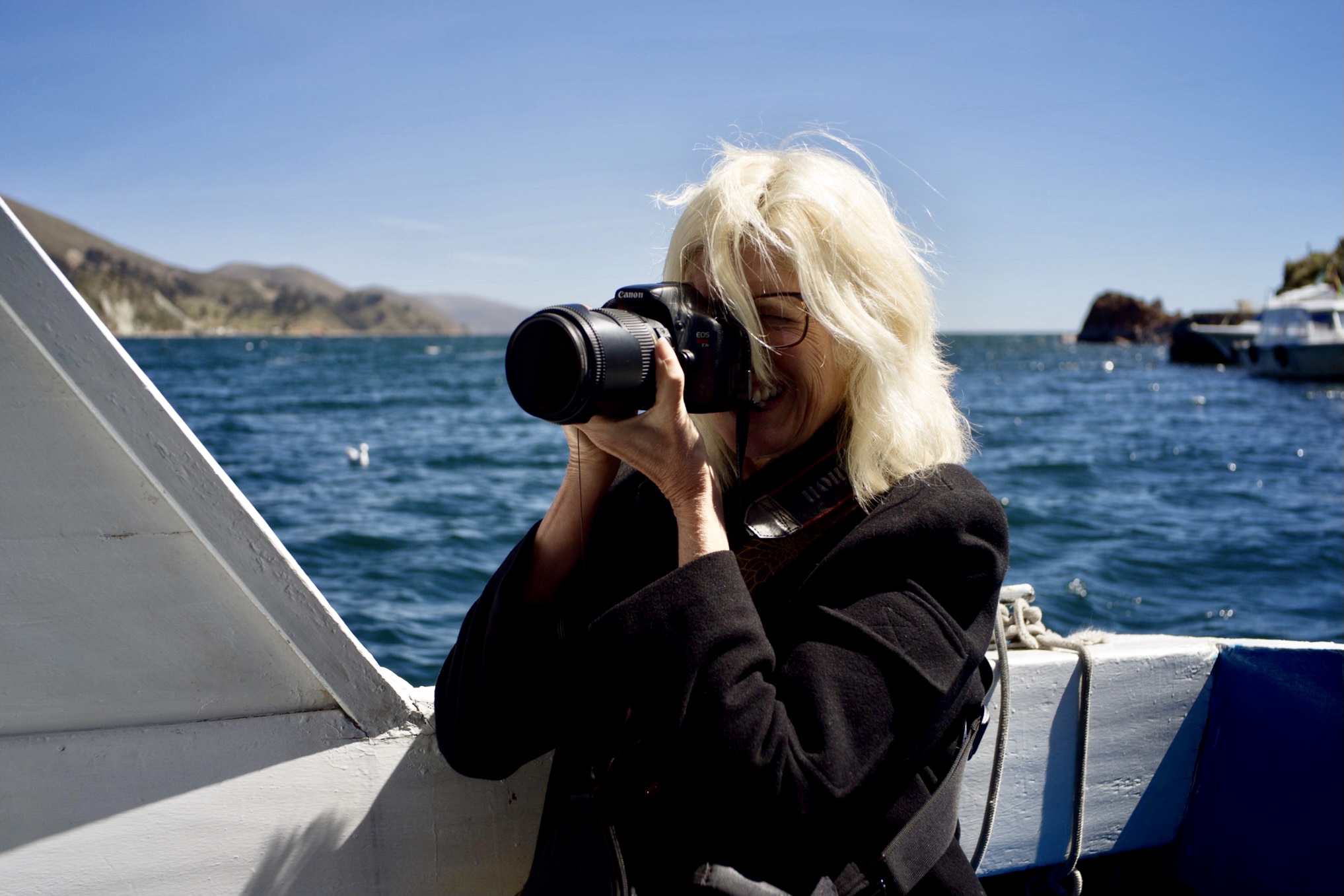
A: For more than three decades my inspiration and subject matter have come mainly from international travel to remote parts of the globe. I daresay there is no better education than travel. The result is that I possess a deep love and reverence for people and cultures all over the world. We are all connected by our shared humanity.
I wholeheartedly agree with what Henry Louis Gates eloquently expressed in the NY Times Book Review of October 12, 2021. Additions are mine.
Any teacher, any student, any writer, [any artist] sufficiently attentive and motivated, must be able to engage freely with subjects of their choice. That is not only the essence of learning; it’s the essence of being human.
And
What I owe to my teachers – and to my students – is a shared sense of wonder and awe as we contemplate works of the human imagination across space and time, works created by people who don’t look like us and who, in so many cases, would be astonished that we know their work and their names. Social identities can connect us in multiple and overlapping ways; they are not protected but betrayed when we turn them into silos with sentries. The freedom to write [and make art] can thrive only if we protect the freedom to read – and to learn. And perhaps the first thing to learn, in these storm-battered days, is that we could all do with more humility, and more humanity.
Comments are welcome!
Q: How does art help you explore and understand other cultures? (Question from Arte Realizzata)
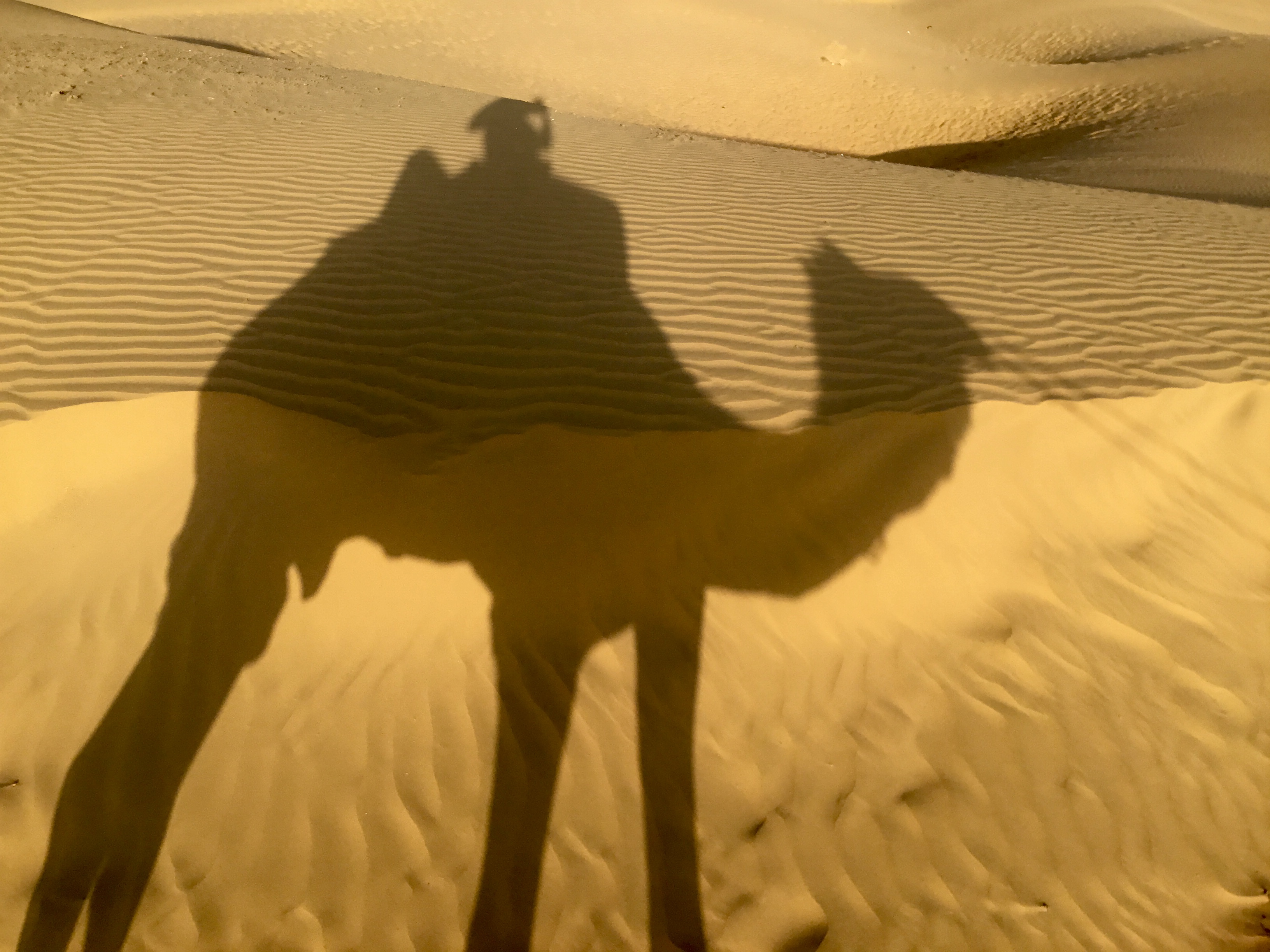
A: Art helps me explore and understand other cultures by revealing our shared humanity across space and time. For me art and travel are intertwined; there is no better education! My art-making has led me to visit fascinating places in search of source material, ideas, and inspiration: to Mexico, Guatemala, Brazil, Argentina, Uruguay, France, England, Italy, Bali, Java, Sri Lanka, and India. I have seen firsthand that people all over the world are the same.
Art has led me to undertake in-depth studies of intriguing subjects: drawing, color, composition, art, art history, the art business, film, film history, photography, mythology, literature, music, jazz, jazz history, and archaeology, particularly that of ancient Mesoamerica (Olmec, Zapotec, Mixtec, Aztec, and Maya), and South America (the Inca and their ancestors).
This rich mixture of creative influences continually grows. For anyone wanting to spend their time on earth studying, learning, and meeting new challenges, there is hardly anything more fascinating than to be a well-travelled, perpetually curious artist!
Comments are welcome!
Pearls from artists* # 467
*an ongoing series of quotations – mostly from artists, to artists – that offers wisdom, inspiration, and advice for the sometimes lonely road we are on.
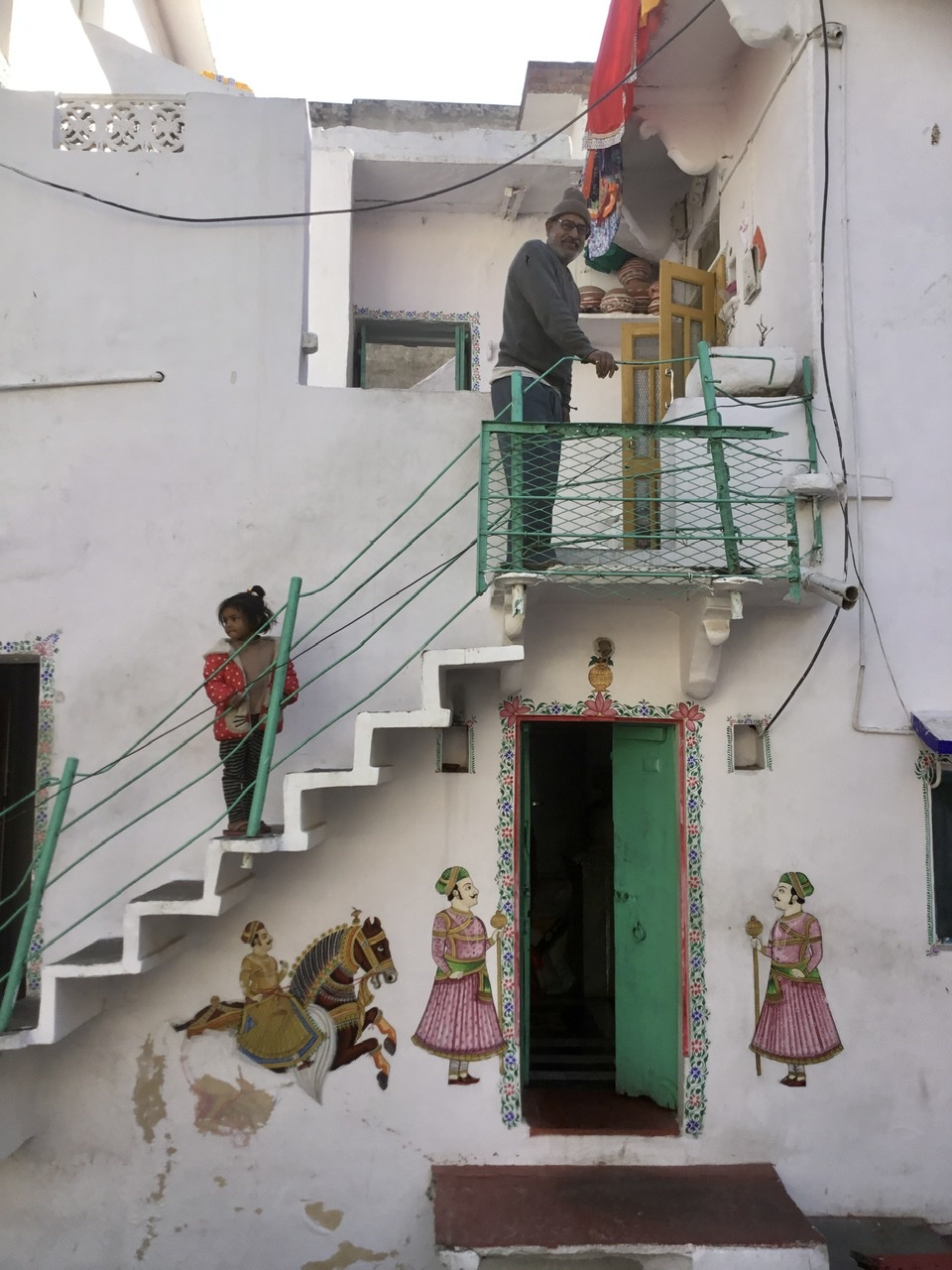
As students confronted with images of India through film and photography, we are challenged to begin to be self-conscious of who we are as “seers.” Part of the difficulty of entering the world of another culture, especially one with as intricate and elaborate a visual articulation as India’s, is that, for many of us, there are no “manageable models.” There are no self-evident ways of recognizing the shapes and forms of art, iconography, ritual life and daily life that we see. Who is Śiva, dancing wildly in a ring of fire? What is happening when the priest pours honey and yogurt over the image of Viṣṇu? Why does the woman touch the feet of the ascetic beggar? For those who enter the visible world of India through the medium of film, the onslaught of strange images raises a multitude of questions. These very questions should be the starting point for our learning. Without such self-conscious questions, we cannot begin to “think” with what we see and simply dismiss it as strange. Or worse, we are bound to misinterpret what we see by placing it solely within the context of what we already know from our own world of experience.
Diana L. Eck in Darsan: Seeing the Divine Image in India
Comments are welcome!
Q: How has photography changed your approach to painting?
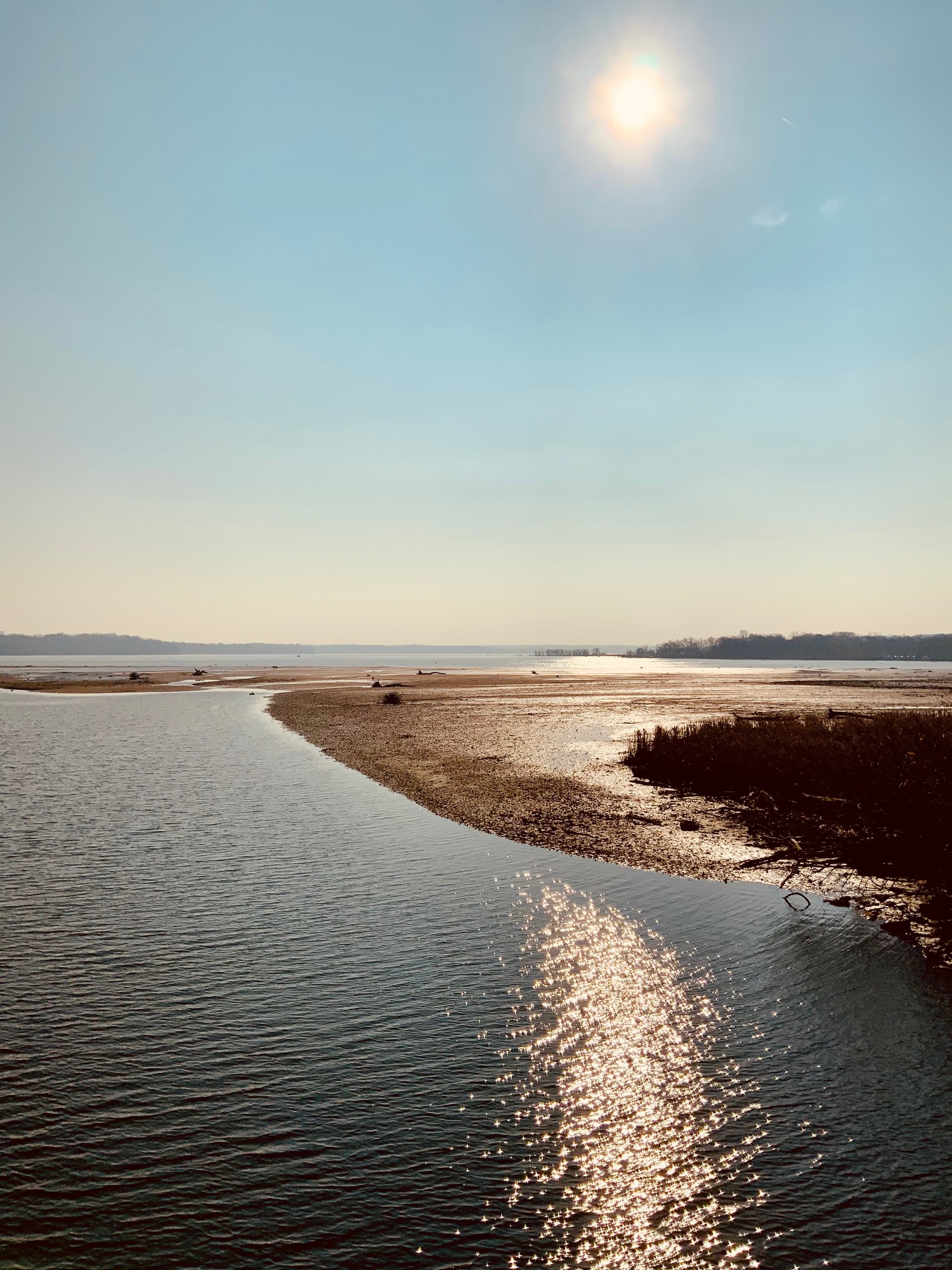
A: Except for many hours spent in life-drawing classes and still life setups that I devised when I was learning my craft in the 1980s, I have always worked from photographs. My late husband, Bryan, would shoot 4” x 5” negatives of my elaborate “Domestic Threats” setups using his Toyo-Omega view camera. I rarely picked up a camera except when we were traveling. After Bryan was killed on 9/11, I inherited his extensive (film) camera collection – old Nikons, Leicas, Graphlex cameras, etc. – and needed to learn how to use them. Starting in 2002 I enrolled in a series of photography courses (about 10 over 4 years) at the International Center of Photography in New York. I learned how to use all of Bryan’s cameras and how to make my own big color prints in the darkroom.
Early on I discovered that the sense of composition, color, and form I had developed over many years as a painter translated well into photography. The camera was, and is, just another medium with which to express ideas. Pastel painting will always be my first love. However, pastel paintings take months of work, while photography offers instant gratification, especially with my current preferred camera, an iPad Pro.
Comments are welcome!


 barbararachkoscoloreddust.com
Q: I understand your comments to mean that being at the studio challenges you to be your best. How (why) do you think that works? (Question from Nancy Nikkal)
Aug 8
Posted by barbararachkoscoloreddust
“Avenger,” soft pastel on sandpaper, 58″ x 38″
A: I am always trying to push my pastel techniques further, seeking to figure out new ways to render my subject matter, expanding my technical vocabulary. It would be monotonous to keep working the same old way. Wasn’t it John Baldessari who said, “No more boring art?” He was talking about art that’s boring to look at. Well, as someone who CREATES art I don’t want to be bored during the making so I keep challenging myself. I love learning, in general, and I especially love learning new things about soft pastel.
Very often I start a project because I have no idea how to depict some particular subject using pastel. For example, one of the reasons I undertook “Avenger” was to challenge myself to render all of that hair! Eventually I managed to figure it out and I learned a few new techniques in the process.
Comments are welcome!
Share this:
Posted in 2020, An Artist's Life, Bolivianos, Creative Process, Pastel Painting, Working methods
2 Comments
Tags: always, “Avenger”, ”No more boring art”, challenge, comments, creates, depict, eventually, expending, figure out, further, John Baldessari, learning, making, managed, matter, monotonous, myself, Nancy Nikkal, particular, pastel, process, project, reasons, render, seeking, soft pastel, soft pastel on sandpaper, Studio, subject, talking, technical, techniques, trying, understand, undertook, vocabulary, working