Category Archives: Travel
Pearls from artists* # 42
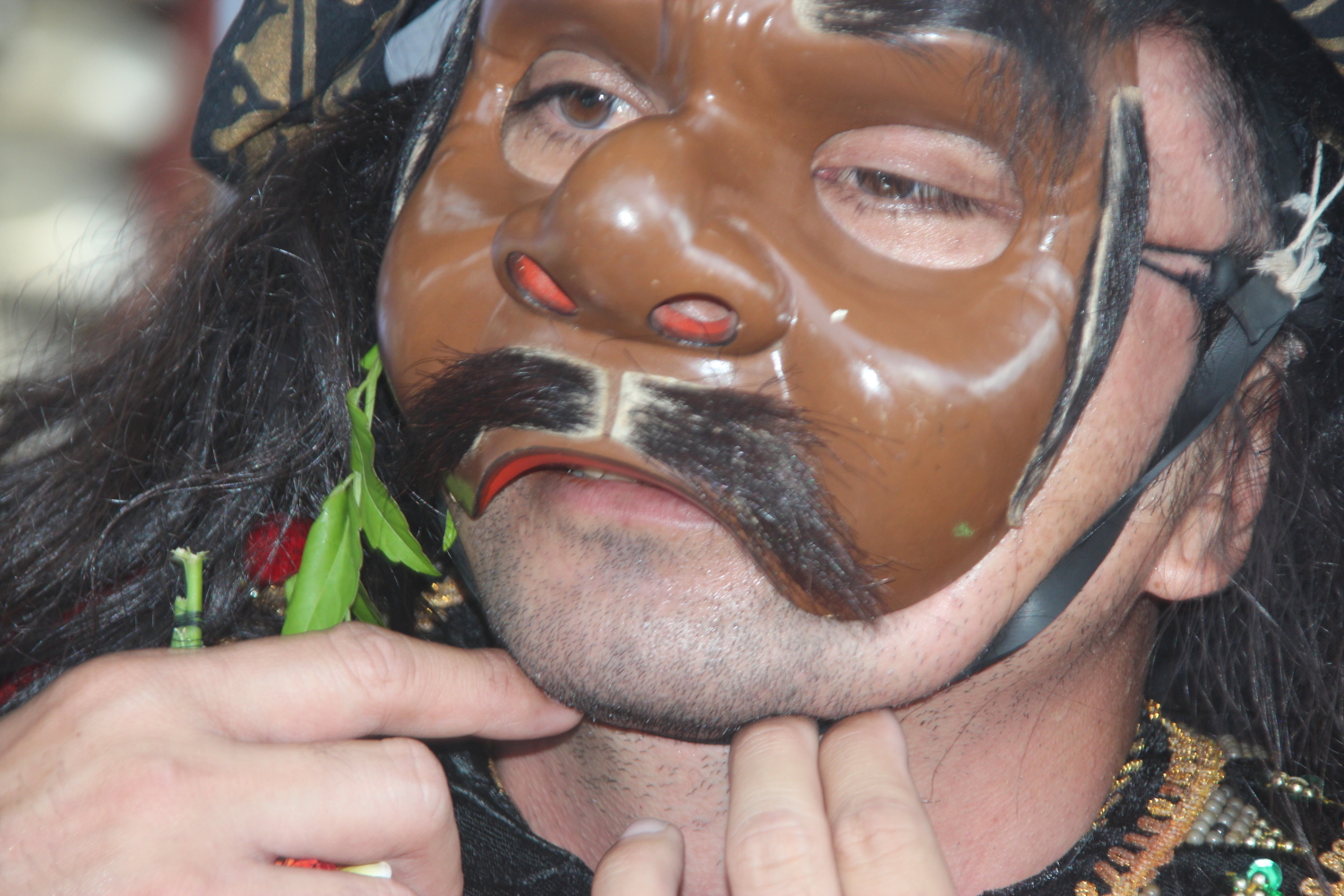
Balinese dancer
* an ongoing series of quotations – mostly from artists, to artists – that offers wisdom, inspiration, and advice for the sometimes lonely road we are on.
Things-as-they-are offer such an abundance of material that a photographer must guard against the temptation of trying to do everything. It is essential to cut from the raw material of life – to cut and cut, but to cut with discrimination. While working, a photographer must reach a precise awareness of what he is trying to do. Sometimes you have the feeling that you have already taken the strongest possible picture of a particular situation or scene; nevertheless, you find yourself compulsively shooting, because you cannot be sure in advance exactly how the situation, the scene is going to unfold. You must stay with the scene, just in case elements of the situation shoot off from the core again. At the same time, it’s essential to avoid shooting like a machine-gunner and burdening yourself with useless recordings which clutter your memory and spoil the exactness of the reportage as a whole.
Henri Cartier-Bresson in Images a la sauvette
Comments are welcome!
Pearls from artists* # 41
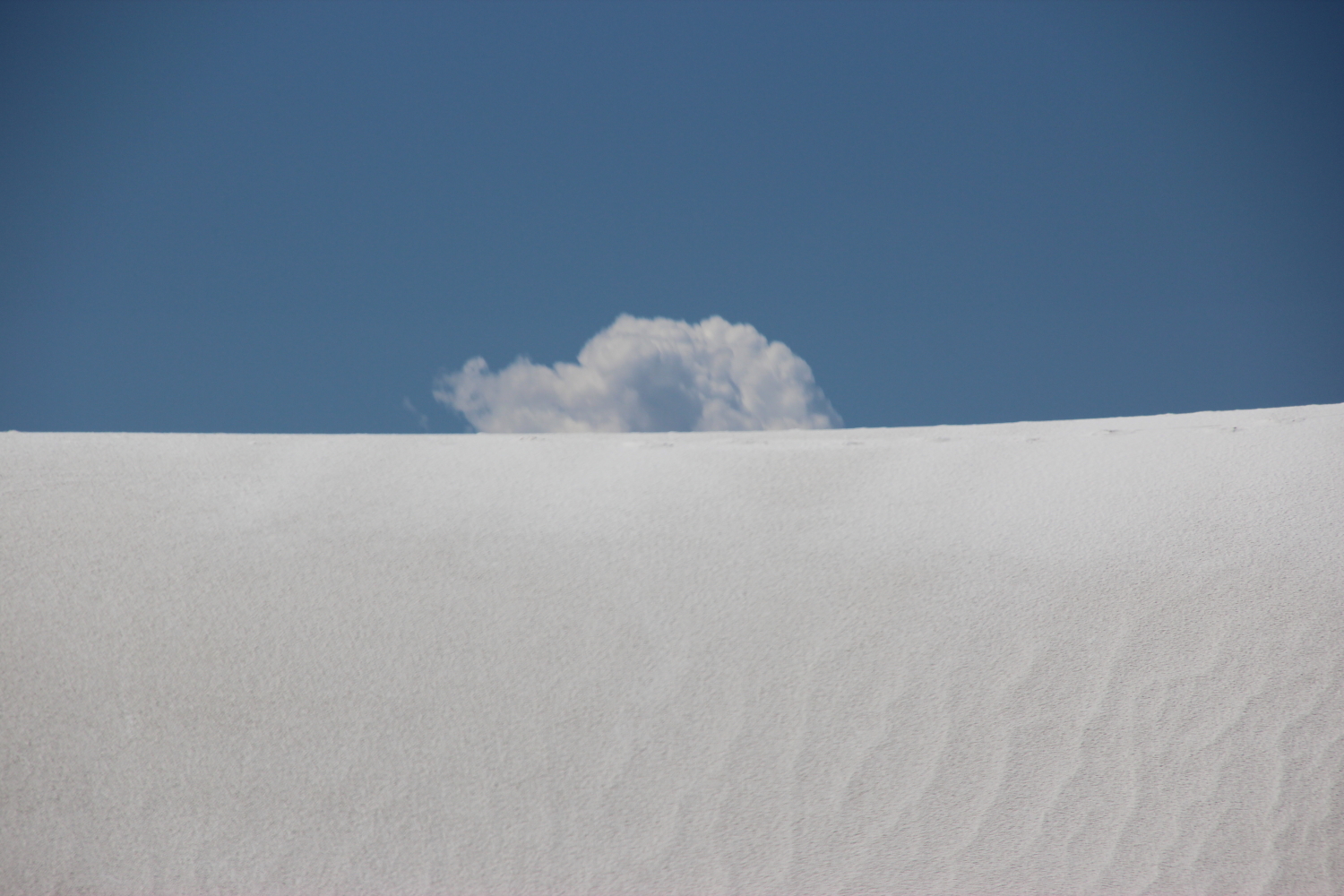
White Sands, NM
* an ongoing series of quotations – mostly from artists, to artists – that offers wisdom, inspiration, and advice for the sometimes lonely road we are on.
If you look at the work of an artist over a lifetime there is always transformation. Some hit a lively place early and then seem to lose it later. Others find that place progressively throughout their life; others still, find it late. But regardless, they are all learning to isolate the poetic place within them. That focus on the poetic in our own work increases our appreciation of the beauty around us, increases our growth, and increases our divine connection.
One thing you see in many artists’ work is that as they continue over the decades to translate their experience of the poetic into form, they learn to communicate better. They strip away all the extraneous stuff and artistic baggage they had. They say more with less.
The problem is seldom that what we truly, deeply experience is too simple to simplify. There is power in stripping everyhing away to reveal the vision. That’s what takes a lifetime.
Ian Roberts in Creative Authenticity: 16 Principles to Clarify and Deepen Your Artistic Vision
Comments are welcome!
Pearls from artists* # 39

Great Salt Lake
* an ongoing series of quotations – mostly from artists, to artists – that offers wisdom, inspiration, and advice for the sometimes lonely road we are on.
When you think of paying an author for his work you ought to think generously. It is the author who makes your magazine. If you cannot pay in cold cash, why don’t you write the author and ask what you could do for him? Offer to do something in the nature of a personal sacrifice, I would say. He may need to have some typing done, or some printing; he may need a table to write on, or books to reference; he may need some research work done for him. There are a thousand and one things he may need and appreciate much more than cold cash, especially when it constitutes a sum which, by American standards of living, means absolutely nothing. It costs me, for example, almost five dollars a week for postage. It costs me much more than that for the gifts of books and water colors I am obliged to make to enthusiastic admirers who are too poor to buy my work.
… But this, it seems to me, is the way one good artist should treat another. And you who are editors of small magazines are mostly artists yourselves, I take it. You all expect to become celebrated writers some day; you identify yourselves with the men whose work you admire and hope to publish. Well, carry out the identification to the nth degree, I say. Think how you would feel if, after years of labor and struggle, you are asked to accept a trivial sum. It is far, far better to say: “We have no money at all. We believe in you and your work… will you help us? We are willing to make any sacrifice in order to make your name known.” Most authors would be touched by such an appeal; they would offer their work gladly; they would probably offer to help in other ways. I am thinking naturally of the kind of writers whom you wish to interest in your project. There can be a magnificent collaboration between author and editor, author an publisher. But you, as editor, must first begin by giving, not demanding. Give the shirt off your back, or offer to give it, and then see what sort of response you will get form the author. I have often noticed with beggars that when they ask for something and you offer them twice or ten times as much, they are so overwhelmed that they often refuse to accept anything, or else they offer to become your slave. Writers, in a way, are like beggars. They are continually begging to be heard, to be recognized. Really they are simply begging for a chance to give of their great gifts – which is the most heart-rending begging of all and a disgrace to any civilized community in which it happens. Which is to say, almost the entire civilized world.
Henry Miller in Stand Still Like the Hummingbird
Comments are welcome!
Pearls from artists* # 37
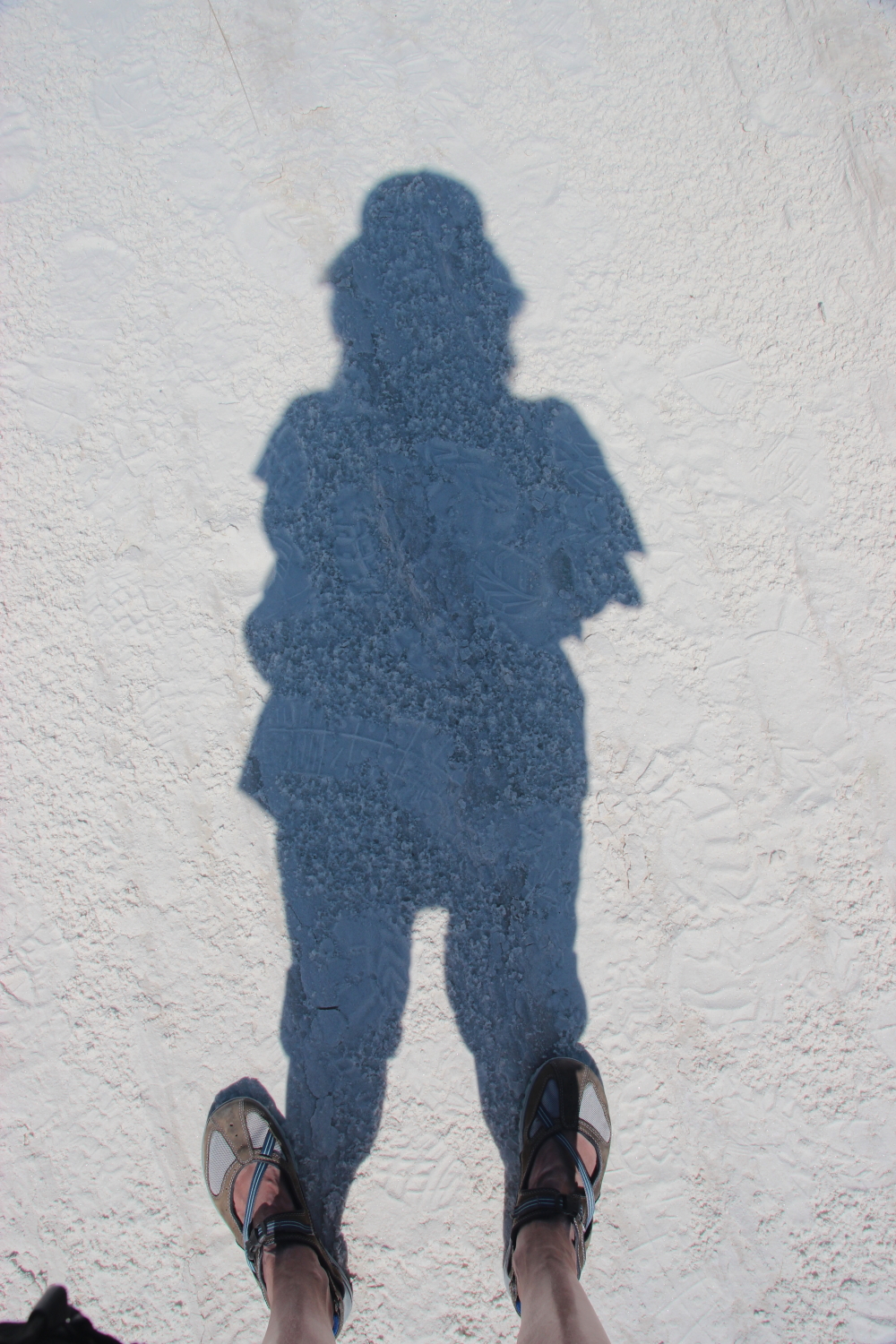
Self portrait, White Sands, NM
* an ongoing series of quotations – mostly from artists, to artists – that offers wisdom, inspiration, and advice for the sometimes lonely road we are on.
Certainly the most compelling thing in both personal life and art is to be yourself. When we engage attentively and honestly, pay attention to the insights that come to us, see our denial and faulty thinking, and engage in uncovering the obstacles and blocks to our expression, we realize that art is a wonderful medium for personal growth.
If we realize all this, we do ourselves justice when we claim to be an artist. We really mean it, and we own it. Today, as we start working on whatever it is we’re doing, let’s claim our role as artists, being attentive to process as much as finished results.
Ian Roberts in Creative Authenticity: 16 Principles to Clarify and Deepen Your Artistic Vision.
Comments are welcome!
Pearls from artists* # 36
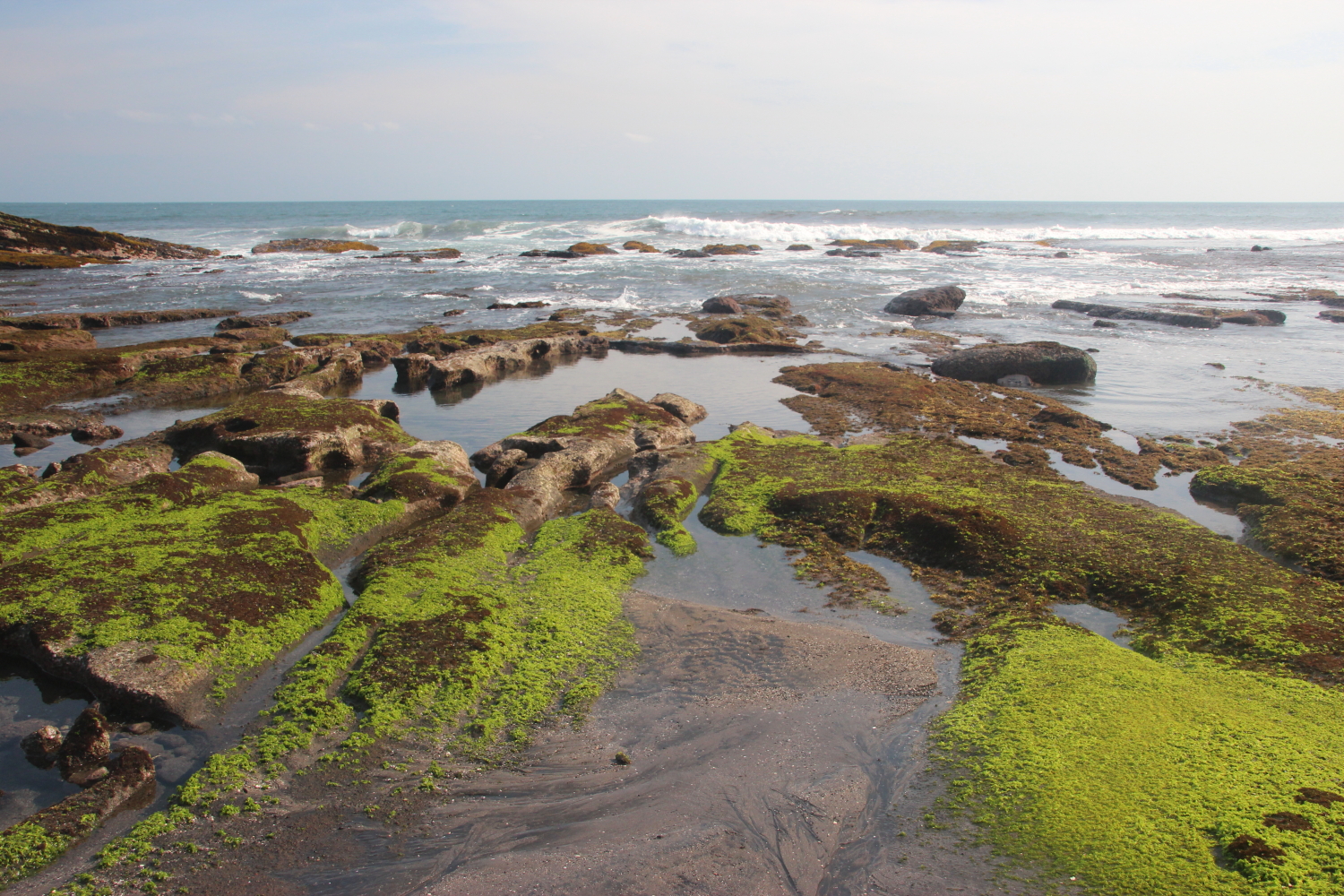
Indian Ocean, Tanah Lot, Bali
* an ongoing series of quotations – mostly from artists, to artists – that offers wisdom, inspiration, and advice for the sometimes lonely road we are on.
… don’t wait for things to change, the hour of man is now and, whether you are working at the bottom of the pile or on top, if you are a creative individual you will go on producing, come hell or high water. And this is the most you can hope to do. One has to go on believing in himself, whether recognized or not, whether heeded or not. The world may seem like hell on wheels – and we are doing our best, are we not, to make it so? – but there is always room, if only in one’s own soul, to create a spot of Paradise, crazy though it may sound.
Henry Miller in Stand Still Like the Hummingbird
Comments are welcome!
Q: Your “Gods and Monsters” series consists of tableaux of Mexican and Guatemalan figures that are photographed in a way that blurs certain elements to abstraction while others are in clear focus. Can you please speak more about this work?

Untitled chromogenic print, 24″ x 24″, edition of 5
A: When I depict the Mexican and, more recently, Guatemalan figures in my pastel-on-sandpaper paintings, they are hard-edged, vibrant, and in-your-face. That’s a result of the way I work in pastel. I slowly and meticulously build up layers of pigment, blend them with my fingers, continually refine and try to find the best, most eye-popping colors. It’s a very slow process that takes months of hard work. An aside… One frustration I have as an artist – I am hardly unique in this – is that my audience only sees the finished piece and they look at it for perhaps ten seconds. They rarely think about how their ten-second experience took me months to create!
In 2002 when I began photographing these figures, I wanted to take the same subject matter and give it an entirely different treatment. So these images are deliberately soft focus, dreamy, and mysterious. I use a medium format camera and shoot film. I choose a narrow depth of field. I hold gels in front of the scene to blur it and to provide unexpected areas of color. Even as a photographer I am a colorist.
I want this work to surprise me and it does, since I don’t usually know what images I will get. Often I don’t even look through the viewfinder as I position the camera and the gels and click the shutter. I only know what I’ve shot after I’ve seen a contact sheet, usually the next day.
The “Gods and Monsters” series began entirely as a reaction to my pastel paintings. The latter are extremely meticulous and labor intensive. At a certain point in the process I know more or less what the finished painting will look like, but there are still weeks of slow, laborious detail work ahead. So my photographic work is spontaneous, serendipitous, and provides me with much-needed instant gratification. I find it endlessly intriguing to have two diametrically opposed ways of working with the same subject.
Comments are welcome!
Q: What first intrigued you about Mexico?

“Myth Meets Dream,” 1993, soft pastel on sandpaper, first painting that includes Oaxacan figures
A: In the early 90’s my husband, Bryan, and I made our first trip to Oaxaca and to Mexico City. At the time I had become fascinated with the Mexican “Day of the Dead” celebrations so our trip was timed to see them firsthand. Along with busloads of other tourists, we visited several cemeteries in small Oaxacan towns. The indigenous people tending their ancestor’s graves were so dignified and so gracious, even with so many mostly-American tourists tromping around on a sacred night, that I couldn’t help being taken with these beautiful people and their beliefs. From Oaxaca we traveled to Mexico City, where again I was entranced, but this time by the rich and ancient history. On our first trip we visited the National Museum of Anthropology, where I was introduced to the fascinating story of ancient Meso-American civilizations (it is still one of my favorite museums in the world); the ancient city of Teotihuacan, which the Aztecs discovered as an abandoned city and then occupied as their own; and the Templo Mayor, the historic center of the Aztec empire, infamous as a place of human sacrifice. I was astounded! Why had I never learned in school about Mexico, this highly developed cradle of western civilization in our own hemisphere, when so much time had been devoted to the cultures of Egypt, Greece, and elsewhere? When I returned home to Virginia I began reading everything I could find about ancient Mexican civilizations, including the Olmec, Zapotec, Mixtec, Aztec, and Maya. This first trip to Mexico opened up a whole new world and was to profoundly influence my future work. I would return there many more times.
Comments are welcome!
Q: Your relationship with photography has changed considerably over the years. How did you make use of photography in your first series of pastel-on-sandpaper paintings, “Domestic Threats”?
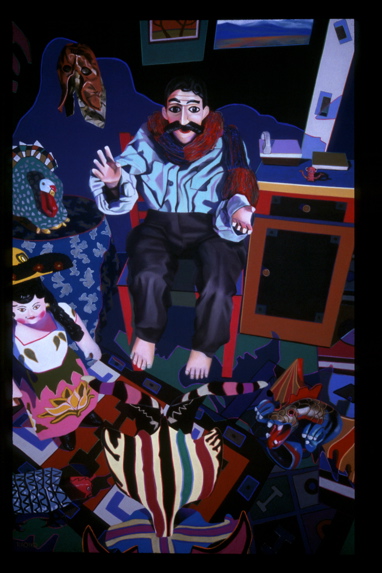
“Truth Betrayed by Innocence,” 2001, 58″ x 38″, the last pastel painting for which Bryan photographed the setup
A: When my husband, Bryan, was alive I barely picked up a camera, except to photograph sights encountered during our travels. Throughout the 1990s and beyond (ending in 2007), I worked on my series of pastel-on-sandpaper paintings called, “Domestic Threats.” These were realistic depictions of elaborate scenes that I staged in our 1932 Sears house in Alexandria, Virginia, and later, in a New York sixth floor walk-up apartment, using the Mexican masks, carved wooden animals, and other folk art figures that I found on our trips to Mexico. I staged and lit these setups, while Bryan photographed them using his Toyo-Omega 4 x 5 view camera. We had been collaborating this way almost from the beginning (we met on February 21, 1986). Having been introduced to photography by his father at the age of 6, Bryan was a terrific amateur photographer. He would shoot two pieces of 4 x 5 film at different exposures and I would select one, generally the one that showed the most detail in the shadows, to make into a 20 x 24 photograph. The photograph would be my starting point for making the pastel painting. Although I work from life, too, I could not make a painting without mostly looking at a reference photo. After Bryan was killed on 9/11, I had no choice but to study photography. Over time, I turned myself into a skilled photographer.
Comments are welcome!
Q: When you set up your figures to photograph, do you create a story?
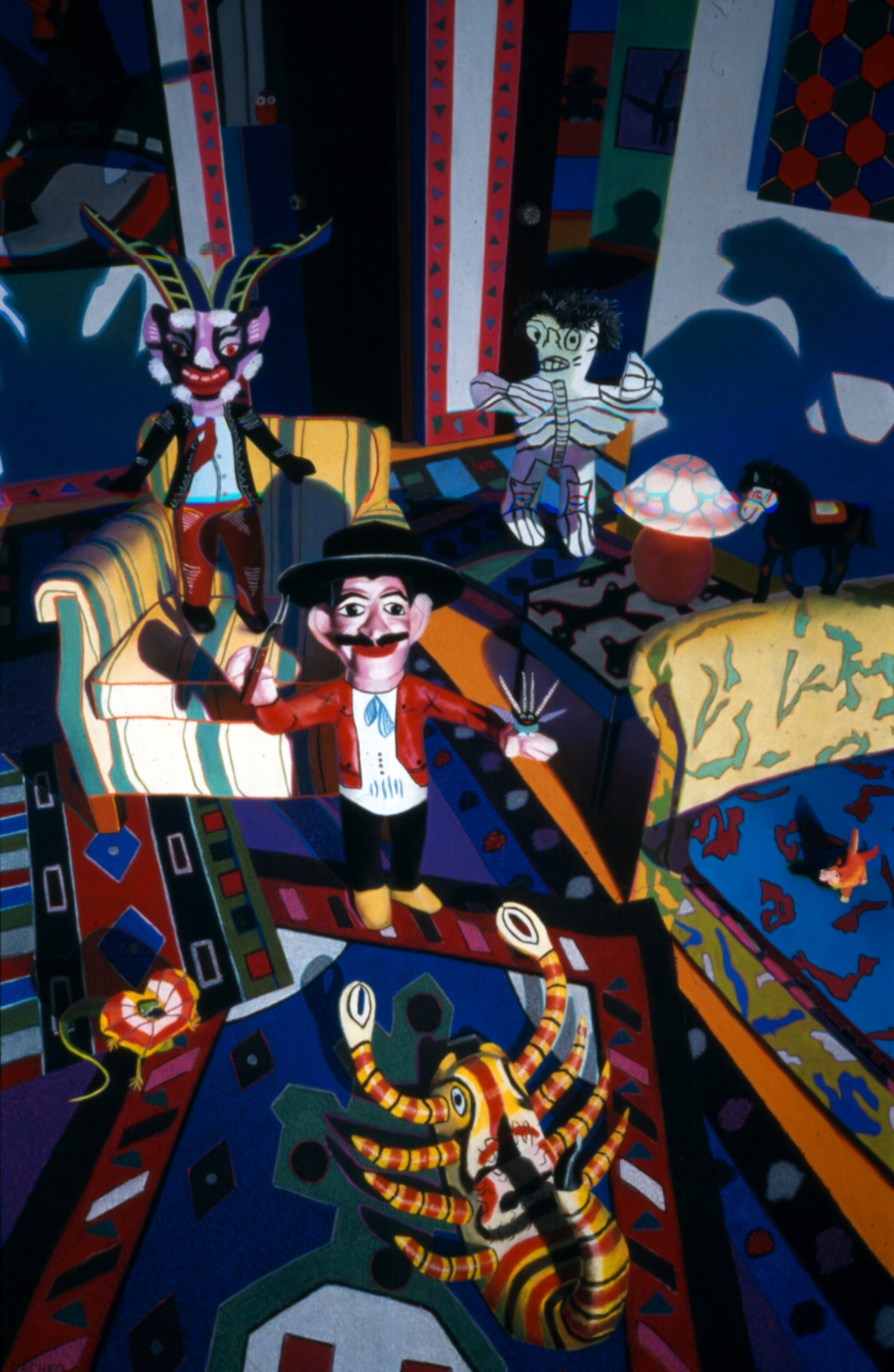
“He Just Stood There Grinning,” soft pastel on sandpaper, ” 58″ x 38″
A: I always did so with my “Domestic Threats” paintings, but not with my current work. As I set up a group of figures to photograph, I would make up a story about what was happening between them: what the Day of the Dead skeleton I bought in Mexico City was saying to the frog/fish/human mask from Guerrero, for example. I was a big kid playing with my favorite toys! The stories were the spark to get me started on a new project, but I usually forgot about them afterwards. They were necessary, yet incidental to my creative process, which is probably why I have never written them down.
Years ago I had the experience of being at one of my solo shows when a group of elementary school children came along with their teacher. The teacher asked them to act out one of the stories in a particular painting. Ever curious about how people relate to my work, I didn’t introduce myself as the creator of the pieces hanging on the walls. I no longer remember the details, but their interpretations soon had me laughing. It is a constant surprise to hear from people encountering my work for the first time what they see in it, especially when those people are young kids with wild imaginations!
Comments are welcome!
Q: Can you speak more about how your studio practice has evolved over the years?

At White Sands, NM; photo by Donna Tang
A: I have spoken at length about how my work and studio practice have evolved since the mid-80s. Please see my interview with Daniel Rothbart at http://www.arterynyc.com/2011/12/a-conversation-with-barbara-rachko/ or click the Blogroll link at right.


 barbararachkoscoloreddust.com