Blog Archives
Q: How do you store your pastel paintings?
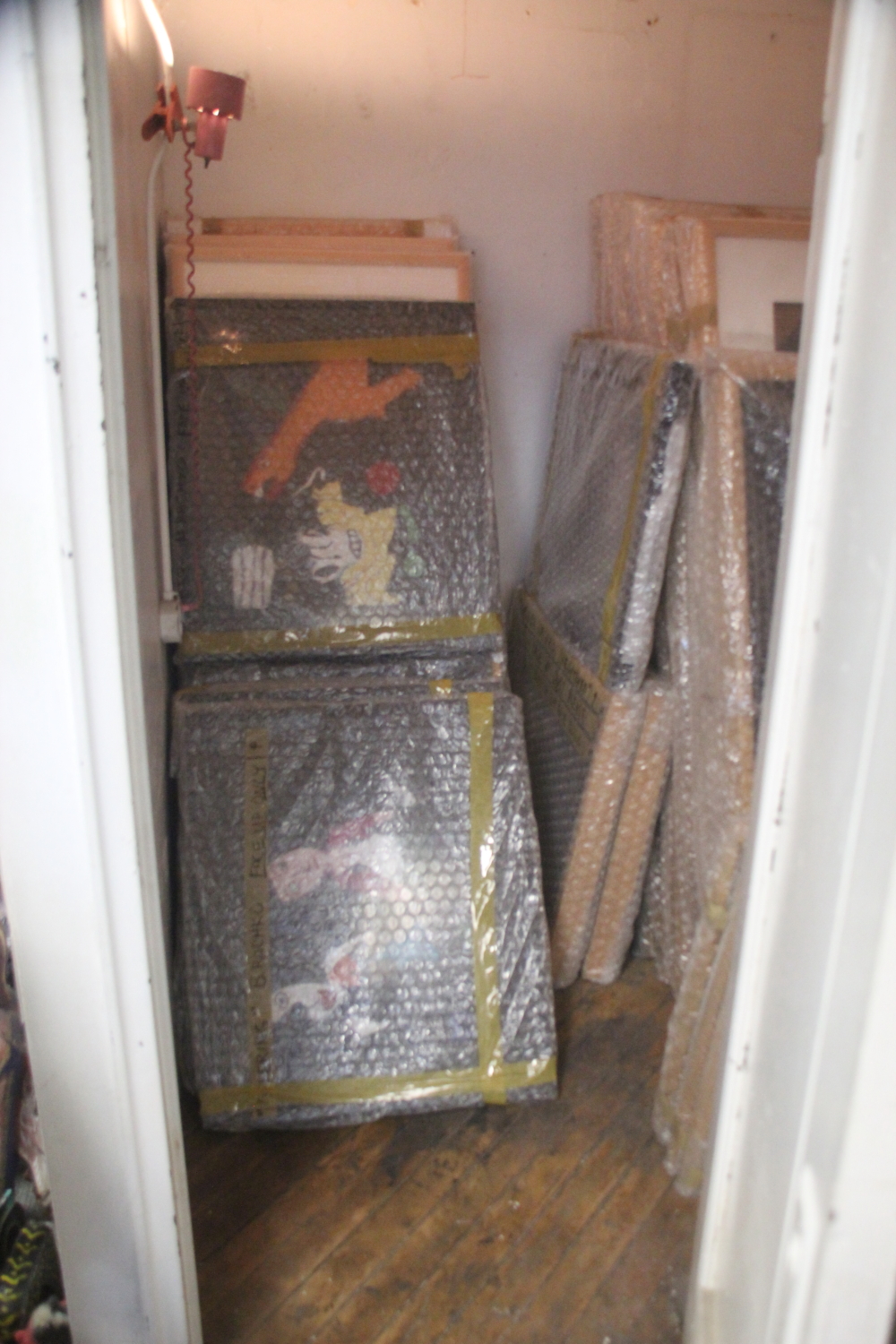
Storage closet
A: Well, I wish I could say that every pastel painting has sold as soon as it was completed, but that is a rarity that has only happened twice. As soon as possible after I finish a painting, I bring it to the framer. Pastel paintings are susceptible to smudging and other odd dangers (even a sneeze!) until they are under Plexiglas.
Framed work can easily and safely be stored by hanging it on a wall in my studio or standing it upright and face up, and leaning against a wall. When I put paintings in my storage closet for the longer term, I wrap them in bubble wrap.
The downside of having to frame everything is that it is a considerable expense. However, the upside is that I am always ready for a solo exhibition. Gallerists have called at the last minute when one of their exhibitions ran into unexpected problems. Usually, I am able to step right in.
Comments are welcome!
Pearls from artists* # 159
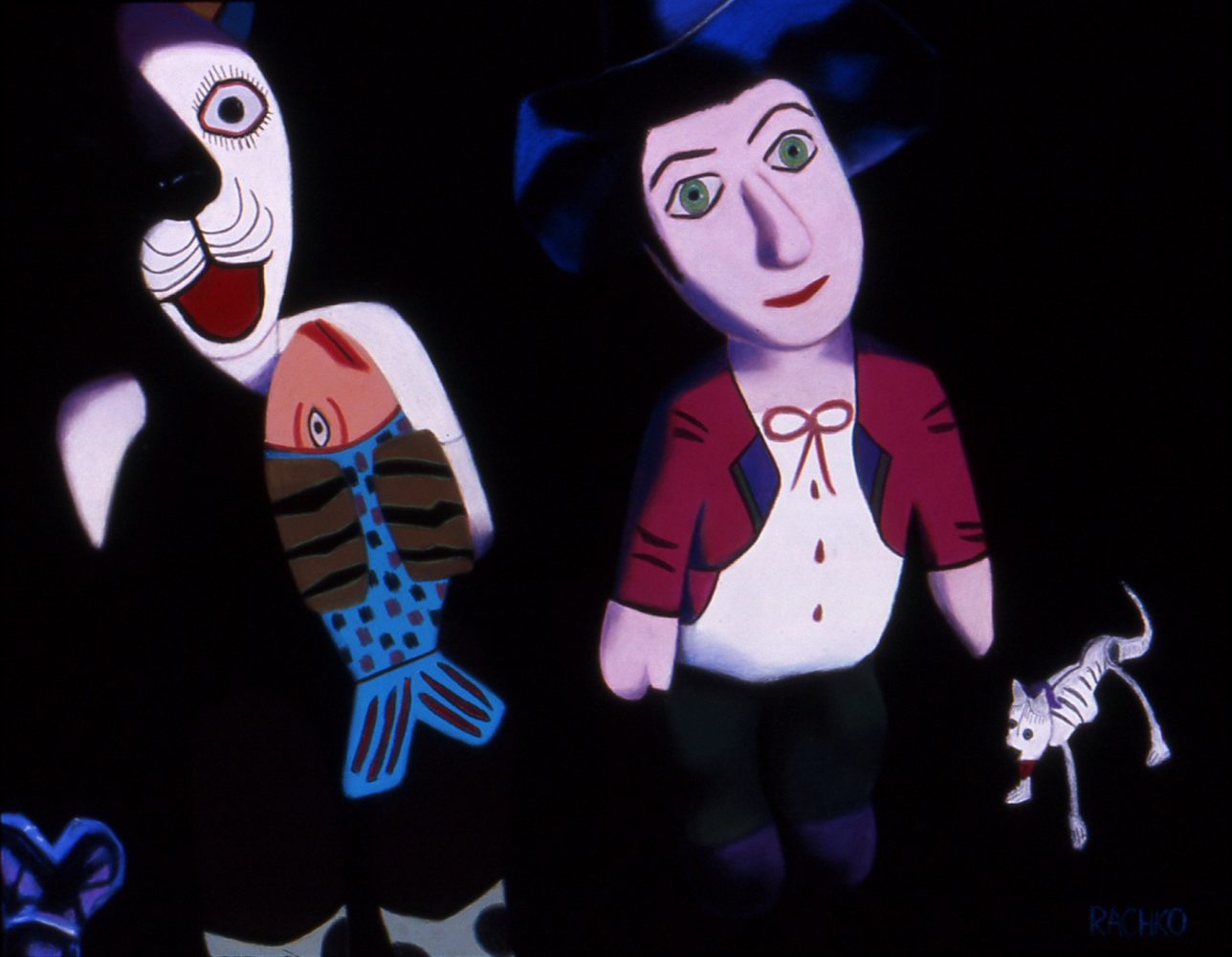
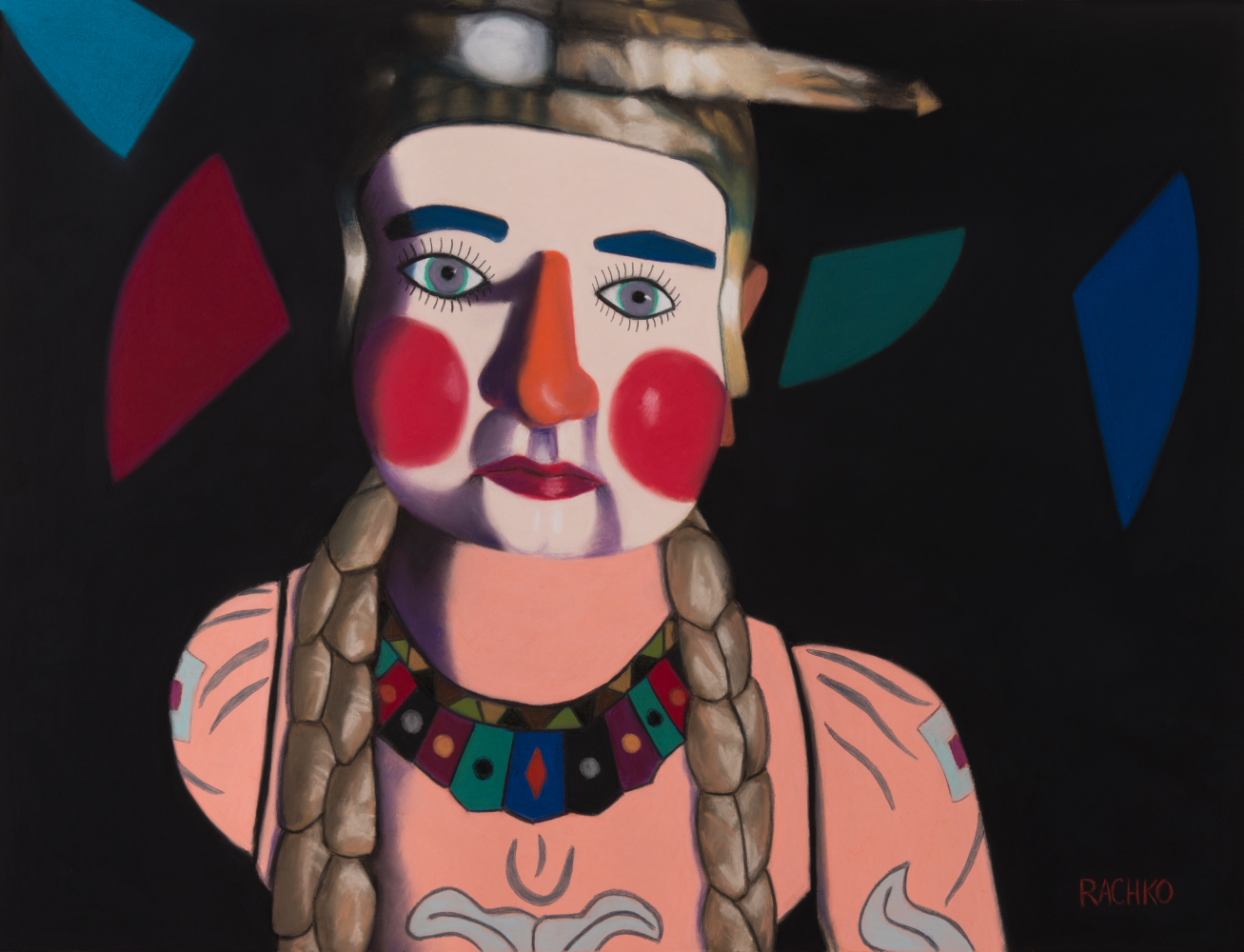
“Offering,” soft pastel on sandpaper, 20″ x 26″
* an ongoing series of quotations – mostly from artists, to artists – that offers wisdom, inspiration, and advice for the sometimes lonely road we are on.
We, the artists who are meant to provide art and teach the importance of beauty, have not yet been able to educate the public to know the difference between beauty and ugliness. .. It’s time to make sure artists with good intentions are ready to be taken seriously and to gain back their noble respectful place in culture. We should be ready with our own high standard of art for the new era, in which art patrons and a society that are more informed than ever will be thoughtfully critical and will expect everything from artists they support – talent, knowledge, skill and experience.
Samuel Adoquei in Origin of Inspiration: Seven Short Essays for Creative People
Comments are welcome!
Pearls from artists* # 157
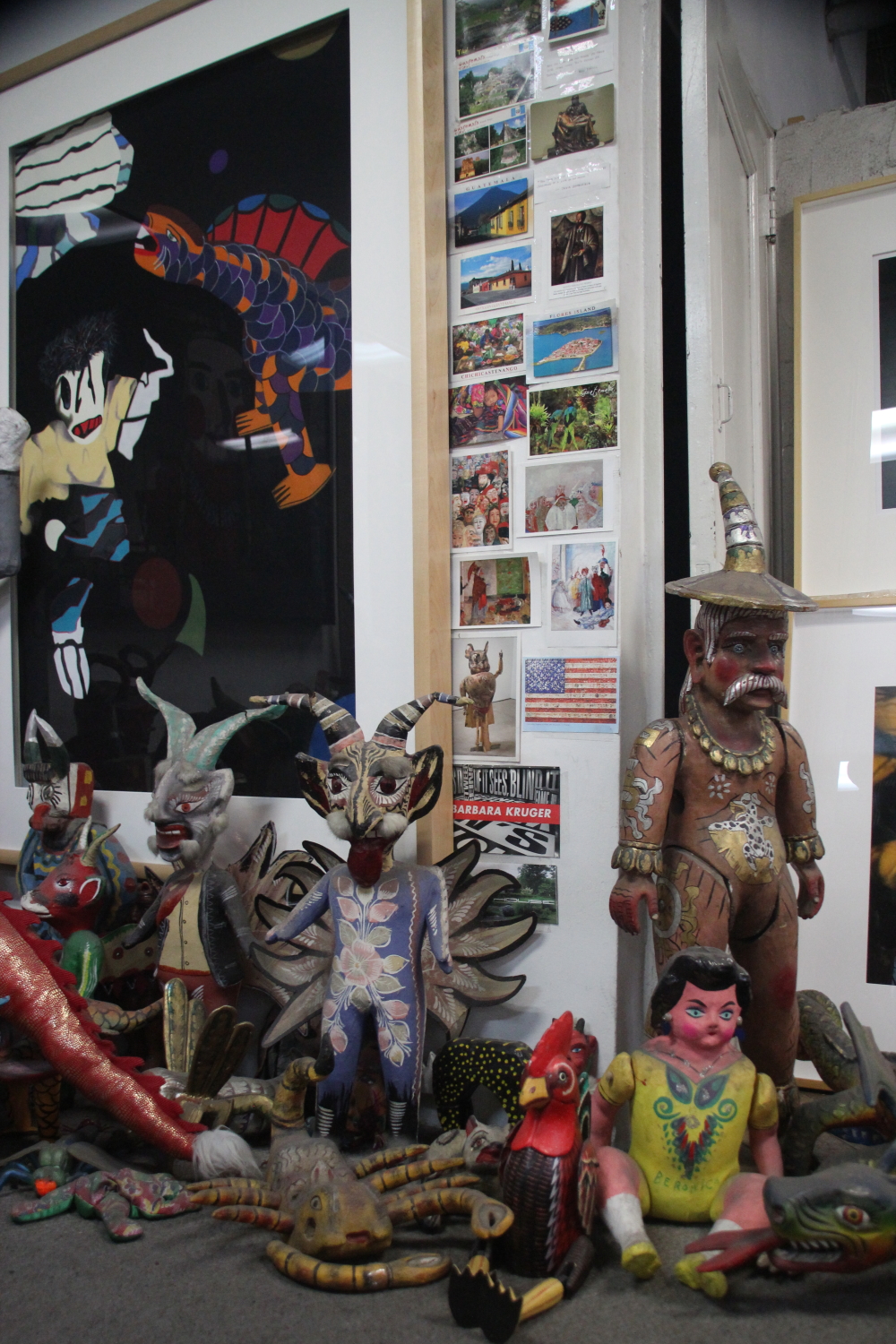
Barbara’s studio
* an ongoing series of quotations – mostly from artists, to artists – that offers wisdom, inspiration, and advice for the sometimes lonely road we are on.
Only passion gives us a powerful emotion, a supreme strength and the enduring energy to fulfill our duty. It provides a stimulus, giving us hope and courage as well as stamina. The strength, love and joy passion gives us have no limitations. They are what drive us to sacrifice everything in order to achieve that which our passion requires. Passion is like a bribe from the gods, its great enthusiasm enticing us to do a particular work and to enjoy that more than anything else, without thought of the sacrifices and consequences.
Samuel Adoquei in Origin of Inspiration: Seven Short Essays for Creative People
Comments are welcome!
Pearls from artists* # 144
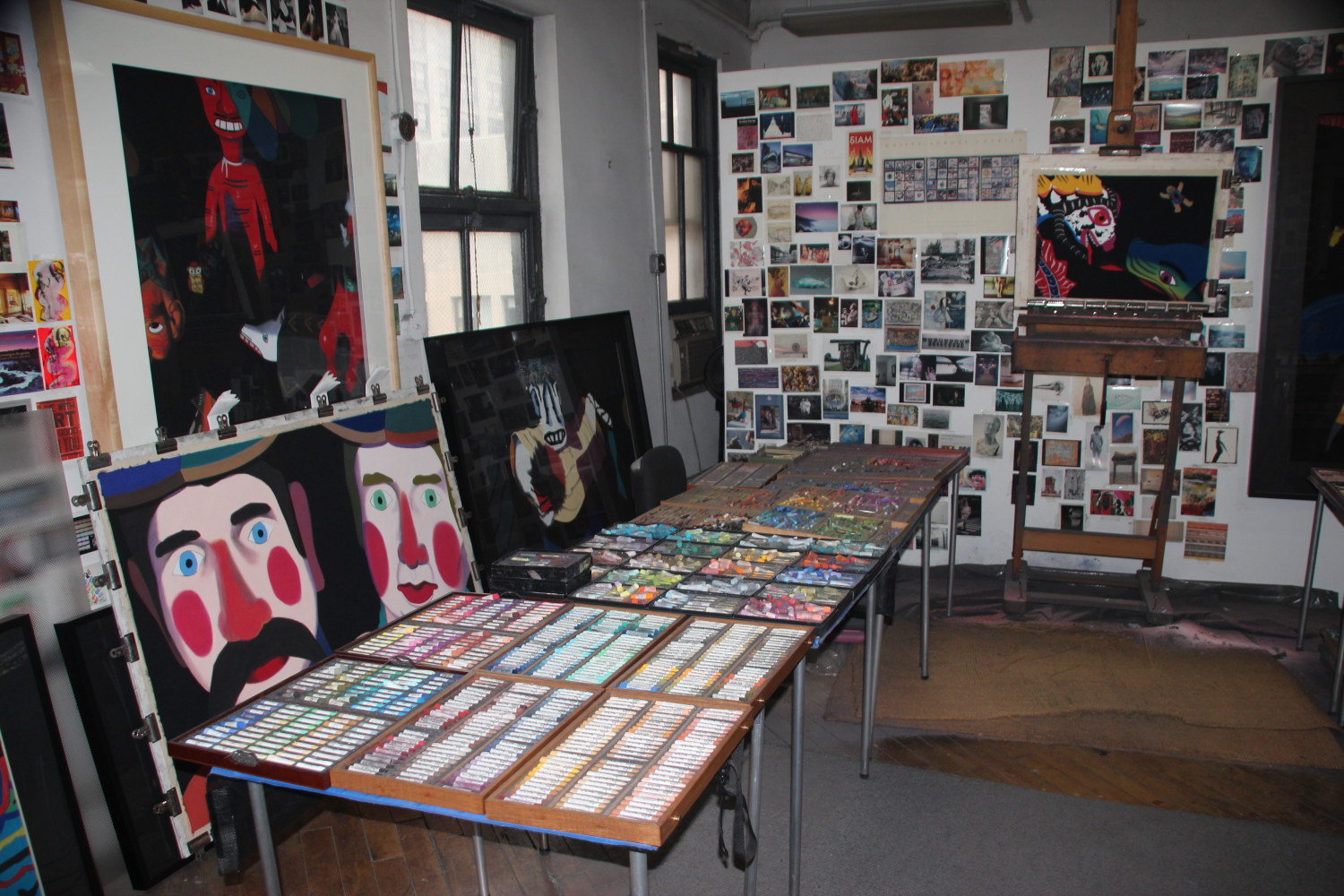
Barbara’s studio
* an ongoing series of quotations – mostly from artists, to artists – that offers wisdom, inspiration, and advice for the sometimes lonely road we are on.
Art and design are rule-based. This flies in the face of everything that most people have been taught before, namely, that art and design are about freedom. I remember reading a wonderful analogy about this concept many years ago in an out-of-print, early twentieth-century book on design. The author asked us to imagine a flying kite – the quintessential emblem of unrestricted, spontaneity, soaring in the wind. Keeping taught the line between you and the kite, however, is the source of that freedom. Here’s another way of putting it: “Creativity arises out of the tension between the rules and imagination.”
Leslie Hirst in The Art of Critical Making: Rhode Island School of Design on Creative Practice, Rosanne Somerson and Mara L. Hermano, editors
Comments are welcome!
Pearls from artists* # 141

Painting, subject, reference photo
* an ongoing series of quotations – mostly from artists, to artists – that offers wisdom, inspiration, and advice for the sometimes lonely road we are on.
It would be very interesting to record photographically not the stages of a painting, but its metamorphoses. One would see perhaps by what course a mind finds its way towards the crystallization of its dream. But what is really very curious is to see that the picture does not change basically, that the initial vision remains almost intact in spite of appearances. I see often a light and dark, when I have put them in my picture, I do everything I can to ‘break them up,’ in adding a color that creates a counter effect. I perceive, when this work is photographed, that which I have introduced to correct my first vision has disappeared, and that after all the photographic image corresponds to my first vision, before the occurrence of the transformation brought about by my will.
The picture is not thought out and determined beforehand, rather while it is being made it follows the mobility of thought. Finished, it changes further, according to the condition of him who looks at it. A picture lives its life like a living creature, undergoing the changes that daily life imposes on us. That is natural, since a picture lives only through him who looks at it.
Christian Zervos: Conversation with Picasso in The Creative Process, edited by Brewster Ghiselin
Comments are welcome!
Q: Do you have a daily artistic practice?

Studio entrance
A: In one way or another I suppose I do. Of course, I don’t go to the studio six days a week like I used to, but I generally work five days, about seven to eight hours per day. When I am not actually in the studio working at my easel, I try to make use of my time in ways that, hopefully, will make me a better artist. I am usually reading, studying, looking at art, talking to friends who are artists, thinking about my creative practice, etc. Art and everything related to it are naturally the focus of my life.
Comments are welcome!
Pearls from artists* # 133
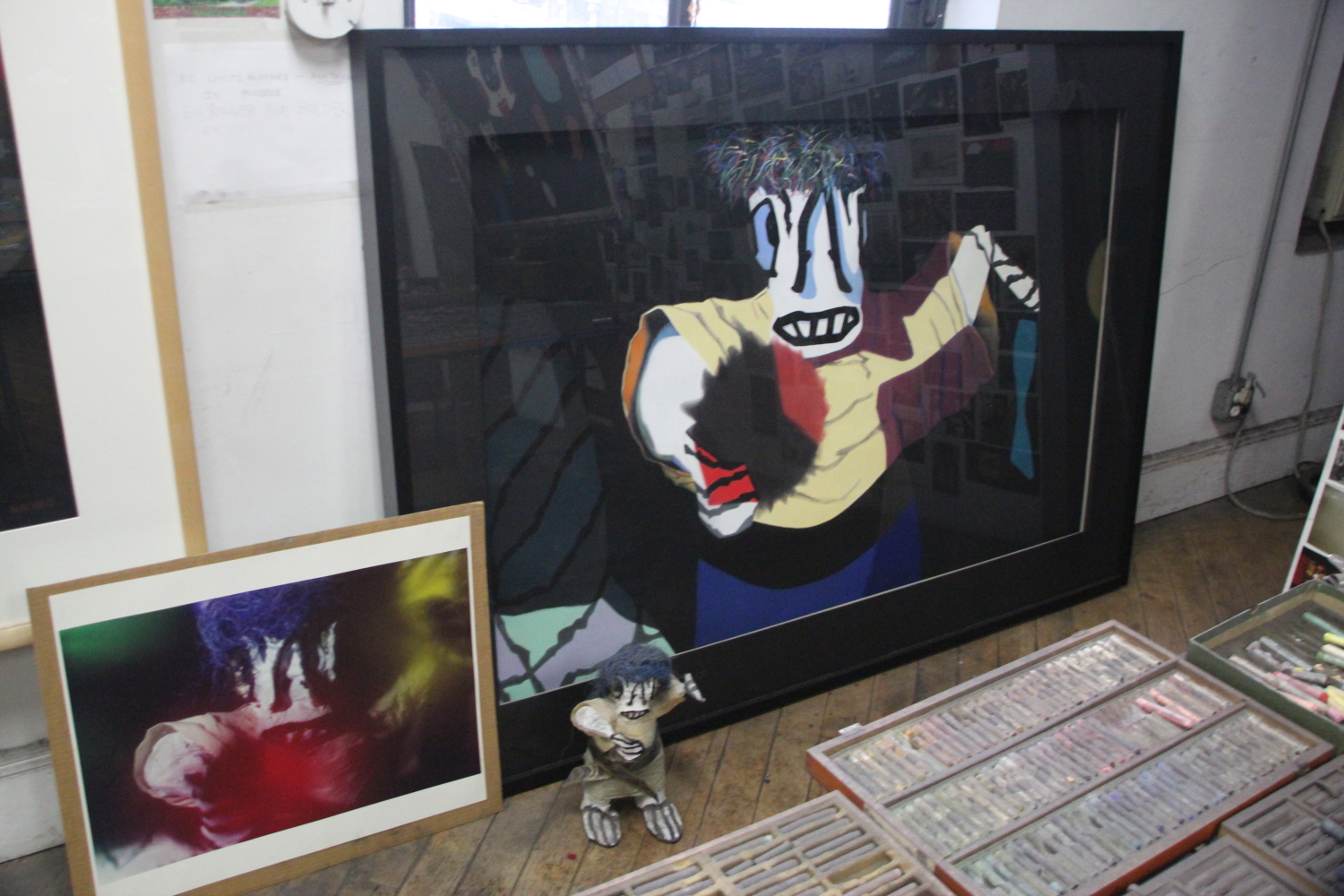
“Broken,” soft pastel on sandpaper, 50″ x 70″ framed
* an ongoing series of quotations – mostly from artists, to artists – that offers wisdom, inspiration, and advice for the sometimes lonely road we are on.
O writer, with what words will you describe the entire configuration of objects with the perfection that the drawing gives? If you are unable to draw, you will describe everything confusedly and convey little knowledge of the true form of objects; and you will deceive yourself in imagining that you can satisfy your hearer when you speak of the configuration of any corporeal object bounded by surfaces.
– Leonardo da Vinci
Quoted in Leonardo’s Brain: Understanding da Vinci’s Creative Genius by Leonard Shlain
Comments are welcome!
Pearls from artists* # 131
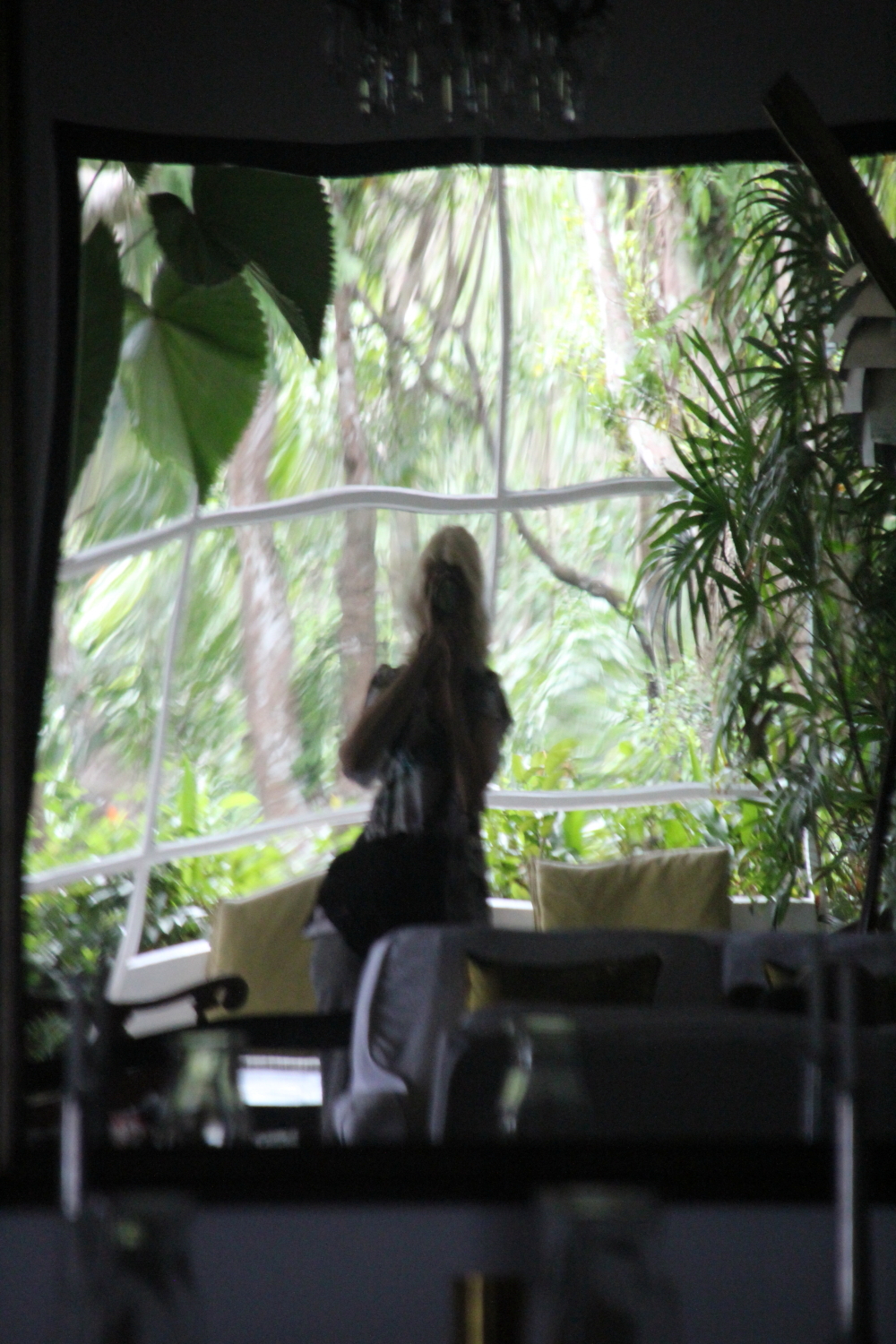
Self-portrait at an architect’s estate in Sri Lanka
* an ongoing series of quotations – mostly from artists, to artists – that offers wisdom, inspiration, and advice for the sometimes lonely road we are on.
Sister Corita
Immaculate Heart College Art Department Rules
Rule 1: Find a place you trust, and then try trusting it for a while.
Rule 2: General duties of a student: pull everything out of your teacher. Pull everything out of your fellow students.
Rule 3: General duties of a teacher: Pull everything out of your students.
Rule 4: Consider everything an experiment.
Rule 5: Be self-disciplined. This means finding someone wise or smart and choosing to follow them. To be disciplined is to follow in a good way. To be self-disciplined is to follow in a better way.
Rule 6: Nothing is a mistake. There’s no win and no fail. There’s only make.
Rule 7: The only rule is work. If you work it will lead to something. It’s the people who do all of the work all of the time who eventually catch on to things.
Rule 8: Don’t try to create and analyze at the same time. They’re different processes.
Rule 9: Be happy whenever you can manage it. Enjoy yourself. It’s lighter than you think.
Rule 10: “We’re breaking all the rules. Even our own rules. And how do we do that? By leaving plenty of room for X quantities.” John Cage
Helpful Hints: Always be around. Come or go to everything. Always go to classes. Read anything you can get your hands on. Look at movies carefully, often. Save everything – it might come in handy later.
There should be new rules next week.
Quoted in The Art Life: On Creativity and Career by Stuart Horodner
Comments are welcome!
Pearls from artists* # 125
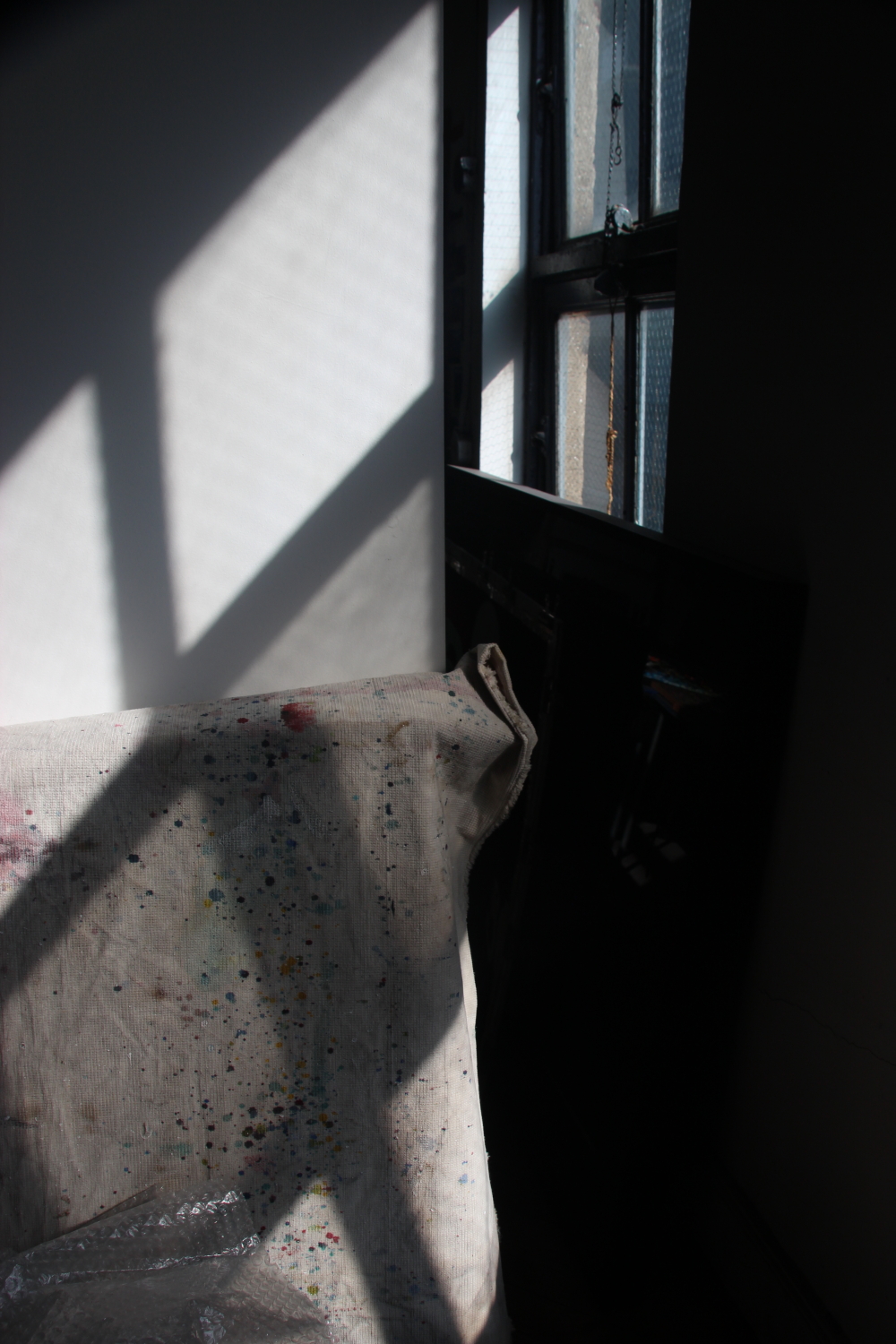
Barbara’s studio
* an ongoing series of quotations – mostly from artists, to artists – that offers wisdom, inspiration, and advice for the sometimes lonely road we are on.
My own natural proclivity is to categorize the world around me, to remove unfamiliar objects from their dangerous perches by defining, compartmentalizing and labeling them. I want to know what things are and I want to know where they are and I want to control them. I want to remove the danger and replace it with the known. I want to feel safe. I want to feel out of danger.
And yet, as an artist, I know that I must welcome the strange and the unintelligible into my awareness and into my working process. Despite my propensity to own and control everything around me, my job is to “make the familiar strange and the strange familiar,” as Bertolt Brecht recommended: to un-define and un-tame what has been delineated by belief systems and conventions, and to welcome the discomfort of doubt and the unknown, aiming to make visible what has become invisible by habit.
Because life is filled with habit, because our natural desire is to make countless assumptions and treat our surroundings as familiar and unthreatening, we need art to wake us up. Art un-tames, reifies and wakes up the part of our lives that have been put to sleep and calcified by habit. The artist, or indeed anyone who wants to turn daily life into an adventure, must allow people, objects and places to be dangerous and freed from the definitions that they have accumulated over time.
Anne Bogart in What’s the Story: Essays about art, theater, and storytelling
Comments are welcome!


 barbararachkoscoloreddust.com