Blog Archives
Pearls from artists* # 543

*an ongoing series of quotations – mostly from artists, to artists – that offers wisdom, inspiration, and advice for the sometimes lonely road we are on.
Although the struggles that I faced involved me as an individual, I didn’t feel alone. I was forbidden to travel, but this forced immobility didn’t adversely affect my work; instead it gave me sustenance. For me, inspiration comes from resistance – without that, my efforts would be fruitless. Having a real – and powerful – adversary was my good fortune, making freedom all the more tangible – freedom comes from all the sacrifices you make to achieve it. Limitations come only from a fear inside the heart, and art is the antidote to fear. I did not need sympathy, for courage itself is an aesthetic feeling, and it’s only when true feeling is transformed into something broadly understood that art can avoid drying up.
Ai Weiwei in 1000 Years of Joys and Sorrows
Comments are welcome!

Pearls from artists* # 528

*an ongoing series of quotations – mostly from artists, to artists – that offers wisdom, inspiration, and advice for the sometimes lonely road we are on.
There are so many good reasons to stop complaining if you want to live a more creative life.
First of all, it’s annoying. Every artist complains, so it’s a dead and boring topic. (From the volume of complaints that emerges from the professional creative class, you would think these people had been sentenced to their vocations by an evil dictator, rather than having chosen their line of work with a free will and open heart).
Second, of course it’s difficult to create things; if it wasn’t difficult, everyone would be doing it, and it wouldn’t be special or interesting.
Third, nobody ever really listens to anybody else’s complaints, anyhow, because we’re all too focused on our own holy struggle, so basically, you’re just talking to a brick wall.
Fourth, and most important, you’re scaring away inspiration. Every time you express a complaint about how difficult and tiresome it is to be creative, inspiration takes another step away from you, offended. It’s almost like inspiration puts up its hands and says, “Hey, sorry buddy! I didn’t realize my presence was such a drag. I’ll take my business elsewhere.”
Elizabeth Gilbert in Big Magic: Creative living Beyond Fear
Comments are welcome!
Pearls from artists* # 512
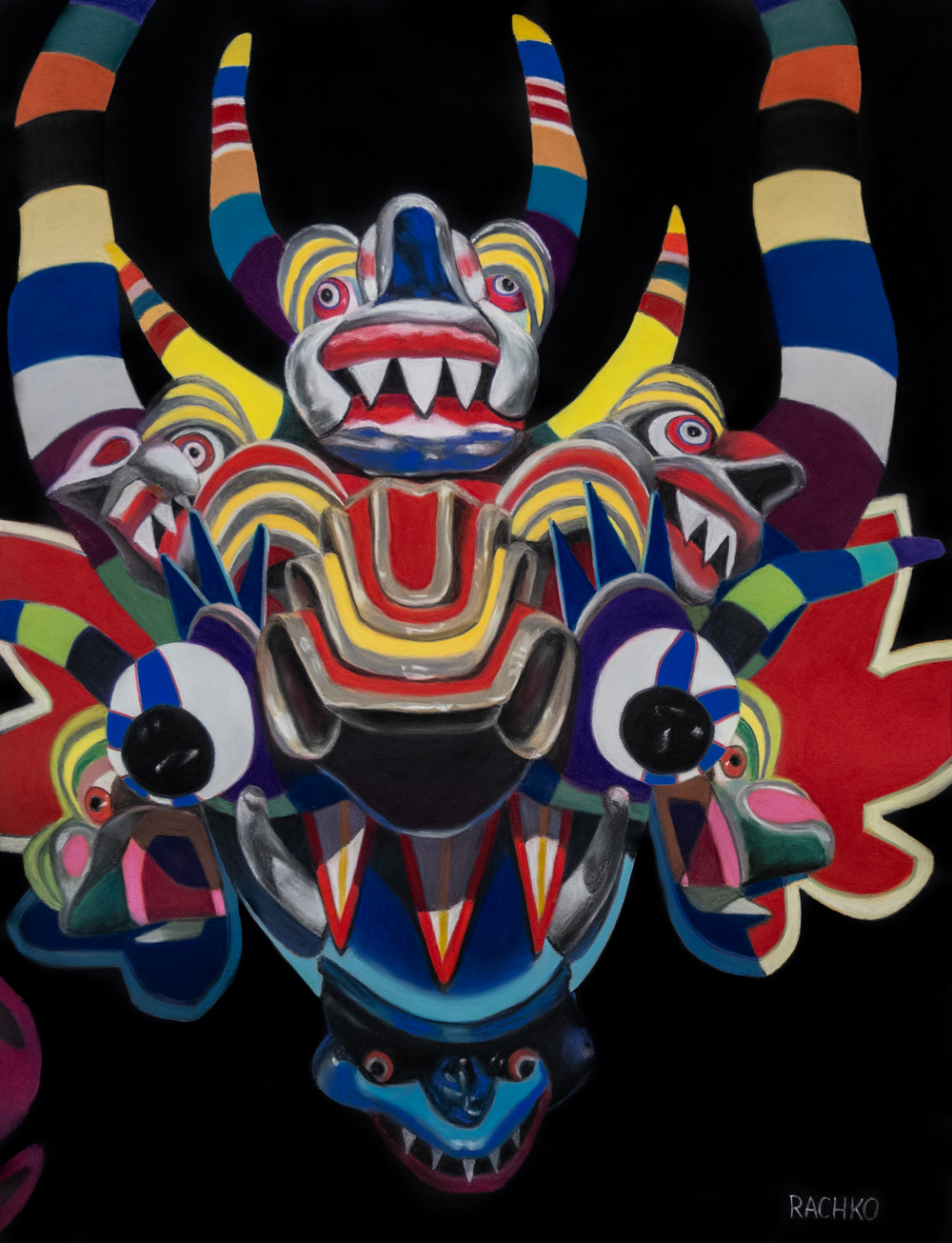
* an ongoing series of quotations – mostly from artists to artists – that offers wisdom, inspiration, and advice for the sometimes lonely road we are on.
Let inspiration lead you wherever it wants to lead you. Keep in mind that for most of history people just made things, and they didn’t make a big freaking deal about it.
We make things because we like making things.
We pursue the interesting and the novel because we like the interesting and the novel.
Elizabeth Gilbert in Big Magic: Creative Living Beyond Fear
Comments are welcome!
Q: Contemporary art has become very diverse and multidisciplinary in the last few decades. Do you welcome this trend? Is this trend part of your art practice? (Question from artamour)
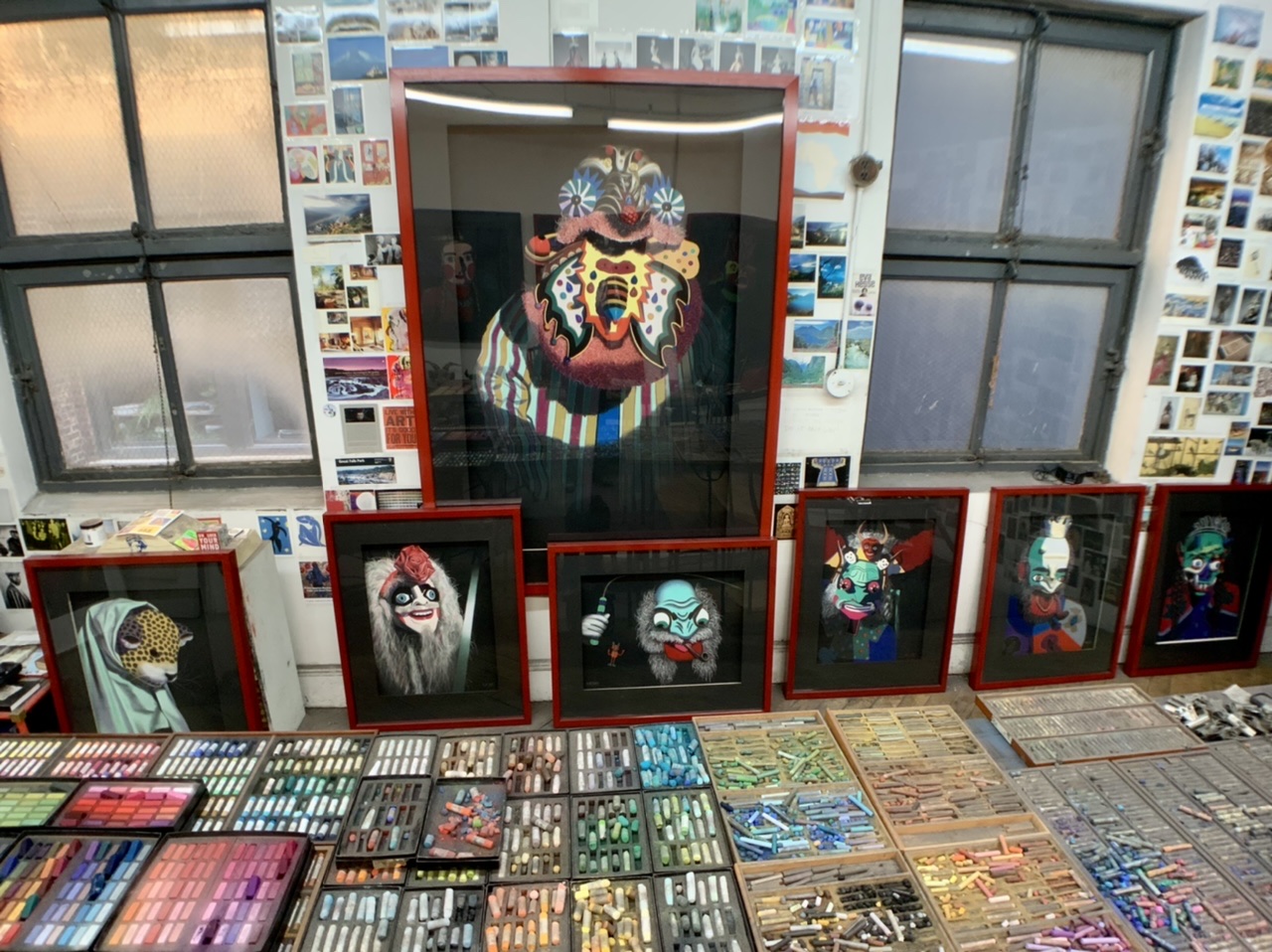
A: By definition trends in art come and go and I don’t see how any self-respecting artist can or should pay much attention to them. I continue to do my own thing, refining my soft pastel techniques, following wherever my interests, inspiration, and subject matter lead, all the while striving to become a better artist.
Comments are welcome!
Pearls from artists* # 510
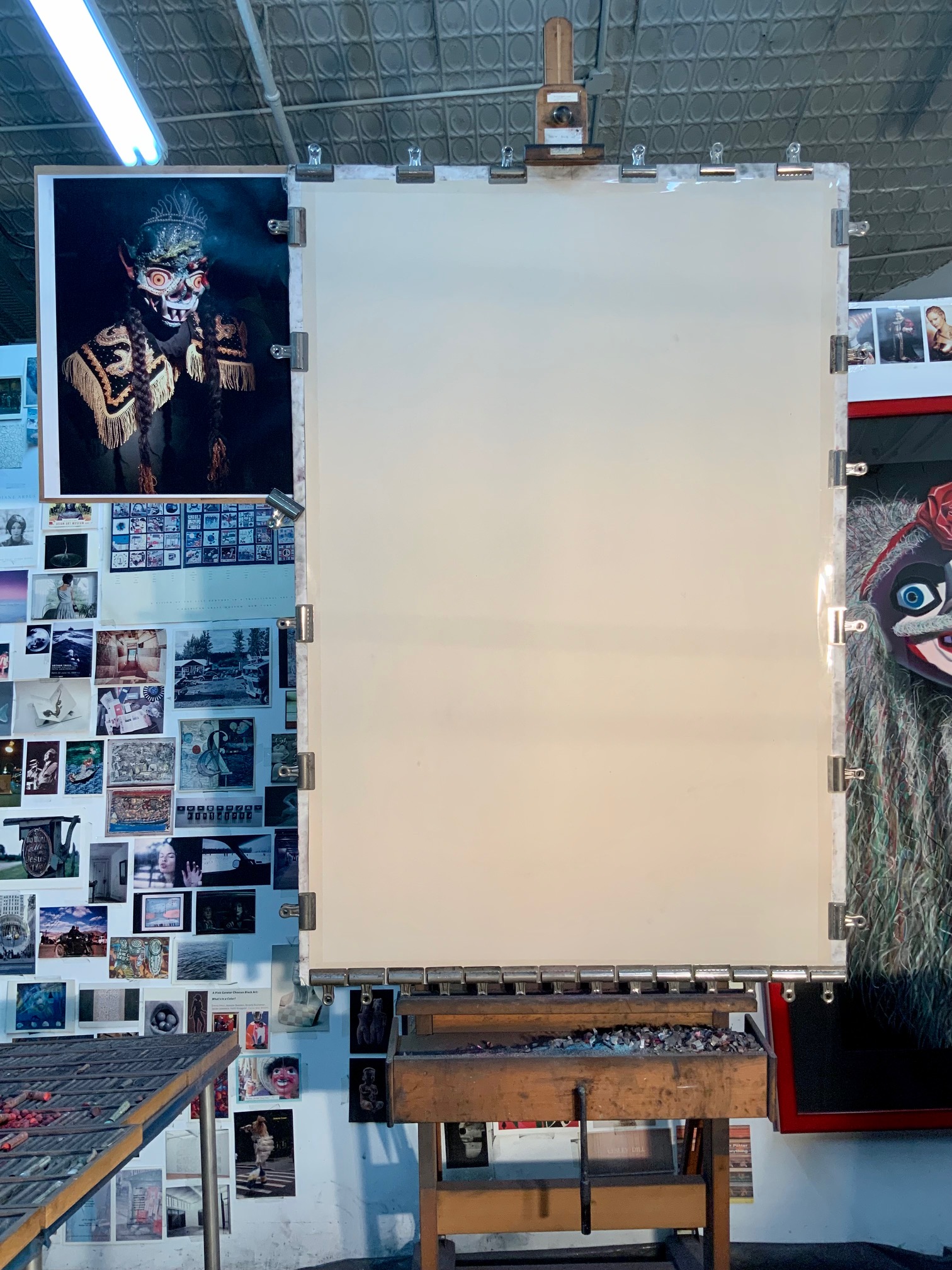
* an ongoing series of quotations – mostly from artists to artists – that offers wisdom, inspiration, and advice for the sometimes lonely road we are on.
This excerpt is from “The Blank Page,” published in Last Tales (1957). An old woman who earns her living by storytelling is speaking:
“With my grandmother,” she said, “I went through a hard school. ‘Be loyal to the story,’ the old woman would say to me, ‘Be eternally and unswervingly loyal to the story.’ ‘Why must I be that, grandmother?’ I asked her. ‘Am I to furnish you with reasons, baggage?’ She cried. ‘And you mean to be a story-teller! Why, you are to become a story-teller, and I shall give you the reasons! Hear then: Where the story-teller is loyal, eternally and unswervingly loyal to the story, there, in the end, silence will speak. Where the story has been betrayed, silence is but emptiness. But we, the faithful, when we have spoken our last word, will hear the voice of silence. Whether a small snotty lass understands it or not.’
“Who then, she continues, “tells a finer tale than any of us? Silence does. And where does one read a deeper tale than upon the most precious book? Upon the blank page. When a royal and gallant pen, in the moment of its highest inspiration, has written down its tale with the rarest ink of all – where, then, may one read a still deeper, sweeter, merrier and more cruel tale than that? Upon the blank page.”
Isak Dinesen in Women at Work: Interviews from the Paris Review
Comments are welcome!
Pearls from artists* # 509
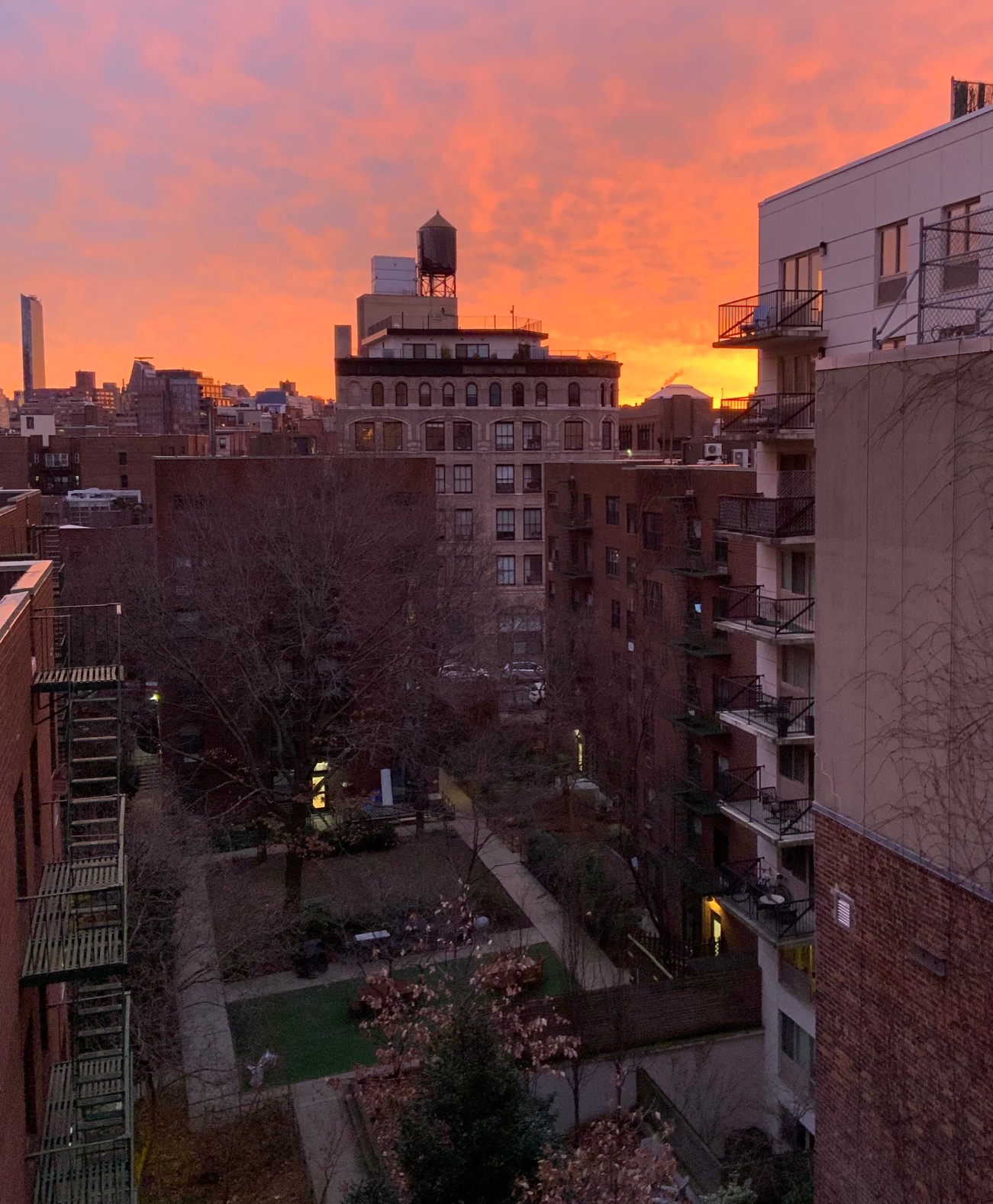
* an ongoing series of quotations – mostly from artists to artists – that offers wisdom, inspiration, and advice for the sometimes lonely road we are on.
Which left me with nothing but a dazzled heart and the sense that I live in a most remarkable world, thick with mysteries. It all called to mind the British physicist Sir Arthur Eddington’s memorable explanation of how the universe works: “Something unknown is doing we don’t know what.“
But the best part is: I don’t need to know what.
I don’t demand a translation of the unknown. I don’t need to understand what it all means, or where ideas are originally conceived, or why creativity plays out as unpredictably as it does. I don’t need to know why we are sometimes able to converse freely with inspiration, when at other times we labor hard in solitude and come up with nothing. I don’t need to know why an idea visited you today and not me. Or why it visited us both. Or why it abandoned us both.
None of us can know such things, for these are among the great enigmas.
All I know for certain is that this is how I want to spend my life – collaborating to the best of my ability with forces of inspiration that I can neither see, nor prove, nor command, nor understand.
It’s a strange line of work, admittedly.
I cannot think of a better way to pass my days.
Elizabeth Gilbert in Big Magic: Creative Living Beyond Fear
Comments are welcome!
Pearls from artists* # 506

*an ongoing series of quotations – mostly from artists, to artists – that offers wisdom, inspiration, and advice for the sometimes lonely road we are on.
Inspiration is allowed to do whatever it wants to, in fact, and it is never obliged to justify its motives to any of us. (As far as I’m concerned, we’re lucky that inspiration talks to us at all; it’s too much to ask that it also explain itself).
In the end, it’s all about violets trying to come to light.
Don’t fret about the irrationality and unpredictability of all this strangeness. Give in to it. Such is the bizarre, unearthly contract of creative living. There is no theft; there is no ownership; there is no tragedy; there is no problem. There is no time or space where inspiration comes from – and also no competition, no ego, no limitations. There is only the stubbornness of the idea itself, refusing to stop searching until it has found an equally stubborn collaborator. (Or multiple collaborators, as the case may be).
Work with that stubbornness.
Work with it as openly and trustingly and diligently as you can.
Work with all your heart, because – I promise – if you show up for your work day after day after day after day, you just might get lucky enough some random morning to burst right into bloom.
Elizabeth Gilbert in Big Magic: Creative Living Beyond Fear
Comments are welcome!
Pearls from artists* # 505
*an ongoing series of quotations – mostly from artists, to artists – that offers wisdom, inspiration, and advice for the sometimes lonely road we are on.
… I myself was once “at the top: – with a book that sat on the bestseller list for more than three years. I can’t tell you how many people said to me during those years, “How are you ever going to top that?” They’d speak of my great good fortune as though it were a curse, not a blessing, and would speculate about how terrified I must feel at the prospect of not being able to reach such phenomenal heights again.
But such thinking assumes there is a “top” – and that reaching that top (and staying there) is the only motive one has to create. Such thinking assumes that the mysteries of inspiration operate on the same scale as we do – on a limited human scale of success and failure, of winning and losing, of comparison and competition, of commerce and reputation, of units sold and influence wielded. Such thinking assumes that you must be constantly victorious – not only against your piers, but also against an earlier version of your own poor self. Most dangerously of all, such thinking assumes if you cannot win, then you must not continue to play.
But what does any of that have to do with vocation? What does any of that have to do with the pursuit of love? What does any of that have to do with the strange communion between the human and the magical? What does any of that have to do with faith? What does any of that have to do with the quiet glory of merely making things, and then sharing those things with an open heart and no expectations?
Elizabeth Gilbert in Big Magic: Creative Living Beyond Borders
Comments are welcome!
Pearls from artists* # 504

* an ongoing series of quotations – mostly from artists, to artists – that offers wisdom, inspiration, and advice for the sometimes lonely road we are on.
… if a project doesn’t work out, you can always think of it as having been a worthwhile and constructive experiment. You can resist the seductions of grandiosity, blame, and shame. You can support other people in their creative efforts, acknowledge the truth that there’s plenty of room for everyone. You can measure your worth by your dedication to your path, not by your successes or failure. You can battle your demons (through therapy, recovery, prayer, or humility) instead of battling your gifts – in part by realizing that your demons were never the ones doing the work, anyhow. You can believe that you are neither a slave to inspiration nor its master, but something far more interesting – its partner – and that the two of you are working together toward something intriguing and worthwhile. You can live a long life, moving and doing really cool things the entire time. You might earn a living with your pursuits or you might not, but you can recognize that this is not really the point. And at the end of your days, you can thank creativity for having blessed you with a charmed, interesting, passionate existence.
Elizabeth Gilbert in Big Magic: Creative Living Beyond Fear
Comments are welcome!


 barbararachkoscoloreddust.com