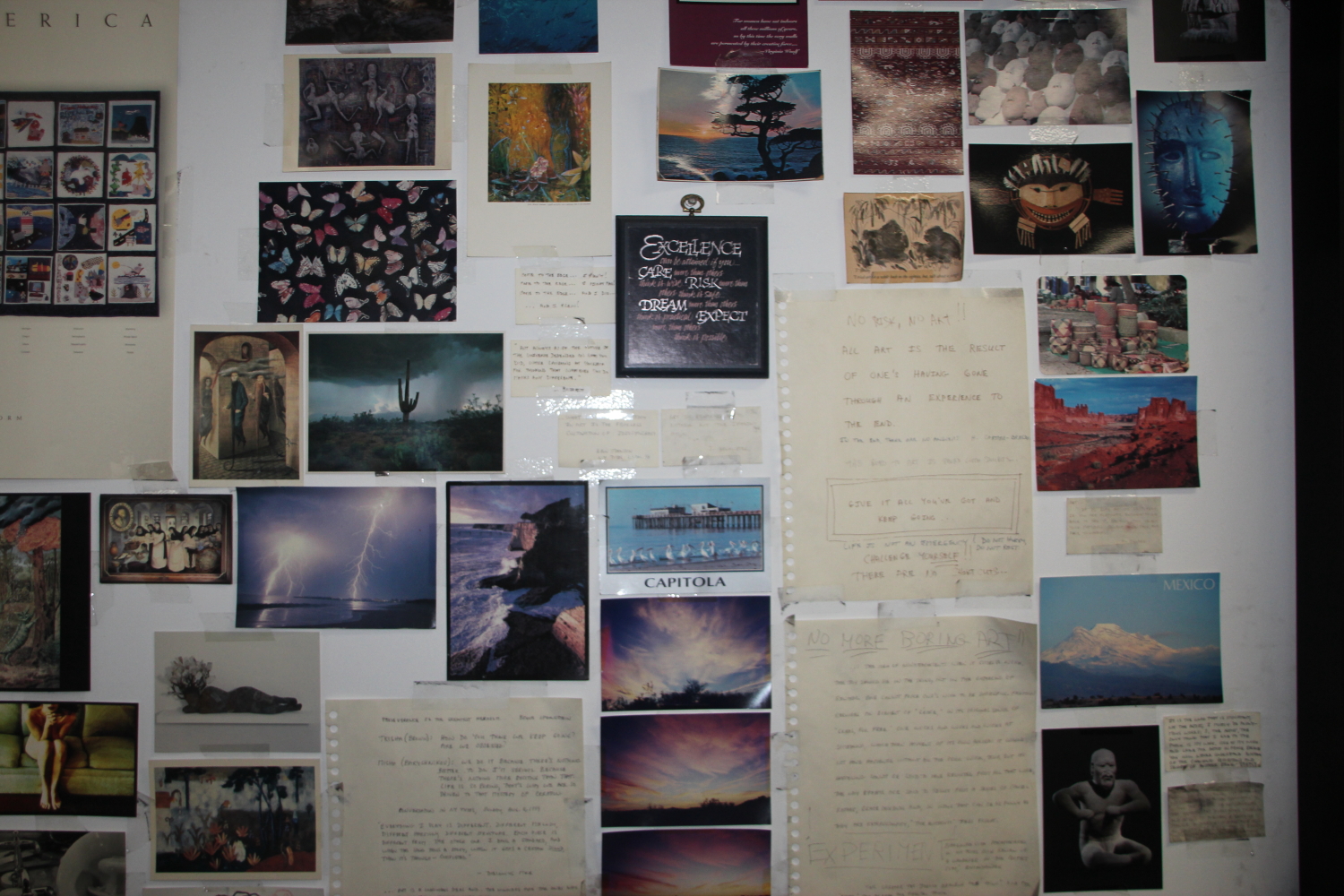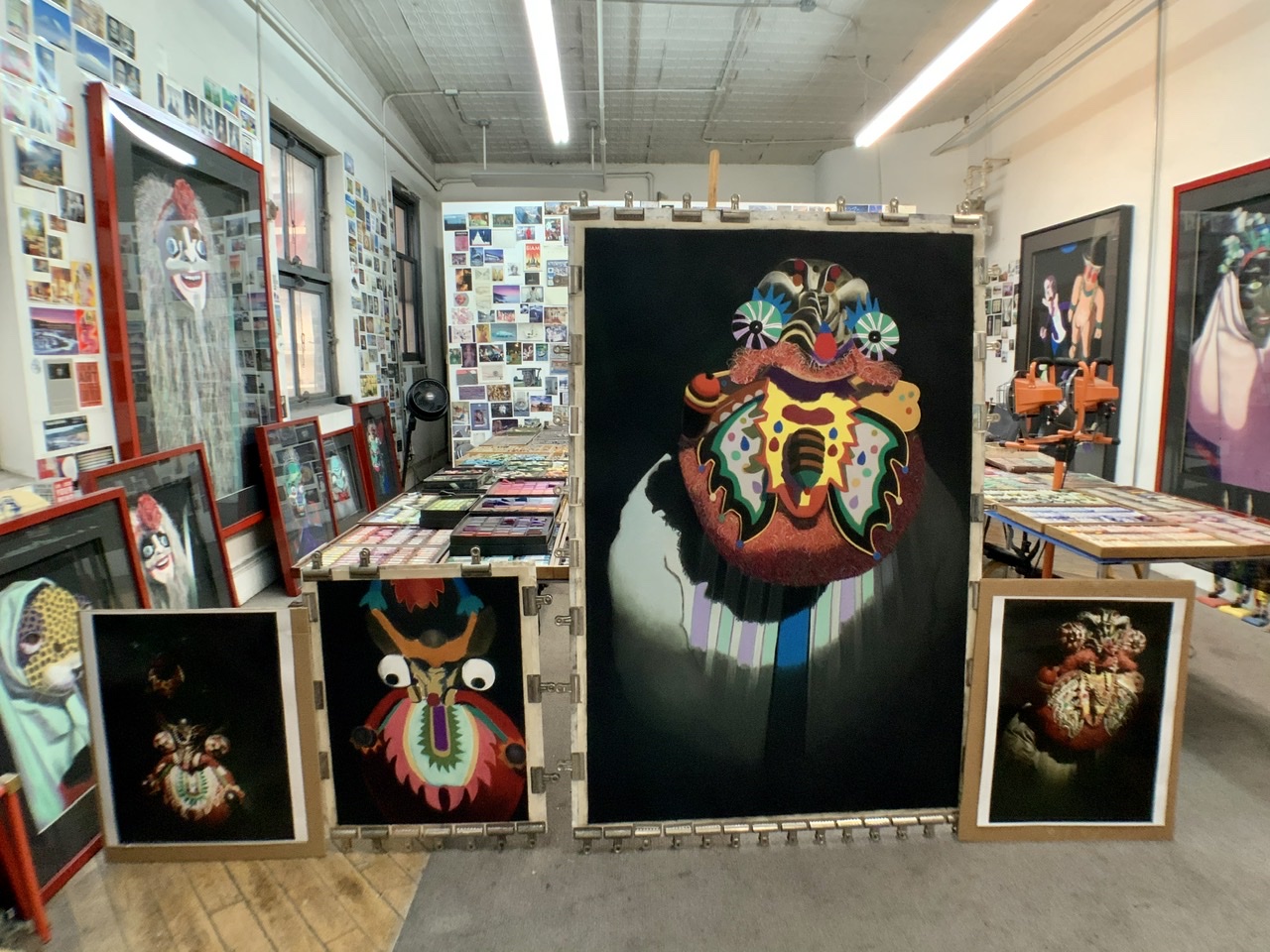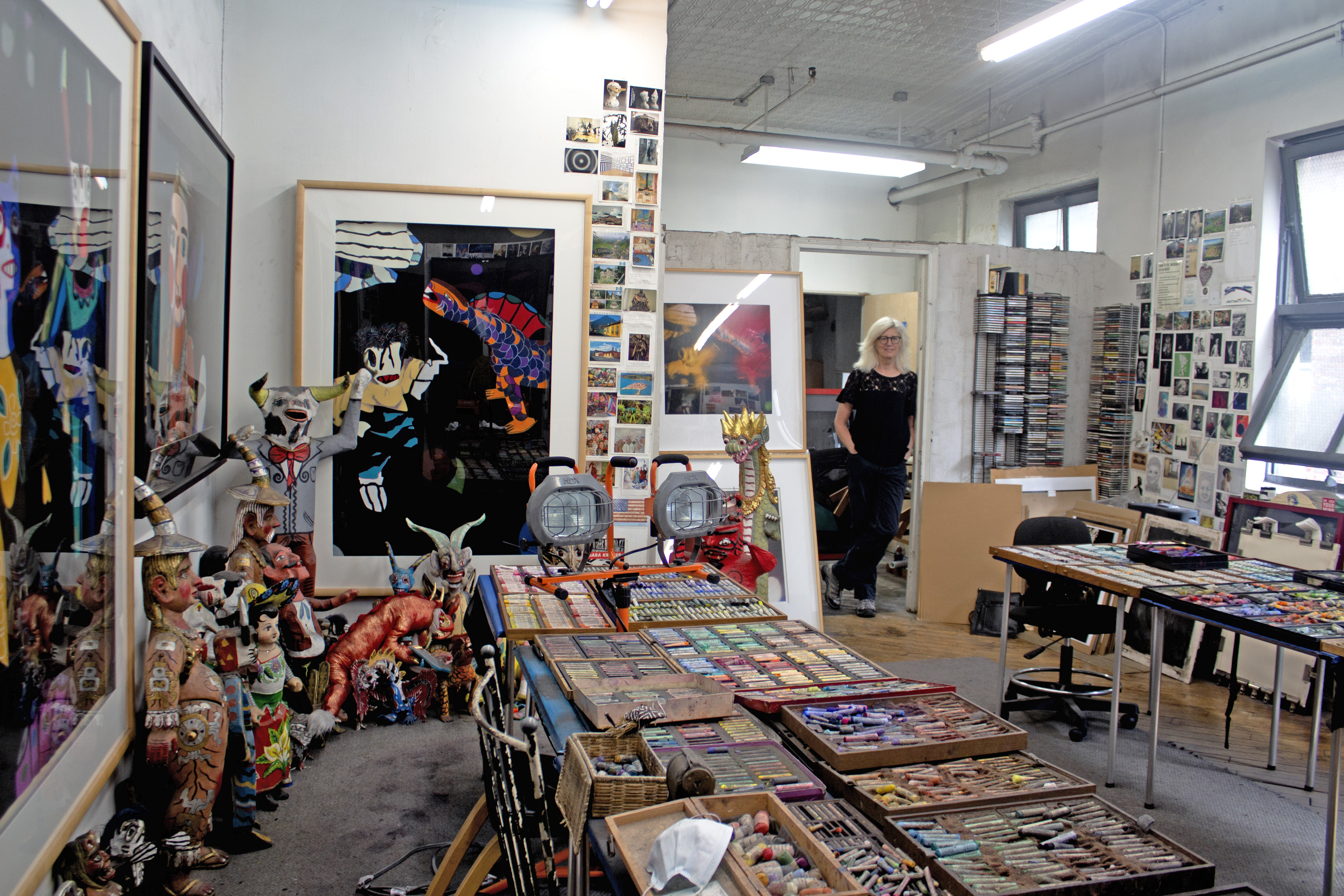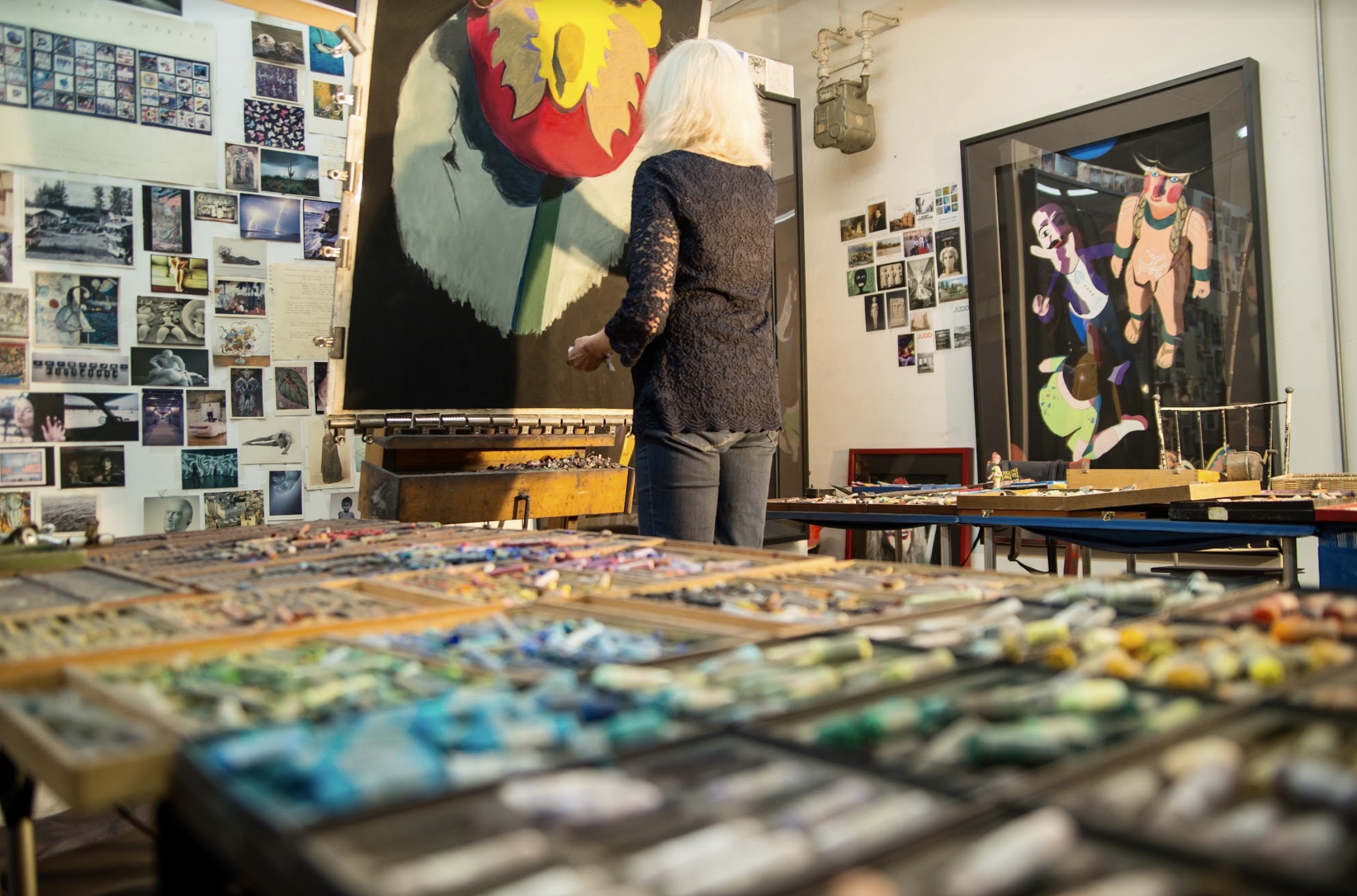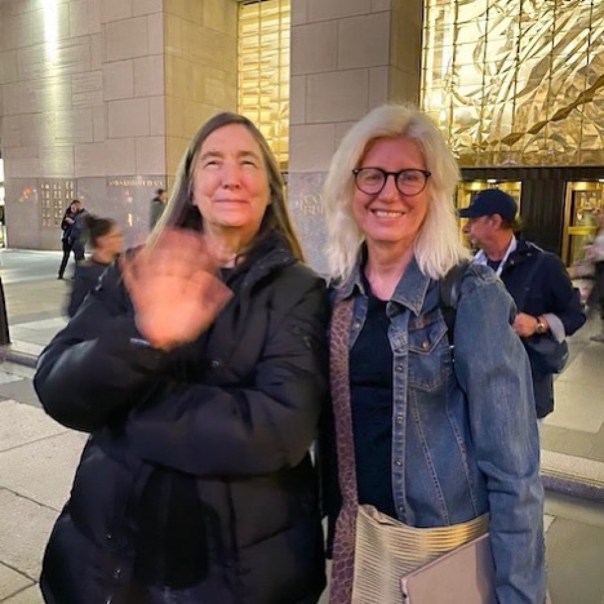
Chatting with Jenny Holzer. It looks like she did not want her picture taken, but she was actually waiving.
*an ongoing series of quotations – mostly from artists, to artists – that offers wisdom, inspiration, and advice for the sometimes lonely road we are on.
…Two positions exist, the artistic and the commercial. Between these two an abiding tension persists. The eighteenth-century American painter Gilbert Stuart complained, “What a business is that of portrait painter. He is brought a potato and is expected to paint a peach.” The artist learns that the public wants peaches, not potatoes. You can paint potatoes if you like, write potatoes, dance potatoes, and compose potatoes, you can with great and valiant effort communicate with some other potato-eaters and peach-eaters. In so doing you contribute to the world’s reservoir of truth and beauty. But if you won’t give the public peaches, you won’t be paid much.
Repeatedly artists take the heroic potato position. They want their work to be good, honest, powerful – and only then successful. They want their work to be alive, not contrived and formulaic. As the Norwegian painter Edvard Munch put it: “No longer shall I paint interiors, and people reading, and women knitting. I shall paint living people, who breathe and feel and suffer and love.”
The artist is interested in the present and has little desire to repeat old, albeit successful formulas. As the painter Jenny Holzer put it, “I could do a pretty good third generation-stripe painting, but so what?
The unexpected result of the artist’s determination to do his [sic] own best art is that he is put in an adversarial relationship with the public. In that adversarial position he comes to feel rather irrational for what rational person would do work that’s not wanted?
…Serious work not only doesn’t sell well, it’s also judged by different standards. If the artist writes an imperfect but commercial novel it is likely to be published and sold. If his screenplay is imperfect but commercial enough it may be produced. If it is imperfect and also uncommercial it will not be produced. If his painting is imperfect but friendly and familiar it may sell well. If it is imperfect and also new and difficult, it may not sell for decades, if ever.
Ironically enough, the artist attempting serious work must also attain the very highest level of distinction possible. He must produce Crime and Punishment and The Brothers Karamazov but not also The Insulted and Injured or A Raw Youth, two of Dostoevsky’s nearly unknown novels. He is given precious little space in this regard.
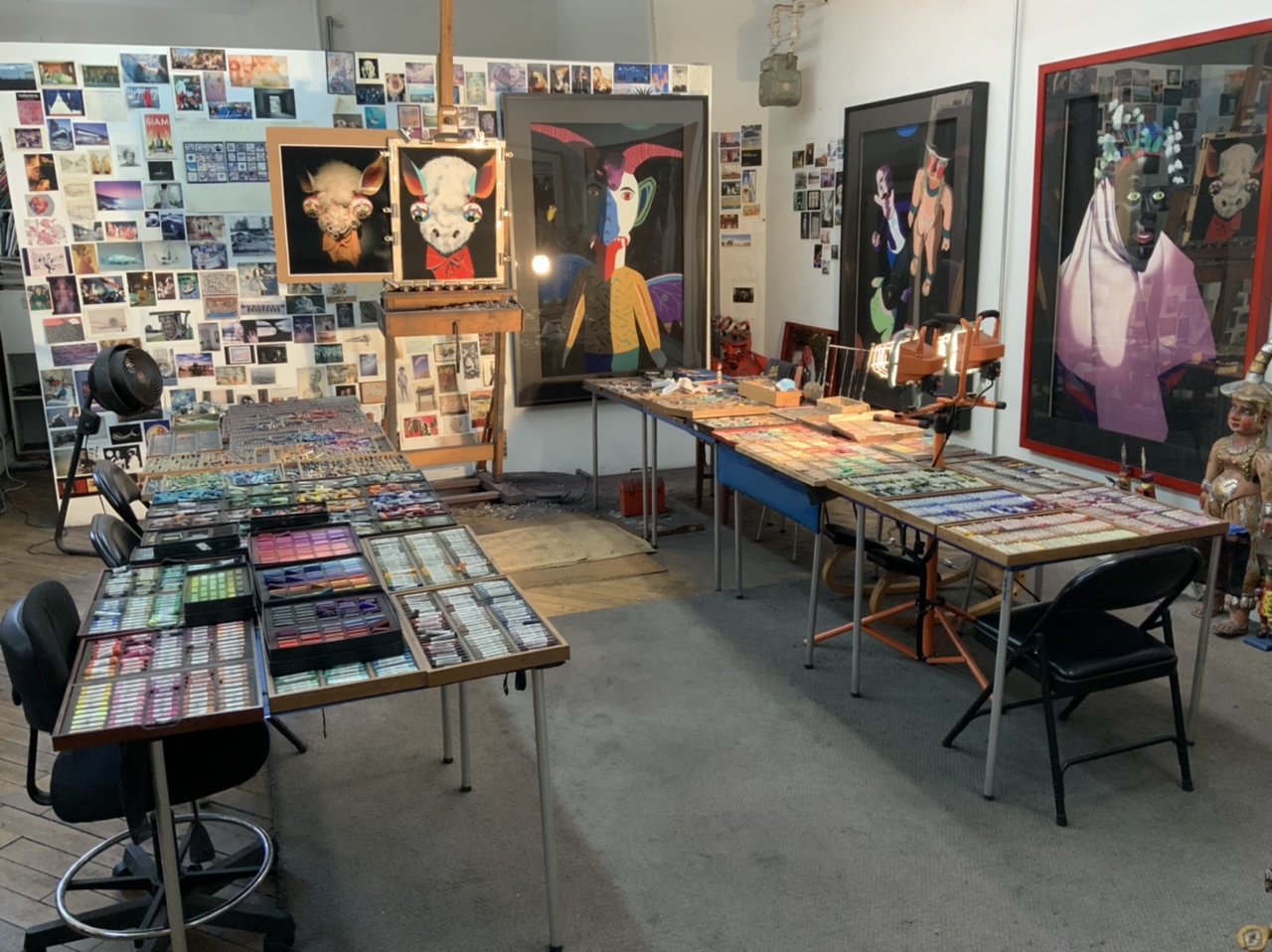
I daresay, this last is why I devote my life to creating the most unique, technically advanced pastel paintings anyone will see!
Eric Maisel, A Life in the Arts: Practical Guidance and Inspiration for Creative and Performing Artists
Comments are welcome!
Posted in 2020, An Artist's Life, Art Business, Inspiration, Pearls from Artists, Quotes, Studio
Tags: "A LIfe in the Arts: Practical Guidance and Inspiration for Creative and Performing Artists", "A Raw Youth", "Crime and Punishment", "The Brothers Karamazov", "The Insulted and Injured", abiding, advanced, adversarial, artist, attain, attempting, beauty, breathe, business, chatting, commercial, communicate, complained, compose, contribute, contrived, daresay, decades, desire, determination, devote, different, difficult, distinction, Dostoevsky, eaters, Edvard Munch, effort, eighteenth-century, enough, Eric Maisel, familiar, formulaic, formulas, friendly, Gilbert Stuart, heroic, highest, honest, imperfect, interested, interiors, ironically, irrational, Jenny Holzer, judged, knitting, learns, little, living, longer, nearly, Norwegian, novels, painter, painting, pastel paintings, peaches, people, persists, person, picture, portrait painter, position, possible, potato, powerful, precious, present, produced, public, published, rational, reading, regard, relationship, repeat, repeatedly, reservoir, result, screenplay, serious, standards, Studio, successful, suffer, technically, tension, uncommercial, unexpected, unique, unknown, valiant, waiving, wanted, writes