Blog Archives
Pearls from artists* # 204
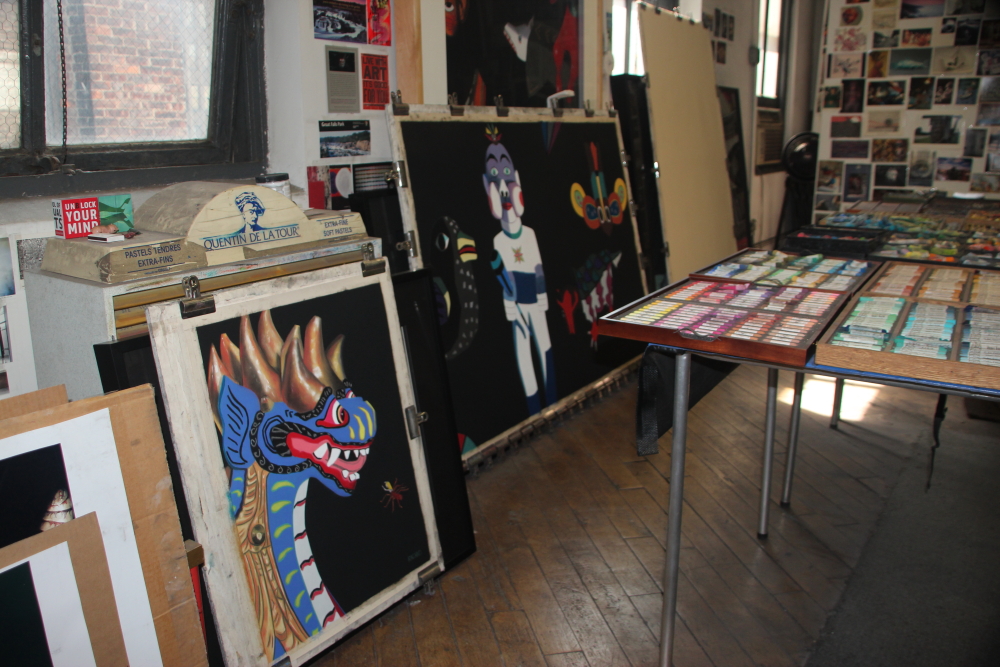
Barbara’s studio with work in progress
* an ongoing series of quotations – mostly from artists, to artists – that offers wisdom, inspiration, and advice for the sometimes lonely road we are on.
It has been said that science helps us understand what we can do; the arts and humanities – our culture and values – help us decide what to do. Studying the arts and humanities develops critical-thinking skills and nimble habits of mind, provides historical and cultural perspective and fosters the ability to analyze, synthesize and communicate.
As author Daniel Pink observed, “The last few decades have belonged to a certain kind of person with a certain kind of mind – computer programmers who could crank code, lawyers who could craft contracts, MBAs who could crunch numbers… The future belongs to a very different kind of mind – creators and empathizers, pattern recognizers and meaning makers. These people – artists, inventors, designers, storytellers, caregivers, consolers, big-picture thinkers – will now reap society’s richest rewards and share its greatest joys.”
David J. Skorton, Director of the Smithsonian Institution in “What Do We Value?” Museum, May/June 2016
Comments are welcome!
Pearls from artists* # 159
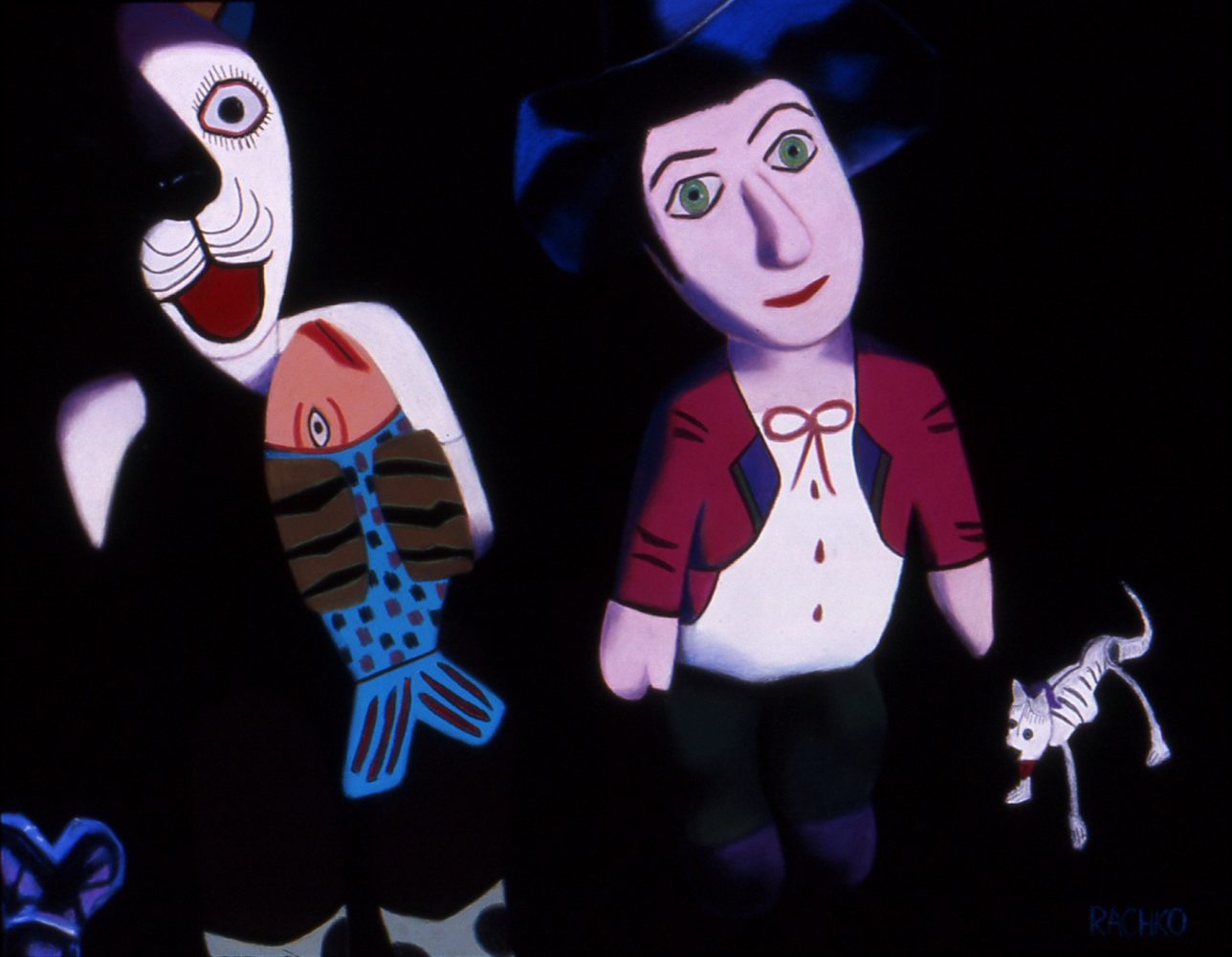
“Offering,” soft pastel on sandpaper, 20″ x 26″
* an ongoing series of quotations – mostly from artists, to artists – that offers wisdom, inspiration, and advice for the sometimes lonely road we are on.
We, the artists who are meant to provide art and teach the importance of beauty, have not yet been able to educate the public to know the difference between beauty and ugliness. .. It’s time to make sure artists with good intentions are ready to be taken seriously and to gain back their noble respectful place in culture. We should be ready with our own high standard of art for the new era, in which art patrons and a society that are more informed than ever will be thoughtfully critical and will expect everything from artists they support – talent, knowledge, skill and experience.
Samuel Adoquei in Origin of Inspiration: Seven Short Essays for Creative People
Comments are welcome!
Q: Would you speak about your first trip to Mexico?
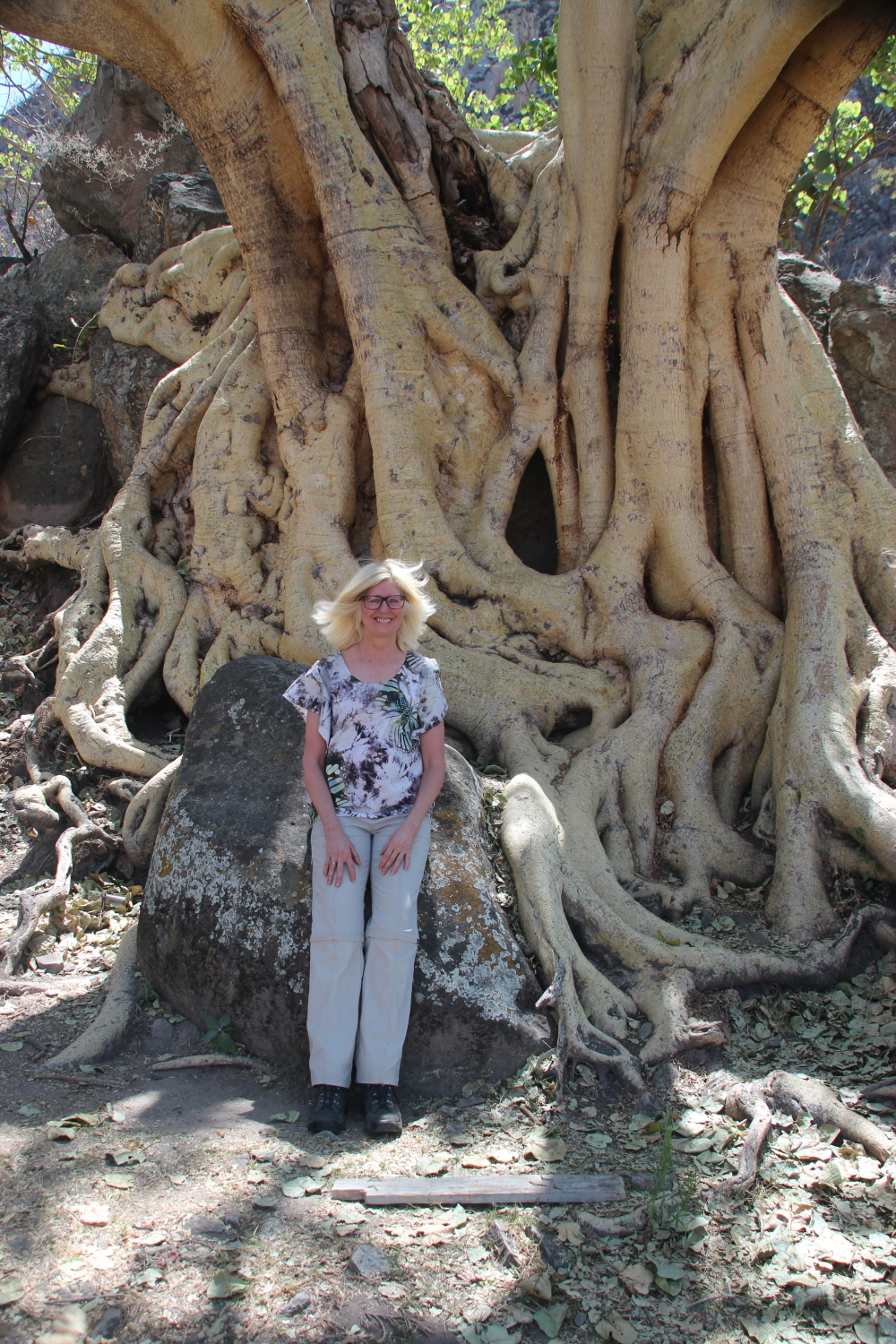
With an amate tree at Chalcatzingo
A: In the early 90’s my late husband, Bryan, and I made our first trip to Oaxaca and to Mexico City. At the time I had become fascinated with the Mexican “Day of the Dead” celebrations so our trip was timed to see them firsthand. Along with busloads of other tourists, we visited several cemeteries in small Oaxacan towns. The indigenous people tending their ancestor’s graves were so dignified and so gracious, even with so many mostly-American tourists tromping around on a sacred night, that I couldn’t help being taken with these beautiful people and their beliefs. From Oaxaca we traveled to Mexico City, where again I was entranced, but this time by the rich and ancient history. On that first trip to Mexico we visited the National Museum of Anthropology, where I was introduced to the fascinating story of ancient Mesoamerican civilizations (it is still one of my favorite museums in the world); the ancient city of Teotihuacan, which the Aztecs discovered as an abandoned city and then occupied as their own; and the Templo Mayor, the historic center of the Aztec empire, infamous as a place of human sacrifice. I was astounded! Why had I never learned in school about Mexico, this highly developed cradle of Western civilization in our own hemisphere, when so much time had been devoted to the cultures of Egypt, Greece, and elsewhere? When I returned home to Virginia I began reading everything I could find about ancient Mexican civilizations, including the Olmec, Zapotec, Mixtec, Aztec, and Maya. This first trip to Mexico opened up a whole new world and was to profoundly influence my future work. I would return there many more times, most recently this past March to study Olmec art and culture.
Comments are welcome!
Pearls from artists* # 91
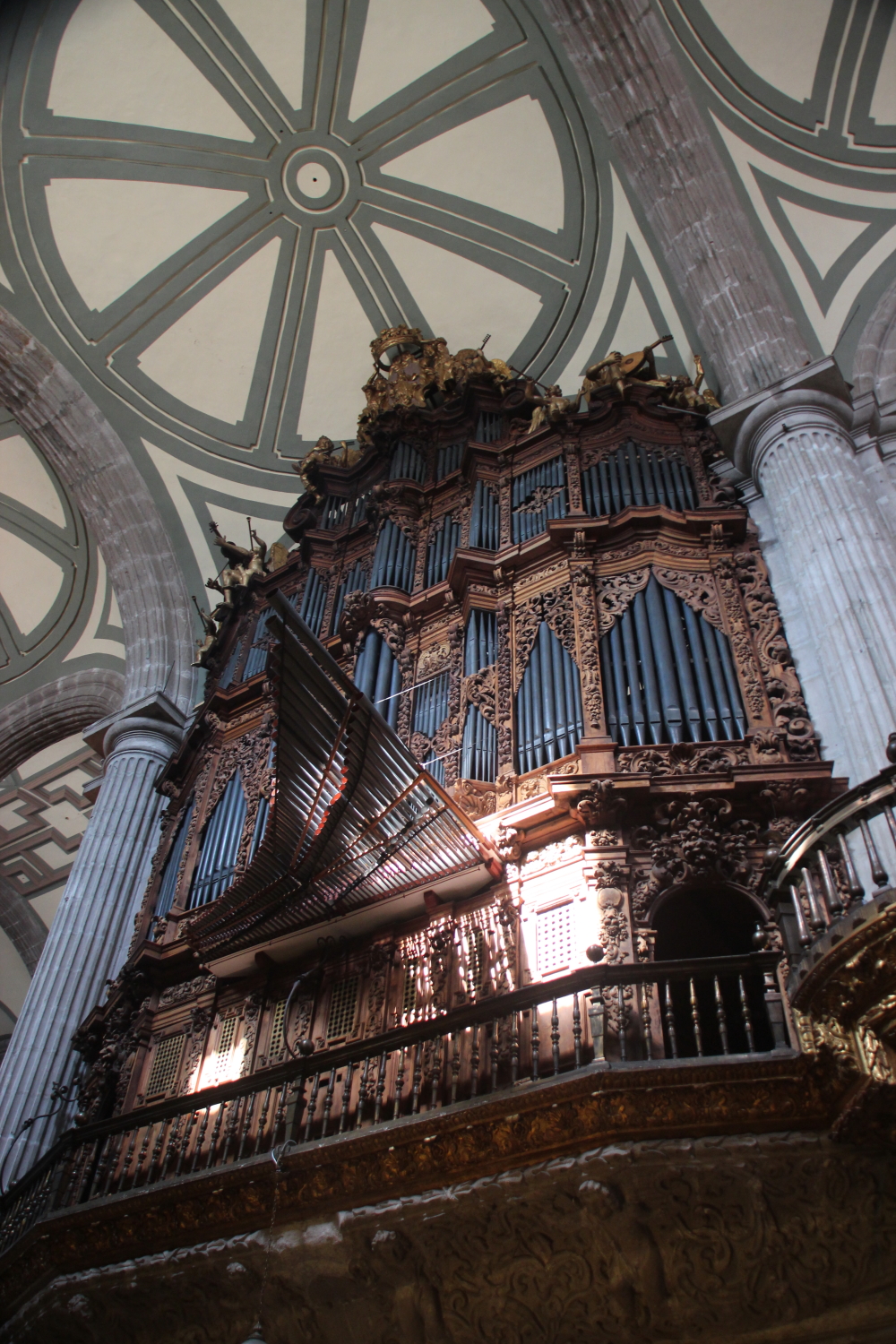
Mexico City
* an ongoing series of quotations – mostly from artists, to artists – that offers wisdom, inspiration, and advice for the sometimes lonely road we are on.
I’m struggling a lot financially, struggling a lot to keep my group going, struggling to keep going in every way, but I feel like I try so hard because every time that I’m able to go to a college or to be with young people they need to know that there is this “anything is possible” idea. They need to at least see that. I intend to continue nevertheless. Somehow that seems very important right now. It isn’t that you go to school just to find out everything you need to get a job or something. We never thought of what we did as a job. We thought of it as our work, our life. Then there was a certain point, I think, in the eighties where people thought of their identity as this and then what you did was a job. There was a separation between the two things.
I pray that now there will be some loosening and we’ll feel this sense of, just as you said so beautifully, space and breath. No one’s breathing. That’s why I feel that doing art is so important. It makes you dig in your heels even more. It’s a life-and-death kind of thing. What is the other alternative? The other alternative is that you’re living in a culture that’s basically trying to distract you from the moment. It’s trying to distract you from your life. It’s trying to distract you from who you are, and it’s trying to numb you, and it’s trying to make you buy things. Now, I don’t really think that that’s what life is about. I’m excited because now I have this real sense that there’s this counterculture, you could say, or counter-impulse. it’s not for-and-against, but there is a kind of dialectic where there’s a kind of resistance you can actually hit against, or at least address in one way or the other.
Meredith Monk quoted in Conversations with Anne: Twenty-four Interviews, by Anne Bogart
Comments are welcome!
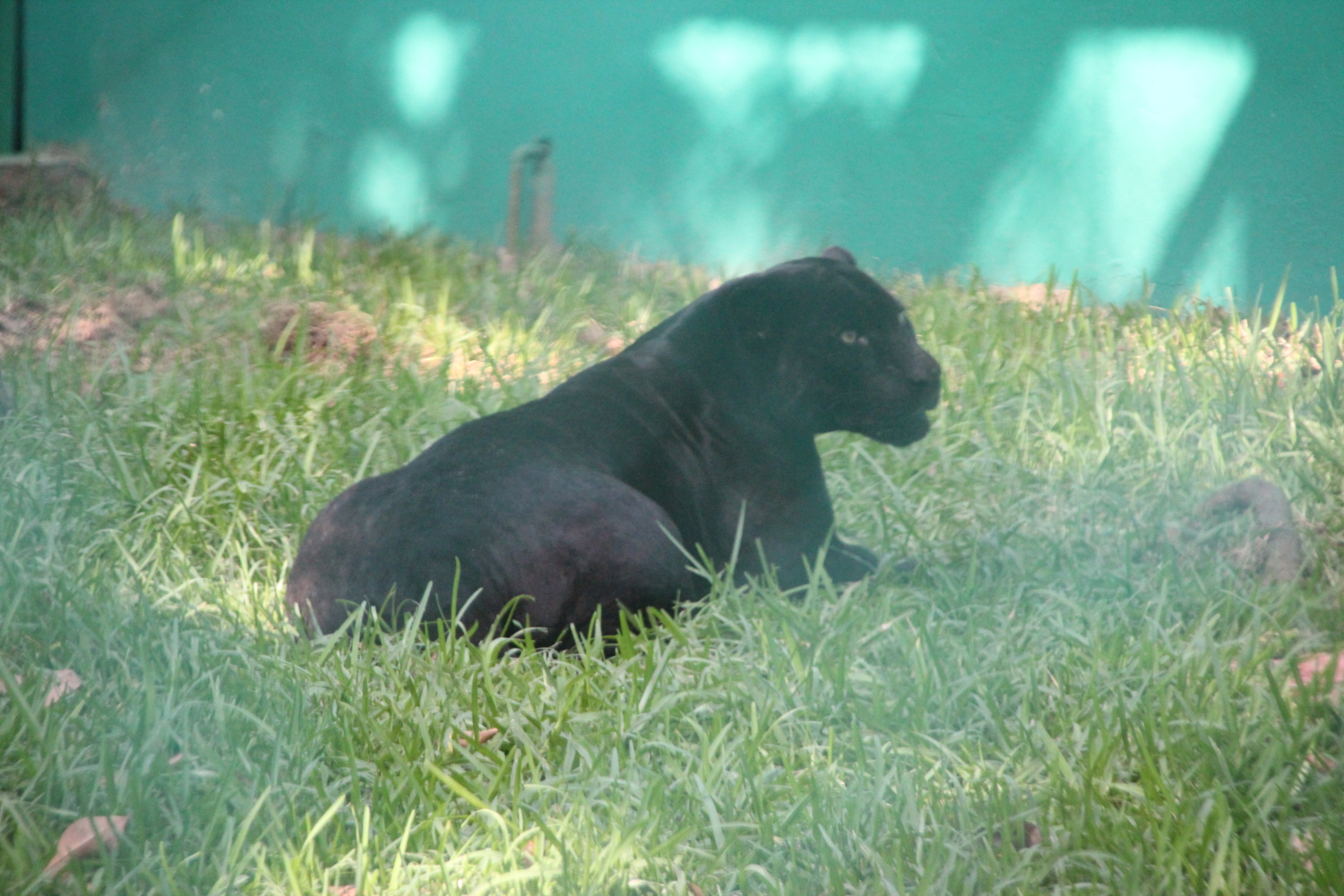
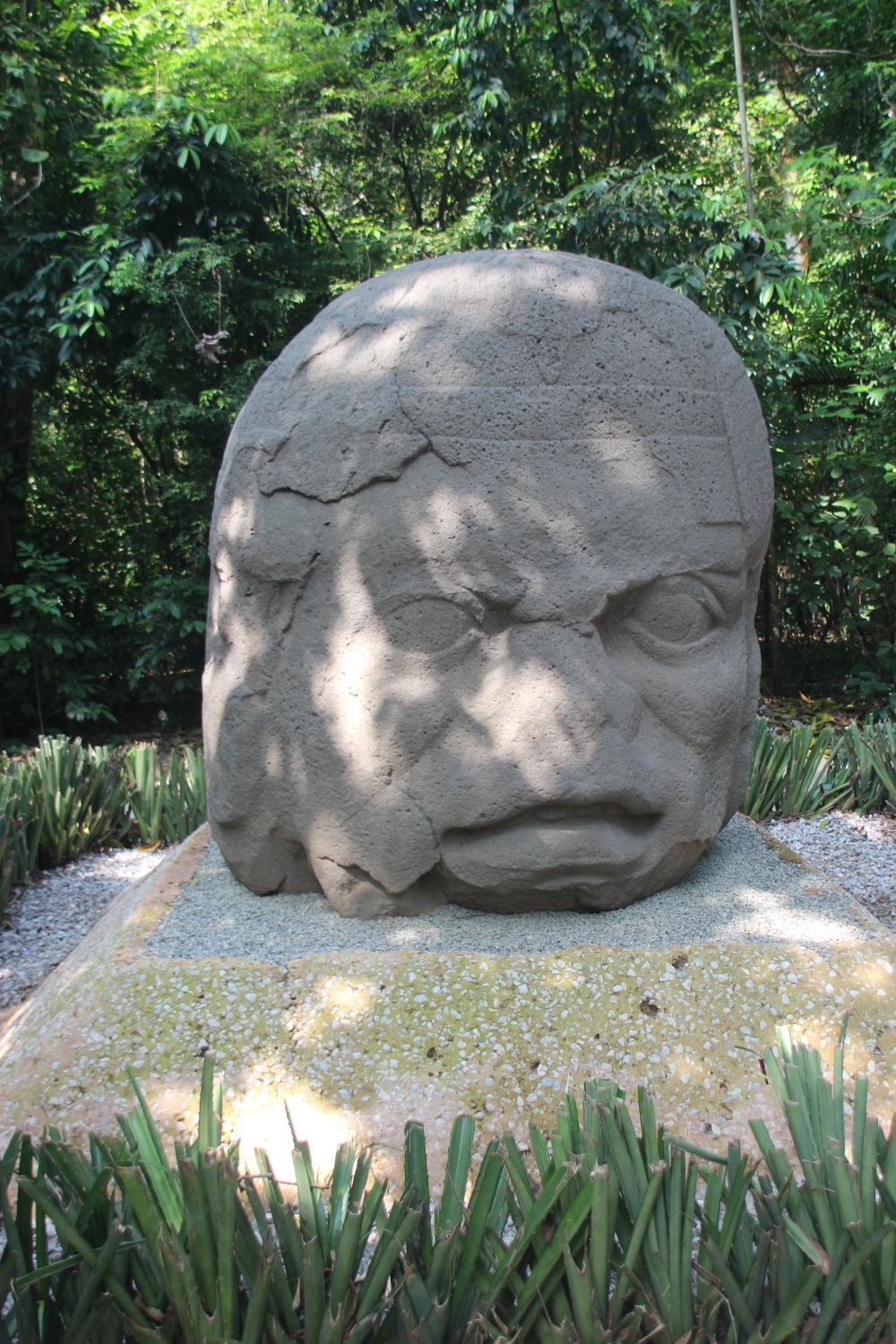
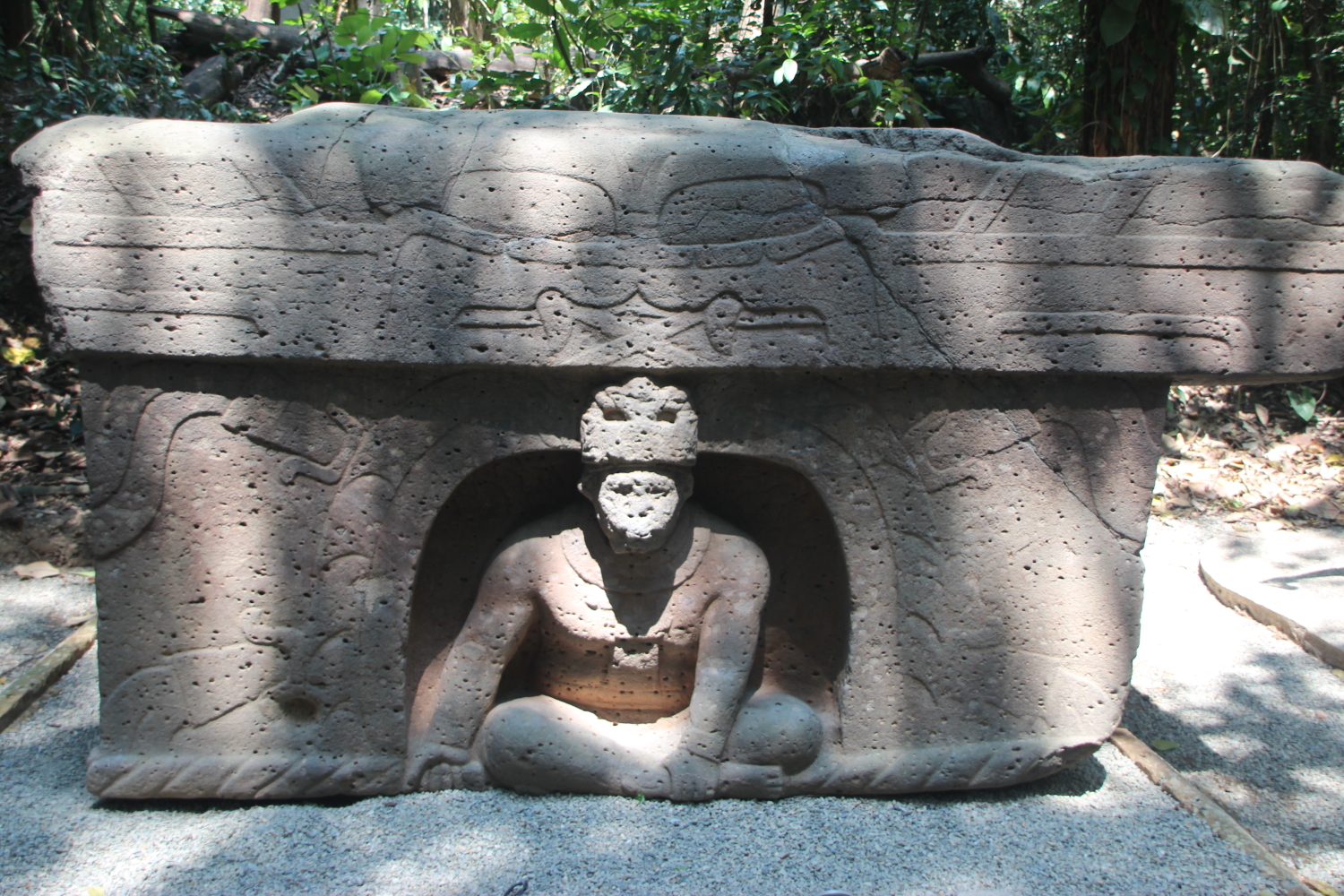
Q: Reconnecting with an important source of inspiration, you recently traveled to the Gulf Coast of Mexico to study Olmec art and culture. Would you share some of your photographs?
Parque Museo La Venta, Villahermosa
Parque Museo La Venta, Villahermosa
Parque Museo La Venta, Villahermosa
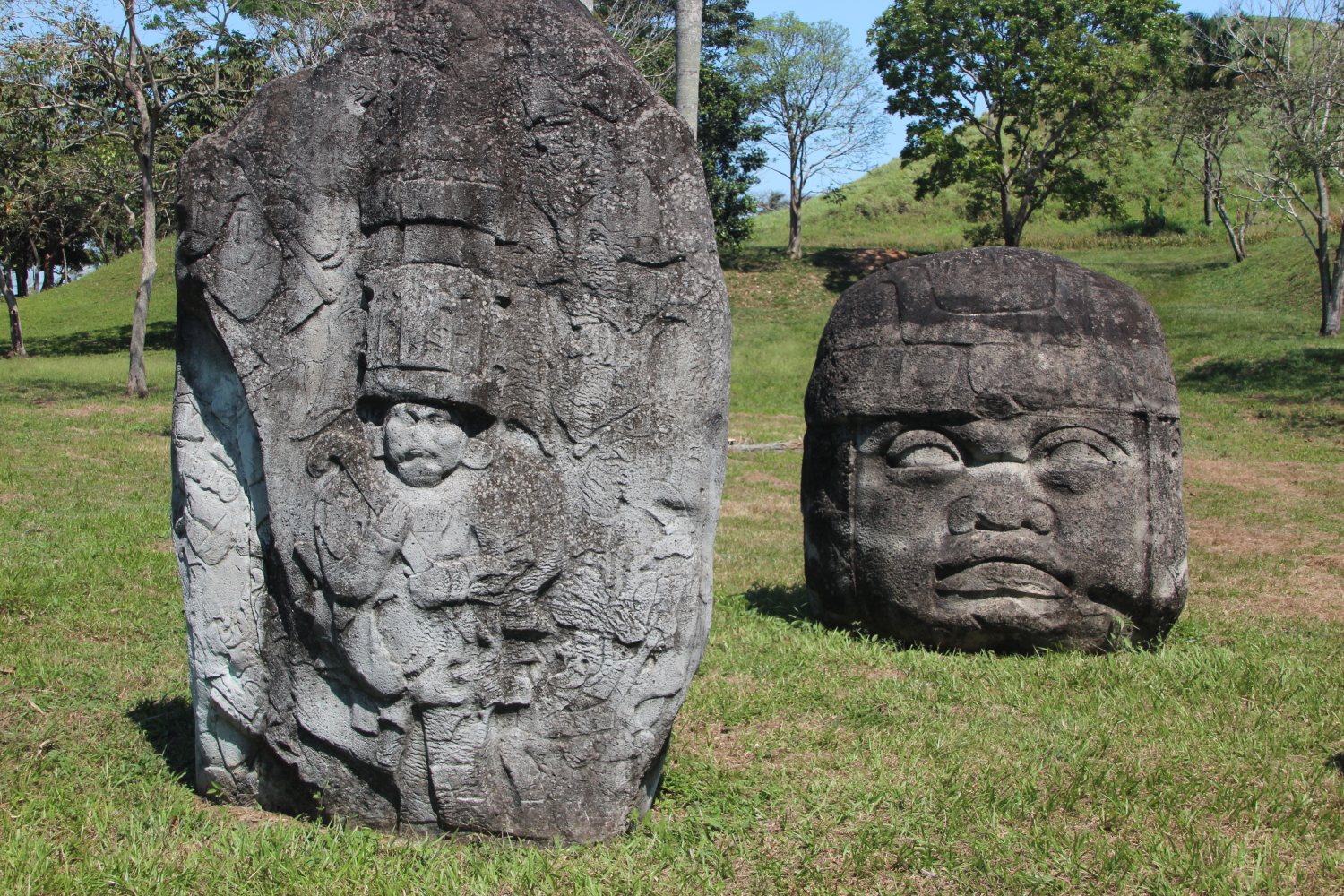
La Venta
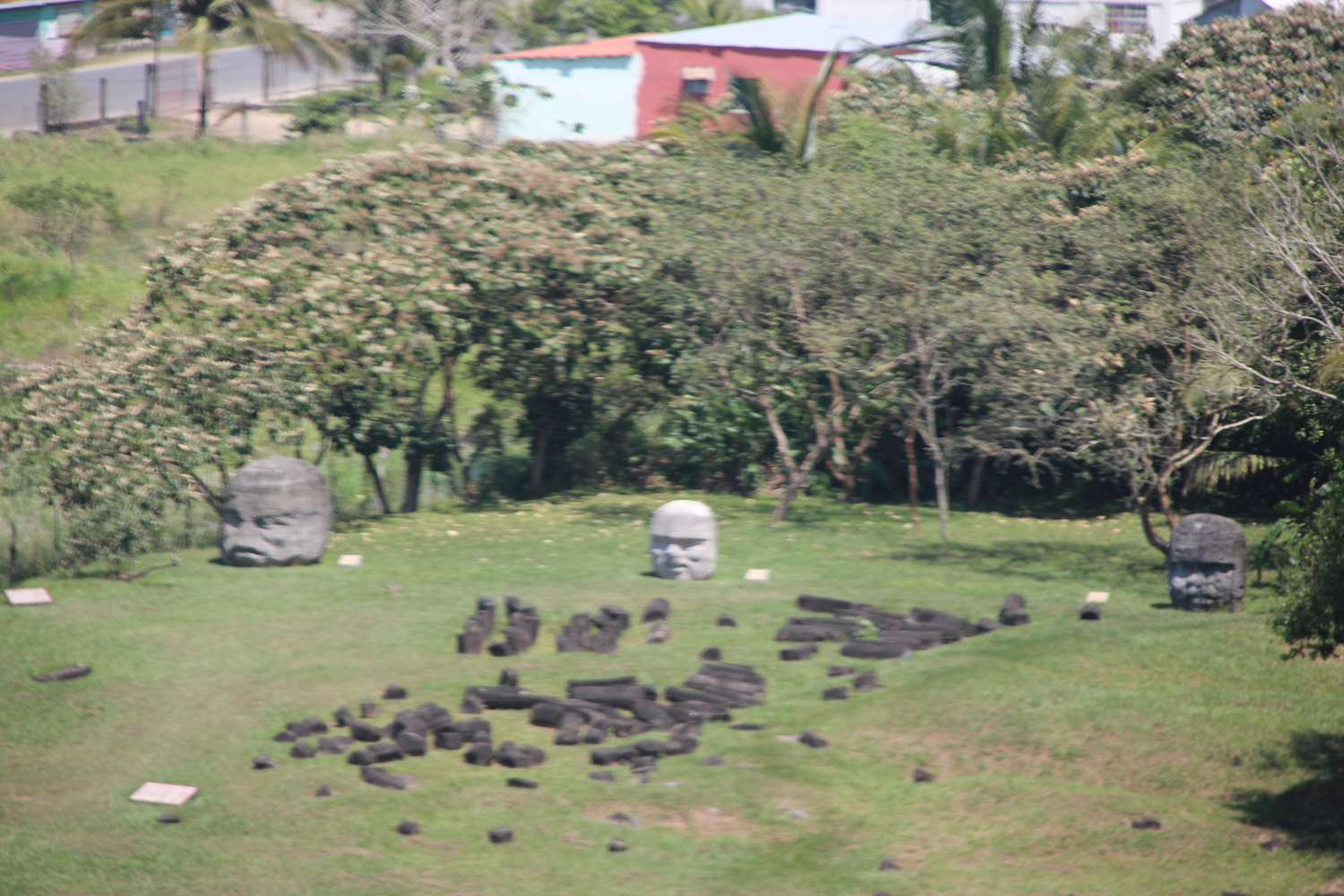
La Venta
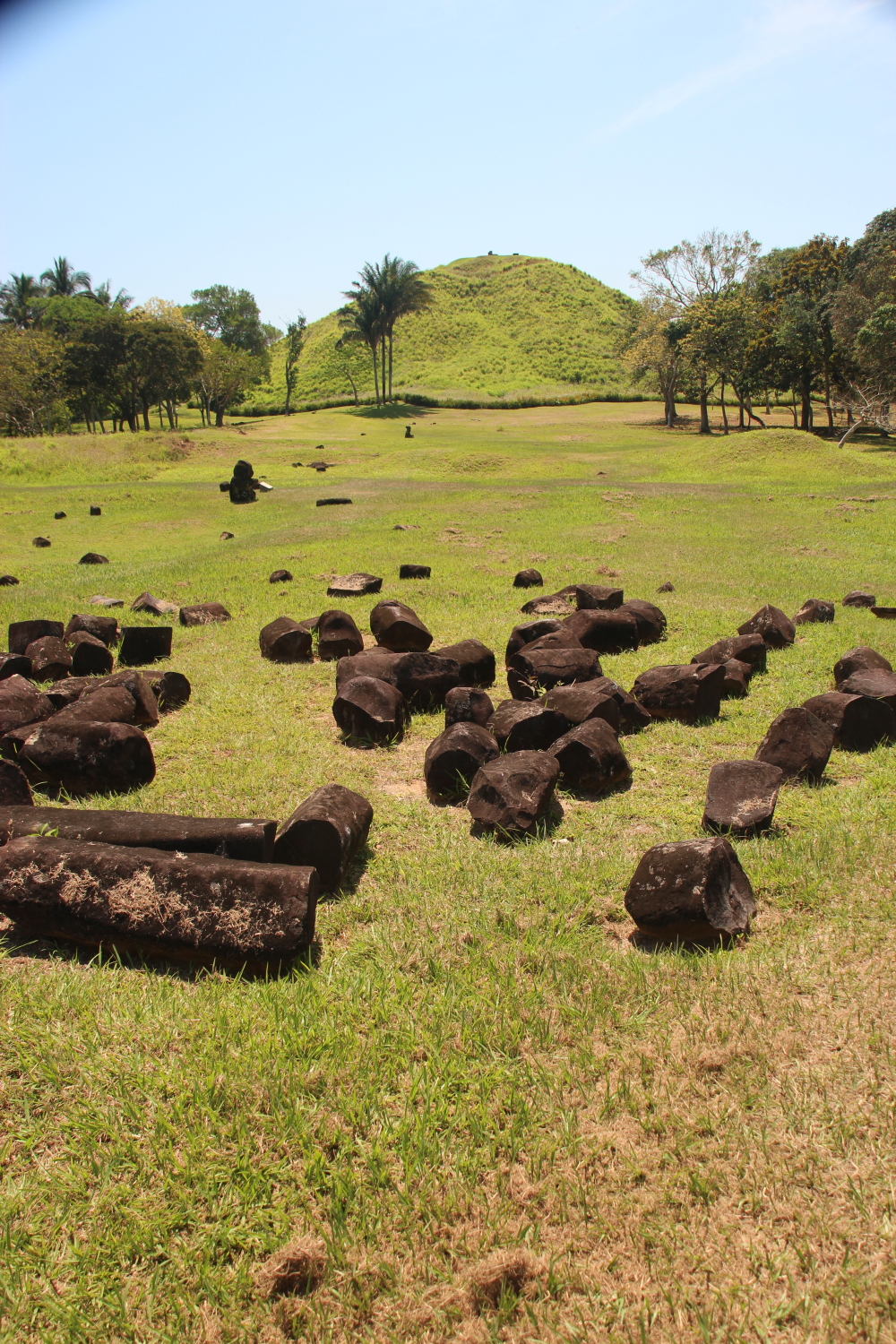
La Venta
Comments are welcome!
Pearls from artists* # 81
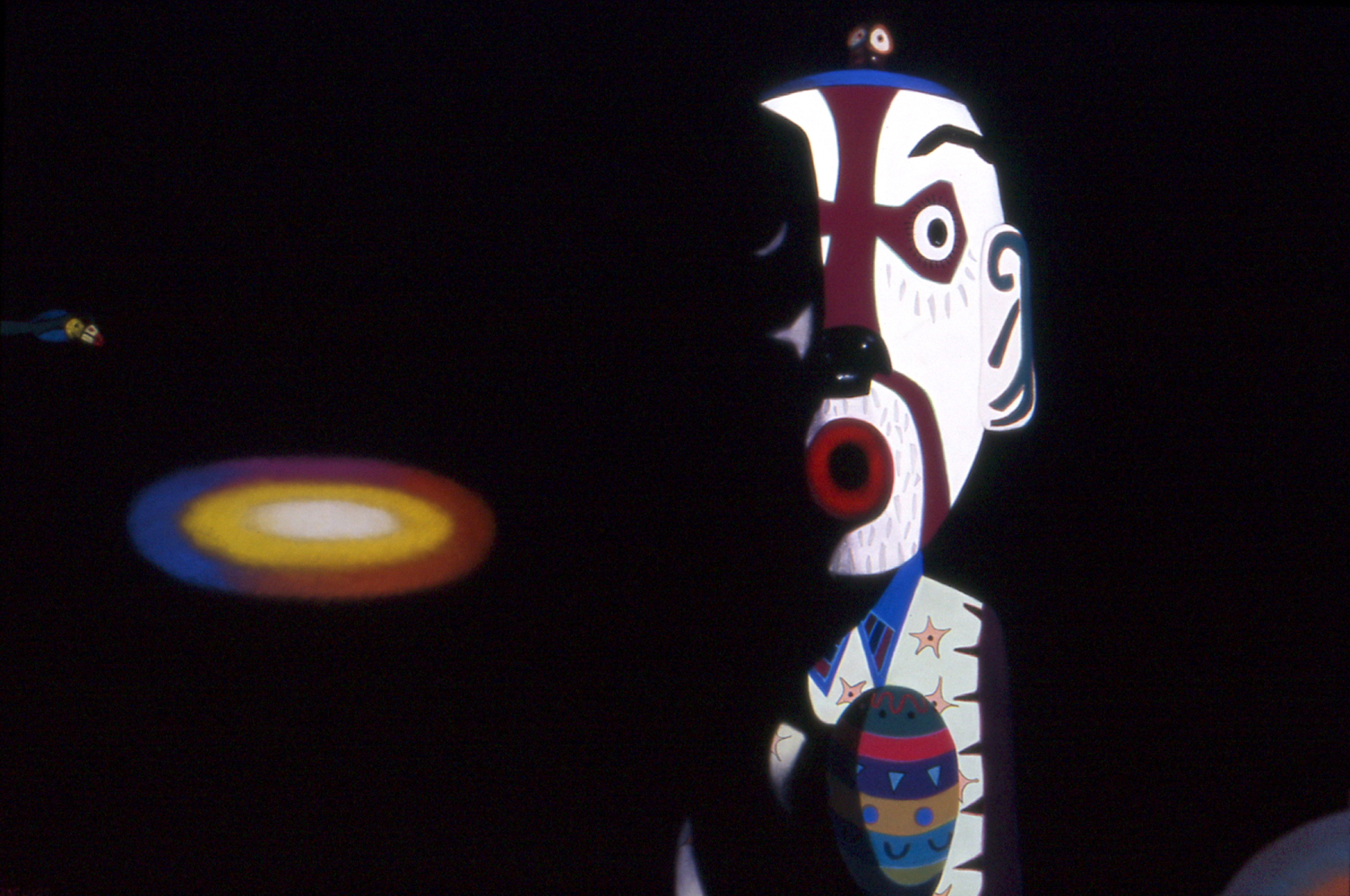
“Poker Face,” soft pastel on sandpaper, 38″ x 58″
* an ongoing series of quotations – mostly from artists, to artists – that offers wisdom, inspiration, and advice for the sometimes lonely road we are on.
The creative process remains as baffling and unpredictable to me today as it did when I began my journey over forty years ago. On the one hand, it seems entirely logical – insight building on insight; figures from my past, the culture, and everyday life sparking scenes and images on canvas; and all of it – subject, narrative, theme – working together with gesture, form, light to capture deeply felt experience. But in real time the process is a blur, a state that precludes consciousness or any kind of rational thinking. When I’m working well, I’m lost in the moment, painting quickly and intuitively, reacting to forms on the canvas, allowing their meaning to reveal itself to me. In every painting I make I’m looking for some kind of revelation, something I didn’t see before. If it surprises me, hopefully it will surprise the viewer, too.
Eric Fischl and Michael Stone in Bad Boy: My Life On and Off the Canvas
Comments are welcome!
Q: What’s the point of all of this? Shouldn’t we be discussing how to end poverty or promote world peace? What can art do?
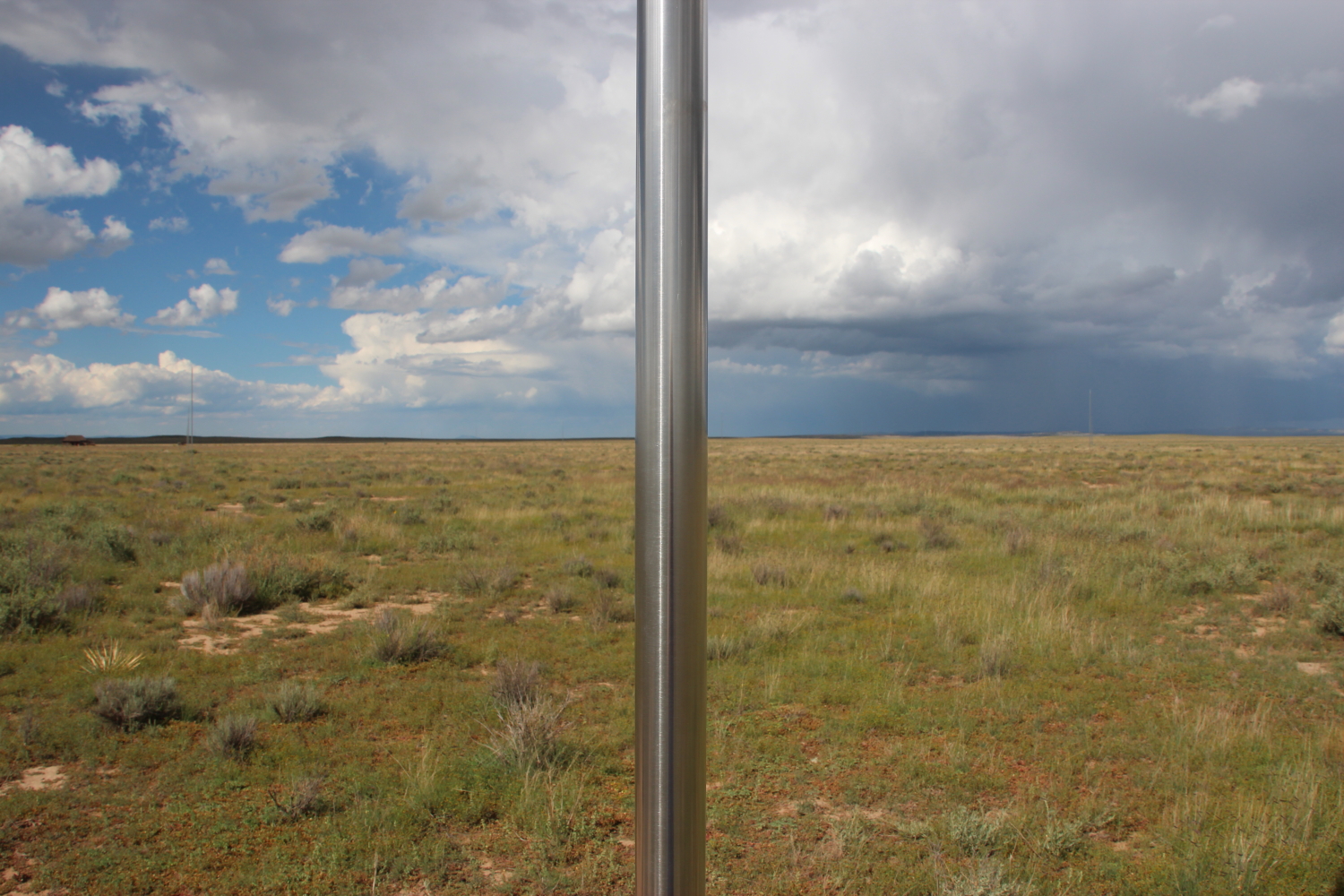
Lightning Field, Quemado, NM
A: I happen to recently have read an inspiring book by Anne Bogart, the theater director. It’s called, “and then you act: making art in an unpredictable world” and she talks about such issues. I’ll quote her wise words below:
“Rather than the experience of life as a shard, art can unite and connect the strands of the universe. When you are in touch with art, borders vanish and the world opens up. Art can expand the definition of what it means to be human. So if we agree to hold ourselves to higher standards and make more rigorous demands on ourselves, then we can say in our work, ‘We have asked ourselves these questions and we are trying to answer them, and that effort earns us the right to ask you, the audience, to face these issues, too.’ Art demands action from the midst of the living and makes a space where growth can happen.
One day, particularly discouraged about the global environment, I asked my friend the playwright Charles L. Mee, Jr., ‘How are we supposed to function in these difficult times? How can we contribute anything useful in this climate?’ ‘Well,’ he answered, ‘You have a choice of two possible directions. Either you convince yourself that these are terrible times and things will never get better and so you decide to give up, or, you choose to believe that there will be a better time in the future. If that is the case, your job in these dark political and social times is to gather together everything you value and become a transport bridge. Pack up what you cherish and carry it on your back to the future.'”
“… In the United States, we are the targets of mass distraction. We are the objects of constant flattery and manufactured desire. I believe that the only possible resistance to a culture of banality is quality. To me, the world often feels unjust, vicious, and even unbearable. And yet, I know that my development as a person is directly proportional to my capacity for discomfort. I see pain, destructive behavior and blindness of the political sphere. I watch wars declared, social injustices that inhabit the streets of my hometown, and a planet in danger of pollution and genocide. I have to do something. My chosen field of action is the theater.”
Comments are welcome!
Pearls from artists* # 53
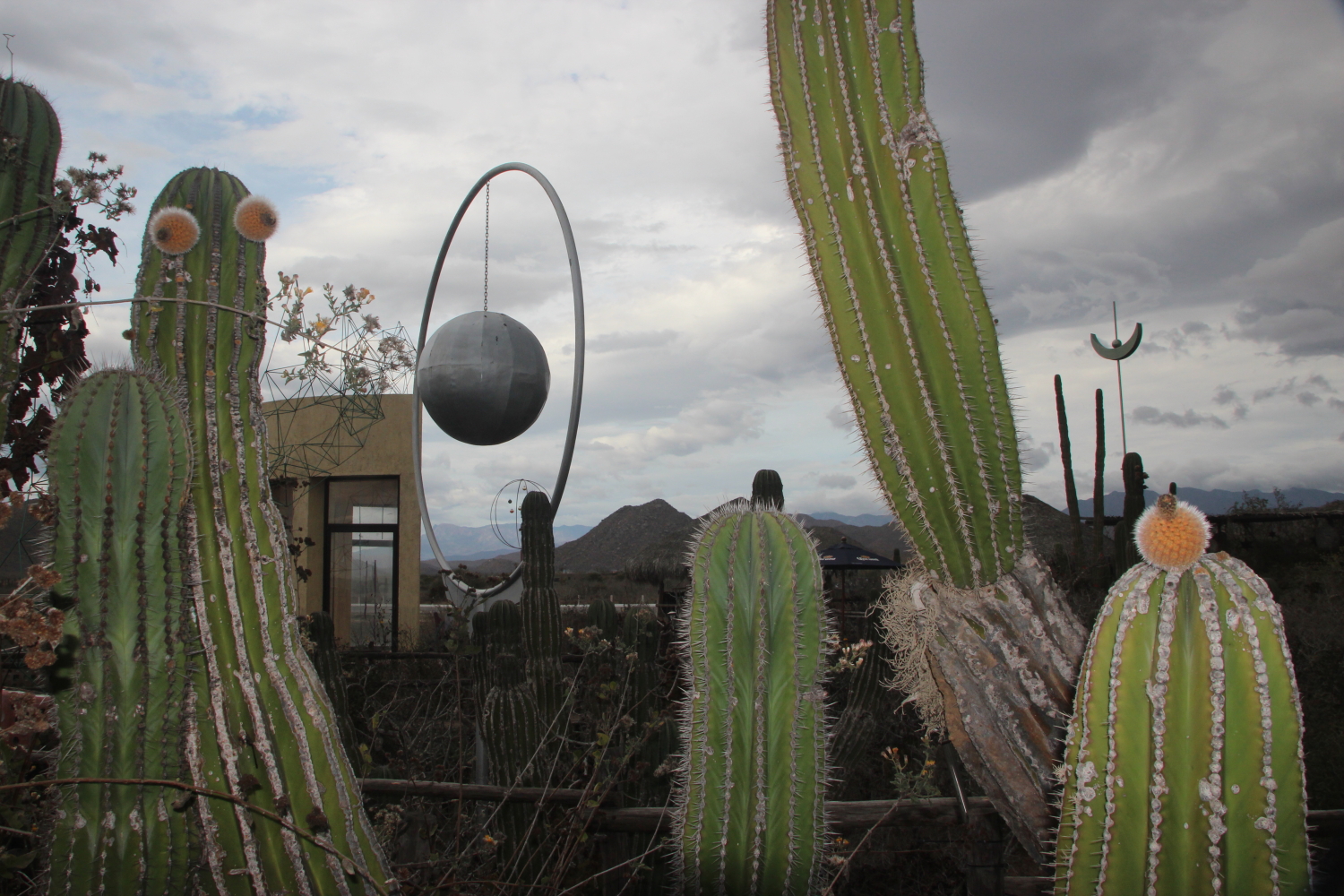
“Art and Beer,” a roadside bar and sculpture garden in Baja del Sur, Mexico
* an ongoing series of quotations – mostly from artists, to artists – that offers wisdom, inspiration, and advice for the sometimes lonely road we are on.
We do treat books surprisingly lightly in contemporary culture. We’d never expect to understand a piece of music on one listen, but we tend to believe we’ve read a book after reading it just once. Books and music share more in terms of resonance than just a present-tense correlation of heard note to read word. Books need time to draw us in, it takes time to understand what makes them, structurally, in thematic resonance, in afterthought, and always in correspondence with the books which came before them , because books are produced by books more than by writers; they’re a result of all the books that went before them. Great books are adaptable; they alter with us as we alter in life, they renew themselves as we change and re-read them at different times in our lives. You can’t step into the same story twice – or maybe it’s that stories. books, art can’t step into the same person twice, maybe it’s that they allow for our mutability, are ready for us at all times, and maybe it’s this adaptability, regardless of time, that makes them art, because real art (as opposed to more transient art, which is real too, just for less time) will hold us at all our different ages like it held all the people before us and will hold all the people after us, in an elasticity and with a generosity that allow for all our comings and goings. Because come then go we will, and in that order.
Ali Smith in Artful
Comments are welcome!
Pearls from artists* # 49

Untitled, 24″ x 24″ chromogenic print, edition of 5
* an ongoing series of quotations – mostly from artists, to artists – that offers wisdom, inspiration, and advice for the sometimes lonely road we are on.
The beauty of art is better, “higher,” according to Hegel, than the beauty of nature because it is made by human beings and is the work of the spirit. But the discerning of beauty in nature is also the result of traditions of consciousness, and of culture – in Hegel’s language, of spirit.
The responses to beauty in art and to beauty in nature are interdependent. As Wilde pointed out, art does more than school us on how and what to appreciate in nature. (He was thinking of poetry and painting. Today the standards of beauty in nature are largely set by photography.) What is beautiful reminds us of nature as such – of what lies beyond the human and the made – and thereby stimulates and deepens our sense of the sheer spread and fullness of reality, inanimate as well as pulsing, that surrounds us all.
A happy by-product of this insight, if insight it is: beauty regains its solidity, its inevitability, as a judgment needed to make sense of a large portion of one’s energies, affinities, and admirations; and the usurping notions appear ludicrous.
Imagine saying, “That sunset is interesting.”
Paolo Dilonardo and Anne Jump, editors, Susan Sontag At the Same Time: Essays and Speeches
Comments are welcome!
Pearls from artists* # 31
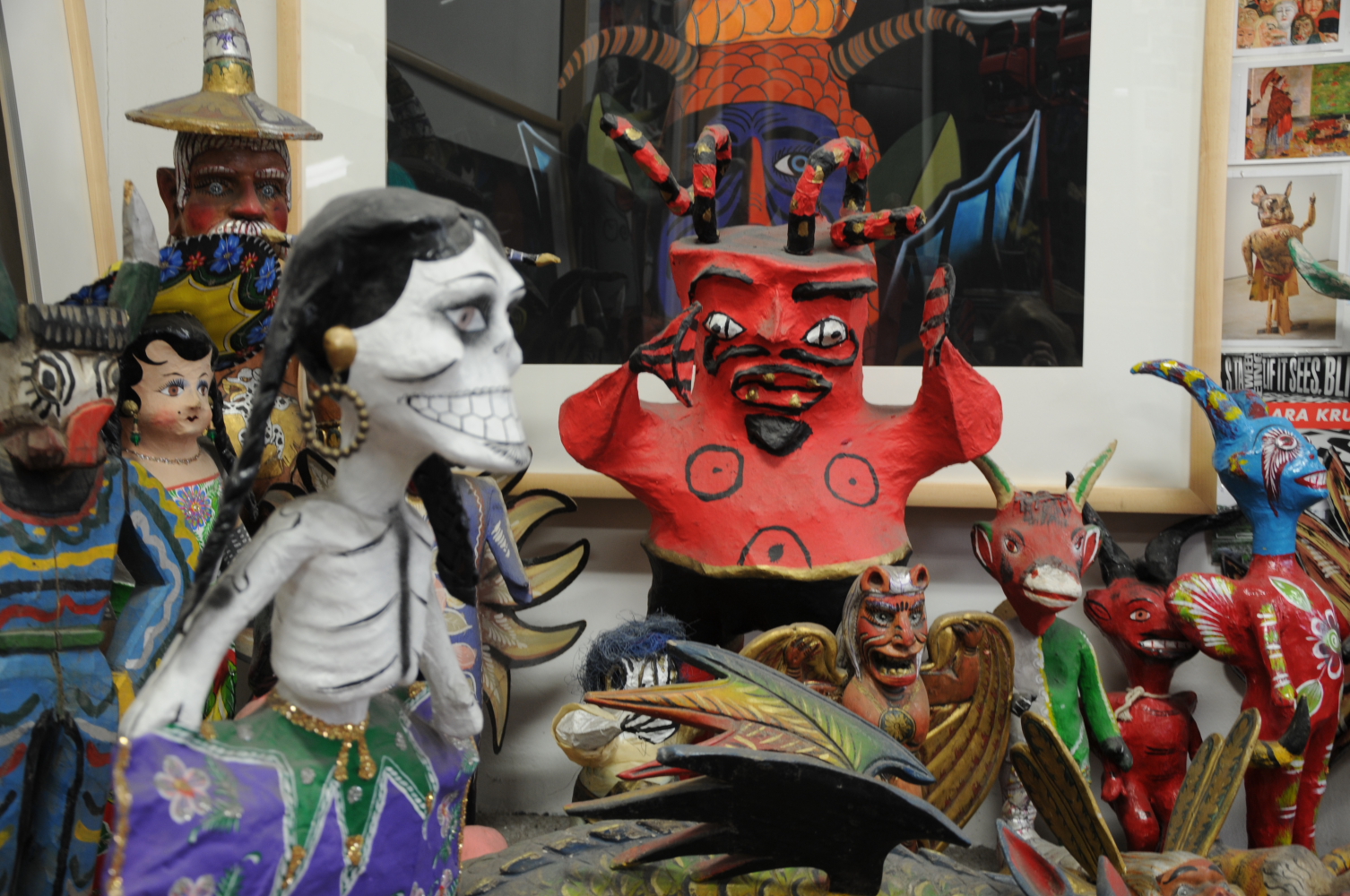
A corner of Barbara’s studio
* an ongoing series of quotations – mostly from artists, to artists – that offers wisdom, inspiration, and advice for the sometimes lonely road we are on.
When we are children we unquestioningly see the objects around us as alive; we speak to them, give them names, breathe life into them. The imagination knows no bounds. As we grow up, we gradually lose this facility, until we finally arrive in an utterly “demystified” world that draws clear boundaries between what is alive and what is not, between subjective and objective perception. According to Sigmund Freud, culture is the only domain in our modern society that gives a measure of legitimacy to the persistence of this infantile desire to see things as animate. In the field of art, imagination is the precondition on which fiction of any sort rests; in art, mental states can be projected onto objects and images, but not in social reality or the sciences.
Dietrich Karner in Animism: Modernity Through the Looking Glass
Comments are welcome!



