Blog Archives
Pearls from artists* # 610
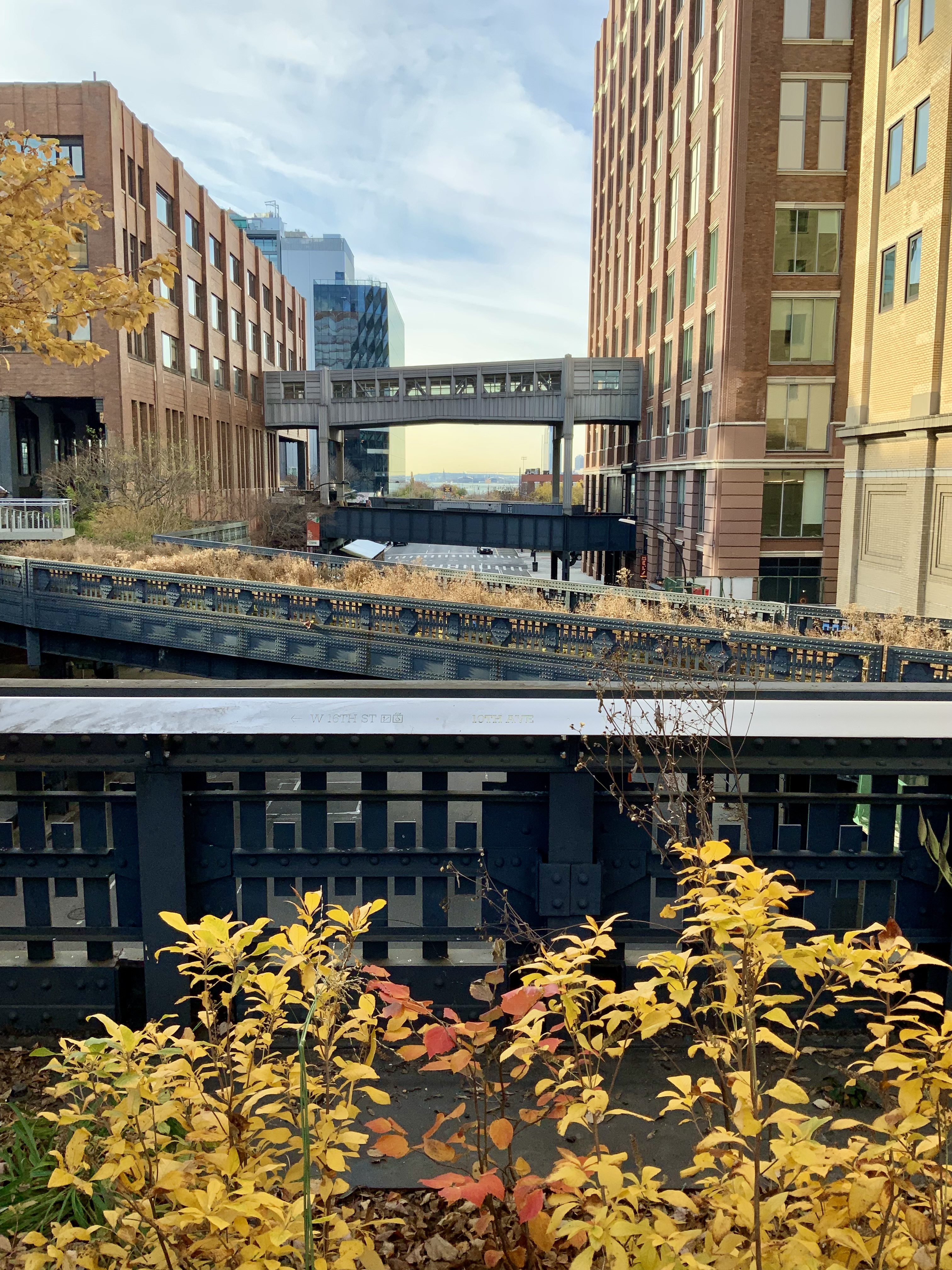
View from the High Line, New York NY
*an ongoing series of quotations – mostly from artists, to artists – that offers wisdom, inspiration, and advice for the sometimes lonely road we are on.
Just as the restless, committed, curious, and perhaps obsessed explorer follows the river from bend to bend, shooting rapids and pulling himself out of the water, so the self-dedicated artist launches himself on an exploratory art journey. He judges which fork in the river he will take, when he will rest and when he will push on, who he will take with him or whether he will travel alone. While he doesn’t possess unlimited freedom as he journeys, bound as he is by the demands of his personality, by his time and place, and by circumstances beyond his control, he does possess unrestricted permission from himself to explore every available avenue.
The contemporary artist must especially direct and trust himself because he lives in a constantly changing art environment. … as Pablo Picasso put it, “Beginning with Van Gogh we are all in a measure, autodidacts.” Painters no longer live within a tradition and so each of us must create an entire language.
Eric Maisel in A Life in the Arts: Practical Guidance and Inspiration for Creative and Performing Artists
Comments are welcome!
Pearls from artists* # 609
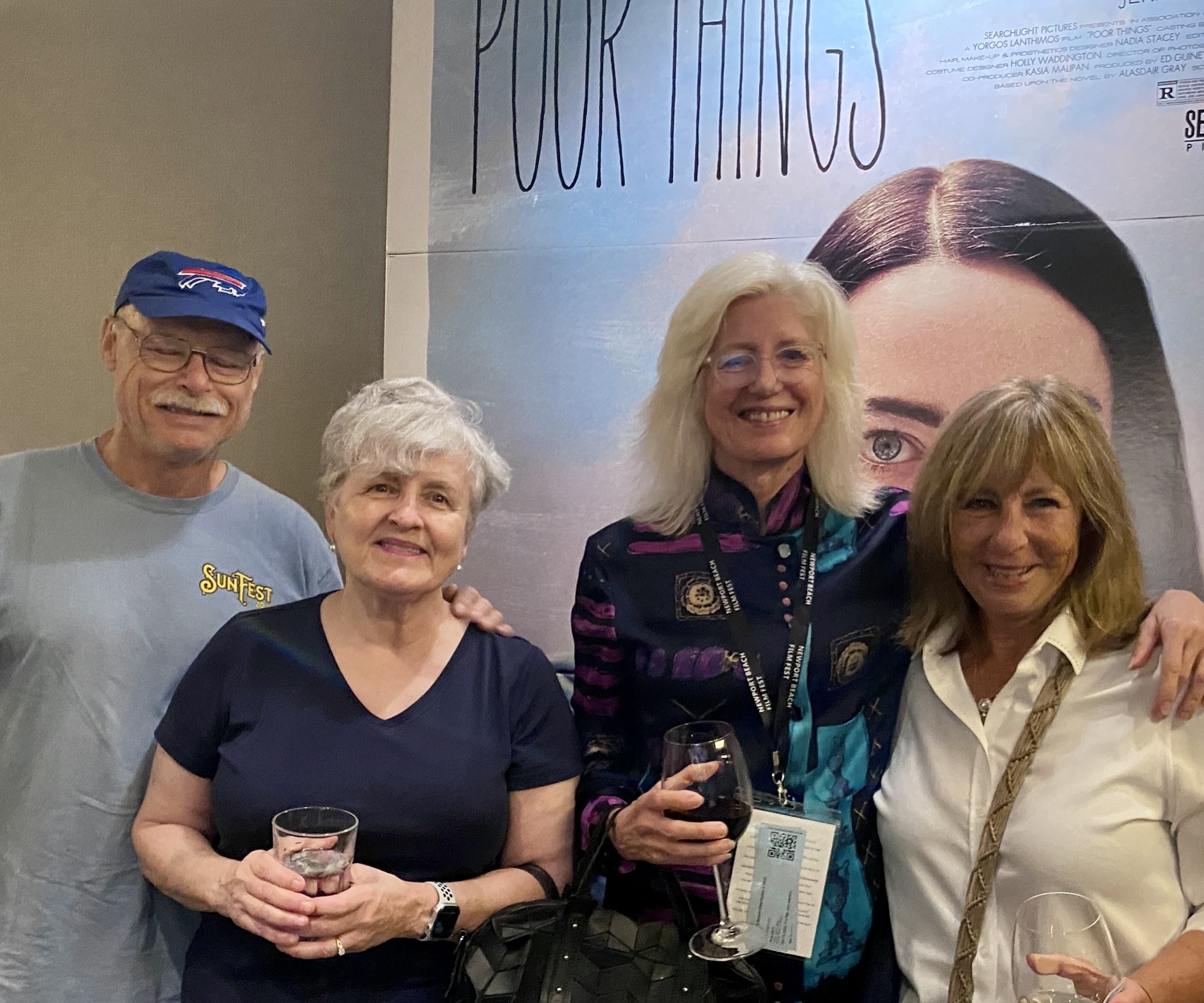
At the World Premier of “Barbara Rachko: True Grit” during the Newport Beach Film Festival
*an ongoing series of quotations – mostly from artists, to artists – that offers wisdom, inspiration, and advice for the sometimes lonely road we are on.
Whether we are creating high art or a meal, we improvise when we move with the flow of time and with our own evolving consciousness, rather than with a preordained script or recipe. In composed or scripted art forms, there are two kinds of time: the moment of inspiration in which a direct intuition of beauty or truth comes to the artist; then the often laborious struggle to hold onto it long enough to get it down on paper or canvas, film or stone. A novelist may have a moment (literally a flash) of insight into which the birth, meaning, and purpose of a new book reveal itself; but it may take years to write it. During this time he must not only keep the thought fresh and clear, he must also eat, live, make money, suffer, enjoy, be a friend, and everything else human beings do. In composed music or theater, moreover, there is yet a third kind of time: besides the moment (or moments) of inspiration and time it takes to write the score, there is the time of the actual performance. Often the music is not even performed until after the composer’s death.
Stephen Nachmanovitch in Free Play: Improvisation in Life and Art
Comments are welcome!
Pearls from artists* # 598
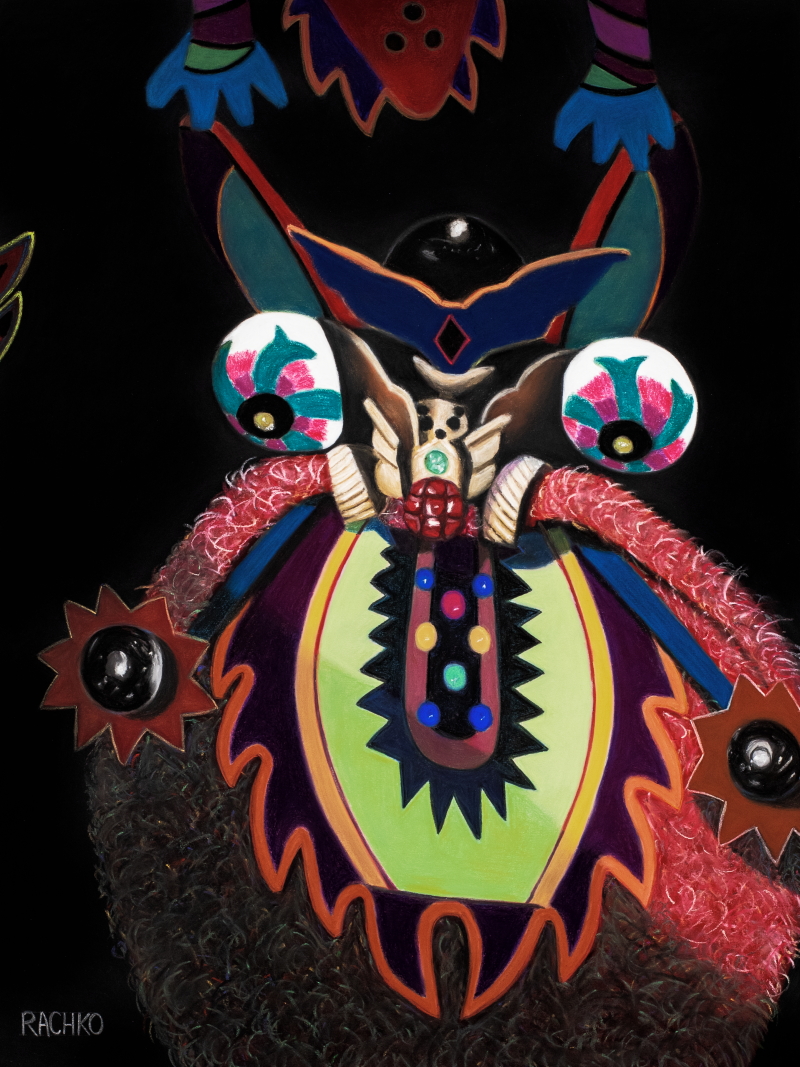
*an ongoing series of quotations – mostly from artists, to artists – that offers wisdom, inspiration, and advice for the sometimes lonely road we are on.
For art to appear, we have to disappear. This may sound strange, but in fact it is a common appearance. The elementary case, for most people, is when our eye or ear is “caught” by something: a tree, a rock, a cloud, a beautiful person, a baby’s gurgling, spatters of sunlight reflected off some wet mud in the forest, the sound of a guitar wafting unexpectedly out of a window. Mind and sense are arrested for a moment, fully in the experience. Nothing else exists. When we “disappear” in this way, everything around us becomes a surprise, new and fresh. Self and environment unite. Attention and intention fuse. We see things just as we and they are, yet we are able to guide and direct them to be one just the way we want them. This lively and vigorous state of mind is the most favorable to the germination of original work of any kind. It has its roots in child’s play, and its ultimate flowering in full-blown artistic creativity.
Stephen Nachmanovitch in Free Play: Improvisation in Life and Art
Comments are welcome!
Q: Can you explain how your current work relates to Jungian archetypes?

In progress: “Wise One,” soft pastel on sandpaper, 58” x 38”
A: Here’s an example. The passage below is from Carl Jung: Knowledge in a Nutshell by Gary Bobroff.
The Wise Old Man or Woman is a figure found throughout folklore and mythology. They possess superior understanding and also often a more developed spiritual or moral character. Frequently, such characters provide the information or learning that the Hero needs to move forward in their quest. In Star Wars, Ben Kenobi plays the teacher to Luke, introducing purpose and knowledge into the young Hero’s life. Where the Hero brings drive, courage, and direct action, the Wise Old One introduces the importance of the opposing values of thought and questioning. Jung describes it thus: ‘Often the old man in fairytales asks questions like who? Why? Whence? Wither? For the purpose of inducing self-reflection and mobilizing the moral forces.’
The Wise One may appear in disguise to test the character of others. In the second Star Wars film, The Empire Strikes Back (1980), Luke’s mentor Yoda does not reveal himself as such when they first meet. He waits, asking questions that test Luke’s motivation for being there. Jung associated the Trickster archetype with the Wise One, and the use of disguise emphasizes this correlation.
Comments are welcome!
Pearls from artists* # 551

Barbara’s Studio
*an ongoing series of quotations – mostly from artists, to artists – that offers wisdom, inspiration, and advice for the sometimes lonely road we are on.
A creative process is a philosophical search, shaped by matters of practice and procedure that extend from the first touch of the artist’s pencil, brush, or chisel to the final decisions about what constitutes completeness.
Stylistic particularism – the decision as to what kind of abstract or representational artist you’re going to be – shapes, deepens, and extends the artist’s imaginative powers. Most artists who work for many years see their style evolve, sometimes dramatically. In the 1930s and 1940s Giacometti, who had first been admired for Surrealist sculptures in which representational elements are set in essentially abstract structures, found himself increasingly focused on the direct observation of the human figure. What by the mid-1940s could look like a wholesale transformation of his artistic language was the result of individual decisions all of which, during Giacometti’s career of nearly five decades, interlocked. They reinforced one another. They added up.
Between Abstraction and Representation by Jed Perl in The New York Review of Books, November 24, 2022
Comments are welcome!
Pearls from artists* # 540

*an ongoing series of quotations – mostly from artists, to artists – that offers wisdom, inspiration, and advice for the sometimes lonely road we are on.
The Wise Old Man or Woman is a figure found throughout folklore and mythology. They possess superior understanding and also often a more developed spiritual or moral character. Frequently, such characters provide the information or learning that the Hero needs to move forward in their quest. In “Star Wars,” Ben Kenobi plays the teacher to Luke, introducing purpose and knowledge into the young Hero’s life. Where the Hero brings a drive, courage, and direct action, the Wise Old One introduces the importance of the opposing values of thought and questioning. Jung describes it thus: ‘Often the old man in fairytales asks questions like who? Why? Whence? Wither? For the purpose of inducing self-reflection and mobilizing the moral force.’
The Wise One may appear in disguise to test the character of others. In the second “Star Wars” film, “The Empire Strikes Back” (1980), Luke’s mentor Yoda does not reveal himself as such when they first meet. He waits, asking questions that test Luke’s motivation for being there. Jung associated the Trickster archetype with the Wise One, and the use of disguise emphasizes this correlation.
Gary Bobroff in Carl Jung: Knowledge in a Nutshell
Comments are welcome!

Pearls from artists* # 465
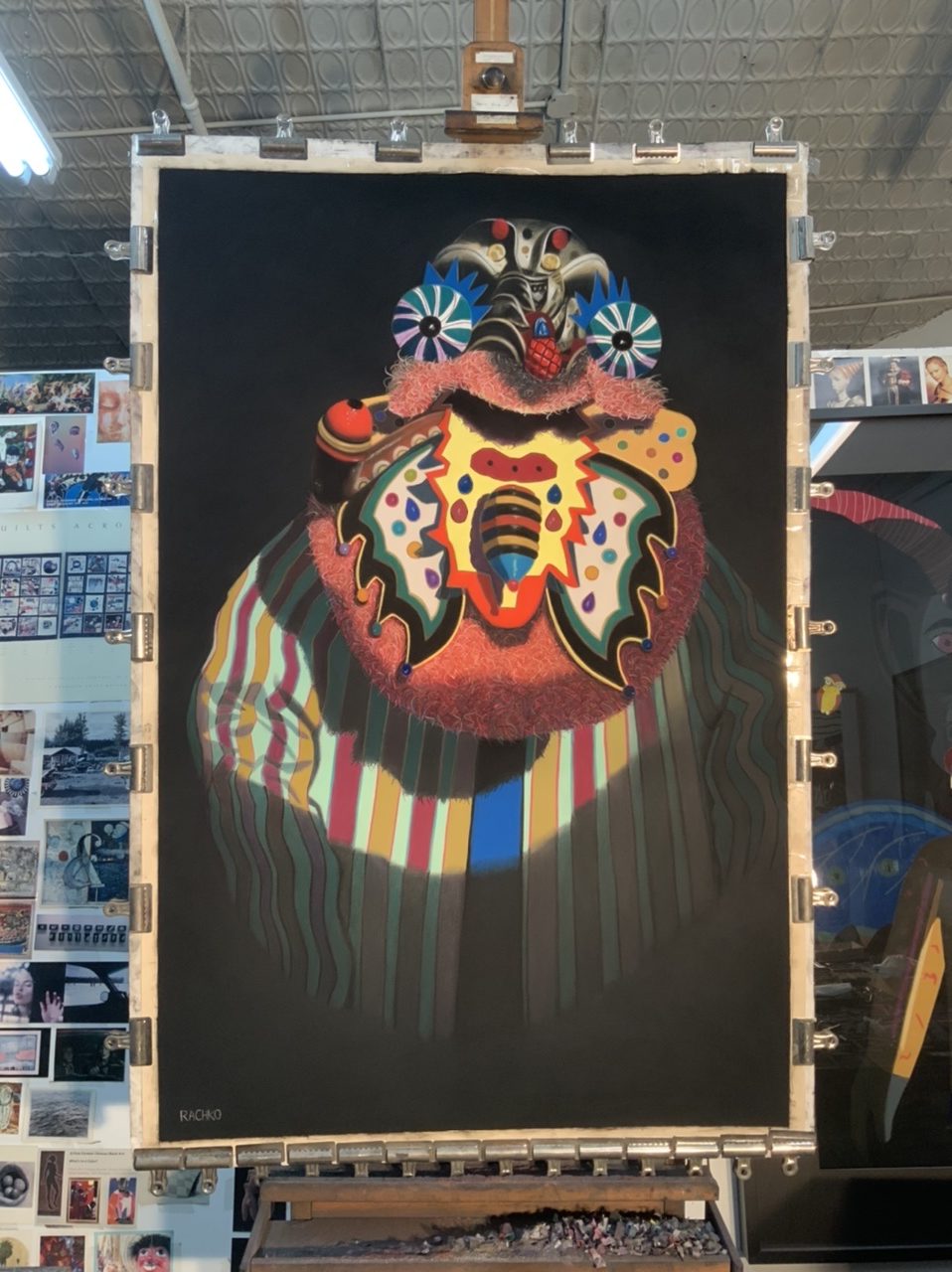
*an ongoing series of quotations – mostly from artists, to artists – that offers wisdom, inspiration, and advice for the sometimes lonely road we are on.
In his 1970 Nobel Prize lecture, Aleksander Solzhenitsyn proposed that if art has never been revealed its intrinsic “function” to us, it is because such a thing is beyond our ken. For the Russian writer, we are mistaken when we call art a human innovation; we ought instead to see it as a gift, something that came to us from beyond the bounds of our world. Solzhenitsyn illustrates his point by comparing the work of art to the technological marvel that a man from the proverbial Stone Age comes across in the wilderness. Unable to penetrate its secrets, the man can only turn the object this way and that, looking for “some arbitrary use to which he can put it, without suspecting an extraordinary one.” Solzhenitsyn goes on:
“So also we, holding art in our hands, confidently consider ourselves to be its masters, boldly we direct it, reform and manifest it; we sell it for money, use it to please those in power; turn to it at one moment for amusement… and at another… for the passing needs of politics and for narrow-minded social ends. But art is not defiled by our efforts, neither does it thereby depart from its true nature, but on each occasion and in each application it gives us a part of its secret inner light.”
JF Martel in Reclaiming Art in the Age of Artifice: A Treatise, Critique, and Call to Action
Comments are welcome!
Q: How do you see art as a way to document the history and the customs and cultures of people? (Question from “Arte Realizzata”)
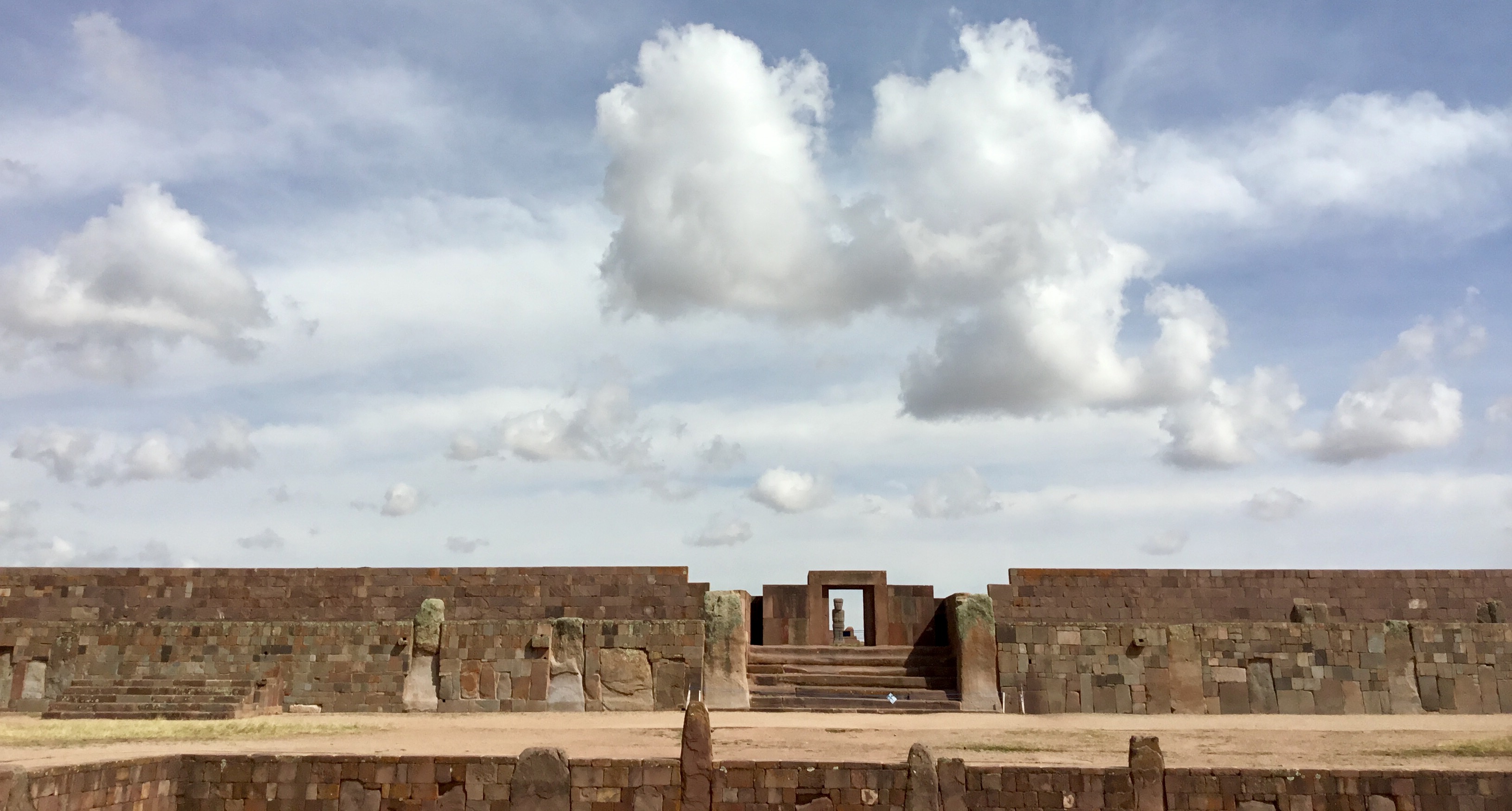
A: Certainly, art from the past gives us clues about life in the past, but I believe it does more. It reveals our shared humanity.
In one of my favorite books, Reclaiming Art in the Age of Artifice: A treatise, Critique, and Call to Action, JF Martel states that “… what the Modern west calls art is the direct result of a basic human drive, an inborn expressivity that is inextricably bound with creative imagination. It is less the product of culture than a process manifesting through the cultural sphere. One could go so far as to argue that art must exist in order for culture to emerge in the first place.”
The art that is left to us through history gives a glimpse of our shared humanity across time and across cultures. We get to see a forgotten part of ourselves, something reaching deeper into what it means to be human.
Comments are welcome!
Q: Are pastel paintings easy to care for?
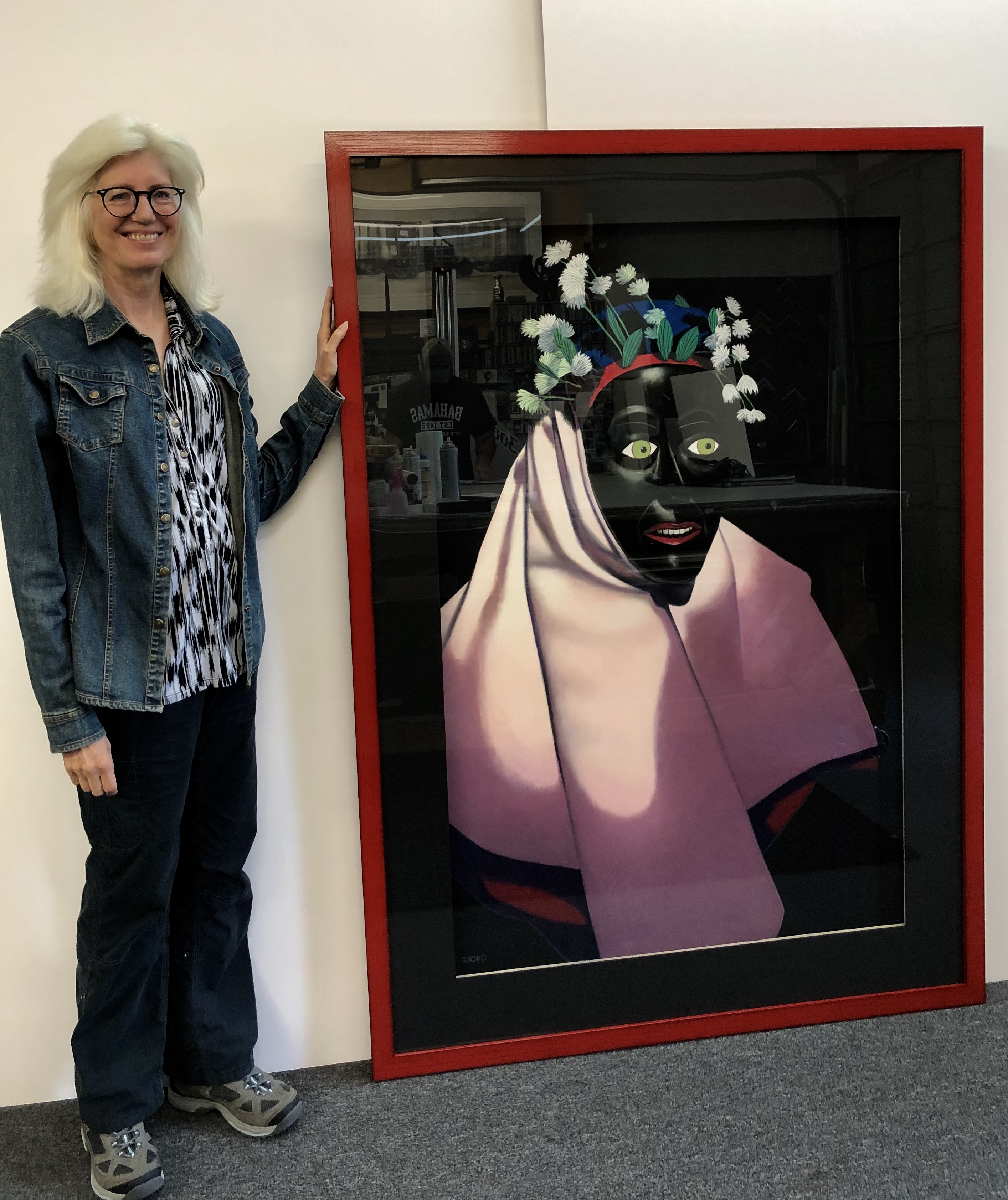
With “Poseur,” 70” x 50” Framed
A: Yes, they are. I have used only the finest archival and lightfast materials to create and frame them because I want them to last. Here are some instructions.
Always treat pastel paintings with the utmost care. Avoid bumping and other sorts of rough handling.
Pastel paintings should be kept face up at all times, especially when they are being transported long distances. Use an art shipper and ensure they are familiar with the requirement to ship the work flat and face up.
Never hang pastel paintings (or any art!) in direct sunlght! Sunlight makes colors fade over time. Also, moisture droplets can form on the inside of the Plexiglas. When they dry, it leaves marks.
Use a soft cloth and Plexiglas cleaner to dust off the glazing. Never use Windex on Plexiglas.
That’s it!
If you have questions, please contact me at brachko@erols.com.
Comments are welcome!
Pearls from artists* # 405

Barbara’s studio
* an ongoing series of quotations – mostly from artists, to artists – that offers wisdom, inspiration, and advice for the sometimes lonely road we are on.
… art is an objective pursuit with the same claim to truth as science, albeit truth of a different order. At the very least the consistency and universality of aesthetic expression throughout history and around the globe suggest that the undertaking that finds its modern formulation in the concept of art is a distinct sphere of activity with its own ontology. My belief is that what the modern West calls art is the direct outcome of a basic human drive, an inborn expressivity that is inextricably bound with the creative imagination. It is less a product of culture than a natural process manifesting through the cultural sphere. One could go so far as to argue that art must exist in order for culture to emerge in the first place.
J.F. Martel in Reclaiming Art in the Age of Artifice: A Treatise, Critique, and Call to Action
Comments are welcome!


 barbararachkoscoloreddust.com