Blog Archives
Pearls from artists* # 724

*an ongoing series of quotations – mostly from artists, to artists – that offers wisdom, inspiration, and advice for the sometimes lonely road we are on
Hokusai
From the age of six, I had a passion for drawing the form of objects. By the age of about fifty, I had published an infinity of drawings, but nothing I produced before the age of seventy is worth counting. It was at the age of seventy-three that I more or less understood the structure of true nature, of animals, grasses, birds, fish, and insects.
Consequently, by the age of eighty, I will have made even more progress; at ninety I will penetrate the mystery of things; at a hundred I will definitely have reached a degree of wonder, and when I am a hundred and ten, for my part, be it a dot, be it a line, everything will be alive.
I ask those who will live as long as I do to see if I keep my word.
Written at the age of seventy-five by myself, formerly Hokusai, today Gwakio Rogin, the old man crazy about drawing.
Stuart Horodner in The Art Life: On Creativity and Career
Comments are welcome!

Pearls from artists* # 465
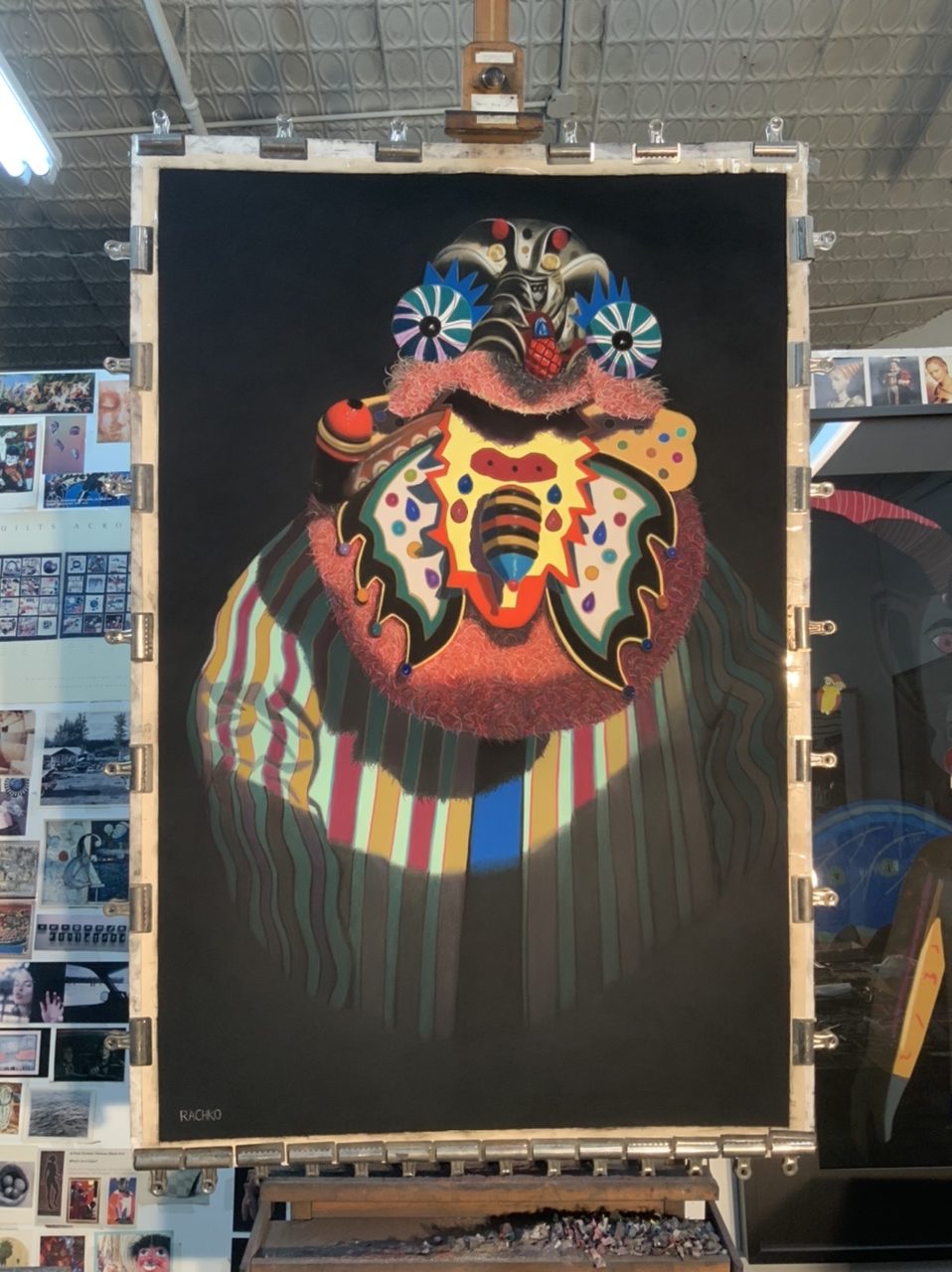
*an ongoing series of quotations – mostly from artists, to artists – that offers wisdom, inspiration, and advice for the sometimes lonely road we are on.
In his 1970 Nobel Prize lecture, Aleksander Solzhenitsyn proposed that if art has never been revealed its intrinsic “function” to us, it is because such a thing is beyond our ken. For the Russian writer, we are mistaken when we call art a human innovation; we ought instead to see it as a gift, something that came to us from beyond the bounds of our world. Solzhenitsyn illustrates his point by comparing the work of art to the technological marvel that a man from the proverbial Stone Age comes across in the wilderness. Unable to penetrate its secrets, the man can only turn the object this way and that, looking for “some arbitrary use to which he can put it, without suspecting an extraordinary one.” Solzhenitsyn goes on:
“So also we, holding art in our hands, confidently consider ourselves to be its masters, boldly we direct it, reform and manifest it; we sell it for money, use it to please those in power; turn to it at one moment for amusement… and at another… for the passing needs of politics and for narrow-minded social ends. But art is not defiled by our efforts, neither does it thereby depart from its true nature, but on each occasion and in each application it gives us a part of its secret inner light.”
JF Martel in Reclaiming Art in the Age of Artifice: A Treatise, Critique, and Call to Action
Comments are welcome!