Blog Archives
Q: What do you think is an artist’s chief responsibility? Do you personally feel a responsibility to society?
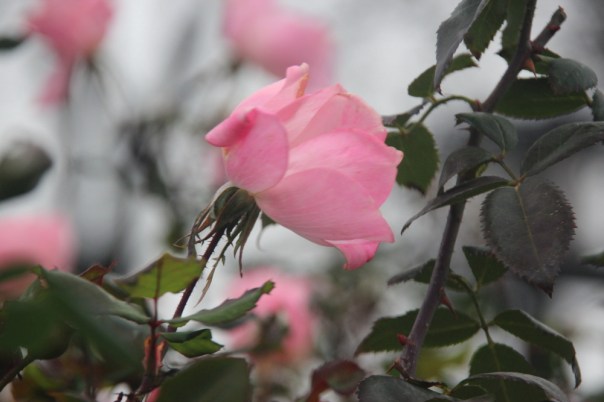
Winter roses
A: All serious artists have the responsibility of developing our unique and special gifts to the best of our abilities and sharing our creative output with an appreciative audience. In other words we do good work and then we educate, and often create, the audience for it. This is the demanding, all-important task that gets me out of bed every day.
In showing what is possible artists cannot help but create a better society. Ours is essential work.
Comments are welcome!
Pearls from artists # 146
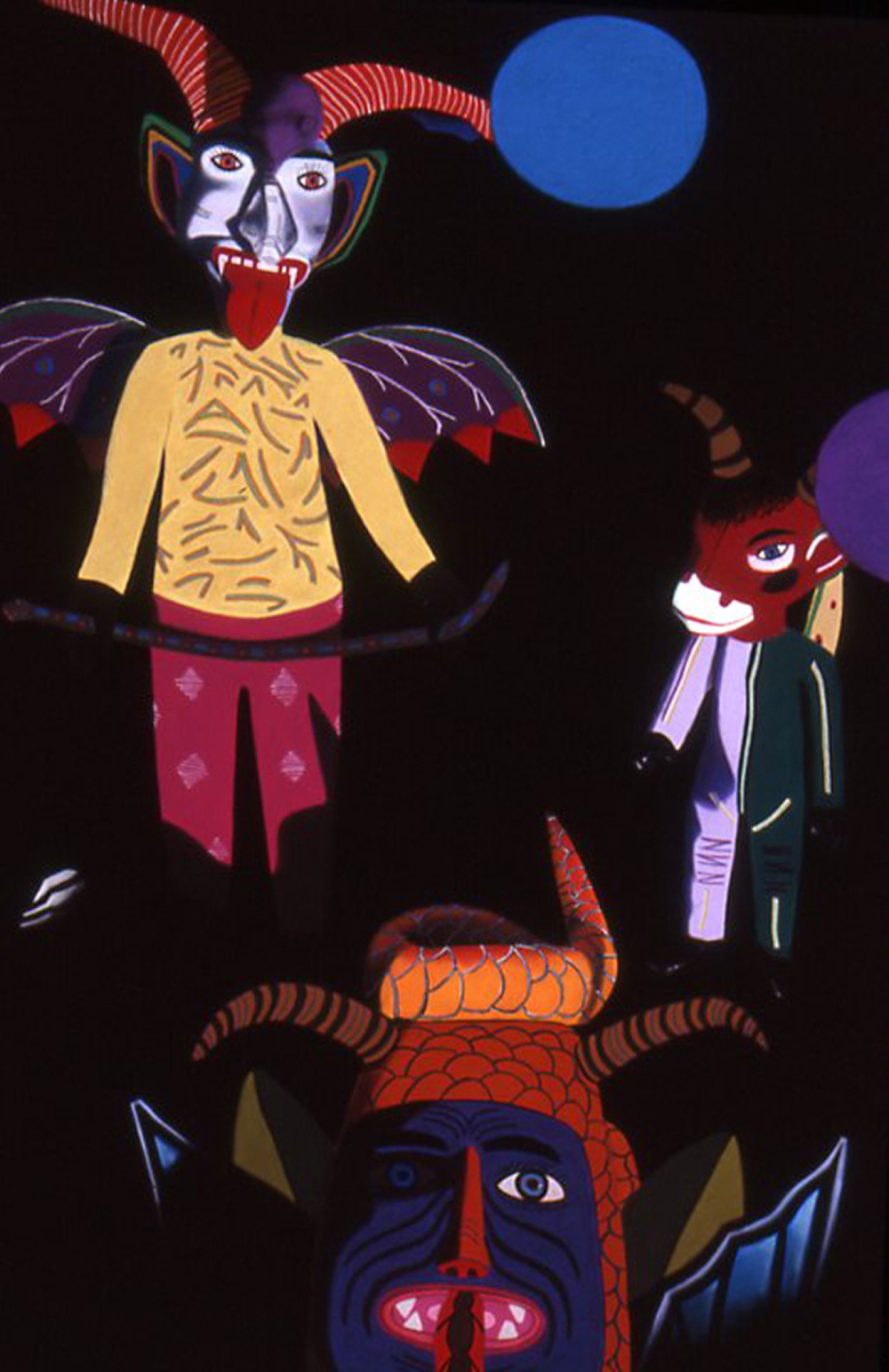
“The Sovereign,” soft pastel on sandpaper, 58″ x 38″
* an ongoing series of quotations – mostly from artists, to artists – that offers wisdom, inspiration, and advice for the sometimes lonely road we are on.
I try to remember that painting at its best is a form of communication, that it is constantly reaching out to find response from an ideal and sympathetic audience. This I know is not accomplished by pictorial rhetoric nor by the manipulation of seductive paint surfaces. Nor is a good picture concocted out of theatrical props, beautiful subjects, or memories of other paintings. All these might astound but they will never communicate the emotional content or exaltation of life, which I believe an artist, by definition, has to accept as his task.
Julian Levi: Before Paris and After in The Creative Process, edited by Brewster Ghiselin
Comments are welcome!
Q: Why don’t you make political art?
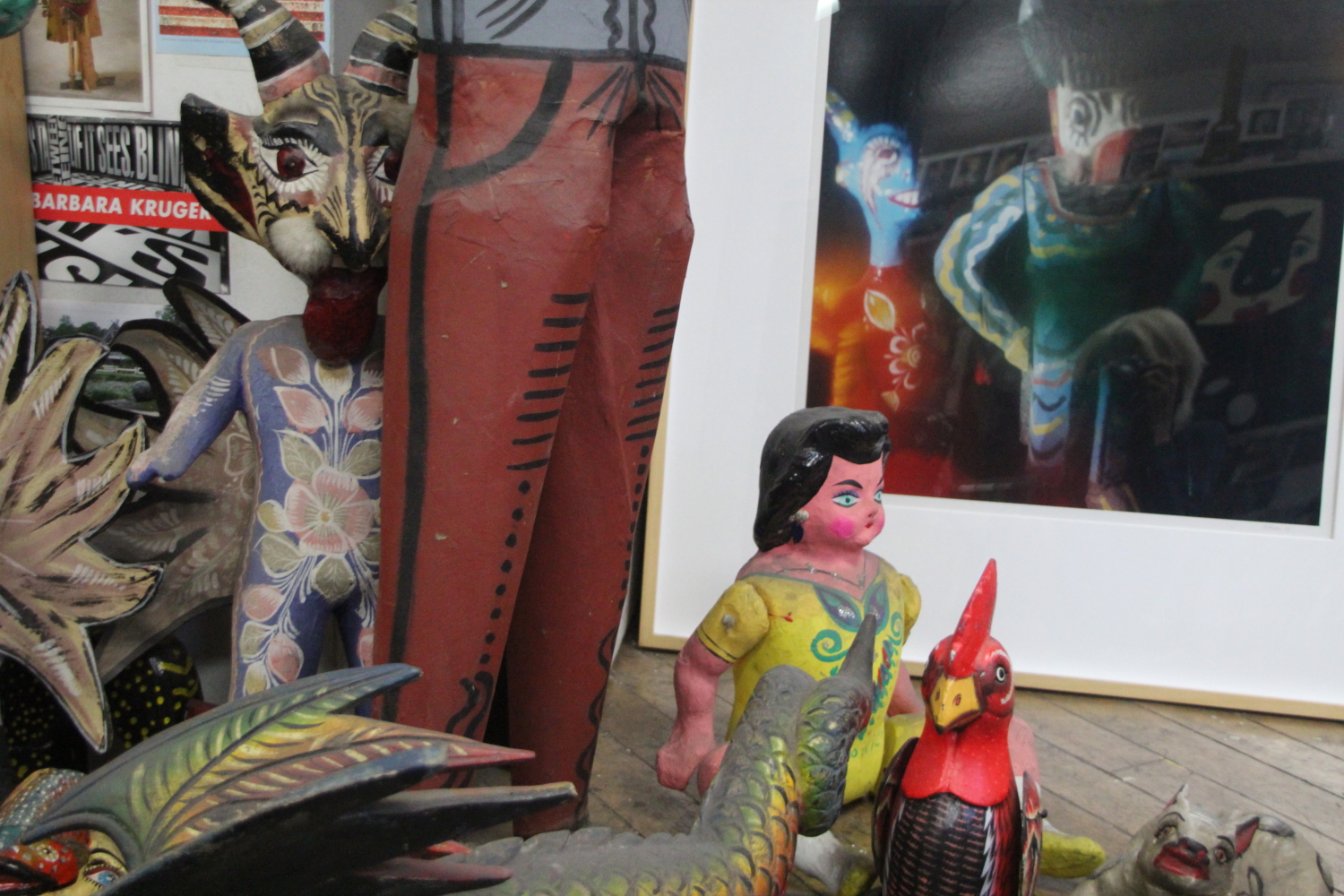
Barbara’s studio
A: I have little interest in dealing with political events in my work because these events come and go. They have a short shelf life. Fine art based on current events quickly loses its context and becomes outdated and irrelevant.
I prefer art that is timeless. My intention is to create personal work about deeper psychological issues and the human condition. Done well, personal work is more likely to speak to and stay with an audience long after the news cycle has moved on.
Comments are welcome!
Q: How important is the feedback of your audience? Do you ever think about who will enjoy your Art when you conceive it?

Painting, subject, reference photo
A: I can’t say that I think at all about audience reaction while I’m creating a painting in my studio. Although, of course I want people to respond favorably to the work.
Generally, I’m thinking about technical problems – making something that is exciting to look at, well-composed, vibrant, up to my exacting standards, etc. When I finish a painting, it is the best thing I am capable of making at that moment in time.
I think about a painting and look at it for so long and with such intensity, that it could hardly have turned out any differently. There is an inevitability to the whole lengthy process that goes all the way back to when I first laid eyes on the folk art figures in a dusty shop in a third world country. Looking at a newly-finished painting on my easel I often think, “Of course! I was drawn to this figure so that it could serve this unique function in this painting.”
Comments are welcome!
Q: You took classes at The Art League School in Alexandria, VA in the late eighties studying intensely with Lisa Semerad and Diane Tesler. How have these experiences impacted on the way you currently produce your artworks? By the way, I sometimes wonder if a certain kind of formal training in artistic disciplines could even stifle a young artist’s creativity. What do you think?
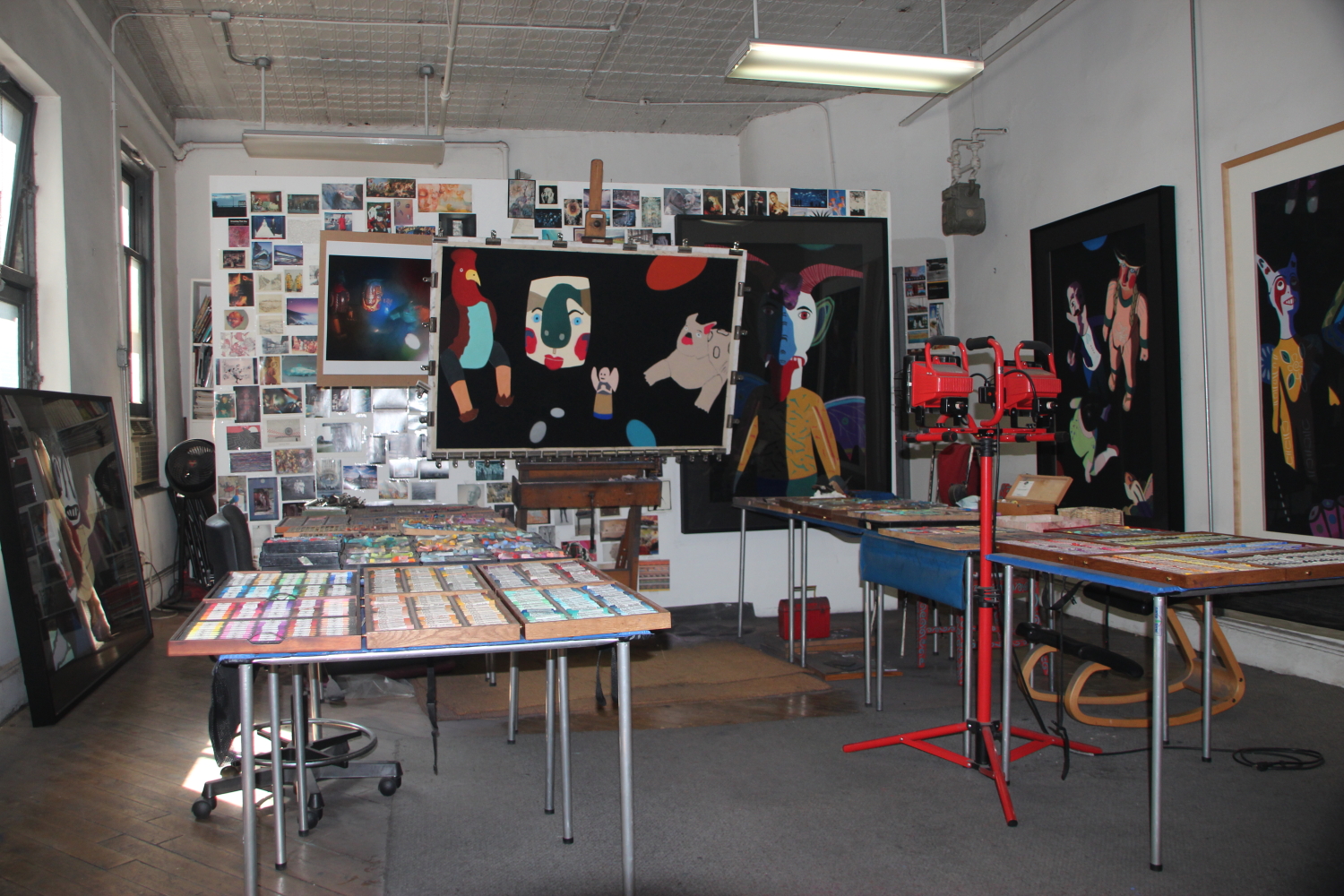
Barbara’s studio
A: From studying with Lisa and Diane I gained an excellent technical foundation and developed my ability to draw and depict just about anything in soft pastel. They were both extremely effective teachers and I worked hard in their classes. I probably got my work ethic from them. Without Diane and Lisa I doubt I would have gained the necessary skills nor the confidence to move to New York to pursue my art career.
Needless to say, I believe developing excellent technical skills is paramount. Artists can, and should, go ahead and break the rules later, but they won’t be able to make strong work, expressing what they want, without a firm foundation. Once you have the skills, you can focus on the things that really make your work come alive and speak to an appreciative audience.
Comments are welcome!
Pearls from artists* # 100
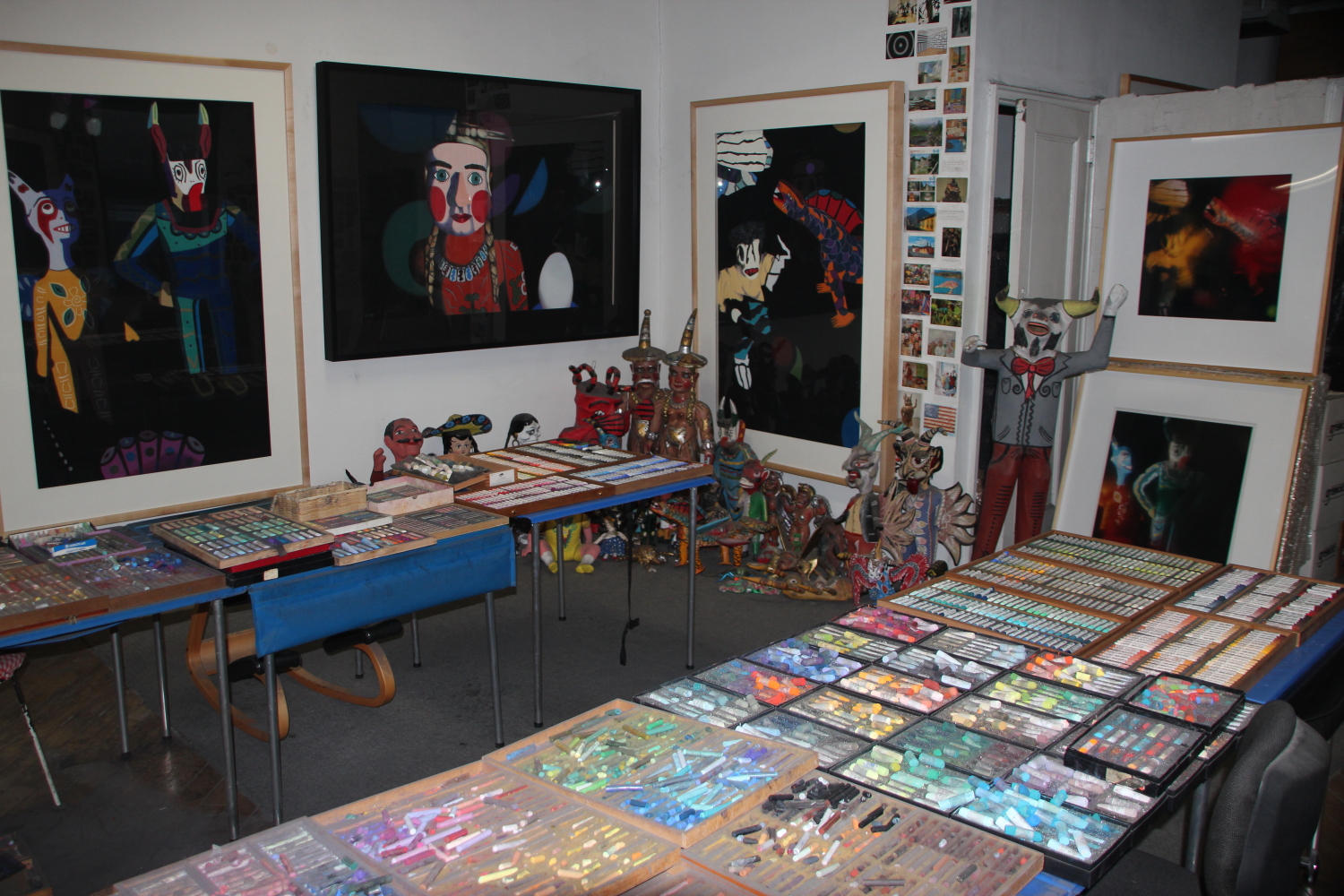
Barbara’s studio
* an ongoing series of quotations – mostly from artists, to artists – that offers wisdom, inspiration, and advice for the sometimes lonely road we are on.
I think it’s terribly important that people have always made structures that are better and more rigorous and more demanding than we as an audience can live up to for every single moment. Serious art should be better than you are. I think my plays are more lucid, more rigorous, than I, Richard, am in my life. I’m a stumble bum like all the rest of us. Create art that is better than you are able to manifest in normal life.
Richard Foreman in Anne Bogart’s Conversations with Anne: Twenty-four Interviews
Comments are welcome!
Q: How would you define art?

Barbara’s studio
A: At its core all art is communication. I personally believe that without the component of communication, there is no art. The expression of human creative skill and imagination becomes art when it is appreciated for its beauty, complexity, emotional power, evocativeness, etc. A sympathetic and understanding audience is essential.
Why might artists fail to communicate? Perhaps they haven’t mastered their medium sufficiently to elicit a reaction from the viewer. Perhaps the viewer lacks the necessary artistic, cultural, or intellectual background to understand and appreciate what the artist is communicating. Maybe the viewer is distracted or preoccupied and not looking or thinking deeply enough. There are many reasons.
Comments are welcome!
Q: Do you have any advice for a young painter or someone just starting out as an artist?
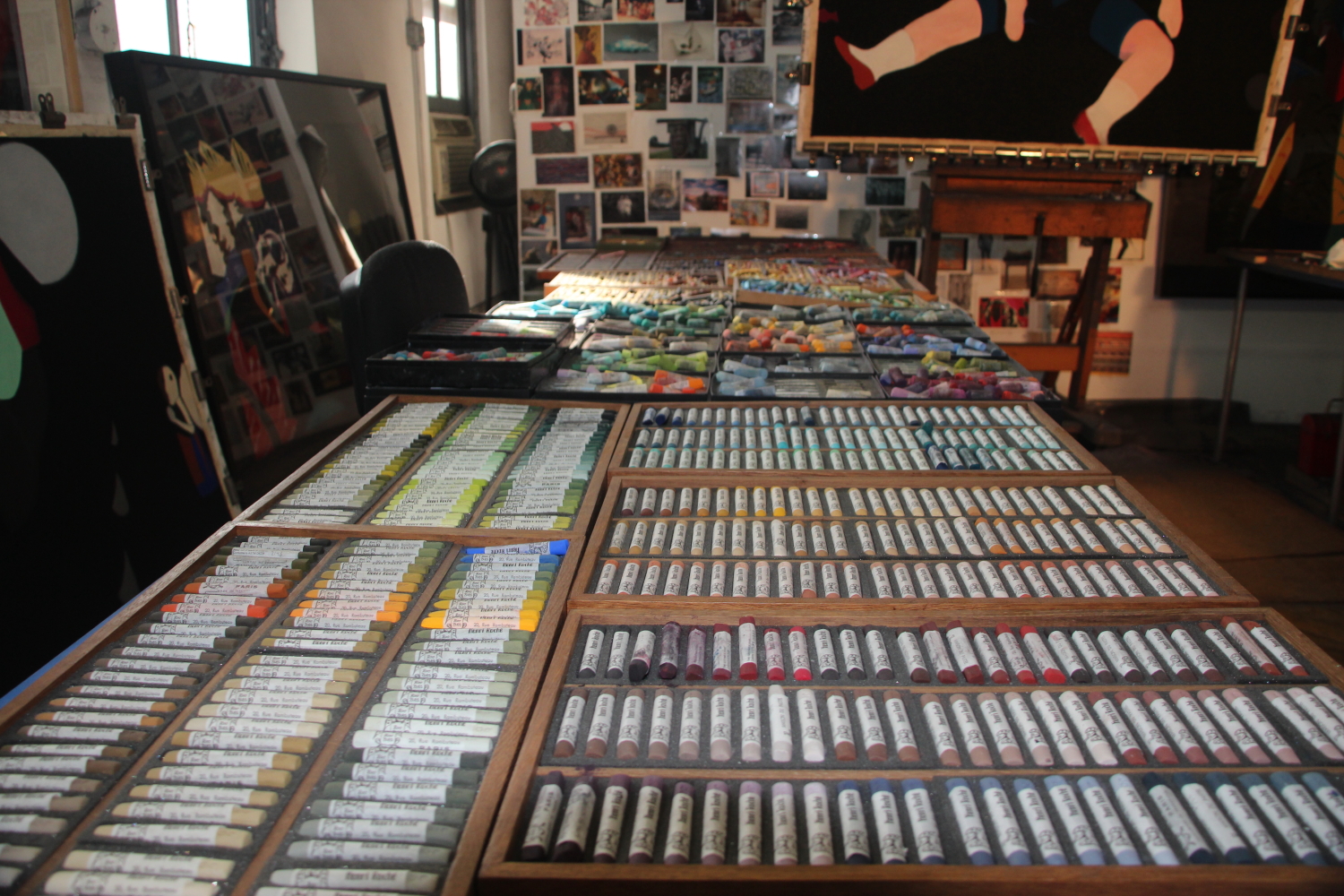
Studio
A: As artists each of us has at least two important responsibilities: to express things we are feeling for which there are no adequate words and to communicate to a select few people, who become our audience. By virtue of his or her own uniqueness, every human being has something to say. But self-expression by itself is not enough. As I often say, at it’s core art is communication. Without this element there is no art. When artists fail to communicate, perhaps they haven’t mastered their medium sufficiently so are unsuccessful in the attempt, or they may be being self-indulgent and not trying. Admittedly there is that rare and most welcome occurrence when an artistic statement – such as a personal epiphany – happens for oneself alone.
Most importantly, always listen to what your heart tells you. It knows and speaks the truth and becomes easier to trust as you mature. If you get caught up in the art world, step back and take some time to regain your bearings, to get reacquainted with the voice within you that knows the truth. Paint from there. Do not ever let a dealer or anyone else dictate what or how you should paint.
With perhaps the singular exception of artist-run cooperative galleries, be very suspicious of anyone who asks for money to put your work in an exhibition. These people are making money from desperate and confused artists, not from appreciative art collectors. With payment already in hand there is no financial incentive whatsoever for these people to sell your paintings and they won’t.
Always work in a beautiful and special place of your own making. It doesn’t need to be very large, unless you require a large space in which to create, but it needs to be yours. I’m thinking of Virginia Woolf’s “a room of one’s own” here. A studio is your haven, a place to experiment, learn, study, and grow. A studio should be a place you can’t wait to enter and once you are there and engaged, are reluctant to leave.
Be prepared to work harder than you ever have, unrelentingly developing your special innate gifts, whether you are in the mood to do so or not. Most of all remember to do it for love, because you love your medium and it’s endless possibilities, because you love working in your studio, and because you feel most joyously alive when you are creating.
Comments are welcome!
Q: Where do you want your work to go in the future?
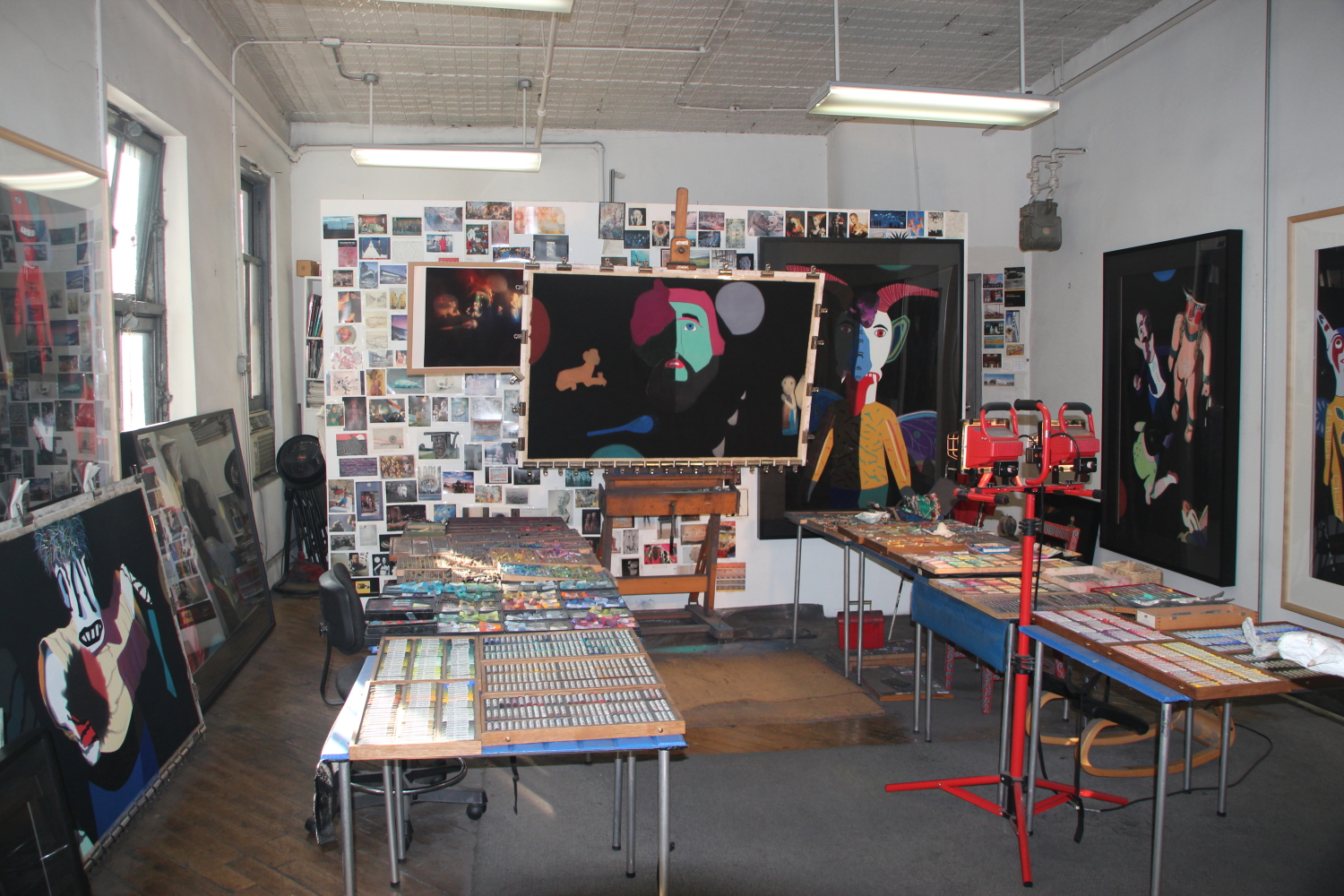
Barbara’s studio
A: Recently I answered a question about why I create, but now that I think about it, the same answer applies to what I want to do as an artist in the future:
~ to create bold and vibrant pastel paintings and photographs that have never existed before
~ to continue to push my primary medium – soft pastel on sandpaper – as far as I can and to use it in more innovative ways
~ to create opportunities for artistic dialogue with people who understand and value the work to which I am devoting my life
The last has always been the toughest. I sometimes think of myself as Sisyphus because expanding the audience for my art is an ongoing uphill battle. Many artist friends tell me they feel the same way about building their audience. It’s one of the most difficult tasks that we have to do as artists. I heard Annie Leibovitz interviewed on the radio once and remember her saying that after 40 years as a photographer, everything just gets richer. Notice that she didn’t say it gets any easier; she said, “it just gets richer.” I have been a painter for nearly 30 years and a photographer for 11. I agree completely. All artists have to go wherever our work goes. Creating art and watching the process evolve is an endlessly fascinating intellectual journey. I wouldn’t want to be spending my time on earth doing anything else!
Comments are welcome!
Q: What’s the point of all of this? Shouldn’t we be discussing how to end poverty or promote world peace? What can art do?
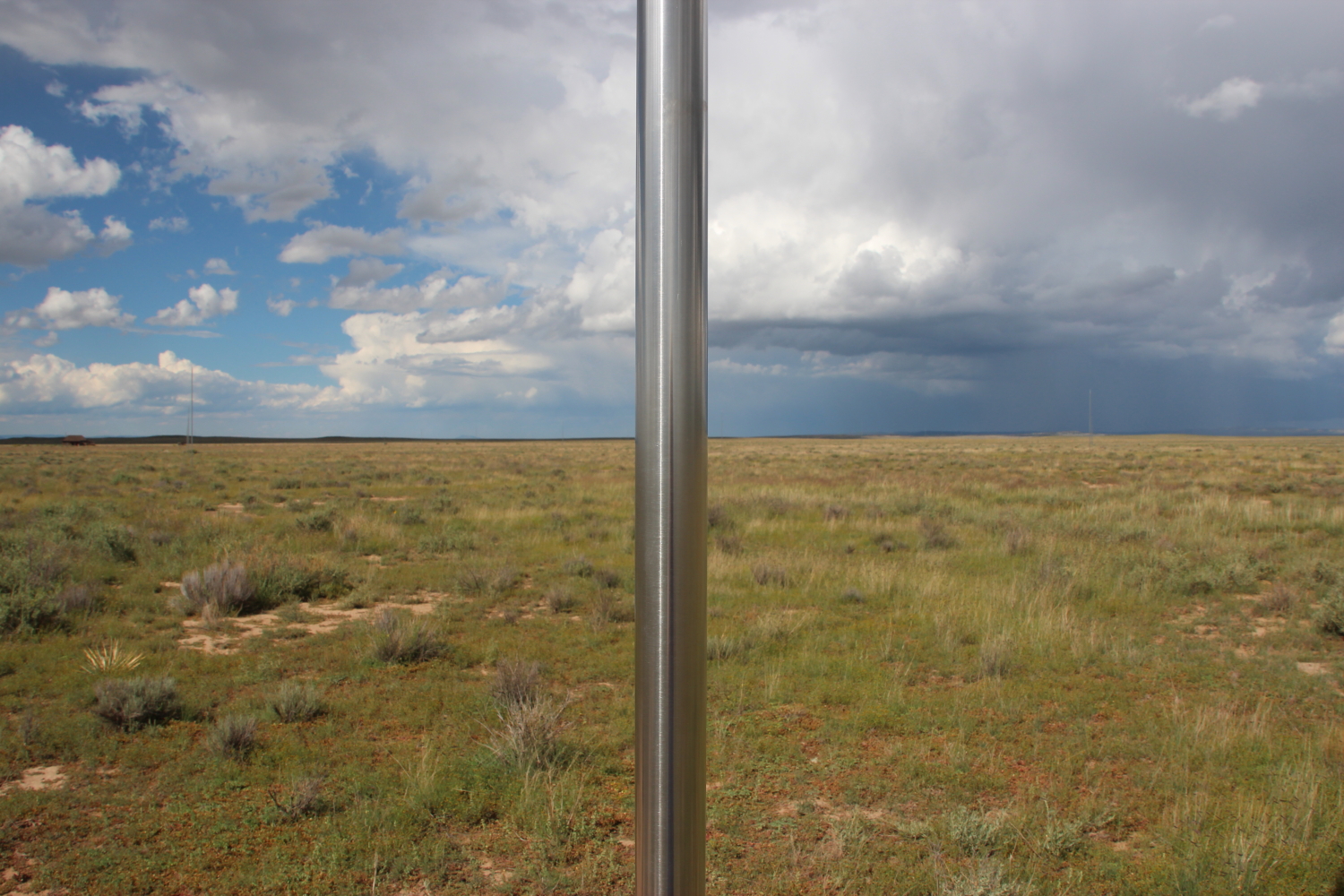
Lightning Field, Quemado, NM
A: I happen to recently have read an inspiring book by Anne Bogart, the theater director. It’s called, “and then you act: making art in an unpredictable world” and she talks about such issues. I’ll quote her wise words below:
“Rather than the experience of life as a shard, art can unite and connect the strands of the universe. When you are in touch with art, borders vanish and the world opens up. Art can expand the definition of what it means to be human. So if we agree to hold ourselves to higher standards and make more rigorous demands on ourselves, then we can say in our work, ‘We have asked ourselves these questions and we are trying to answer them, and that effort earns us the right to ask you, the audience, to face these issues, too.’ Art demands action from the midst of the living and makes a space where growth can happen.
One day, particularly discouraged about the global environment, I asked my friend the playwright Charles L. Mee, Jr., ‘How are we supposed to function in these difficult times? How can we contribute anything useful in this climate?’ ‘Well,’ he answered, ‘You have a choice of two possible directions. Either you convince yourself that these are terrible times and things will never get better and so you decide to give up, or, you choose to believe that there will be a better time in the future. If that is the case, your job in these dark political and social times is to gather together everything you value and become a transport bridge. Pack up what you cherish and carry it on your back to the future.'”
“… In the United States, we are the targets of mass distraction. We are the objects of constant flattery and manufactured desire. I believe that the only possible resistance to a culture of banality is quality. To me, the world often feels unjust, vicious, and even unbearable. And yet, I know that my development as a person is directly proportional to my capacity for discomfort. I see pain, destructive behavior and blindness of the political sphere. I watch wars declared, social injustices that inhabit the streets of my hometown, and a planet in danger of pollution and genocide. I have to do something. My chosen field of action is the theater.”
Comments are welcome!


 barbararachkoscoloreddust.com