Blog Archives
Q: You take 3-4 months to complete one artwork. How do you plan a series such as Bolivianos over a year’s timeline and over the years? (Question from Vedica Art Studios and Gallery)

A: Bolivianos is my third series, and like the previous two, it naturally evolves from one painting to the next. There wasn’t a long-term plan involved, and I doubt such detailed planning would even be practical. Many artists likely work this way—finishing one project and then beginning another. As with Bolivianos, I typically have ideas for the next two or three paintings, but little concept beyond that.
The main impetus for Bolivianos was to continue work I began in the early 1990s. During a visit to La Paz, I captured a series of stunning photographs, inspiring me to translate them into a major pastel series. Each painting leads to ideas about the next, guiding the entire series’ evolution and shaping my understanding of its meaning. Both the series and my insights deepen as I engage further with the subject matter. The Bolivian Carnival masks I photographed provided the starting point for a long and continuing intellectual journey.
Comments are welcome!
Pearls from artists* # 672

*an ongoing series of quotations – mostly from artists, to artists – that offers wisdom, inspiration, and advice for the sometimes lonely road we are on.
Let me now, therefore, turn directly to the question of the European individual and, for a start, cite the observations of the Swiss psychologist, Carl G. Jung, throughout whose works the term “individuation” is used to indicate the psychological process of achieving individual wholeness. Jung makes the point that in the living of our lives every one is us is required by his society to play some specific social role. In order to function in the world we are all continually enacting parts Jung calls personnae, from the Latin persona, meaning “mask, false face,” the mask worn by an actor on the Roman stage, through which he “sounded” (per-sonare, “to sound through). One has to appear in some mask or other if one is to function socially at all; and even those who choose to reject such masks can only put on others, representing rejection, “Hell no!” or something of this sort. Many of the masks are playful, opportunistic, superficial; others, however, go deep, very deep, much deeper than we know. Just as every body consists of a head, two arms, a trunk, two legs, etc., so does every living person consist, among other features, of a personality, a deeply imprinted persona through which he is made known no less to himself than to others, and without which he would not be. It is silly, therefore, to say, for example, “Let’s take off our masks and be natural!” And yet – there are masks and masks. There are the masks of youth, the masks of age, the masks of the various social roles, and the masks also that we project upon others spontaneously, which obscure them, and to which we then react.
Joseph Campbell in Myths to Live By
Comments are welcome!
Q: What’s on the easel today?

My next project!
A. I am starting another “Bolivianos” pastel painting. It’s hard to believe, but this is number 34 in the series! This body of work began in 2017 and the paintings continue to keep improving, I believe.
Comments are welcome!
Pearls from artists* # 576
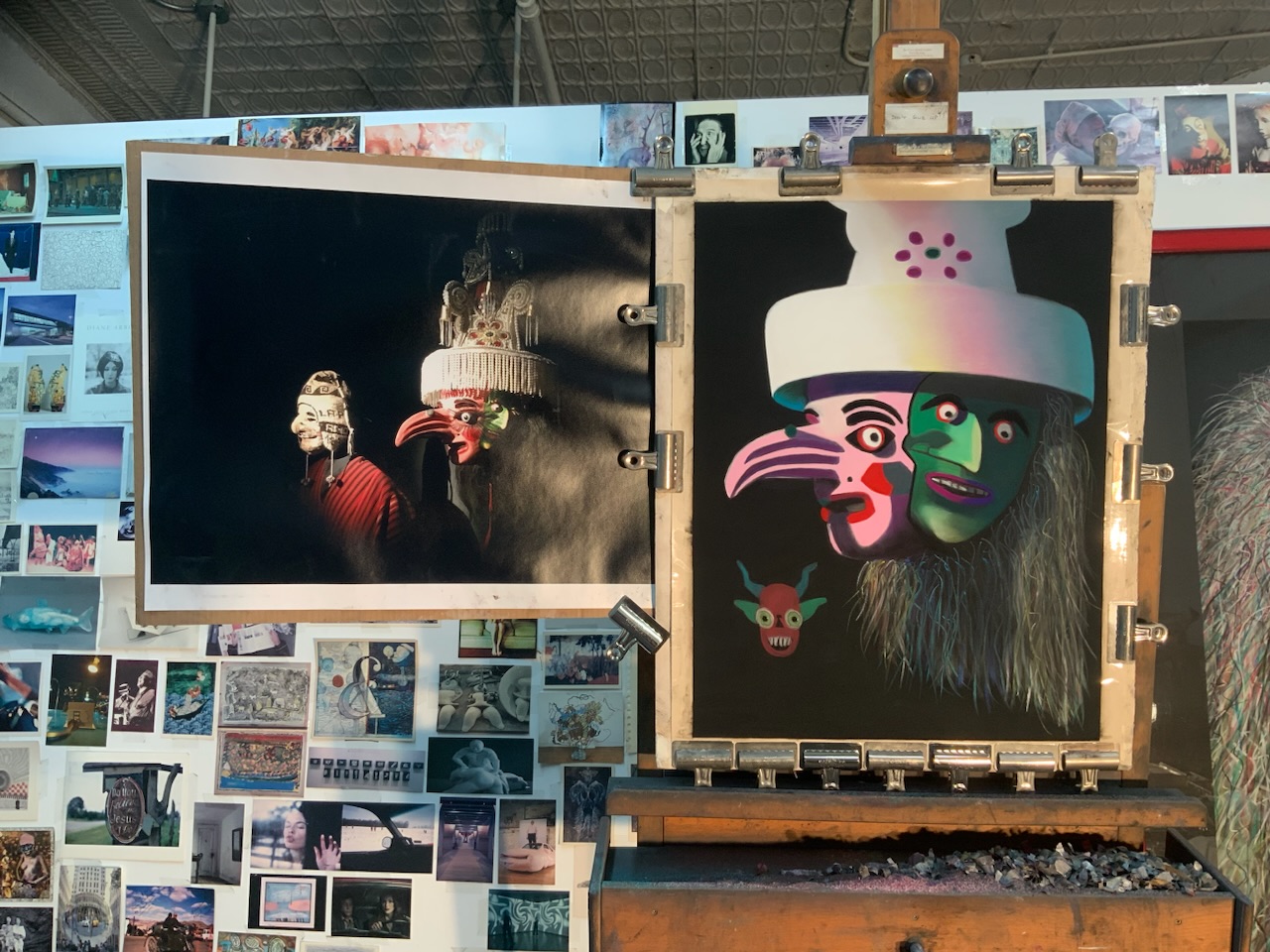
In progress: “Shadow,” soft pastel on sandpaper, 26” x 20”
*an ongoing series of quotations – mostly from artists, to artists – that offers wisdom, inspiration, and advice for the sometimes lonely road we are on.
A word derived from Latin, persona, originally referred to the masks worn by actors in ancient classical theatre. In Jungian psychology, this term refers to the inner character that we use to face the world. Drawn from societal expectations, cultural norms, and natural attributes, it is the person we want others to think we really are. Our persona is our brave face, our false front. It is the ongoing project of building our ideal self.
… the persona is our somewhat embellished view of ourselves, the shiny face that we want the world to see. It’s opposite, everything we reject about ourselves, is called the shadow.
… our shadow is the pain we’ve forgotten about. It is a complex within us, a split-off part our consciousness loaded with emotional weight. Our persona is what we want to be seen to be; shadow is what we least want to be.
Gary Bobroff in Carl Jung: Knowledge in a Nutshell
Comments are welcome!
Pearls from artists* # 504

* an ongoing series of quotations – mostly from artists, to artists – that offers wisdom, inspiration, and advice for the sometimes lonely road we are on.
… if a project doesn’t work out, you can always think of it as having been a worthwhile and constructive experiment. You can resist the seductions of grandiosity, blame, and shame. You can support other people in their creative efforts, acknowledge the truth that there’s plenty of room for everyone. You can measure your worth by your dedication to your path, not by your successes or failure. You can battle your demons (through therapy, recovery, prayer, or humility) instead of battling your gifts – in part by realizing that your demons were never the ones doing the work, anyhow. You can believe that you are neither a slave to inspiration nor its master, but something far more interesting – its partner – and that the two of you are working together toward something intriguing and worthwhile. You can live a long life, moving and doing really cool things the entire time. You might earn a living with your pursuits or you might not, but you can recognize that this is not really the point. And at the end of your days, you can thank creativity for having blessed you with a charmed, interesting, passionate existence.
Elizabeth Gilbert in Big Magic: Creative Living Beyond Fear
Comments are welcome!
Pearls from artists* # 502

* an ongoing series of quotations – mostly from artists, to artists – that offers wisdom, inspiration, and advice for the sometimes lonely road we are on.
It seems to me that the less I fight my fear, the less it fights back. If I can relax, then fear relaxes, too. I cordially invite fear to come along with me everywhere I go. I even have a welcoming speech prepared for fear, which I deliver right before embarking upon any new project or adventure.
It goes something like this.
“Dearest fear: Creativity and I are about to go on a road trip together. I understand you will be joining us, because you always do. I acknowledge that you believe you have an important job to do in my life, and that you take your job seriously. Apparently, your job is to induce complete panic whenever I’m about to do something interesting – and may I say, you are superb at your job. So, by all means, keep doing your job, if you feel you must. But I will also be doing my job on this road trip, which is to work hard and stay focused. And Creativity will be doing its job, which is to remain stimulating and inspiring. There’s plenty of room in this vehicle for all of us, so make yourself at home, but understand this: Creativity and I are the only ones who will be making any decisions along the way. I recognize and respect that you are part of this family, and so I will never exclude you from our activities, but still – your suggestions will never be followed. You’re allowed to have a seat, and you’re allowed to have a voice, but you are not allowed to have a vote. You’re not allowed to touch the road maps; you’re not allowed to suggest detours; you’re not allowed to fiddle with the temperature. Dude, you’re not even allowed to touch the radio. But above all else, my dear old familiar friend, you are absolutely forbidden to drive.”
Then we head off together – me and creativity and fear – side by side by side forever, advancing once more into the terrifying but marvelous terrain of unknown outcome.
Elizabeth Gilbert in Big Magic: Creative Living Beyond Fear
Comments are welcome!
Q: I understand your comments to mean that being at the studio challenges you to be your best. How (why) do you think that works? (Question from Nancy Nikkal)
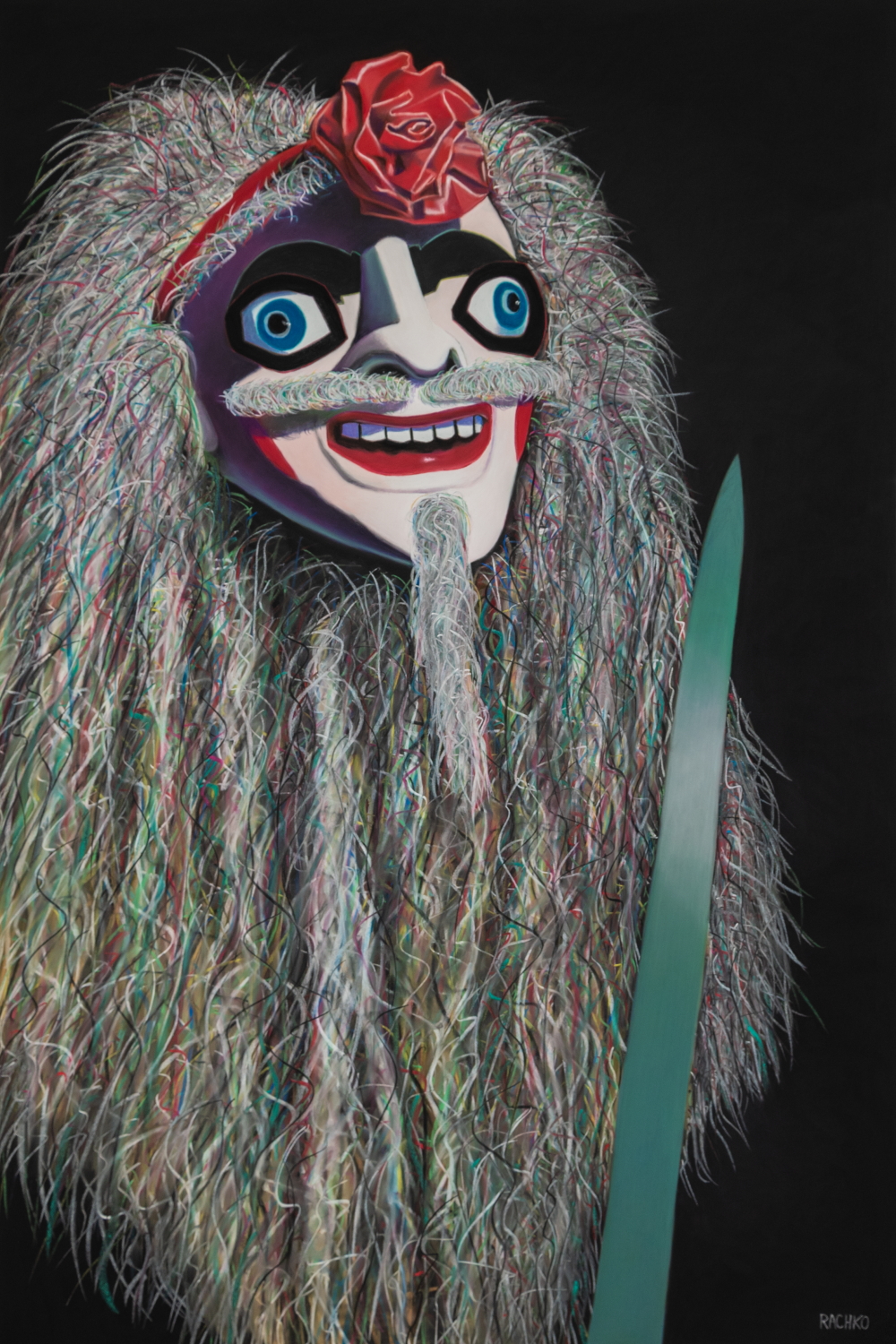
“Avenger,” soft pastel on sandpaper, 58″ x 38″
A: I am always trying to push my pastel techniques further, seeking to figure out new ways to render my subject matter, expanding my technical vocabulary. It would be monotonous to keep working the same old way. Wasn’t it John Baldessari who said, “No more boring art?” He was talking about art that’s boring to look at. Well, as someone who CREATES art I don’t want to be bored during the making so I keep challenging myself. I love learning, in general, and I especially love learning new things about soft pastel.
Very often I start a project because I have no idea how to depict some particular subject using pastel. For example, one of the reasons I undertook “Avenger” was to challenge myself to render all of that hair! Eventually I managed to figure it out and I learned a few new techniques in the process.
Comments are welcome!
Pearls from artists* # 410
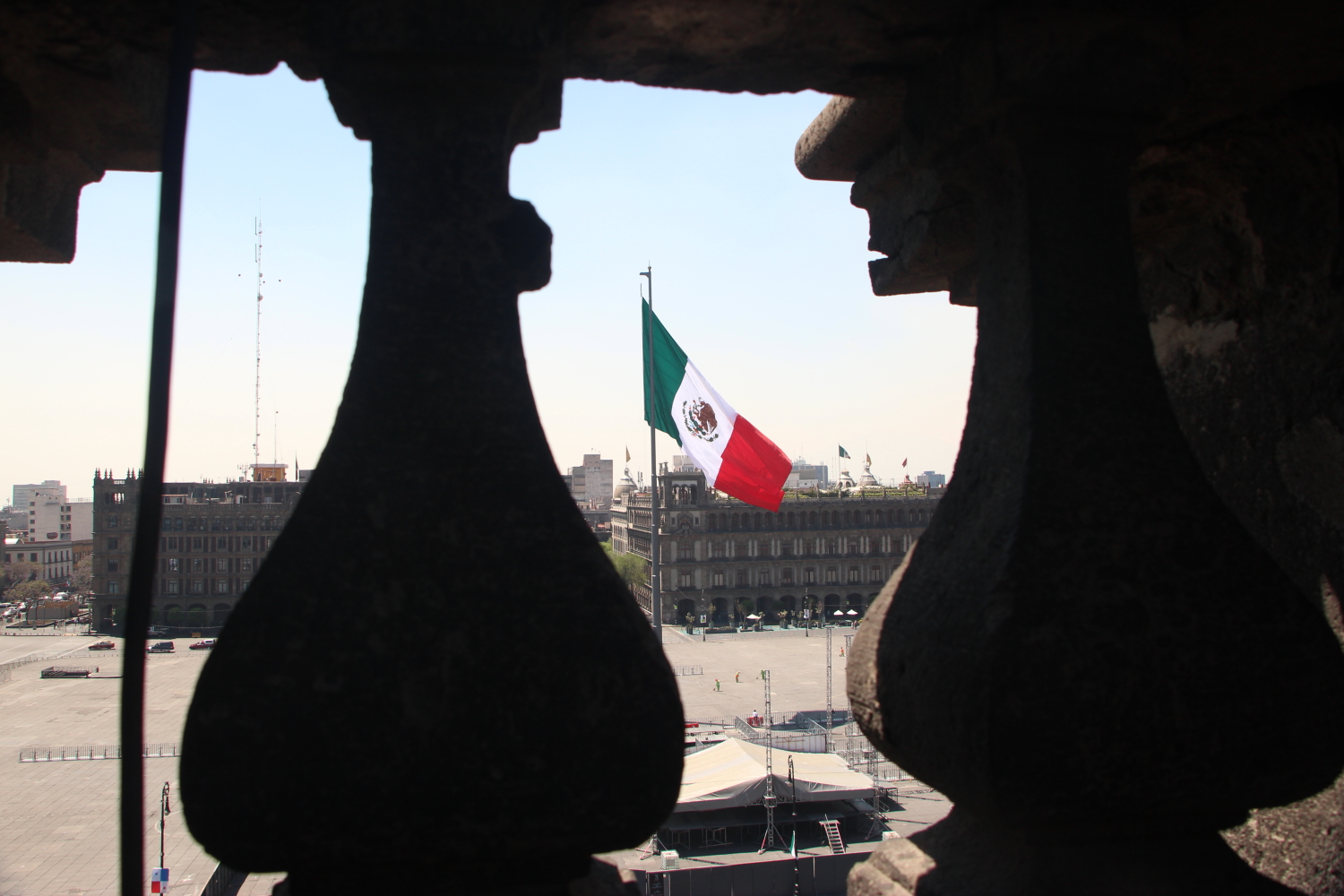
Mexico City
*an ongoing series of quotations – mostly from artists, to artists – that offers wisdom, inspiration, and advice for the sometimes lonely road we are on.
Faced with the disparities between lived reality and America’s professed ideals of inclusion and equity, countless artists have begun embracing the social role of art and using aesthetic means to speak out against all manner of injustice. In such a climate, the Mexican muralists [Jose Clemente Orozco, Diego Rivera, and David Alfaro Siqueiros] have once again emerged as models of how to marry aesthetic rigor and vitality to socially conscious subject matter that addresses the most fundamental questions concerning our collective pursuit of a more just and equitable society. Not withstanding the rich cultural ties and decades of migration that have long existed between the United States and Mexico, the relationship between the two countries has always been fraught, marked as much by mutual wariness and bouts of hostility as by a spirit of camaraderie and cooperation Yet the ugliness and xenophobia of the recent debates on the American side echoes the worst of the past. It thus seems more imperative than ever to acknowledge the profound and enduring influence Mexican muralism has had on artmaking in the United States and to highlight the beauty and power that can emerge from the free and vibrant cultural exchange between the two countries. As much as did American artists decades ago, artists in the United States today stand to benefit from an awareness of how dynamically and inventively the Mexican muralists used their art to project the ideals of compassion, justice, and solidarity. They remain a source of powerful inspiration for their seamless synthesis of ethics, art, and action.
Vida Americana: Mexican Muralists Remake American Art, 1925 – 1945, edited by Barbara Haskell
Comments are welcome!
Q: Do you plan your work in advance or is it improvisation?
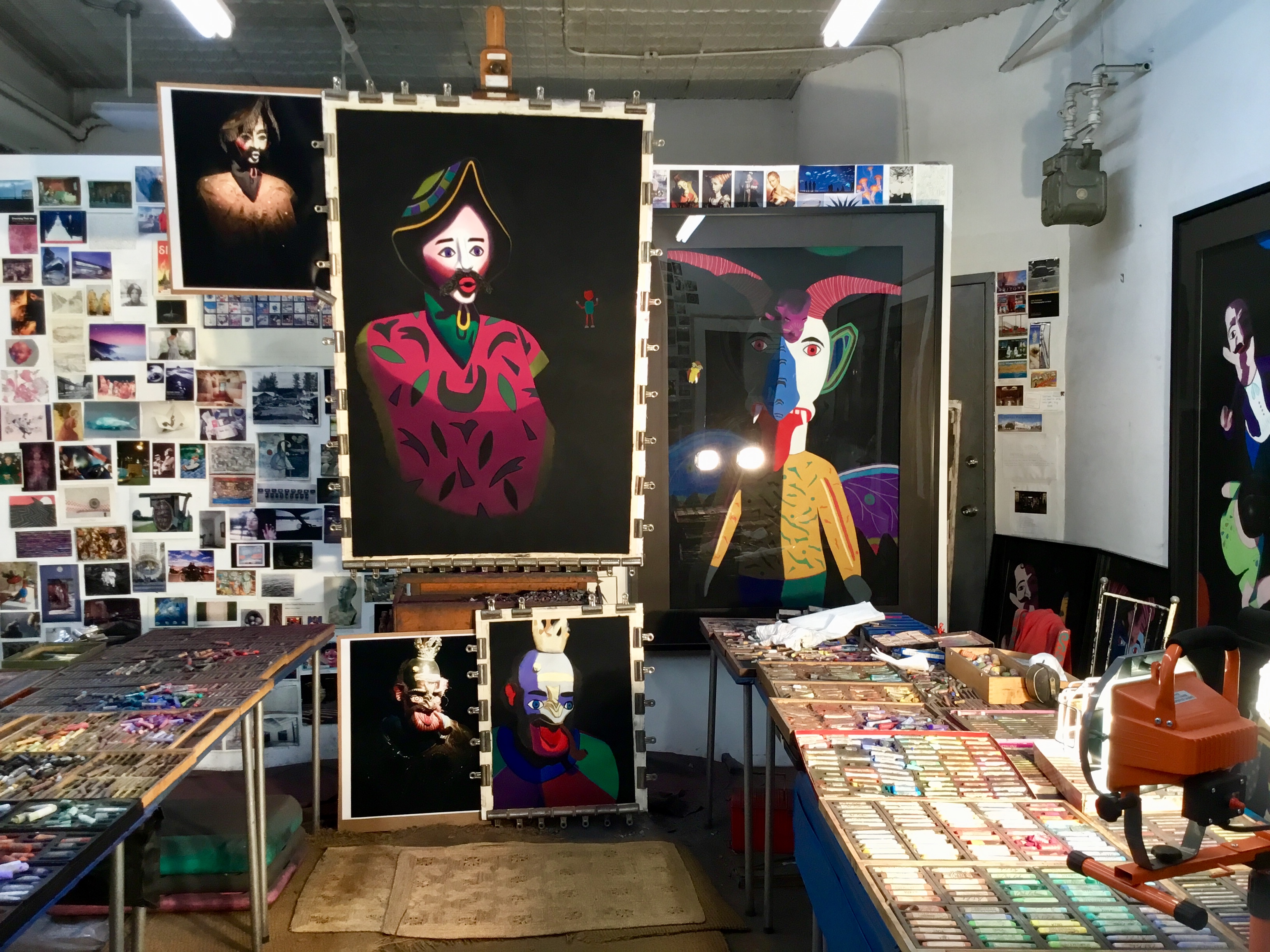
Barbara’s studio
A: My process is somewhere in between those two. I work from my own set-up or on-site photographs and make a preliminary sketch in charcoal before I start a pastel painting. Thousands of decisions about composition, color, etc. occur as I go along.
Although it starts out somewhat planned, I have no idea what a pastel painting will look like when it’s finished. Each piece takes about three months, not counting foreign travel, research, and a gestation period of several months to determine what the next pastel painting will even be.
Comments are welcome!


 barbararachkoscoloreddust.com
Pearls from artists* # 673
Oct 22
Posted by barbararachkoscoloreddust
Barbara’s Studio
*an ongoing series of quotations – mostly from artists, to artists – that offers wisdom, inspiration, and advice for the sometimes lonely road we are on.
You may occasionally have the opportunity to publicly comment about the work, which helps to shape its life, but others will also interpret, criticize, and project their own agendas onto it. You must learn to be ok with that. You cannot follow your art around, explaining it and defending it. Once released, the life of your work depends on all sorts of factors completely out of your control. Separating your ego and self-worth from what you produce can be challenging, but it is essential. It protects your vital studio activity from the damaging effects of the outside world. Letting go of the old work also frees you up to move forward and focus on the next great idea.
Kate Kretz in Art From Your Core: A Holistic Guide to Visual Voice
Comments are welcome!
Share this:
Posted in 2025, An Artist's Life, Inspiration, Pearls from Artists, Quotes, Studio
Comments Off on Pearls from artists* # 673
Tags: activity, agendas, around, ”Art From Your Core: A Holistic Guide to Visual Voice”, challenging, comment, completely, control, criticize, damaging, defending, depends, effects, essential, explaining, factors, follow, forward, interpret, Kate Kretz, letting, occasionally, opportunity, others, outside, produce, project, protects, released, self-worth, separating, Studio