Blog Archives
Pearls from artists* # 677

Barbara’s Studio
*an ongoing series of quotations – mostly from artists, to artists – that offers wisdom, inspiration, and advice for the sometimes lonely road we are on.
… in Japan, in the native Shinto religion of the land, where the rites are extremely stately, musical, and imposing, no attempt has been made to reduce their “affect images” to words. They have been left to speak for themselves – as rites, as works of art – through the eyes to the listening heart. And that, I would say, is what we, in our own religious rites, had best be doing, too. Ask an artist what his picture “means,” and you will not soon ask such a question again. Significant images render insights beyond speech, beyond the kinds of meaning speech defines. And if they do not speak to you, that is because you are not ready for them, and words will only serve to make you think you have understood, thus cutting you off altogether. You don’t ask what a dance means, you enjoy it. You don’t ask what the world means, you enjoy it. You don’t ask what you mean, you enjoy yourself; or at least, so you do when you are up to snuff.
Joseph Campbell in Myths to Live By
Comments are welcome!
Pearls from artists* # 661

*an ongoing series of quotations – mostly from artists, to artists – that offers wisdom, inspiration, and advice for the sometimes lonely road we are on.
Curiosity and wonder are essential to the art life. Curiosity drives us to look beneath the rocks that others pass by. Wonder helps us recognize the infinite potential of what we find there, so we might spin it into something remarkable. The concepts and visuals that attract me will likely not grab you, but therein lies the beauty. Your job is to keep excavating the things that intrigue you, feeding your head with new ideas. The objective is to build a singular mental stockpile of elements that make up your visual voice. Your brain then makes connections that others would never make because they have assembled a vastly different stockpile of ideas, images, experiences, concepts, beliefs, and concerns.
Kate Kretz in Art From Your Core: A Holistic Guide to Visual Voice
Comments are welcome!
Pearls from artists* # 607

*an ongoing series of quotations – mostly from artists, to artists – that offers wisdom, inspiration, and advice for the sometimes lonely road we are on.
Why paint at all? A question well worth asking all those thousands who, in the catacombs or the garrets of Paris and New York, in the tombs of Egypt or the monasteries of the East, have throughout the ages covered millions of yards of surface with the panoramas of their imaginings. The hopes of immortality and reward, I dare say, might claim their share of motivation. Yet immortality is nigardly, and we know that in many ages the dispensers of official immortality have specifically withheld their gifts from the makers of images. No man of business would admit that the possibilities of gain are ever worth such a risk.
Mark Rothko in The Artist’s Reality: Philosophies of Art
Comments are welcome!
Q: What makes you just want to run back to the studio and start something new?
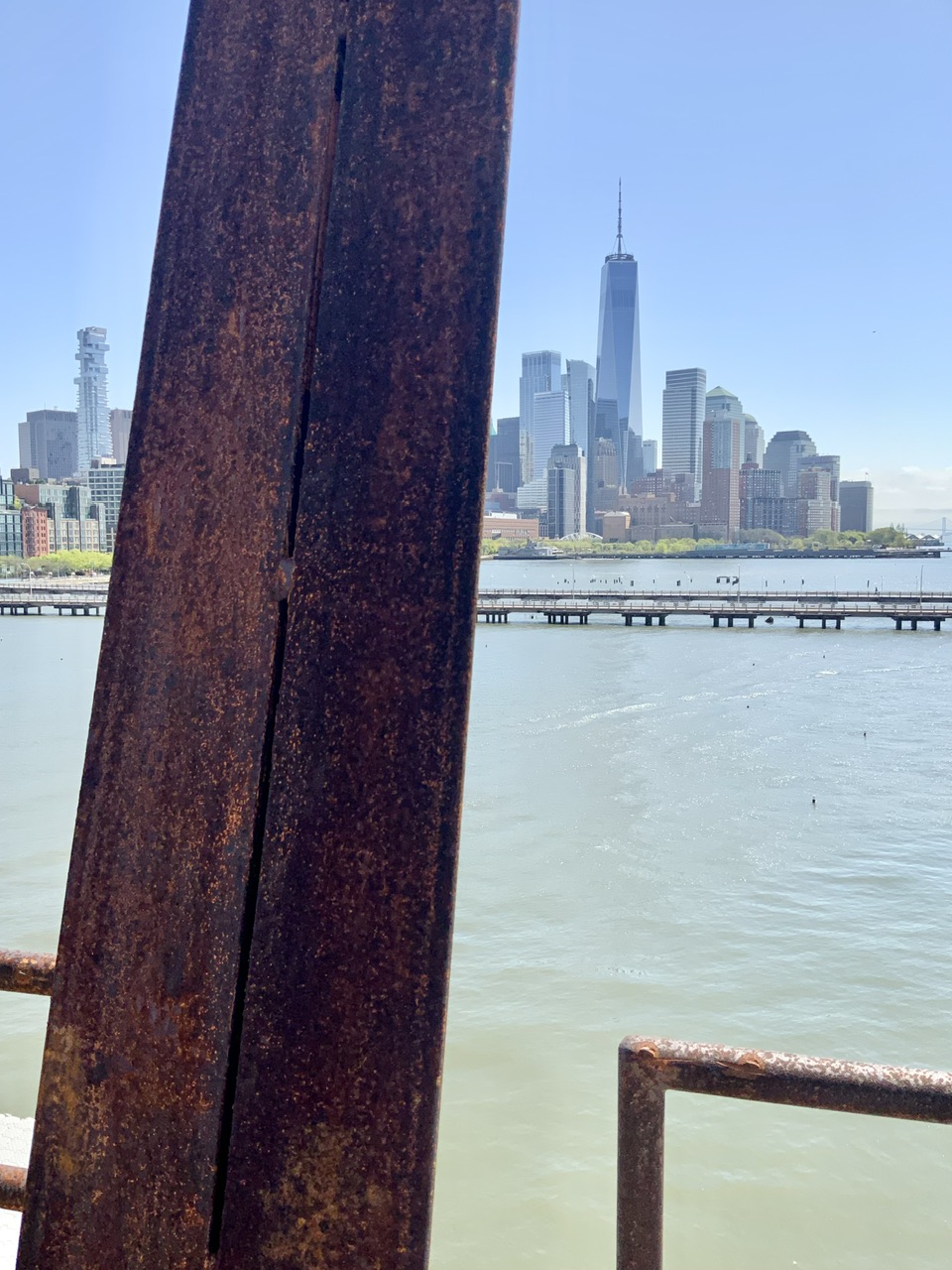
View of Lower Manhattan
A: I always work in series, which means that one pastel painting generally leads into the next. Considerable thought and planning go into each one before I begin, so it would be rare for me to just start something new out of the blue.
Sometimes on days off from the studio when we have beautiful weather, I can can hardly wait to go outside for a walk. I grab my iPad Pro and search for new sights to photograph. After a couple of hours, I usually return home with a handful of interesting images. Photography is such a departure from the slowness of my work in the studio, considering that in a good year I make 3 or 4 pastel paintings.
Comments are welcome!
Pearls from artists* 564
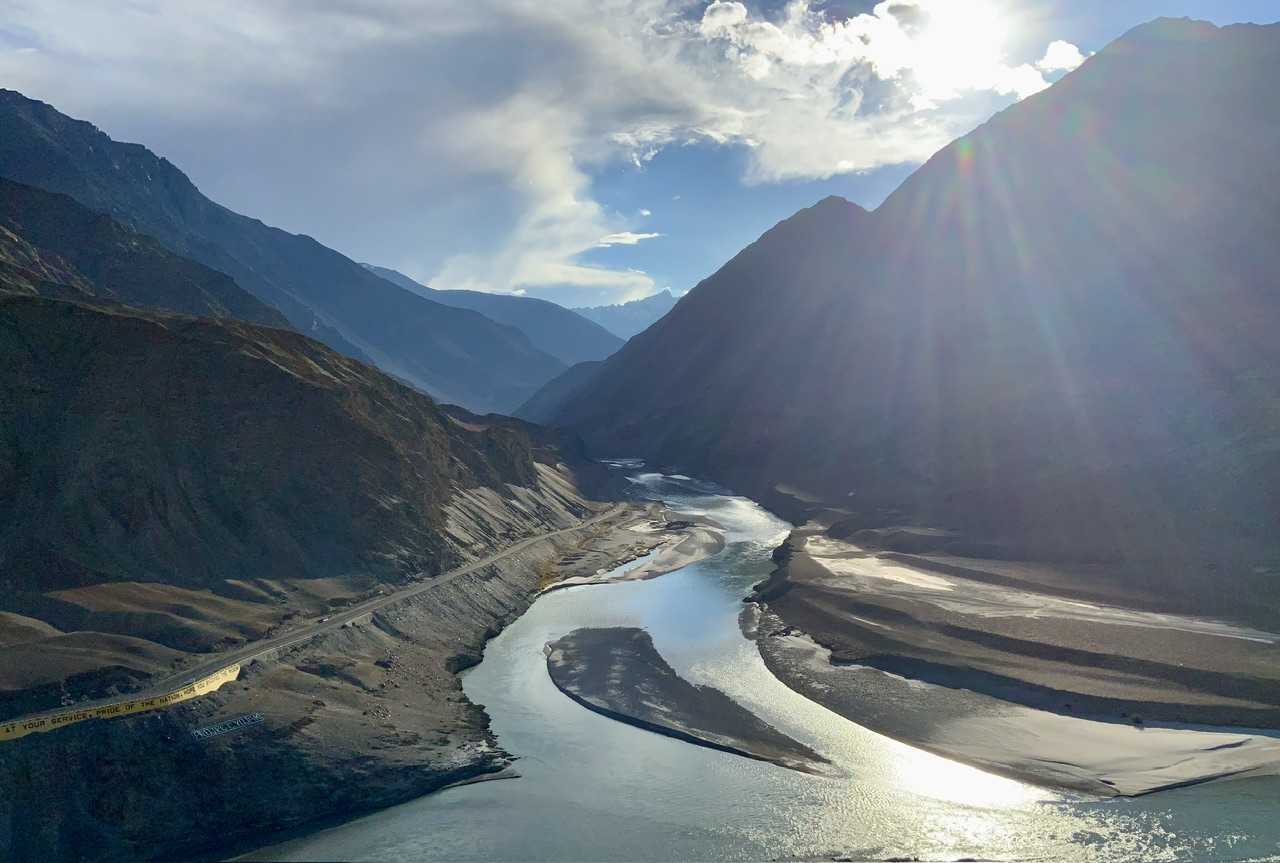
Indus River, Ladakh, India
*an ongoing series of quotations – mostly from artists, to artists – that offers wisdom, inspiration, and advice for the sometimes lonely road we are on.
To travel through the peaks and valleys of Himalayan Buddhism is to become a collector of fragmented images and a teasing array of sense impressions, many of them bound to counter the stereotypes of simplicity and serenity that we expect to define a Buddhist universe. At the end of the journey, the traveler assembles these sense fragments into an individualistic understanding of what has been seen and experienced. Maybe that’s the way it should be, since Buddhism itself teaches us that each person must seek his own way to knowledge and enlightenment in this life or some other.
Barbara Crossette in So Close to Heaven: The Vanishing Buddhist Kingdoms of the Himalayas
Comments are welcome!
Pearls from artists* #561

*an ongoing series of quotations – mostly from artists, to artists – that offers wisdom, inspiration, and advice for the sometimes lonely road we are on.
The most powerful symbols draw profound reactions from us. The symbolic images in great art attract and fascinate us; they stir our souls and move us beyond what can be easily expressed; ‘their pregnant language cries out to us that they mean more than they say.’
The unconscious produces symbols as part of a natural process within us. These images emerge out of the context of our lived experience… Jung saw the meaning-making process as one that not only requires attendance to the real context of our lives and history, but also involves profound inner listening. It asks us to use our rational capacities, but also our feeling and imaginal ones.
Symbolic images redirect our psychic energy, bringing together conscious and unconscious material and producing the lessening of conflict. In this way, they activate a transcendent function within the psyche. We experience this as the discovery of personal meaning and healing. This transformation is not the result of formulaic operations, but rather is a dynamic process that requires our authentic and vulnerable participation. The process challenges the whole of who we are and requires deep moral effort. That the unconscious would produce moving, powerful compensatory symbols inside us at all points to a fact that our culture may not have fully grasped – that there is a force working within us which is always driving us towards healing growth and greater consciousness… Despite our suffering, the psyche is always ultimately seeking both a healthy homeostatic balance and our ever-unfolding growth and unique development.
Gary Bobroff in Carl Jung: Knowledge in a Nutshell
Comments are welcome!
Pearls from artists* # 559

“Sacrificial” soft pastel on sandpaper, 58” x 38” image, 70” x 50” framed
*an ongoing series of quotations – mostly from artists, to artists – that offers wisdom, inspiration, and advice for the sometimes lonely road we are on.
There are two images the spectator gets from every work of art: one while looking at the work, the other – the after-image – while remembering the work… the artist creates the after-image, the painter makes the painting.
Elaine de Kooning quoted in Ninth Street Women by Mary Gabriel
Comments are welcome!
Pearls from artists* # 557

*an ongoing series of quotations – mostly from artists, to artists – that offers wisdom, inspiration, and advice for the sometimes lonely road we are on.
It is true that art, while indebted to tradition, is usually at odds with it; art is about the thrill of mutiny. Young painters and sculptors are particularly unwilling to be hampered by the past, especially if that past is encased in the cement shoes of gender. But familiarity with tradition can be liberating for an artist because it provides a map illustrating the route other people have taken, which is especially valuable at the start of such a perilous journey. Male artists can inspire and instruct, surely. Artistic concerns are gender neutral. But there are social and personal issues a woman artist faces that cannot be found in the stories of men; these are the obstacles confronted and obstacles overcome. The poet Adrienne Rich wrote, “For spiritual values and a creative tradition to continue unbroken we need concrete artifacts, the work of hands, written words to read, images to look at, a dialogue with brave and imaginative women who came before us.” It’s instructive as well as comforting to know how other women have managed and what other women have dared. It’s also gratifying to find in their stories an occasional energizing dose of inspiration.
Mary Gabriel in Ninth Street Women
Comments are welcome!
Pearls from artists* # 530
* an ongoing series of quotations – mostly from artists to artists – that offers wisdom, inspiration, and advice for the sometimes lonely road we are on.
Samuel Coleridge described the imagination as “the living power and prime agent of all human perception.” It achieves its fullest potential in artistic expression because it is there that it transcends mere representation to bring forth unprecedented images of the world.
JF Martel in Reclaiming Art in the Age of Artifice: A Treatise, Critique, and Call to Action
Comments are welcome!



 barbararachkoscoloreddust.com