Blog Archives
Pearls from artists* # 68
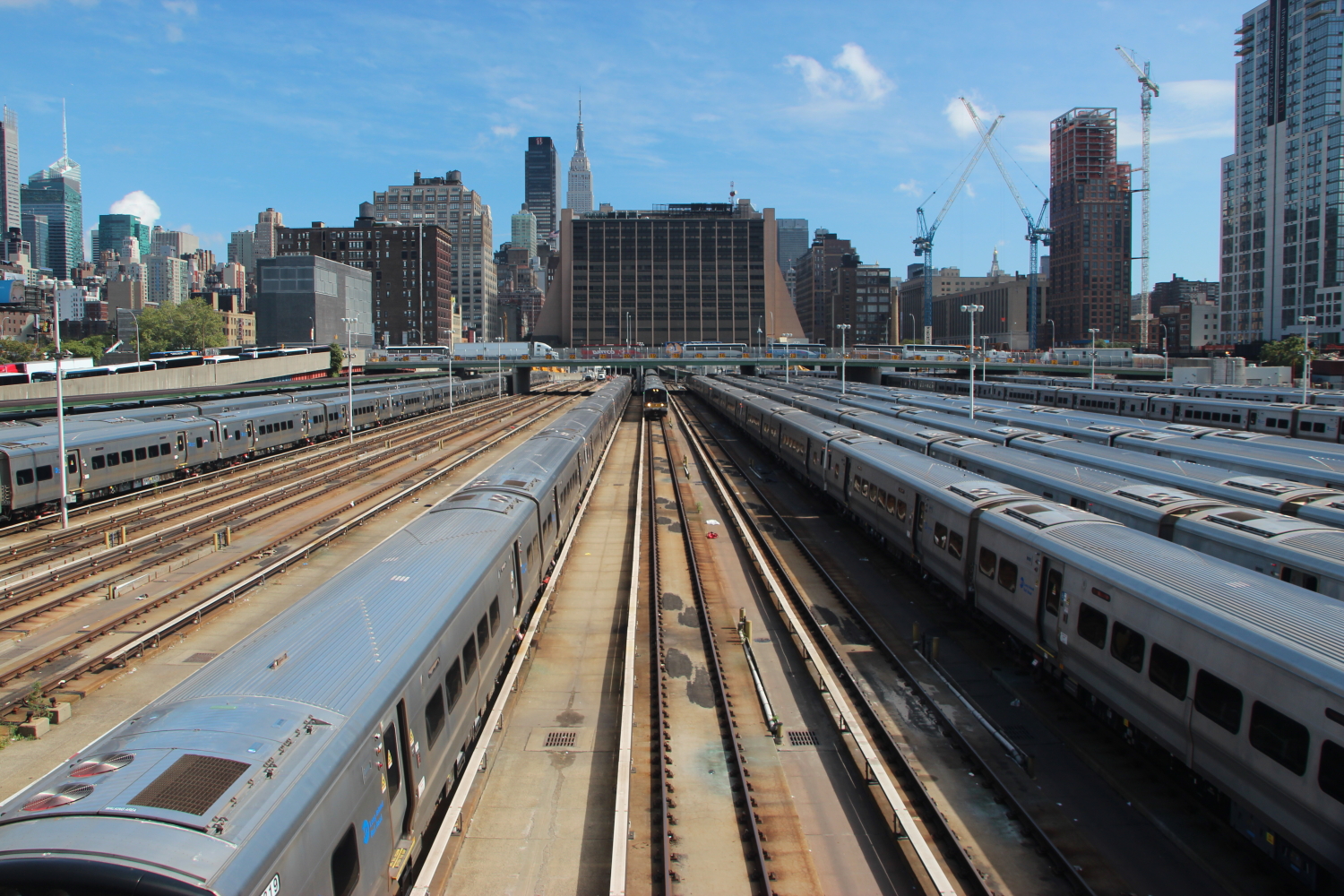
Hudson Rail Yards, NYC
* an ongoing series of quotations – mostly from artists, to artists – that offers wisdom, inspiration, and advice for the sometimes lonely road we are on.
Get to know what you really want. Hold on and treasure your vision. Acknowledge that your life is a work in progress and that your goals will change and develop over time. Knowing deeply what you want to accomplish shores up doubt, builds fortitude, and pushes you to take more action. This awareness changes how you hear and use information. Your senses will be sharpened. You begin to listen to everything differently; you interpret what you read, what you do, and whom you meet with your goals in mind. You will ask better questions of those around you and seek more meaningful help. All of this will produce a subtle yet profound shift in how you proceed and the actions you take. It will reshape your life and have major consequences for your career.
Jackie Battenfield in The Artist’s Guide: How to Make a Living Doing What You Love
Comments are welcome!
Pearls from artists* # 55

Alexandria, VA
* an ongoing series of quotations – mostly from artists, to artists – that offers wisdom, inspiration, and advice for the sometimes lonely road we are on.
Once a work is completed, I have to wait before undertaking another. The completed work does not release me quickly. It moves its chattels slowly. The wise thing then is a change of air and of room. The new material comes to me on my walks. Whatever happens I mustn’t notice it. If I interfere, it doesn’t come any more. One fine day the work demands my help. I give myself up to it in one fell swoop. My pauses are its own. If it falls asleep my pen skids. As soon as it wakes, it gives me a shake. It couldn’t care less if I am asleep. Get up, it says, so that I can dictate. And it is not easy to follow. Its vocabulary is not of words.
Jean Cocteau in The difficulty of Being
Comments are welcome!
Q: Would you speak about the practical realities – time and expenses – involved in making your pastel-on-sandpaper paintings? What might people be surprised to learn about this aspect of art-making?
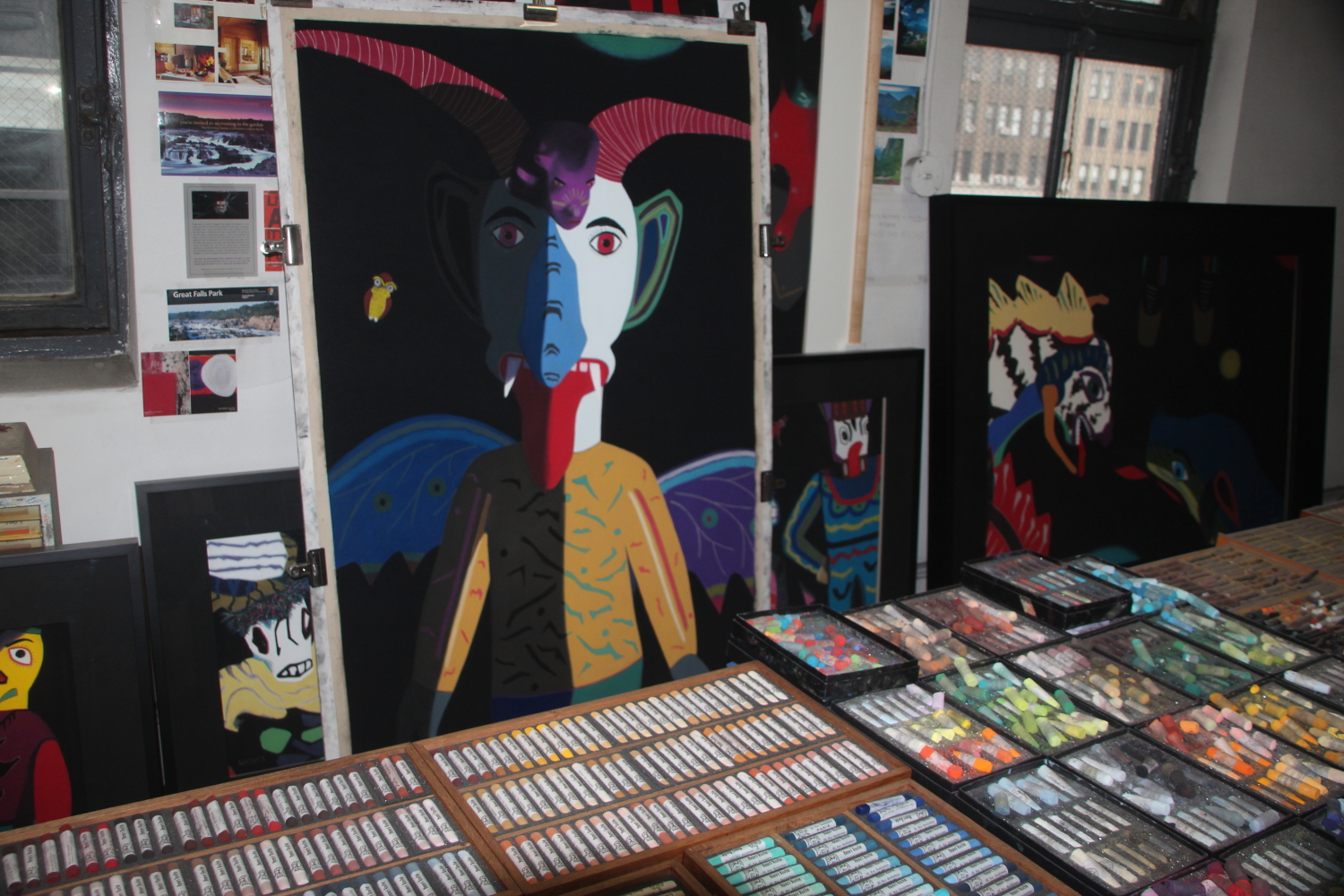
Studio
A: I have often said that this work is labor-intensive. In a good year I can complete five or six large (38″ x 58″) pastel paintings. In 2013 I am on track to make four, or, on average, one completed painting every three months. I try to spend between thirty-five and forty hours a week in the studio. Of course, I don’t work continuously all day long. I work for awhile, step back, look, make changes and additions, think, make more changes, step back, etc. Still, hundreds of hours go into making each piece in the “Black Paintings” series, if we count only the actual execution. There is also much thinking and preparation – there is no way to measure this – that happen before I ever get to stand before an empty piece of sandpaper and begin.
As far as current expenses, they are upwards of $12,000 per painting. Here is a partial breakdown:
$4500 New York studio, rent and utilities ($1350/month) for three months
$2500 Supplies, including frames (between $1500 – $1700), photographs, pastels (pro-rated), paper
$2000 Foreign travel to find the cultural objects, masks, etc. depicted in my work (approximate, pro-rated)
$3000 Business expenses, such as computer-related expenses, website, marketing, advertising, etc.
This list leaves out many items, most notably compensation for my time, shipping and exhibition expenses, costs of training (i.e. ongoing photography classes), photography equipment, etc. Given my overhead, the paintings are always priced at the bare minimum that will allow me to continue making art.
I wonder: ARE people surprised by these numbers? Anyone who has ever tried it knows that art is a tough road. Long ago I stopped thinking about the cost and began doing whatever is necessary to make the best paintings. The quality of the work and my evolution as an artist are paramount now. This is my life’s work, after all.
Comments are welcome!
Pearls from artists* # 53
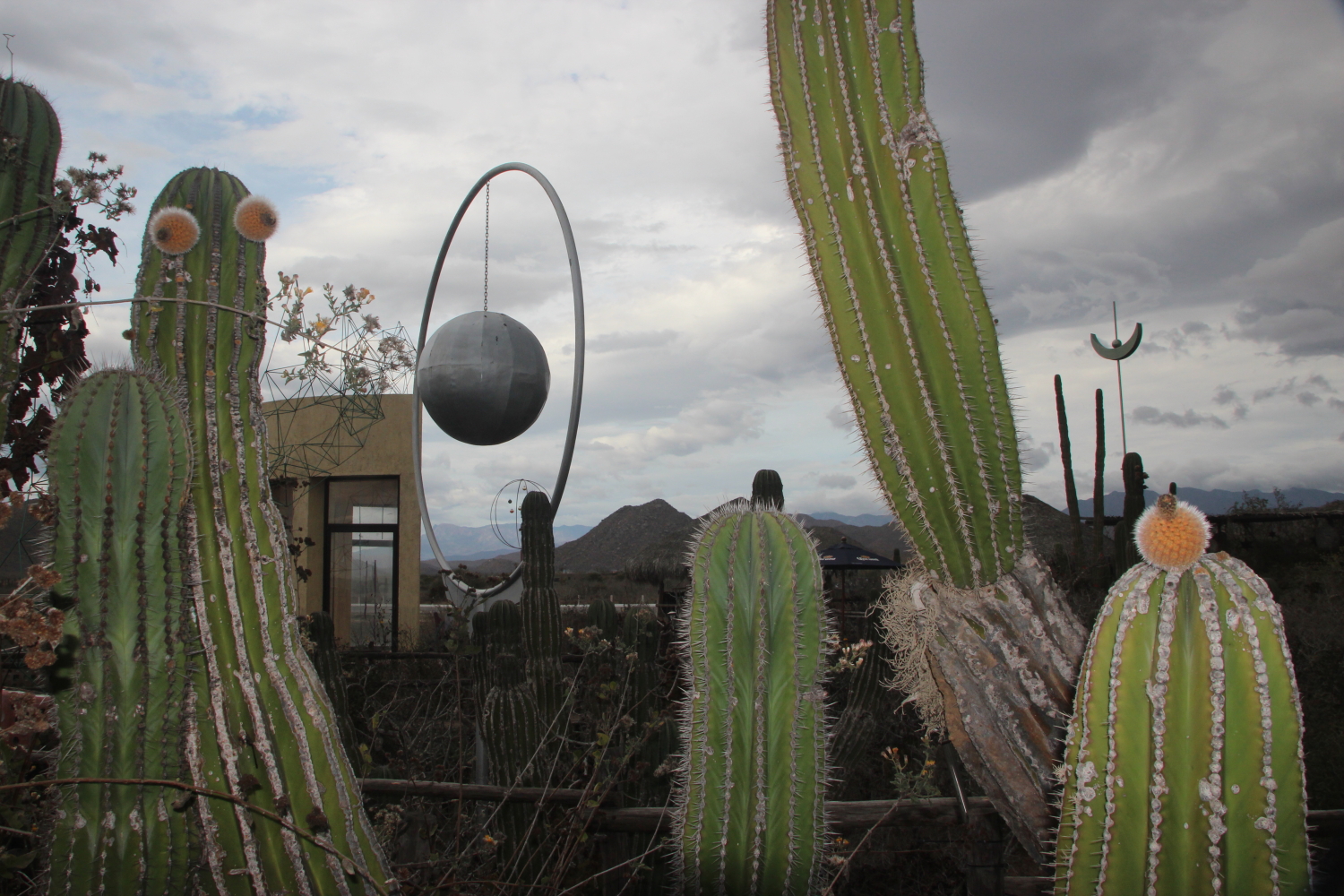
“Art and Beer,” a roadside bar and sculpture garden in Baja del Sur, Mexico
* an ongoing series of quotations – mostly from artists, to artists – that offers wisdom, inspiration, and advice for the sometimes lonely road we are on.
We do treat books surprisingly lightly in contemporary culture. We’d never expect to understand a piece of music on one listen, but we tend to believe we’ve read a book after reading it just once. Books and music share more in terms of resonance than just a present-tense correlation of heard note to read word. Books need time to draw us in, it takes time to understand what makes them, structurally, in thematic resonance, in afterthought, and always in correspondence with the books which came before them , because books are produced by books more than by writers; they’re a result of all the books that went before them. Great books are adaptable; they alter with us as we alter in life, they renew themselves as we change and re-read them at different times in our lives. You can’t step into the same story twice – or maybe it’s that stories. books, art can’t step into the same person twice, maybe it’s that they allow for our mutability, are ready for us at all times, and maybe it’s this adaptability, regardless of time, that makes them art, because real art (as opposed to more transient art, which is real too, just for less time) will hold us at all our different ages like it held all the people before us and will hold all the people after us, in an elasticity and with a generosity that allow for all our comings and goings. Because come then go we will, and in that order.
Ali Smith in Artful
Comments are welcome!
Q: Your pastel-on-sandpaper paintings are very labor intensive. Do you typically have just one in progress at any given time?

Works in progress, soft pastel on sandpaper, 58″ x 38″
A: For many years I always worked on one at a time because I have only one or two ideas – never more than that – about what I will make next. Also, I believe that “all art is the result of one’s having gone through an experience to the end.” (It’s on a note taped to the wall near my easel). So I would work on one painting at a time until all of the problems in it were resolved. Each piece that I undertake represents an investment of several months of my life and after nearly three decades as an artist, I know that once I start a piece I will not abandon it for any reason. When it is the best painting that I can make – when adding or subtracting anything would be a diminishment – I pronounce it “finished.” In the past I would start the next one only when the completed piece was out of my sight and at the frame shop.
But a few years ago I began working on two pastel paintings at a time. When I get stuck – or just need a break from looking at the same image day after day (I am in my studio 5 days a week) – I switch to the other one. This helps me work more efficiently. The two paintings interact with each other; they play off of each other and one suggests solutions that help me to resolve problem areas in the other. I’m not sure exactly how this happens – maybe putting a piece aside for awhile alerts my unconscious to begin working deeply on it – but having two in progress at the same time is my preferred way of working now.
A note about the painting on the left above, which was previously called, “Judas.” I happen to be reading “Cloud Atlas,” by David Mitchell and came across the word “judasing” used as a verb meaning, “doing some evil to a person who profoundly trusted you.” I’d never heard the word before, but it resonated with an event in my personal life. So the new title of my painting is “Judasing.” This is a good reminder that work and life are inextricably (and inexplicably) woven together and that titles can come from anywhere!
Comments are welcome!
Q: How do you organize your studio?

Barbara’s studio
A: Of course, my studio is first and foremost set up as a work space. The easel is at the back and on either side are two rows of four tables, containing thousands of soft pastels.
Enticing busy collectors, critics, and gallerists to visit is always difficult, but sometimes someone wants to make a studio visit on short notice so I am ready for that. I have a selection of framed recent paintings and photographs hanging up and/or leaning against a wall. For anyone interested in my evolution as an artist, I maintain a portfolio book with 8″ x 10″ photographs of all my pastel paintings, reviews, press clippings, etc. The portfolio helps demonstrate how my work has changed during my nearly three decades as a visual artist.
Comments are welcome!
Q: What is it about soft pastel that you find so intriguing that you use it as your primary fine art medium?

Some of Barbara’s pastels
A: For starters it’s the medium that I fell in love with many years ago. I recently read this article online, “What is Pastel?” by Mike Mahon, and will quote it because it neatly sums up what I love about working with pastel.
Pastel is the most permanent of all media when applied to conservation ground and properly framed. Pastel has no liquid binder that may cause it to oxidize with the passage of time as oftentimes happens with other media.
In this instance, Pastel does not refer to pale colors, as the word is commonly used in cosmetic and fashion terminology. The pure, powdered pigment is ground into a paste with a minimum amount of gum binder, rolled into sticks and dried. The infinite variety of colors in the Pastel palette range from soft and subtle to hard and brilliant.
An artwork is created by stroking the stick of dry pigment across an abrasive ground, embedding the color in the “tooth” of the ground. If the ground is completely covered with Pastel, the work is considered a Pastel painting; whereas, leaving much of the ground exposed produces a Pastel sketch. Techniques vary with individual artists. The Pastel medium is favored by many artists because it allows a spontaneous approach. There is no drying time, therefore, no change in color occurs after drying as it does in other media.
Did you know that a particle of Pastel pigment seen under a microscope looks like a diamond with many facets? It does! Therefore, Pastel paintings reflect light like a prism. No other medium has the same power of color or stability.
Historically, Pastel can be traced back to the 16th century. Its invention is attributed to the German painter, Johann Thiele. A Venetian woman, Rosalba Camera, was the first to make consistent use of Pastel. Chardin did portraits with an open stroke, while La Tour preferred the blended finish. Thereafter, a galaxy of famous artists—Watteau, Copley, Delacroix, Millet, Manet, Renoir, Toulouse Lautrec, Vuillard, Bonnard, Glackens, Whistler, Hassam, William Merritt Chase—used Pastel for a finished work rather than for preliminary sketches.
Pastels from the 16th century exist today, as fresh as the day they were painted. Edgar Degas was the most prolific user of Pastel and its champion. His protégé, Mary Cassat, introduced Pastel to her friends in Philadelphia and Washington, and thus to the United States. In the Spring of 1983, Sotheby Parke Bernet sold at auction, two Degas Pastels for more than $3,000,000 each! Both Pastels were painted about 1880.
Note: Do not confuse Pastel with “colored chalk.” Chalk is a porous, limestone substance impregnated with dyes, whereas, Pastel is pure pigment—the same as is used in other permanent painting media.
Today, Pastel paintings have the stature of oil and watercolor as a major fine art medium. Many of our most renowned, living artists have distinguished themselves in Pastel and have enriched the art world with this beautiful medium.
So knowing all this, I often wonder, why don’t more artists use pastel? Is it because framing is a big issue? Works on paper need to be framed and pastel paintings have unique problems (see my April 27, 2013 blog post). Second only to the cost of maintaining a studio in New York City, frames are my single largest business expense. Sometimes I am grateful that pastel is a very slow medium. I typically finish 4 or 5 paintings in a year, which means I only have to pay for 4 or 5 frames!
Comments are welcome!
Pearls from artists* # 36
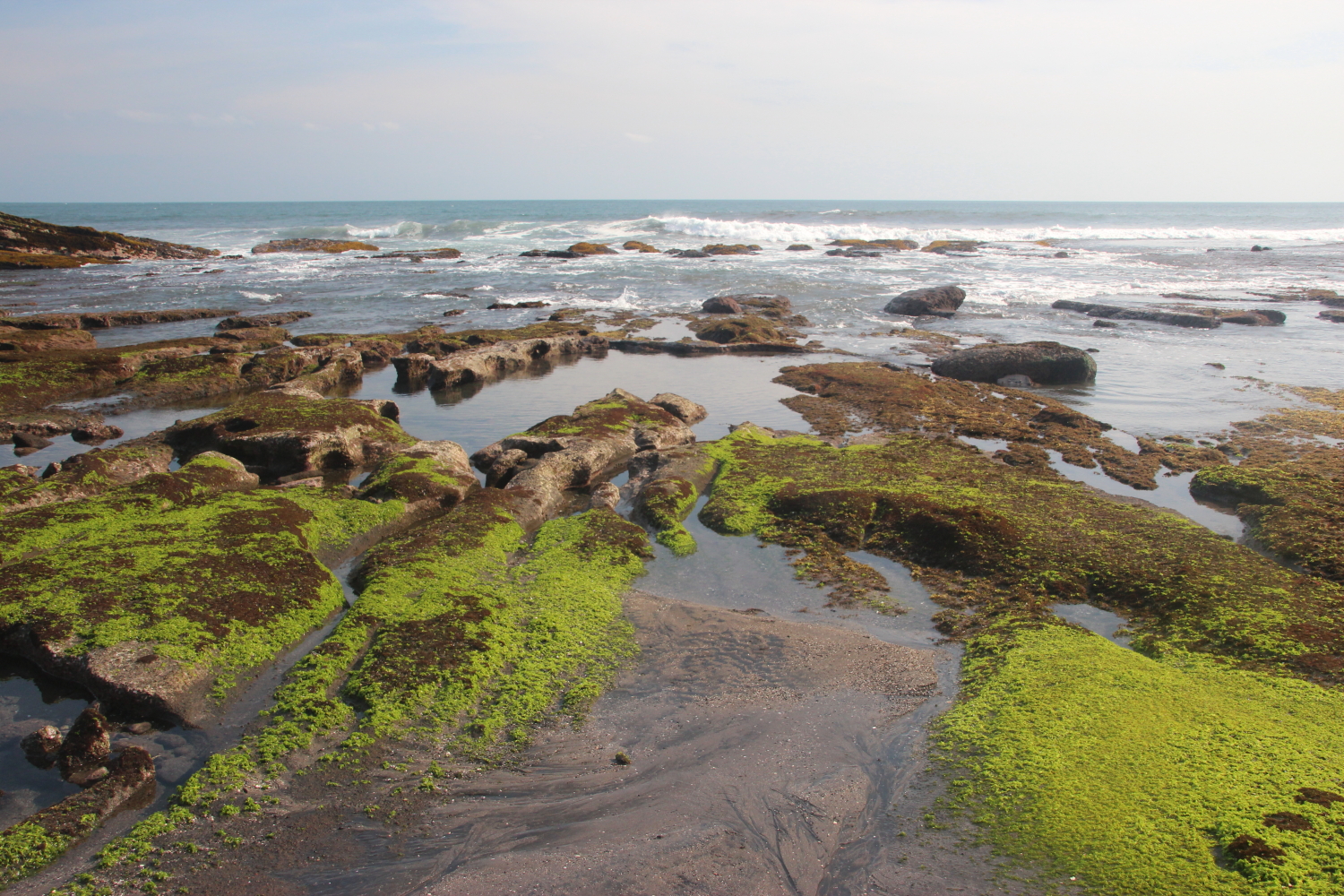
Indian Ocean, Tanah Lot, Bali
* an ongoing series of quotations – mostly from artists, to artists – that offers wisdom, inspiration, and advice for the sometimes lonely road we are on.
… don’t wait for things to change, the hour of man is now and, whether you are working at the bottom of the pile or on top, if you are a creative individual you will go on producing, come hell or high water. And this is the most you can hope to do. One has to go on believing in himself, whether recognized or not, whether heeded or not. The world may seem like hell on wheels – and we are doing our best, are we not, to make it so? – but there is always room, if only in one’s own soul, to create a spot of Paradise, crazy though it may sound.
Henry Miller in Stand Still Like the Hummingbird
Comments are welcome!
Pearls from artists* # 35
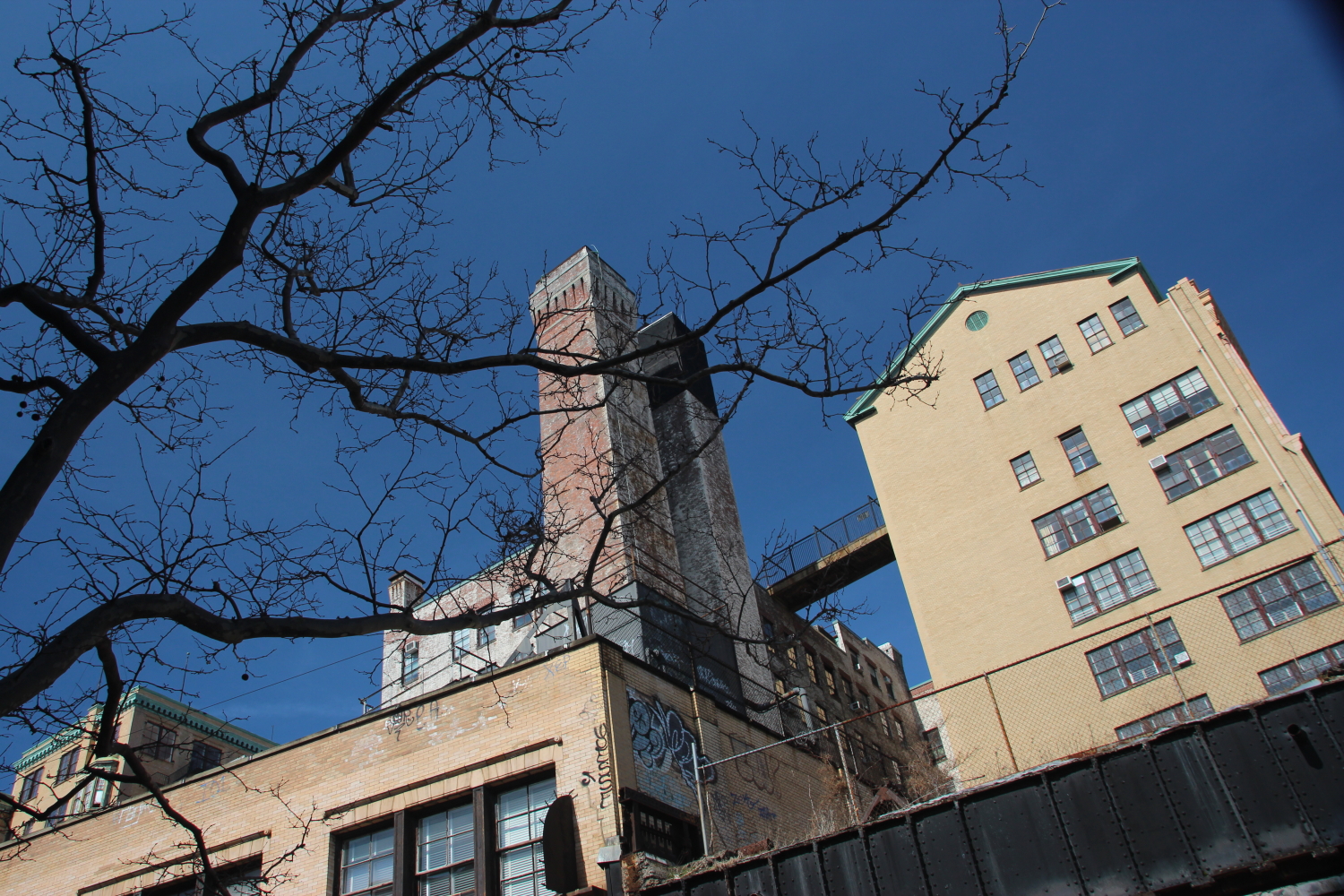
Westbeth, NYC
* an ongoing series of quotations – mostly from artists, to artists – that offers wisdom, inspiration, and advice for the sometimes lonely road we are on.
An individual who has committed himself to art and now wrestles within it, having given up everything else, has also become strict, you see. Such a person is more likely to warn off others rather than to beckon them to enter into a realm of the most tremendous demands and indescribable sacrifices. And for someone sitting at his desk, behind closed doors, matters are still relatively simple: at least he has to deal only with himself. But an actor, even when his work originates in the purest experiences of his being, stands in the open and performs his work in the open where he is exposed to all the influences, detractions, disturbances, and even hostilities that originate in his colleagues and his audience and that interrupt, distract, and split him off. For him things are more difficult than for anyone else; above all, he needs to lure success and to base his actions on it. And yet what misery results if this new alignment leads him to abandon the inner direction that had driven him into art in the first place. He seems to have no self; his job consists in letting others dictate selves to him. And the audience, once it has accepted him, wants to preserve him within the limits where it finds entertainment; and yet his achievement depends entirely upon his capacity to maintain an interior constancy through all kinds of changes, blindly, like a madman. Any momentary weakness toward success is as sure to doom him as giving in and drawing on applause as a precondition for their creation spells doom for the painter or poet.
Ulrich Baer in The Wisdom of Rilke
Comments are welcome!
Q: Is there an overarching narrative in your photographs with Mexican and Guatemalan figures?
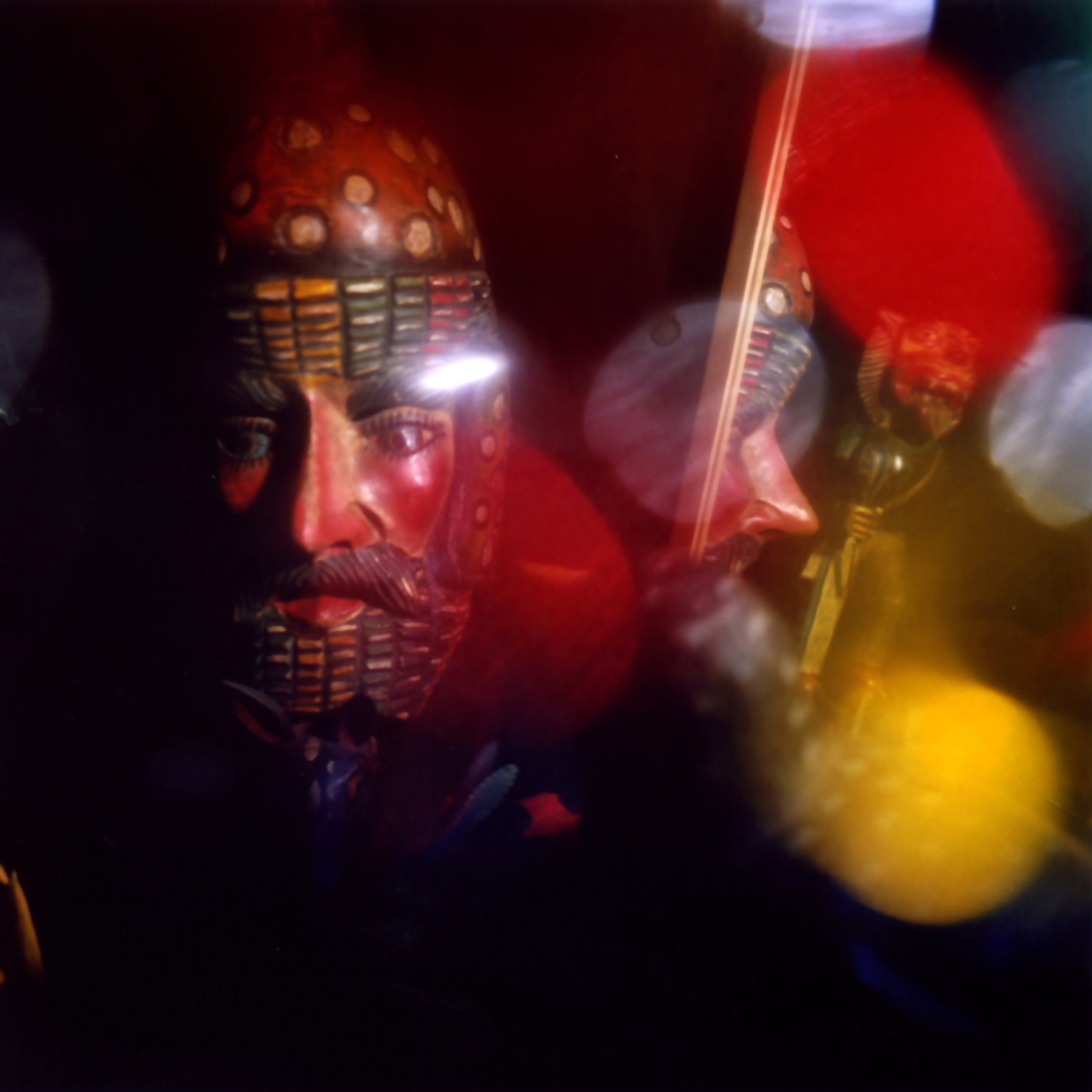
Untitled chromogenic print, 24″ x 24,” edition of 5
A: Maybe, but that’s something for the viewer to judge. I never specify exactly what my work is about for a couple of reasons: my thinking about the meaning of my work constantly evolves, plus I wouldn’t want to cut off other people’s interpretations. Everything is equally valid. I heard Annie Leibovitz interviewed some time ago on the radio. She said that after 40 years as a photographer, everything just gets richer. It doesn’t get easier, it just gets richer. I’ve been a painter for 27 years, a photographer for 11, and I agree completely. Creating this work is an endlessly fascinating intellectual journey. I realize that I am only one voice in a vast art world, but I hope that through the ongoing series of questions and answers on my blog, I am conveying some sense of how artists work and think.
Comments are welcome!


 barbararachkoscoloreddust.com