Blog Archives
Pearls from artists* # 641

In the Studio
*an ongoing series of quotations – mostly from artists, to artists – that offers wisdom, inspiration, and advice for the sometimes lonely road we are on.
Artistic voice is the most critical aspect of creative practice, yet it is rarely taught…
Some schools teach ‘ideation’ (conceptualizing a work or series), but that is very different from cultivating an essential core that is uniquely your own. Ideation is a Band-Aid to get you through your next few projects, while voice is a consistent, profound, and idiosyncratic wellspring that you own. It is born of your singular fascinations, obsessions, and life experiences, both weighty and mundane. If you make the effort to build and consistently replenish it, this well will deepen, yielding creative riches over the course of your entire life. Cultivating visual voice needs to be a cornerstone of art education, not an afterthought.
Kate Kretz in Art From Your Core: A Holistic Guide to Visual Voice
Comments are welcome!
Pearls from artists* # 570
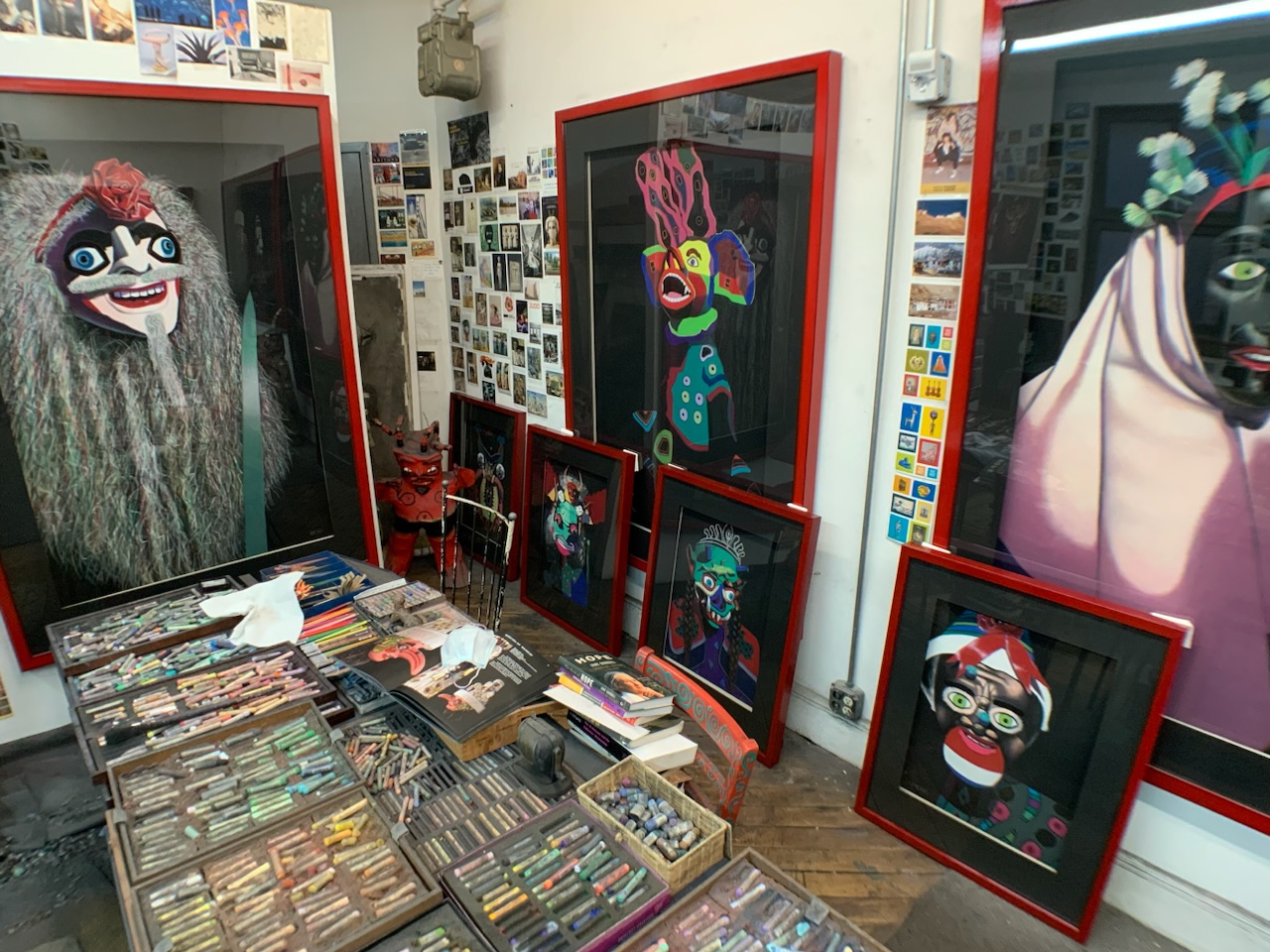
Barbara’s Studio
*an ongoing series of quotations – mostly from artists, to artists – that offers wisdom, inspiration, and advice for the sometimes lonely road we are on.
One of the main differences between the young girl who drew a line in chalk from the Metropolitan Museum all the way to her home on Park Avenue and the young woman who drew lines on canvas and paper twenty years later was that the latter understood the willfulness that drove the child. She was facing “the monster,” the consuming need to create, which was beyond her control but no longer beyond her comprehension. Helen [Frankenthaler] had long understood that her gift set her apart, and that it would be nearly impossible to describe how and why without sounding arrogant or cruel. “It’s saying I’m different, I’m special, consider me differently,” she explained years later. “And it’s also on the other side, a recognition that one is lonely, that one is not run of the mill, that the values are different, and yet we all go into the same supermarkets… and we are all moved one way or another by children and seasons, and dreams. So that art separates you…”
The separation she described was not merely the result of what one did, whether it be painting or sculpting or writing poetry. Helen said the distance between an artist and society was due to a quality both intangible and intrinsic, a “spiritual” or “magical” aspect that nonartists did not always understand and were sometimes frightened by. “They want you to behave a certain way. They want you to explain what you do and why you do it. Or they want you removed, either put on a pedestal or victimized. They can’t handle it.” Helen concluded that existing outside so-called normal life was simply the price an artist paid to create.
Mary Gabriel in Ninth Street Women
Comments are welcome!
Pearls from artists* # 558
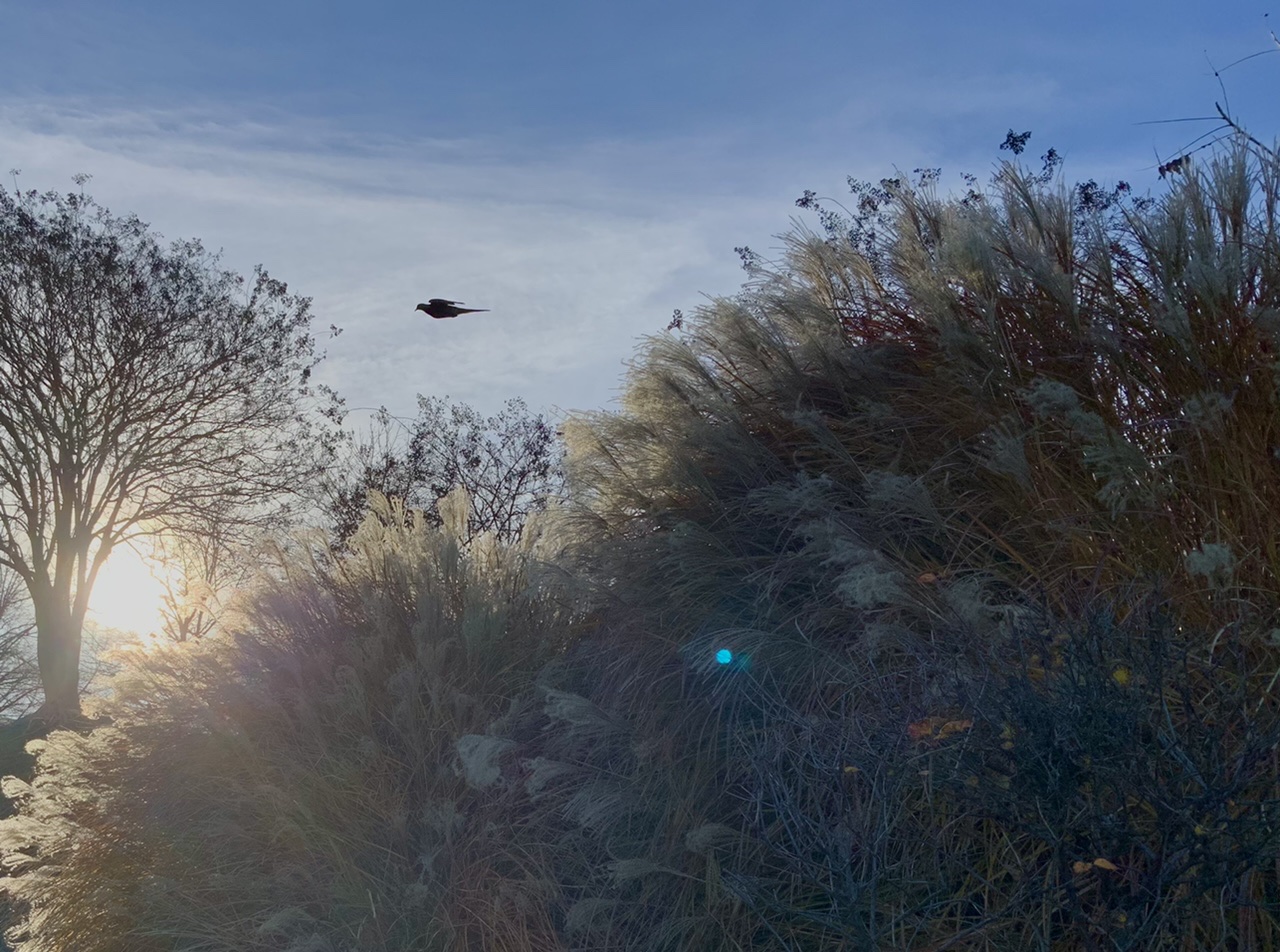
Alexandria, VA
*an ongoing series of quotations – mostly from artists, to artists – that offers wisdom, inspiration, and advice for the sometimes lonely road we are on.
One of the main differences between the young girl who drew a line in chalk from the Metropolitan Museum all the way to her home on Park Avenue and the young woman who drew lines on canvas and paper twenty years later was that the latter understood the willfulness that drove the child. She was facing “the monster,” the consuming need to create, which was beyond her control but no longer beyond her comprehension. Helen [Frankenthaler] had long understood that her gift set her apart, and that it would be nearly impossible to describe how and why without sounding arrogant or cruel. “It’s saying I’m different, I’m special, consider me differently,” she explained years later. “And it’s also on the other side, a recognition that one is lonely, that one is not run of the mill, that the values are different, and yet we all go into the same supermarkets… and we all are moved one way or the other by children and seasons, and dreams. So the art separates you.”
The separation she described was not merely the result of what one did, whether it be painting or sculpting or writing poetry. Helen said the distance between an artist and society was due to a quality both tangible and intangible and intrinsic, a “spiritual” or “magical” aspect that nonartists did not always understand and were sometimes frightened by. “They want you to behave a certain way. They want you to explain what you do and why you do it. Or they want you removed, either put on a pedestal or victimized. They can’t handle it.” Helen concluded that existing outside so-called normal life was simply the price an artist paid to create.
Mary Gabriel in Ninth Street Women
Comments are welcome!

Q: Foreign travel has long been a significant aspect of your work. What are your views on cultural appropriation?
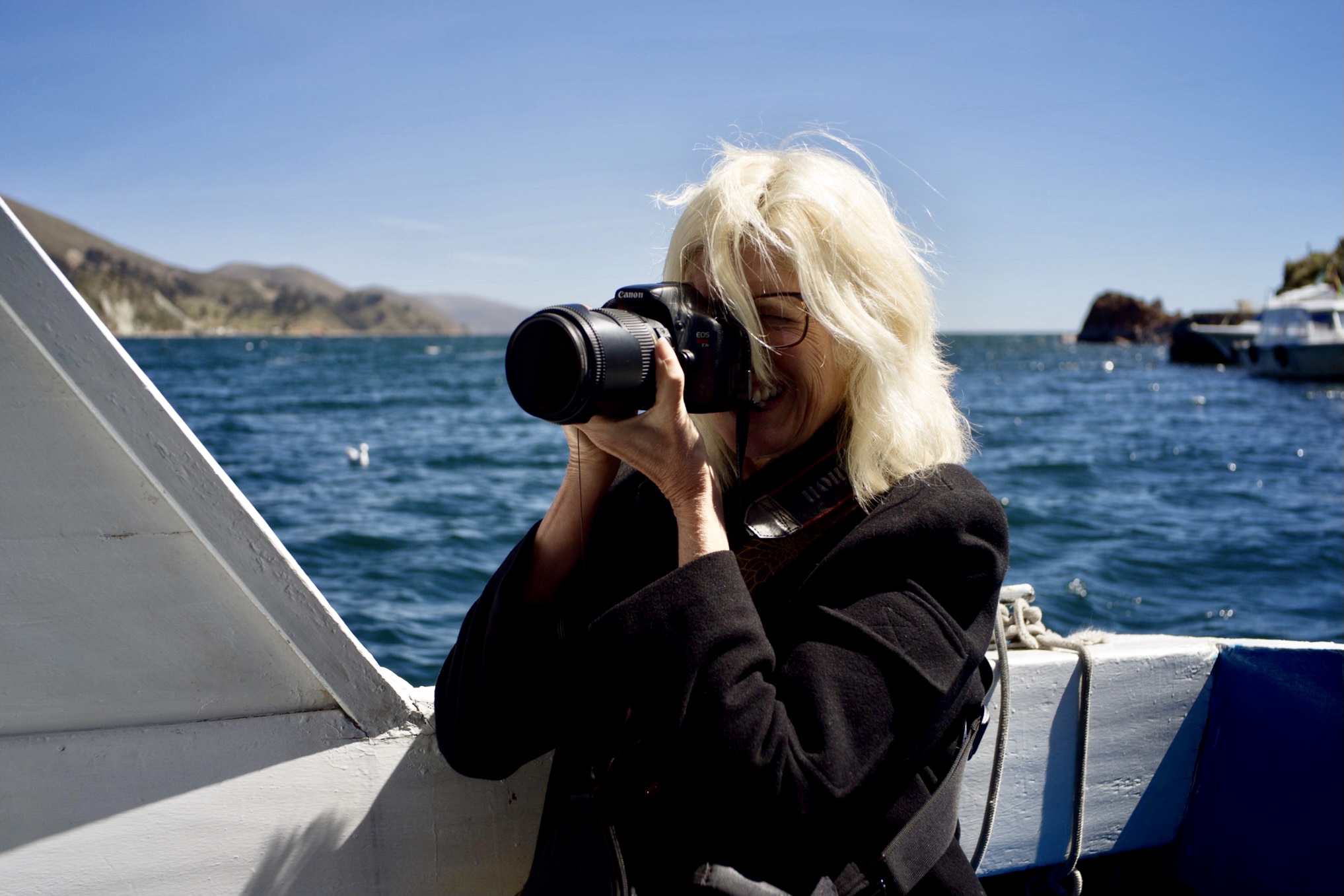
A: For more than three decades my inspiration and subject matter have come mainly from international travel to remote parts of the globe. I daresay there is no better education than travel. The result is that I possess a deep love and reverence for people and cultures all over the world. We are all connected by our shared humanity.
I wholeheartedly agree with what Henry Louis Gates eloquently expressed in the NY Times Book Review of October 12, 2021. Additions are mine.
Any teacher, any student, any writer, [any artist] sufficiently attentive and motivated, must be able to engage freely with subjects of their choice. That is not only the essence of learning; it’s the essence of being human.
And
What I owe to my teachers – and to my students – is a shared sense of wonder and awe as we contemplate works of the human imagination across space and time, works created by people who don’t look like us and who, in so many cases, would be astonished that we know their work and their names. Social identities can connect us in multiple and overlapping ways; they are not protected but betrayed when we turn them into silos with sentries. The freedom to write [and make art] can thrive only if we protect the freedom to read – and to learn. And perhaps the first thing to learn, in these storm-battered days, is that we could all do with more humility, and more humanity.
Comments are welcome!
Pearls from artists* # 491
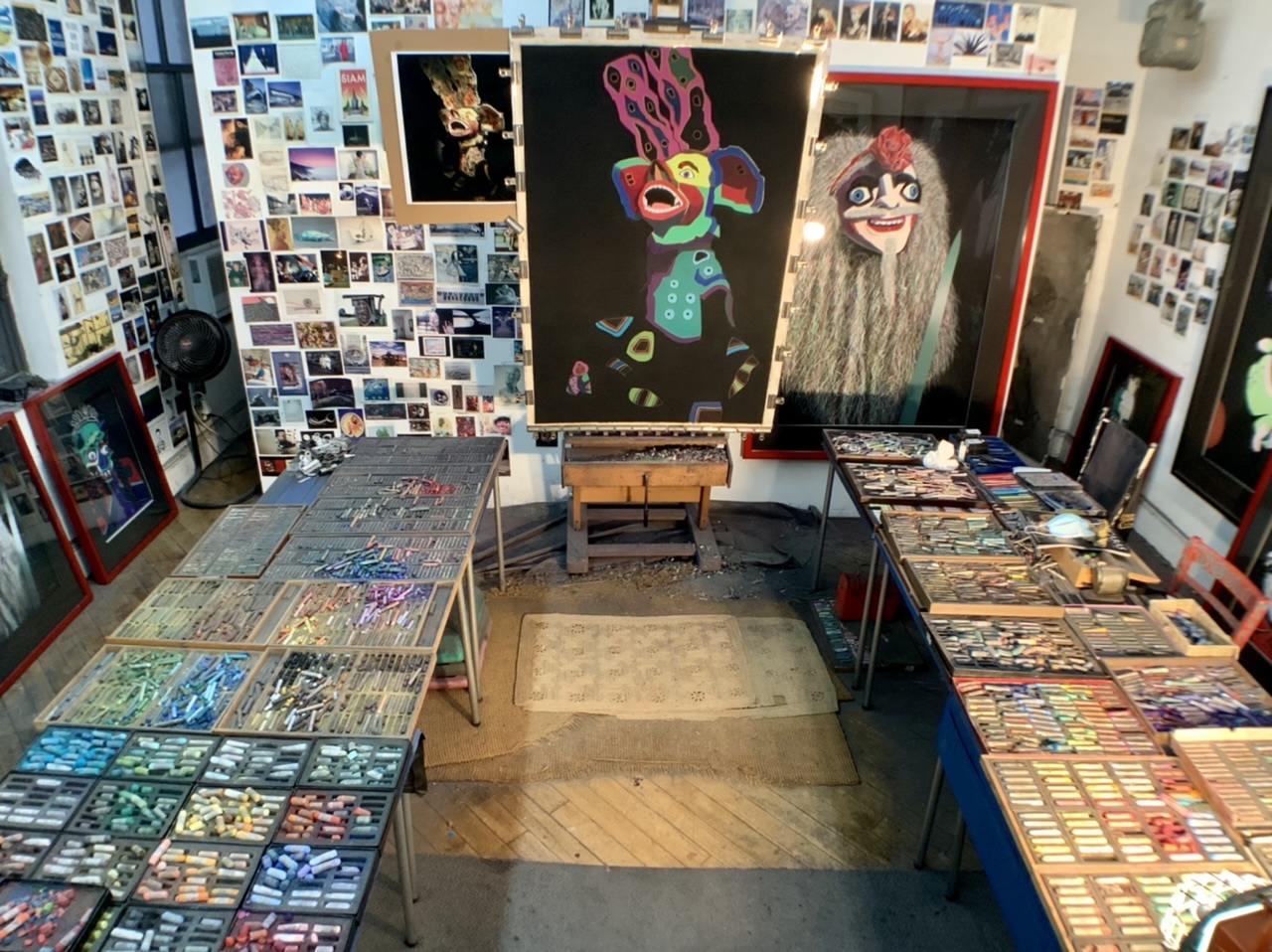
*an ongoing series of quotations – mostly from artists, to artists – that offers wisdom, inspiration, and advice for the sometimes lonely road we are on.
We look at ancient Egyptian painting today and may find it slightly comic, but what the Egyptians were trying to do with the figure was reveal the various aspects of the person’s body in the most characteristic aspect. The face is in profile because that reveals the most about the person’s face, but the shoulders are not in profile, they’re facing the viewer, because that’s the most revealing angle for the shoulders. The hips are not in profile, but the feet are. It gives a strange, twisted effect, but it was natural to the Egyptians. They were painting essences, and in order to paint an essence you have to paint it from its most characteristic angle. So they would simply combine the various characteristic essences of the human body. This was a piece of spiritual art. It wasn’t trying to reproduce photographic reality, it was trying to reproduce and combine all the essential features of a person within one figure.
Walter Murch in The Conversations: Walter Murch and the Art of Editing Film by Michael Ondaatje
Comments are welcome!
Q: Travel is an essential aspect of your work. How do you decide where to travel next?
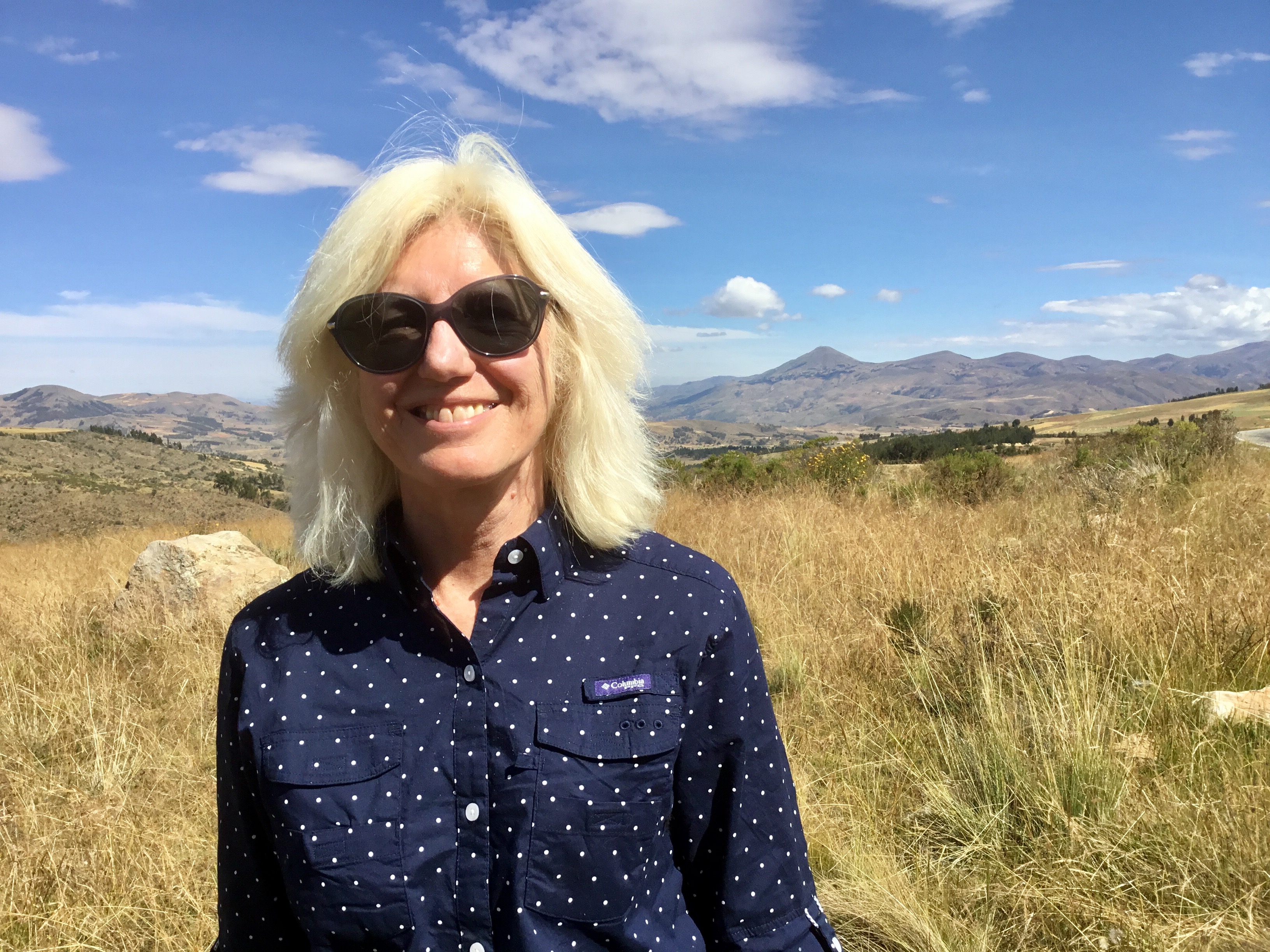
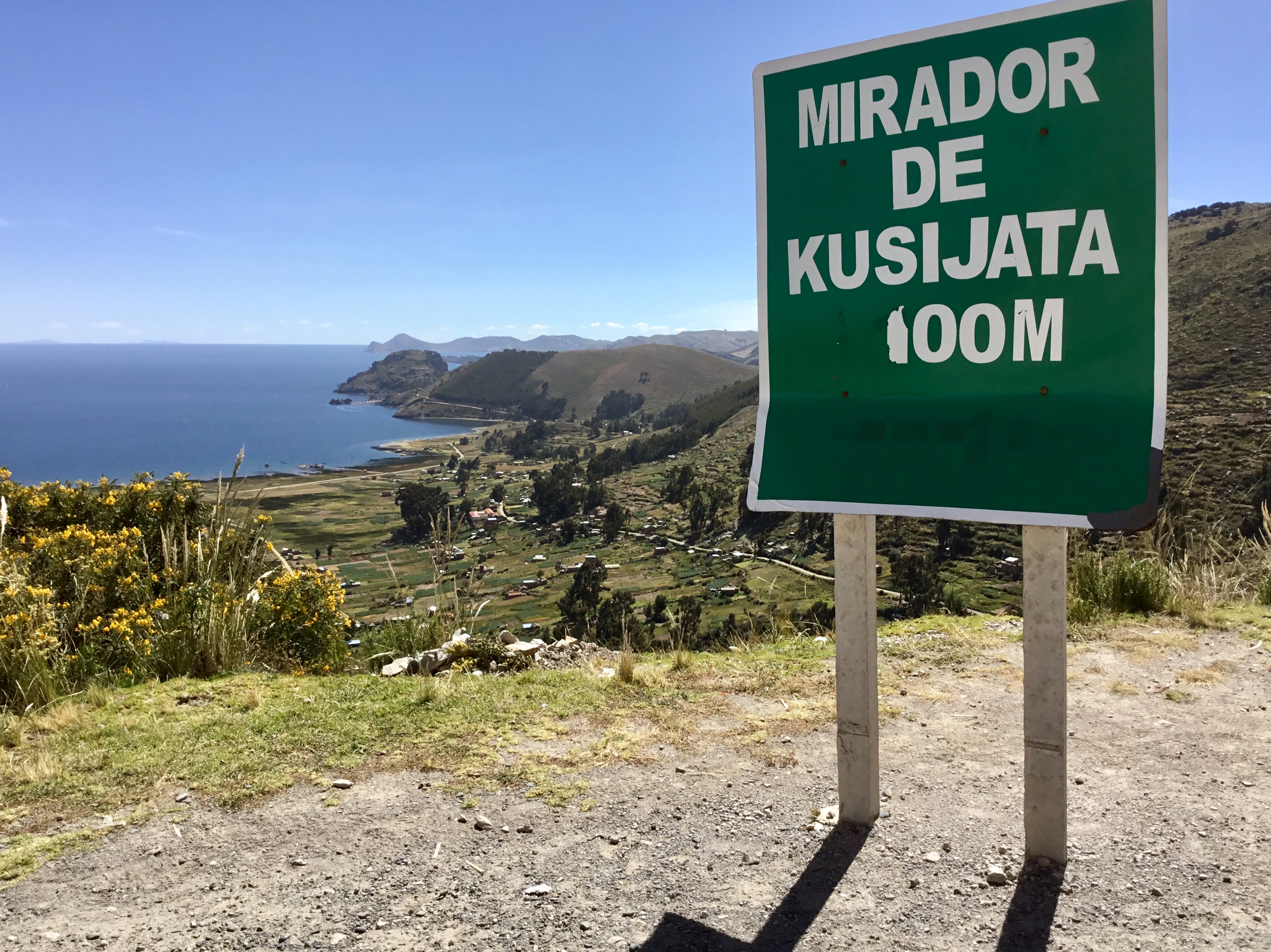
In the Bolivian Andes at about 14,000’
A: Generally, I am most interested in exploring Mexico and destinations in Central and South American because they offer endless inspiration to further my work. I’m not exactly certain why this is the case. I DO know that I cannot get enough of travel to points south!
My 2017 trip to Bolivia proved to be crucial for my current pastel painting series. “Bolivianos” is based on an exhibition of Carnival masks encountered at the National Museum of Ethnology and Folklore in La Paz.
I had high hopes of making a return visit – along with a private tour guide – last February. However, since President Moreno resigned last November, much political instability, violence, and turmoil resulted. I would not have felt safe traveling to Oruro to see Carnival celebrations this year.
In the mean time I look forward to traveling to Chile, the Atacama Desert, and Easter Island next winter!
Comnents are welcome!
Pearls from artists* # 210
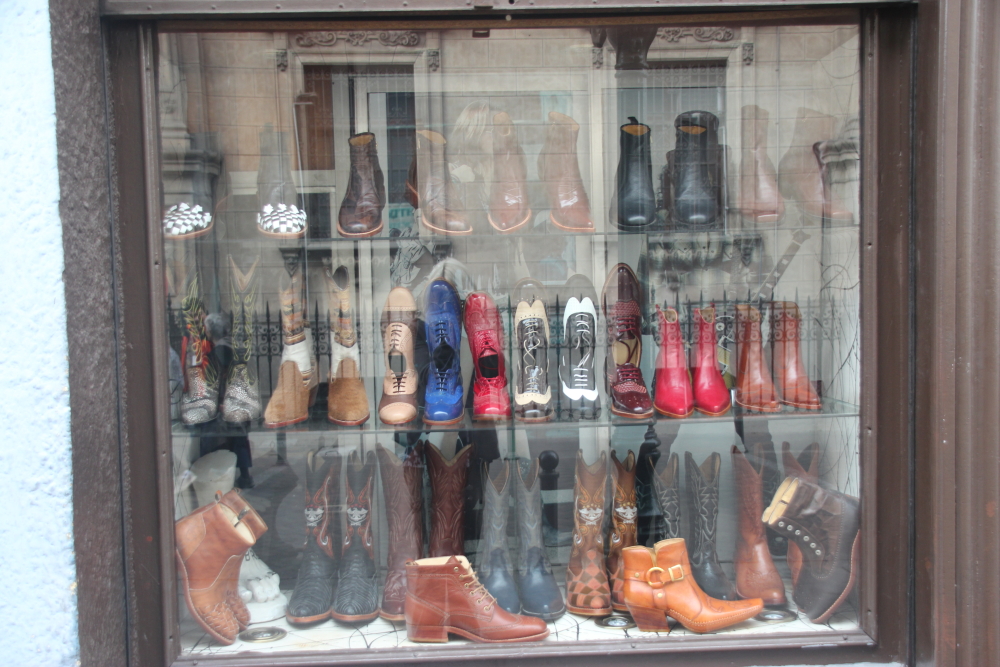
Lima, Peru (with self-portrait)
* an ongoing series of quotations – mostly from artists, to artists – that offers wisdom, inspiration, and advice for the sometimes lonely road we are on.
Much that is said about beauty and its importance in our lives ignores the minimal beauty of an unpretentious street, a nice pair of shoes or a tasteful piece of wrapping paper, as though these things belonged to a different order of value from a church by Bramante or a Shakespeare sonnet. Yet these minimal beauties are far more important to our daily lives, and far more intricately involved in our own rational decisions, than the great works which (if we are lucky) occupy our leisure hours. They are part of the context in which we live our lives, and our desire for harmony, fittingness and civility expressed and confirmed in them. Moreover, the great works of architecture often depend for their beauty on the humble context that these lesser beauties provide. Longhena’s church on the Grand Canal would lose its confident and invocatory presence, were the modest buildings which nestle in its shadow to be replaced with cast-concrete office blocks, of the kind that ruin the aspect of St. Paul’s.
Beauty: A Very Short Introduction, by Roger Scruton
Comments are welcome!


 barbararachkoscoloreddust.com
Pearls from artists # 429
Nov 18
Posted by barbararachkoscoloreddust
*an ongoing series of quotations – mostly from artists, to artists – that offers wisdom, inspiration, and advice for the sometimes lonely road we are on.
Vincent [van Gogh] found himself in perfect harmony with[Emile] Zola’s world view. Neither of them sugarcoated or idealized the harsh reality of the everyday life that surrounded them, or the subjects it offered up. The same reality was at the heart of both of their work. In July 1883, Vincent read Zola’s essay on art, ‘Le Moment artistique,’ contained in one of his critical works on literary and artistic life, Mes haines (My Hatreds), in which Zola reflected on a crucial aspect of artistic creativity, going beyond the word ‘realistic;’ ‘the word “realist” means nothing to me, and I declare reality subordinate to temperament.’ Therefore, according to Zola, a ‘work of art is a corner of creation seen through a temperament.’ Vincent did not comment on this passage directly, but in his lines we see that in Zola’s words he found confirmation of his own beliefs. To Theo, in 1885, he wrote of his attempts to capture the effects of light in The Potato Eaters: “Not always literally exactly – rather never exactly – for one sees nature through one’s temperament.” The two contrasting souls that live side by side in the author of Les Rougon Macquart, one methodical, the other creative, reflected Vincent’s own creative approach.
Mariella Guzzoni in Vincent’s Books: Van Gogh and the Writers Who Inspired Him
Comments are welcome!
Share this:
Posted in 2020, An Artist's Life, Creative Process, Inspiration, Pearls from Artists, Quotes
Comments Off on Pearls from artists # 429
Tags: "Le Moment artistique", "Les Rougon Macquart", "Mes haines", "The Potato Eaters", accepted, according, ality, approach, artist, artistic, aspect, attempts, author, beliefs, beyond, capture, comment, confirmation, contained, contrasting, corner, creation, creative, creativity, critical, crucial, directly, effects, Emile Zola, everyday, exactly, harmony, himself, idealized, individual, literally, literary, Mariella Guzzoni, methodical, nature, neither, nothing, offered, passage, perfect, rather, realist, reality, reemperament, subjects, subordinate, sugarcoated, surrounded, transposition, Vincent Van Gogh, Vincent's Books: Van Gogh and the Writers Who Inspired Him, world view