Category Archives: Inspiration
Pearls from artists* # 250
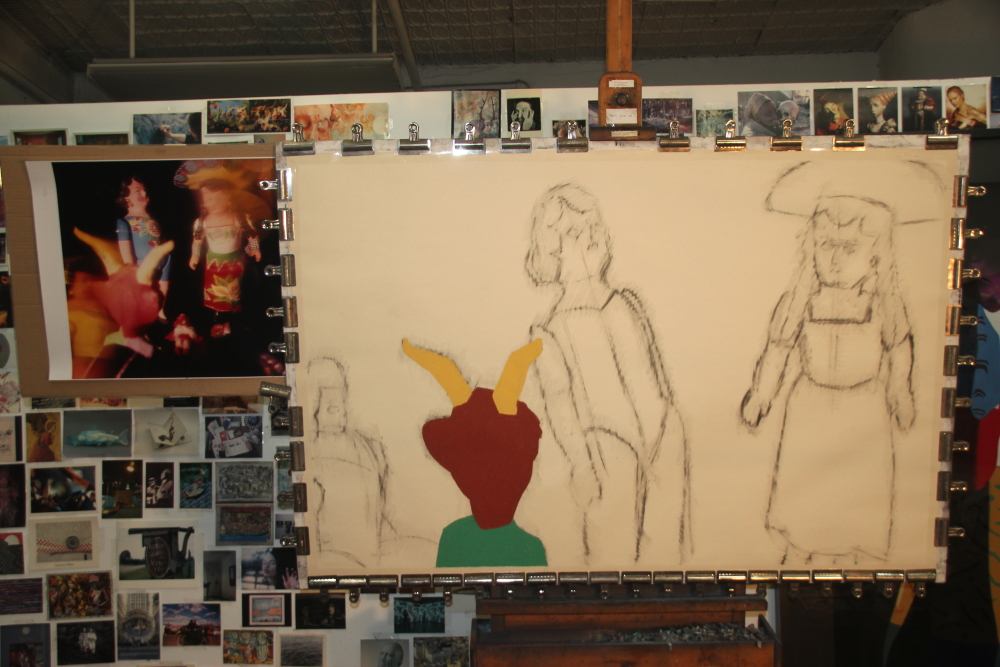
Start of “Conundrum,” soft pastel on sandpaper, 38″ x 58″
* an ongoing series of quotations – mostly from artists, to artists – that offers wisdom, inspiration, and advice for the sometimes lonely road we are on.
In my opinion, if I could write all my work again, I am convinced that I would do it better, which is the healthiest condition for an artist. That’s why he keeps on working, trying again; he believes each time that this time he will do it, bring it off. Of course he won’t, which is why this condition is healthy. Once he did it, once he matched the work to the image, the dream, nothing would remain but to cut his throat, jump off the other side of that pinnacle of perfection suicide. I’m a failed poet. Maybe every novelist wants to write poetry first, finds he can’t, and then tries the short story, which is the most demanding form after poetry. And, failing at that, only then does he take up novel writing.
William Faulkner in Writers at Work: The Paris Review Interviews First Series, edited, and with an introduction by Malcolm Crowley
Comments are welcome!
Pearls from artists* # 249
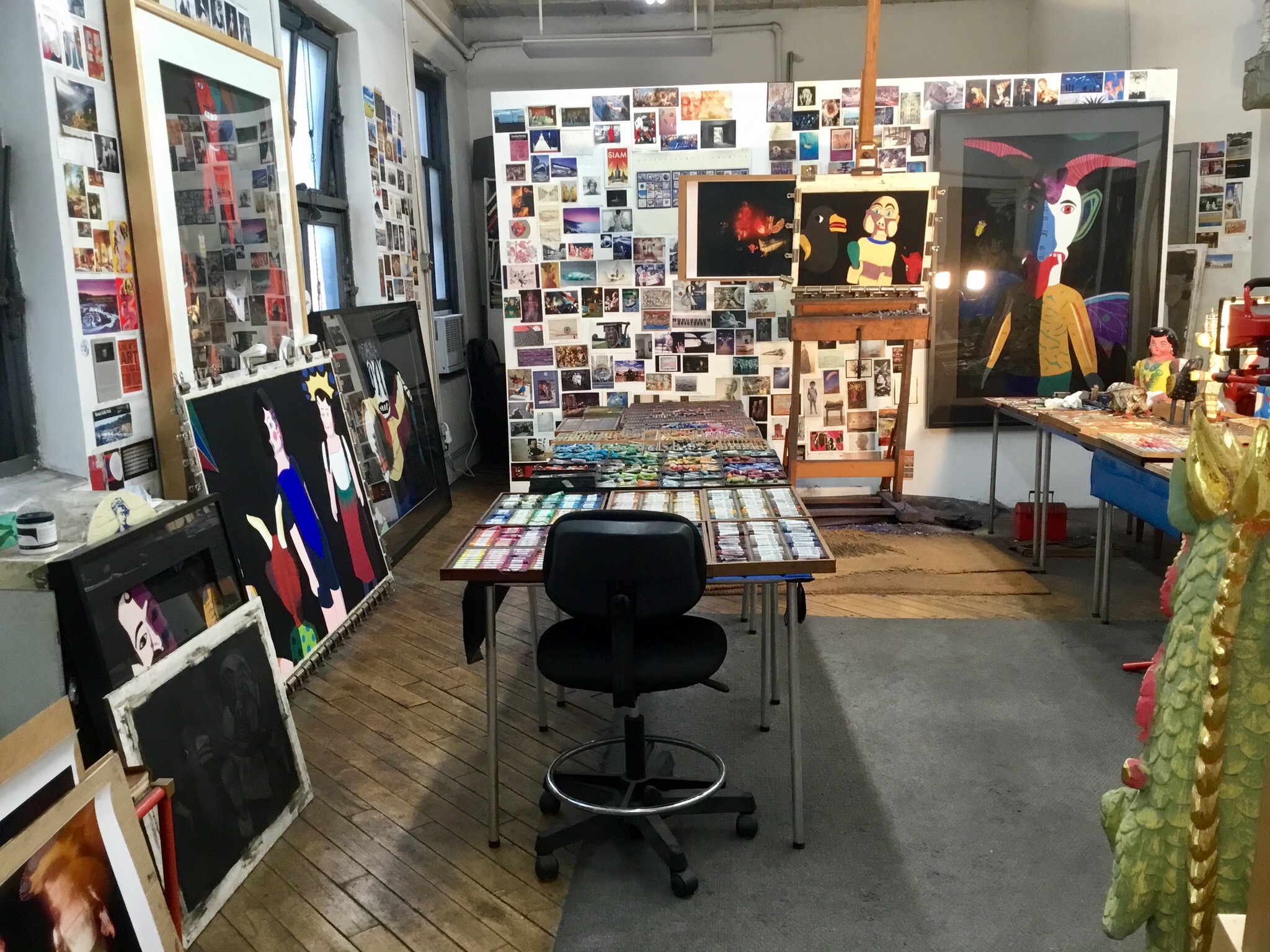
Barbara’s studio
* an ongoing series of quotations – mostly from artists, to artists – that offers wisdom, inspiration, and advice for the sometimes lonely road we are on.
Interviewer: Can a writer learn style?
Capote: No, I don’t think that style is consciously arrived at, any more than one arrives at the color of one’s eyes. After all, your style is you. At the end the personality of a writer has so much to do with the work. The personality has to be humanly there. Personality is a debased word, I know, but it’s what I mean. The writer’s individual humanity, his word or gesture towards the world, has to appear almost like a character that makes contact with the reader. If the personality is vague or confused or merely literary, ca ne va pas. Faulkner, Mc Cullers – they project their personality at once.
Truman Capote in Writers at Work: The Paris Review Interviews First Series, edited, and with an introduction by Malcolm Crowley
Comments are welcome!
Pearls from artists* # 248
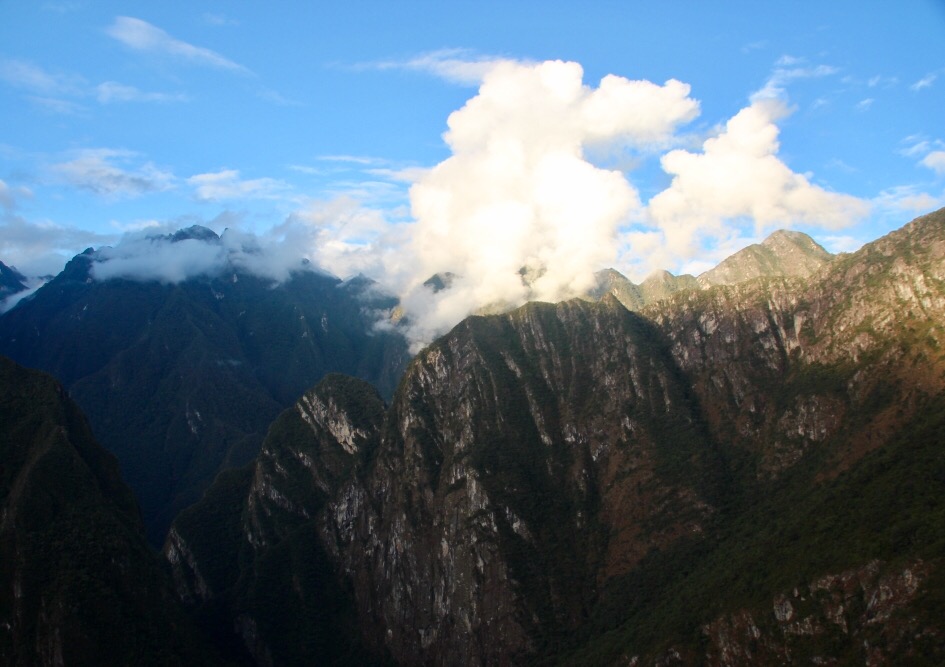
Machu Picchu
* an ongoing series of quotations – mostly from artists, to artists – that offers wisdom, inspiration, and advice for the sometimes lonely road we are on.
In every civilization at every period of history people have devoted time and energy to sacred things. The sacred, like the beautiful, includes every category of object. There are sacred words, sacred gestures, sacred rites, sacred clothes, sacred places, sacred times. Sacred things are not of this world: they are set apart from ordinary reality and cannot be touched or uttered without rites of initiation or the privilege of religious office. To meddle with them without some purifying preparation is to run the risk of sacrilege. It is to desecrate and pollute what is holy, dragging it down to the sphere of everyday events.
Roger Scruton in Beauty: A Very Short Introduction
Comments are welcome!
Pearls from artists* # 247
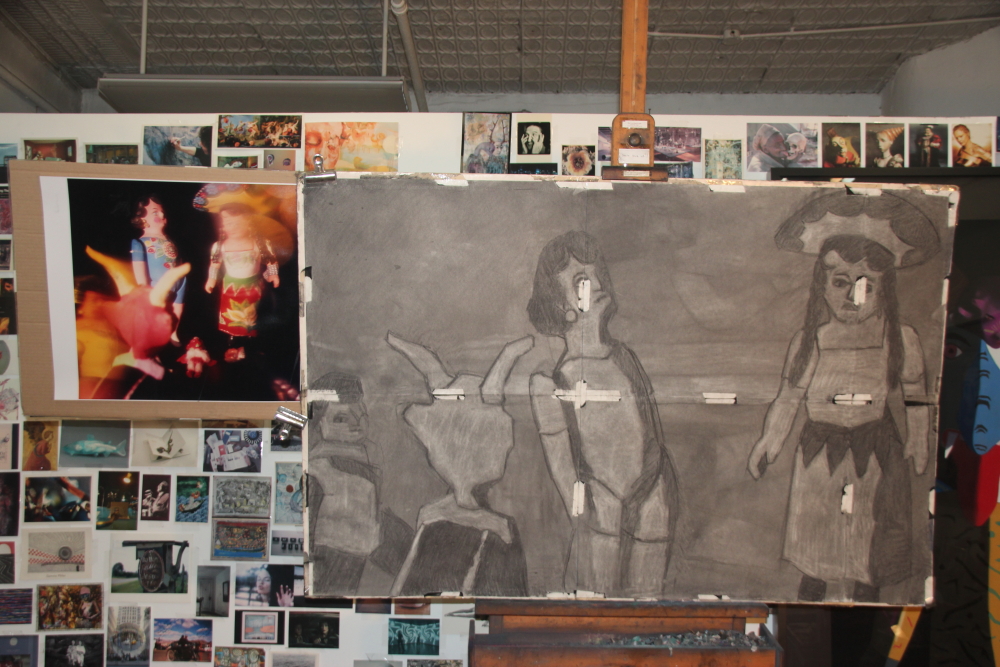
A recent charcoal study
* an ongoing series of quotations – mostly from artists, to artists – that offers wisdom, inspiration, and advice for the sometimes lonely road we are on.
Studies made in the open air are different from pictures that are destined to be shown in public. The latter, in my opinion, result from the studies, but they may, or even must, differ a great deal from them. For in the picture the painter rather gives a personal impression, while in a study his aim is simply to analyze a bit of nature – either to make his idea or conception more correct, or to find a new idea; for example, the studies of Mauve, which I myself like very much, precisely because of their soberness and because they are done so faithfully. Still they miss a certain charm, which the pictures that result from them possess in such a high degree.
I believe one gets more sound ideas when thoughts arise from direct contact with things than when one looks at them with the set purpose of finding certain facts in them. It is the same with the question of a colour scheme. There are colours that harmonize wonderfully, but I try my best to paint a subject as I see it before I set to work to make it as I feel it. Yet feeling is a great thing, and without it one would not be able to do anything. Thus, studies belong more to the studio than among the pubic.
Dear Theo: The Autobiography of Vincent Van Gogh, edited by Irving Stone
Comments are welcome!
Pearls from artists* # 246
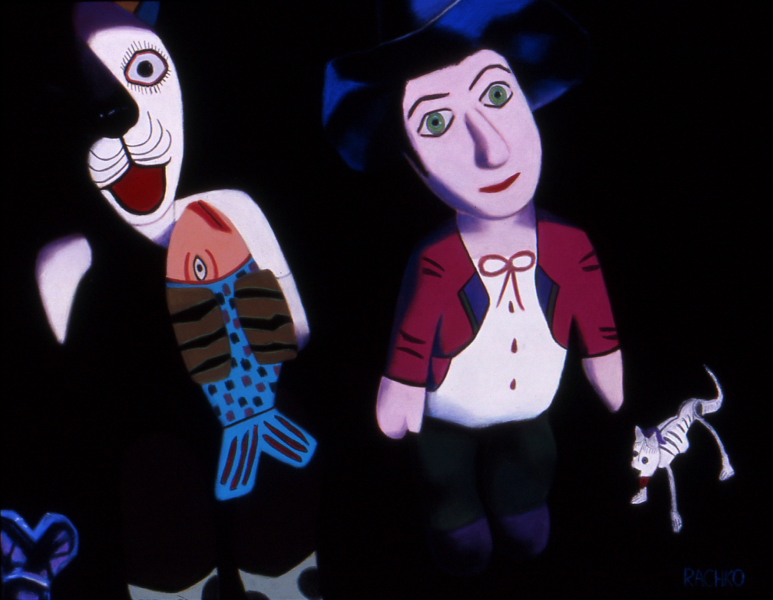
“Offering,” soft pastel on sandpaper, 20″ x 26″
* an ongoing series of quotations – mostly from artists, to artists – that offers wisdom, inspiration, and advice for the sometimes lonely road we are on.
Is love, taken together with art, not the only license to surpass the human conditions and to be greater, more generous, more unhappy, if necessary, than common man? Let us embrace the possibility heroically – let us renounce none of the advantages afforded to us by our animated state.
The Poet’s Guide to Life: The Wisdom of Rilke, edited and translated by Ulrich Baer
Comments are welcome!
Q: What art book are you reading for inspiration now?

Barbara’s copy of “Dear Theo”
A: I am re-reading “Dear Theo,” van Gogh’s autobiography as expressed in letters to his beloved brother, a book I read more than twenty-five years ago when I first started out as an artist. My copy is beat up and yellowing, but still holding together.
It’s a source of pure solace. Keeping and growing a studio practice in New York is fraught with complexity, challenges, increasing demands on one’s time, etc. So I sometimes need reminding about the joyful aspects of being an artist, about why I decided to devote my time to this work in the first place, about what I love about this often difficult and frustrating life I chose. And Van Gogh’s sensitive, soulful words always deliver!
Comments are welcome!
Pearls from artists* # 245
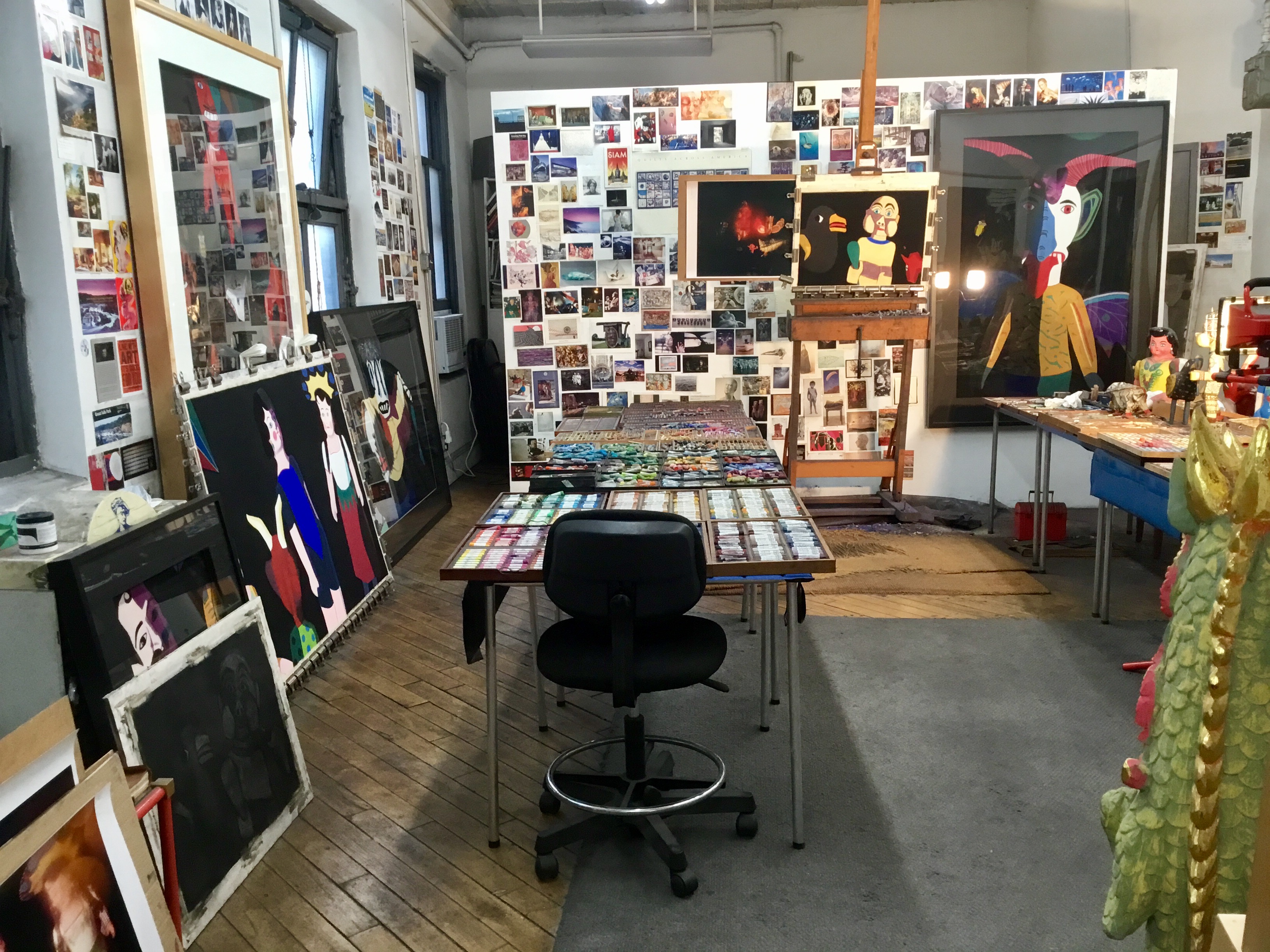
Barbara’s studio with works in progress
* an ongoing series of quotations – mostly from artists, to artists – that offers wisdom, inspiration, and advice for the sometimes lonely road we are on.
Just as a puppy dog strives to become nothing but simply a dog and as thoroughly a dog as possible, one has to grow into art as the mode of existence for which one’s heart and lungs were made, as the only appropriate option. If one chances upon art from the outside, it ends up being nothing but a bad disguise, and life, in its unshakeable honesty, takes it upon itself to tear off this masquerade.
The Poet’s Guide to Life: The Wisdom of Rilke, edited and translated by Ulrich Baer
Comments are welcome!
Pearls from artists* # 244
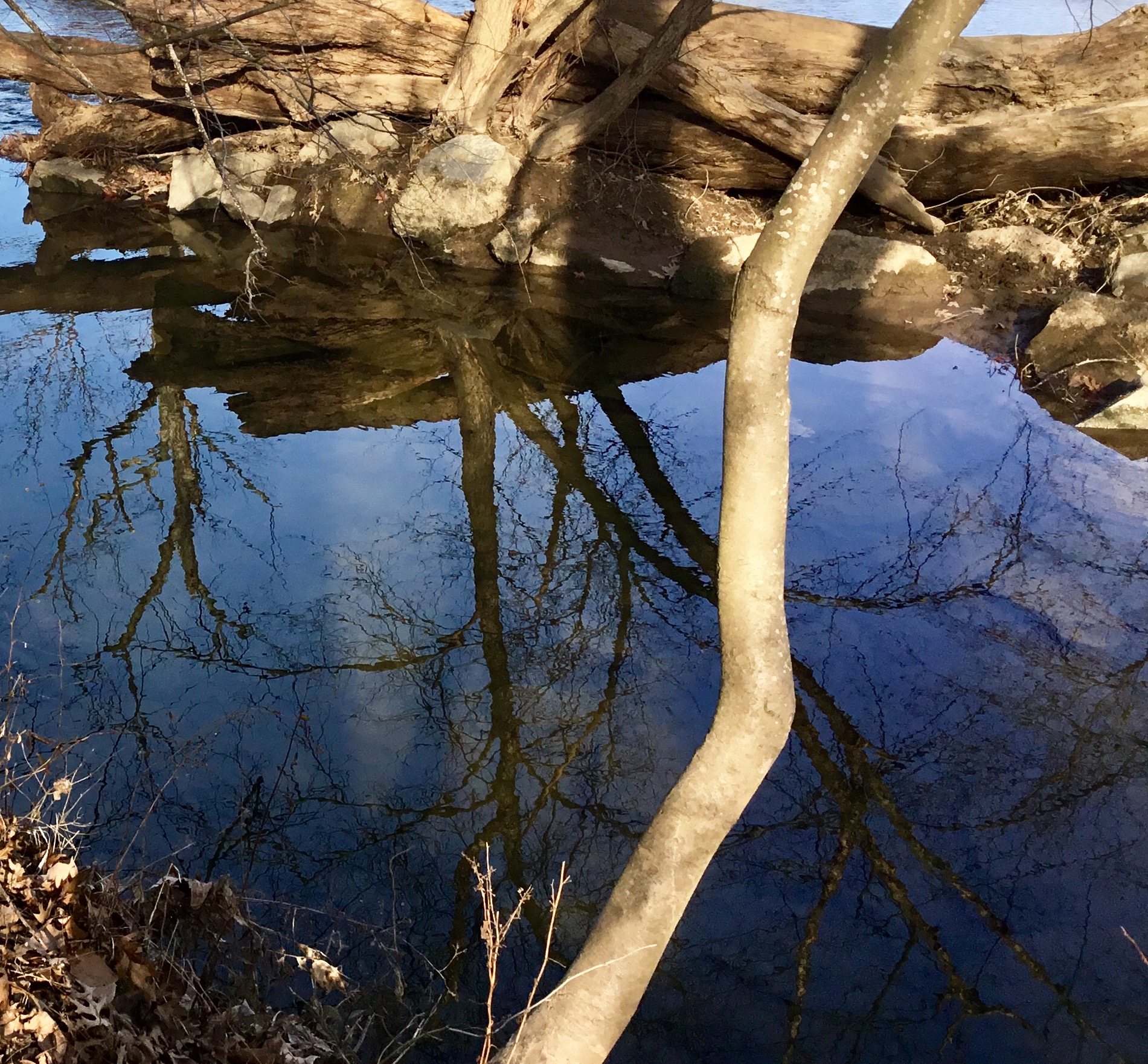
Great Falls, VA
* an ongoing series of quotations – mostly from artists, to artists – that offers wisdom, inspiration, and advice for the sometimes lonely road we are on.
Poet or painter, musician or architect, all solitary individuals at bottom turn to nature because they prefer the eternal to the transient, the profound rhythms of eternal laws to that which finds justification in passing. Since they cannot persuade nature to share in their experience they consider their task to grasp nature in order to place themselves somewhere in its vast contexts. And with these single solitary individuals all of humanity approaches nature. It is not the ultimate and possibly most peculiar value of art that it constitutes the medium in which man and landscape, figure and world encounter and find each other. But in the painting, the building, the symphony – in a word, in art itself, they seem to join together as if in a higher, prophetic truth, to rely on one another, and it is as if they completed each other to become that perfect unity that characterizes the work of art.
The Poet’s Guide to Life: The Wisdom of Rilke, edited and translated by Ulrich Baer
Comments are welcome!
Pearls from artists* # 243
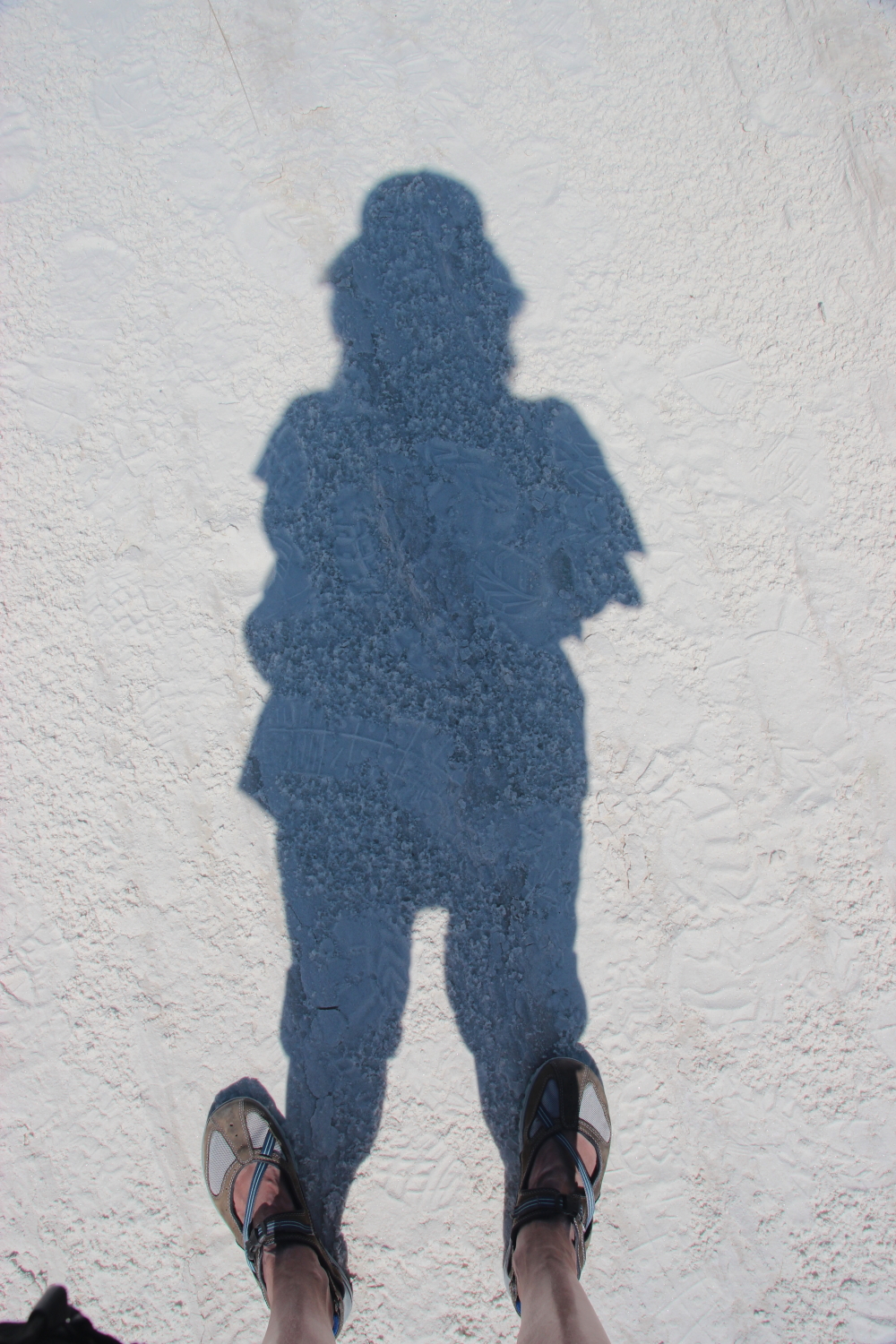
Self portrait, White Sands, NM
* an ongoing series of quotations – mostly from artists, to artists – that offers wisdom, inspiration, and advice for the sometimes lonely road we are on.
Art is not a making-oneself-understood but an urgent understanding-of-oneself. The closer you get in your most intimate and solitary contemplation or imagination (vision), the more has been achieved, even if no one else were to understand it.
The Poet’s Guide to Life: The Wisdom of Rilke, edited and translated by Ulrich Baer
Comments are welcome!
Pearls from artists* # 242
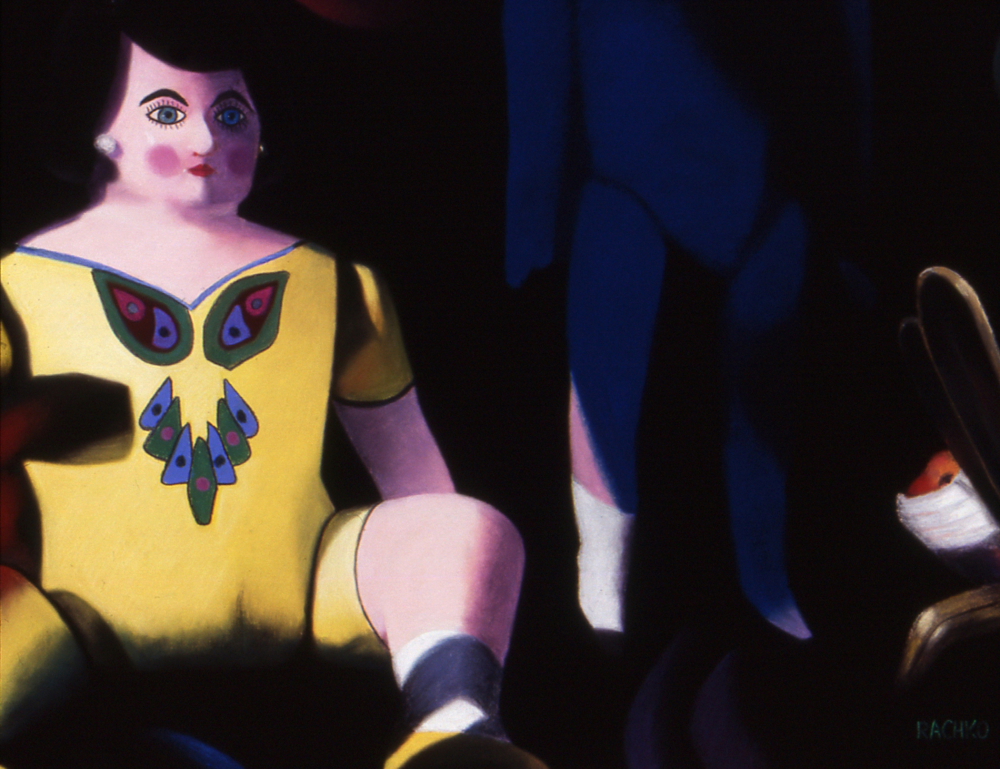
“Figment,” soft pastel on sandpaper, 20″ x 26″
* an ongoing series of quotations – mostly from artists, to artists – that offers wisdom, inspiration, and advice for the sometimes lonely road we are on.
Of this there can be no question – creative work requires the loyalty of water to the force of gravity. A person trudging through the wilderness of creation who does not know this – who does not swallow this – is lost. He who does not crave that roofless place eternity should stay home. Such a person is perfectly worthy, and useful, and even beautiful, but is not an artist. Such a person had better live with timely ambitions and finished work formed for the sparkle of the moment only. Such a person had better go off and fly an airplane.
Mary Oliver in Upstream: Selected Essays
Comments are welcome!



