Category Archives: Inspiration
Pearls from artists* # 256
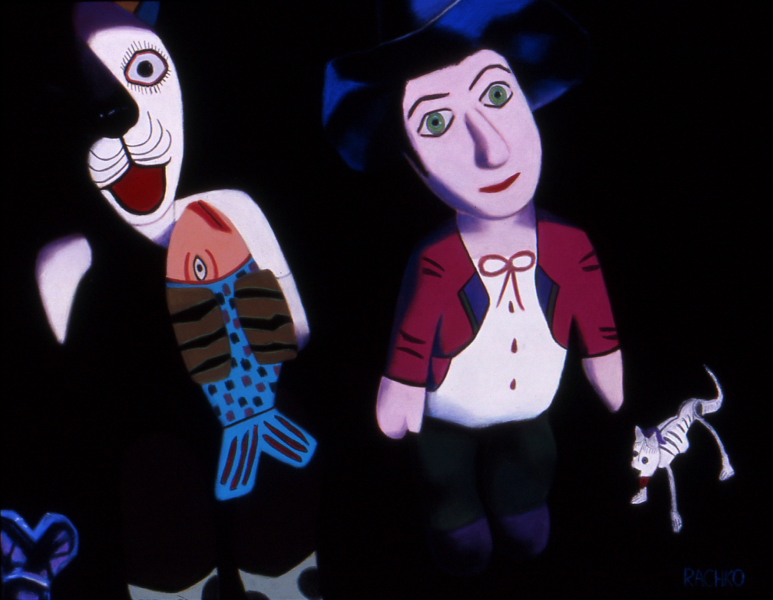
“Offering,” soft pastel on sandpaper, 20″ x 26″
* an ongoing series of quotations – mostly from artists, to artists – that offers wisdom, inspiration, and advice for the sometimes lonely road we are on.
I saw what skill was needed, and persistence – how one must bend one’s spine, like a hoop, over the page – the long labor. I saw the difference between doing nothing, or doing a little, and the redemptive act of true effort. Reading, then writing, then desiring to write well, shaped in me the most joyful of circumstances – a passion for work.
Mary Oliver in Upstream: Selected Essays
Comments are welcome!
Pearls from artists* # 255
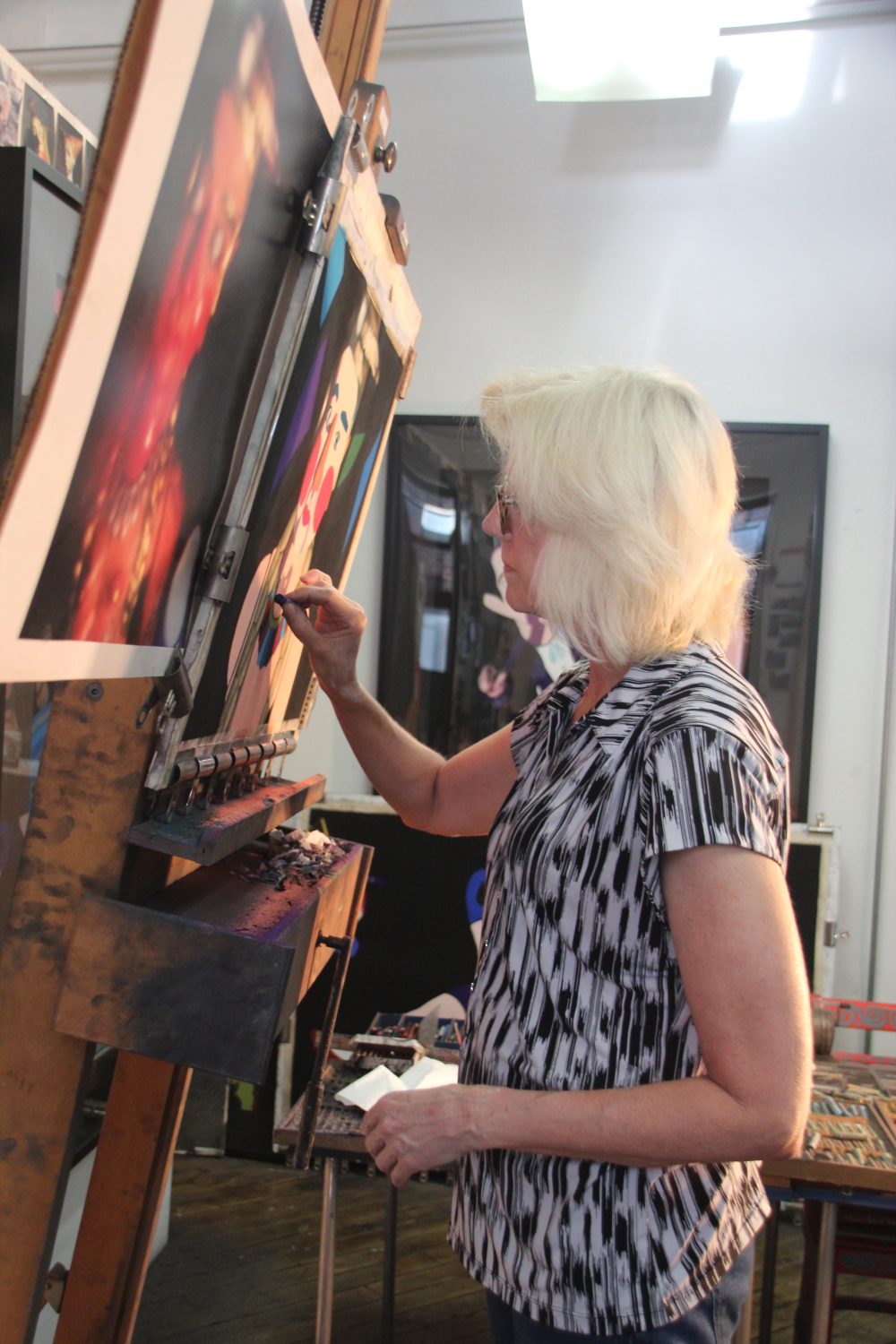
Barbara at work on “The Storyteller”
* an ongoing series of quotations – mostly from artists, to artists – that offers wisdom, inspiration, and advice for the sometimes lonely road we are on.
… several basic assumptions I have about the need for authenticity:
- Because in the end there is no other kind of art.
- I could have used the word ‘originality,” rather than authenticity, if the word’s root in “origin,” as in, “from the depth or source,” is recognized. However, the word implies a certain newness, “never done before,” that authenticity does not, and art in general does not need, in order to be deeply personal.
- Something that is authentic “rings true” for us. It comes from an inner truth. We draw from a source that is inner-directed rather than outer-directed, to use Maslow’s expression about self-actualization.
- Creating work that is authentic has a sacredness about it. It may be a way out – a small way perhaps, but at least a personal way – of a social dynamic that is all economics, consumerism, greed, and disregard for inner life. The word “science” comes from a root meaning “to separate.” Our cultural world view has been deeply influenced by that. Anything that we come to authentically in our artistic expression demands a personal inner synthesis. It is experience and insight won firsthand. The more we assimilate our “experience” from the advertising/media/consumer/government perspective the less authentic it will be.
- Most of what we express creatively is prelinguistic. The deeper insights are obviously coming from somewhere. They are not logically structured in the mind, but it may take logic to get them expressed.
- Ultimately, it doesn’t matter to the world if you paint or dance or write. The world can probably get by without your efforts. But that is not the point. The point is what the inner process of following your creative process will do, to you. It is clearly abut process. Love the work, love the process. Our fascination will pull our attention forward. That, also, will fascinate the viewer.
Ian Roberts in Creative Authenticity: 16 Principles to Clarify and Deepen Your Artistic Vision
Comments are welcome!
Pearls from artists* # 254

“Survivors,” soft pastel on sandpaper, 20″ x 26″ image, 28 1/2″ x 35″ framed
* an ongoing series of quotations – mostly from artists, to artists – that offers wisdom, inspiration, and advice for the sometimes lonely road we are on.
An artist learns by repeated trial and error, by an almost moral instinct, to avoid the merely or the confusingly decorative, to eschew violence where it is a fraudulent substitute for power, to say what he has to say with the most direct and economical means, to be true to his objects, to his materials, to his technique, and hence, by a correlated miracle, to himself.
Ian Roberts in Creative Authenticity: 16 Principles to Clarify and Deepen Your Artistic Vision
Comments are welcome!
Pearls from artists* # 253
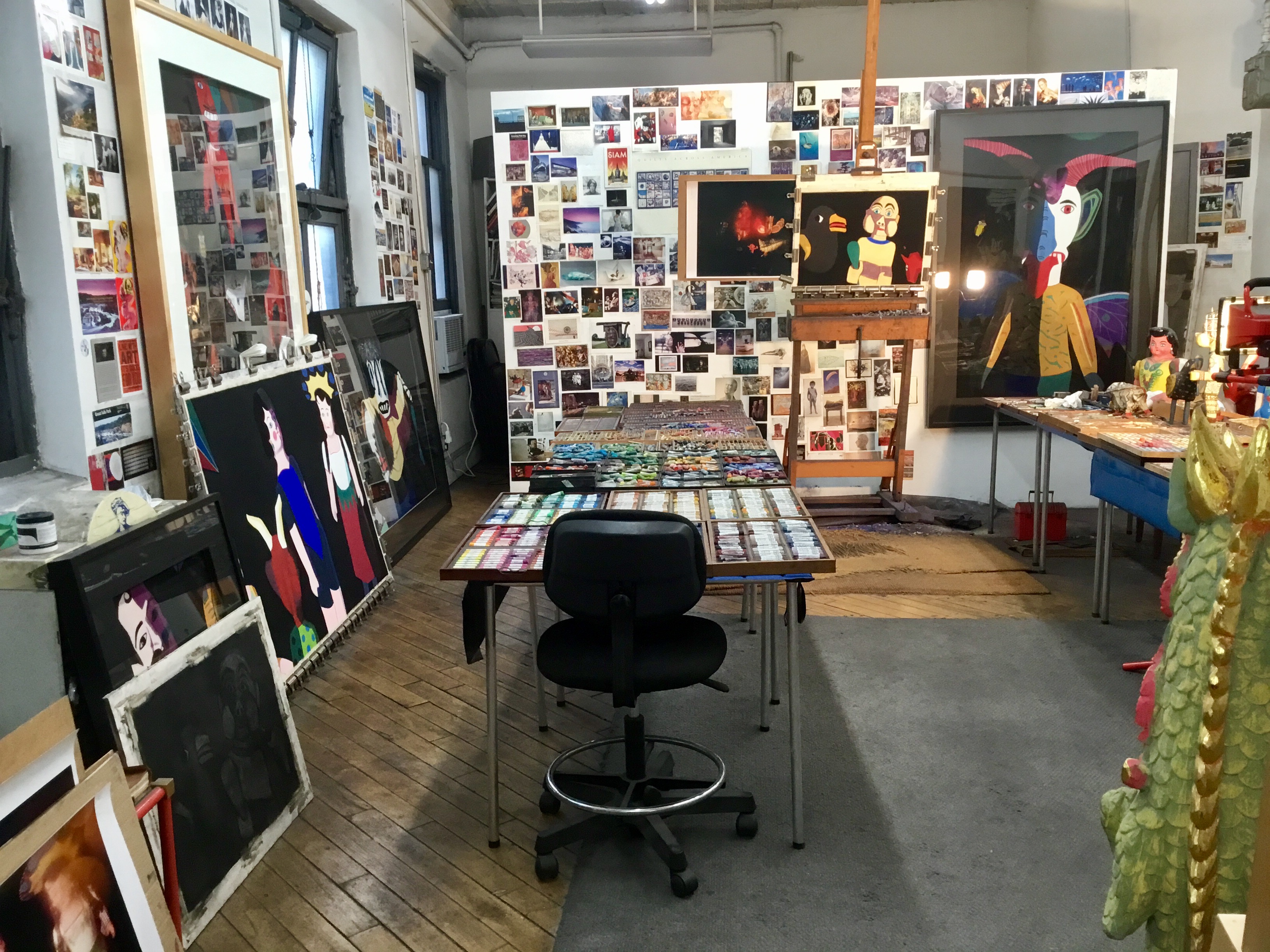
Barbara’s studio with works in progress
* an ongoing series of quotations – mostly from artists, to artists – that offers wisdom, inspiration, and advice for the sometimes lonely road we are on.
There is a notion that creative people are absent-minded, reckless, heedless of social customs and obligations. It is, hopefully, true. For they are in another world altogether. It is a world where the third self is governor. Neither is the purity of art the innocence of childhood, if there is such a thing. One’s life as a child, with all its emotional rages and ranges, is but grass for the winged horse – it must be chewed well in those savage teeth. There are irreconcilable differences between acknowledging and examining the fabulations of one’s past and dressing them up as though they were adult figures, fit for art, which they will never be. The working, concentrating artist is an adult who refuses interruption from himself, who remains absorbed and energized in and by the work – who is responsible to the work.
Mary Oliver in Upstream: Selected Essays
Comments are welcome!
Pearls from artists* # 252
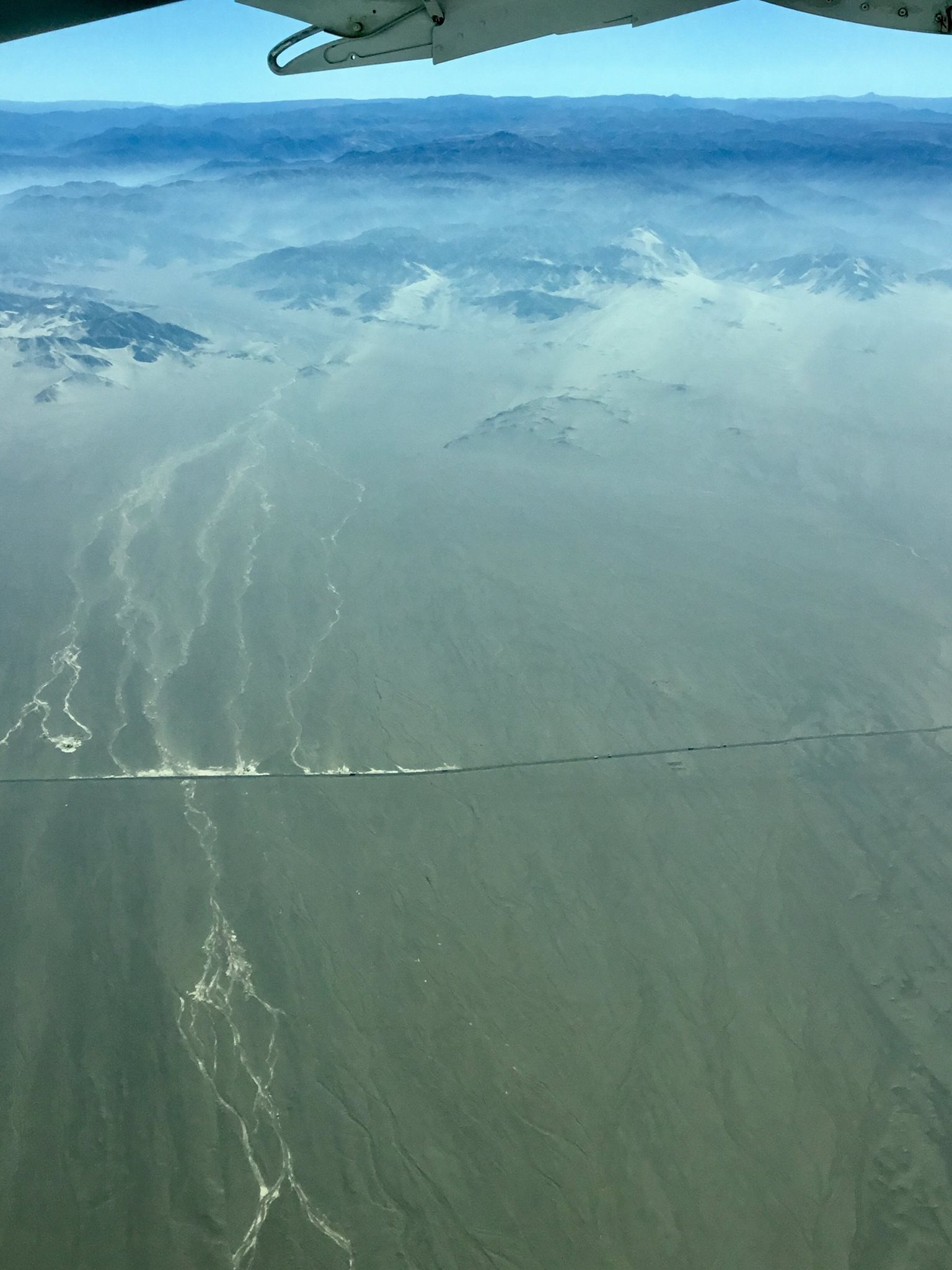
Above the Panamerican Highway in southern Peru
* an ongoing series of quotations – mostly from artists, to artists – that offers wisdom, inspiration, and advice for the sometimes lonely road we are on.
All the world is taken in through the eye, to reach the soul, where it becomes more, representative of a realm deeper than appearances: a realm ideal and sublime, a deep stillness that is, whose whole proclamation is the silence and the lack of material instance in which, patiently and radiantly, the universe exists.
Mary Oliver in Upstream: Selected Essays
Comments are welcome!
Pearls from artists* # 251
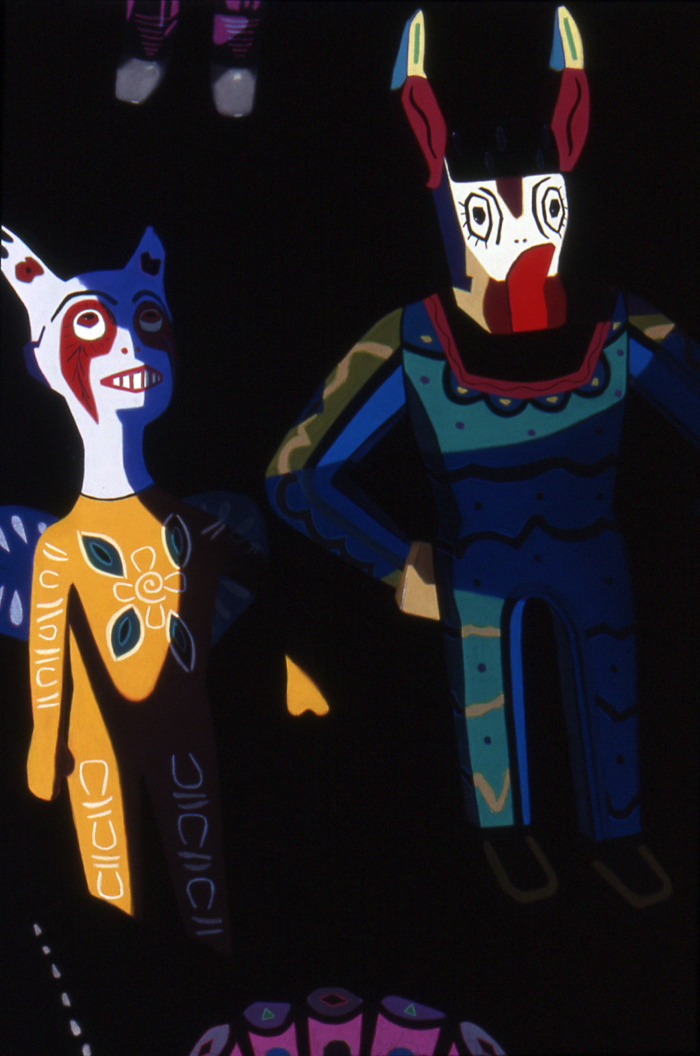
“Quartet,” soft pastel on sandpaper, 58″ x 38″ image, 70″ x 50″ framed
* an ongoing series of quotations – mostly from artists, to artists – that offers wisdom, inspiration, and advice for the sometimes lonely road we are on.
Interviewer: Is there any possible formula to follow in order to be a good novelist”
Faulkner: … Ninety-nine per cent talent… 99 per cent discipline… 99 per cent work. He must never be satisfied with what he does. It is never as good as it can be done. Always shoot higher than you know you can do. Don’t bother just to be better than your contemporaries or predecessors. Try to be better than yourself.
William Faulkner in Writers at Work: The Paris Review Interviews First Series, edited, and with an introduction by Malcolm Crowley
Comments are welcome!
Pearls from artists* # 250
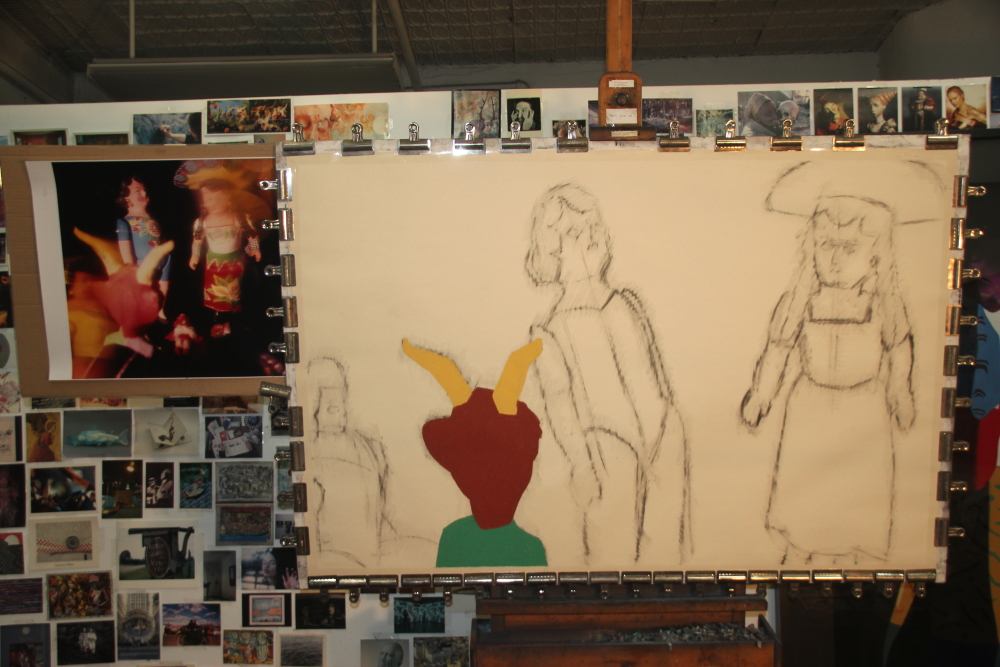
Start of “Conundrum,” soft pastel on sandpaper, 38″ x 58″
* an ongoing series of quotations – mostly from artists, to artists – that offers wisdom, inspiration, and advice for the sometimes lonely road we are on.
In my opinion, if I could write all my work again, I am convinced that I would do it better, which is the healthiest condition for an artist. That’s why he keeps on working, trying again; he believes each time that this time he will do it, bring it off. Of course he won’t, which is why this condition is healthy. Once he did it, once he matched the work to the image, the dream, nothing would remain but to cut his throat, jump off the other side of that pinnacle of perfection suicide. I’m a failed poet. Maybe every novelist wants to write poetry first, finds he can’t, and then tries the short story, which is the most demanding form after poetry. And, failing at that, only then does he take up novel writing.
William Faulkner in Writers at Work: The Paris Review Interviews First Series, edited, and with an introduction by Malcolm Crowley
Comments are welcome!
Pearls from artists* # 249
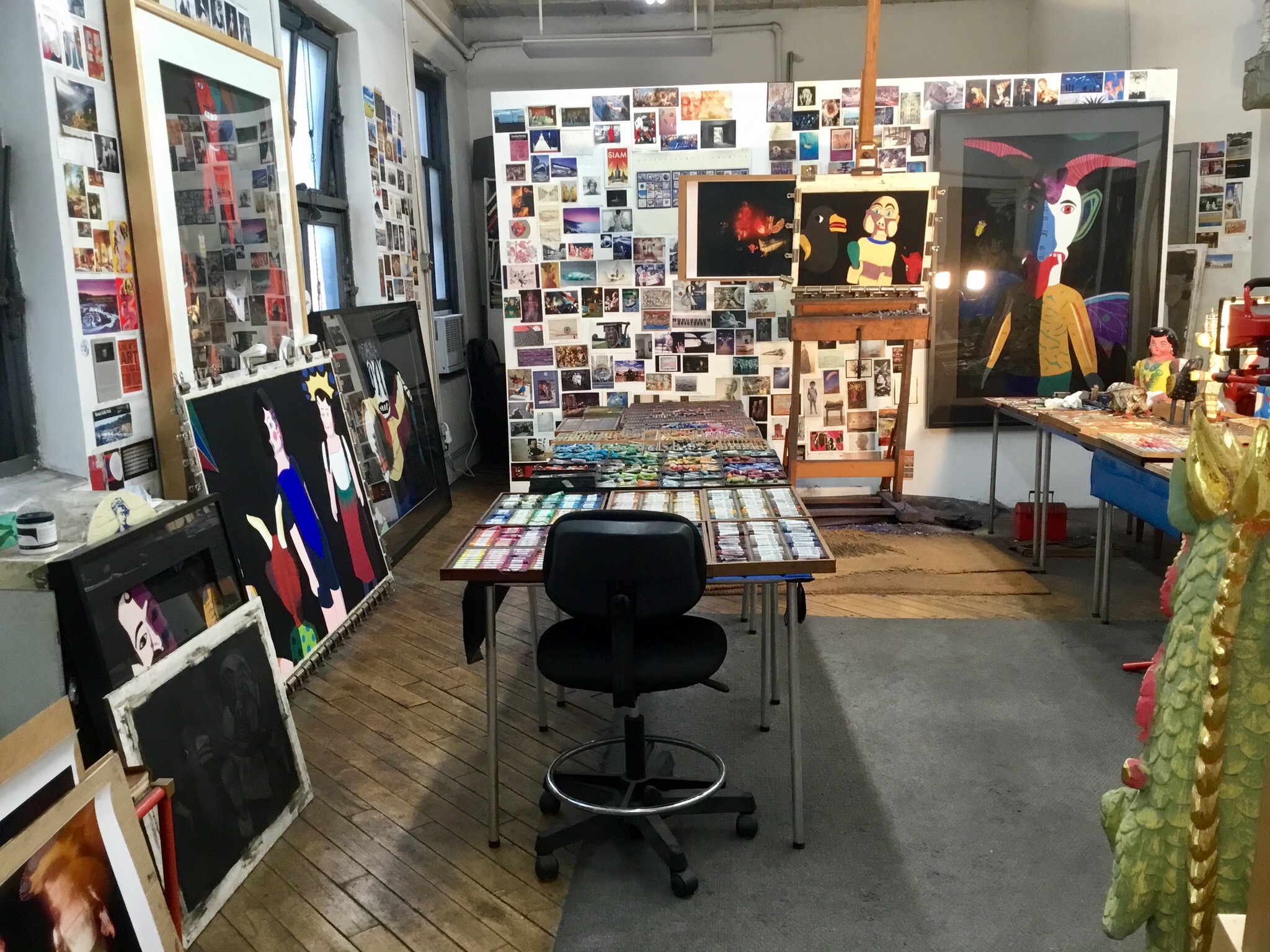
Barbara’s studio
* an ongoing series of quotations – mostly from artists, to artists – that offers wisdom, inspiration, and advice for the sometimes lonely road we are on.
Interviewer: Can a writer learn style?
Capote: No, I don’t think that style is consciously arrived at, any more than one arrives at the color of one’s eyes. After all, your style is you. At the end the personality of a writer has so much to do with the work. The personality has to be humanly there. Personality is a debased word, I know, but it’s what I mean. The writer’s individual humanity, his word or gesture towards the world, has to appear almost like a character that makes contact with the reader. If the personality is vague or confused or merely literary, ca ne va pas. Faulkner, Mc Cullers – they project their personality at once.
Truman Capote in Writers at Work: The Paris Review Interviews First Series, edited, and with an introduction by Malcolm Crowley
Comments are welcome!
Pearls from artists* # 248
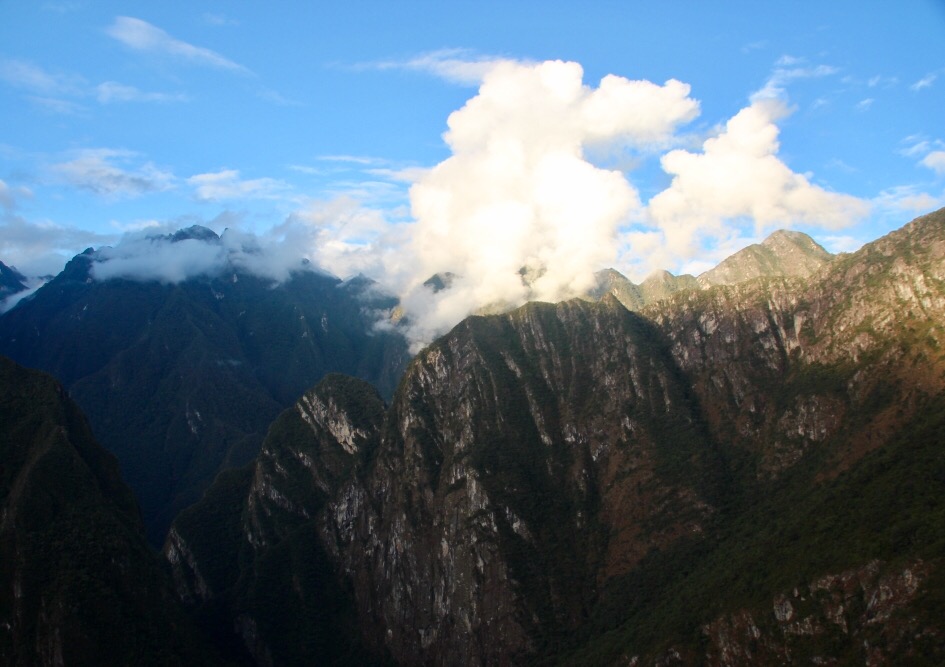
Machu Picchu
* an ongoing series of quotations – mostly from artists, to artists – that offers wisdom, inspiration, and advice for the sometimes lonely road we are on.
In every civilization at every period of history people have devoted time and energy to sacred things. The sacred, like the beautiful, includes every category of object. There are sacred words, sacred gestures, sacred rites, sacred clothes, sacred places, sacred times. Sacred things are not of this world: they are set apart from ordinary reality and cannot be touched or uttered without rites of initiation or the privilege of religious office. To meddle with them without some purifying preparation is to run the risk of sacrilege. It is to desecrate and pollute what is holy, dragging it down to the sphere of everyday events.
Roger Scruton in Beauty: A Very Short Introduction
Comments are welcome!
Pearls from artists* # 247
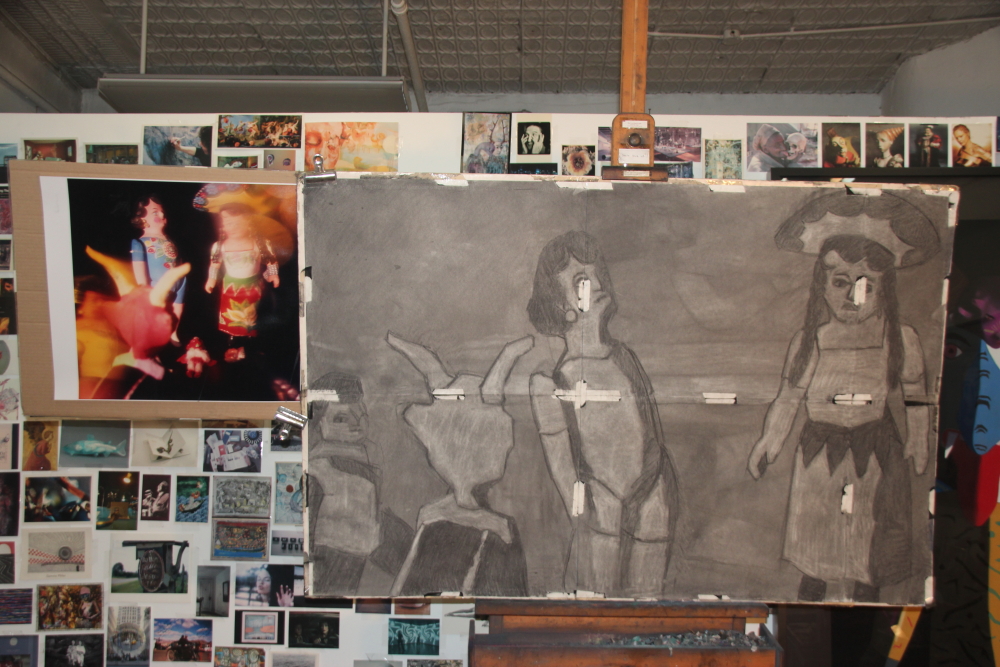
A recent charcoal study
* an ongoing series of quotations – mostly from artists, to artists – that offers wisdom, inspiration, and advice for the sometimes lonely road we are on.
Studies made in the open air are different from pictures that are destined to be shown in public. The latter, in my opinion, result from the studies, but they may, or even must, differ a great deal from them. For in the picture the painter rather gives a personal impression, while in a study his aim is simply to analyze a bit of nature – either to make his idea or conception more correct, or to find a new idea; for example, the studies of Mauve, which I myself like very much, precisely because of their soberness and because they are done so faithfully. Still they miss a certain charm, which the pictures that result from them possess in such a high degree.
I believe one gets more sound ideas when thoughts arise from direct contact with things than when one looks at them with the set purpose of finding certain facts in them. It is the same with the question of a colour scheme. There are colours that harmonize wonderfully, but I try my best to paint a subject as I see it before I set to work to make it as I feel it. Yet feeling is a great thing, and without it one would not be able to do anything. Thus, studies belong more to the studio than among the pubic.
Dear Theo: The Autobiography of Vincent Van Gogh, edited by Irving Stone
Comments are welcome!



