Blog Archives
Q: Foreign travel has long been a significant aspect of your work. What are your views on cultural appropriation?
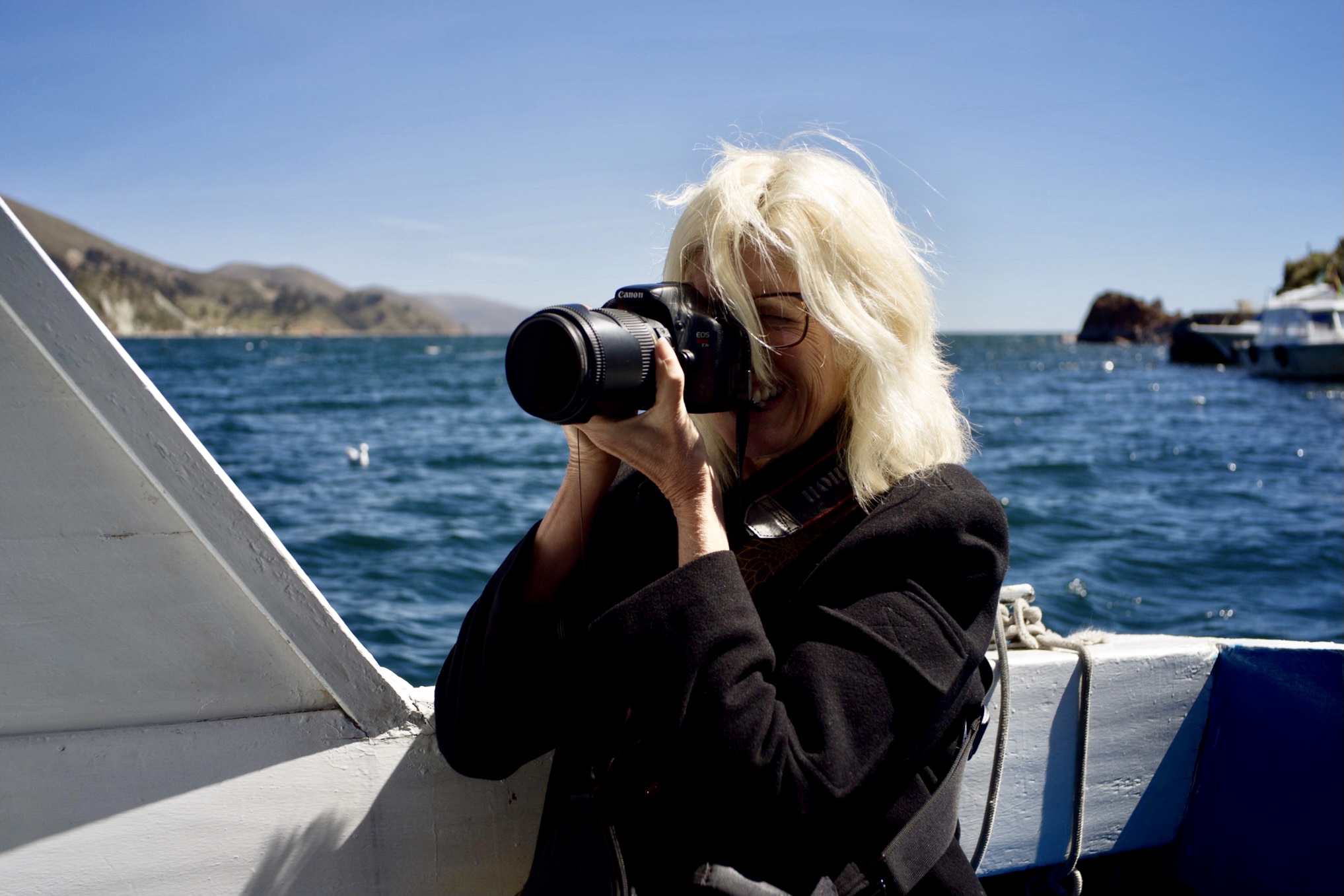
A: For more than three decades my inspiration and subject matter have come mainly from international travel to remote parts of the globe. I daresay there is no better education than travel. The result is that I possess a deep love and reverence for people and cultures all over the world. We are all connected by our shared humanity.
I wholeheartedly agree with what Henry Louis Gates eloquently expressed in the NY Times Book Review of October 12, 2021. Additions are mine.
Any teacher, any student, any writer, [any artist] sufficiently attentive and motivated, must be able to engage freely with subjects of their choice. That is not only the essence of learning; it’s the essence of being human.
And
What I owe to my teachers – and to my students – is a shared sense of wonder and awe as we contemplate works of the human imagination across space and time, works created by people who don’t look like us and who, in so many cases, would be astonished that we know their work and their names. Social identities can connect us in multiple and overlapping ways; they are not protected but betrayed when we turn them into silos with sentries. The freedom to write [and make art] can thrive only if we protect the freedom to read – and to learn. And perhaps the first thing to learn, in these storm-battered days, is that we could all do with more humility, and more humanity.
Comments are welcome!
Pearls from artists* # 507

* an ongoing series of quotations – mostly from artists to artists – that offers wisdom, inspiration, and advice for the sometimes lonely road we are on.
Intellectual work sometimes, spiritual work certainly, artistic work always – these are forces that fall within its [uncertainty and the unknown] grasp, forces that must travel beyond the realm of the hour and the restraint of the habit. Nor can the actual work be well separated from the entire life. Like the Knights of the Middle Ages, there is little the creatively inclined person can do but prepare himself, body and spirit, for the labor to come – for his adventures are all unknown. And no artist could go about his work, or would want to, with less than extraordinary energy and concentration. The extraordinary is what art is about.
Mary Oliver in Upstream: Selected Essays
Comments are welcome!
Q: How does art help you explore and understand other cultures? (Question from Arte Realizzata)
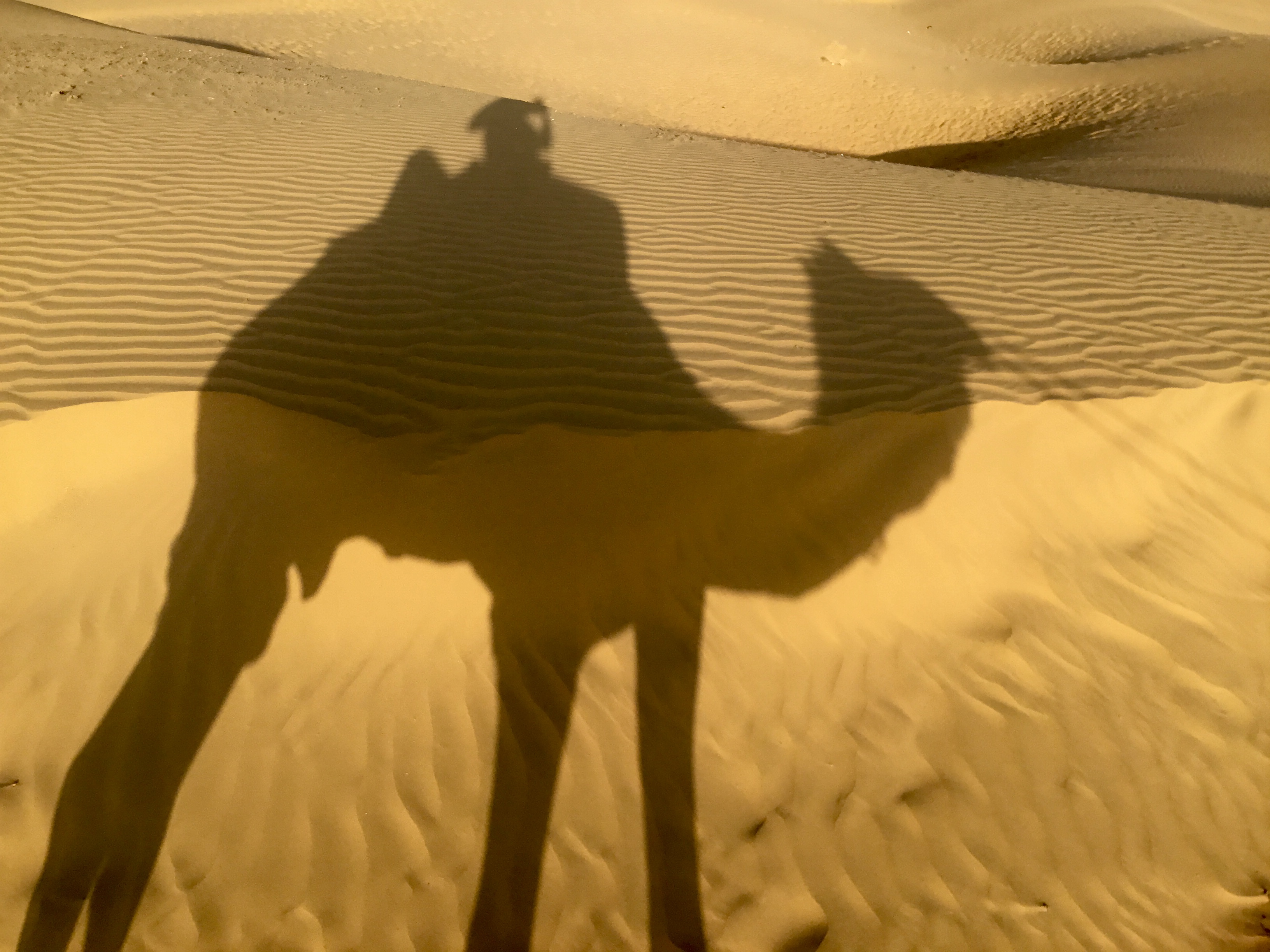
A: Art helps me explore and understand other cultures by revealing our shared humanity across space and time. For me art and travel are intertwined; there is no better education! My art-making has led me to visit fascinating places in search of source material, ideas, and inspiration: to Mexico, Guatemala, Brazil, Argentina, Uruguay, France, England, Italy, Bali, Java, Sri Lanka, and India. I have seen firsthand that people all over the world are the same.
Art has led me to undertake in-depth studies of intriguing subjects: drawing, color, composition, art, art history, the art business, film, film history, photography, mythology, literature, music, jazz, jazz history, and archaeology, particularly that of ancient Mesoamerica (Olmec, Zapotec, Mixtec, Aztec, and Maya), and South America (the Inca and their ancestors).
This rich mixture of creative influences continually grows. For anyone wanting to spend their time on earth studying, learning, and meeting new challenges, there is hardly anything more fascinating than to be a well-travelled, perpetually curious artist!
Comments are welcome!
Travel photo of the month*
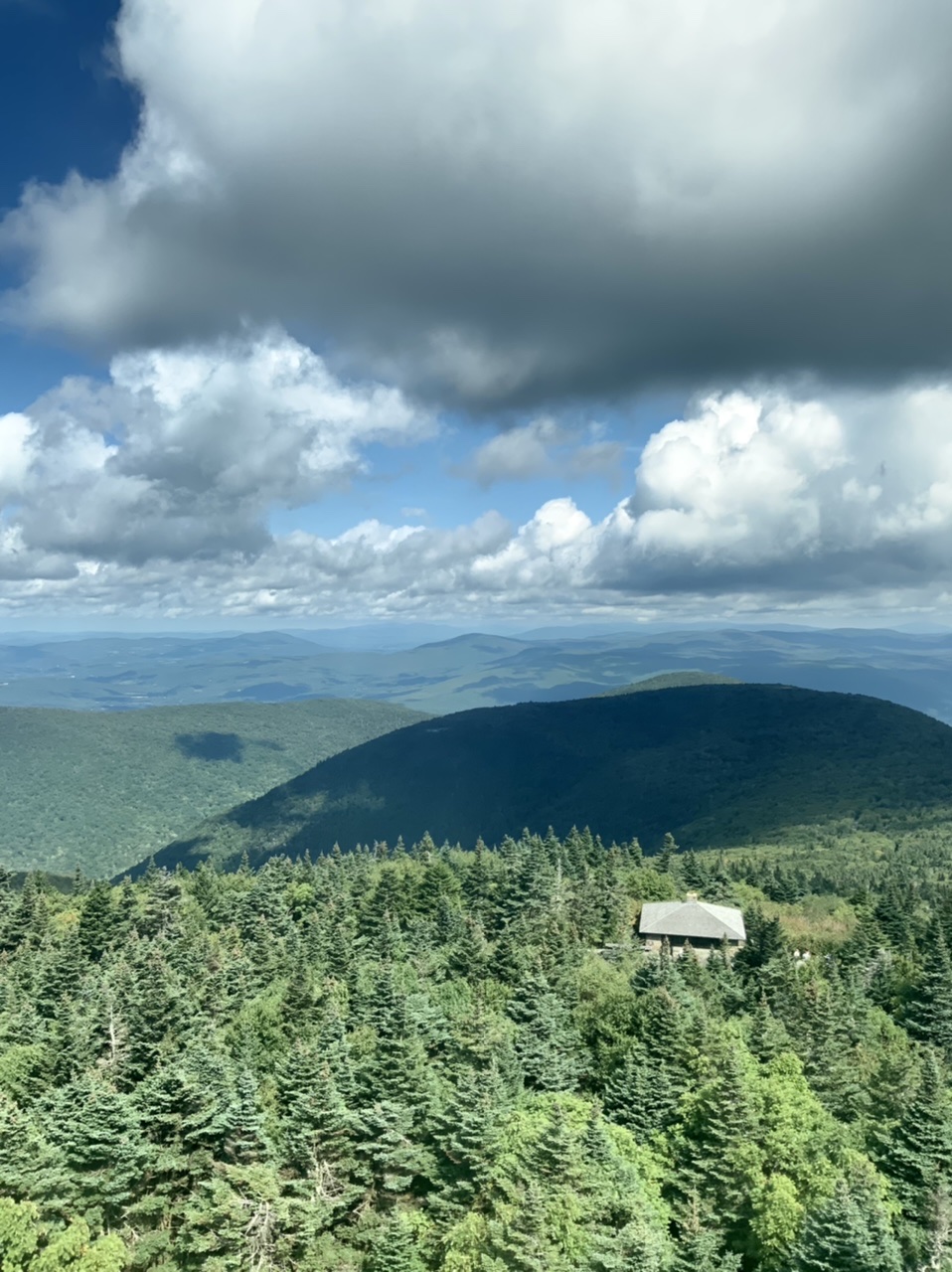
*Favorite travel photos that have not yet appeared in this blog
Comments are welcome!
Q: How do you work and approach your subject? (Question from “Arts Illustrated”)
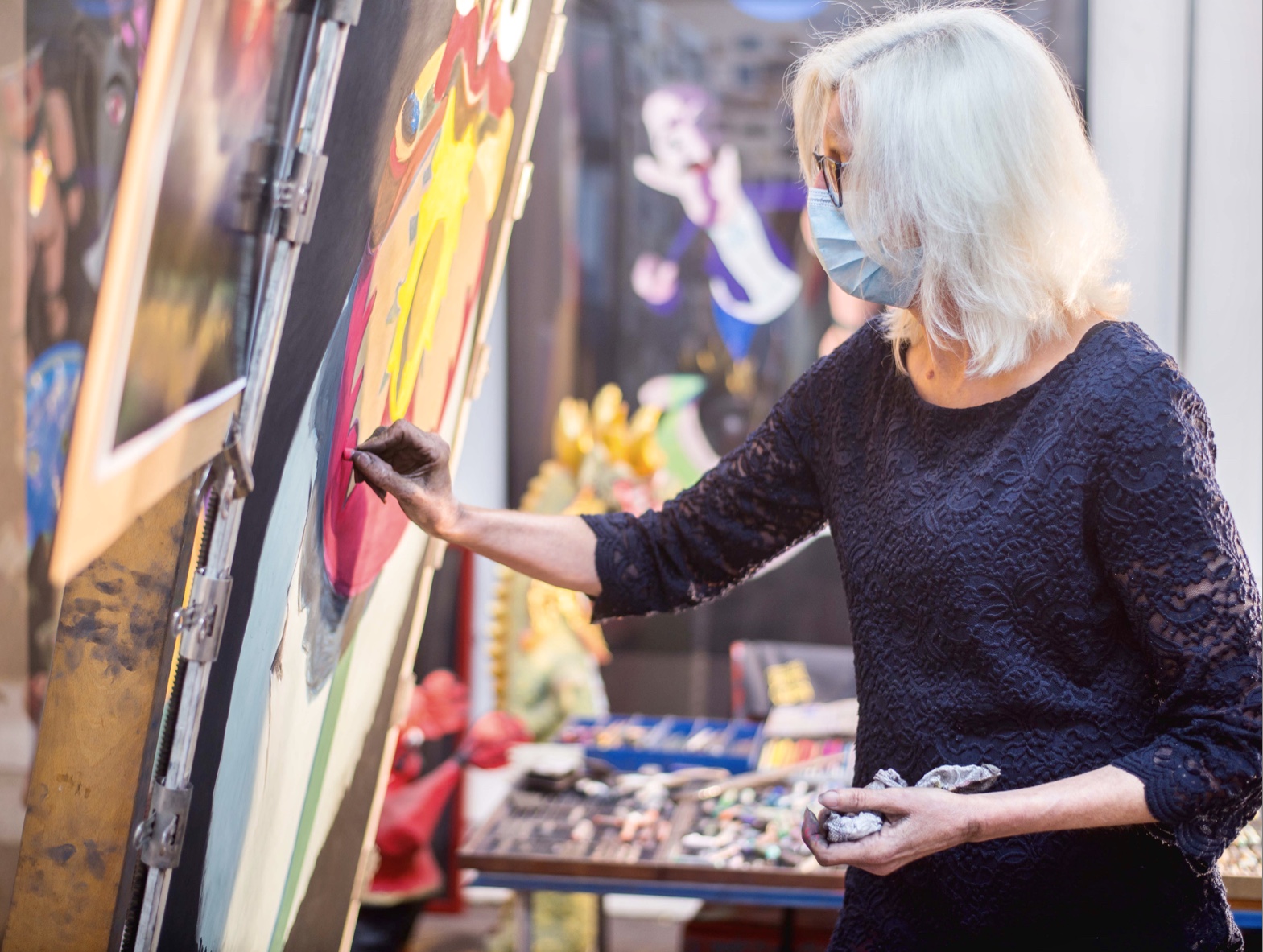
A: Undoubtedly, I could not make my work without UART sandpaper since my entire pastel technique evolved around it. I use 400 0r 500 grit. My favorite thing about it is its ‘tooth’ (i.e. texture or roughness).
Over the many months I spend creating a pastel painting, I build layer upon layer of soft pastel. Because the paper I use is relatively “toothy,” it accepts all of the pastel the painting needs. And as many people know, I own and use thousands of soft pastels!
Many layers of soft pastel and several months of studio time go into creating each painting. My self-invented technique is analogous to the glazing techniques used by the Old Masters, who slowly built up layers of thin oil paint to achieve a high degree of finish. Colors were not only mixed physically, but optically.
Similarly, I gradually build up layers of soft pastel, as many as thirty, to create a pastel painting. After applying a color, I blend it with my fingers and push it into the sandpaper’s tooth. It mixes with the color beneath to create a new color, continually adding richness, saturation, and intensity to the piece. By the time a pastel painting is finished, the colors are bold, vibrant, and exciting.
From the beginning in the 1980s I used photographs as reference material and my late husband, Bryan, would shoot 4” x 5” negatives of my elaborate setups with his Toyo-Omega view camera. In those days I rarely picked up a camera except when we were traveling. After Bryan was killed on 9/11, I inherited his extensive camera collection – old Nikons, Leicas, Graphlex cameras, etc. – and I wanted to learn how to use them. In 2002 I enrolled in a series of photography courses (about 10 over 4 years) at the International Center of Photography in New York. I learned how to use all of Bryan’s cameras and how to make my own big color prints in the darkroom.
Along the way I discovered that the sense of composition, form, and color I developed over many years as a painter translated well into photography. The camera was just another medium with which to express my ideas. Astonishingly, in 2009 I had my first solo photography exhibition in New York.
It’s wonderful to be both a painter and a photographer. Pastel painting will always be my first love, but photography lets me explore ideas much faster than I ever could as a painter. Paintings take months of work. To me, photographs – from the initial impulse to hanging a framed print on the wall – are instant gratification.
For several years I have been using my iPad Pro to capture thousands of travel photographs. Most recently, I visited Gujarat and Rajasthan in India. I have never been inclined to use a sketchbook so composing photos on my iPad keeps my eye sharp while I’m halfway around the world, far from my studio practice.
My blog, “Barbara Rachko’s Colored Dust,” continues to be a crucial part of my overall art practice. Blogging twice a week forces me to think deeply about my work and to explain it clearly to others. The process has helped me develop a better understanding about why I make art and, I like to think, has helped me to become a better writer.
Comments are welcome!
Travel photo of the month*
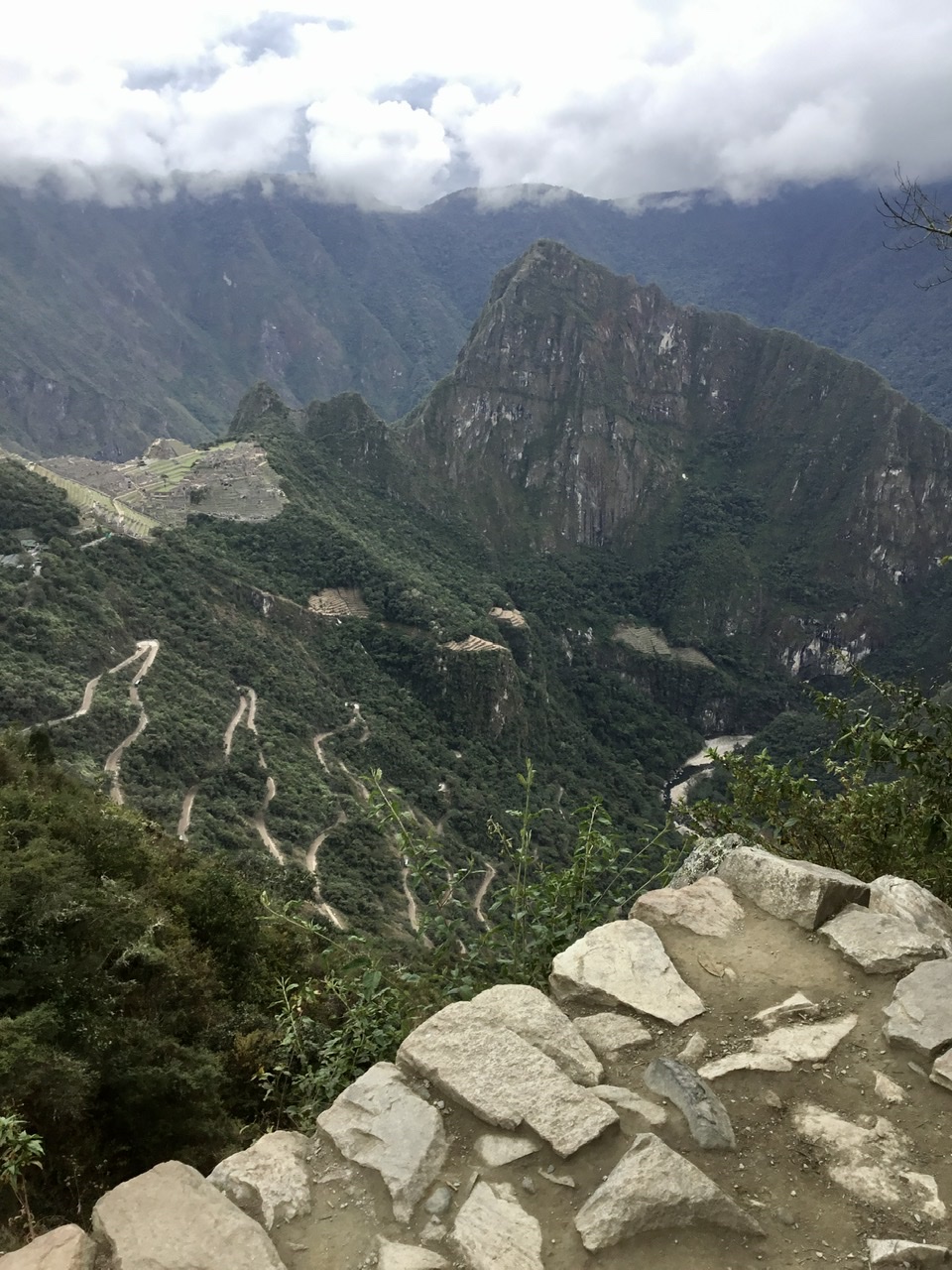
*Favorite travel photos that have not yet appeared in this blog
Comments are welcome!
Q: What inspires you to start your next painting? (Question from Nancy Nikkal)

A: For my current series, “Bolivianos,” I am using as source/reference material c-prints composed at a La Paz museum in 2017. I began the series by picking my favorite from this group of photos (“The Champ” and later, “Avenger”) before continuing with others selected for prosaic reasons such as I like some aspect of the photo, to push my technical skills by figuring out how to render some item in pastel, to challenge myself to make a pastel painting that is more exciting than the photo, etc. I like to think I have mostly succeeded.
At this time I am running low on images and have not yet imagined what comes next. Do I travel to La Paz again in 2021 to capture new photos? This series was a surprise gift so I am reluctant to deliberately chase after it knowing that ‘lightning never strikes twice.’ Will travel even be possible this year with Covid-19? These are questions I am wrestling with now.
Comments are welcome!

Pearls from artists* # 443

*an ongoing series of quotations – mostly from artists, to artists – that offers wisdom, inspiration, and advice for the sometimes lonely road we are on.
The theater has been good to me. It has produced great friendships, love, travel, hard work, fun, terror and pleasure. It has also offered an entire life of study. Study is a full-time engagement which includes reading books, reading people, reading situations, reading about the past and reading about the present. To study, you enter into a situation with your whole being, you listen and then begin to move around inside it with your imagination. You can study every situation you are in. You can learn to read life while life is happening.
Anne Bogart in A Director Prepares: Seven Essays on Art and Theatre
Comments are welcome!
Q: What inspires you?
A: I love to travel and the more remote the destination the better! My current pastel painting series is based on a 2017 trip to Bolivia that continues to inspire me. More info about this work is at https://barbararachko.art/en/paintings/bolivianos
Also, I find the medium of soft pastel to be more fascinating now than ever. There is still so much to learn as I challenge myself to do more with it and to become a better artist.
Comments are welcome!
Pearls from artists* # 425

Gladstone, NJ
*an ongoing series of quotations – mostly from artists, to artists – that offers wisdom, inspiration, and advice for the sometimes lonely road we are on.
And yet books were faithful companions for Vincent, an important source of sustenance during his times of melancholy: he periodically re-read his favourites, finding new meaning in the text and illustrations each time. Van Gogh read in at least two ways: first “breathlessly,’ and then ‘by careful exploration.’ But we could add a third and a fourth way: thirdly as an artist, and fourthly from the perspective of the writer he perhaps knew himself to be. To Vincent, reading books meant above all to ‘seek in them the artist who made them,’ as he wrote to his sister Willemien. He sought to open an internal dialogue with other writers as artists, and meditated on their words, stopping to consider and reconsider a phrase to make it resonate within him He did this in more than one language – internalizing words, ruminating, bending them to his will, and finally assigning them to a fate of his choosing, over the years. Remarkably several Prefaces by French Naturalist novelists such as Zola, De Goncourts or Maupassant (today considered genuine manifestos) were among the pages that truly challenged and engaged his mind. In them he found the freedom that he was seeking in painting – the ‘confirmation’ of his own ideas, inspiration and encouragement. The work of the illustrators of his favorite books and magazines equally attracted him and had a lingering effect on him, on which he paused to reflect repeatedly, extracting inspiration indirectly.
Mariella Guzzoni in Vincent’s Books: Van Gogh and the Writers Who Inspired Him
Comments are welcome!


 barbararachkoscoloreddust.com