Blog Archives
Pearls from artists* # 336

Barbara’s studio
*an ongoing series of quotations – mostly from artists, to artists – that offers wisdom, inspiration, and advice for the sometimes lonely road we are on.
Beauty and symbol are the two faces of the numinous, that enigmatic force that bestows upon certain things, places, and moments an otherworldly power. It is the combination of radical beauty and symbolic resonance – of apparition and death – that makes aesthetic objects so overpowering. While at the surface there may appear to be an insurmountable difference between a Shinto shrine and a Tom Waits concert, both use beauty and symbol to confront us with what is strange and sacred in life. Their similarity is as profound as their differences.
J.F. Martel in Reclaiming Art in the Age of Artifice: A Treatise, Critique, and Call to Action
Comments are welcome!
Pearls from artists* # 169
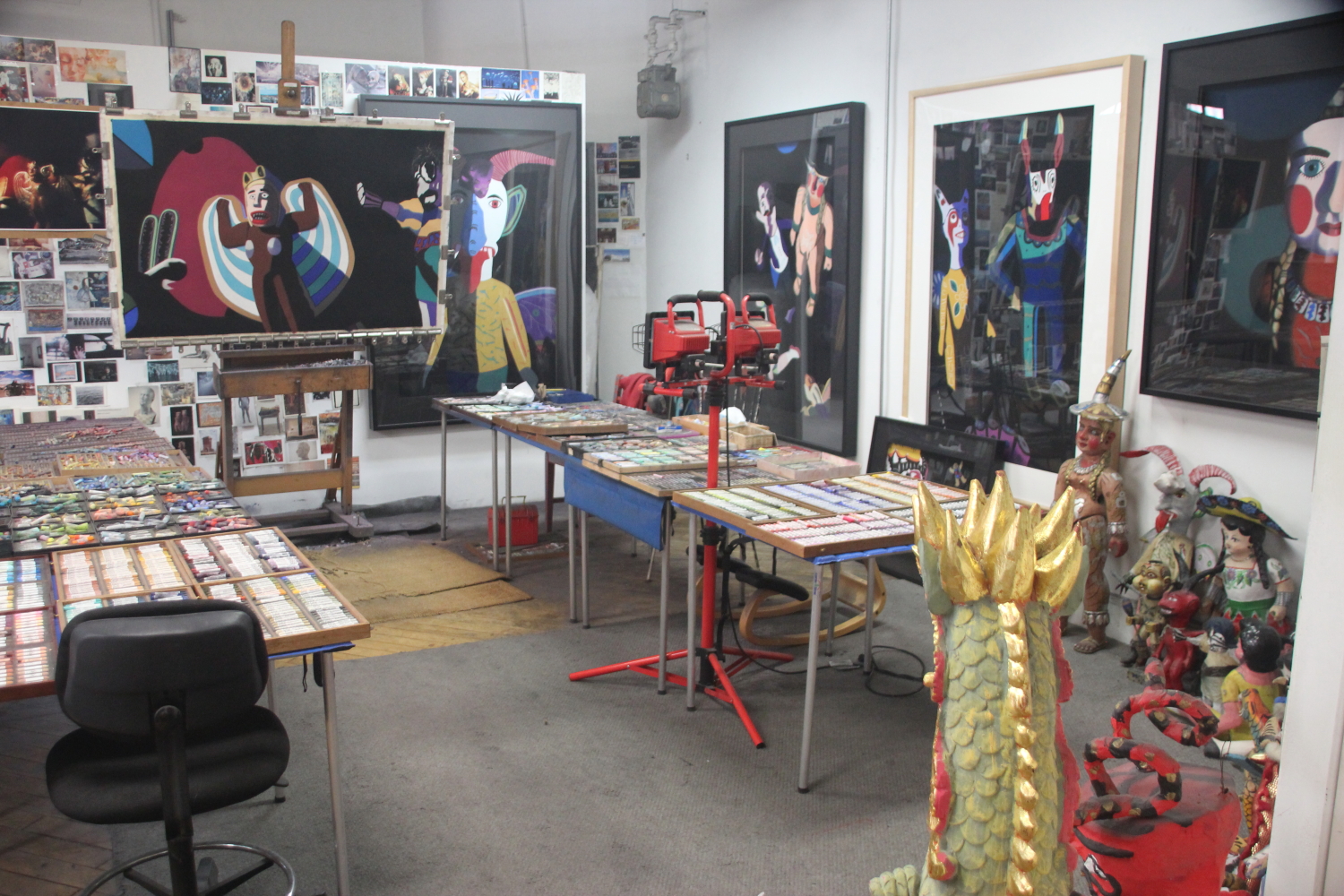
Barbara’s studio
* an ongoing series of quotations – mostly from artists, to artists – that offers wisdom, inspiration, and advice for the sometimes lonely road we are on.
For many, the familiar presence of things is a comfort. Things are valued not only because of their rarity or cost or their historical aura, but because they seem to partake in our lives; they are domesticated, part of our routine and so of us. Their long association with us seems to make them custodians of our memories; so that sometimes, as in Proust, things reveal us to ourselves in profound and unexpected ways.
The Tears of Things: Melancholy and Physical Objects by Peter Schwenger
Comments are welcome!
Pearls from artists* # 154
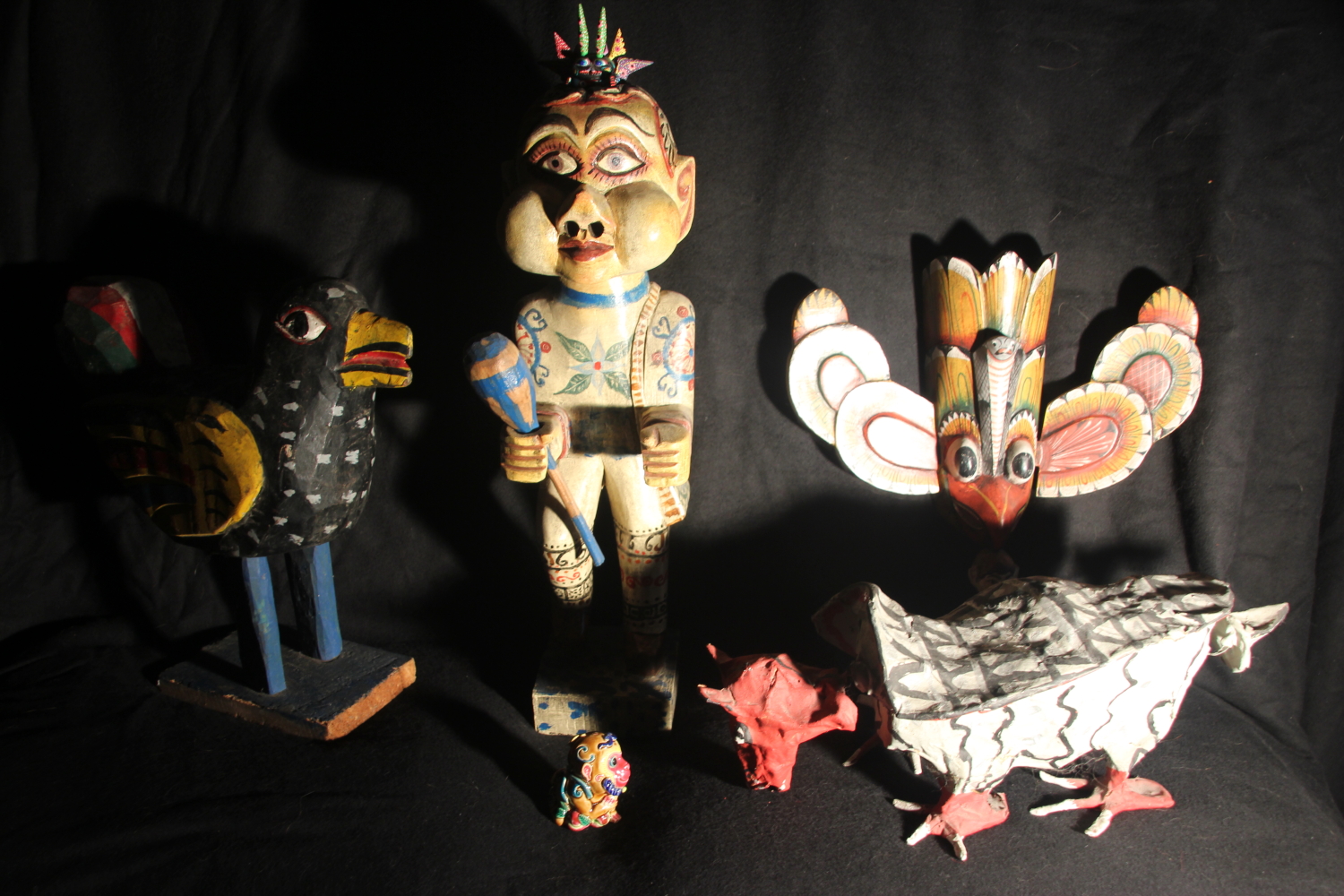
Idea for a painting
* an ongoing series of quotations – mostly from artists, to artists – that offers wisdom, inspiration, and advice for the sometimes lonely road we are on.
Often the public forms an idea of inspiration that is quite false, almost a religious notion. Alas! I do not believe that inspiration falls from heaven. I think it rather the result of a profound indolence and of our incapacity to put to work certain forces in ourselves. These unknown forces work deep within us, with the aid of the elements of daily life, its scenes and passions, and, they burden us and oblige us to conquer the kind of somnolence in which we indulge ourselves like invalids who try to prolong dream and dread resuming contact with reality, in short when the work that makes itself in us and in spite of us demands to be born, we can believe that this work comes to us from beyond and is offered by the gods. The artist is more slumberous in order that he shall not work. By a thousand ruses, he prevents his nocturnal work from seeing the light of day.
For it is at the moment that consciousness must take a precedence and that it becomes necessary to find the means which permit the unformed work to take form, to render it visible to all. To write, to conquer ink and paper, accumulate letters and paragraphs, divide them with periods and commas, is a different matter than carrying the dream of a play or of a book.
Jean Cocteau: The Process of Inspiration in The Creative Process, edited by Brewster Ghiselin
Comments are welcome!
Pearls from artists* # 140

“Big Wow,” soft pastel on sandpaper, 38″ x 58″
* an ongoing series of quotations – mostly from artists, to artists – that offers wisdom, inspiration, and advice for the sometimes lonely road we are on.
Frankly, I think you’re better off doing something on the assumption that you will not be rewarded for it, that it will not receive the recognition it deserves, that it will not be worth the time and effort invested in it.
The obvious advantage to this angle is, of course, if anything good comes of it, then it’s an added bonus.
The second, more subtle and profound advantage is that by scuppering all hope of worldly and social betterment from one creative act, you are finally left with only one question to answer:
Do you make this damn thing exist or not?
And once you can answer that truthfully for yourself, the rest is easy.
Hugh MacLeod in Ignore Everybody and 39 Other Keys to Creativity
Comments are welcome!
Pearls from artists* # 94
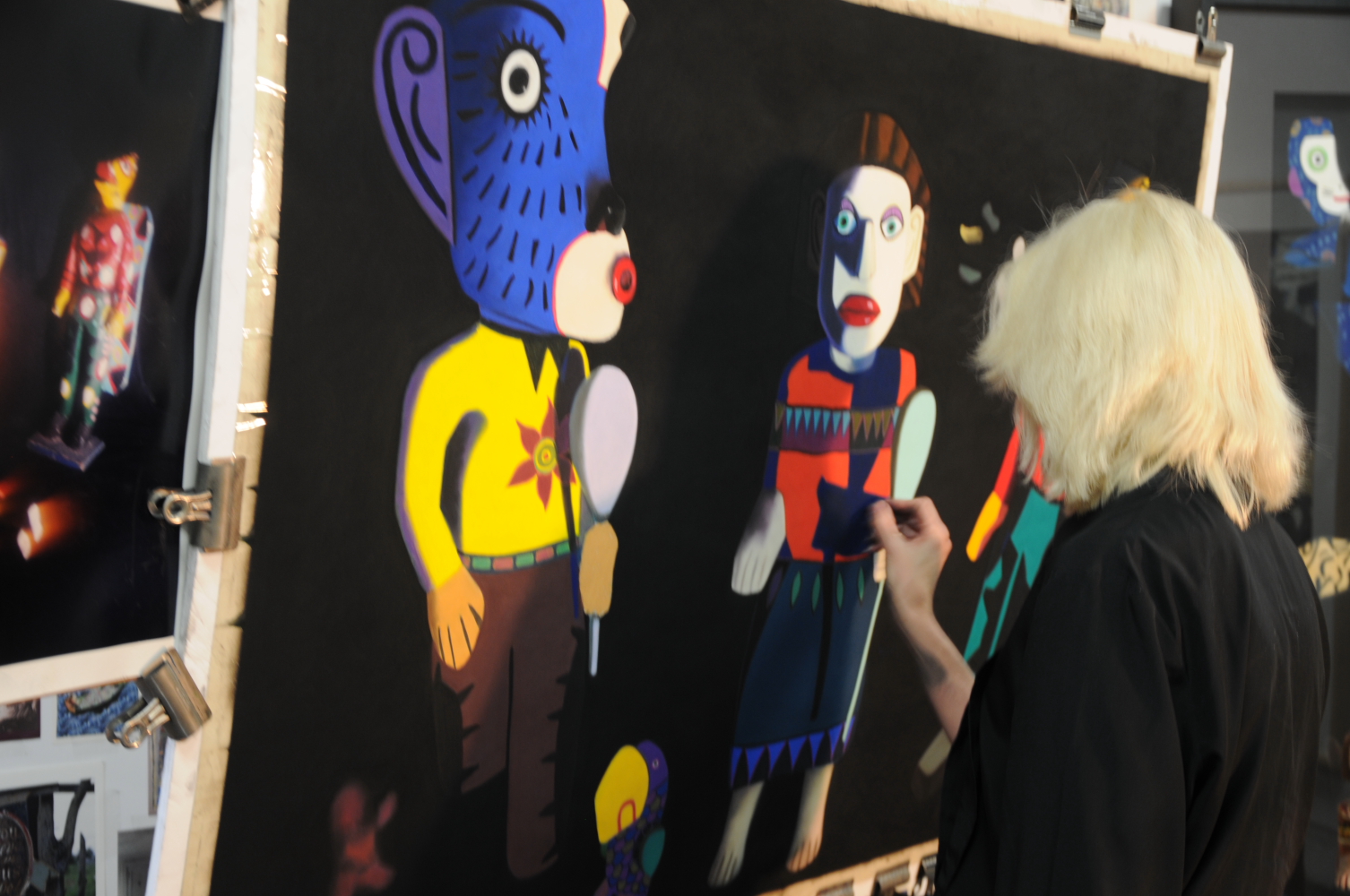
Working on “False Friends” Photo: Diana Feit
* an ongoing series of quotations – mostly from artists, to artists – that offers wisdom, inspiration, and advice for the sometimes lonely road we are on.
A work of art which inspires us comes from no quibbling or uncertain man. It is the manifest of a very positive nature in great enjoyment, and at the very moment the work was done.
It is not enough to have thought great things before doing the work. The brush stroke at the moment of contact carries inevitably the exact state of being of the artist at that exact moment into the work, and there it is, to be seen and read by those who can read such signs, and to be read later by the artist himself, with perhaps some surprise, as a revelation of himself.
For an artist to be interesting to us he must be interesting to himself. He must have been capable of intense feeling, and capable of profound contemplation.
He who has contemplated has met with himself, is in a state to see into the realities beyond the surfaces of his subject. Nature reveals to him, and, seeing and feeling intensely, he paints, and whether he wills it or not each brush stroke is an exact record of such as he was at the exact moment the stroke was made.
The Art Spirit by Robert Henri
Comments are welcome!
Pearls from artists* # 77
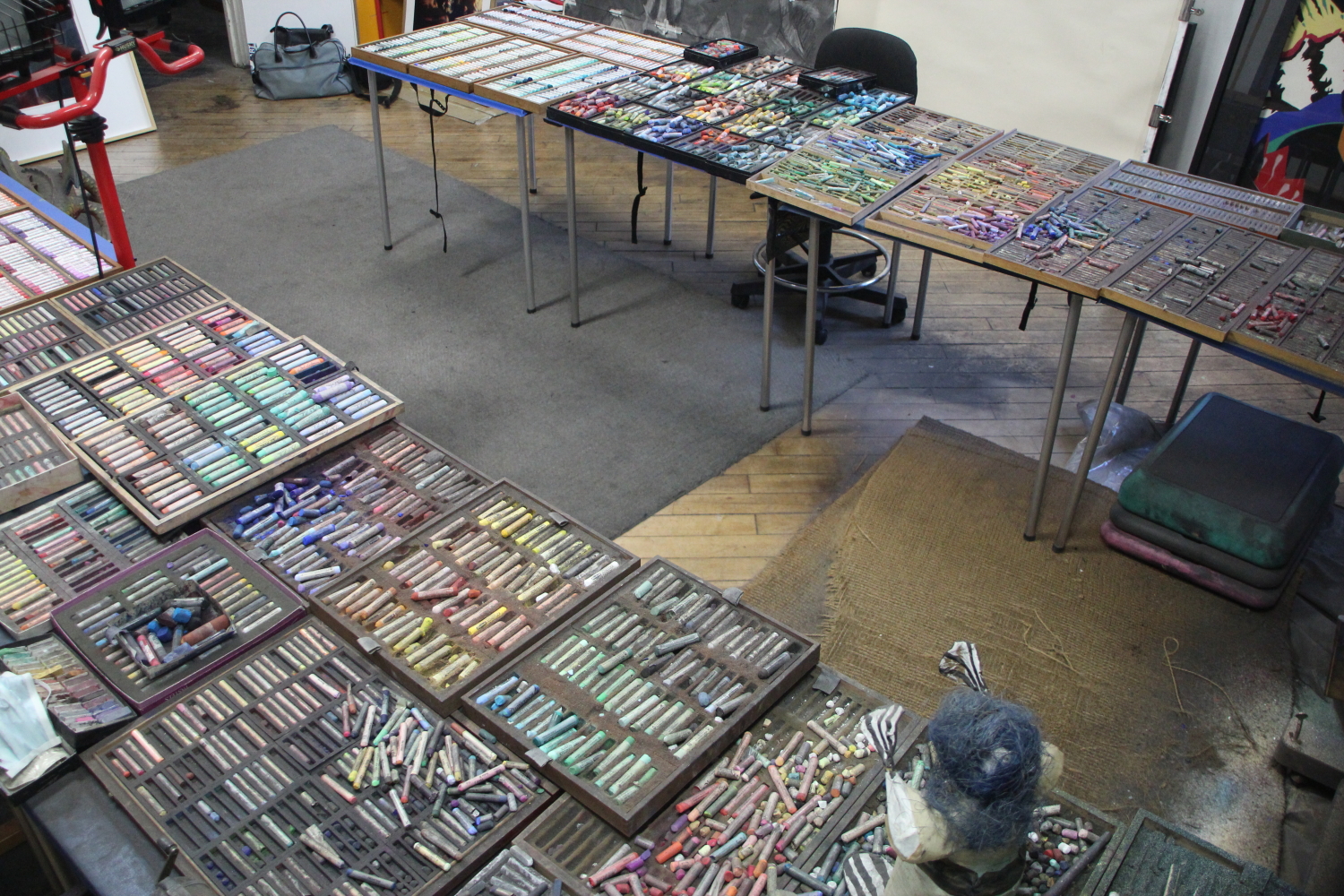
Barbara’s studio
* an ongoing series of quotations – mostly from artists, to artists – that offers wisdom, inspiration, and advice for the sometimes lonely road we are on.
Current possibilities far exceed any single artist’s capacity to engage them. Indeed, every known way of making art ever undertaken in all of history is included in today’s inventory of creative options. Thus, choices must be made. This has had a profound effect upon the quantity and diversity of skills needed to become an artist today. In addition to such conventional forms of artistic talent as visual acuity, manual dexterity, sensitivity, intelligence, ingenuity, and perseverance, contemporary artists must also be able to make judicious choices from a limitless inventory of alternatives. A decisive aspect of the creative act involves choosing a place amid possibilities that are as bountiful as they are eclectic and chaotic. Even this process entail choices. In staking the territory they wish to occupy, artists may be gluttons or ascetics, connoisseurs or commoners. Relationships between artists and their career choices may be lifelong and monogamous, or sequentially monogamous, polygamous, or promiscuous. But artists’ options even exceed selecting precedents. Free access to the past is amplified by freedom to augment the catalogue of creative options by contributing something new.
In the Making: Creative Options for Contemporary Art by Linda Weintraub
Comments are welcome!
Pearls from artists* # 68
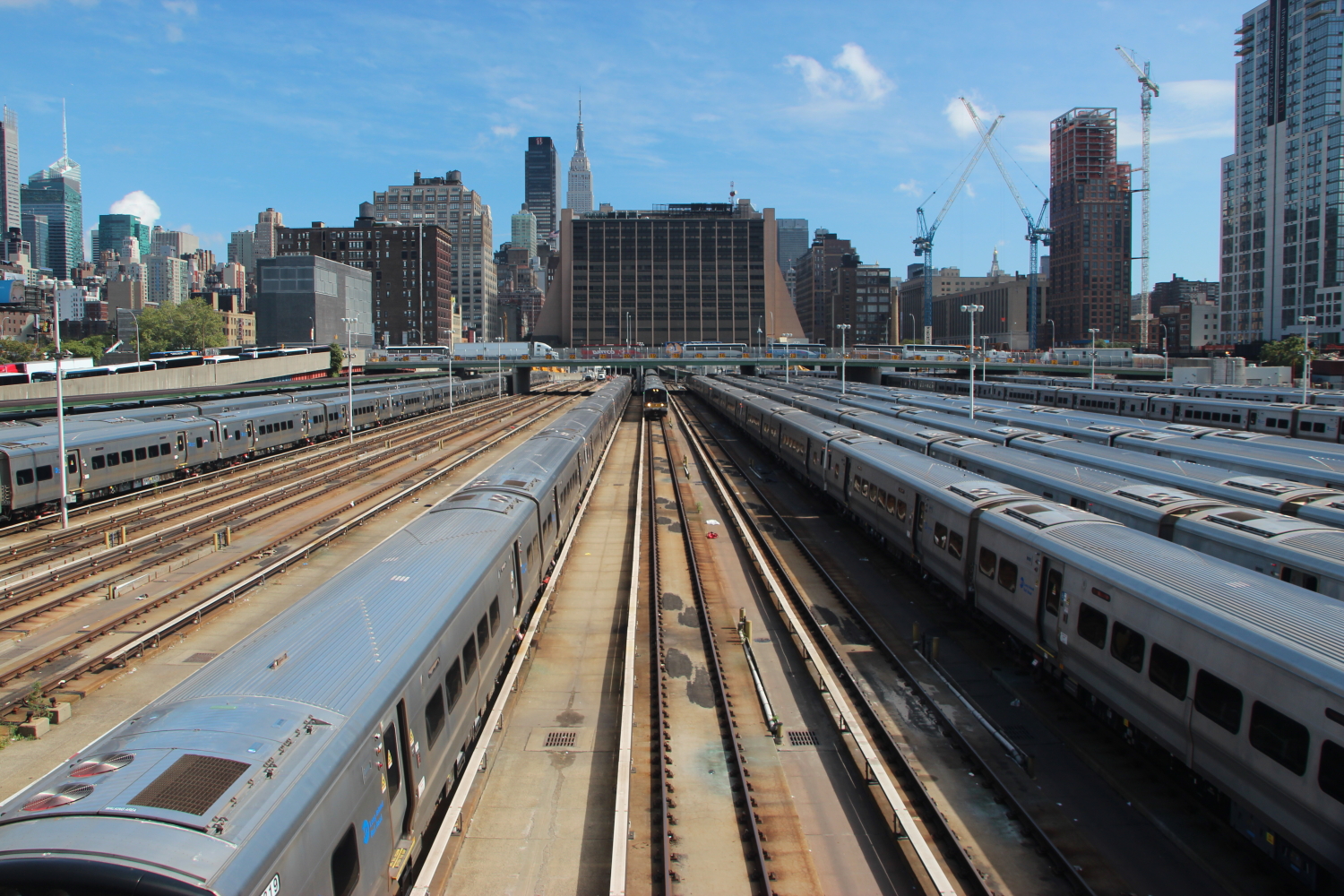
Hudson Rail Yards, NYC
* an ongoing series of quotations – mostly from artists, to artists – that offers wisdom, inspiration, and advice for the sometimes lonely road we are on.
Get to know what you really want. Hold on and treasure your vision. Acknowledge that your life is a work in progress and that your goals will change and develop over time. Knowing deeply what you want to accomplish shores up doubt, builds fortitude, and pushes you to take more action. This awareness changes how you hear and use information. Your senses will be sharpened. You begin to listen to everything differently; you interpret what you read, what you do, and whom you meet with your goals in mind. You will ask better questions of those around you and seek more meaningful help. All of this will produce a subtle yet profound shift in how you proceed and the actions you take. It will reshape your life and have major consequences for your career.
Jackie Battenfield in The Artist’s Guide: How to Make a Living Doing What You Love
Comments are welcome!
Q: What first intrigued you about Mexico?

“Myth Meets Dream,” 1993, soft pastel on sandpaper, first painting that includes Oaxacan figures
A: In the early 90’s my husband, Bryan, and I made our first trip to Oaxaca and to Mexico City. At the time I had become fascinated with the Mexican “Day of the Dead” celebrations so our trip was timed to see them firsthand. Along with busloads of other tourists, we visited several cemeteries in small Oaxacan towns. The indigenous people tending their ancestor’s graves were so dignified and so gracious, even with so many mostly-American tourists tromping around on a sacred night, that I couldn’t help being taken with these beautiful people and their beliefs. From Oaxaca we traveled to Mexico City, where again I was entranced, but this time by the rich and ancient history. On our first trip we visited the National Museum of Anthropology, where I was introduced to the fascinating story of ancient Meso-American civilizations (it is still one of my favorite museums in the world); the ancient city of Teotihuacan, which the Aztecs discovered as an abandoned city and then occupied as their own; and the Templo Mayor, the historic center of the Aztec empire, infamous as a place of human sacrifice. I was astounded! Why had I never learned in school about Mexico, this highly developed cradle of western civilization in our own hemisphere, when so much time had been devoted to the cultures of Egypt, Greece, and elsewhere? When I returned home to Virginia I began reading everything I could find about ancient Mexican civilizations, including the Olmec, Zapotec, Mixtec, Aztec, and Maya. This first trip to Mexico opened up a whole new world and was to profoundly influence my future work. I would return there many more times.
Comments are welcome!


 barbararachkoscoloreddust.com