Blog Archives
Pearls from artists* # 692

*an ongoing series of quotations – mostly from artists, to artists – that offers wisdom, inspiration, and advice for the sometimes lonely road we are on.
Claiming space, money, and time to do our work requires fortitude. We need to say ‘no’ to projects and people fighting for our attention. We just follow our work through changes, even when it is comfortable, or in other people’s interests, for our work to stay the same. If we want to expand our careers, we get rejected… a lot. But artists are like sharks; we must keep moving to survive, creating authentic, original work as we outgrow it to evolve as human beings.
Kate Kretz in Art From Your Core: A Holistic Guide to Visual Voice
Comments are welcome!
Pearls from artists* # 674
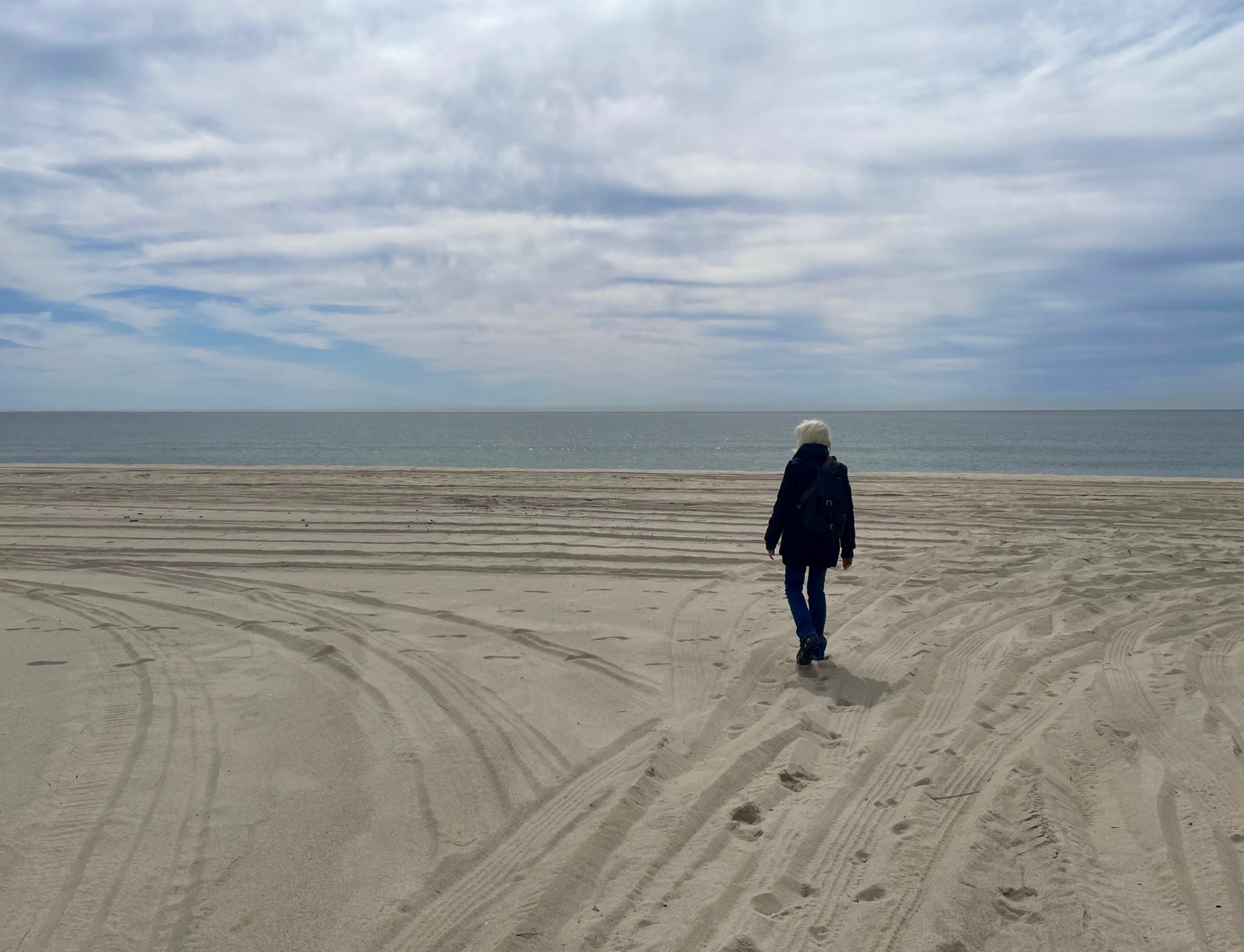
Southampton, New York Photo: Susan Erlichman
*an ongoing series of quotations – mostly from artists, to artists – that offers wisdom, inspiration, and advice for the sometimes lonely road we are on.
Everything about art requires dedication and presence. It is an intimate act, demanding the kind of sustained devotion we rarely lavish on other human beings. The artist’s generosity is highly impractical because there is no guarantee that it will ever be appreciated. Consider the level of optimism needed to repeatedly spend, even deplete, whatever reserves might be required to create the most superlative gift you could offer, one that is essentially given away to the world for free. The work we make is a love letter in a bottle, thrown into the ocean. It may or may not be read. We do not negotiate. like businesspeople, ‘You give me this, and I will give you that…’ We bequeath our pursuit of excellence and creative spirit to our audience, without reservation or qualification. We know what we have invested in it and sleep better because of it.
– Kate Kretz in Art From Your Core: A Holistic Guide to Visual Voice
Comments are welcome!
Pearls from artists* # 609
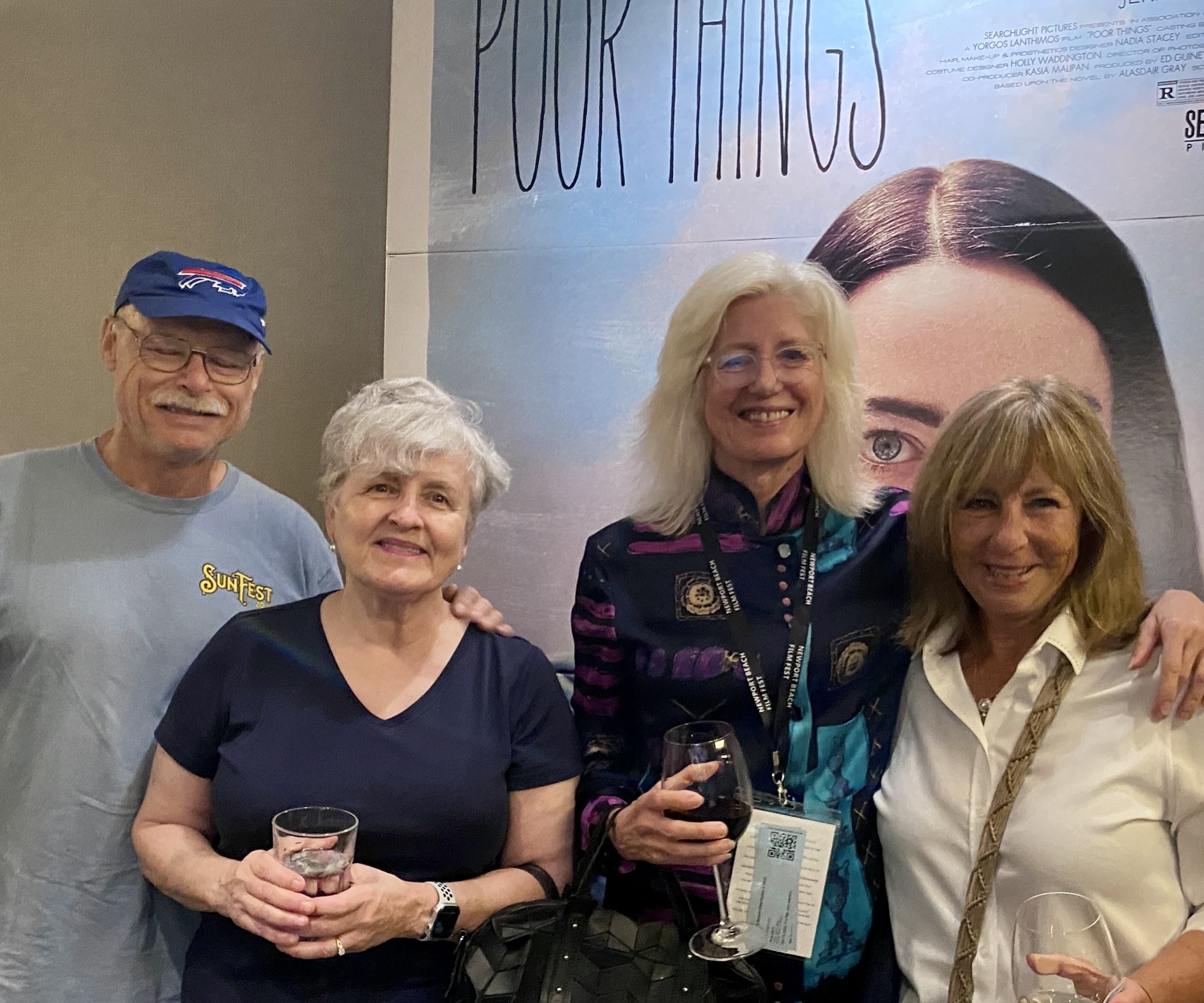
At the World Premier of “Barbara Rachko: True Grit” during the Newport Beach Film Festival
*an ongoing series of quotations – mostly from artists, to artists – that offers wisdom, inspiration, and advice for the sometimes lonely road we are on.
Whether we are creating high art or a meal, we improvise when we move with the flow of time and with our own evolving consciousness, rather than with a preordained script or recipe. In composed or scripted art forms, there are two kinds of time: the moment of inspiration in which a direct intuition of beauty or truth comes to the artist; then the often laborious struggle to hold onto it long enough to get it down on paper or canvas, film or stone. A novelist may have a moment (literally a flash) of insight into which the birth, meaning, and purpose of a new book reveal itself; but it may take years to write it. During this time he must not only keep the thought fresh and clear, he must also eat, live, make money, suffer, enjoy, be a friend, and everything else human beings do. In composed music or theater, moreover, there is yet a third kind of time: besides the moment (or moments) of inspiration and time it takes to write the score, there is the time of the actual performance. Often the music is not even performed until after the composer’s death.
Stephen Nachmanovitch in Free Play: Improvisation in Life and Art
Comments are welcome!
Pearls from artists* # 547
*an ongoing series of quotations – mostly from artists, to artists – that offers wisdom, inspiration, and advice for the sometimes lonely road we are on.
Because solitude provides artists with a safe haven, fits their personality, and offers them a kind of communal contact with other human beings through their work, it can also serve as a breeding ground for stagnation. Without ever quite realizing it, artists can grow flaccid in isolation and begin to experience their solitude as deadening. The studio can become too easy and unchallenging a place.
The world outside the studio offers unmatched opportunities for growth and for the expression of authentic and courageous behavior. Artists often miss these opportunities and, remaining relatively untested, handle themselves poorly when they do venture out.
Eric Maisel in A Life in the Arts: Practical Guidance and Inspiration for Creative and Performing Artists
Comments are welcome!
Pearls from artists* # 481
*an ongoing series of quotations – mostly from artists, to artists – that offers wisdom, inspiration, and advice for the sometimes lonely road we are on.
Artists, because they spend such prolonged periods in isolation, frequently fall behind the times. They may gain great self-knowledge, spiritual insight, and understanding of their media as they work in private, but at the price of a lack of vital knowledge of the world around them.
Because solitude provides artists with a safe haven, fits their personality, and offers them a kind of communal contact with other human beings through their work, it can also serve as a breeding ground for stagnation. Without ever realizing it, artists can grow flacid in isolation and begin to experience their solitude as deadening. The studio can become too easy and unchallenging a place.
The world outside the studio offers unmatched opportunities for growth and for the expression of authentic and courageous behavior. Artists often miss these opportunities and, remaining relatively untested, handle themselves poorly when they do venture out.
Eric Maisel in A Life in the Arts: Practical Guidance and Inspiration for Creative and Performing Artists
Comments are welcome!
Pearls from artists* # 464
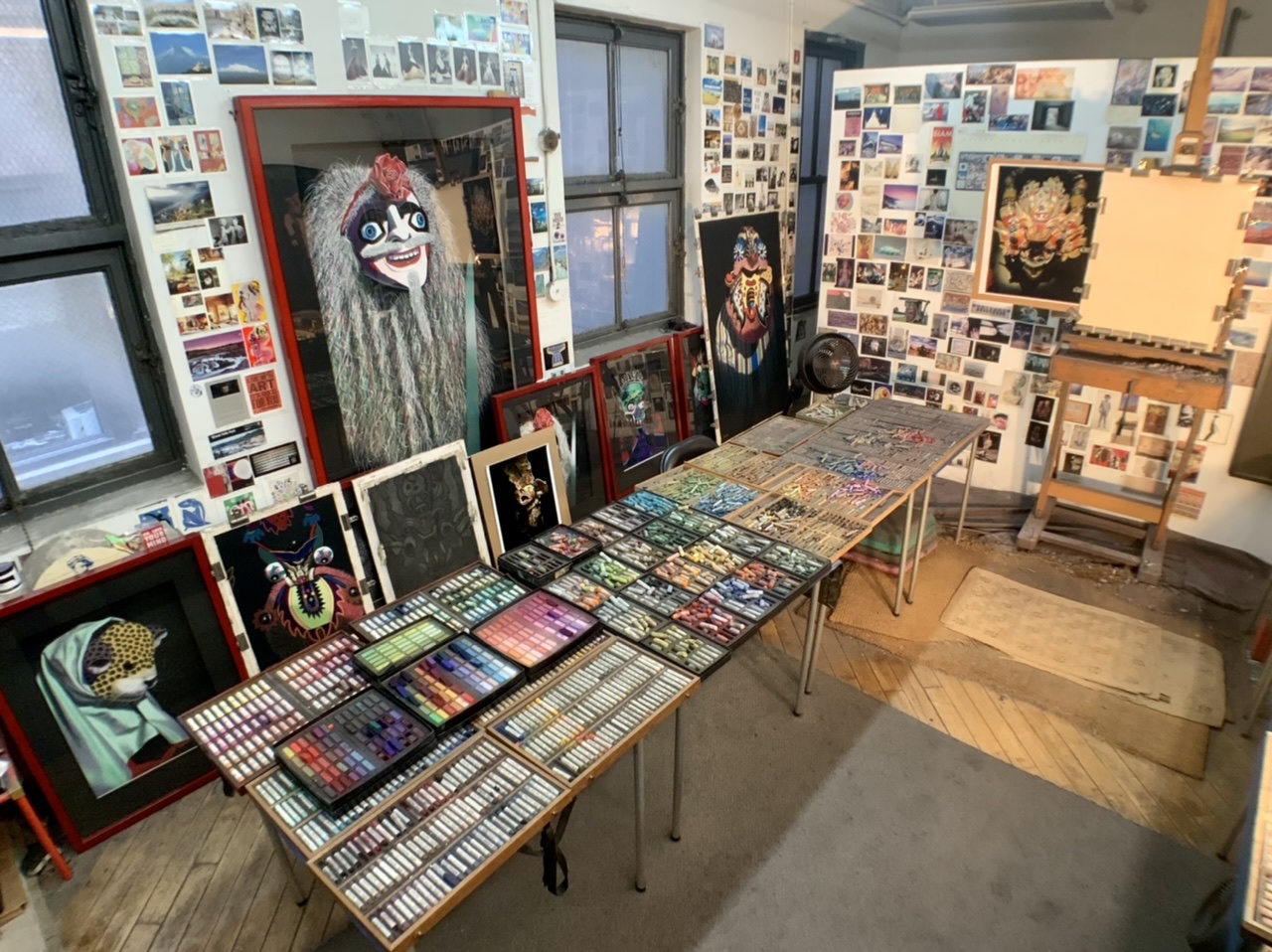
*an ongoing series of quotations – mostly from artists, to artists – that offers wisdom, inspiration, and advice for the sometimes lonely road we are on.
Only through art can human beings express and share the archetypal powers that shape the universe.
To abandon art would mean forfeiting the gift of vision, which, by all appearances, was given to humans alone.
To reclaim it might enable us to recover our faith in this world, and act in accordance with that faith for the benefit of life on earth.
JF Martel in Reclaiming Art in the Age of Artifice: A Treatise, Critique, and Call to Action
Comments are welcome!
Pearls from artists* # 448

*an ongoing series of quotations – mostly from artists, to artists – that offers wisdom, inspiration, and advice for the sometimes lonely road we are on.
Memory plays a huge role in the artistic process. Every time you stage a play, you are embodying a memory. Human beings are stimulated to tell stories from the experience of remembering an incident or a person. The act of expressing what is remembered is actually, according to the philosopher Richard Rorty, an act of re-description. In redescribing something, new myths are created. Rorty suggests that there is no objective reality, no Platonic ideal. We create truths by describing, or re-describing, our beliefs and observations. Our task, and the task of every artist and scientist, is to redescribe our inherited assumptions and invented fictions in order to create new paradigms for the future.
Anne Bogart in A Director Prepares: Seven Essays on Art and Theater
Comments are welcome!
Pearls from artists* # 435
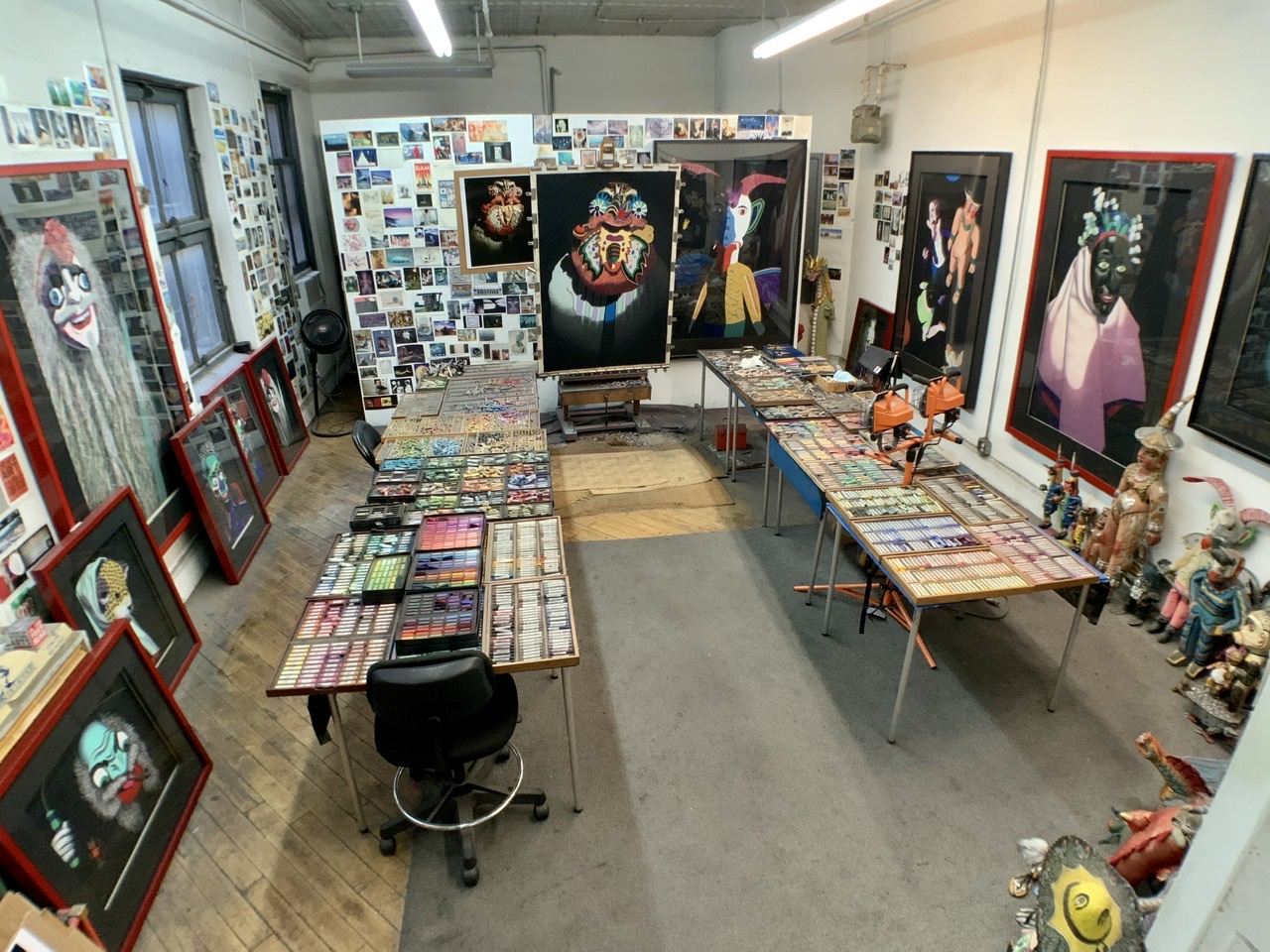
Barbara’s Studio
*an ongoing series of quotations – mostly from artists, to artists – that offers wisdom, inspiration, and advice for the sometimes lonely road we are on.
Most artists are not as estranged from their fellow human beings, as bereft of reasons for existing, or as alienated from the common values and enthusiasms of the world as are the outsider characters created by existential writers like Kafka, Camus, and Sartre. But insofar as artists do regularly feel different from other people, a differentness experienced both as a sense of oddness and a sense of specialness, they identify with the outsider’s concerns and come to the interpersonal moment in guarded or distant fashion.
In part, artists are outsiders because of the personal mythology they possess. This mythology is a blend of beliefs about the importance of the individual, the responsibility of the artist as a maker of culture and a witness to the truth, and the ordained separateness of the artist. Artists often stand apart on principle, like Napoleonic figures perched on a hill overlooking the battle.
The artist may also find himself [sic] speechless in public. Around him people chat, but he has little to offer. Too much of what he knows and feels has gone directly into his art and too much has been revealed to him in solitude – infinitely more than he can share in casual conversation.
Eric Maisel, A Life in the Arts: Practical Guidance and Inspiration for Creative and Performing Artists
Comments are welcome!
Q: Can you tell us about the different series of work you have created and what they embody?
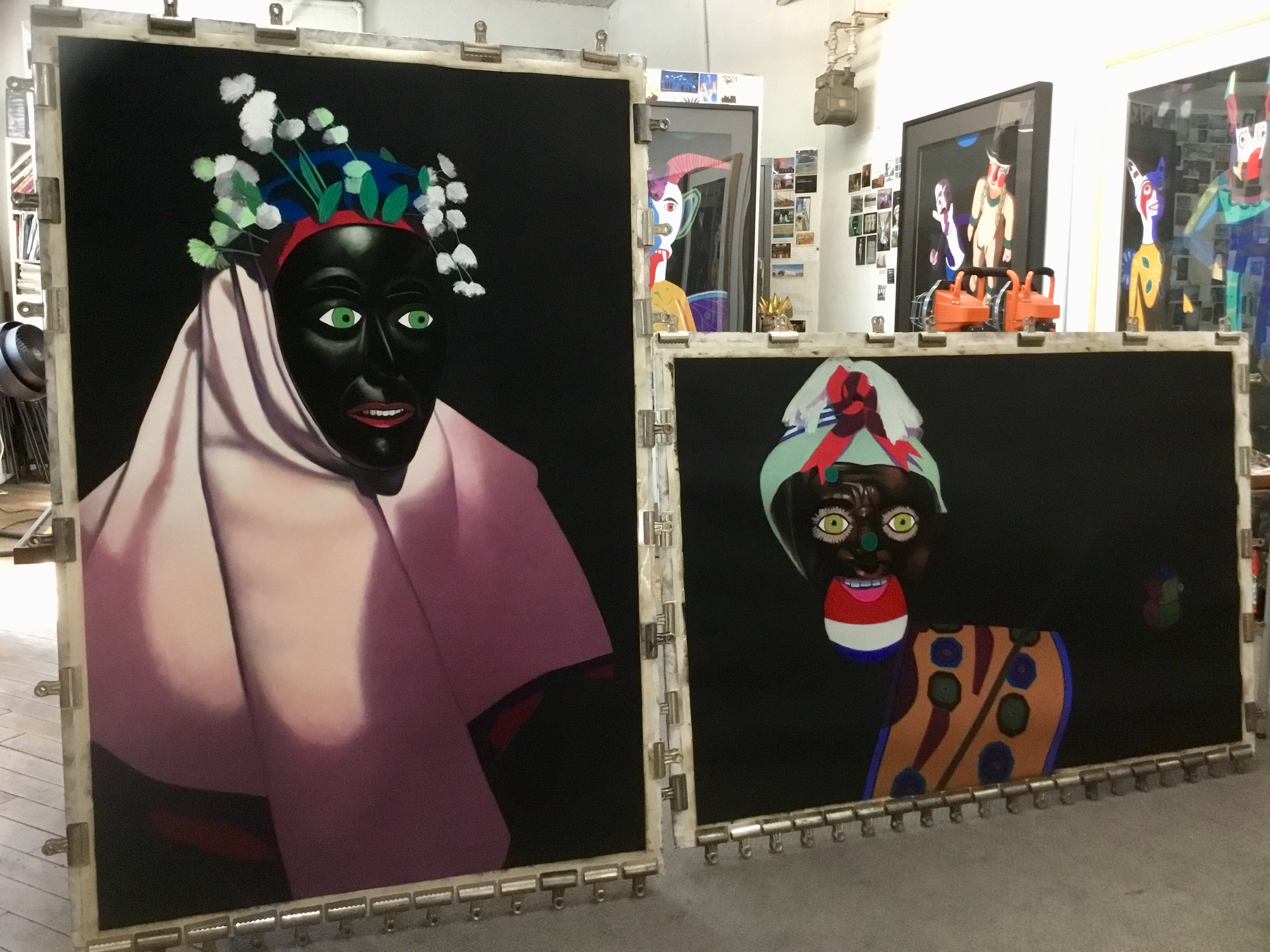
Barbara’s studio with work in progress
A: The Black Paintings series of pastel-on-sandpaper paintings grew directly from an earlier series, Domestic Threats. While both use cultural objects as surrogates for human beings acting in mysterious, highly-charged narratives, in the Black Paintings I replaced all background details of my actual setup (furniture, rugs, etc.) with lush black pastel. In this work the ‘actors’ are front and center.
While traveling in Bolivia two years ago, I visited a mask exhibition at the National Museum of Ethnography and Folklore in La Paz. The masks were presented against black walls, spot-lit, and looked eerily like 3D versions of my Black Paintings. I immediately knew I had stumbled upon a gift. So far I have completed nine pastel paintings in the Bolivianos series. One is awaiting finishing touches, one is in progress now, and I am planning the next one.
All of my pastel paintings are an example of a style called “contemporary conceptual realism” in which things are not quite as innocent as they seem. In this sense each painting is a kind of Trojan horse. There is plenty of backstory to my images, although I usually prefer not to over-explain them. Some mystery must always remain in art.
The world I depict is that of the imagination and this realm owes little debt to the natural world. I recently gave an art talk where I was reminded how fascinating it is to learn how others respond to my work. As New York art critic Gerrit Henry once remarked, “What we bring to a Rachko… we get back, bountifully.”
Comments are welcome!
Pearls from artists* # 360
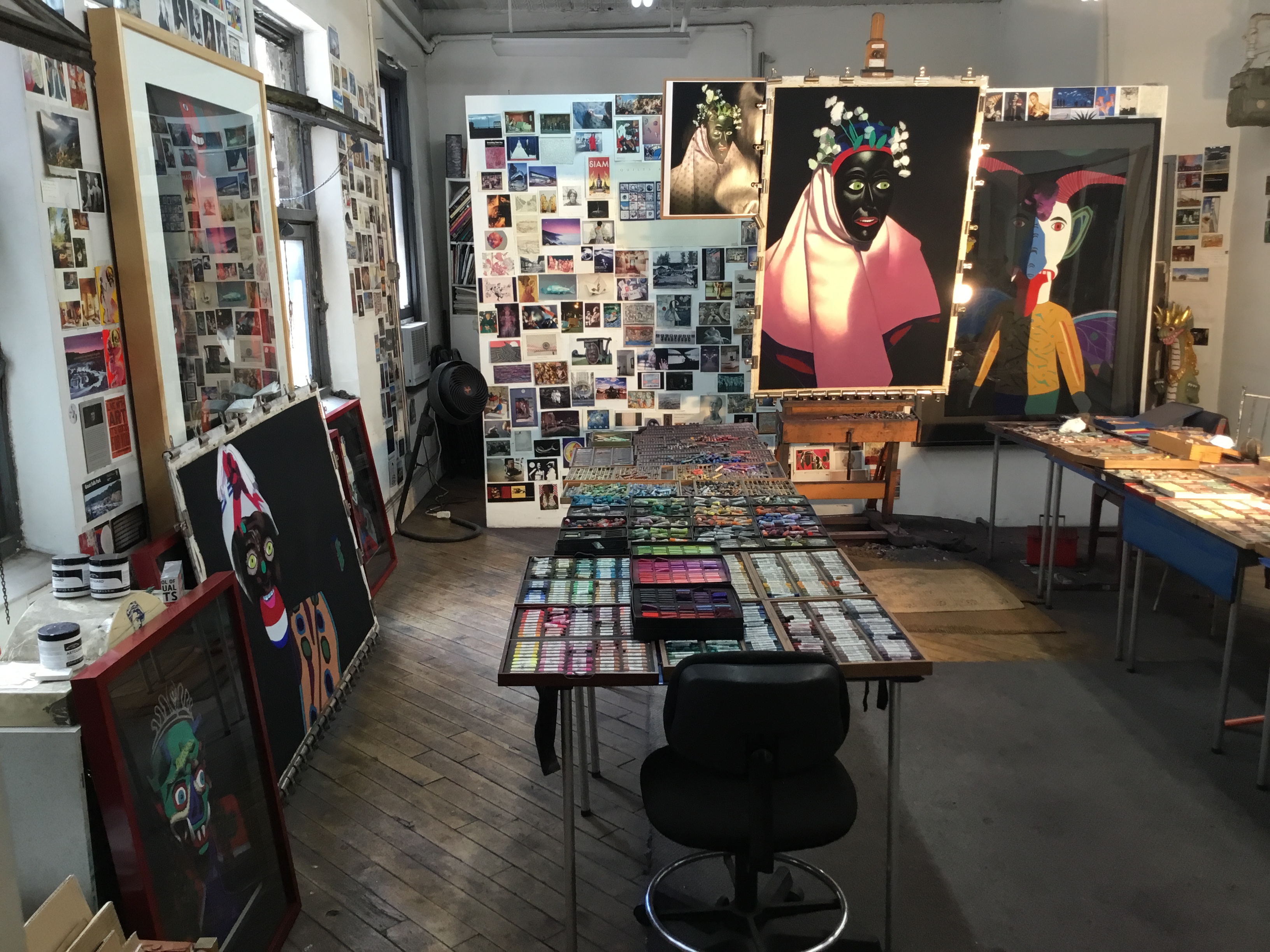
Barbara’s studio
*an ongoing series of quotations – mostly from artists, to artists – that offers wisdom, inspiration, and advice for the sometimes lonely road we are on.
Human beings have been creative beings for a really long time – long enough and consistently enough that it appears to be a totally natural impulse. To put the story in perspective, consider this fact: the earliest evidence of recognizable human art is forty thousand years old. The earliest evidence of human agriculture, by contrast is only ten thousand years old. Which means that somewhere in our collective evolutionary story, we decided it was way more important to make attractive, superfluous items than it was to learn how to regularly feed ourselves.
Elizabeth Gilbert in Big Magic: Creative Living Beyond Fear
Comments are welcome!


 barbararachkoscoloreddust.com