Blog Archives
Q: Do you have any advice for a young painter or someone just starting out as an artist?
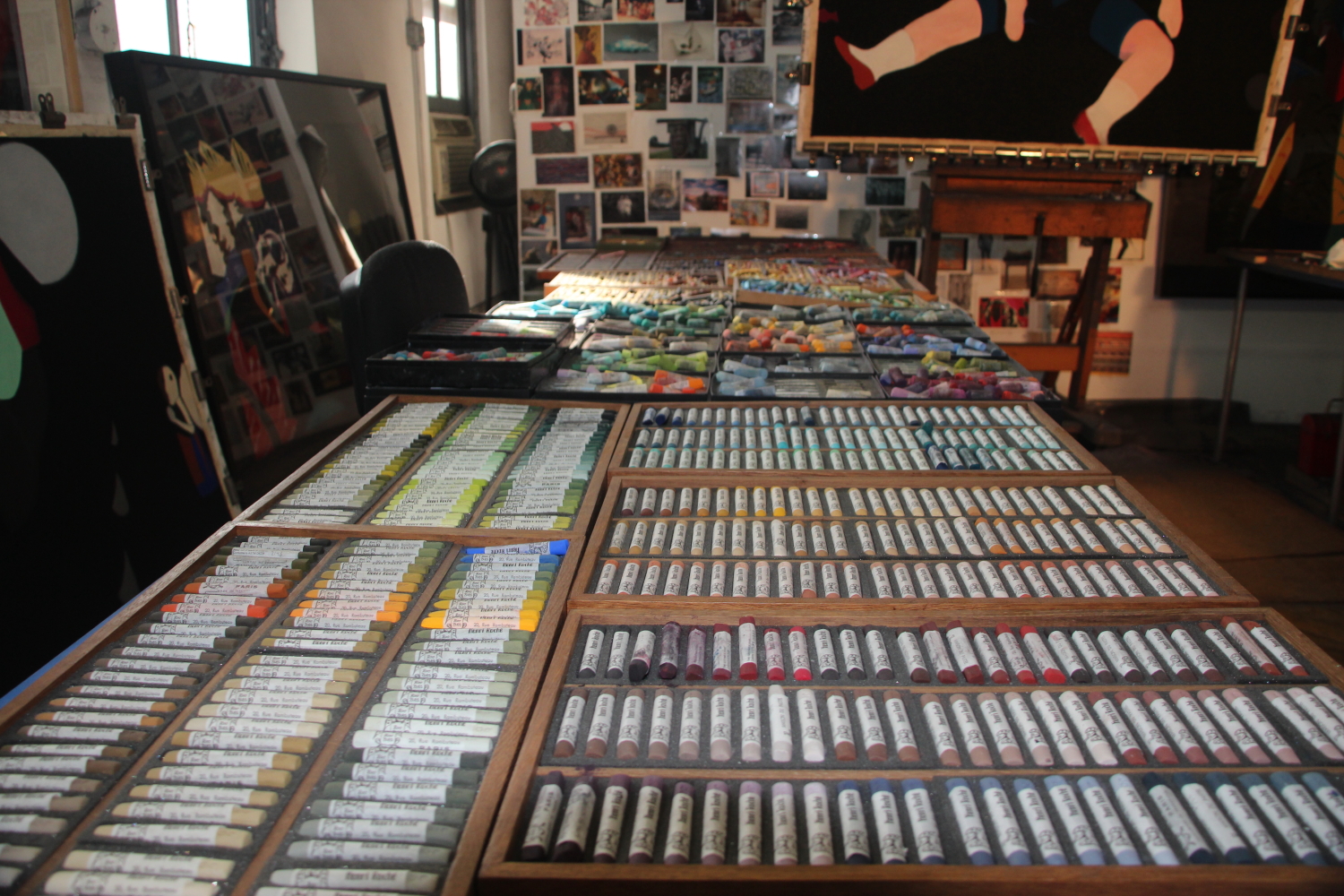
Studio
A: As artists each of us has at least two important responsibilities: to express things we are feeling for which there are no adequate words and to communicate to a select few people, who become our audience. By virtue of his or her own uniqueness, every human being has something to say. But self-expression by itself is not enough. As I often say, at it’s core art is communication. Without this element there is no art. When artists fail to communicate, perhaps they haven’t mastered their medium sufficiently so are unsuccessful in the attempt, or they may be being self-indulgent and not trying. Admittedly there is that rare and most welcome occurrence when an artistic statement – such as a personal epiphany – happens for oneself alone.
Most importantly, always listen to what your heart tells you. It knows and speaks the truth and becomes easier to trust as you mature. If you get caught up in the art world, step back and take some time to regain your bearings, to get reacquainted with the voice within you that knows the truth. Paint from there. Do not ever let a dealer or anyone else dictate what or how you should paint.
With perhaps the singular exception of artist-run cooperative galleries, be very suspicious of anyone who asks for money to put your work in an exhibition. These people are making money from desperate and confused artists, not from appreciative art collectors. With payment already in hand there is no financial incentive whatsoever for these people to sell your paintings and they won’t.
Always work in a beautiful and special place of your own making. It doesn’t need to be very large, unless you require a large space in which to create, but it needs to be yours. I’m thinking of Virginia Woolf’s “a room of one’s own” here. A studio is your haven, a place to experiment, learn, study, and grow. A studio should be a place you can’t wait to enter and once you are there and engaged, are reluctant to leave.
Be prepared to work harder than you ever have, unrelentingly developing your special innate gifts, whether you are in the mood to do so or not. Most of all remember to do it for love, because you love your medium and it’s endless possibilities, because you love working in your studio, and because you feel most joyously alive when you are creating.
Comments are welcome!
Pearls from artists* # 82
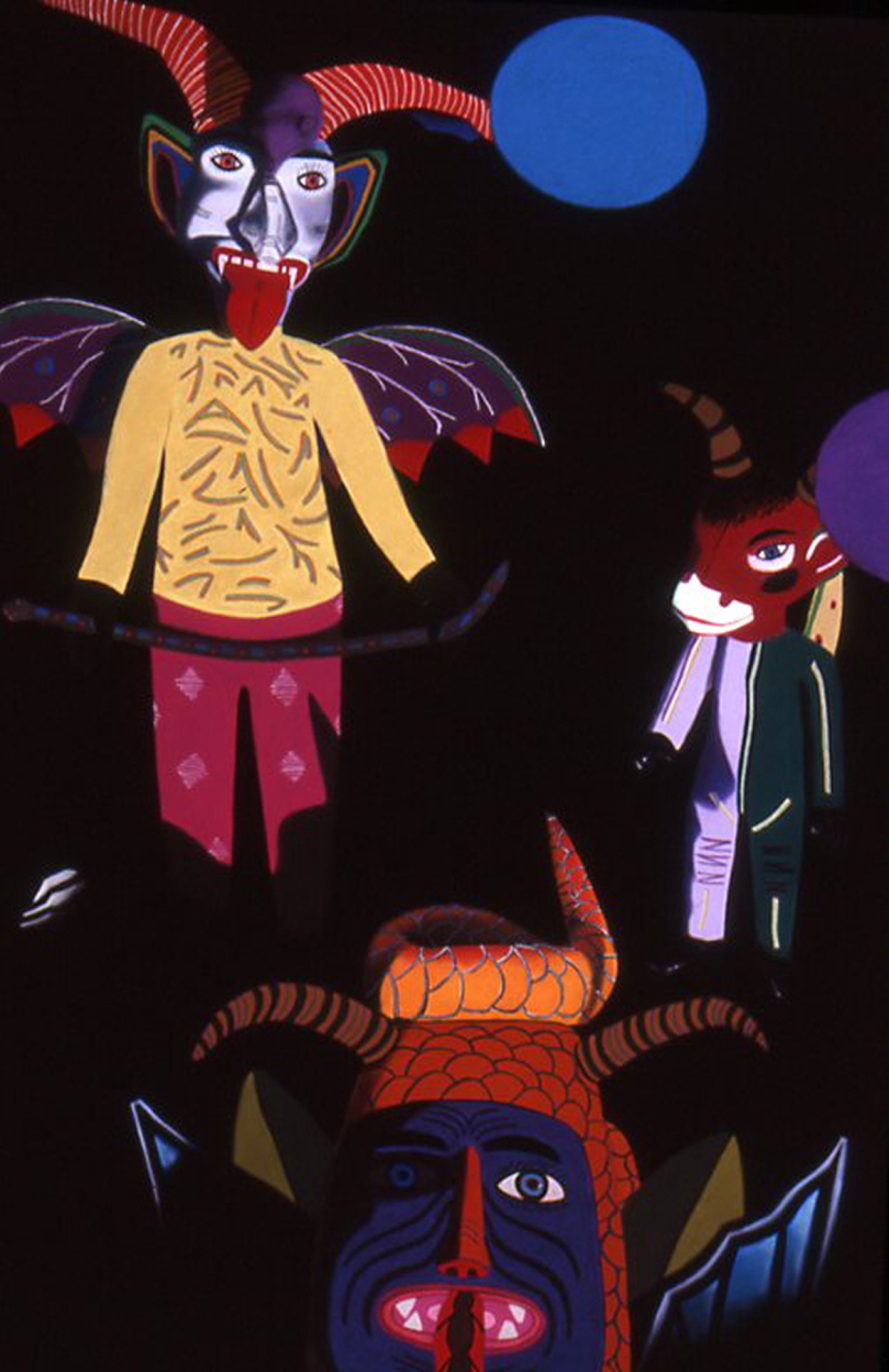
“The Sovereign,” soft pastel on sandpaper, 58″ x 38″
* an ongoing series of quotations – mostly from artists, to artists – that offers wisdom, inspiration, and advice for the sometimes lonely road we are on.
Art isn’t psychology. For one thing art deals in images, not language. Images precede language and are closer to feelings. They summon feelings before they’re named and categorized, when they’re still fresh and sometimes hard to recognize or identify.
For another thing, to translate his vision an artist uses materials that are, for lack of a better word, alchemical. Paint, for example, has this wonderful, mysterious quality – a smell and a sensuous, velvety feel and an ability to hold color and light – that unlocks and speeds up one’s creative metabolism. And paint captures my every impulse – from my broadest conceptions to the tiniest ticks and tremors of my wrist.
There are literally no words to describe what occurs when an image suddenly and unexpectedly appears on the canvas. Sometimes it’s serendipity, the result of a fortunate brushstroke. Sometimes I think it has to do with the inherent qualities of paint, or the slickness of a surface, or the fullness or acuity of a brush. And sometimes when I’ve got a good rhythm going and everything comes together, I feel as though it produces the purest expression of who I am and what I am and how I perceive the world.
Eric Fischl and Michael Stone in Bad Boy: My Life on and off the Canvas
Comments are welcome!
Pearls from artists* # 80
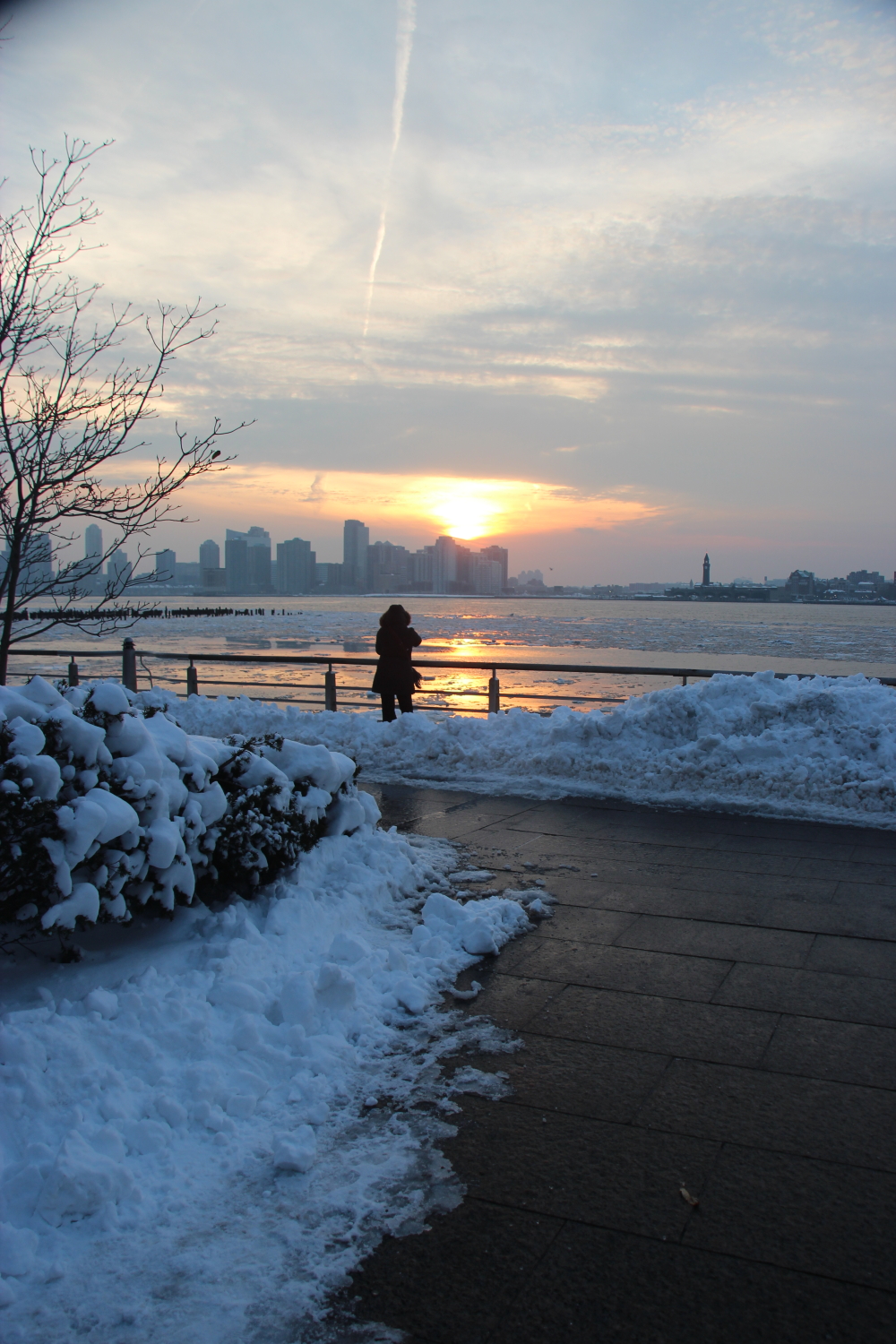
New York, NY
* an ongoing series of quotations – mostly from artists, to artists – that offers wisdom, inspiration, and advice for the sometimes lonely road we are on.
Whatever teaches us to talk to ourselves is important: whatever teaches us to sing ourselves out of despair. But the painting [“The Goldfinch,” 1654, by C. Fabritius] has also taught me that we can speak to each other across time. And I feel I have something very serious and urgent to say to you, my non-existent reader, and I feel I should say it as urgently as if I were standing in the room with you. That life – whatever else it is – is short. That fate is cruel but maybe not random. That Nature (meaning Death) always wins but that doesn’t mean we have to bow and grovel to it. That maybe if we’re not always so glad to be here, it’s our task to immerse ourselves anyway: wade straight through it, right through the cesspool, while keeping eyes and hearts open. And in the midst of our dying, as we rise from the organic and sink back ignominiously into the organic, it is a glory and a privilege to love what Death doesn’t touch. For if disaster and oblivion have followed this painting down through time – so too has love. Insofar as it is immortal (and it is) I have a small, bright, immutable part in that immortality. It exists; and it keeps on existing. And I add my own love to the history of people who have loved beautiful things, and looked out for them, and pulled them from the fire, and sought them when they were lost, and tried to preserve them and save them while passing them along literally from hand to hand, singing out brilliantly from the wreck of time to the next generation of lovers, and the next.
Donna Tartt in The Goldfinch
Comments are welcome!
Pearls from artists* # 79
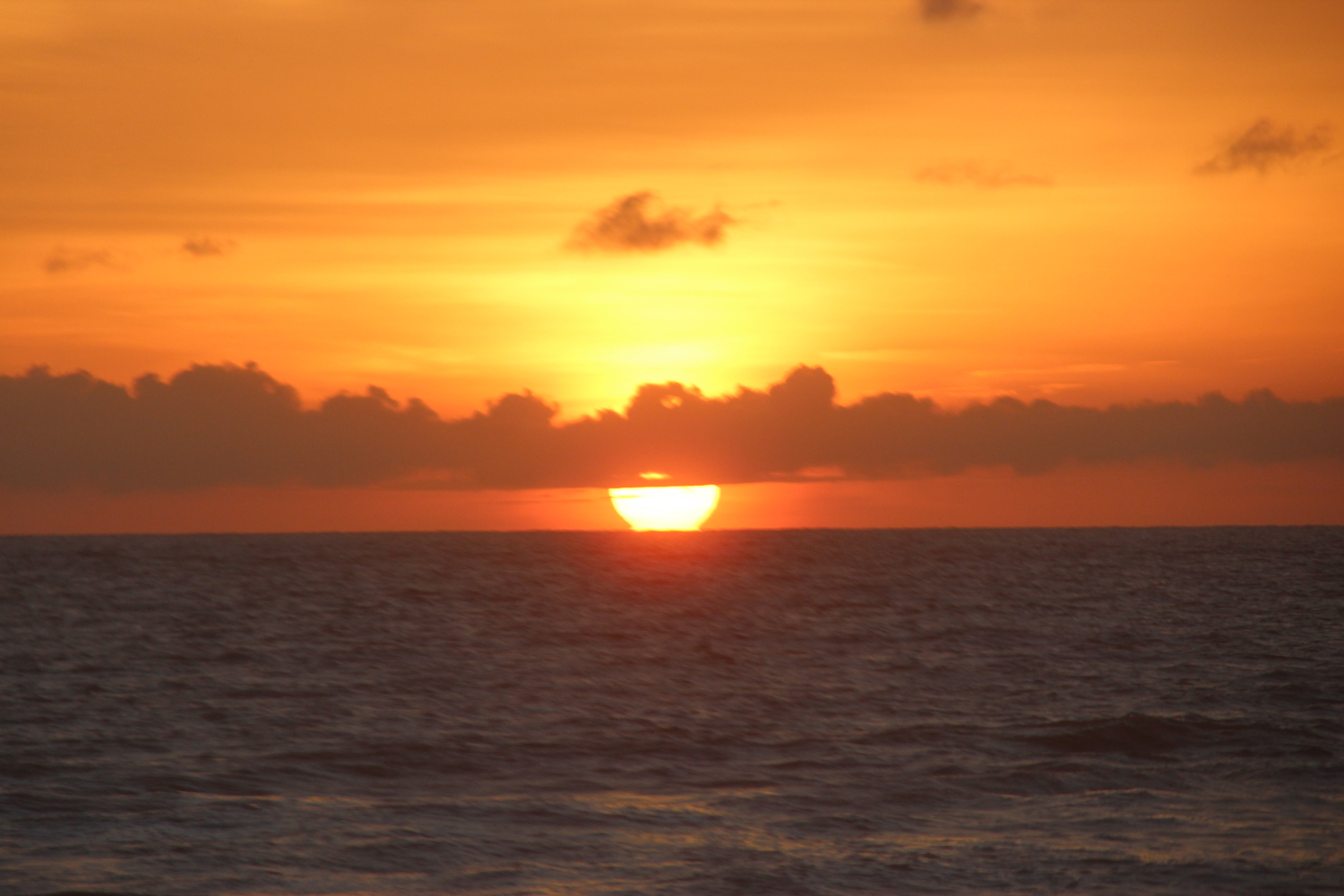
Negombo, Sri Lanka
* an ongoing series of quotations – mostly from artists, to artists – that offers wisdom, inspiration, and advice for the sometimes lonely road we are on.
“What’s to say? Great paintings – people flock to see them, they draw crowds, they’re reproduced endlessly on coffee mugs and mouse pads and anything-you-like. And, I count myself in the following, you can have a lifetime of perfectly sincere museum-going where you traipse around enjoying everything and then go out and have some lunch. But … if a painting really works down in your heart and changes the way you see, and think, and feel, you don’t think, ‘oh, I love this picture because it’s universal.’ ‘I love this painting because it speaks to all mankind.’ That’s not the reason anyone loves a piece of art. It’s a secret whisper from an alleyway. Psst, you. Hey, kid. Yes, you.” Fingertip gliding over the faded-out photo – the conservator’s touch, a-touch-without-touching, a communion wafer’s space between the surface and his forefinger. “An individual heart-shock. Your dream … Vermeer’s dream. You see one painting, I see another, the art book puts it at another remove still, the lady buying the greeting card at the museum shop sees something else entire, and that’s not even to mention the people separated from us by time – four hundred years before us, four hundred years after we’re gone – it’ll never strike anybody the same way and the great majority of people it’ll never strike in any deep way at all – a really great painting is fluid enough to work its way into the mind and heart through all kinds of different angles, in ways that are unique and particular. Yours, yours. I was painted for you… fateful objects. Every dealer and antiquaire recognizes them. The pieces that occur and recur. Maybe for someone else, not a dealer, it wouldn’t be an object. It’d be a city, a color, a time of day. The nail where your fate is liable to catch and snag.”
Donna Tartt in The Goldfinch
Comments are welcome!
Q: How do you begin a photograph?

Untitled chromogenic print, 24″ x 24″, edition of 5
A: It always begins in my mind long before I actually start making it. By the time I take the photograph, I’ve already thought deeply about the possibilities, the formal arrangements, meanings, etc. so that setting up the objects, lighting them, and clicking the shutter feels like a reward after a long thought process. My fine art photographs are finished works in themselves. However, when I select one to use as reference for a pastel painting, a different but related process of working out my ideas and translating them into pastel occurs over the next several months spent in the studio. Of course, in that case the photo becomes only the starting point for an entirely new artwork.
Comments are welcome!
Q: Why do you create?
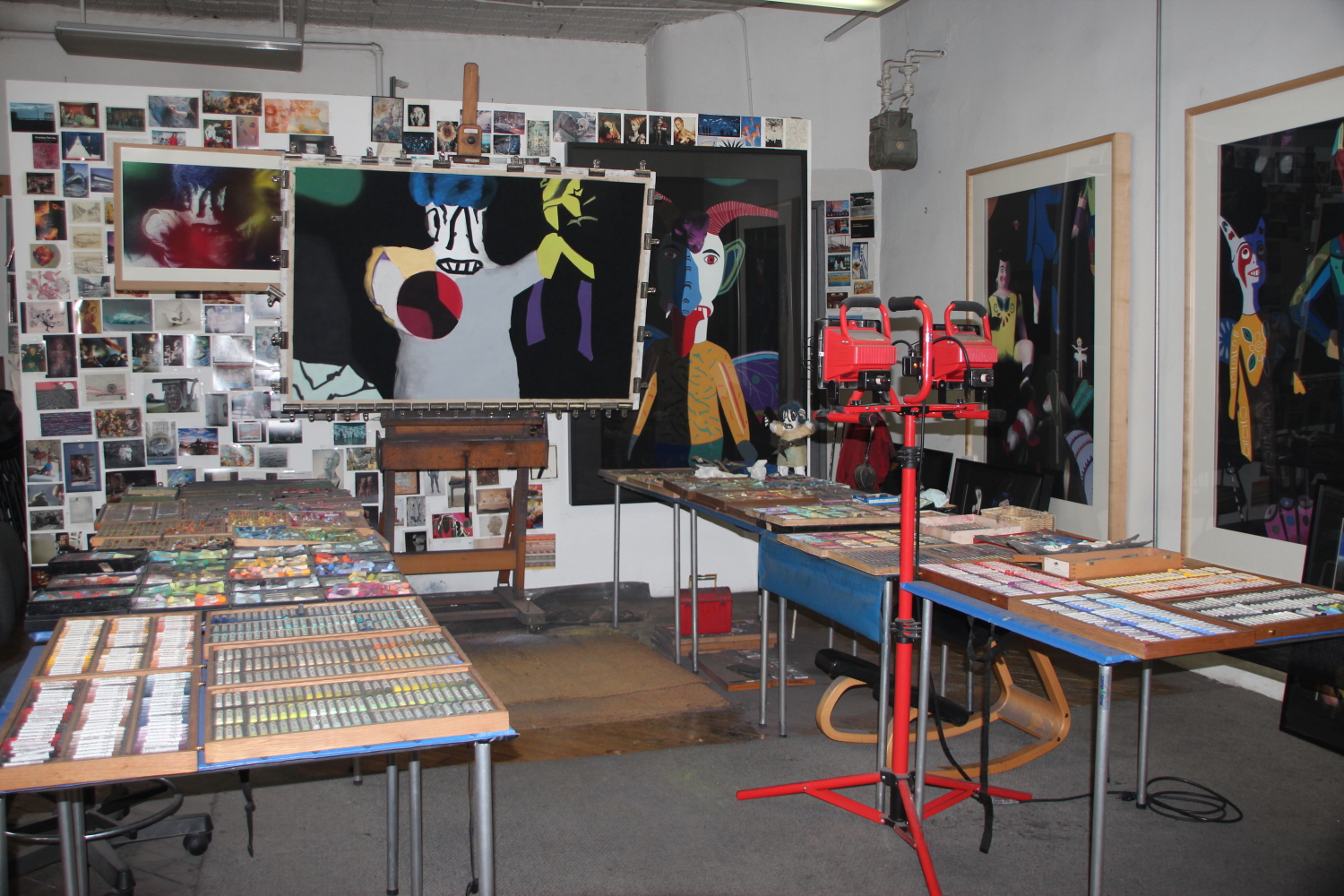
West 29th Street studio
A: There are many answers to that question and my responses vary according to how things are going in the studio. Just now these three are most compelling:
~ to create bold and vibrant pastel paintings and photographs that have never existed before
~ to continue to push my primary medium – soft pastel on sandpaper – as far as I can and to use it in more innovative ways
~ to create opportunities for artistic dialogue with people who understand and value the work to which I am devoting my life
The last has always been the toughest. I sometimes think of myself as Sisyphus because expanding the audience for my art is an ongoing uphill battle. Many artist friends tell me they feel the same way about building their audience. It’s one of the most difficult tasks that we have to do as artists.
Comments are welcome!
Pearls from artists* # 60
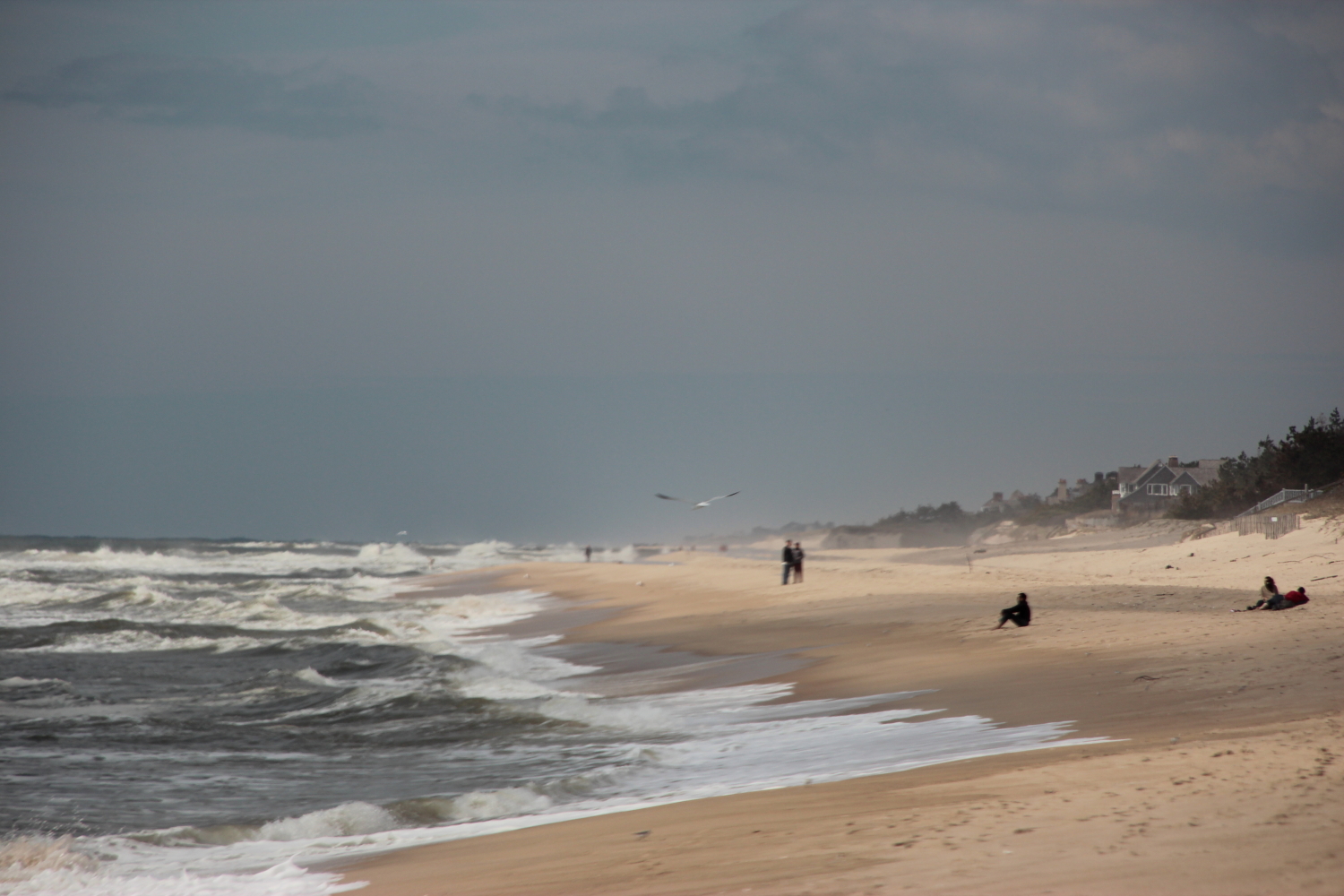
East Hampton, NY
* an ongoing series of quotations – mostly from artists, to artists – that offers wisdom, inspiration, and advice for the sometimes lonely road we are on.
For an artist, it is a driven pursuit, whether we acknowledge this or not, that endless search for meaning. Each work we attempt poses the same questions. Perhaps this time I will see more clearly, understand something more. That is why I think that the attempt always feels so important, for the answers we encounter are only partial and not always clear. Yet at its very best, one work of art, whether produced by oneself or another, offers a sense of possibility that flames the mind and spirit, and in that moment we know this is a life worth pursuing, a struggle that offers the possibility of answers as well as meaning. Perhaps in the end, that which we seek lies within the quest itself, for there is no final knowing, only a continual unfolding and bringing together of what has been discovered.
Dianne Albin quoted in Eric Maisel’s The Van Gogh Blues
Comments are welcome!
Pearls from artists* # 59

Studio
* an ongoing series of quotations – mostly from artists, to artists – that offers wisdom, inspiration, and advice for the sometimes lonely road we are on.
Friends sometimes ask, “Don’t you get lonely sitting by yourself all day?” At first it seemed odd to hear myself say No. Then I realized that I was not alone; I was in the book; I was with the characters. I was with my Self.
Not only do I not feel alone with my characters; they are more vivid and interesting to me than the people in my real life. If you think about it, the case can’t be otherwise. In order for a book (or any project or enterprise) to hold our attention for the length of time it takes to unfold itself, it has to plug into some internal perplexity or passion that is of paramount importance to us. The problem becomes the theme of our work, even if we can’t at the start understand or articulate it. As the characters arise, each embodies infallibly an aspect of that dilemma, that perplexity. These characters might not be interesting to anyone else but they’re absolutely fascinating to us. They are us. Meaner, smarter, sexier versions of ourselves. It’s fun to be with them because they’re wrestling with the same issue that has its hooks into us. They’re our soul mates, our lovers, our best friends. Even the villains. Especially the villains.
Stephen Pressfield in The War of Art
Comments are welcome!
Q: What is it that you most fear hearing about your work?

Studio
A: I’d say that the worst thing is when there is no reaction at all. I want people to engage with my work – like it or don’t like it – but say and feel SOMETHING. When there is no response, that means my work has failed to communicate anything and I have failed in my duty as an artist. Art is all about communication.
Comments are welcome!
Q: Why do you need to use a photograph as a reference source to make a pastel painting?
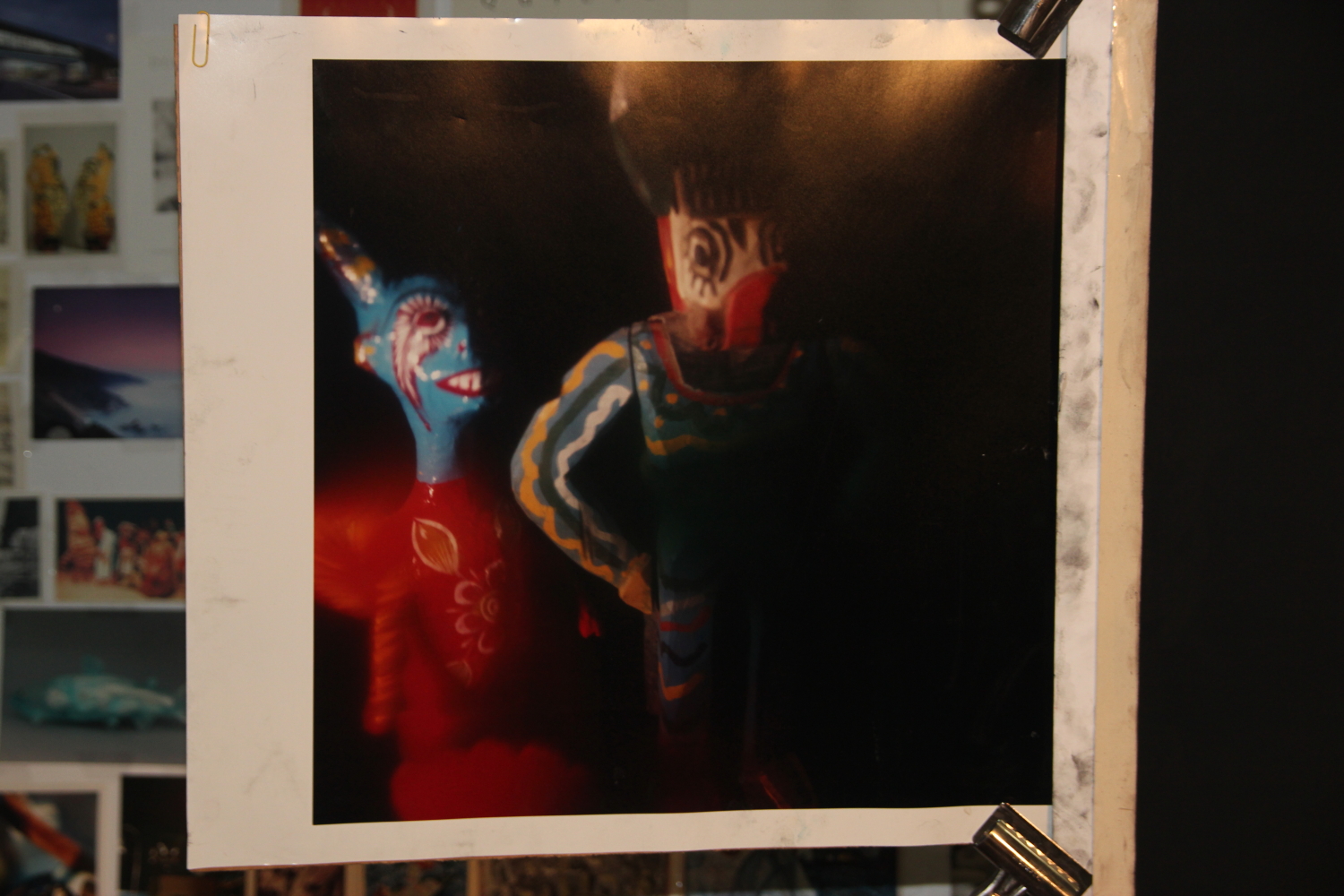
One of Barbara’s reference photos
A: When I was about 4 or 5 years old I discovered that I had a natural ability to draw anything that I could see. It’s the way my brain is wired and it is a gift! One of my earliest memories as an artist is of copying the Sunday comics. Always it has been much more difficult to draw what I CANNOT see, i.e., to recall how things look solely from memory or to invent them outright.
The evolution of my pastel-on-sandpaper paintings has been the opposite of what one might expect. I started out making extremely photo-realistic portraits. I remember feeling highly unflattered when after months of hard work, someone would look at my completed painting and say, “It looks just like a photograph!” I know this was meant as a compliment, but to me it meant that I had failed as an artist. Art is so much more than copying physical appearances.
So I resolved to move away from photo-realism. It has been slow going and part of me still feels like a slacker if I don’t put in all the details. But after nearly three decades I have arrived at my present way of working, which although still highly representational, contains much that is made up, simplified, and/or stylized. As I have always done, I continue to work from life and from photographs, but at a certain point I put everything aside and work solely from memory.
Comments are welcome!


 barbararachkoscoloreddust.com