Blog Archives
Pearls from artists* # 586

Starting a new one!
*an ongoing series of quotations – mostly from artists, to artists – that offers wisdom, inspiration, and advice for the sometimes lonely road we are on.
The page is your mirror. What happens inside you is reflected back. You come face-to-face with your own resistance, lack of balance, self-loathing, and insatiable ego – and also with your singular vision, guts, and fortitude. No matter what you’ve achieved the day before, you begin each day at the bottom of the mountain. Isn’t this true for most of us? A surgeon about to perform a difficult operation is at the bottom of the mountain. A lawyer delivering a closing argument. An actor waiting in the wings. A teacher on the first day of school. Sometimes we may think that we’re in charge, or that we have things figured out. Life is usually right there, though, ready to knock us over when we get too sure of ourselves. Fortunately, if we have learned the lessons that years of practice have taught us, when this happens, we endure. We fail better. We sit up, dust ourselves off, and begin again.
Dani Shapiro in Still Writing: The Perils and Pleasures of a Creative Life
Comments are welcome!
Pearls from artists* # 574

Barbara’s Studio
*an ongoing series of quotations – mostly from artists, to artists – that offers wisdom, inspiration, and advice for the sometimes lonely road we are on.
A creative life is risky business. To follow your own course, not patterned on parents, peers, or institutions, involves a delicate balance of tradition and personal freedom, a delicate balance of sticking to your guns and remaining open to change. While on some dimensions living a normal life, you are nevertheless a pioneer, breaking away from the molds and models that inhibit the heart’s desire, creating life as it goes. Being, acting, creating in the moment without props and supports, without security, can be supreme play, and it can also be frightening, the very opposite of play. Stepping into the unknown can lead to delight, poetry, invention, humor, lifetime friendships, self-realization, and occasionally a great creative breakthrough. Stepping into the unknown can also lead to failure, disappointment, rejection, sickness, or death.
Stephen Nachmanovitch in Free Play: Improvisation in Life and Art
Comments are welcome!
Pearls from artists* #561

*an ongoing series of quotations – mostly from artists, to artists – that offers wisdom, inspiration, and advice for the sometimes lonely road we are on.
The most powerful symbols draw profound reactions from us. The symbolic images in great art attract and fascinate us; they stir our souls and move us beyond what can be easily expressed; ‘their pregnant language cries out to us that they mean more than they say.’
The unconscious produces symbols as part of a natural process within us. These images emerge out of the context of our lived experience… Jung saw the meaning-making process as one that not only requires attendance to the real context of our lives and history, but also involves profound inner listening. It asks us to use our rational capacities, but also our feeling and imaginal ones.
Symbolic images redirect our psychic energy, bringing together conscious and unconscious material and producing the lessening of conflict. In this way, they activate a transcendent function within the psyche. We experience this as the discovery of personal meaning and healing. This transformation is not the result of formulaic operations, but rather is a dynamic process that requires our authentic and vulnerable participation. The process challenges the whole of who we are and requires deep moral effort. That the unconscious would produce moving, powerful compensatory symbols inside us at all points to a fact that our culture may not have fully grasped – that there is a force working within us which is always driving us towards healing growth and greater consciousness… Despite our suffering, the psyche is always ultimately seeking both a healthy homeostatic balance and our ever-unfolding growth and unique development.
Gary Bobroff in Carl Jung: Knowledge in a Nutshell
Comments are welcome!
Pearls from artists* # 463
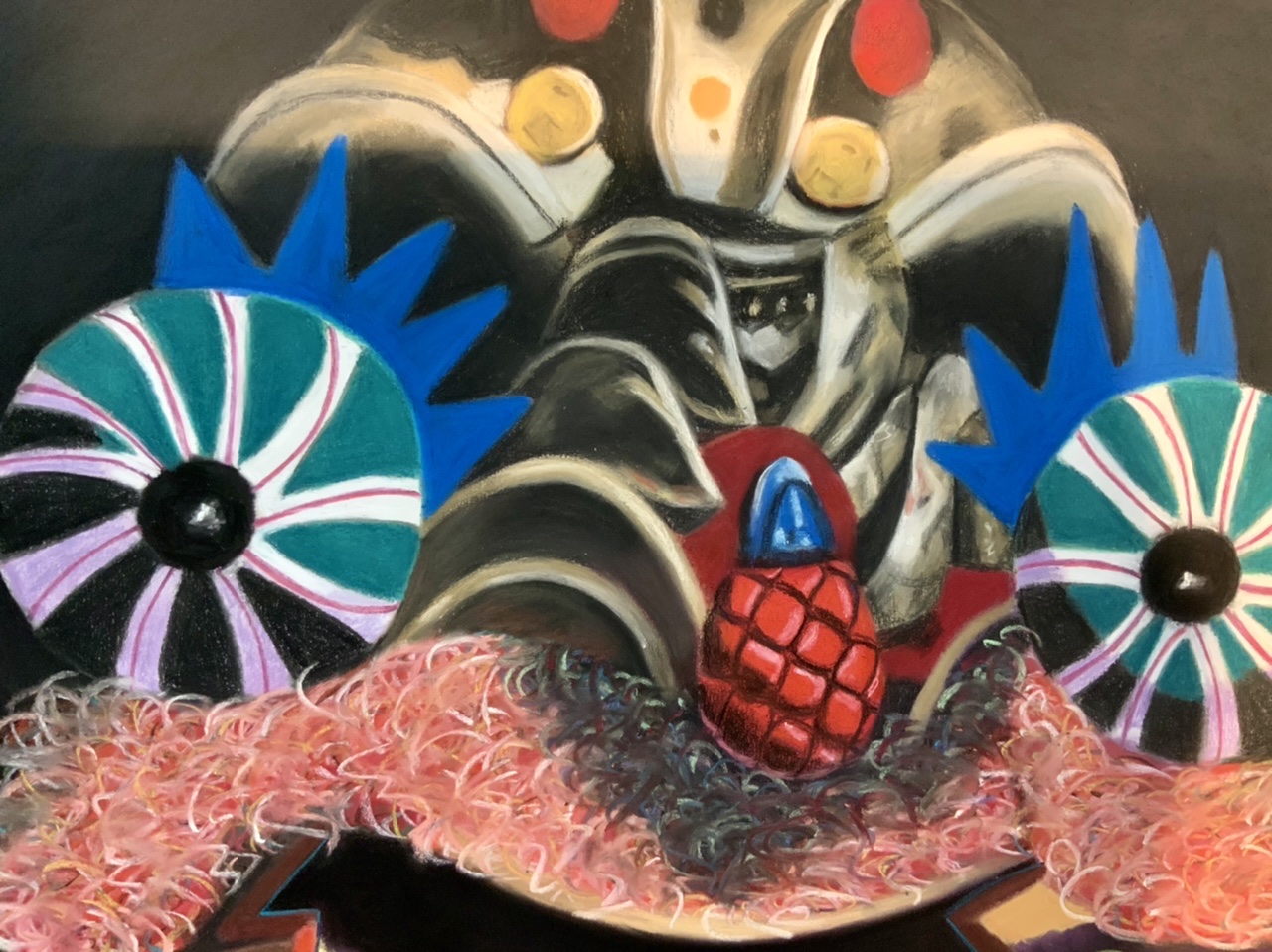
*an ongoing series of quotations – mostly from artists, to artists – that offers wisdom, inspiration, and advice for the sometimes lonely road we are on.
When in doubt, when you are lost, don’t stop. Instead, concentrate on detail. Look around, find a detail to concentrate on and do that. Forget the big picture for a while. Just put your energy into the details of what is already there. The big picture will eventually open up and reveal itself if you can stay out of the way for a while. It won’t open up if you stop. You have to stay involved but you don’t always have to stay involved with the big picture.
While paying attention to the details and welcoming insecurity, while walking the tightrope between control and chaos and using accidents, while allowing yourself to go off balance and going through the back door, while creating the circumstances in which something might happen and being ready for the leap, while not hiding and being ready to stop doing homework, something is bound to happen. And it will probably be appropriately embarrassing.
Anne Bogart in A Director Prepares: Seven Essays on Art and Theatre
Comments are welcome!
Pearls from artists* # 289
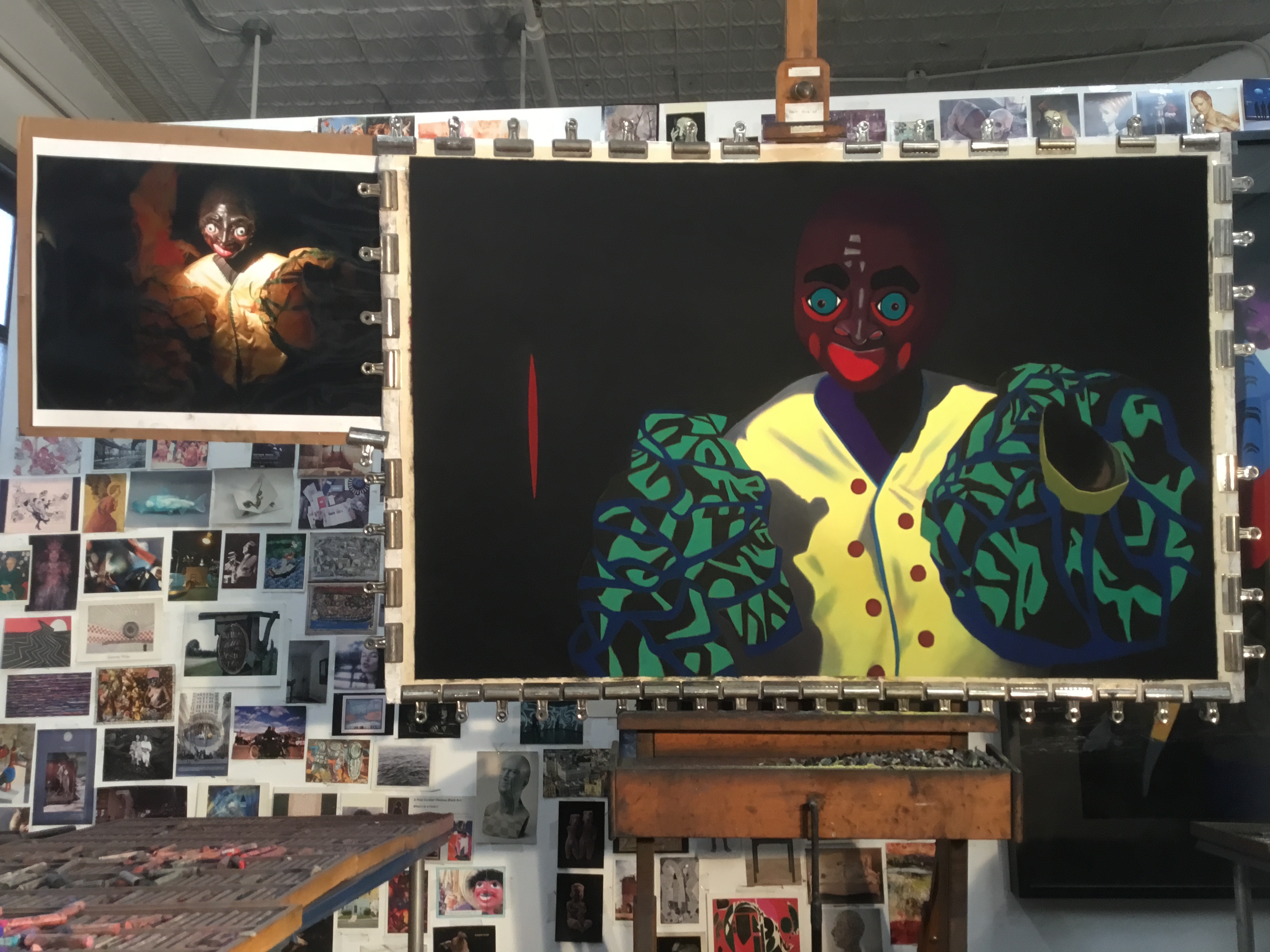
“Danzante,” soft pastel on sandpaper, 38” x 58”, in progress
*an ongoing series of quotations – mostly from artists, to artists – that offers wisdom, inspiration, and advice for the sometimes lonely road we are on.
I do not think it the business of a poet to become a guru. It is his business to write poetry, and to do that he must remain open and vulnerable. We grow through relationships of every kind, but most of all through a relationship that takes the whole person. And it would be pompous and artificial to make an arbitrary decision to shut the door.
The problem is to keep a balance, not to fall to pieces. In keeping her balance in her last years Louise Bogan stopped writing poems, or nearly. It was partly, I feel sure, that the detachment demanded of the critic (and especially his absorption in analyzing the work of others) is diametrically opposed to the kind of detachment demanded of the poet in relationship to his own work. We are permitted to become detached only after the shock of an experience has been taken in, allowed to “happen” in the deepest sense. Detachment comes with examining the experience by means of writing the poem.
May Sarton in Journal of a Solitude: The intimate diary of a year in the life of a creative woman
Comments are welcome!
Pearls from artists* # 85
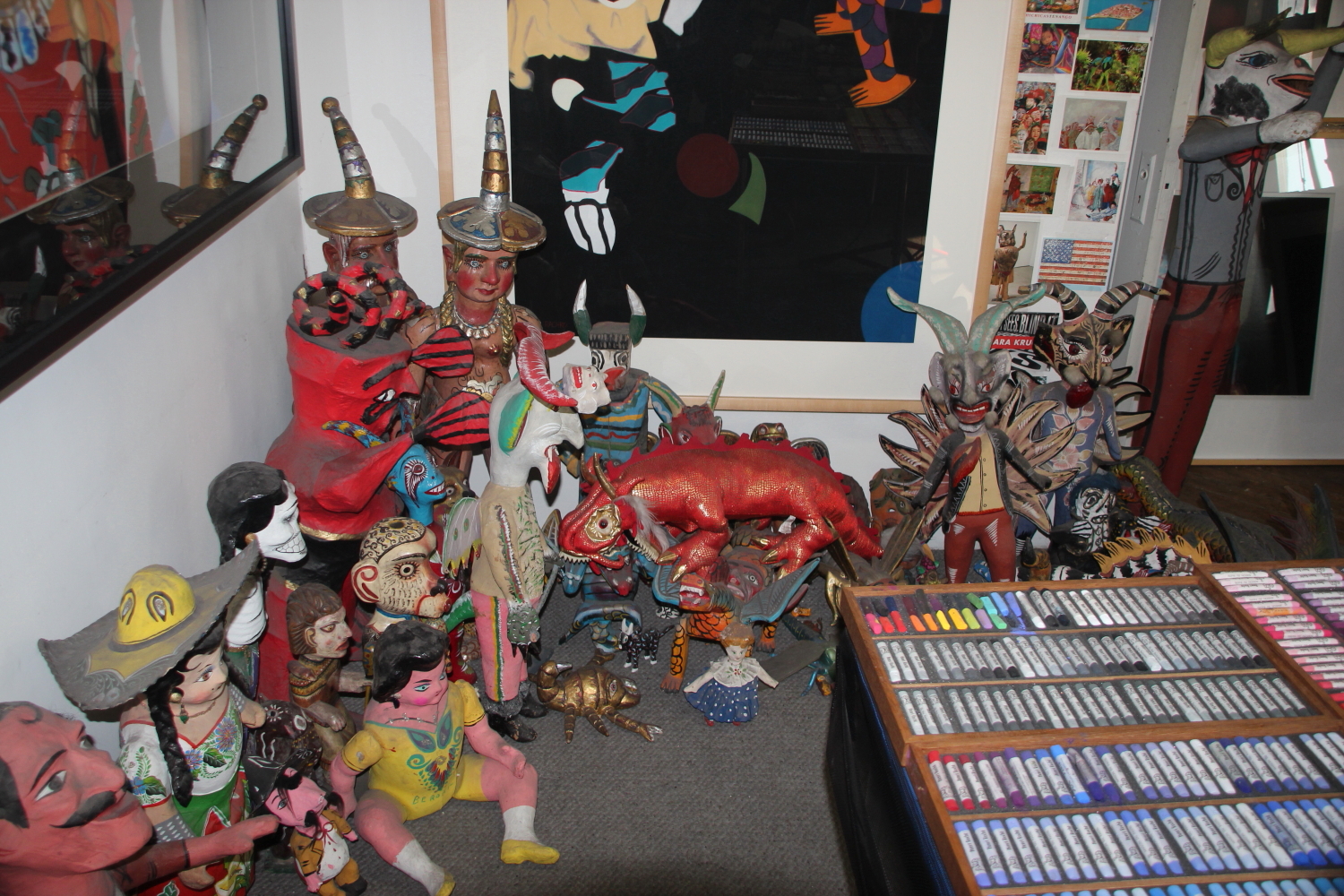
Studio
* an ongoing series of quotations – mostly from artists, to artists – that offers wisdom, inspiration, and advice for the sometimes lonely road we are on.
Credo
I believe in art.
I do not believe in the “art world” as
it is today.
I do not believe in art as a commodity.
Great art is in exquisite balance. It is
restorative.
I believe in the energy of art, and through
the use of that energy, the artist’s ability
to transform his or her life and, by ex-
ample, the lives of others.
I believe that through our art, and through
the projection of transcendent imagery, we
can mend and heal the planet.
Audrey Flack in Art & Soul: Notes on Creating
Comments are welcome!
Pearls from artists* # 75
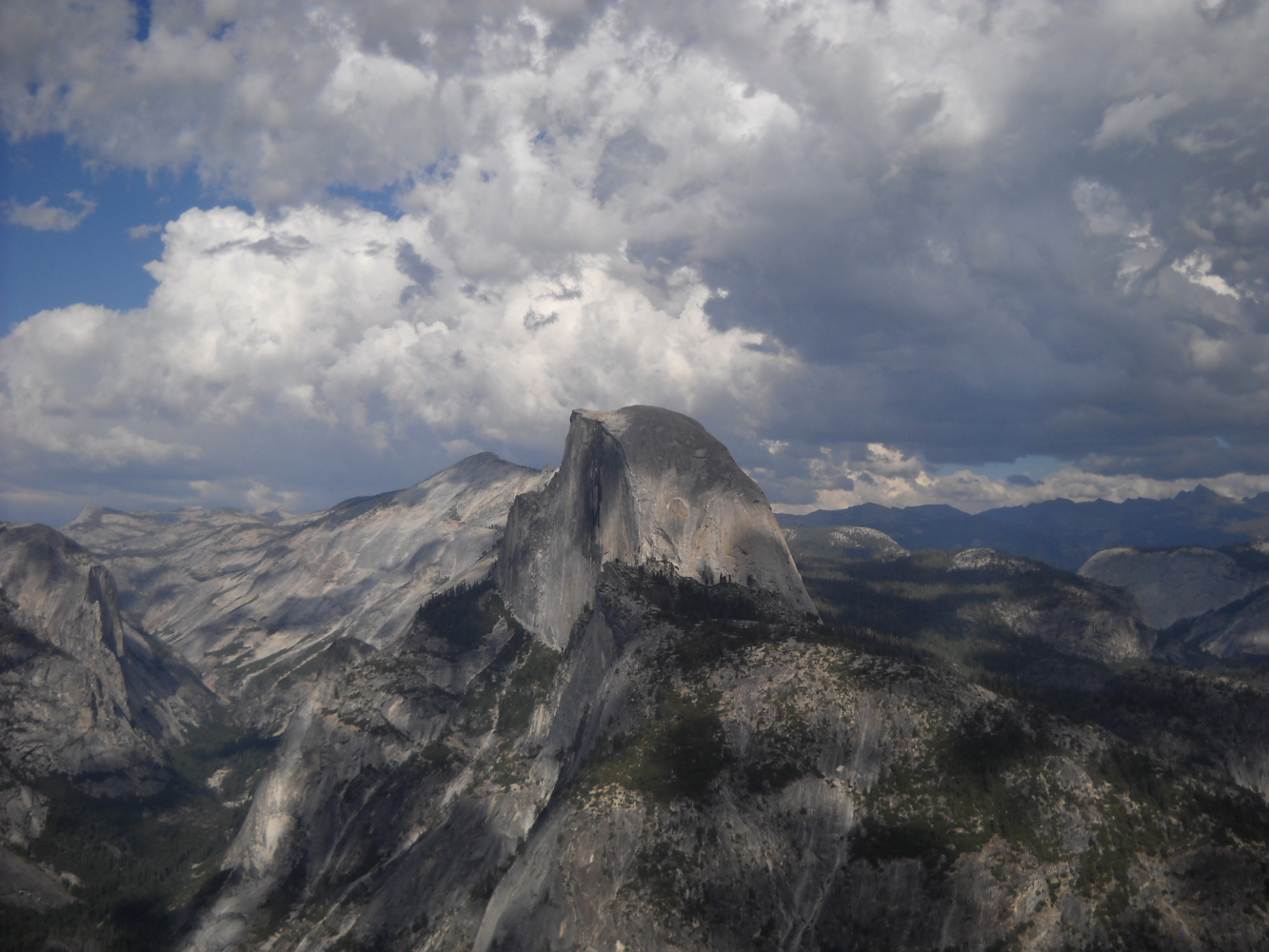
Half Dome at Yosemite
* an ongoing series of quotations – mostly from artists, to artists – that offers wisdom, inspiration, and advice for the sometimes lonely road we are on.
We realize now that our common human language is not Esperanto or computers or something having to do with vocal cords and speech. It is, rather, our sense of proportion, our balance, harmony and other aspects of simple and fundamental form. Our universal language, in other words, is beauty.
Rollo May, My Quest for Beauty
Comments are welcome!
Pearls from artists* # 66
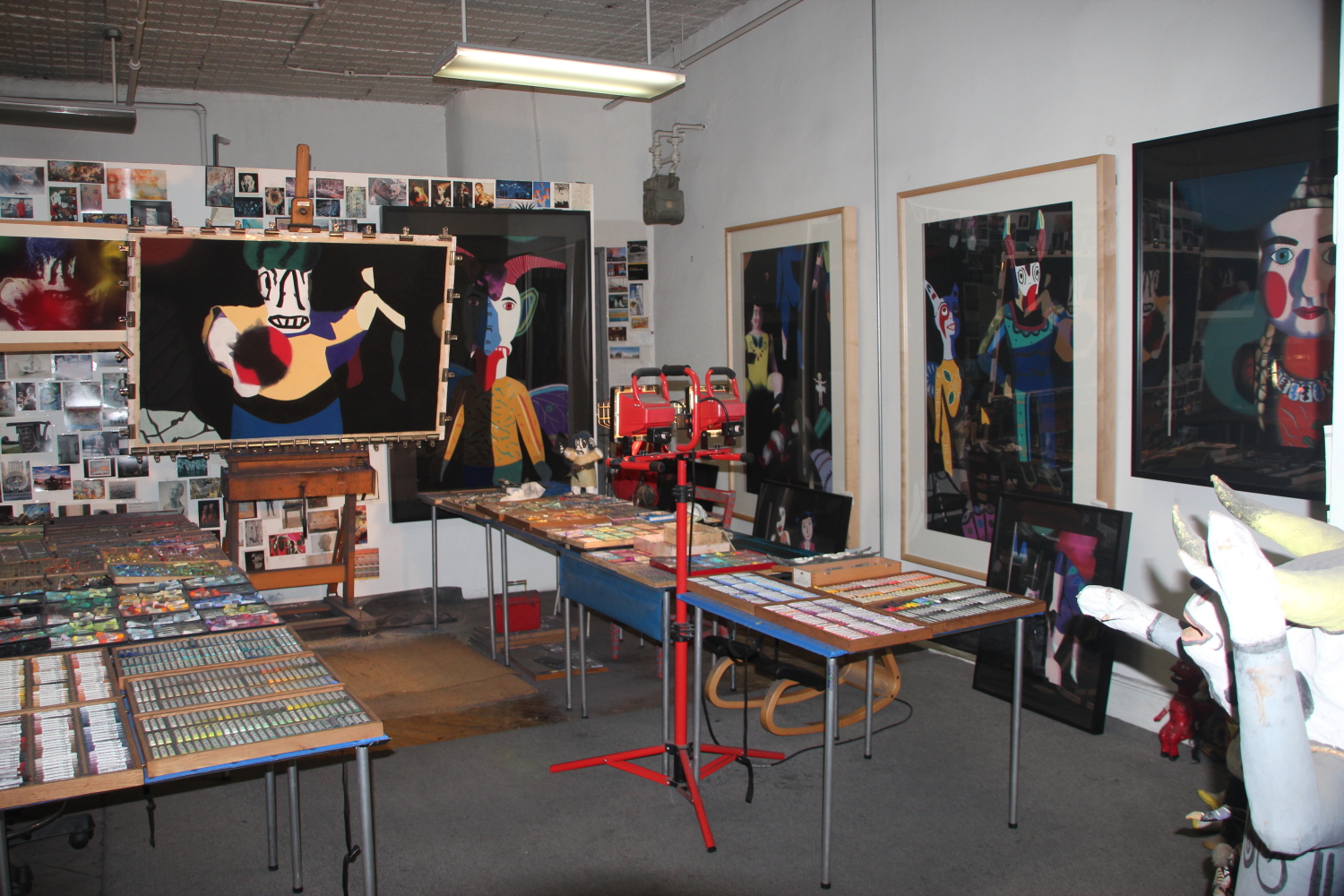
Barbara’s studio
* an ongoing series of quotations – mostly from artists, to artists – that offers wisdom, inspiration, and advice for the sometimes lonely road we are on.
I craved honesty, yet found dishonesty in myself. Why commit to art? For self-realization, or for itself? It seemed indulgent to add to the glut unless one offered illumination.
Often I’d sit and try to draw, but all the manic activity in the streets, coupled with the Vietnam War, made my efforts seem meaningless. I could not identify with political movements. In trying to join them I felt overwhelmed by yet another form of bureaucracy. I wondered if anything I did mattered.
Robert [Mapplethorpe] had little patience with these introspective bouts of mine. He never seemed to question his artistic drives, and by his example, I understood that what matters is the work: the string of words propelled by God becoming a poem, the weave of color and graphite scrawled upon the sheet that magnifies His motion. To achieve within the work a perfect balance of faith and execution. From this state of mind comes a light, life-charged.
Patti Smith in Just Kids
Comments are welcome!
Pearls from artists* # 56
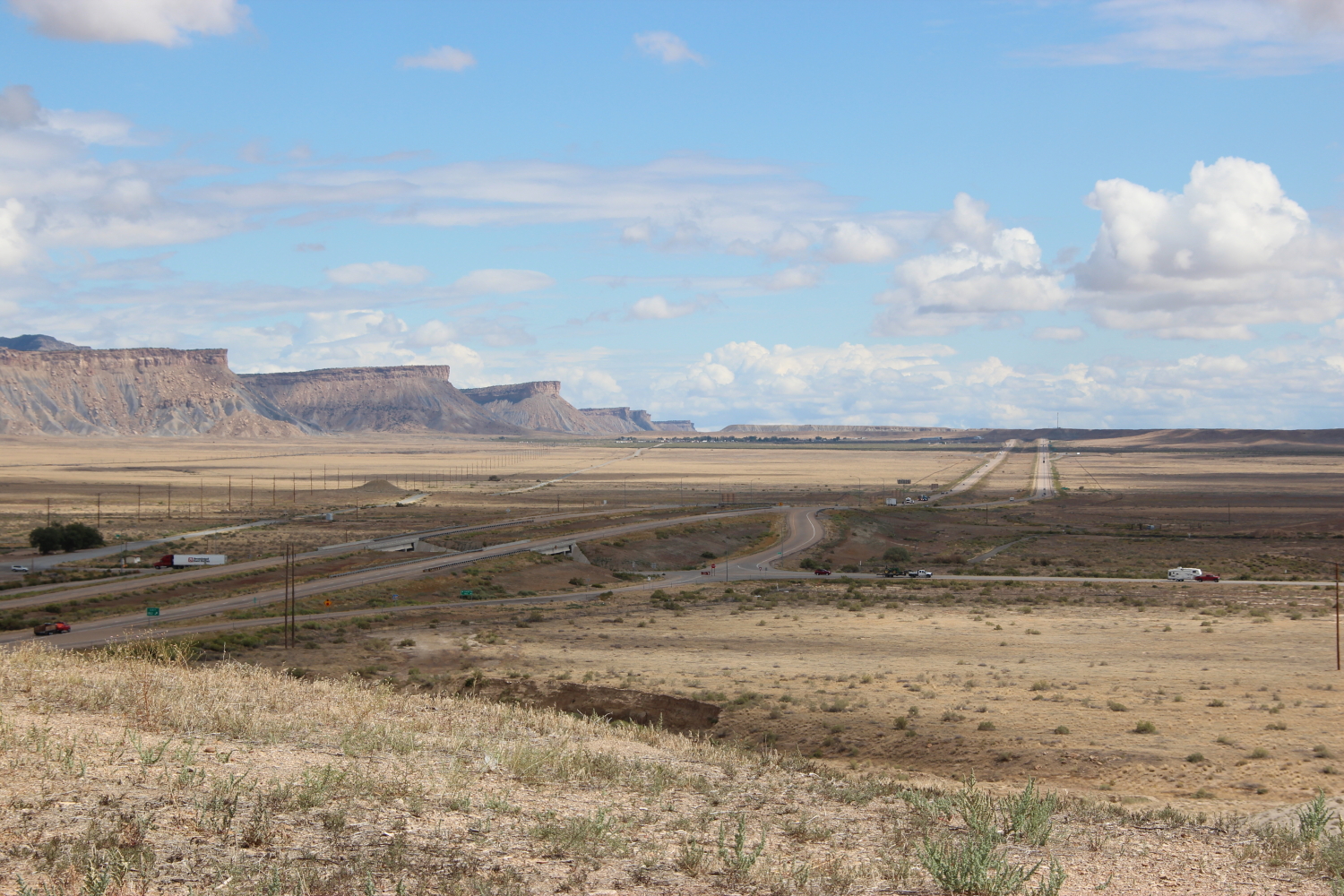
Utah
* an ongoing series of quotations – mostly from artists, to artists – that offers wisdom, inspiration, and advice for the sometimes lonely road we are on.
Balancing intuition against sensory information, and sensitivity to one’s self against pragmatic knowledge of the world, is not a stance unique to artists. The specialness of artists is the degree to which these precarious balances are crucial backups for their real endeavor. Their essential effort is to catapult themselves wholly, without holding back one bit, into a course of action without having any idea where they will end up. They are like riders who gallop into the night, eagerly leaning on their horse’s neck, peering into a blinding rain. And they have to do it over and over again. When they find that they have ridden and ridden – maybe for years, full tilt – in what is for them a mistaken direction, they must unearth within themselves some readiness to turn direction and to gallop off again. They may spend a little time scraping off the mud, resting the horse, having a hot bath, laughing and sitting in candlelight with friends. But in the back of their minds they never forget that the dark, driving run is theirs to make again. They need their balances in order to support their risks. The more they develop an understanding of all their experience – the more it is at their command – the more they carry with them into the whistling wind.
Anne Truitt in Daybook: The Journal of an Artist


 barbararachkoscoloreddust.com