Category Archives: New York, NY
Pearls from artists* # 52
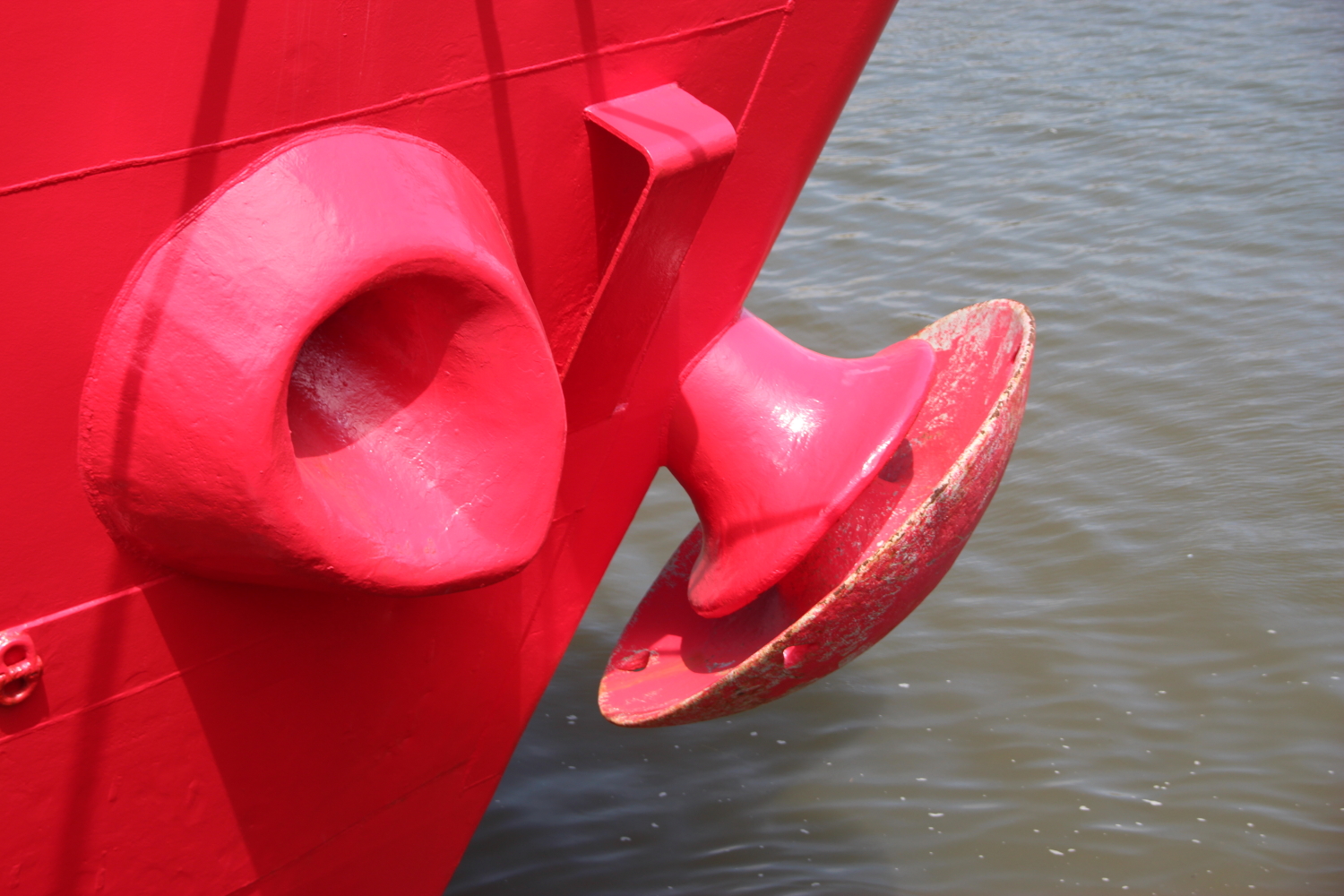
Boat hull
* an ongoing series of quotations – mostly from artists, to artists – that offers wisdom, inspiration, and advice for the sometimes lonely road we are on.
The modern way of seeing is to see in fragments. It is felt that reality is essentially unlimited, and knowledge is open-ended. It follows that all boundaries, all unifying ideas have to be misleading, demagogic; at best, provisional; almost always, in the long run, untrue. To see reality in the light of certain unifying ideas has the undeniable advantage of giving shape and form to our experience. But it also – so the modern way of seeing instructs us – denies the infinite variety and complexity of the real. Thereby it represses our energy, indeed our right, to remake what we wish to remake – our society, ourselves. What is liberating, we are told, is to notice more and more.
Paolo Dilonardo and Anne Jump, editors, Susan Sontag At the Same Time: Essays and Speeches
Comments are welcome!
Q: You have sometimes spoken about your early work as a portrait artist. When and why did you start making portraits? Do you still do them?

“Bryan,” soft pastel on sandpaper, 22″ x 28″, 1988
A: In 1989 I was a Naval officer working at the Pentagon and I hated my job as a computer analyst. Although it was terrifying to leave the security of a paycheck for the uncertainty of an artist’s existence, I made the leap. In retrospect it was one of the best decisions of my life. When I resigned from active duty (I remained in the Navy Reserve, which provided a part-time job and a small income; in 2003 I retired as a Navy Commander), I needed a way to make a living.
Prior to this career change, I worked hard to develop my portrait skills. I volunteered to run a life drawing class at The Art League School in Alexandria, VA, where I made hundreds of figure drawings using charcoal and pastel. I spent a semester commuting between Washington, DC and New York to study artistic anatomy at the New York Academy of Art. I spent another semester studying gross anatomy with medical students at Georgetown University Medical School. So I was well prepared to devote myself to making portraits.
For a time I made a living making commissioned photo-realist portraits in soft pastel on sandpaper. However, after about two years I became bored. I remember thinking, “I did not leave a boring job just to make boring art!” Furthermore, I had no interest in doing commissions because what I wanted to accomplish as an artist did not coincide with what portrait clients wanted. I completed my final portrait commission in 1990 and never looked back. To this day I remain loathe to do a commission of any kind.
Comments are welcome!
Q: Your pastel-on-sandpaper paintings are very labor intensive. Do you typically have just one in progress at any given time?

Works in progress, soft pastel on sandpaper, 58″ x 38″
A: For many years I always worked on one at a time because I have only one or two ideas – never more than that – about what I will make next. Also, I believe that “all art is the result of one’s having gone through an experience to the end.” (It’s on a note taped to the wall near my easel). So I would work on one painting at a time until all of the problems in it were resolved. Each piece that I undertake represents an investment of several months of my life and after nearly three decades as an artist, I know that once I start a piece I will not abandon it for any reason. When it is the best painting that I can make – when adding or subtracting anything would be a diminishment – I pronounce it “finished.” In the past I would start the next one only when the completed piece was out of my sight and at the frame shop.
But a few years ago I began working on two pastel paintings at a time. When I get stuck – or just need a break from looking at the same image day after day (I am in my studio 5 days a week) – I switch to the other one. This helps me work more efficiently. The two paintings interact with each other; they play off of each other and one suggests solutions that help me to resolve problem areas in the other. I’m not sure exactly how this happens – maybe putting a piece aside for awhile alerts my unconscious to begin working deeply on it – but having two in progress at the same time is my preferred way of working now.
A note about the painting on the left above, which was previously called, “Judas.” I happen to be reading “Cloud Atlas,” by David Mitchell and came across the word “judasing” used as a verb meaning, “doing some evil to a person who profoundly trusted you.” I’d never heard the word before, but it resonated with an event in my personal life. So the new title of my painting is “Judasing.” This is a good reminder that work and life are inextricably (and inexplicably) woven together and that titles can come from anywhere!
Comments are welcome!
Q: What’s on the easel today?

Work in progress
A: I’m continuing work on “Judas,” a piece I started some weeks ago. A second in-progress pastel-on-sandpaper painting is on the right in the photo above.
Comments are welcome!
Q: How do you organize your studio?

Barbara’s studio
A: Of course, my studio is first and foremost set up as a work space. The easel is at the back and on either side are two rows of four tables, containing thousands of soft pastels.
Enticing busy collectors, critics, and gallerists to visit is always difficult, but sometimes someone wants to make a studio visit on short notice so I am ready for that. I have a selection of framed recent paintings and photographs hanging up and/or leaning against a wall. For anyone interested in my evolution as an artist, I maintain a portfolio book with 8″ x 10″ photographs of all my pastel paintings, reviews, press clippings, etc. The portfolio helps demonstrate how my work has changed during my nearly three decades as a visual artist.
Comments are welcome!
Pearls from artists* # 44

Studio view
* an ongoing series of quotations – mostly from artists, to artists – that offers wisdom, inspiration, and advice for the sometimes lonely road we are on.
I cannot even imagine the individual arts sufficiently distinct from one another. This admittedly exaggerated attitude might have its most acute origin in the fact that in my youth, I, quite inclined toward painting, had to decide in favor of another art so as not to be distracted. And thus I made this decision with a certain passionate exclusivity. Based on my experience, incidentally, every artist needs to consider for the sake of intensity his means of expression to be basically the only one possible while he is producing. For otherwise he could not easily suspect that this or that piece of world would not be expressible by his means at all and he would finally fall into that most interior gap between the individual arts, which is surely wide enough and could be genuinely bridged only by the vital tension of the great Renaissance masters. We are faced with the task of deciding purely, each one alone, on his one mode of expression, and for each creation that is meant to be achieved in this one area all support from the other arts is a weakening and a threat.
Ulrich Baer, editor, The Wisdom of Rilke
Comments are welcome!
Q: What is your best time of day to paint?

The High Line – Barbara’s morning commute to the studio
A: I have always been an early riser and a morning person, from my student pilot days when I’d be at an airport in New Jersey ready to takeoff in a Cessna by 6 a.m., through my days as a Naval officer starting work at the Pentagon at 7, until now when I typically get up before 6 (thanks to my cat, who likes to eat breakfast early). Always I am most energetic in the mornings so that’s when I am most productive and have my best ideas. Generally, I try to arrive at the studio before 10 a.m. and work until 5 p.m. or later.
Comments are welcome!
Q: Why do you need to use a photograph as a reference source to make a pastel painting?
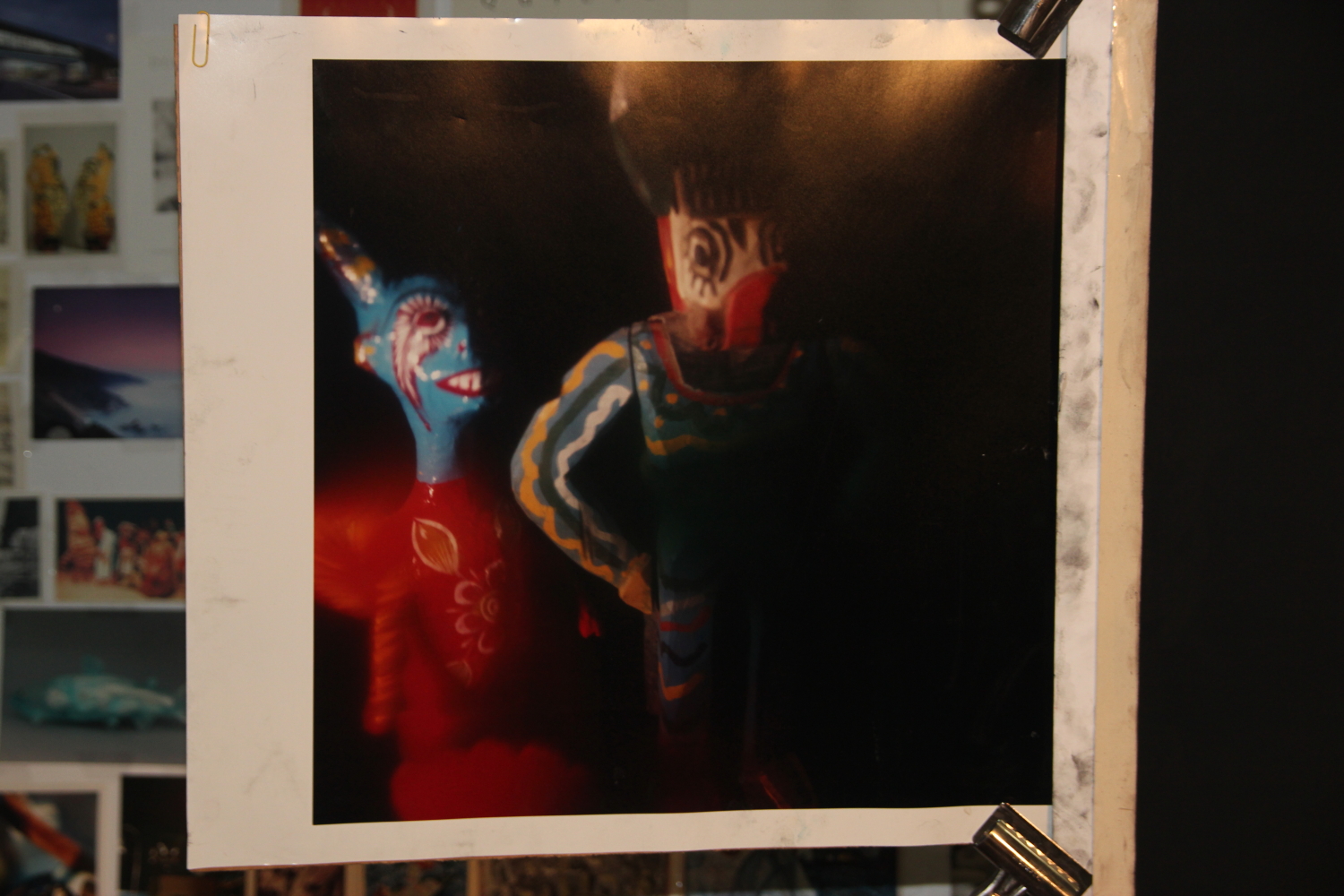
One of Barbara’s reference photos
A: When I was about 4 or 5 years old I discovered that I had a natural ability to draw anything that I could see. It’s the way my brain is wired and it is a gift! One of my earliest memories as an artist is of copying the Sunday comics. Always it has been much more difficult to draw what I CANNOT see, i.e., to recall how things look solely from memory or to invent them outright.
The evolution of my pastel-on-sandpaper paintings has been the opposite of what one might expect. I started out making extremely photo-realistic portraits. I remember feeling highly unflattered when after months of hard work, someone would look at my completed painting and say, “It looks just like a photograph!” I know this was meant as a compliment, but to me it meant that I had failed as an artist. Art is so much more than copying physical appearances.
So I resolved to move away from photo-realism. It has been slow going and part of me still feels like a slacker if I don’t put in all the details. But after nearly three decades I have arrived at my present way of working, which although still highly representational, contains much that is made up, simplified, and/or stylized. As I have always done, I continue to work from life and from photographs, but at a certain point I put everything aside and work solely from memory.
Comments are welcome!
Q: What’s on the easel today?
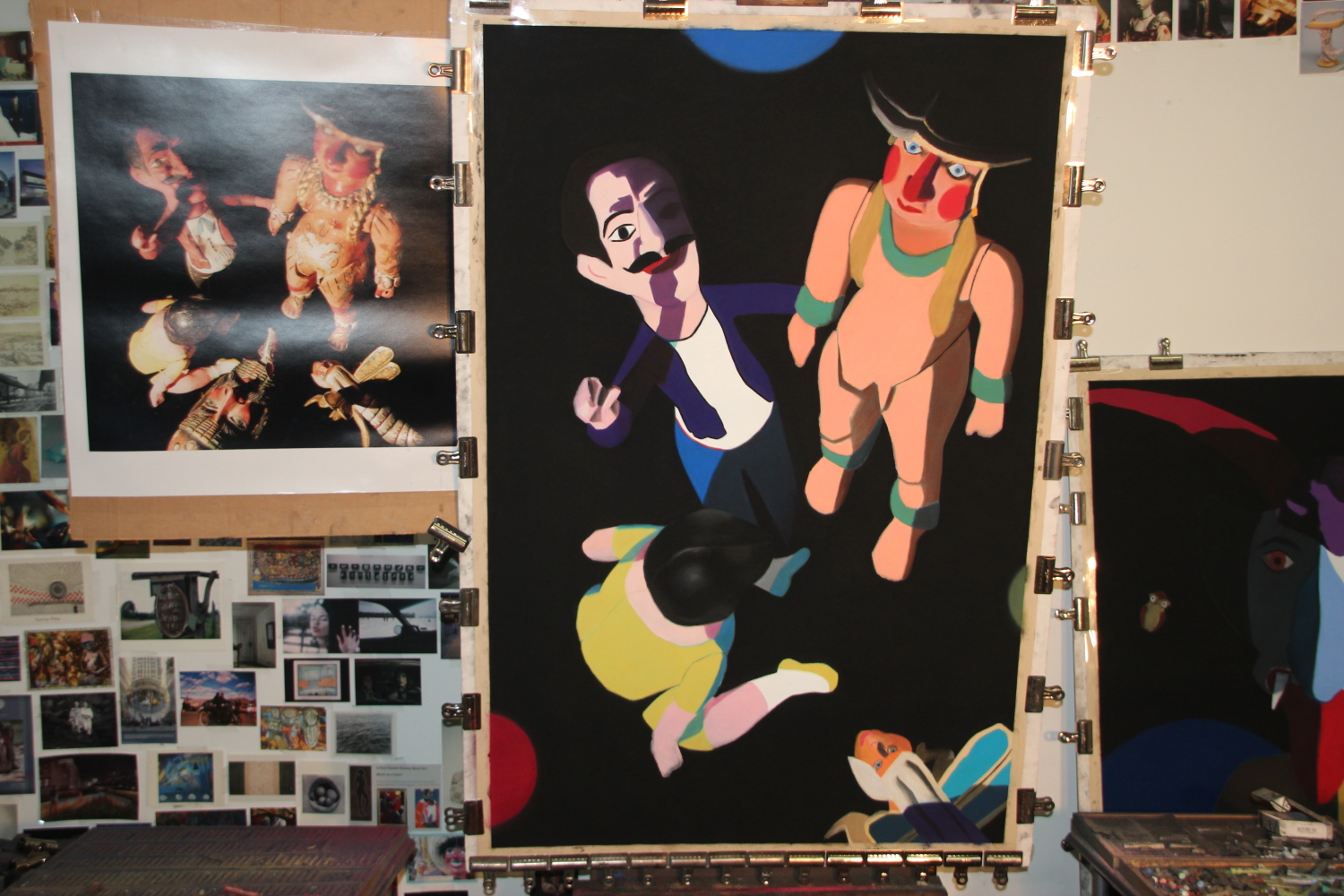
“The Ancestors,” in progress
A: I’m continuing to work on a 58″ x 38″ pastel-on-sandpaper painting that I started some weeks ago. It’s working title is “The Ancestors.”
Comments are welcome!
Pearls from artists* # 40
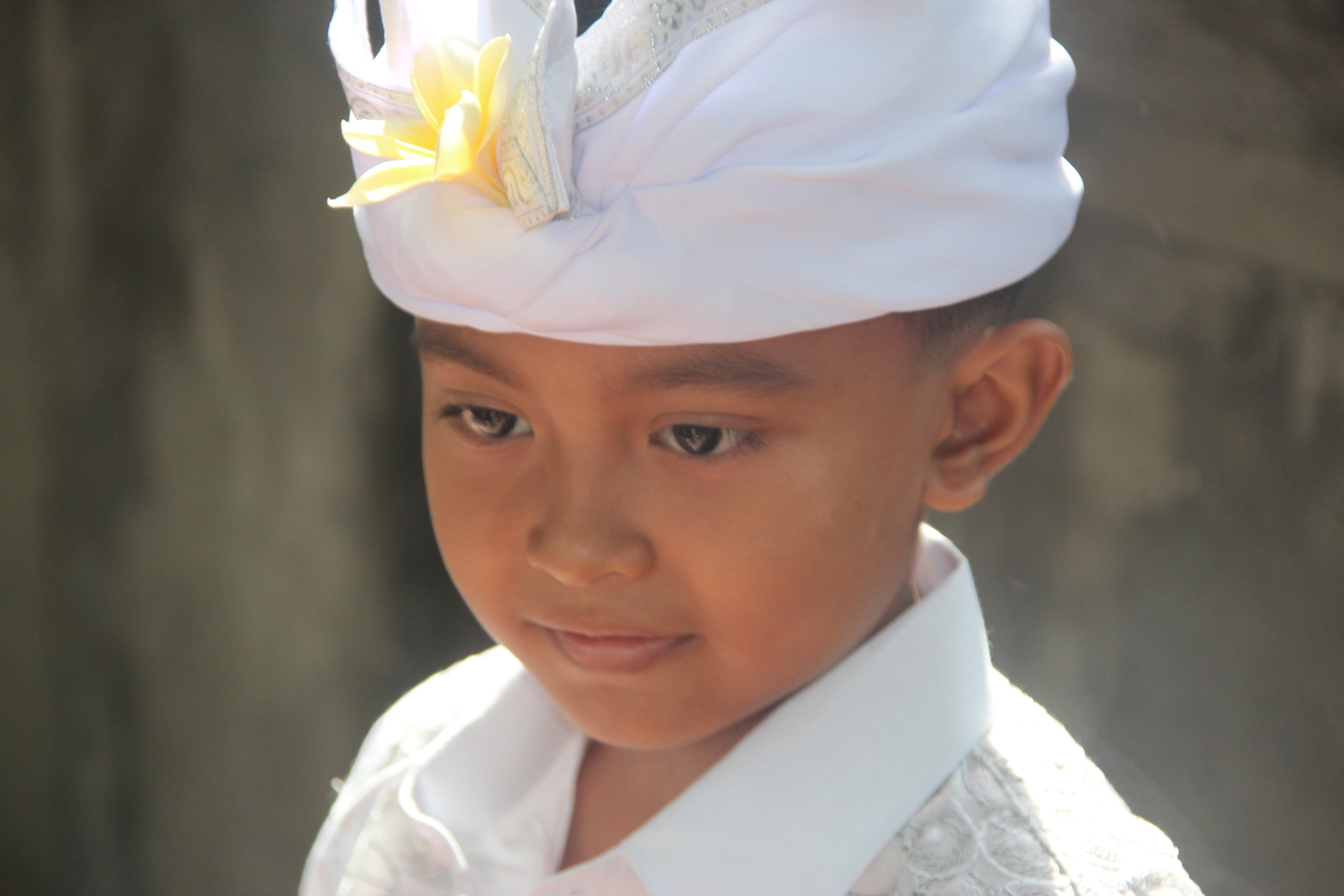
Balinese boy in Hindu dress
* an ongoing series of quotations – mostly from artists, to artists – that offers wisdom, inspiration, and advice for the sometimes lonely road we are on.
A film is a succession of snapshots more or less posed, and it only very rarely gives us the illusion of the unexpected and rare. Ninety films out of a hundred are merely interminable poses. One doesn’t premeditate a photograph like a murder or a work of art.
Photography is rather like those huge American department stores where you find all you want: old master paintings, locomotives, playing cards, tempests, gardens, opera glasses, pretty girls. But steer clear at all costs of the floorwalkers. They are terrible chatterbox bores who have no idea what they are saying.
A photographer for the Daily Mirror said to me: “The most beautiful photos I’ve ever taken were on a day I had forgotten my film.”
That photographer is a poet, perhaps, but quite certainly an imbecile. The photographer’s personality?
Obviously each of them blows his nose in his own fashion. But the most successful photographs are not those that required the most trouble.
That would be just too easy.
Carlo Rim in On the Snapshot
Comments are welcome!


 barbararachkoscoloreddust.com