Category Archives: Inspiration
Pearls from artists* # 543

*an ongoing series of quotations – mostly from artists, to artists – that offers wisdom, inspiration, and advice for the sometimes lonely road we are on.
Although the struggles that I faced involved me as an individual, I didn’t feel alone. I was forbidden to travel, but this forced immobility didn’t adversely affect my work; instead it gave me sustenance. For me, inspiration comes from resistance – without that, my efforts would be fruitless. Having a real – and powerful – adversary was my good fortune, making freedom all the more tangible – freedom comes from all the sacrifices you make to achieve it. Limitations come only from a fear inside the heart, and art is the antidote to fear. I did not need sympathy, for courage itself is an aesthetic feeling, and it’s only when true feeling is transformed into something broadly understood that art can avoid drying up.
Ai Weiwei in 1000 Years of Joys and Sorrows
Comments are welcome!
Pearls from artists* # 542

*an ongoing series of quotations – mostly from artists, to artists – that offers wisdom, inspiration, and advice for the sometimes lonely road we are on.
Observing these objects and imagining their history broadened my perspective. In China, we were still living in a culturally impoverished era, but art had not abandoned us – its roots were deeply planted in the weathered soil. The stubborn survival of this indigenous artistic tradition demonstrated that our narrow-minded authoritarian state would never be able to remake our culture in its own image. From then on, when I wasn’t spending time with my parents, I was immersing myself in the world of antiques. The dealers found me perplexing, for I followed no prevailing tastes or conventional wisdom. Instead I was taken with obscure objects, and made a point of buying things that seemed to have little or no value; my hungry spirit was nourished as I imagined the stories lurking behind each piece. The observations and insights that came to me from the distant past spurred me on to make art of my own.
– Ai Weiwei in 1000 Years of Joys and Sorrows
This is exactly my experience with the folk art I collect!
Comments are welcome!
Pearls from artists* # 541
*an ongoing series of quotations – mostly from artists, to artists – that offers wisdom, inspiration, and advice for the sometimes lonely road we are on.
The artist has to make the viewer understand that his world is too narrow. To do this is a task for the humanist.
– Anthony Tapies
Comments are welcome!
Pearls from artists* # 540

*an ongoing series of quotations – mostly from artists, to artists – that offers wisdom, inspiration, and advice for the sometimes lonely road we are on.
The Wise Old Man or Woman is a figure found throughout folklore and mythology. They possess superior understanding and also often a more developed spiritual or moral character. Frequently, such characters provide the information or learning that the Hero needs to move forward in their quest. In “Star Wars,” Ben Kenobi plays the teacher to Luke, introducing purpose and knowledge into the young Hero’s life. Where the Hero brings a drive, courage, and direct action, the Wise Old One introduces the importance of the opposing values of thought and questioning. Jung describes it thus: ‘Often the old man in fairytales asks questions like who? Why? Whence? Wither? For the purpose of inducing self-reflection and mobilizing the moral force.’
The Wise One may appear in disguise to test the character of others. In the second “Star Wars” film, “The Empire Strikes Back” (1980), Luke’s mentor Yoda does not reveal himself as such when they first meet. He waits, asking questions that test Luke’s motivation for being there. Jung associated the Trickster archetype with the Wise One, and the use of disguise emphasizes this correlation.
Gary Bobroff in Carl Jung: Knowledge in a Nutshell
Comments are welcome!
Pearls from artists* # 539
*an ongoing series of quotations – mostly from artists, to artists – that offers wisdom, inspiration, and advice for the sometimes lonely road we are on.
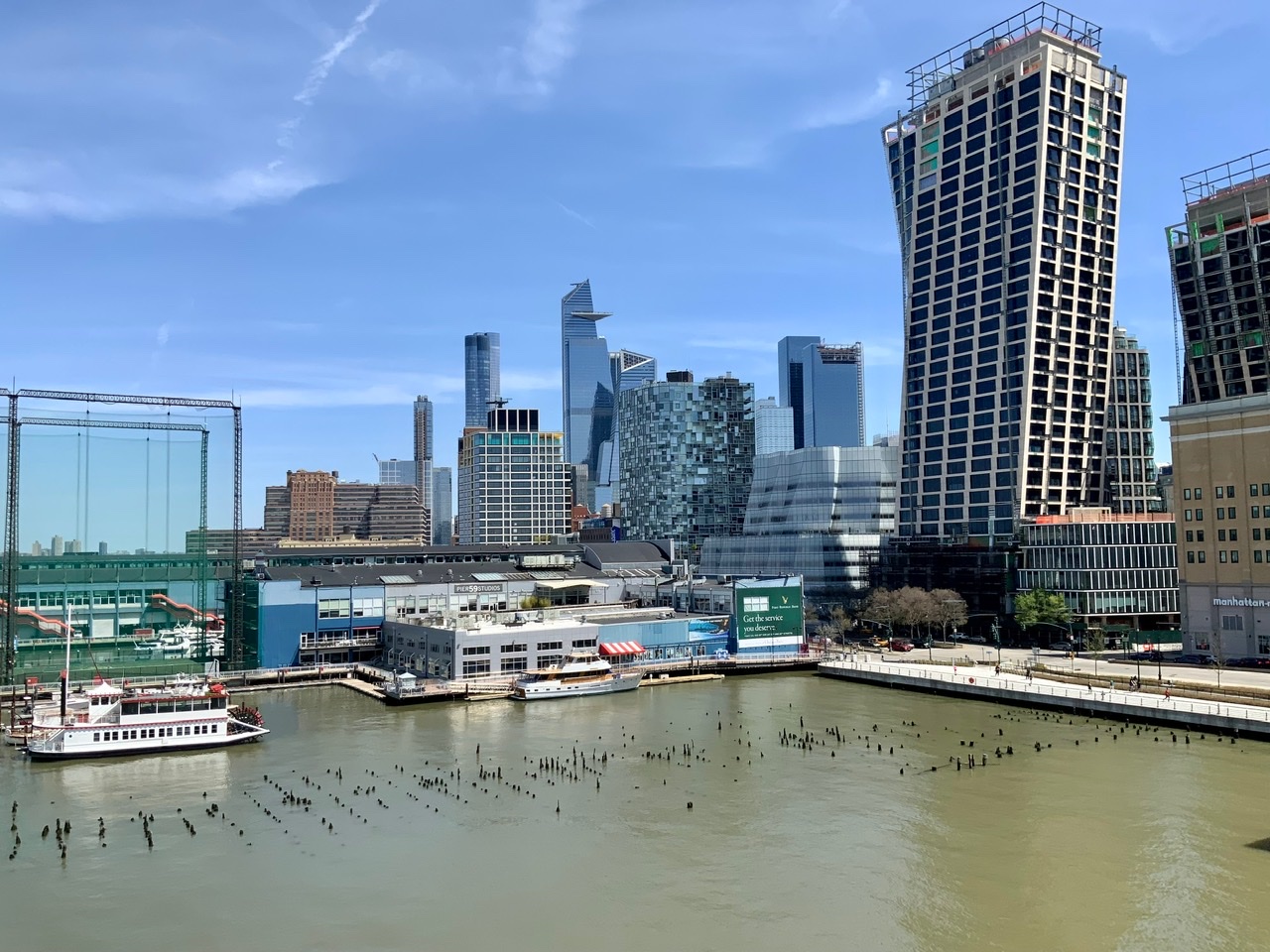
It is important to consider, when cities like New York continue a process of gentrification that make them unlivable for most artists and intellectuals, that the community Schloss describes was to some extent brought into being by a number of radically different circumstances: first, immigration – in some cases, such as de Kooning, illegal, and in others, such as Schloss, forced by war and politics – and second, the existence in post-Great Depression New York of cheap rents for run-down spaces that no one other than artists would consider or would be able to make not just livable but eventually fashionable.
Mira Schor in The Loft Generation: From the de Koonings to Twombly, Portraits and Sketches 1942-2011 edited by Mary Venturini
Comments are welcome!
Pearls from artists* # 538
*an ongoing series of quotations – mostly from artists, to artists – that offers wisdom, inspiration, and advice for the sometimes lonely road we are on.
It’s ok if your work is fun for you, is what I’m saying. It’s also ok if your work is healing for you, or fascinating for you, or redemptive for you, or if it’s maybe just a hobby that keeps you from going crazy. It’s even ok if your work is totally frivolous. That’s allowed. It’s all allowed.
Your own reasons to create are reason enough. Merely by pursuing what you love, you may inadvertently end up helping us plenty. (“There is no love which does not become help,” taught the theologian Paul Tillich). Do whatever brings you to life, then. Follow your own fascinations, obsessions, and compulsions. Trust them. Create whatever causes a revolution in your heart.
The rest of it will take care of itself.
Elizabeth Gilbert in Big Magic: Creative Living Beyond Fear
Comments are welcome!
Pearls from artists* # 536

*an ongoing series of quotations – mostly from artists, to artists – that offers wisdom, inspiration, and advice for the sometimes lonely road we are on.
Whatever his apparent subject matter, it is always himself that the artist paints. Subject matter exalts his inner feeling.
The Journal of Eugene Delacroix edited by Hubert Wellington
Comments are welcome!

Pearls from artists* # 535

*an ongoing series of quotations – mostly from artists, to artists – that offers wisdom, inspiration, and advice for the sometimes lonely road we are on.
Poor fellow! How can you do great work when you are always having to rub shoulders with everything that is vulgar. Think of the great Michelangelo. Nourish yourself with grand and austere ideas of beauty that feed the soul. You are always being lured away by foolish distractions. Seek solitude. If your life is well ordered your health will not suffer.
The Journal of Eugene Delacroix edited by Hubert Wellington
Comments are welcome!


 barbararachkoscoloreddust.com