Category Archives: 2016
Pearls from artists* # 214

South Beach
* an ongoing series of quotations – mostly from artists, to artists – that offers wisdom, inspiration, and advice for the sometimes lonely road we are on.
…a number of scientists (including myself) have confirmed that the personality trait “openness to experience” is a potent contributor to creative thinking and achievement. Those who are high in this attribute tend to be imaginative, curious, perceptive, creative, artistic, thoughtful, and intellectual. They are driven to explore their inner worlds of ideas, emotions, sensations, and dreams, and to constantly seek out new experiences in their environment that will impart personal growth and allow them to further make meaning out of their lives.
Scott Barry Kaufman in “A Capacity for Genius,” Lincoln Center’s Mostly Mozart 50th Anniversary, July 22 – August 27, 2016 Playbill
Comments are welcome!
Start/Finish of “Incognito,” soft pastel on sandpaper, 38″ x 58″ image, 50″ x 70″ framed
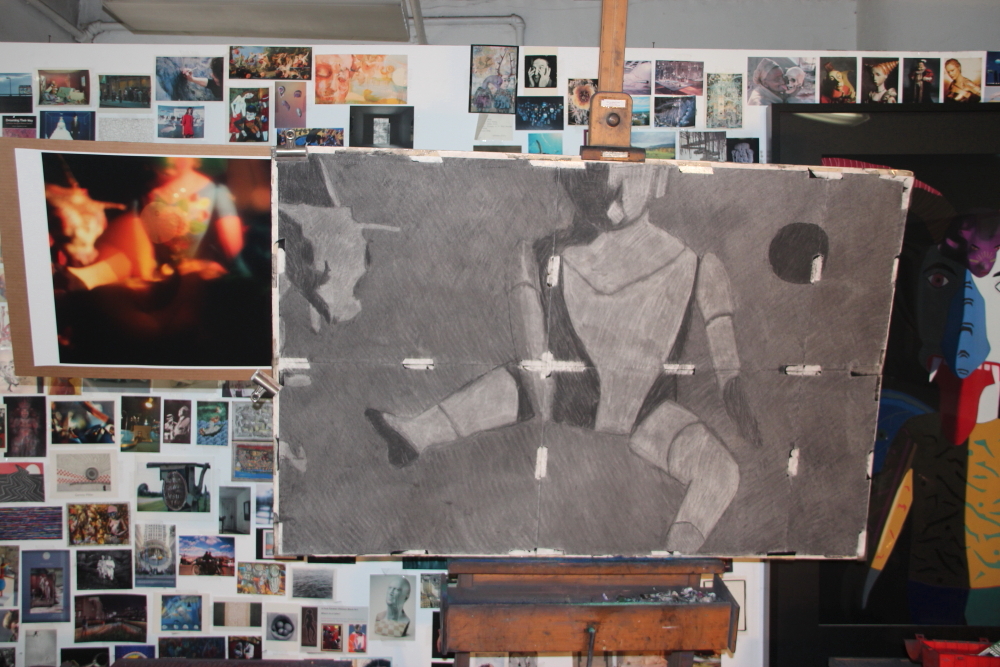
C-print and preliminary charcoal sketch
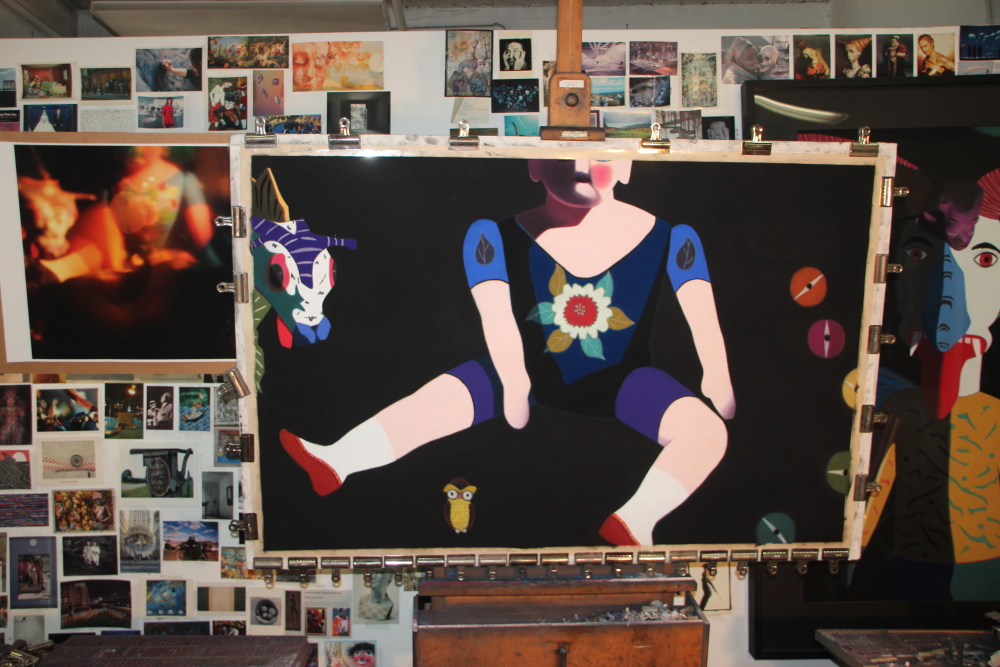
Finished
Comments are welcome!
Pearls from artists* # 213
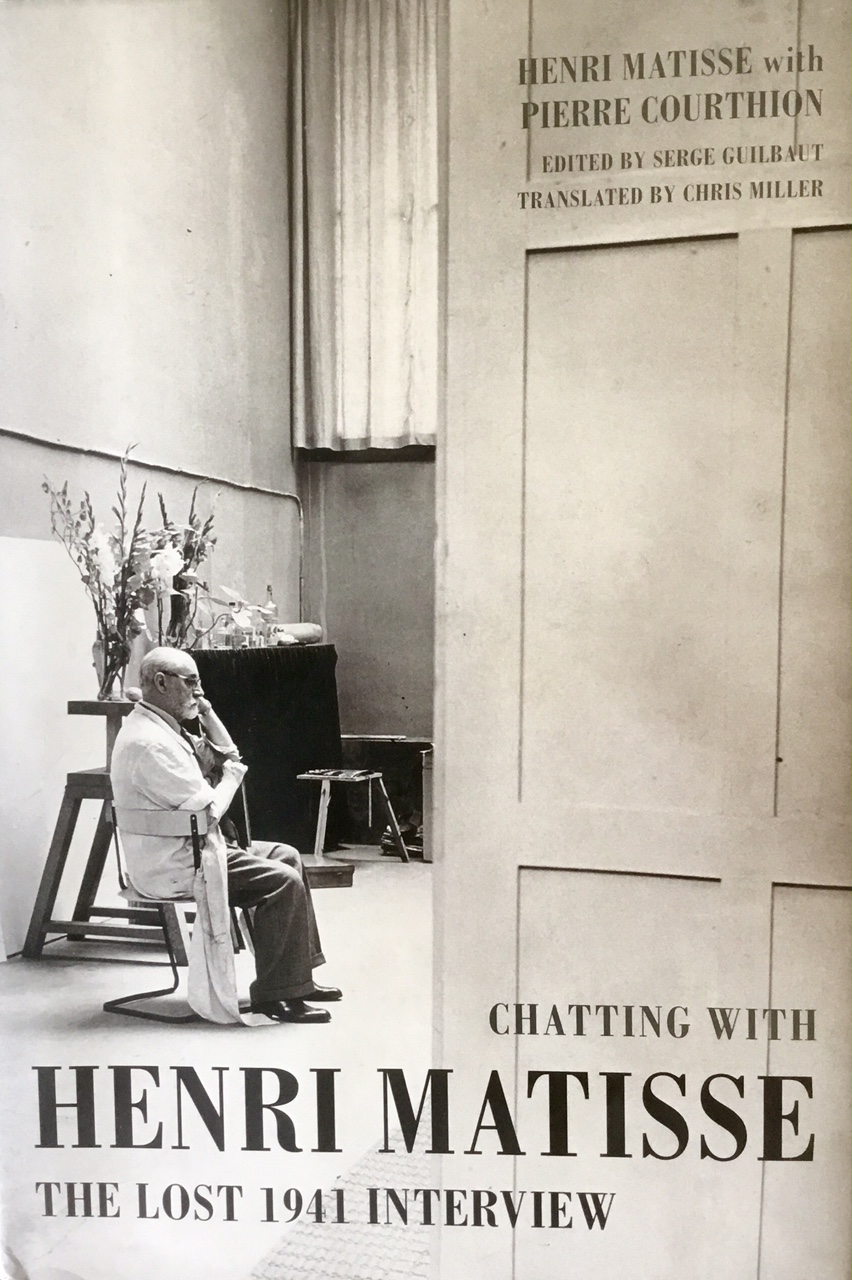
Matisse Book Cover
* an ongoing series of quotations – mostly from artists, to artists – that offers wisdom, inspiration, and advice for the sometimes lonely road we are on.
I am astonished by the accuracy with which Matisse remembers the most trifling facts; he describes a room that he went into forty years ago and gives you the measurements, where every piece of furniture stood, how the light fell. He is a man of astounding precision and has little time for anything that he has not confirmed for himself. In art matters, he is not the sort to go looking for a profile fortuitously created by cracks in the wall. Elie Faure writes that Matisse is perhaps the only one of his contemporaries (in particular Marquet and Bonnard) to know exactly where he comes from and the only one who never allows it to show “because his inveterate, invincible, vigilant willpower is always focused on being himself and nothing but.”
Matisse neglects nothing. He seems to know as much about the art market as about painting.
So many stratagems to sell a painting, from intimidating the purchaser to seeming to avoid him: Vollard used them all and used them successfully. Not least the lies that he told to reassure the client. “It works like this,” says Matisse: “To make a sale, you invent lies that have somehow disappeared into thin air by the time the deal is done.”
We talk of the difficulties faced by dealers hoping to gain access to Renoir in his Cagnes residence. Renoir didn’t like having people talk to him about selling his work,” says Matisse: “It bored him. About the only one who got a foot in the door was Paul Guillaume; he dressed up as a young worker with a floppy necktie: “You see, I’m a local. I’ve always loved your painting. I’ve just inherited a little money; I’d like to buy something.”
Chatting with Henri Matisse: The Lost 1941 Interview, Henri Matisse with Pierre Courthion, edited by Serge Guilbaut, translated by Chris Miller
Comments are welcome!
Q: What career accomplishment are you most proud of?
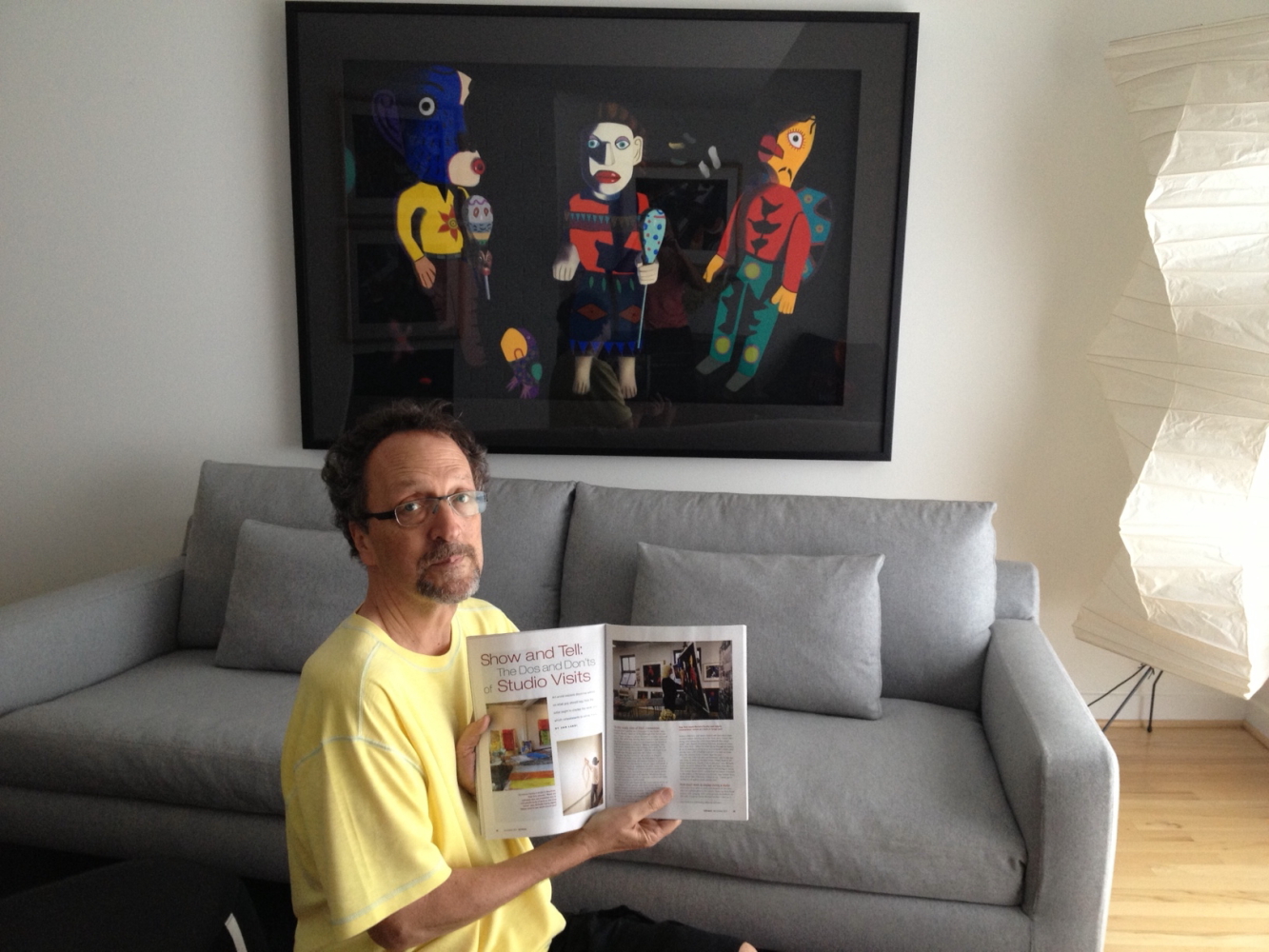
Collector, “False Friends,” and ARTNews article that shows the painting in progress
A: I am most proud of my global network of friends, collectors, and fans who enjoy and support my work. Over the years, thanks to direct personal contact and social media, many have become valued friends.
Comments are welcome!
Pearls from artists* # 212
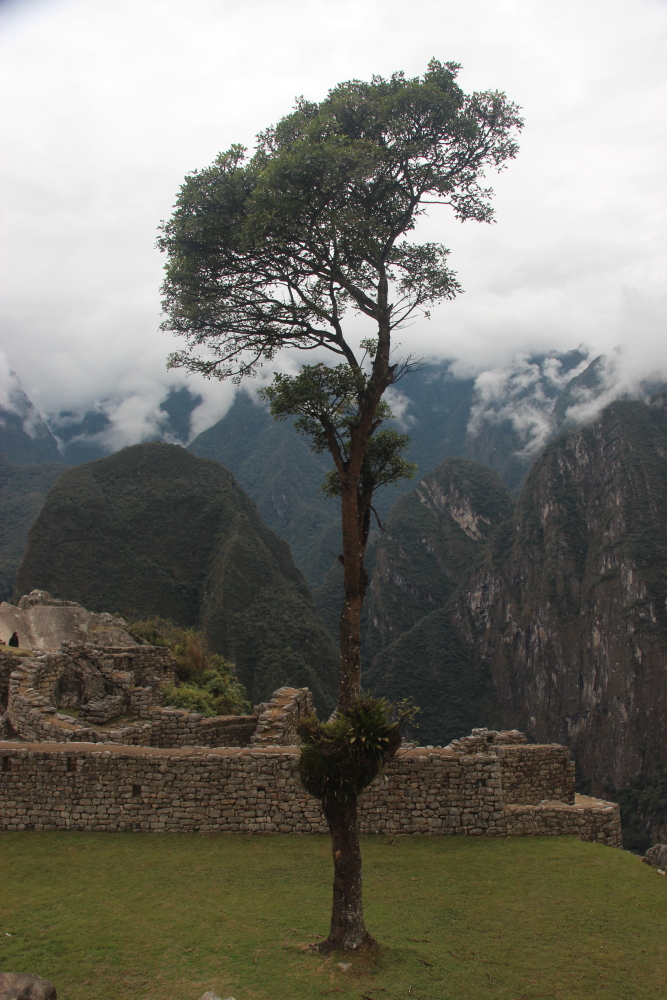
Machu Picchu
* an ongoing series of quotations – mostly from artists, to artists – that offers wisdom, inspiration, and advice for the sometimes lonely road we are on.
… the anthropologist Ellen Disanayake… in Homo Aestheticus, argues that art and aesthetic interest belong with rituals and festivals – offshoots of the human need to ‘make special,’ to extract objects, events, and human relations from everyday uses and to make them a focus of collective attention. This ‘making special’ enhances group cohesion and also leads people to treat those things which really matter for the survival of community – be it marriage or weapons, funerals, or offices – as things of public note, with an aura that protects them from careless disregard and emotional erosion. The deeply engrained need to ‘make special’ is explained by the advantage that it has conferred on human communities, holding them together in times of threat, and furthering their reproductive confidence in times of peaceful flourishing.
Beauty: A Very Short Introduction, by Roger Scruton
Comments are welcome!
Pearls from artists* # 211

Machu Picchu
* an ongoing series of quotations – mostly from artists, to artists – that offers wisdom, inspiration, and advice for the sometimes lonely road we are on.
There is an ancient view that beauty is the object of a sensory rather than an intellectual delight, and that the senses must always be involved in appreciating it. Hence, when the philosophy of art became conscious of itself at the beginning of the eighteenth century, it called itself ‘aesthetics,’ after the Greek aesthesis, sensation. When Kant wrote that the beautiful is that which pleases immediately, and without concepts, he was providing a rich philosophical embellishment to this tradition of thinking. Aquinas too seems to have endorsed the idea, defining the beautiful in the first part of the Summa as that which is pleasing to sight (pulchra sunt quae visa placent). However, he modifies this statement in the second part, writing that ‘the beautiful relates only to sight and hearing of all the senses, since these are the most cognitive (maxime cognoscitive) among them.’ And this suggests, not only that he did not confine the study of beauty to the sense of sight, but that he was less concerned with the sensory impact of the beautiful than with its intellectual significance – even if it is a significance that can be appreciated only through seeing or hearing.
Beauty: A Very Short Introduction, by Roger Scruton
Comments are welcome!
Start/Finish of “Blind Faith,” soft pastel on sandpaper, 38″ x 58″ image, 50″ x 70″ framed

Beginnings

Finished and signed (lower left)
Comments are welcome!
Pearls from artists* # 210
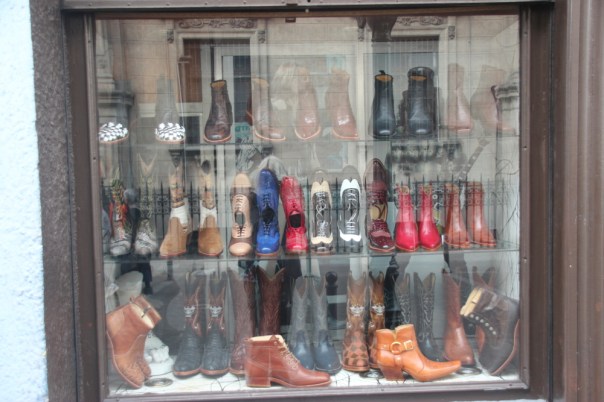
Lima, Peru (with self-portrait)
* an ongoing series of quotations – mostly from artists, to artists – that offers wisdom, inspiration, and advice for the sometimes lonely road we are on.
Much that is said about beauty and its importance in our lives ignores the minimal beauty of an unpretentious street, a nice pair of shoes or a tasteful piece of wrapping paper, as though these things belonged to a different order of value from a church by Bramante or a Shakespeare sonnet. Yet these minimal beauties are far more important to our daily lives, and far more intricately involved in our own rational decisions, than the great works which (if we are lucky) occupy our leisure hours. They are part of the context in which we live our lives, and our desire for harmony, fittingness and civility expressed and confirmed in them. Moreover, the great works of architecture often depend for their beauty on the humble context that these lesser beauties provide. Longhena’s church on the Grand Canal would lose its confident and invocatory presence, were the modest buildings which nestle in its shadow to be replaced with cast-concrete office blocks, of the kind that ruin the aspect of St. Paul’s.
Beauty: A Very Short Introduction, by Roger Scruton
Comments are welcome!
Q: What’s on the easel today?
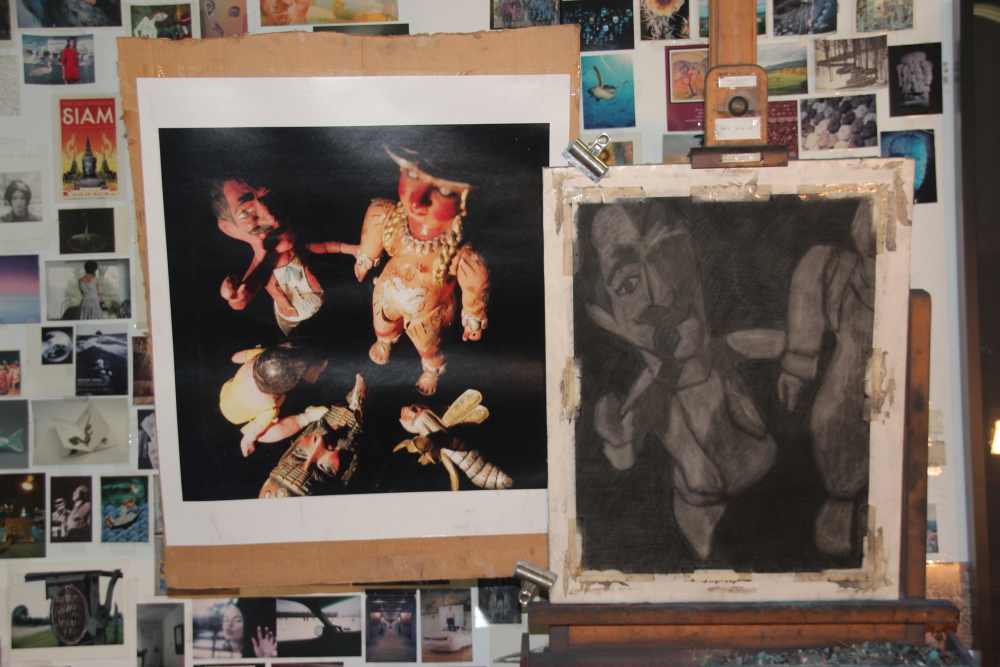
Preliminary sketch
A: I’m working on a preliminary charcoal sketch for my next pastel painting.
Comments are welcome!
Pearls from artists* # 209

“So What?”, soft pastel on sandpaper, 20″ x 26″
* an ongoing series of quotations – mostly from artists, to artists – that offers wisdom, inspiration, and advice for the sometimes lonely road we are on.
For a young painter, life is difficult. If he’s sincere, if he’s entirely taken up with what he’s researching, he can’t do painting that flatters art lovers. If he’s concerned with success, he works with just the one idea: pleasing people and selling. He loses the support of his own conscience and is dependent on how others are feeling. He neglects his gifts and eventually loses them.
For us, the problem was simple: the buyer simply didn’t exist. We were working for ourselves. We were in a trade that offered no hope at all. So we had fun with any little thing. I suppose people shipwrecked on a desert island must find it very jolly – all their problems have ceased to exist. Nothing left to do but have a laugh, tell jokes, and play jokes. Painters? How could they ever expect to sell anything?
Chatting with Henri Matisse: The Lost 1941 Interview, Henri Matisse with Pierre Courthion, edited by Serge Guilbaut, translated by Chris Miller
Comments are welcome!


 barbararachkoscoloreddust.com