Q: Do you plan your work in advance or is it improvisation?
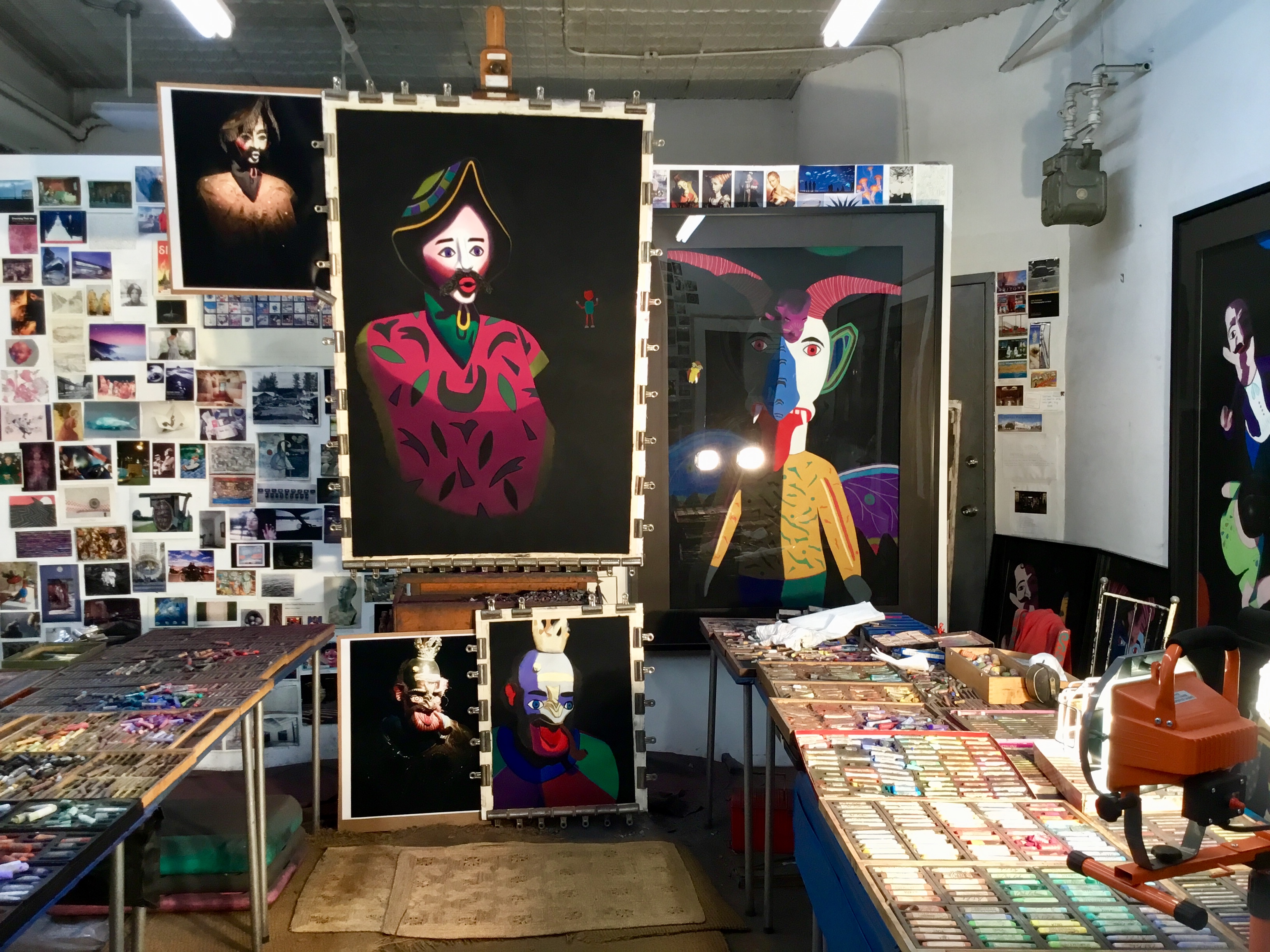
Barbara’s studio
A: My process is somewhere in between those two. I work from my own set-up or on-site photographs and make a preliminary sketch in charcoal before I start a pastel painting. Thousands of decisions about composition, color, etc. occur as I go along.
Although it starts out somewhat planned, I have no idea what a pastel painting will look like when it’s finished. Each piece takes about three months, not counting foreign travel, research, and a gestation period of several months to determine what the next pastel painting will even be.
Comments are welcome!
Pearls from artists* # 334
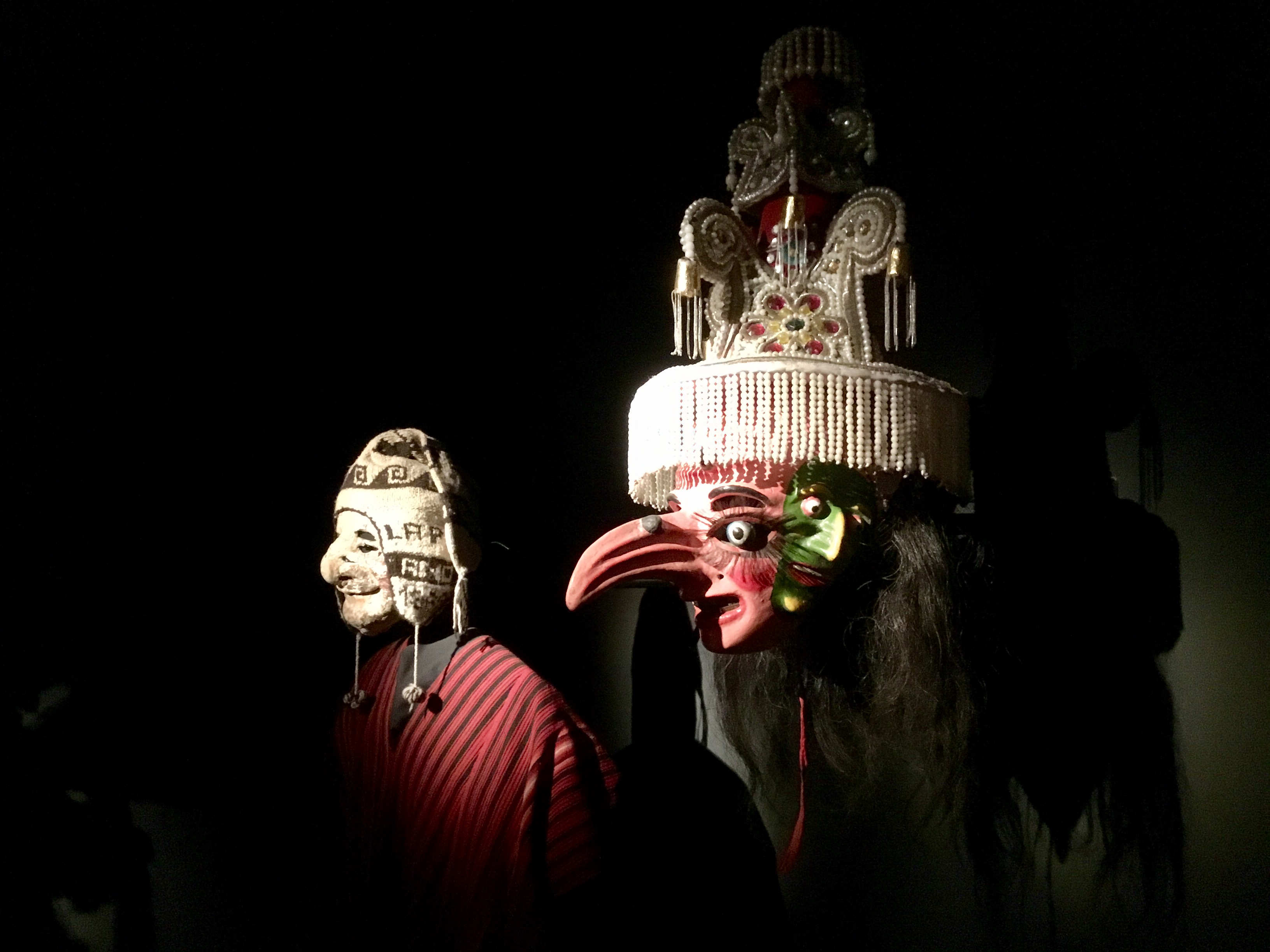
Masks at the National Museum of Ethnography and Folklore in La Paz
*an ongoing series of quotations – mostly from artists, to artists – that offers wisdom, inspiration, and advice for the sometimes lonely road we are on.
This celebration, renewal and collision with the past and with the indians’ own identity, breaks down everyday order and routine to establish the magic dimension, the exception and the anomaly. An explosion of vitality, abundance and liberty demolishes everyday slavery and misery. But the festive chaos which transports one to the anomalous and to the sacred, simultaneously causes the return to profane normality. Just when the disorder and confusion reach the state of paroxysm, when everything is agitated and intermixed indiscrimanently, the celebration is over. The bands all play at the same time in deafening competition, the dancers can no longer hold themselves up, and all distinctions between groups, musicians, dancers and sexes are erased. It is the kacharpaya, the limit of disorder and cataclysm, which signals the return to routine.
To Cover in Order to Uncover, by Fernando Montes in Masks of the Bolivian Andes, Photographs: Peter McFarren, Sixto Choque, Editorial Quipos and BancoMercantil
Comments are welcome!
Q: What’s on the easel today?
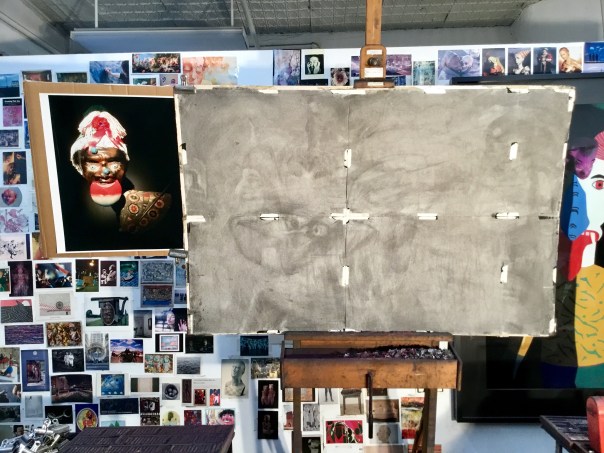
Preliminary charcoal sketch in progress.
A: I am starting a new preliminary sketch for my next pastel painting. This will be number nine in the “Bolivianos” series!
In 2018 I made six new pastel paintings, which is more than usual. The last time I created six in one year was 1996!
Comments are welcome!
Pearls from artists* # 333

Studio entrance
*an ongoing series of quotations – mostly from artists, to artists – that offers wisdom, inspiration, and advice for the sometimes lonely road we are on.
… the Greeks and Romans both believed in the idea of an external daemon of creativity – a sort of house elf, if you will, who lived within the walls of your home and who sometimes aided you in your labors. The Romans had a specific term for that helpful house elf. They called it your genius – your guardian deity, the conduit of your inspiration. Which is to say, the Romans didn’t believe that an exceptionally gifted person was a genius; they believed that an exceptionally gifted person had a genius.
It’s a subtle but important distinction (being vs. having) and, I think, it’s a wise psychological construct. The idea of an external genius helps to keep an artist’s ego in check, distancing him somewhat from the burden of taking either full credit or full blame for the outcome of his work. If your work is successful, in other words, you are obliged to thank your external genius for the help, thus holding you back from total narcissism. And if your work fails, it’s not entirely your fault. You can say, “Hey, don’t look at me – my genius didn’t show up today!”
Either way, the vulnerable human ego is protected.
Protected from the corrupting influence of praise.
Protected from the corrosive effects of shame.
Elizabeth Gilbert in Big Magic: Creative Living Beyond Fear
Comments are welcome!
Travel photo of the month*
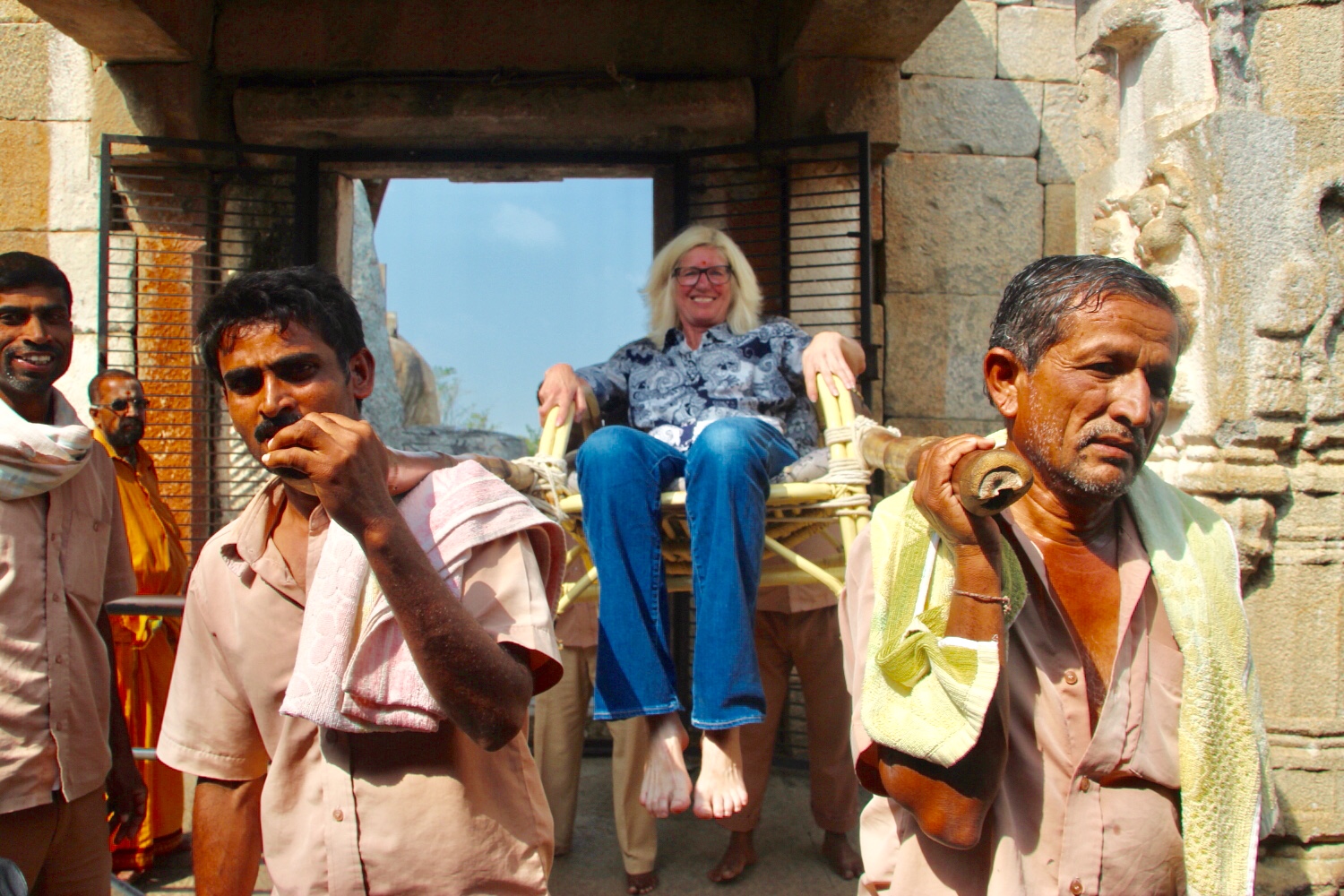
South India
*Favorite travel photographs that have not yet appeared in this blog
Comments are welcome!
Pearls from artists* # 332
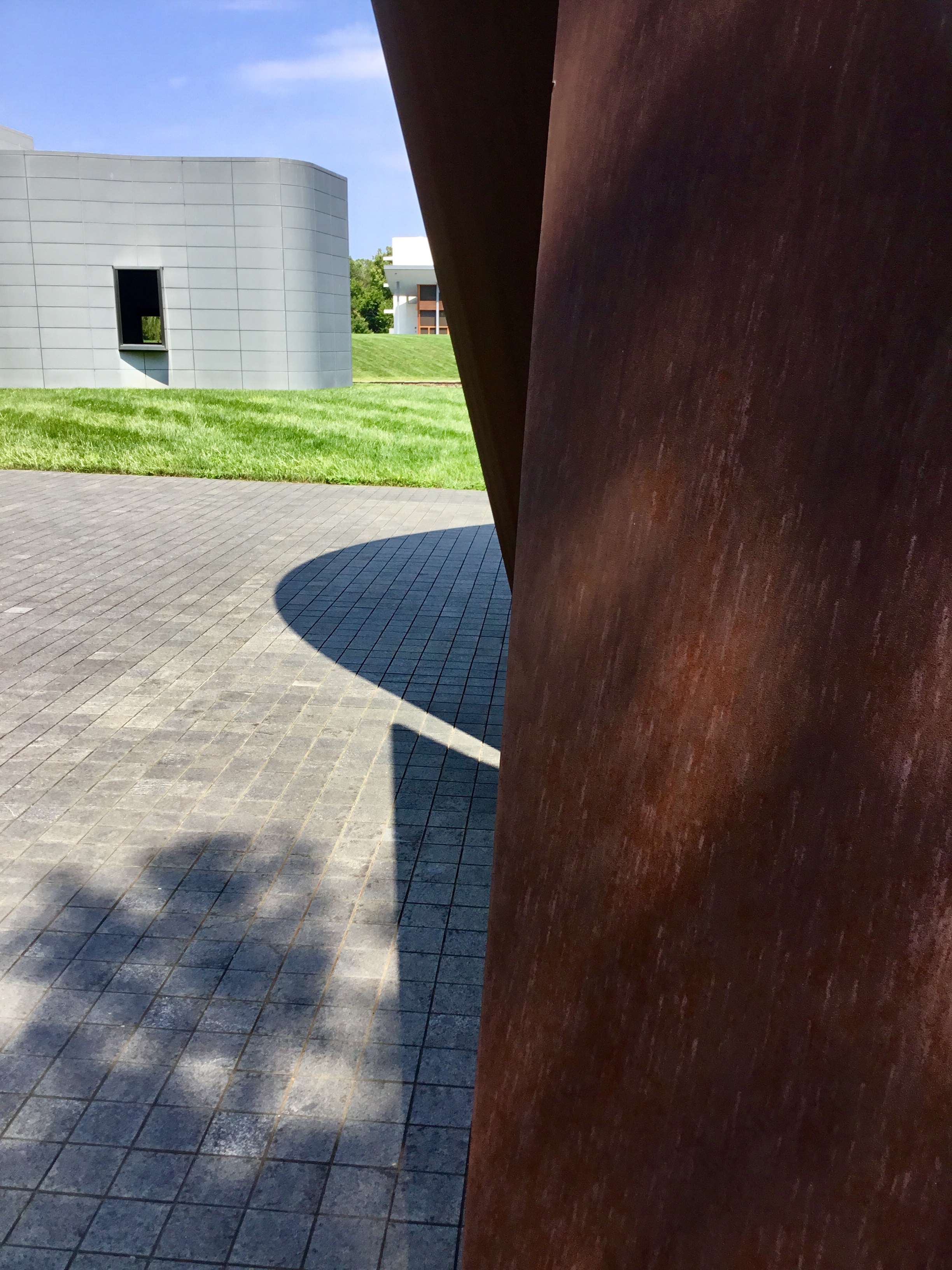
Glenstone Museum, Potomac, MD
*an ongoing series of quotations – mostly from artists, to artists – that offers wisdom, inspiration, and advice for the sometimes lonely road we are on.
And your doubt may become a good quality if you train it. It must become knowing, it must become critical. Ask it, whenever it wants to spoil something for you, why something is ugly, demand proofs from it, test it, and you will find it perplexed and embarrassed perhaps, or perhaps rebellious. But don’t give in, insist on arguments and act this way, watchful and consistent, every single time, and the day will arrive when from a destroyer it will become one of your best workers – perhaps the cleverest of all that are building at your life.
Rainer Maria Rilke, Letters to a Young Poet, Translation by M.D. Herter Norton
Comments are welcome!
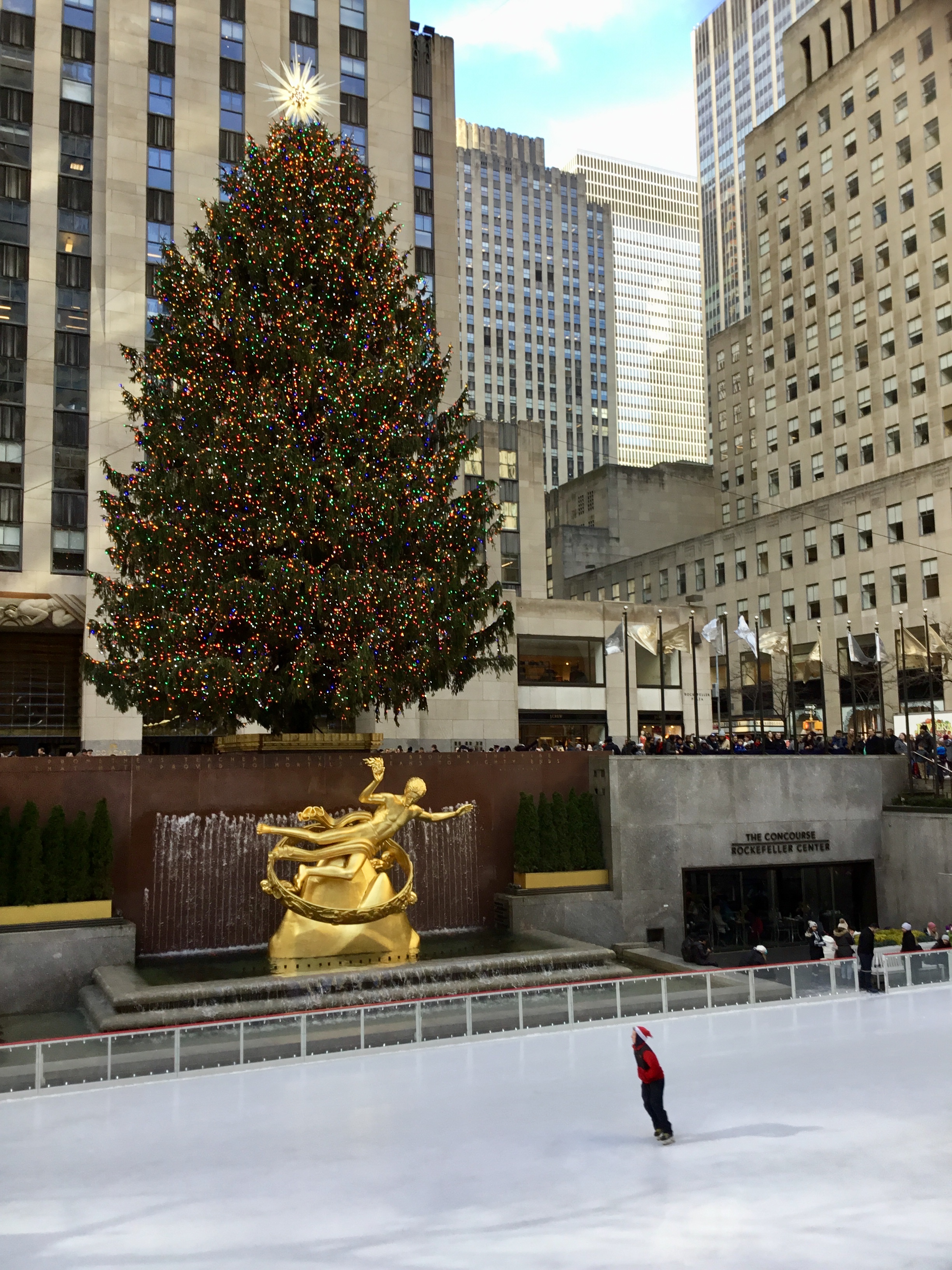
Q: Would you speak about the meaning of your work and the different materials you use?
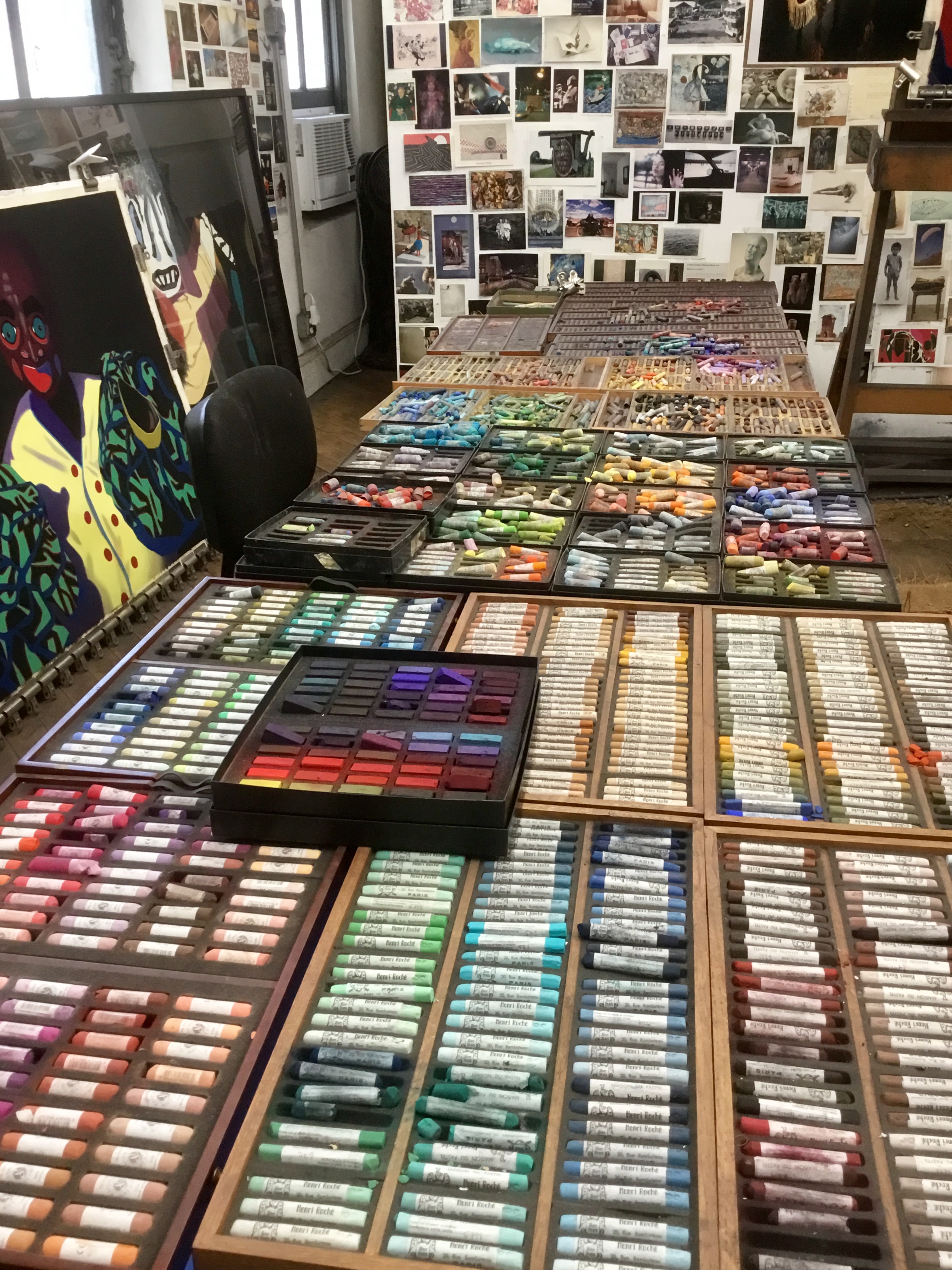
About half of Barbara’s pastels
A: It is as difficult to explain the meaning of my art as it is to interpret the meaning of life! I am invested in and concerned with process: foreign travel, prodigious reading, devotion to craft, months of slow meticulous work in the studio trying to create an exciting work of art that has never been seen before, etc. I love making pastel paintings! Many years ago I challenged myself to push the limits of what soft pastel can achieve. I am still doing so.
I leave it to others – viewers, arts writers, critics, art historians – to study my creative journey and talk about meanings. I believe an artist is inspired to create and viewers ponder the creation. I would not presume to tell anyone how to react to my work.
For many years I have been devoted to promoting soft pastel as a fine art medium. There are excellent reasons it has been around for five hundred years! It is the most permanent of media. There’s no liquid binder to cause oxidizing or cracking over time, as happens with oil paint. Pastel colors are intense because they are close to being pure pigment. Pastel allows direct application (no brushes) with no drying time and no color changes.
I use UArt acid-free sandpaper. This is not sandpaper from a hardware store. It is made for artists who work in pastel and allows me to build up layers of pigment without using a fixative. My process – slowly applying and layering pastels, blending and mixing new colors directly on the paper, making countless adjustments, searching for the best and/or most vivid colors – continually evolves. Each pastel painting takes months to create.
Comments are welcome!
Pearls from artists* # 331
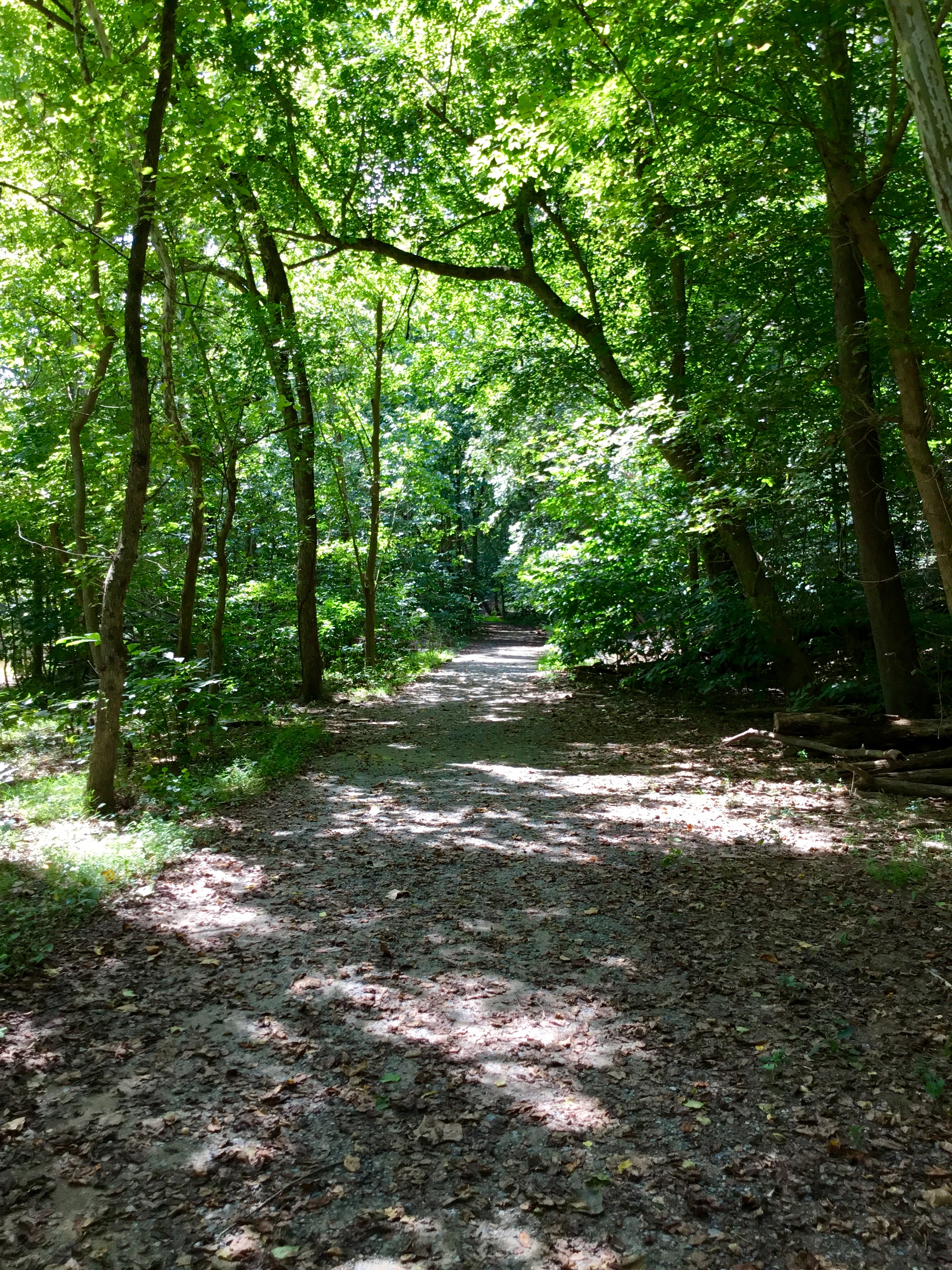
Great Falls, VA
*an ongoing series of quotations – mostly from artists, to artists – that offers wisdom, inspiration, and advice for the sometimes lonely road we are on.
And you should not let yourself be confused in your solitude by the fact that there is something in you that wants to break out of it. This very wish will help you, if you use it quietly, and deliberately and like a tool, to spread out your solitude over wide country. People have (with the help of conventions) oriented all their solutions toward the easy and toward the easiest side of the easy; but it is clear that we must hold to what is difficult; everything alive holds to it, everything in Nature grows and defends itself in its own way and is characteristically and spontaneously itself, seeks at all costs to be so and against all opposition. We know little, but that we must hold to what is difficult is a certainty that will not forsake us; it is good to be solitary, for solitude is difficult; that something is difficult must be a reason the more for us to do it.
Rainer Maria Rilke, Letters to a Young Poet, Translation by M.D. Herter Norton
Comments are welcome!
Q: Do you work with a particular audience in mind?
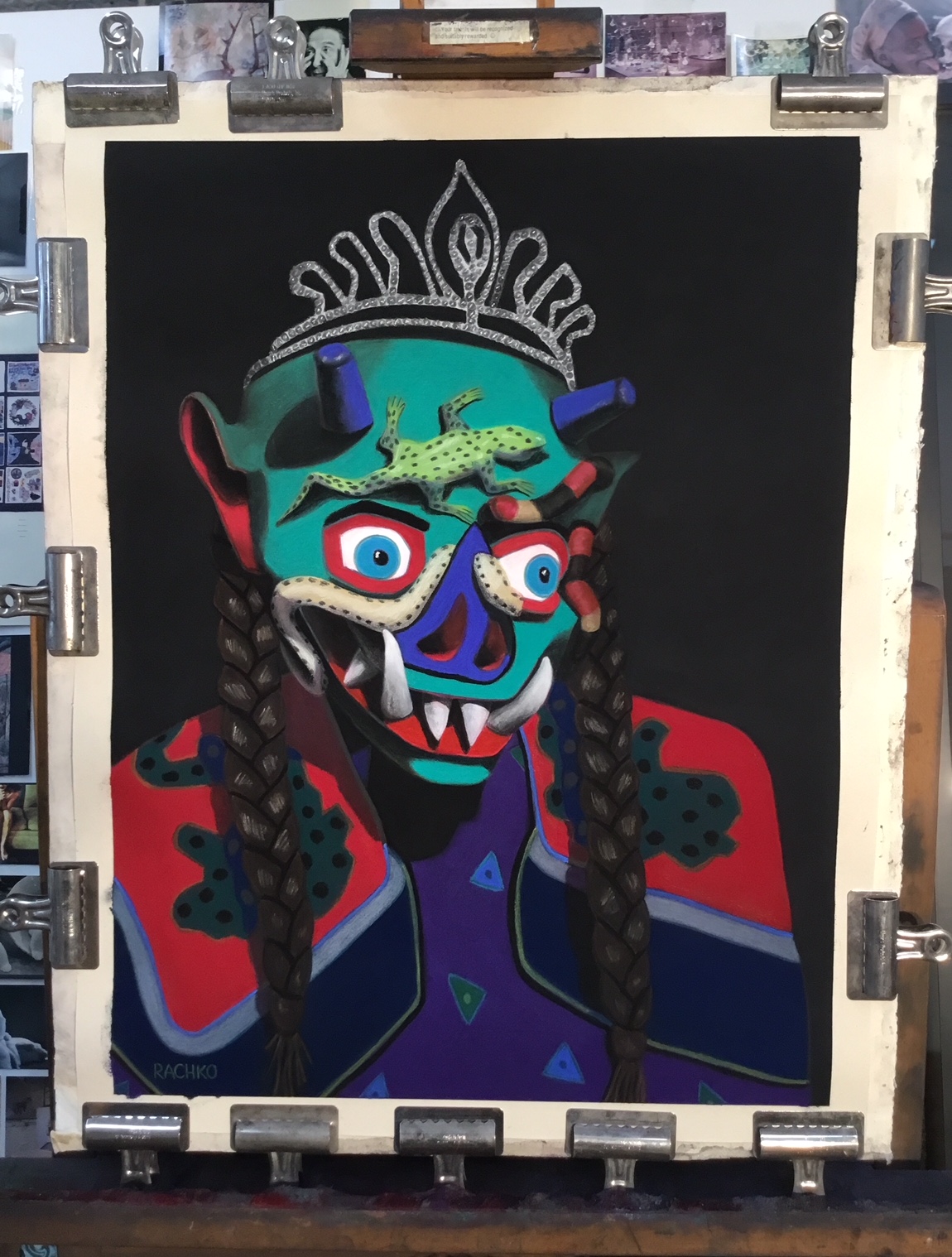
“Shamanic,” 26″ x 20,” finished
A: In general I would answer no, I have no ‘specific’ audience in mind. But I DO consider the audience in this sense. As I put finishing touches on a pastel painting, I pay attention to how all of my decisions up to that point lead the viewer’s eyes around. I fine tune – brightening some areas, heightening the contrast with what’s next to it, blurring, fading, and pushing back others – all to keep the viewer’s gaze moving around the painting. Once I am satisfied that it’s as visually exciting as I can make it, I consider the pastel painting finished, ready to be photographed, and driven to Virginia for framing.
Comments are welcome!


 barbararachkoscoloreddust.com