Blog Archives

Pearls from artists* # 534

*an ongoing series of quotations – mostly from artists, to artists – that offers wisdom, inspiration, and advice for the sometimes lonely road we are on.
Today I am quoting myself:
I strive to always do what is best for my art practice. It’s difficult sometimes, but it’s important to ignore most of what other people say. They mean well, but advice to artists is often misguided, especially when it is unsolicited. Fortunately, our hearts are never wrong.
B. Rachko on a Facebook post
Comments are welcome!
Pearls from artists* # 527
*an ongoing series of quotations – mostly from artists, to artists – that offers wisdom, inspiration, and advice for the sometimes lonely road we are on.
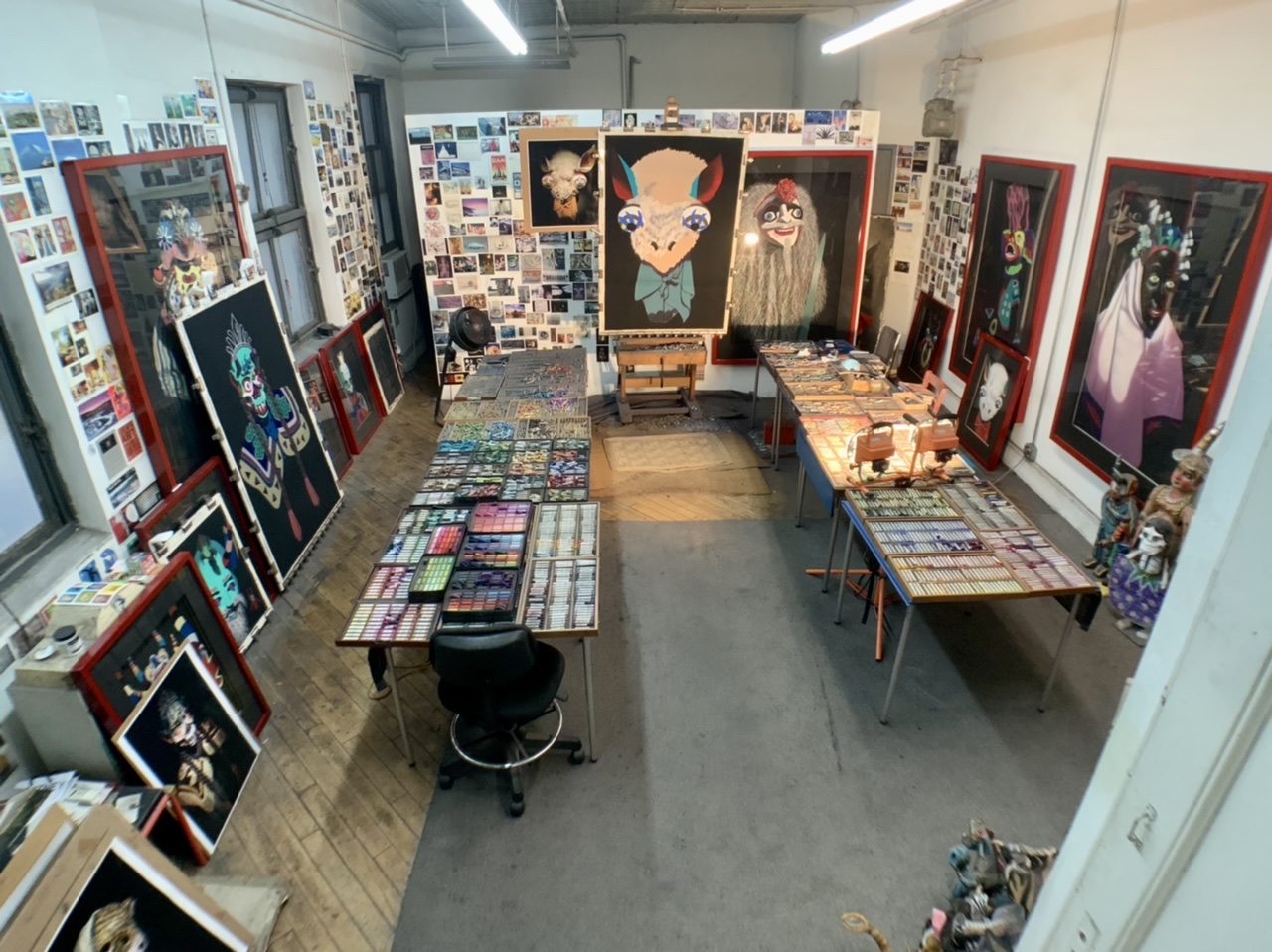
Vocation was originally a religious term. The word comes from the Latin vocatio, which means a summons, a call. To be a priest, a monk, or a nun is to accept a calling – a vocation. The sense of an imperative – of an activity that’s a necessity, an inevitability – remains very much part of the meaning of the word today. A creative vocation isn’t a job. It’s a calling, even if for most modern artists the summons is an inner necessity, not the call of some divine figure or force. Even an artist as determinedly secular as Picasso saw echoes of religious vocation in his experience as an artist. When his mistress Francoise Gilot, wondering at his concentration and stamina, asked him if when he was painting “it didn’t tire him to stand so long in one spot,” this was his response: “No. That’s why painters live so long. While I work, I leave my body outside the door, the way Moslems take off their shoes before entering the mosque.” For creative spirits the studio or stage – or wherever they do their work – is a place apart. They may recoil from describing this as a sacred space, but there’s no question that these spaces have a special significance.
Jed Perl in Authority and Freedom: A Defense of the Arts
Comments are welcome!
Q: How do you account for your intense compositions? (Question from Robin Plati via Facebook)
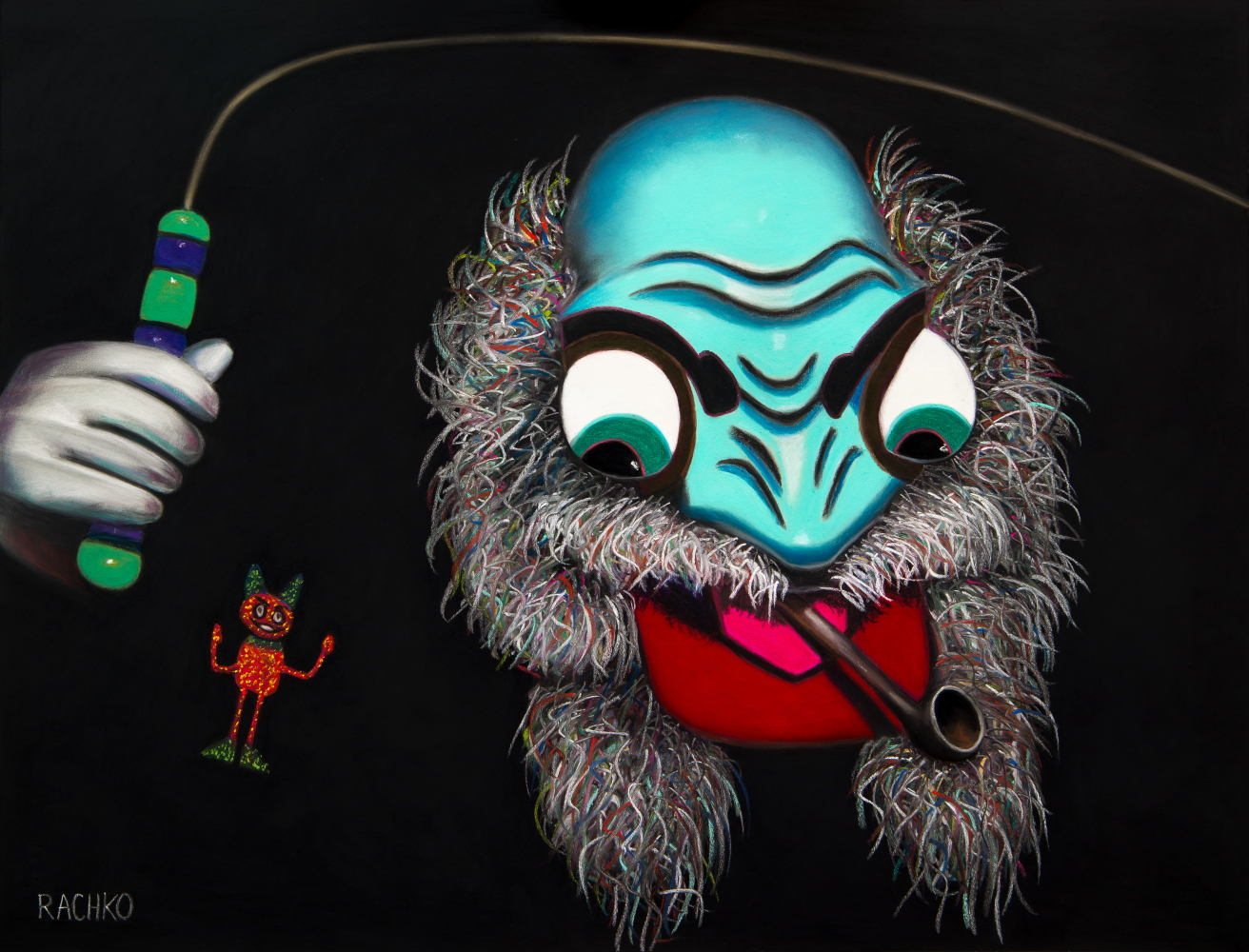
A: If I do say so, composition is something I’m known for. During the months I work on them, I devote many hours to looking at the painting on my easel and figuring out how to move the viewer’s eyes around in interesting ways. Everything you see is carefully worked out after hundreds of studio hours. Finished pastel paintings always have an inevitability about them. Change one detail and the entire composition is thrown off.
Comments are welcome!
Pearls from artists* # 524

*an ongoing series of quotations – mostly from artists, to artists – that offers wisdom, inspiration, and advice for the sometimes lonely road we are on.
I made a decision a long time ago to recite affirmations to myself every morning in order to stay on the right track. I first start out with The Lord’s Prayer, then I thank God for the blessings that have been bestowed on me, then I ask for preservation of health, and then close with a very purposeful statement about who I am and who I want to be. Affirming myself every morning is a very important part of my daily routine, because if I don’t know who I am, someone else will decide for me. You’ve got to know who you are and where you come from in order to get where you want to go! Believing in yourself and filling your mind and soul with purpose is essential to being able to create meaningful art.
Quincy Jones in the liner notes for We Are by Jon Batiste
Comments are welcome!
Q: To what extent will the world of art change in the post-COVID period – both in terms of what is created and also the business of art? (Question from artamour)
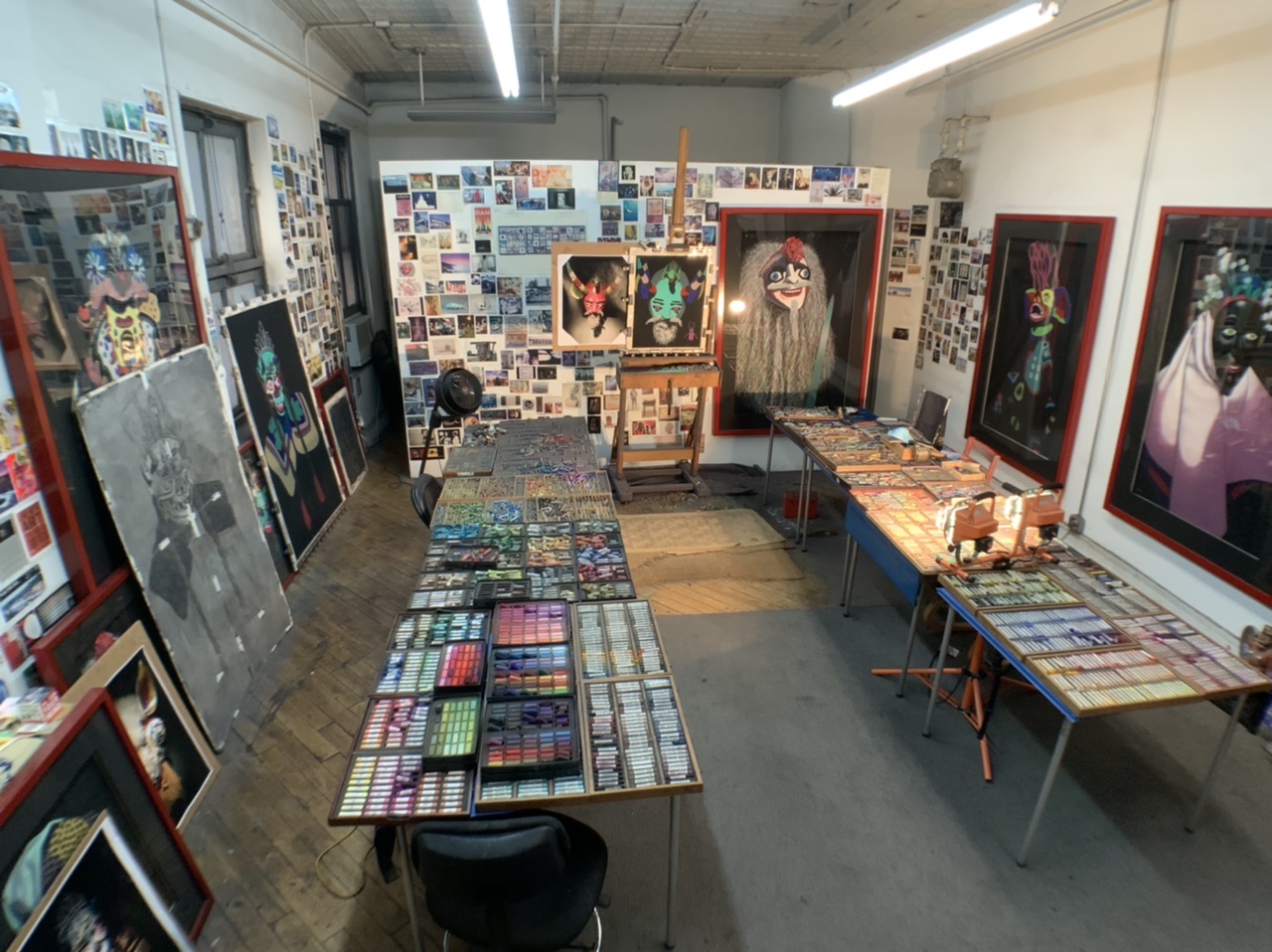
A: We all still wonder how the art world will change post-COVID. (Will there ever be a time when we can say we are post-COVID?). I know that I will continue refining and developing my art practice and seeking out new business opportunities. I have been an artist long enough to know that I will always follow my own path (each pastel painting points to the next one) regardless of what is going on in the larger world. How could I not do so? In large part due to an extensive social media program carried out by my two able assistants, the COVID period has been a personal boon. I completed a short documentary film about my life and work. It is in post-production now. I gained representation with three new international galleries. My blog is attracting approximately 1,000 – 2,000 new subscribers every month and I continue receiving requests for interviews from around the world.
Comments are welcome!
Q: Where do you create your art? (Question from artamour)

A: In April 1997 an opportunity to move to New York City arose and I didn’t look back. By then I was showing in a good 57th Street gallery, Brewster Gallery (they focused exclusively on Latin American Masters so I was in the company of Leonora Carrington, Rufino Tamayo, Diego Rivera, etc.). Also, I had managed to find an excellent New York artists/agent, Leah Poller, with whom to collaborate. (Leah and I are still dear friends).
I looked at only one other space before finding my West 29th Street studio and knew instantly it was the one! An old friend of Bryan’s from Cal Tech rented the space next door and he had told us it was available. Initially the studio was a sublet. The lease-holder was a painter headed to northern California to work temporarily for George Lucas at the Lucas Ranch. After several years she decided to stay so I was able to take over the lease. I feel extremely fortunate to have been in my West 29th Street, New York City space now for twenty-five years. In a city where old buildings are knocked down to make way for new ones this is rare.
My studio is an oasis in a chaotic city, a place to make art, to read, and to think. I love to walk in the door every morning and I feel calmer the moment I arrive. It is still my absolute favorite place in New York! Sometimes I think of it as my best creation.
Comments are welcome!
Q: Contemporary art has become very diverse and multidisciplinary in the last few decades. Do you welcome this trend? Is this trend part of your art practice? (Question from artamour)
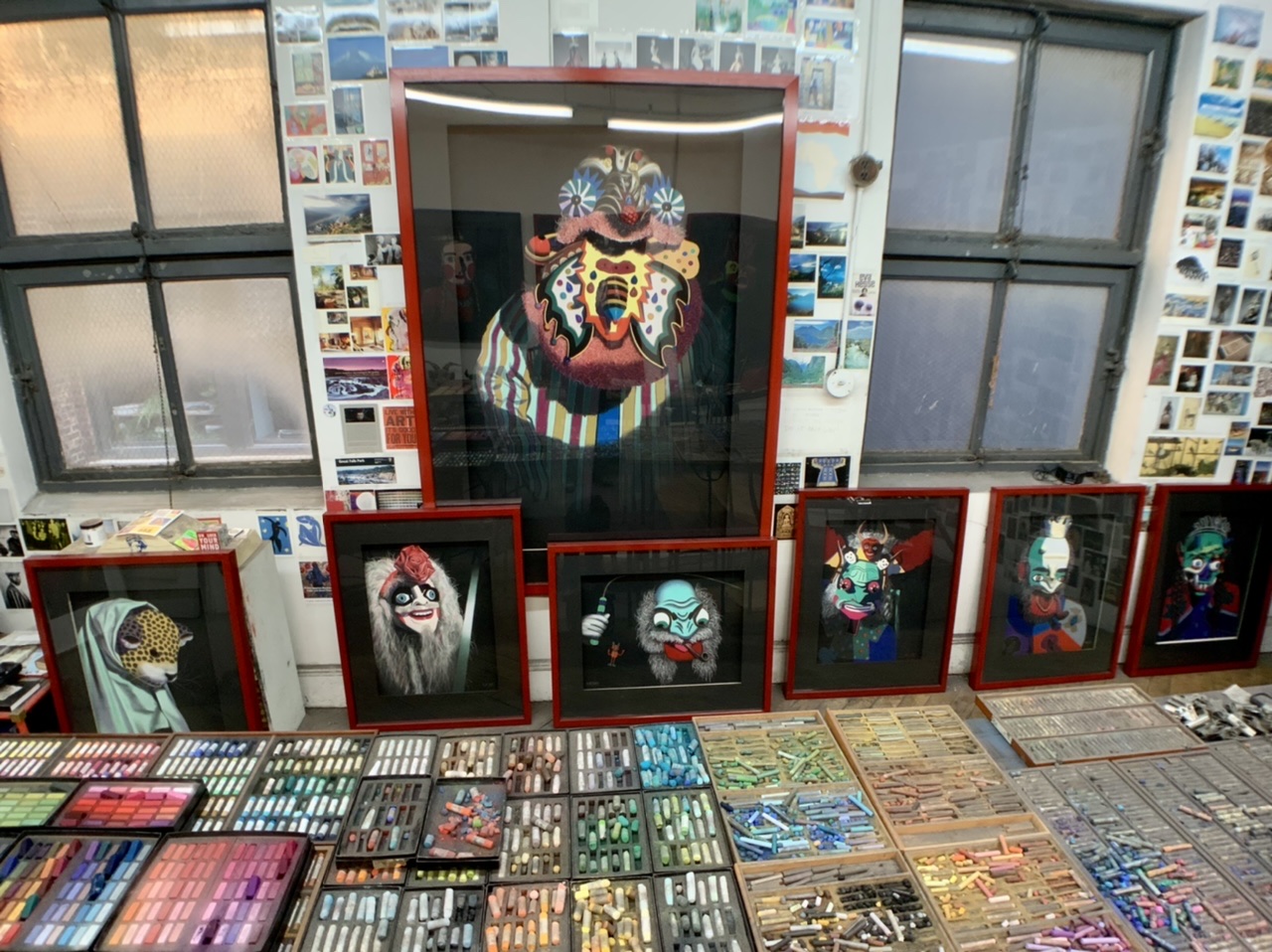
A: By definition trends in art come and go and I don’t see how any self-respecting artist can or should pay much attention to them. I continue to do my own thing, refining my soft pastel techniques, following wherever my interests, inspiration, and subject matter lead, all the while striving to become a better artist.
Comments are welcome!
Q: How would you describe the inside of your studio?

A: My studio is an oasis in a chaotic city, a place to make art, to read, and to think. I love to walk in the door every morning because it is my absolute favorite place in New York! Even after thirty-six years, I still find the entire process of making a pastel painting completely engaging. I try to push my pastel techniques further every time I work in the studio.
There’s one more thing about my studio: I consider it my best creation because it’s a physical environment that anyone can walk into and occupy, as compared to my artworks, which are 2D paintings hanging flat on a wall. It has taken 25 years to get it the way it is now. I believe my studio is the best reflection of my growth as an artist. It changes and evolves as I change over the decades.
Comments are welcome!
Q: What was the first review you ever received and how did you get it?
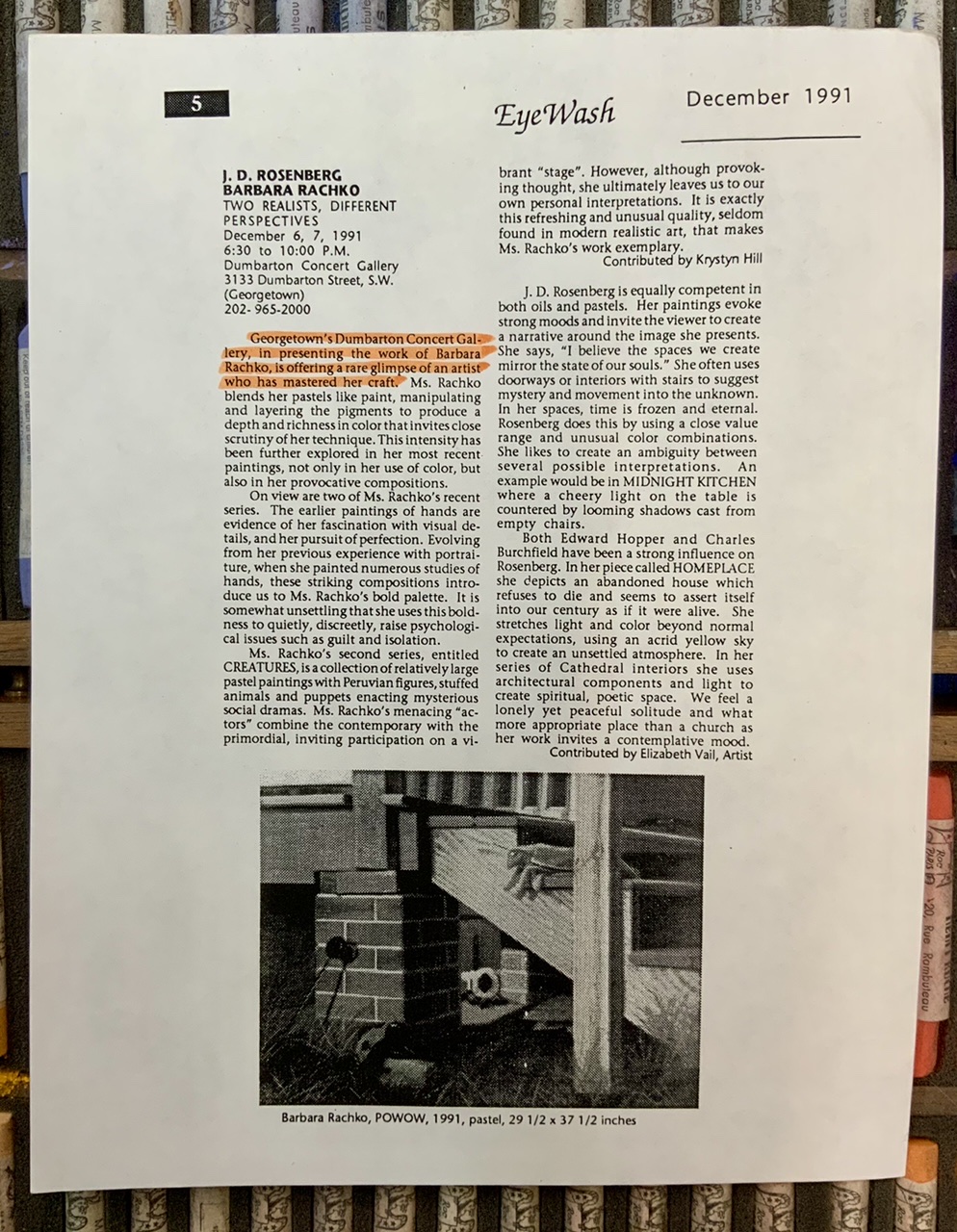
A: In 1991 I was in my late thirties and had resigned my active duty Naval commission two years before. I had been an artist for five years. I was anxious to get my pastel paintings exhibited, seen by an audience, and collected! As I worked hard to build my resume, I hustled to exhibit in all sorts of spaces that were not galleries: restaurants, hospitals, real estate offices, law offices, theaters, doctors’ offices, and more. The goal was to just get the work out of my home studio.
In December 1991 I presented a solo exhibition at Dumbarton Church in Georgetown (Washington, DC). For years Bryan had volunteered to set up chairs, a Steinway piano, and other miscellaneous equipment for their classical music concert series. The church’s downstairs space was used to showcase artists’ work. So I applied for a solo exhibition, was accepted, and got my first review in a local Washington, DC newspaper called “Eye Wash!”
Moral: artists have to work extremely hard for every little thing that comes our way!
Comments are welcome!


 barbararachkoscoloreddust.com