Blog Archives
Pearls from artists* # 147

Alexandria, Virginia living room
* an ongoing series of quotations – mostly from artists, to artists – that offers wisdom, inspiration, and advice for the sometimes lonely road we are on.
I am working, every day… on new photographs. This body of work, family pictures, is beginning to take on a life of its own. Seldom, but memorably, there are times when my vision, even my hand, seems guided by, well, let’s say a muse. There is at that time an almost mystical rightness about the image: about the way the light is enfolding, the way the [kids’] eyes have taken on an almost frightening intensity, the way there is a sudden, almost outer-space-like, quiet.
These moments nurture me through the reemergence into the quotidian… through the bill paying and the laundry and the shopping for soccer shoes, although I am finding that I am becoming increasingly distant, like I am somehow living full time in those moments.
Sally Mann in Hold Still: A Memoir with Photographs
Comments are welcome!
Q: In January you traveled to south India to study ancient Hindu temples. Would you share some photographs from your trip?
A: Yes, I spent three weeks in south India. Having embarked from brown and gray New York City in winter, I was quite stunned by all of the gorgeous color. Since I already posted many photos onto my Facebook and Pinterest pages (see links on sidebar), I will focus on Madurai, perhaps the most photogenic city I visited.

Tirumalai Nayaka Palace, Madurai

Tirumalai Nayaka Palace, Madurai

Madurai

Madurai

Madurai

Madurai

Madurai

Madurai

Meenaksi Sundaresvarar Temple, Madurai

Meenaksi Sundaresvarar Temple, Madurai

Outside Meenaksi Sundaresvarar Temple, Madurai
Comments are welcome!
Q: You have written about how you came to your current subject matter, but what led you away from photorealism to work that while not exactly abstract, leans more in that direction?
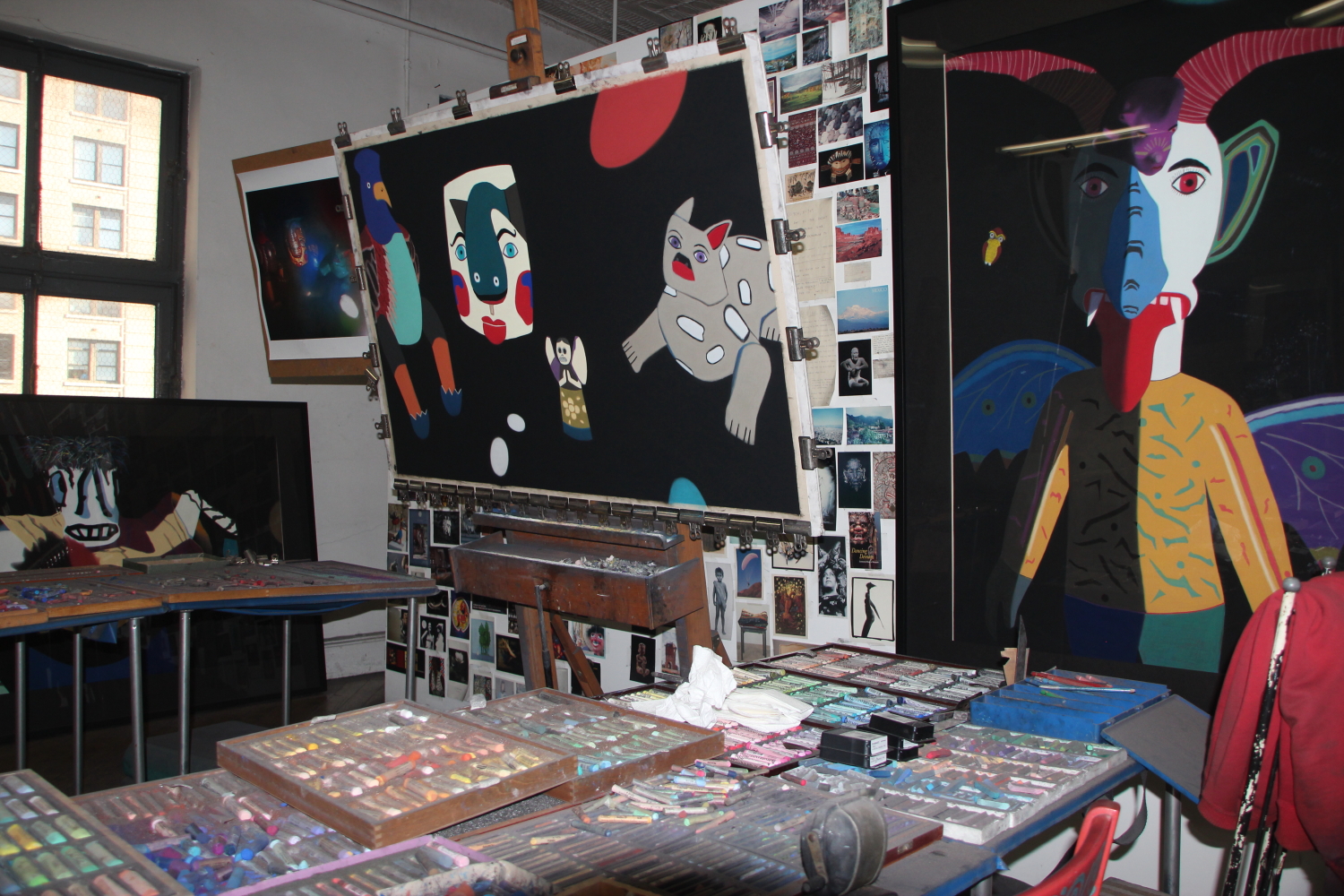
Barbara’s studio
A: Once I had achieved a high degree of technical facility with soft pastel, there was not much more to be gained from copying reality. Cameras do an excellent job of that so what would be the point?
Ultimately, all art lies in following an experience through to the end. Art is in the choices one makes. A visual artist’s private decisions about what to include and what to leave out become her unique inimitable style. Years ago I made a conscious decision to abandon photorealism. Since then I have been on a journey to work more from imagination and direct experience and less from physical reality.
It’s funny. I have always worked from photographs. Because I have a strong work ethic and substantial technical skill, I often feel like a slacker if I do not put in all the details that I see in the reference photo. That’s why the journey has been so slow, I think, as I convince myself it’s really ok to omit more and more details.
Comments are welcome!
Pearls from artists* # 126

Self-portrait with “Blue Misterioso”
* an ongoing series of quotations – mostly from artists, to artists – that offers wisdom, inspiration, and advice for the sometimes lonely road we are on.
Photography is an elegiac art, a twilight art. There is no subject the photographer might attempt that could not be touched with pathos. All photogrpahs are memento mori. To take a photograph is to participate in another person’s (or thing’s) mortality, vulnerability, mutability. precisely by slicing out this moment and freezing it, all photographs testify to time’s relentless melt.
Photography by Susan Sontag in Anthology: Selected Essays from Thirty Years of The New York Review of Books, edited by Robert S. Silvers and Barbara Epstein
Comments are welcome!
Pearls from artists* # 107

“The Ancestors,” soft pastel on sandpaper, 38″ x 58″
* an ongoing series of quotations – mostly from artists, to artists – that offers wisdom, inspiration, and advice for the sometimes lonely road we are on.
If the proper goal of art is, as I now believe, Beauty, the Beauty that concerns me is that of Form. Beauty is, in my view, a synonym of the coherence and structure underlying life (not for nothing does Aristotle list plot first in his enumeration of the components of tragedy, a genre of literature that, at least in its classical form, affirms order in life). Beauty is the overriding demonstration of pattern that one observes, for example, in the plays of Sophocles and Shakespeare, the fiction of Joyce, the films of Ozu, the paintings of Cezanne and Matisse and Hopper, and the photographs of Timothy O’Sullivan, Alfred Stieglitz, Edward Weston, and Dorothea Lange.
Why is Form beautiful? Because, I think, it helps us meet our worst fear, the suspicion that life may be chaos and that therefore our suffering is without meaning. James Dickey was right when he asked rhetorically, “What is heaven anyway, but the power of dwelling among objects and actions of consequence.” “Objects of consequence” cannot be created by man alone, nor can “actions of consequence’ happen in a void; they can only be found within a framework that is larger than we are, an encompassing totality invulnerable to our worst behavior and most corrosive anxieties.
… How, more specifically, does art reveal Beauty, or Form? Like philosophy it abstracts. Art simplifies. It is never exactly equal to life. In the visual arts, this careful sorting out in favor of order is called composition, and most artists know its primacy.
Beauty in Photography by Robert Adams
Comments are welcome!
Q: What does your creative process look like when you are ready to begin a new painting?

Preliminary sketch
A: My working methods have changed dramatically over the years with my current process being a much-simplified version of how I used to work. In other words as I pared down my imagery in the “Black Paintings,” my process quite naturally pared down, too.
One constant is that I have always worked in series with each pastel painting leading quite logically to the next. Another is that I always have set up a scene, lit and photographed it, and worked with a 20″ x 24″ photograph as the primary reference material. In the “Domestic Threats” series I shot with a 4″ x 5″ view camera. Nowadays the first step is to decide which photo I want to make into a painting (currently I have a backlog of images to choose from) and to order a 19 1/2″ x 19 1/2″ image (my Mamiya 6 shoots square images and uses film) printed on 20″ x 24″ paper. I get the print made at Manhattan Photo on West 20th Street in New York. Typically I have in mind the next two or three paintings that I want to create.
Once I have the reference photograph in hand, I make a preliminary tonal charcoal sketch on a piece of white drawing paper. The sketch helps me think about how to proceed and points out potential problem areas ahead. For example, in the photograph above I had originally thought about creating a vertical painting, but changed to horizontal format after discovering spatial problems in my sketch.
Also, I decided to make a small painting now because it has been two years since I last worked in a smaller (than my usual 38″ x 58″) size. I am re-using the photograph on which “Epiphany” is based. Using a photograph a second time lets me see how my working methods have evolved over time.
Comments are welcome!
Q: Are there any final photographs you would like to share from your Mexico trip?
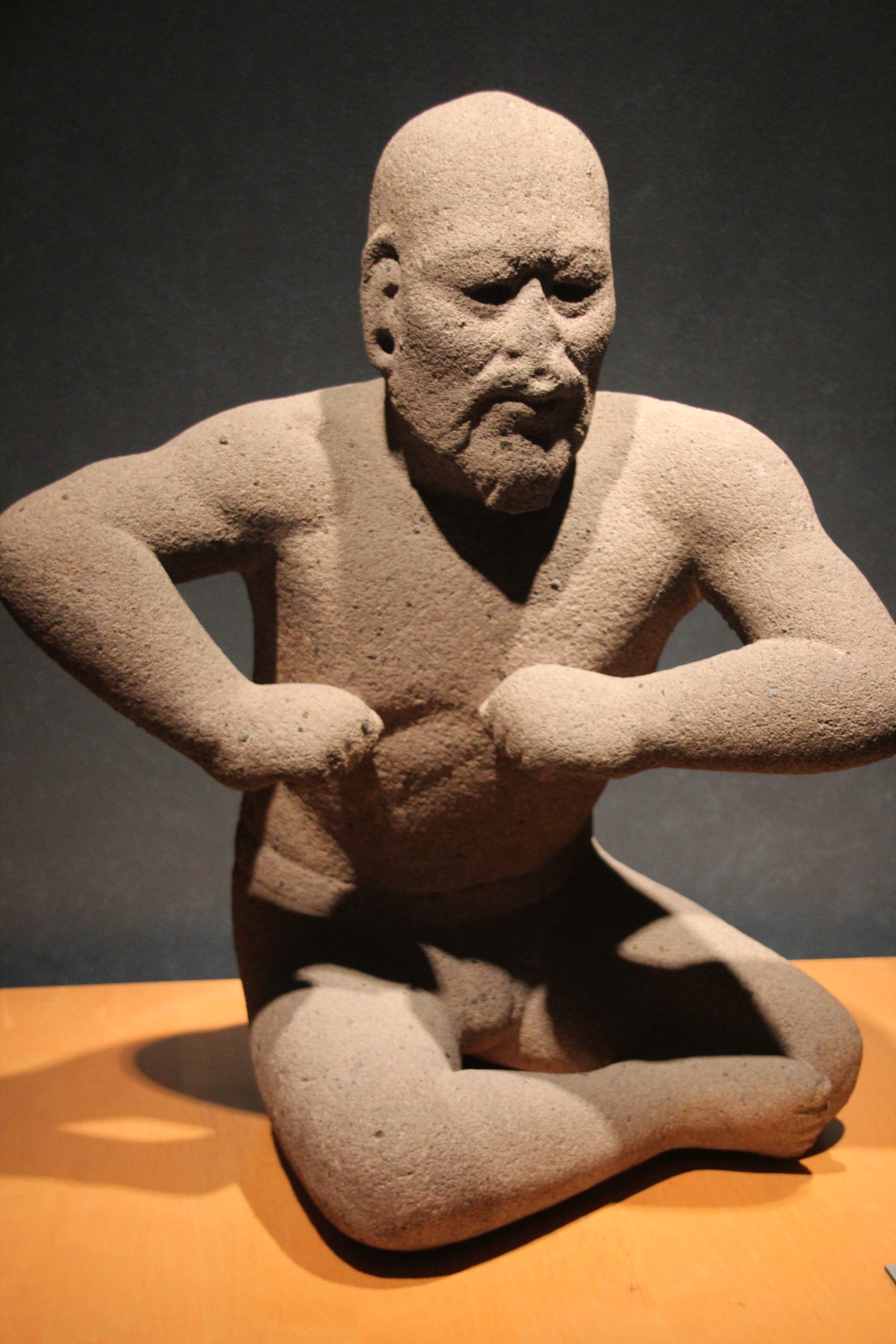
Museo Nacional de Antropoligia, Mexico City
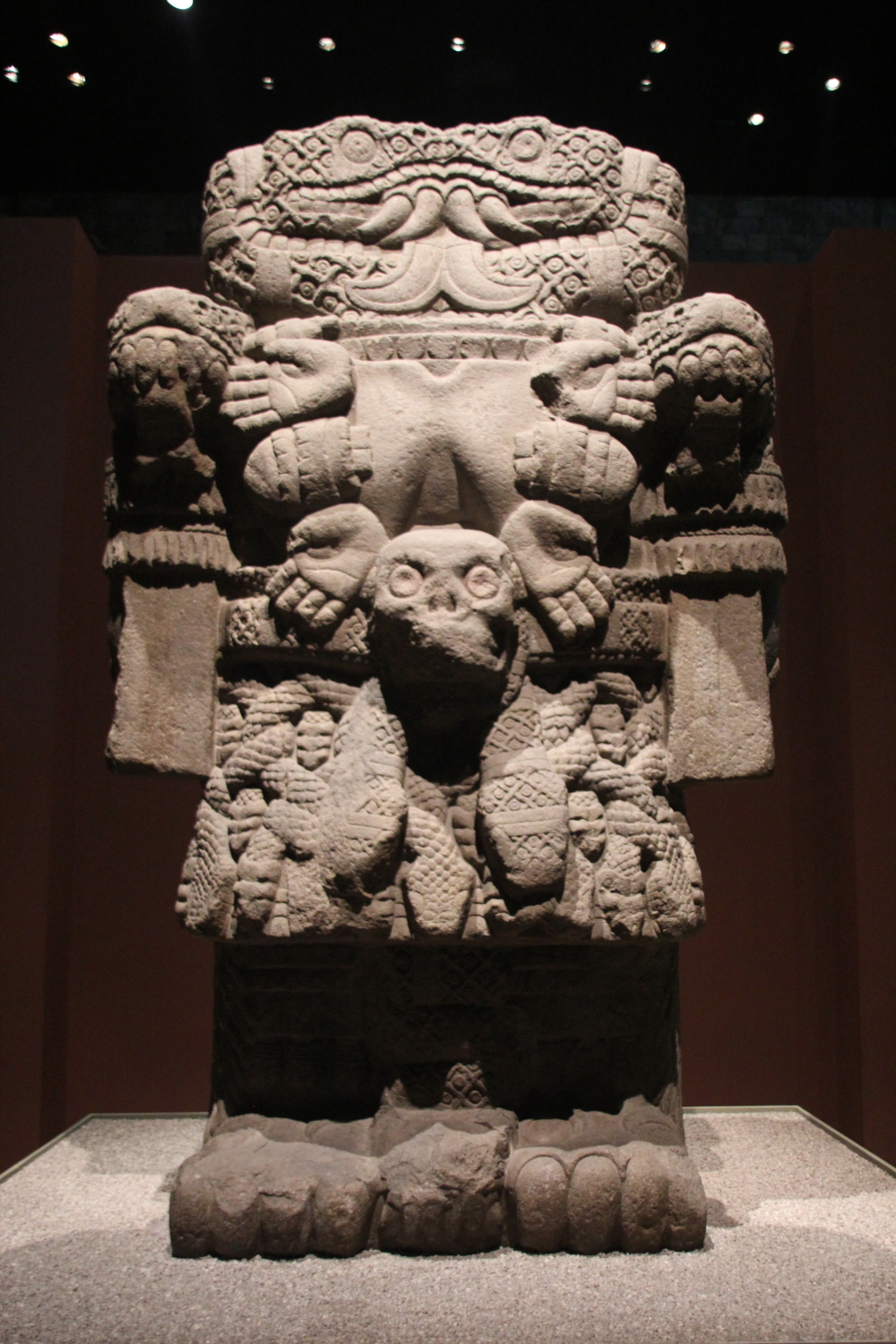
Museo Nacional de Antropoligia, Mexico City
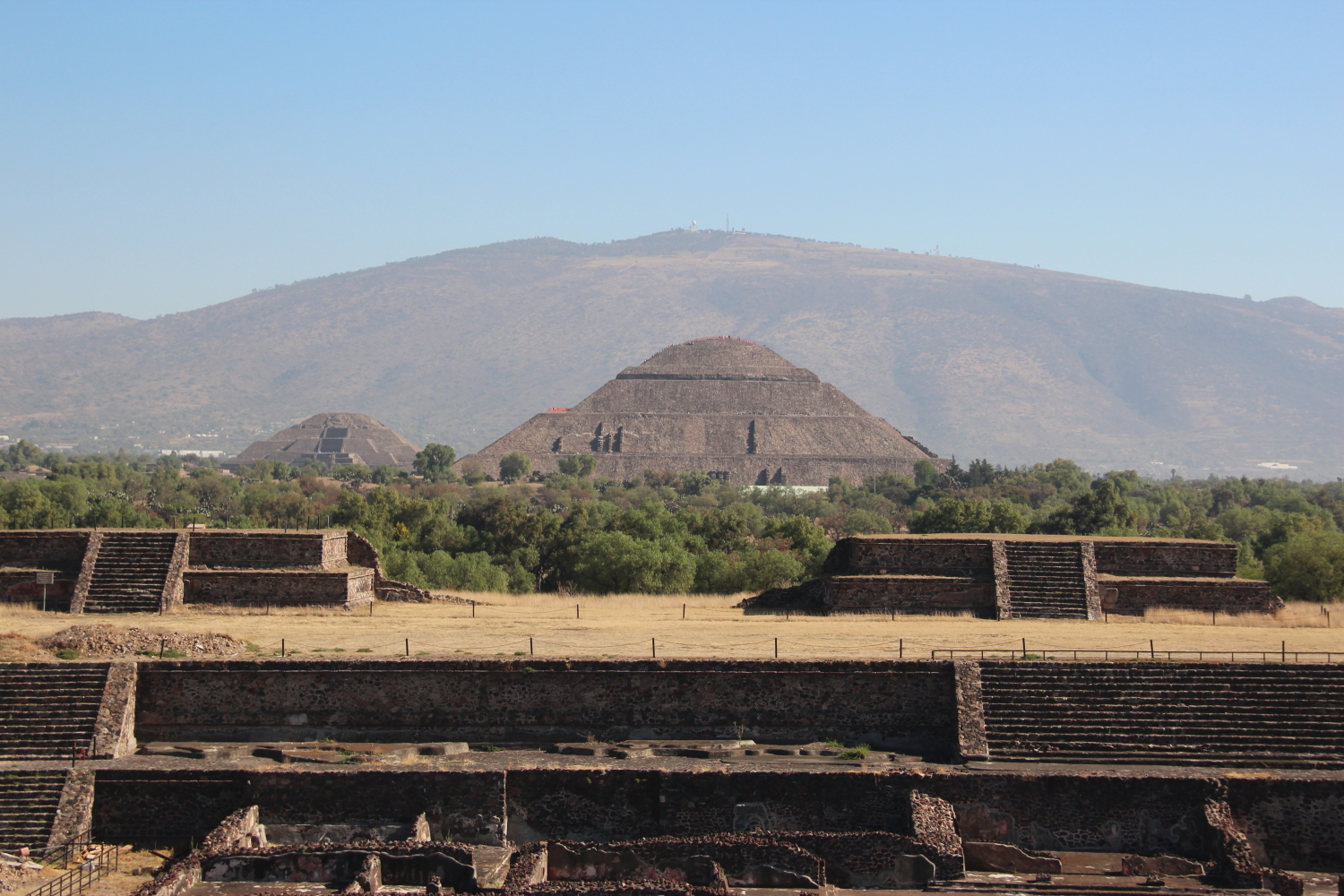
Teotihuacan
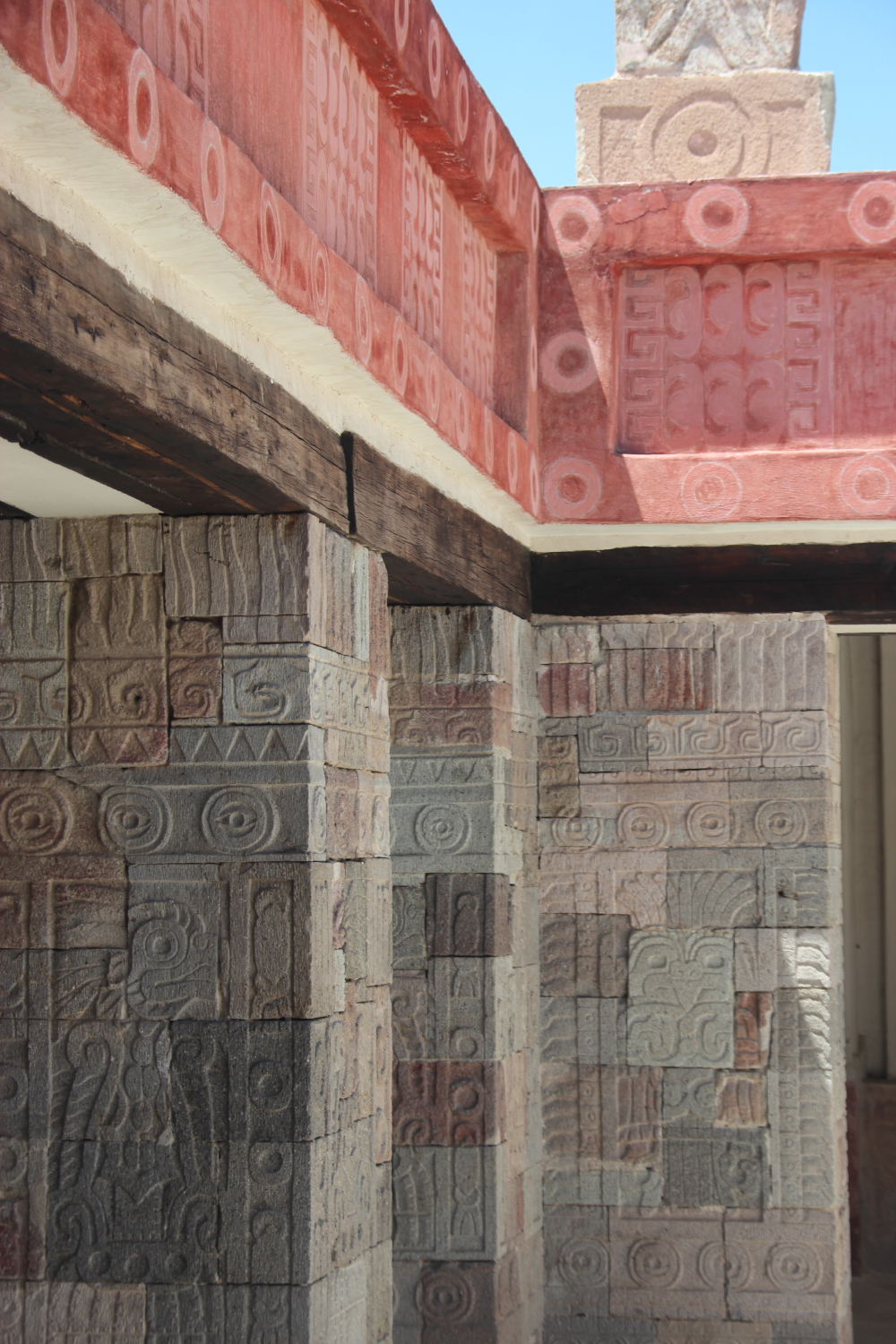
Teotihuacan
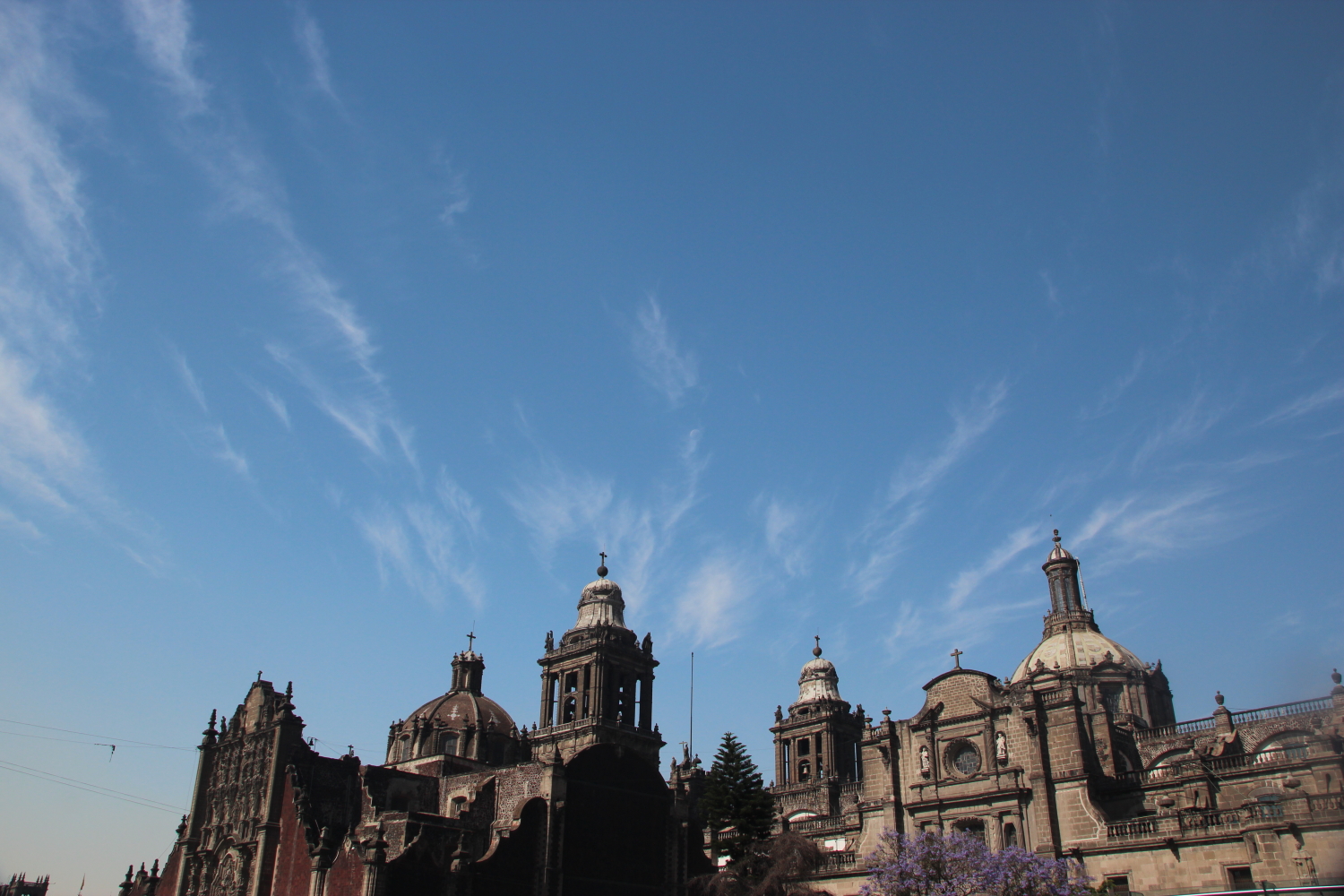
Mexico City

Museo Templo Mayor, Mexico City
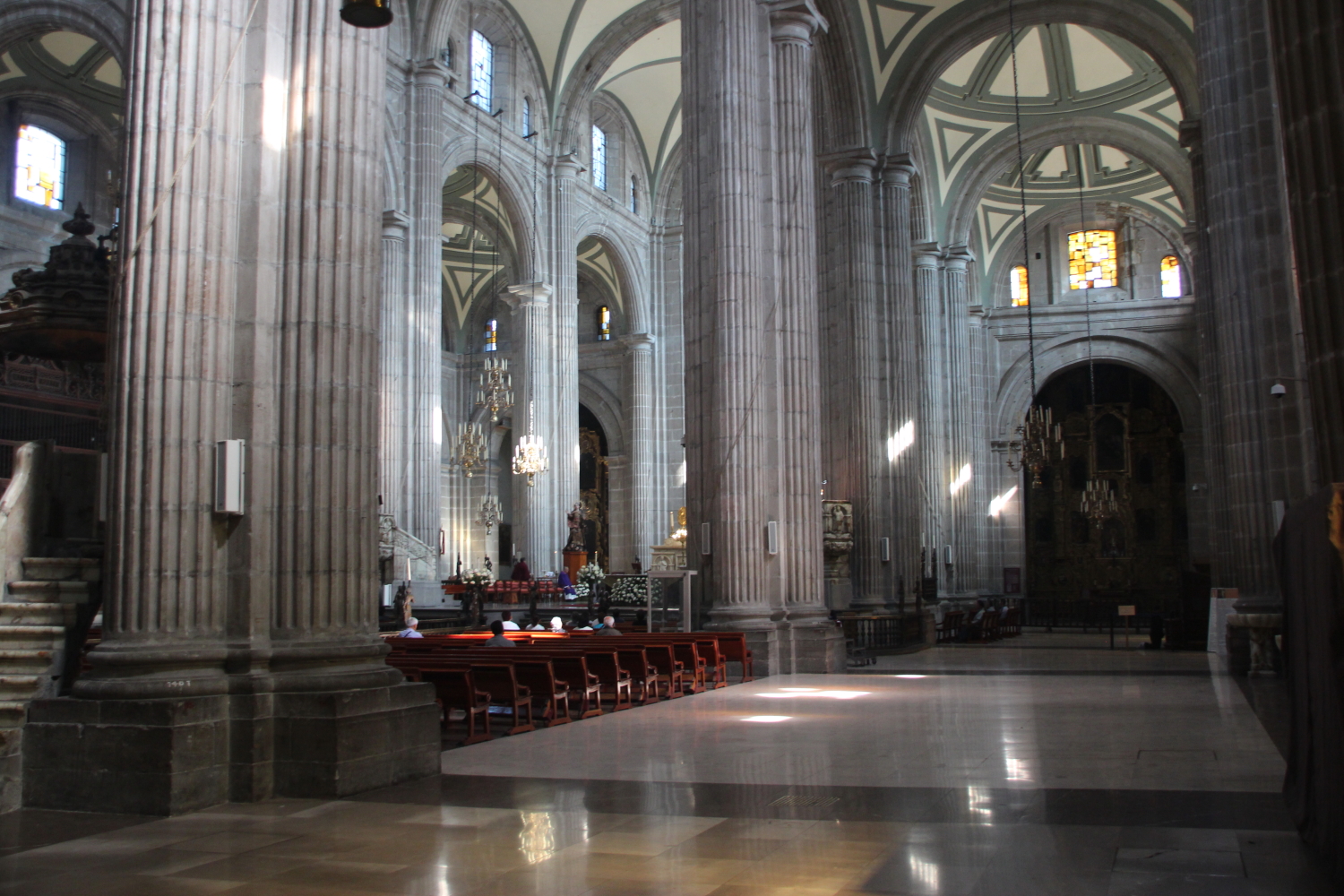
Mexico City
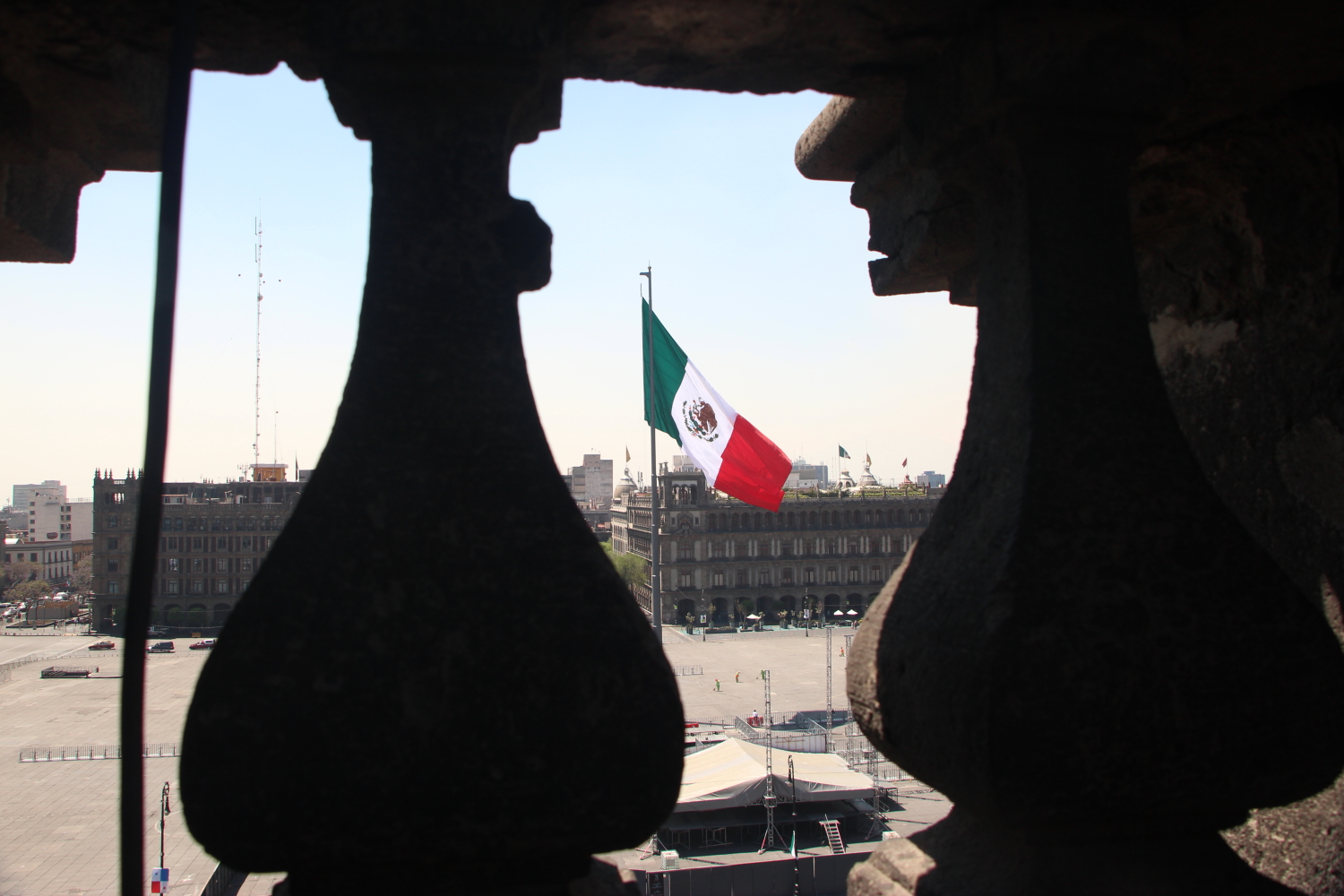
Mexico City
Comments are welcome!
Q: Do you have more photographs to share from your trip to Mexico?

Museo de Antropología de Xalapa

Museo de Antropología de Xalapa
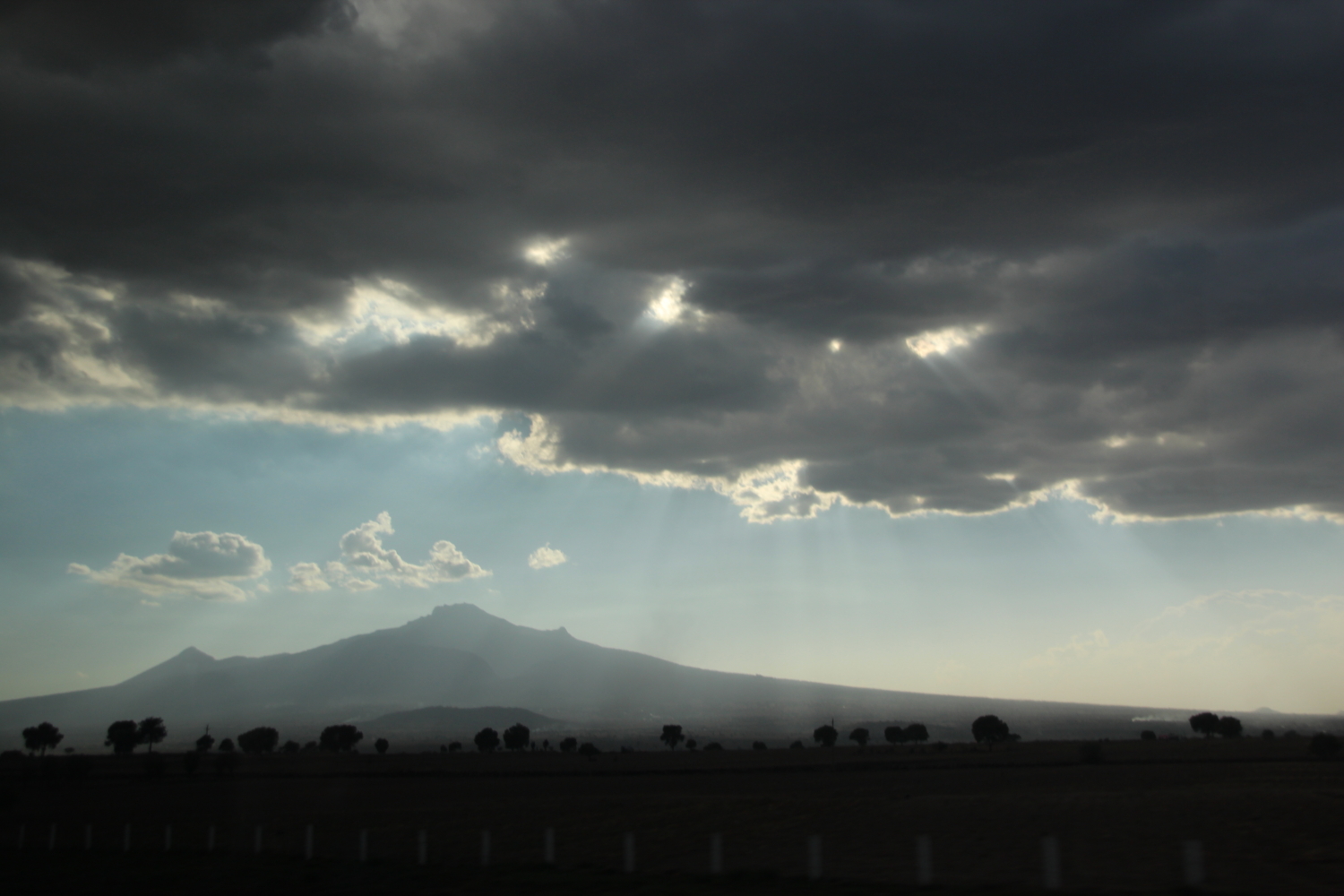
En route between Xalapa and Chalcatzingo
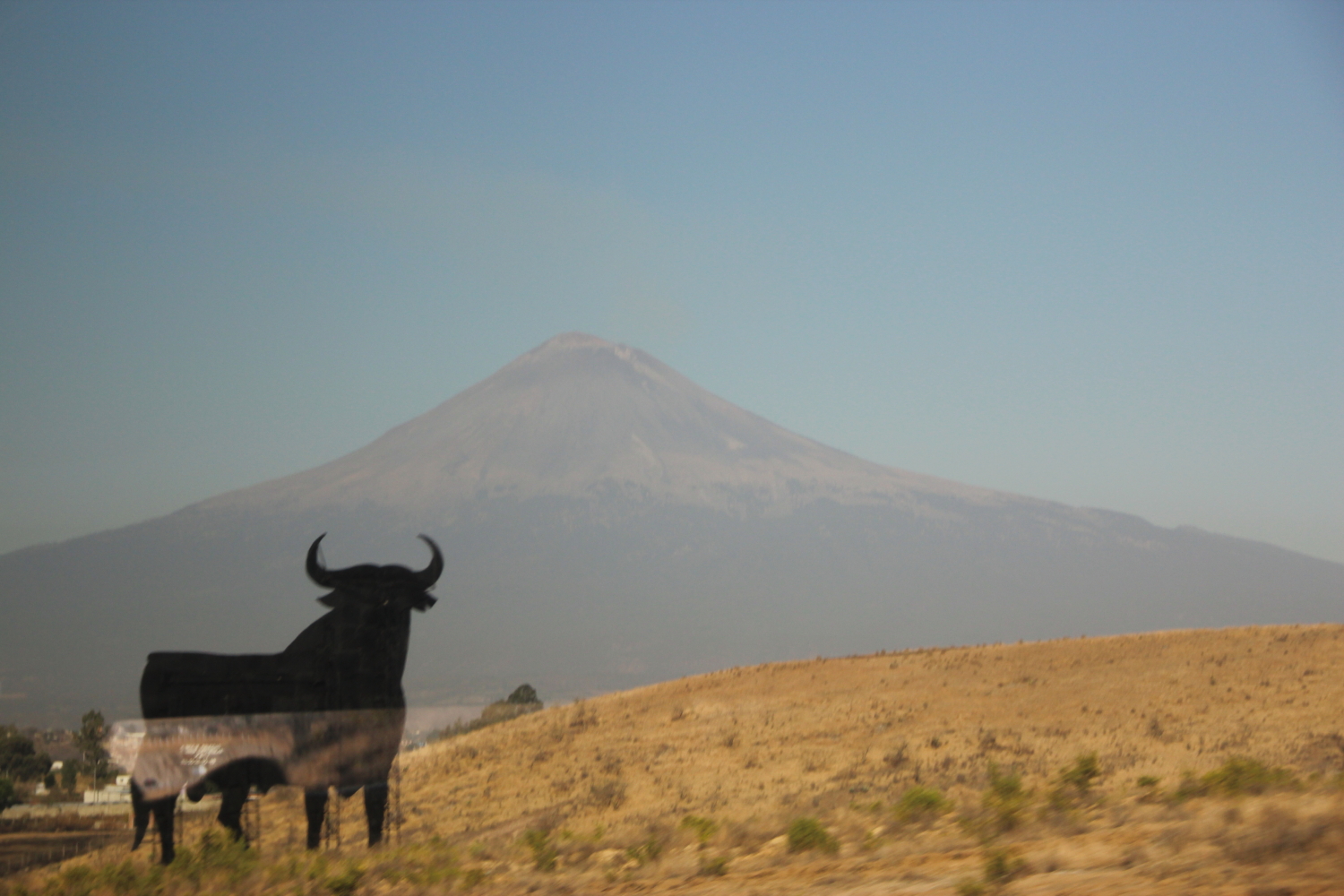
En route between Xalapa and Chalcatzingo

Chalcatzingo
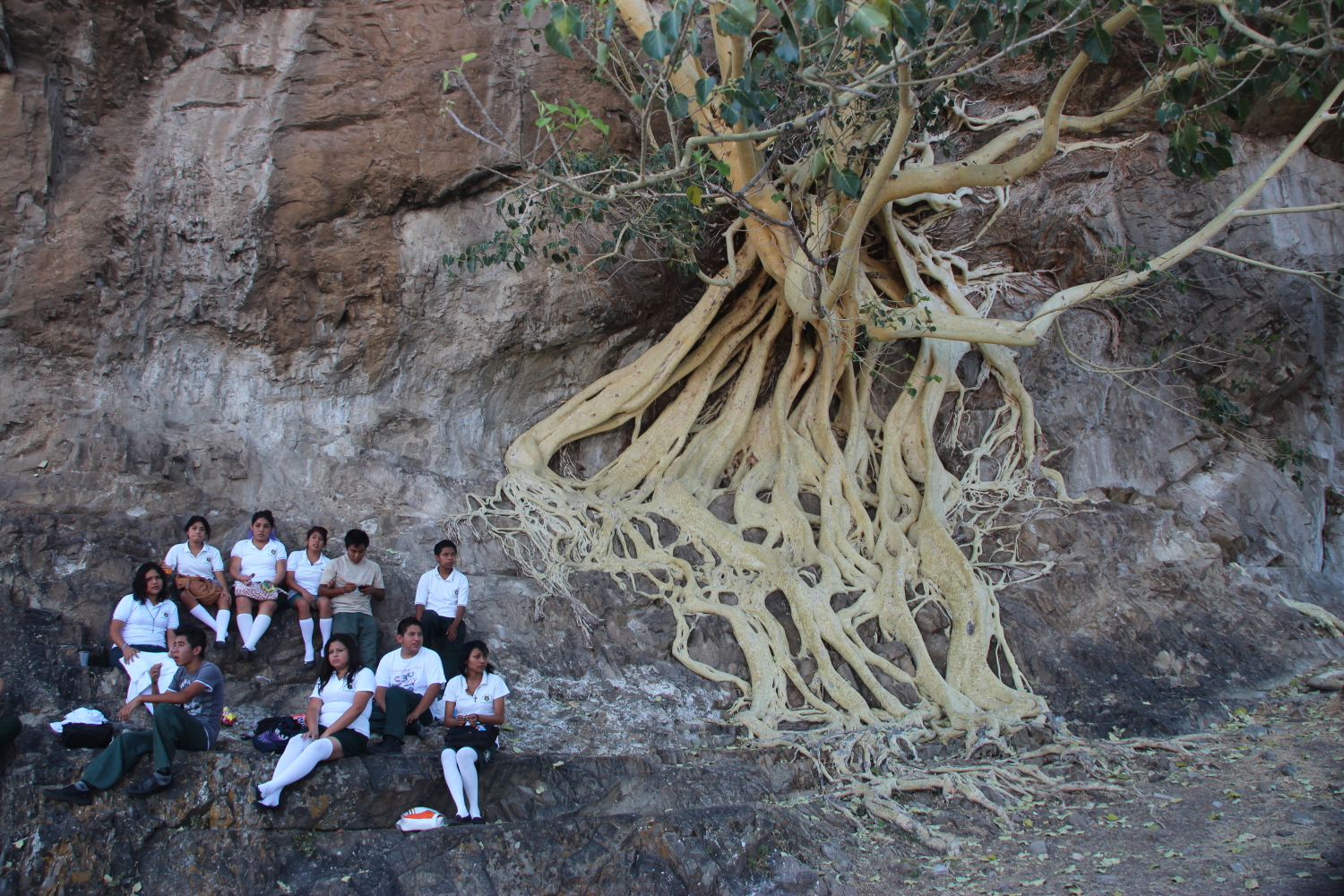
Chalcatzingo
Comments are welcome!
Q: Can we see more photographs from your Mexico trip?
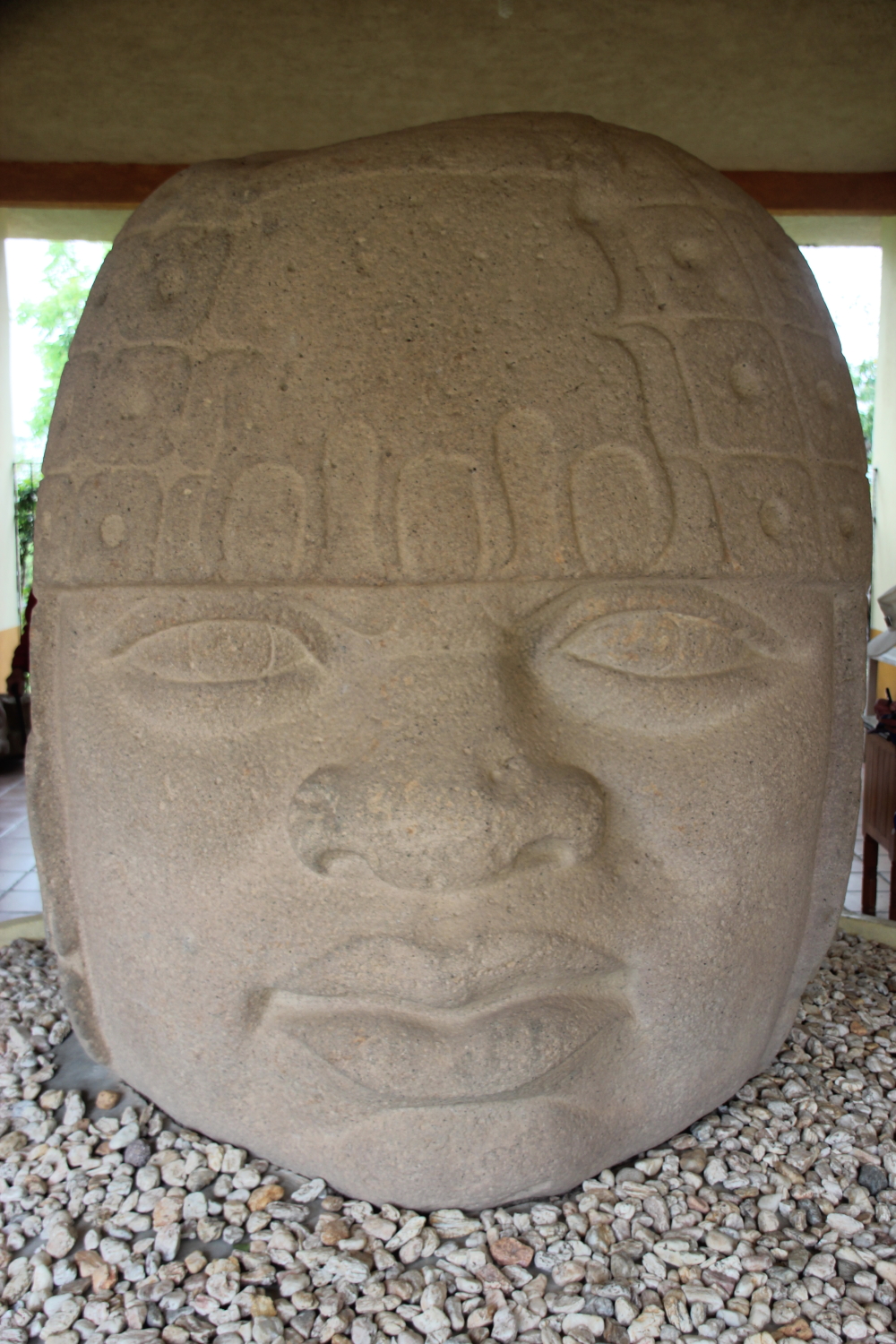
San Lorenzo Tenochtitlan

Lake Catemaco

La Finca Hotel, Lake Catemaco
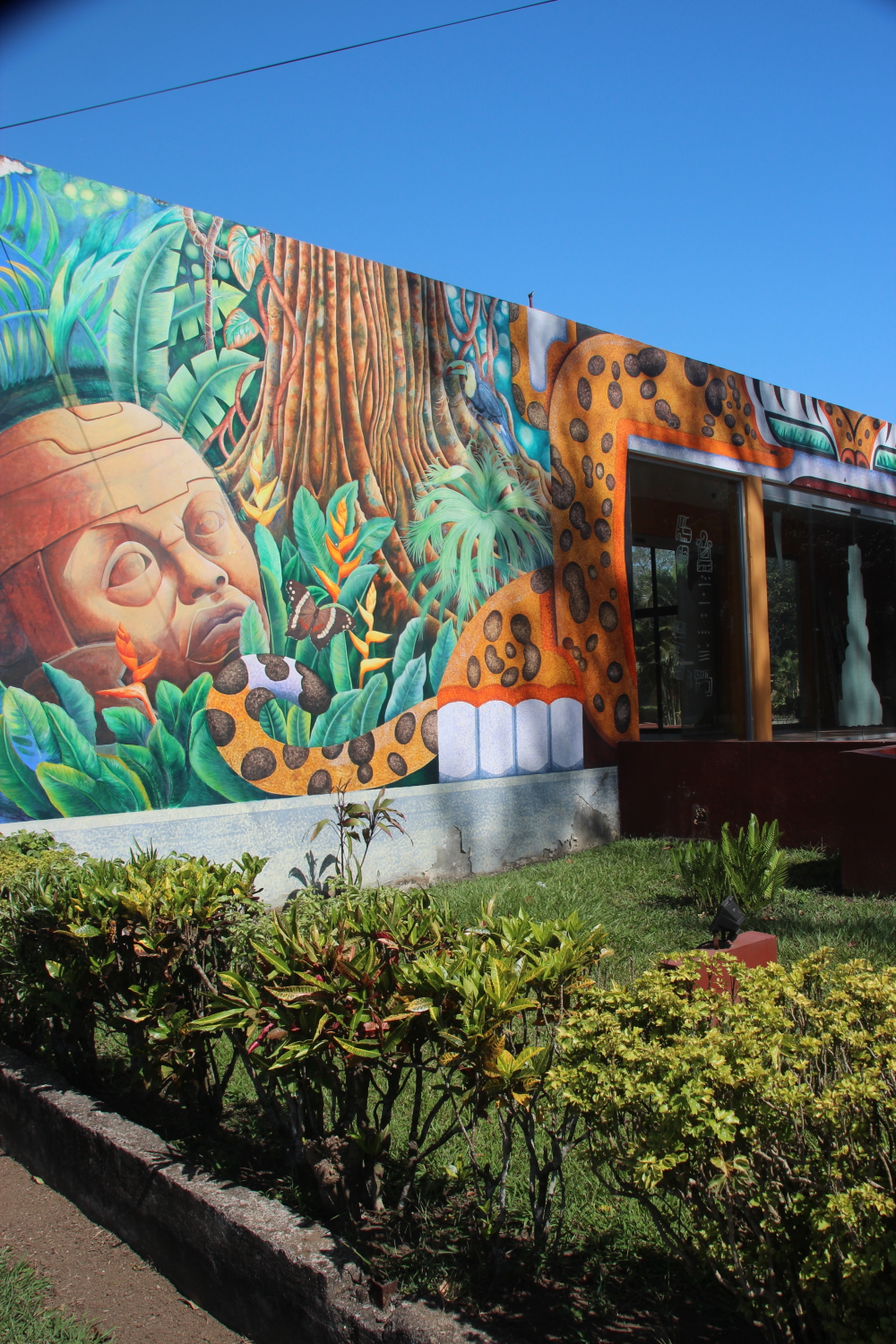
El Museo Tres Zapotes

At Tres Zapotes
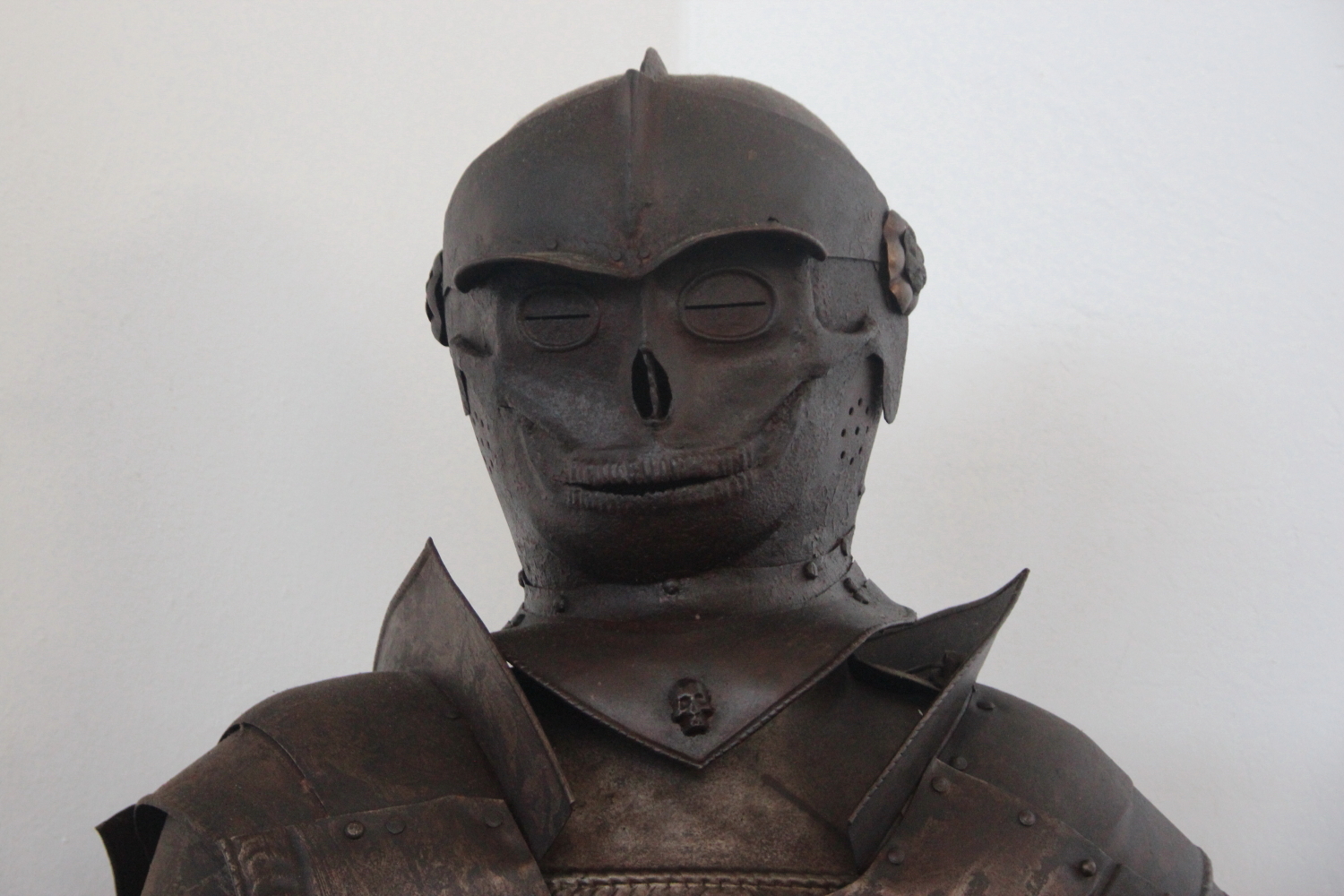
Suit of armor, Santiago Tuxtla
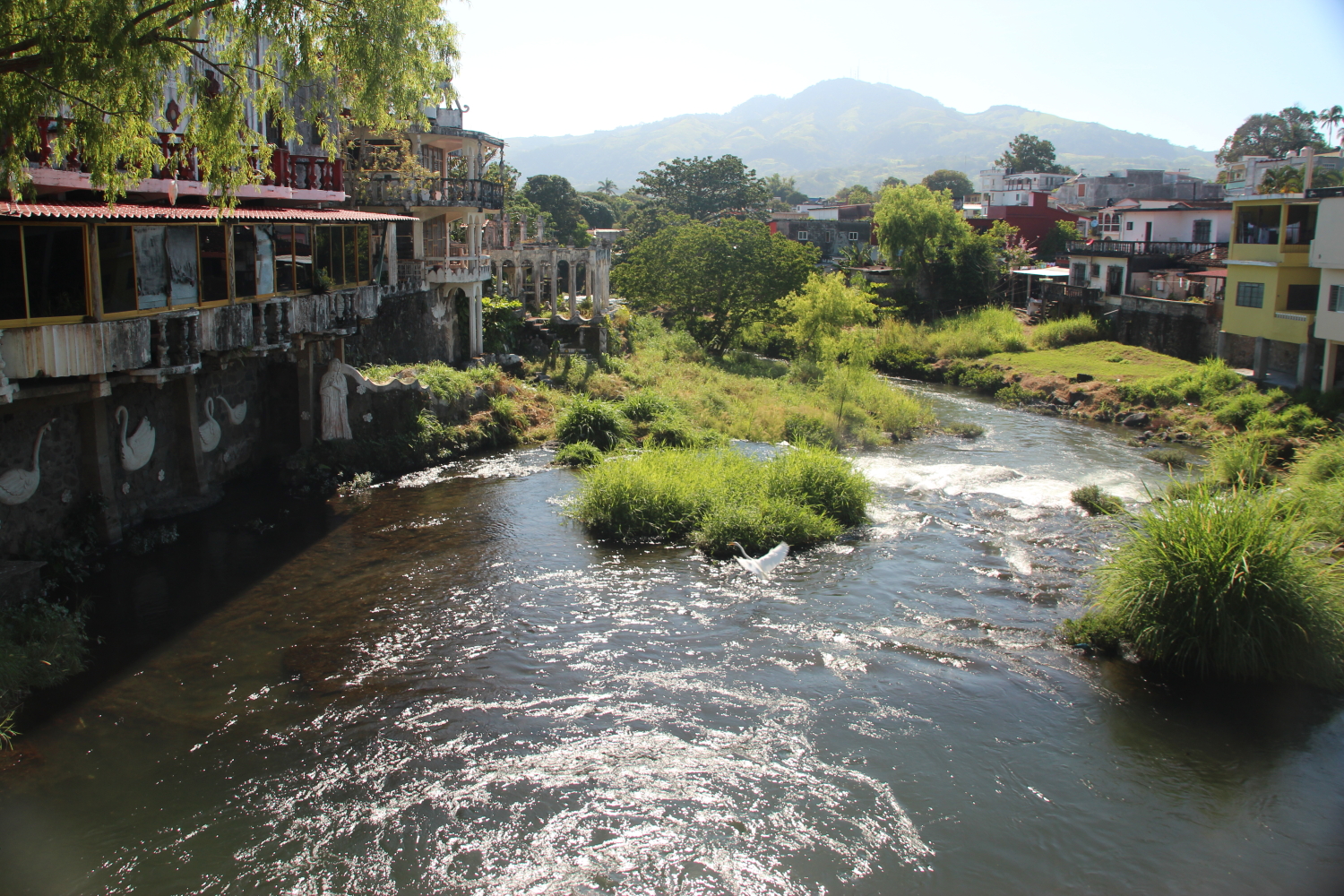
Santiago Tuxtla

Popocatepetl
Comments are welcome!
Q: Reconnecting with an important source of inspiration, you recently traveled to the Gulf Coast of Mexico to study Olmec art and culture. Would you share some of your photographs?
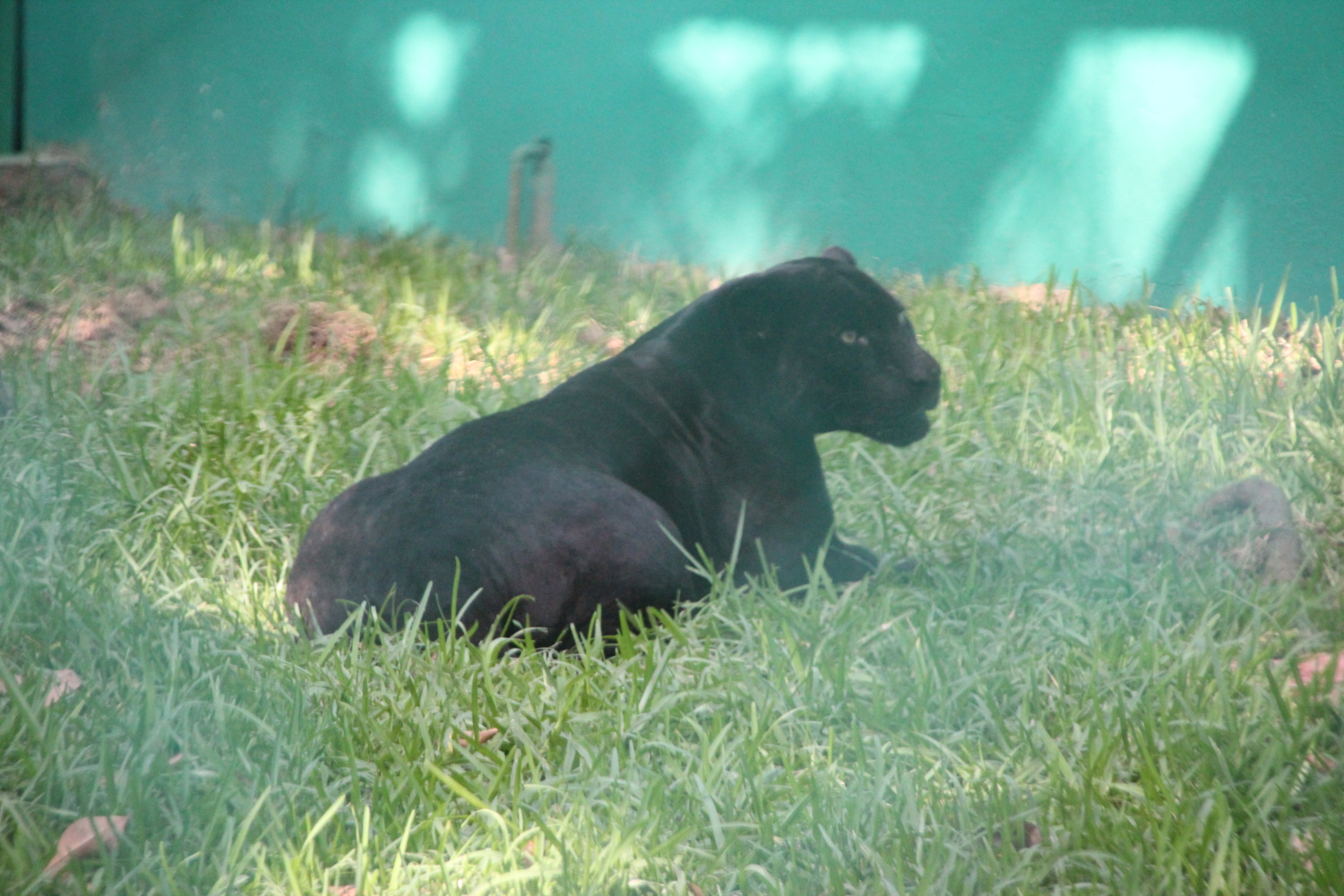
Parque Museo La Venta, Villahermosa
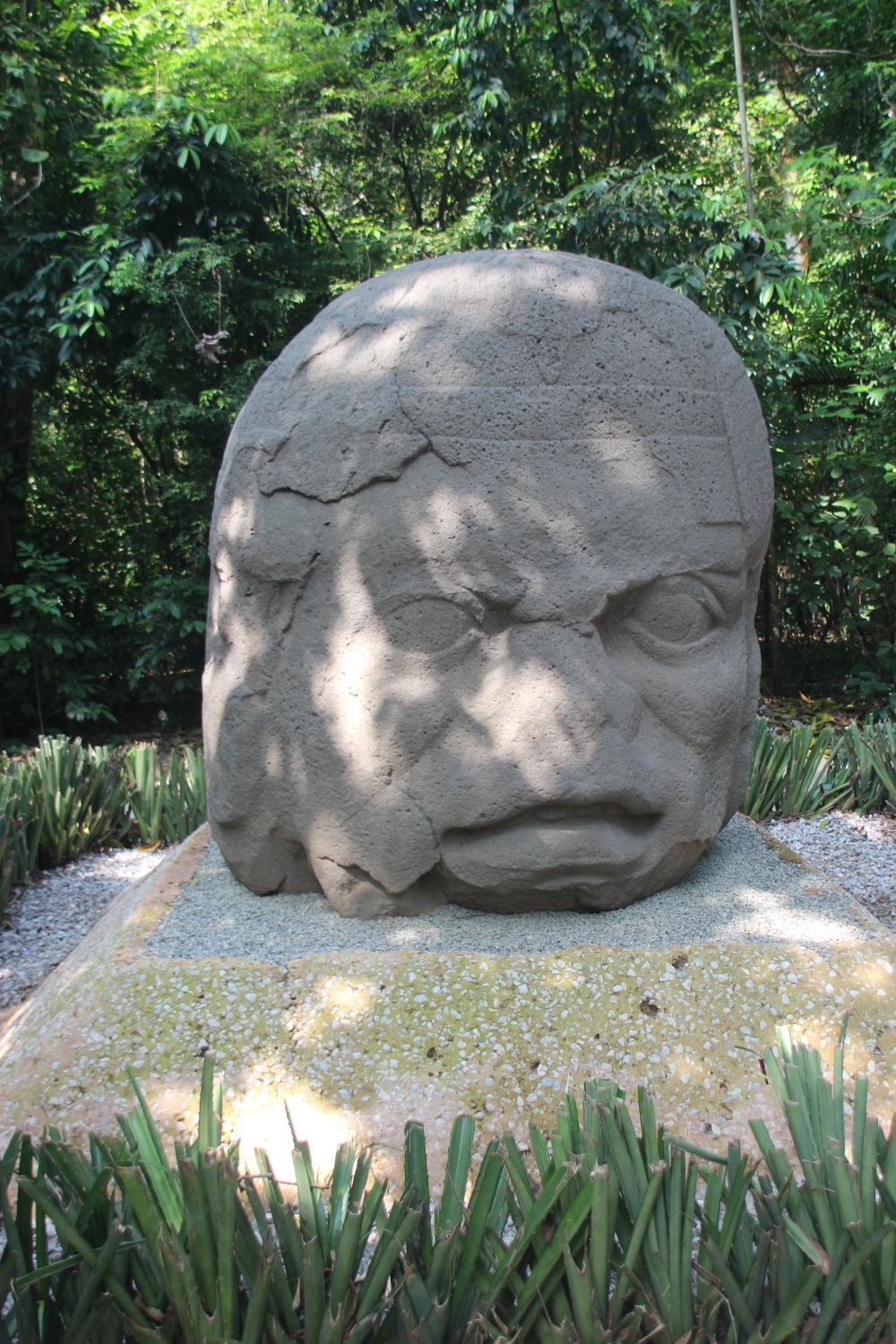
Parque Museo La Venta, Villahermosa
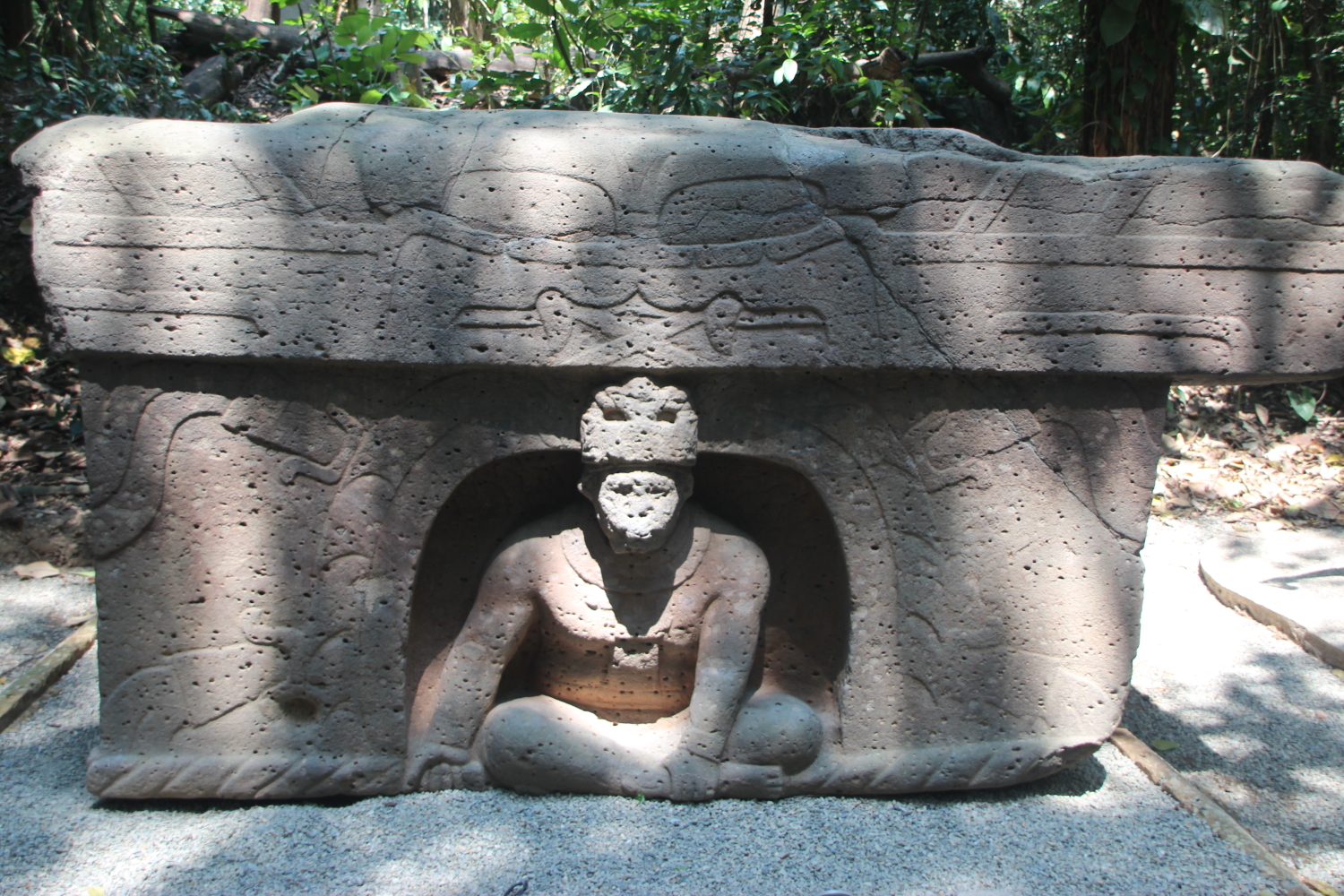
Parque Museo La Venta, Villahermosa
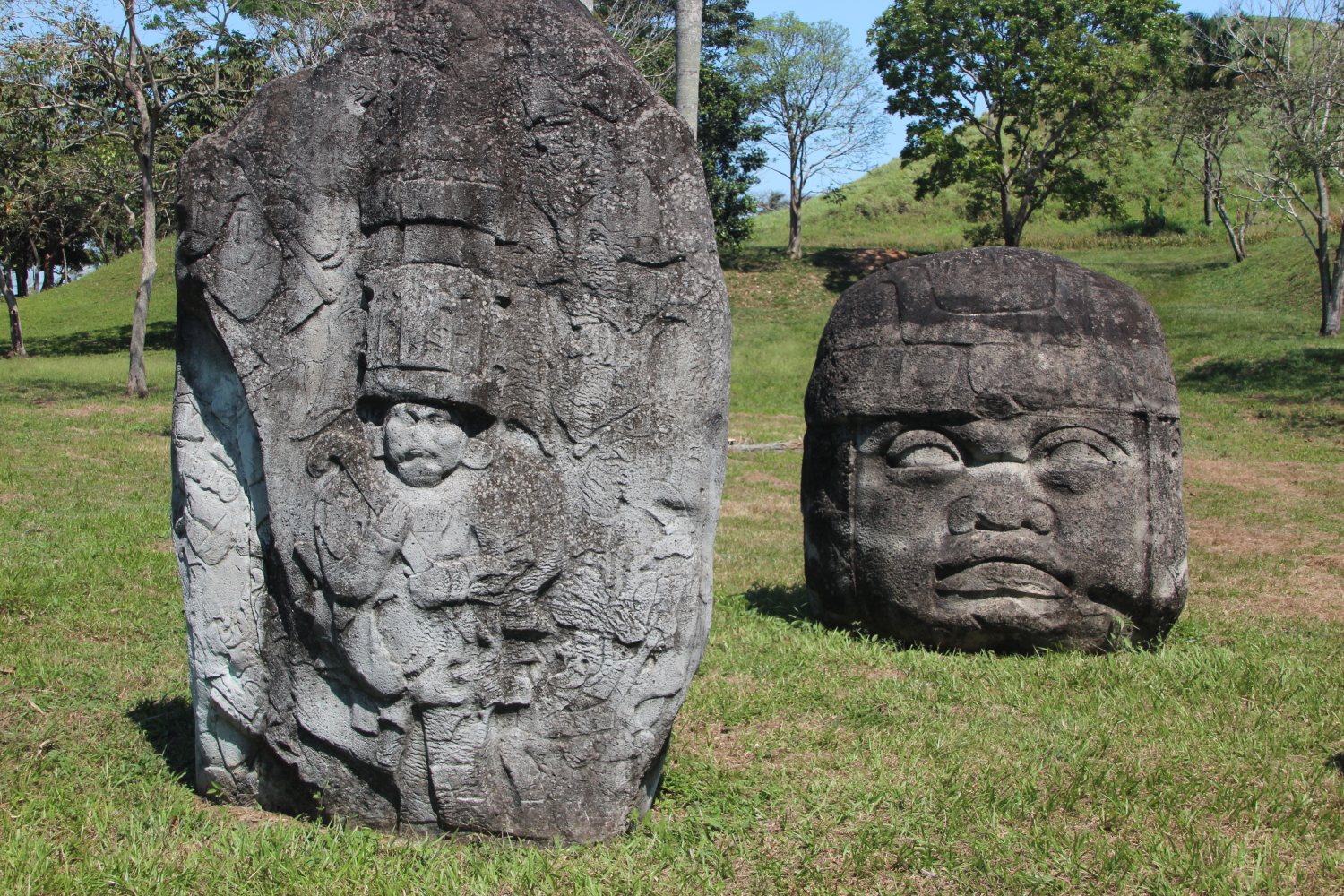
La Venta
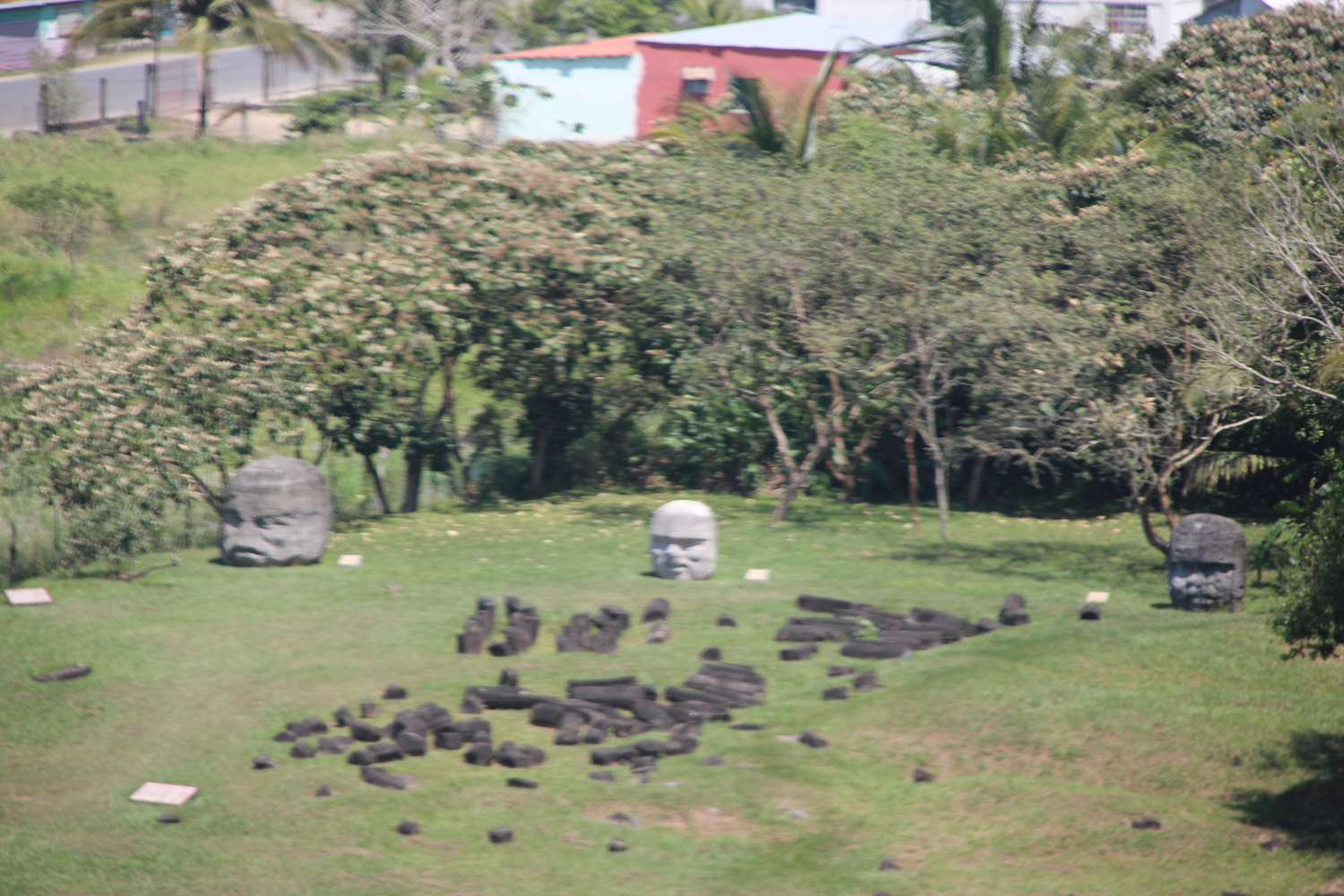
La Venta
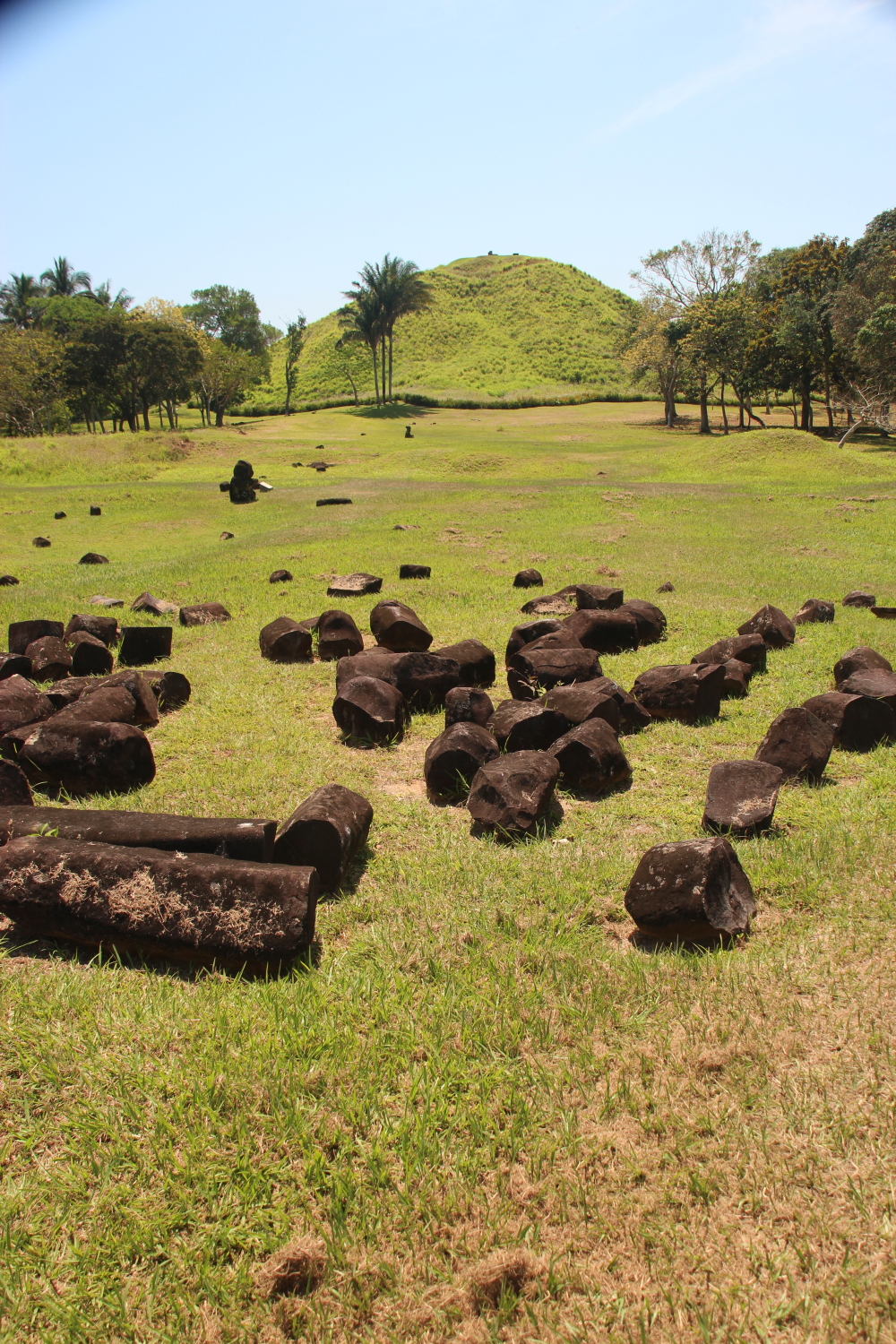
La Venta
Comments are welcome!


 barbararachkoscoloreddust.com