Blog Archives
Q: How do you decide how much to charge for your paintings?
Posted by barbararachkoscoloreddust
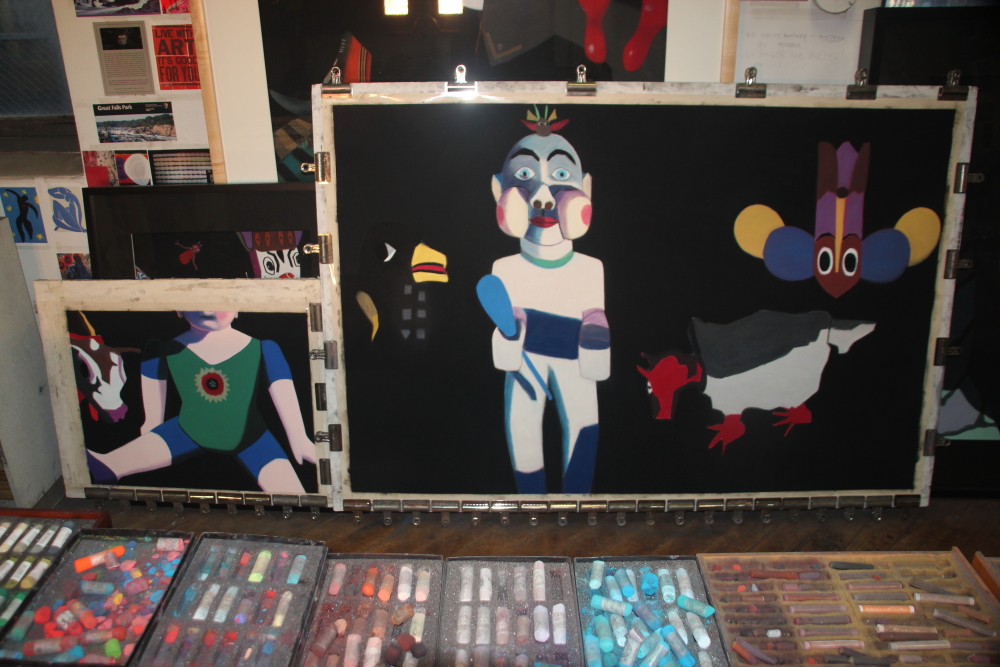
A: What to charge for my work is a complex question. The prices of my pastel paintings take into account many tangible and intangible factors. Here are a few:
Sales history.
My thirty-year-long exhibition history.
The costs of maintaining a studio in New York. My overhead goes up annually, but I do not raise prices every year to offset these expenses.
The countless hours of labor, cost of art materials, framing, photography, transportation, foreign travel, etc. that go into creating a painting.
Costs for marketing, social media, advertising, website design and upkeep, ongoing education, etc.
Somewhat less quantifiable factors such as my reputation as an artist, the real demand for my work, goodwill, the fact that I work full-time as a professional artist, etc.
Comments are welcome!
Share this:
- Click to share on Facebook (Opens in new window) Facebook
- Click to share on X (Opens in new window) X
- Click to share on Tumblr (Opens in new window) Tumblr
- Click to share on Pinterest (Opens in new window) Pinterest
- Click to share on LinkedIn (Opens in new window) LinkedIn
- Click to share on Reddit (Opens in new window) Reddit
- Click to email a link to a friend (Opens in new window) Email
- Click to print (Opens in new window) Print
Posted in 2015, An Artist's Life, Art Works in Progress, Black Paintings, Creative Process, Pastel Painting, Photography, Studio, Working methods
Tags: account, annually, art, artist, charge, complex, cost, countless, creating, decide, demand, design, education, exhibition, expenses, factors, foreign, framing, full-time, goodwill, history, hours, intangible, labor, maintaining, marketing, materials, New York, offset, ongoing, overhead, paintings, pastel, photography, prices, professional, quantifiable, question, raise, real, reputation, sales, social media, Studio, tangible, transportation, travel, upkeep, website, year
Q: How did you prepare yourself to change careers and work as a professional artist?
Posted by barbararachkoscoloreddust
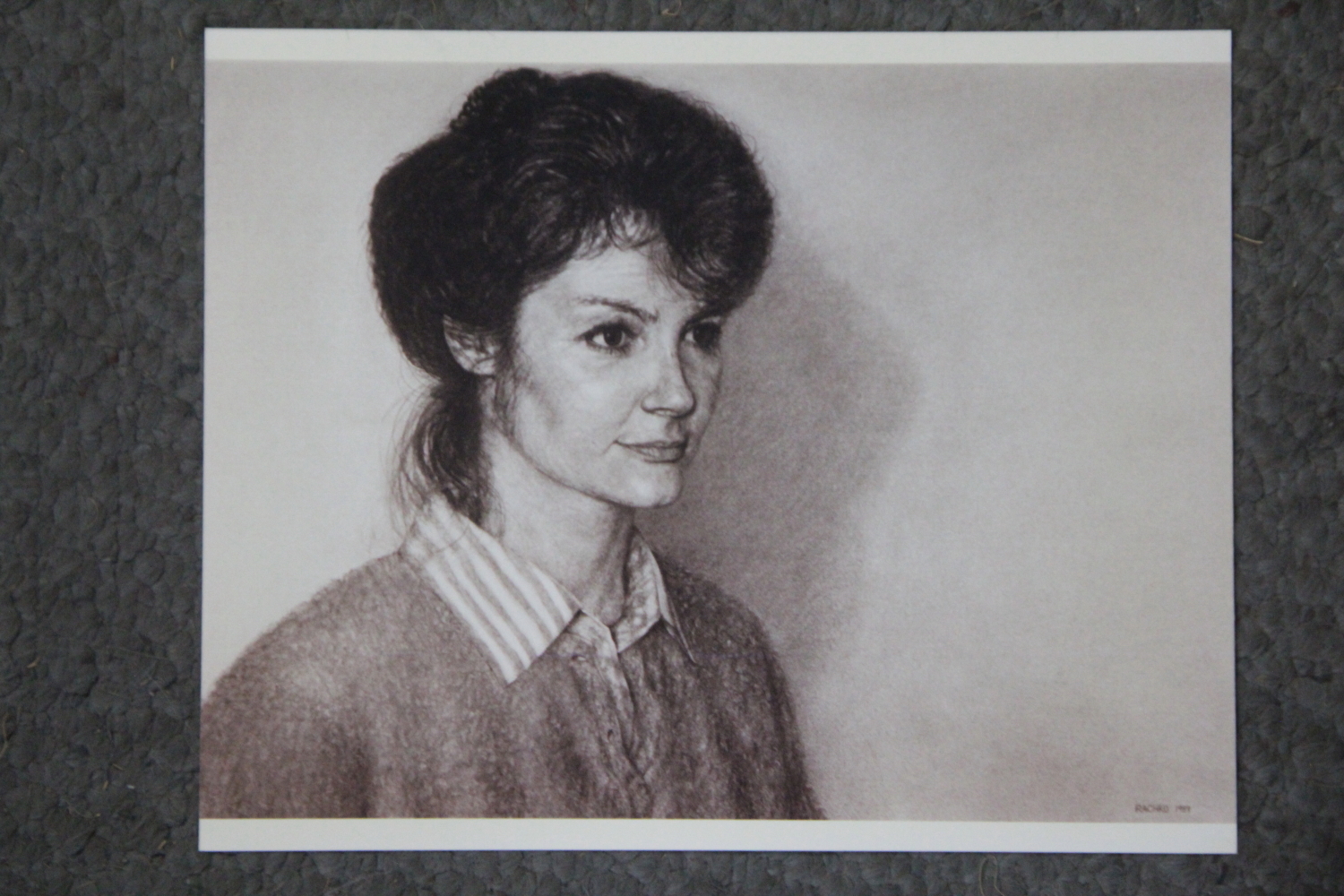
A: At the age of 33 I was a Lieutenant in the Navy, working as computer analyst at the Pentagon. I was very unhappy with my job. I began looking for something else to do and discovered The Art League School in Alexandria, VA. I enrolled in classes with Lisa Semerad, then spent the next two years developing my drawing skills using black and white media (charcoal, pencils, conte crayon, etc.).
After that I moved on to color media and began studying soft pastel with Diane Tesler. During this time I was still in the Navy, working the midnight shift at the Pentagon and taking art classes during the day. I was a very motivated student.
After three years or so I was getting quite proficient as an artist, entering local juried shows, winning prizes, garnering press coverage, etc. Prior to my career change, I worked hard to develop my portrait skills. I really didn’t know how I could make a living other than by making commissioned portraits. I volunteered to run a weekly life drawing class at The Art League School in Alexandria, VA, where I made hundreds of figure drawings using charcoal.
I spent a semester commuting between Washington, DC and New York to study artistic anatomy at the New York Academy of Art. I spent another semester studying gross anatomy with medical students at Georgetown University Medical School. Over time I became skilled at making photo-realistic portraits. In 1989 I resigned from the Navy and have worked full-time as a visual artist ever since.
Comments are welcome!
Share this:
- Click to share on Facebook (Opens in new window) Facebook
- Click to share on X (Opens in new window) X
- Click to share on Tumblr (Opens in new window) Tumblr
- Click to share on Pinterest (Opens in new window) Pinterest
- Click to share on LinkedIn (Opens in new window) LinkedIn
- Click to share on Reddit (Opens in new window) Reddit
- Click to email a link to a friend (Opens in new window) Email
- Click to print (Opens in new window) Print
Posted in 2014, An Artist's Life, Creative Process, Inspiration, Pastel Painting, Photography, Working methods
Comments Off on Q: How did you prepare yourself to change careers and work as a professional artist?
Tags: Alexandria_VA, artistic anatomy, black and white, career, change, charcoal, classes, color, commissioned, commuting, computer analyst, conte crayons, developing, Diane Tesler, drawing, enrolled, entering, figure drawings, full-time, garnering, Georgetown University Medical School, gross anatomy, juried shows, Krystyn, lieutenant, life drawing, LIsa Semerad, living, local, looking, media, midnight shift, motivated, Navy, New York, New York Academy of Art, pencils, Pentagon, photo-realistic, portrait, portraits, prepare, press coverage, prizes, professional, proficient, resigned, semester, skilled, skills, soft pastel, student, students, studying, The Art League School, unhappy, visual artist, volunteered, Washington_DC, winning, work
Q: To be a professional visual artist is to have two full-time jobs because an artist must continually balance the creative and the business sides of things. How do you manage to be so productive?
Posted by barbararachkoscoloreddust
A: With social media and other new ways of doing business, managing it all is getting more difficult every day. Bear in mind that I say this as someone who does not have the extra time commitment of a day job, nor do I have children or other family members to care for. I have no idea how other visual artists, who may have these responsibilities and more, keep up with all the tasks that need to be done. In The Artist’s Guide: How to Make A Living Doing What You Love, Jackie Battenfield lists a few of them (believe me, there are others):
…being an artist isn’t just about making art. You have many other responsibilities – managing a studio, looking for opportunities, identifying an audience for your work, caring for and protecting what you have created, and securing money, time, and space – in addition to whatever is happening in your personal life.
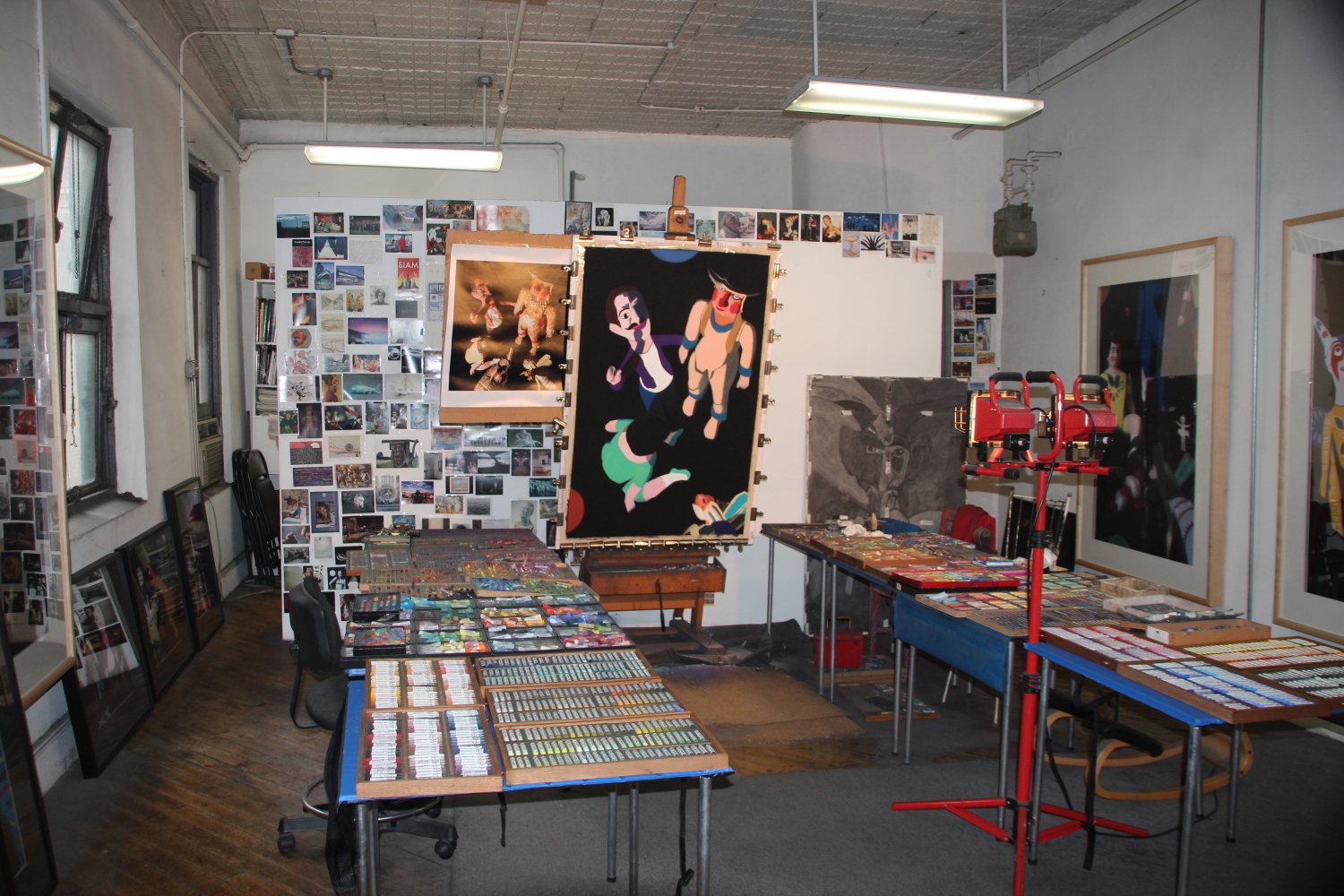
To begin with I try to maintain regular studio hours. I generally work on Mondays, Tuesdays, Thursdays, Fridays, and Saturdays, and once I’m at the studio I stay there for a minimum of 7 hours. To paint I need daylight so in the spring and summer my work day tends to be longer. My pastel-on-sandpaper paintings are extremely labor-intensive. I need to put in sufficient hours in order to accomplish anything. When I was younger I used to work in my studio 6 days a week, 9 hours or more a day. I have more commitments now, and can no longer work 60+ hours a week, but I still try to stick to a schedule. And once I’m at the studio I concentrate on doing the creative work, period.
I am productive when I keep the business and creative sides physically separate., ie., no computers, iPads, etc. are allowed into the studio. Recently I tried an experiment. I brought my iPad to the studio, thinking, “Surely I am disciplined enough to use it only during my lunch break.” But no, I wasted so much time checking email, responding to messages on Facebook, etc., when I should have been focusing on solving problems with the painting that was on my easel. I learned a good lesson that day and won’t bring my iPad to the studio again.
As has long been my practice, I concentrate on business tasks when I get home in the evening and on my, so called, days off. After a day spent working in the studio, I generally spend a minimum of two to three hours more to answer email, apply for exhibitions, work on my blog, email images to people who need them, etc. At present I have part-time help with social media – the talented Barbra Drizin, of Start from Scratch Social Media – although my time commitment there is growing, too, as more details need my attention.
No one ever said it would be easy being a professional artist, but then again, I would not choose to spend my days any other way. As I often say, “Being an artist is a calling. Contrary to popular belief, it is NOT a life for wimps… or slackers.”
Comments are welcome!
Share this:
- Click to share on Facebook (Opens in new window) Facebook
- Click to share on X (Opens in new window) X
- Click to share on Tumblr (Opens in new window) Tumblr
- Click to share on Pinterest (Opens in new window) Pinterest
- Click to share on LinkedIn (Opens in new window) LinkedIn
- Click to share on Reddit (Opens in new window) Reddit
- Click to email a link to a friend (Opens in new window) Email
- Click to print (Opens in new window) Print
Posted in 2013, An Artist's Life, Art in general, Art Works in Progress, Black Paintings, Creative Process, New York, NY, Pastel Painting, Photography, Quotes, Studio
Comments Off on Q: To be a professional visual artist is to have two full-time jobs because an artist must continually balance the creative and the business sides of things. How do you manage to be so productive?
Tags: "Start from Scratch Social Media", "The Artist's Guide: How to Make a Living Doing What You Love", accomplish, answer, anything, apply, attention, audience, balance, Barbra Drizin, believe, bring, business, care, children, commitment, computer, concentrate, contrary, create, creative, custom, day, day job, daylight, days, detail, difficult, disciplined, easel, easy, email, evening, exhibition, experiment, extra, family, focus, Friday, full-time, good, grow, happening, help, home, idea, identify, in addition, iPad, Jackie Battenfield, job, jpeg, keep up, labor intensive, learn, lesson, life, looking, lunch break, manage, members, message, Monday, money, more, need, opportunities, painting, part-time, pastel-on-sandpaper, period, personal life, physically, popular belief, problem, productive, professional, protect, regular, respond, responsibility, said, Saturday, schedule, secure, separate, side, sight, slacker, social media, someone, space, spend, spring, Studio, studio hours, sufficient, summer, task, think, Thursday, time, Tuesday, visual artist, waste, way, wimp, work, work day, younger
Q; When did you start pursuing art as a serious profession?
Posted by barbararachkoscoloreddust
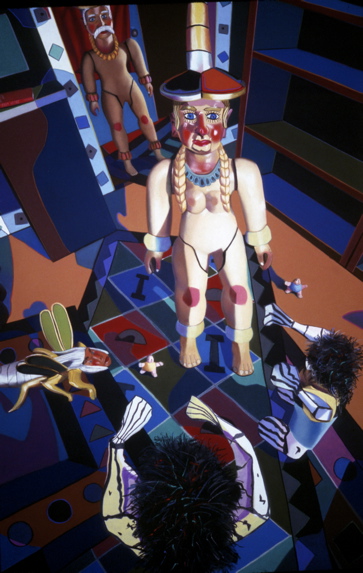
A: In the mid-1980s I was in my early 30s, a lieutenant on active duty in the Navy, working a soul-crushing job as a computer analyst on the midnight shift in a Pentagon basement. It was literally and figuratively the lowest point of my life. Remembering the joyful Saturdays of my youth when I had studied with a local New Jersey painter, I enrolled in a drawing class at the Art League School in Alexandria, Virginia. Initially I wasn’t very good, but it was wonderful to be around other women and a world away from the “warrior mentality” of the Pentagon. I was having fun! Soon I enrolled in more classes and became a very motivated full-time art student who worked nights at the Pentagon. As I studied and improved my skills, I discovered my preferred medium – soft pastel on sandpaper. Although I knew I had found my calling, for more than a year I agonized over whether or not to leave the Navy. Once I did decide, there was another delay. The Navy was experiencing a manpower shortage so Congress had enacted a stop-loss order, which prevented officers from resigning. I could only do what was allowed under the order. I submitted my resignation effective exactly one year later: on September 30, 1989. With Bryan’s (my late husband) support, I left the Navy that day. So I think of myself as having been a professional artist beginning on October 1, 1989. I should mention that I remained in the Navy Reserve for the next 14 years, working mainly at the Pentagon two days every month and two weeks each year (commuting between New York and Washington, DC after I moved in 1997). Finally on November 1, 2003, I officially retired as a Navy Commander.
Comments are welcome!

Share this:
- Click to share on Facebook (Opens in new window) Facebook
- Click to share on X (Opens in new window) X
- Click to share on Tumblr (Opens in new window) Tumblr
- Click to share on Pinterest (Opens in new window) Pinterest
- Click to share on LinkedIn (Opens in new window) LinkedIn
- Click to share on Reddit (Opens in new window) Reddit
- Click to email a link to a friend (Opens in new window) Email
- Click to print (Opens in new window) Print
Posted in 2013, An Artist's Life, Domestic Threats, Painting in General, Pastel Painting
Comments Off on Q; When did you start pursuing art as a serious profession?
Tags: "Answering the Call", active duty, agonize, Alexandria Virginia, Art League School, art student, basement, Bryan Jack, calling, class, classes, computer analyst, Congress, daytime, decision, discover, drawing, enroll, experience, full-time, fun, goodbye, improve, late husband, law, letter, lieutenant, life, lowest point, manpower shortage, mid 1980s, midnight shift, Navy, Navy Commander., Navy Reserve, New Jersey, New York, nights, officers, officially, one year, painter, Pentagon, preferred medium, profession, professional artist, pursue, resign, resignation, retired, Saturdays, semester, serious, soft pastel on sandpaper, start, stop-loss order, study, warrior mentality, Washington DC, women, youth