Blog Archives
Pearls from artists* # 317
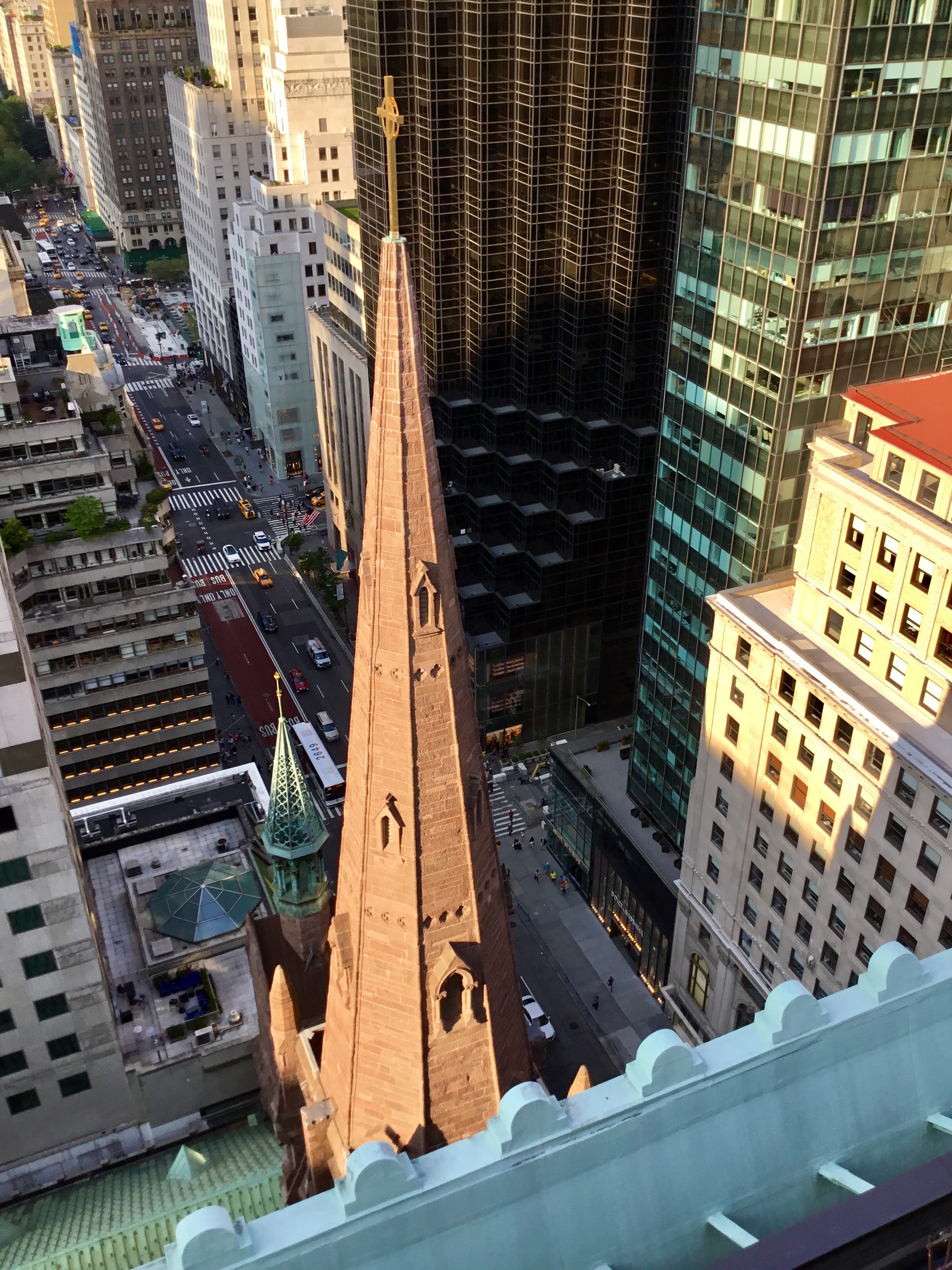
Fifth Avenue
*an ongoing series of quotations – mostly from artists, to artists – that offers wisdom, inspiration, and advice for the sometimes lonely road we are on.
But everything that may some day be possible to many the solitary man can now prepare and build with his hands, that err less. Therefore, dear sir, love your solitude and bear with sweet-sounding lamentation the suffering it causes you. For those who are near you are far, you say, and that shows it is beginning to grow wide about you. And when what is near you is far, then your distance is already among the stars and very large; rejoice in your growth, in which you naturally can take no one with you, and be kind to those who remain behind, and be sure and calm before them and do not torment them with your doubts and do not frighten them with your confidence or joy, which they could not understand. Seek yourself some sort of simple and loyal community with them, which need not necessarily change as you yourself become different and again different; love in them life in an unfamiliar form and be considerate of aging people, who fear that being-alone in which you trust. Avoid contributing material to the drama that is always stretched taut between parents and children; it uses up much of the children’ energy and consumes the love of their elders, which is effective and warming even if it does not comprehend. Ask no advice from them and count upon no understanding; but believe in a love that is being stored up for you like an inheritance and trust that in this love there is a strength and a blessing, out beyond which you do not have to step in order to go very far!
Rainer Maria Rilke, Letters to a Young Poet, Translation by M.D. Herter Norton
Comments are welcome!
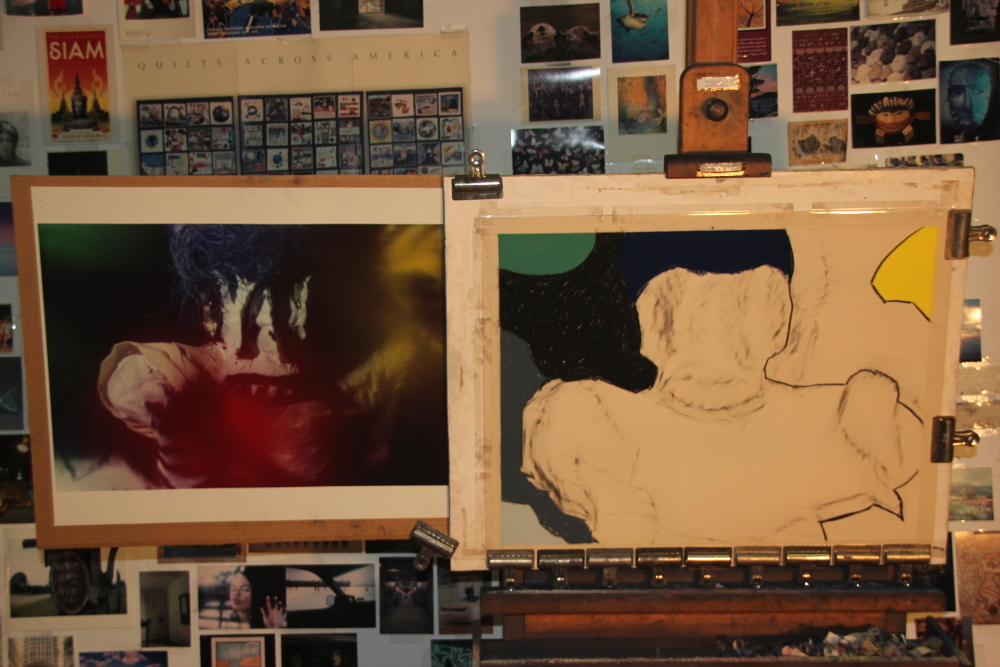
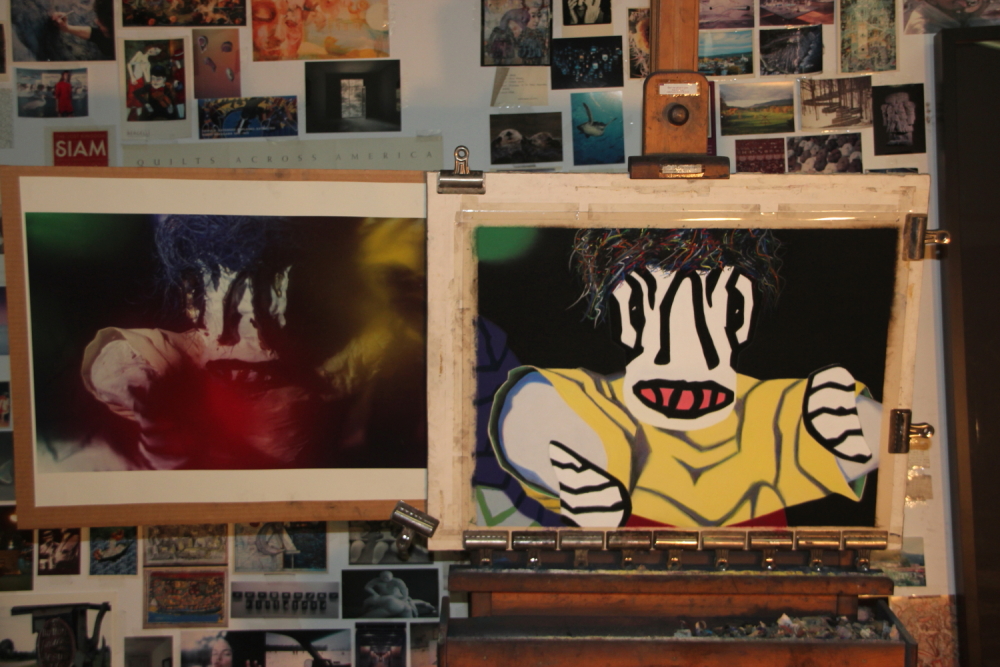
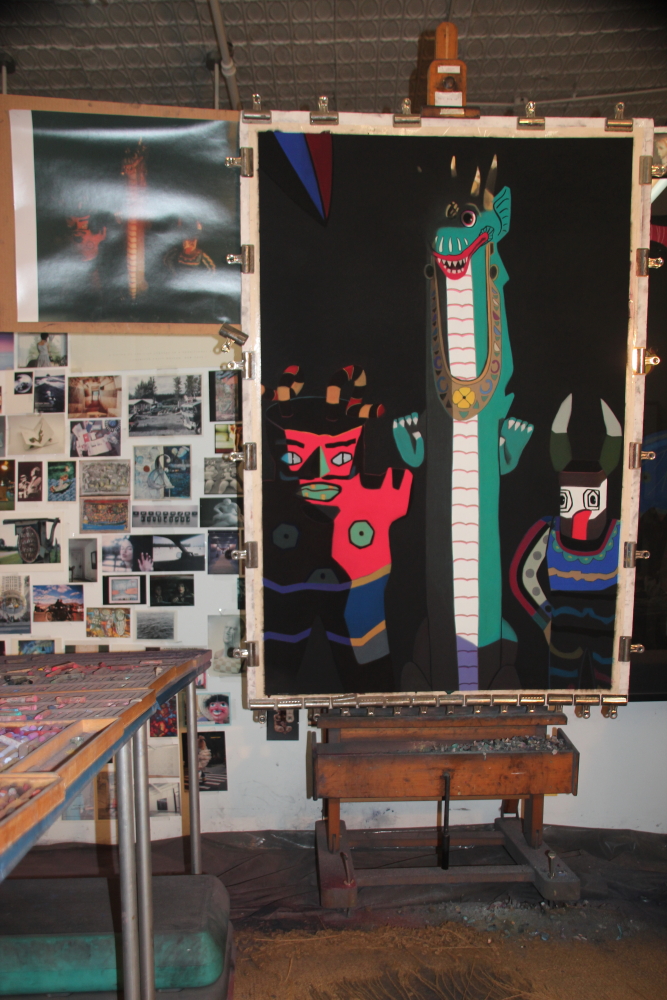
Start/Finish of “The Ancestors,” soft pastel on sandpaper, 58″ x 38″ image, 70″ x 50″ framed
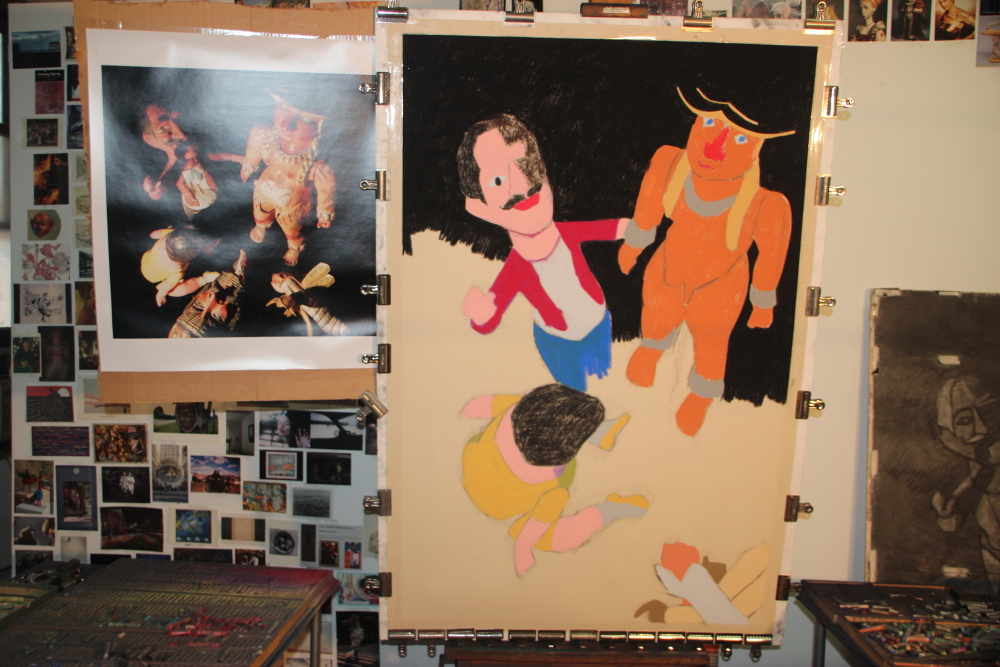
Beginning
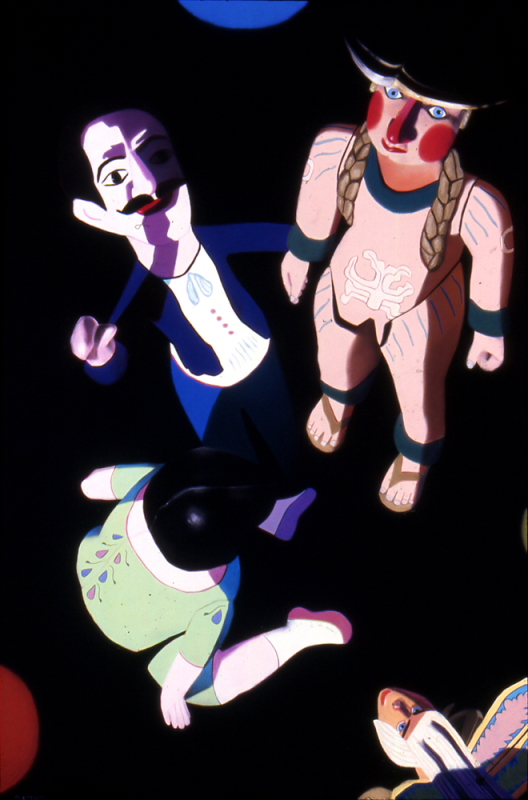
Finished
Comments are welcome!
Start/Finish of “Provocateur,” soft pastel on sandpaper, 26″ x 20″ image, 35″ x 28 1/2″ framed
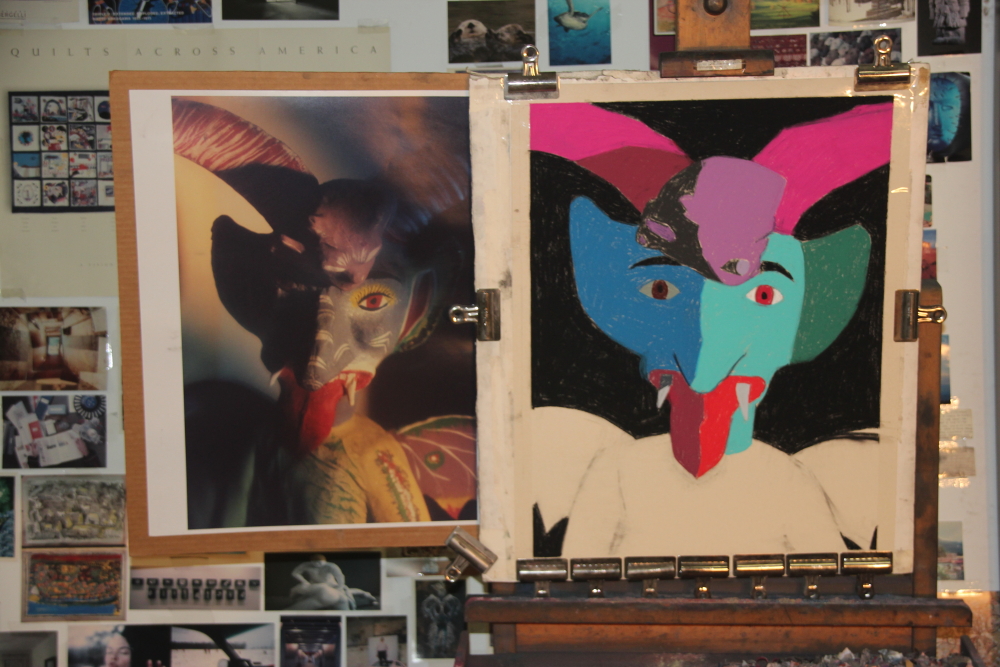
Beginning
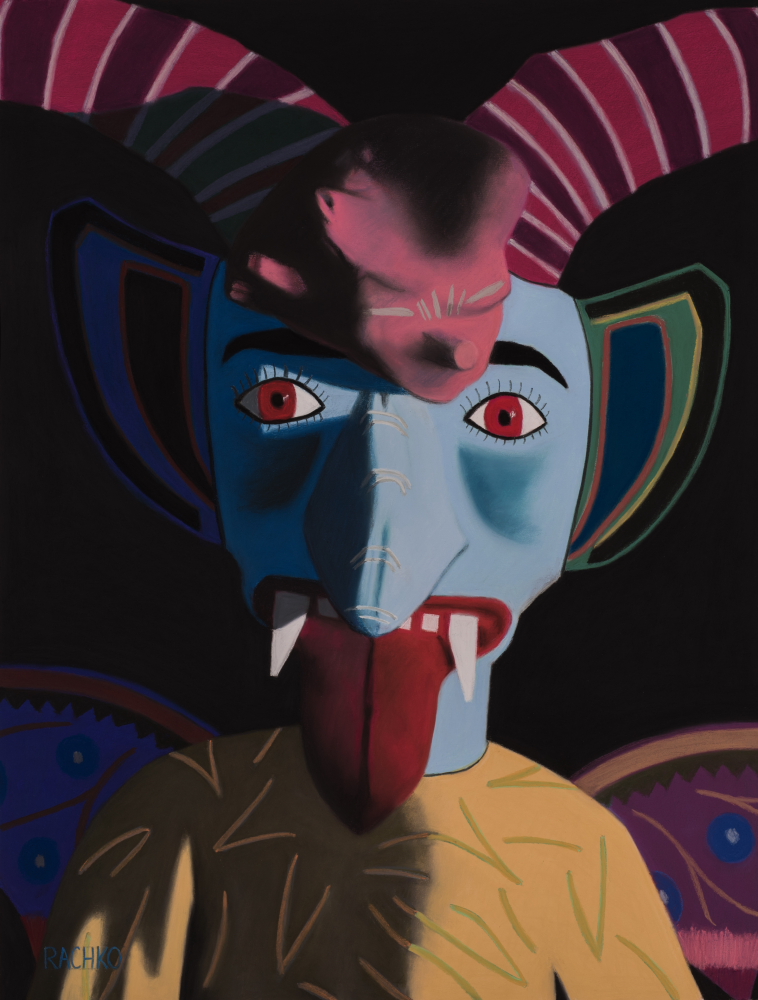
Finished and signed
Comments are welcome!

Pearls from artists* # 211
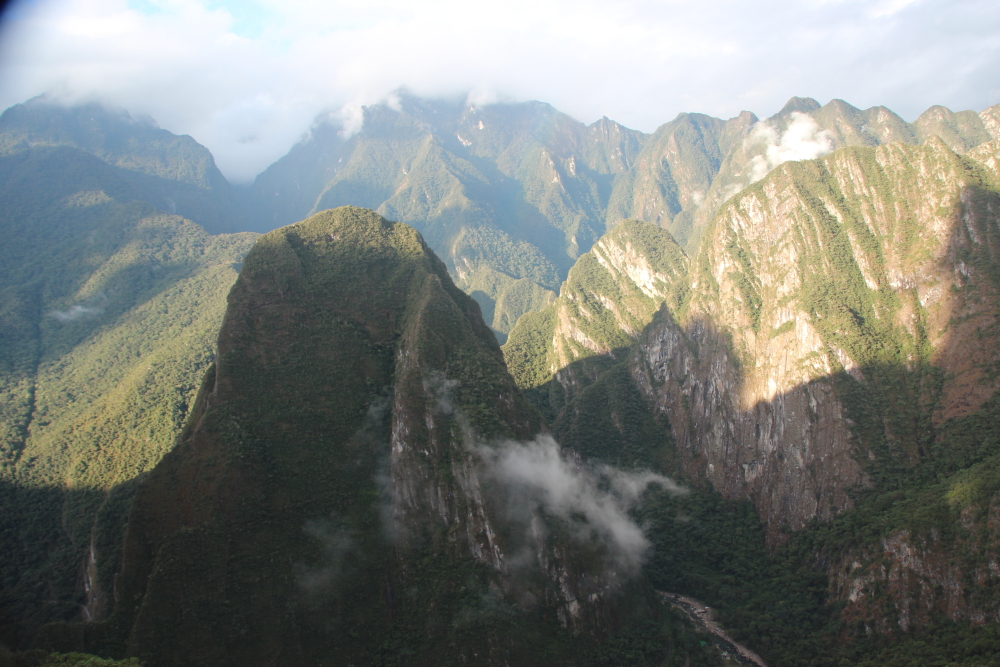
Machu Picchu
* an ongoing series of quotations – mostly from artists, to artists – that offers wisdom, inspiration, and advice for the sometimes lonely road we are on.
There is an ancient view that beauty is the object of a sensory rather than an intellectual delight, and that the senses must always be involved in appreciating it. Hence, when the philosophy of art became conscious of itself at the beginning of the eighteenth century, it called itself ‘aesthetics,’ after the Greek aesthesis, sensation. When Kant wrote that the beautiful is that which pleases immediately, and without concepts, he was providing a rich philosophical embellishment to this tradition of thinking. Aquinas too seems to have endorsed the idea, defining the beautiful in the first part of the Summa as that which is pleasing to sight (pulchra sunt quae visa placent). However, he modifies this statement in the second part, writing that ‘the beautiful relates only to sight and hearing of all the senses, since these are the most cognitive (maxime cognoscitive) among them.’ And this suggests, not only that he did not confine the study of beauty to the sense of sight, but that he was less concerned with the sensory impact of the beautiful than with its intellectual significance – even if it is a significance that can be appreciated only through seeing or hearing.
Beauty: A Very Short Introduction, by Roger Scruton
Comments are welcome!
Pearls from artists* # 208
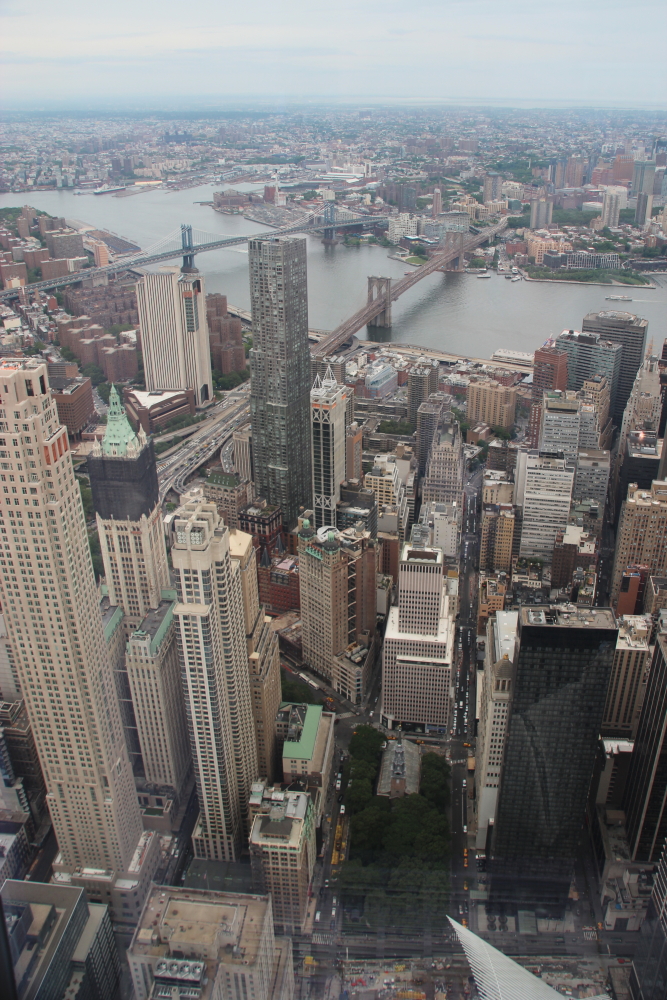
View from One World Trade Center
* an ongoing series of quotations – mostly from artists, to artists – that offers wisdom, inspiration, and advice for the sometimes lonely road we are on.
PC: In your painting, you’ve always kept this speed of movement. One senses that you work something out slowly, deep down, that it’s hard work, but there’s always something fresh about its expression.
HM: That’s because I revise my notion several times over. People often add or superpose – completing things without changing their plan, whereas I rework my plan every time. I never get tired. I always start again, working from the previous state. I try to work in a contemplative state, which is very difficult: contemplation is inaction, and I act in contemplation.
In all the studies I’ve made from my own ideas, there’s never been a faux pas because I’ve always unconsciously had a feeling for the goal; I’ve made my way toward it the way one heads north, following the compass. What I’ve done, I’ve done by instinct, always with my sights on a goal I still hope to reach today. I’ve completed my apprenticeship now. All I ask is four or five years to realize that goal.
PC: Delacroix said that too. Great artists never look back.
HM: Delacroix also said – ten years after he’d left the place – “I’m just beginning to see Morocco.” Rodin said to an artist, “You need to stand back a long way for sculpture.” To which the student replied, “Master, my studio is only ten meters wide.”
Chatting with Henri Matisse: The Lost 1941 Interview, Henri Matisse with Pierre Courthion, edited by Serge Guilbaut, translated by Chris Miller
Comments are welcome!
Q: Can you speak about a book (or books) that deeply influenced you as an artist?

Barbara’s well-worn copy of “Camille Pissarro: Letters to His Son Lucien”
A: One such book that stands out is “Camille Pissaro: Letters to His Son Lucien.” The book is comprised of weekly letters from a father conveying wisdom about his craft, art, and life, over roughly twenty years, to a beloved son, who is just beginning his artistic journey. I discovered this gem about thirty years ago when I was just starting to find my way as an artist, too. Pissarro’s words are beautiful, poignant, and deeply felt. He has much to say to artists because, sadly, we still contend with the same problems, such as how to remain authentic and earn a living, how to deal with galleries and collectors, how to stay focused on the work, etc. I often enjoy rereading favorite passages simply because it makes me feel less alone as an artist.
Comments are welcome!
Pearls from artists* # 185
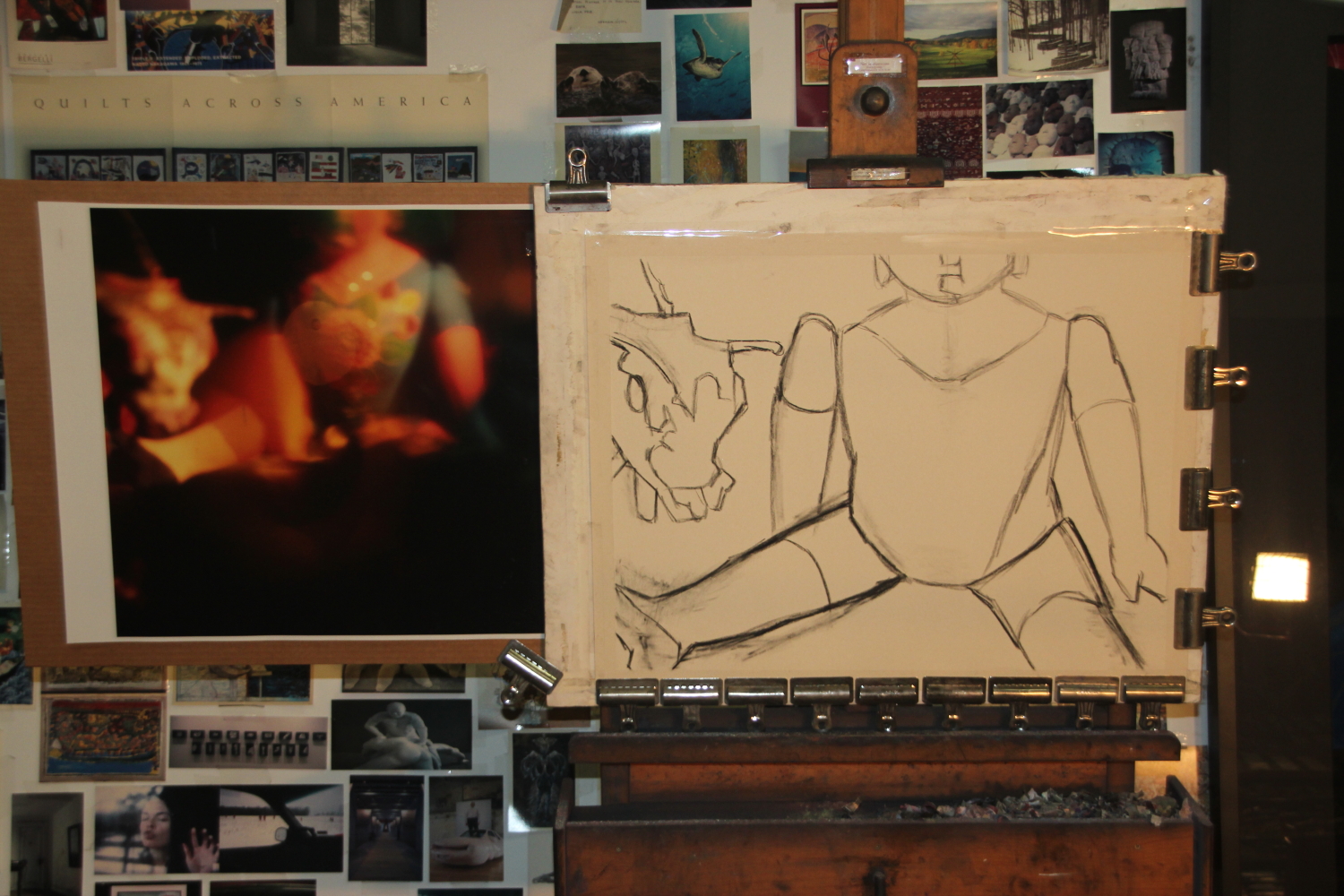
Beginning of a 20″ x 26″ pastel painting
* an ongoing series of quotations – mostly from artists, to artists – that offers wisdom, inspiration, and advice for the sometimes lonely road we are on.
All of us fail to match our dream of perfection. So I rate us on the basis of our splendid failure to do the impossible. In my opinion, if I could write all my work again, I am convinced that I would do it better, which is the healthiest condition for an artist. That’s why he keeps on working, trying again; he believes each time that this time he will do it, bring it off. Of course he won’t, which is why this condition is healthy. Once he did it, once he matched the work to the image, the dream, nothing would remain but to cut his throat, jump off the other side of that pinnacle of perfection into suicide. I’m a failed poet. Maybe every novelist wants to write poetry first, finds he can’t, and then tries the short story, which is the most demanding after poetry. And failing at that, only then does he take up novel writing.
William Faulkner in Writers at Work: The Paris Review Interviews First Series
Comments are welcome!
Q: What is the one painting that you never want to sell?

“No Cure for Insomnia,” pastel on sandpaper, 58″ x 38″
A: There are two: “Myth Meets Dream” and “No Cure for Insomnia.” Both are part of my “Domestic Threats” series and were breakthroughs at the time I made them. They are relatively early works – the first from 1993, the latter from 1999 – and were important in my artistic development.
“Myth Meets Dream” is the earliest pastel painting in which I depict Mexican figures. It includes two brightly painted, carved wooden animals from Oaxaca sent to me in 1992 by my sister-in-law. I have spoken about them before. These figures were the beginning of my ongoing fascination with Mexico.
“No Cure for Insomnia” includes a rare self-portrait and is set in my late aunt’s sixth-floor walkup on West 13th Street, where I lived when I moved to New York in 1997. My four years there were very productive.
Comments are welcome!


 barbararachkoscoloreddust.com