Q: What’s on the easel today?
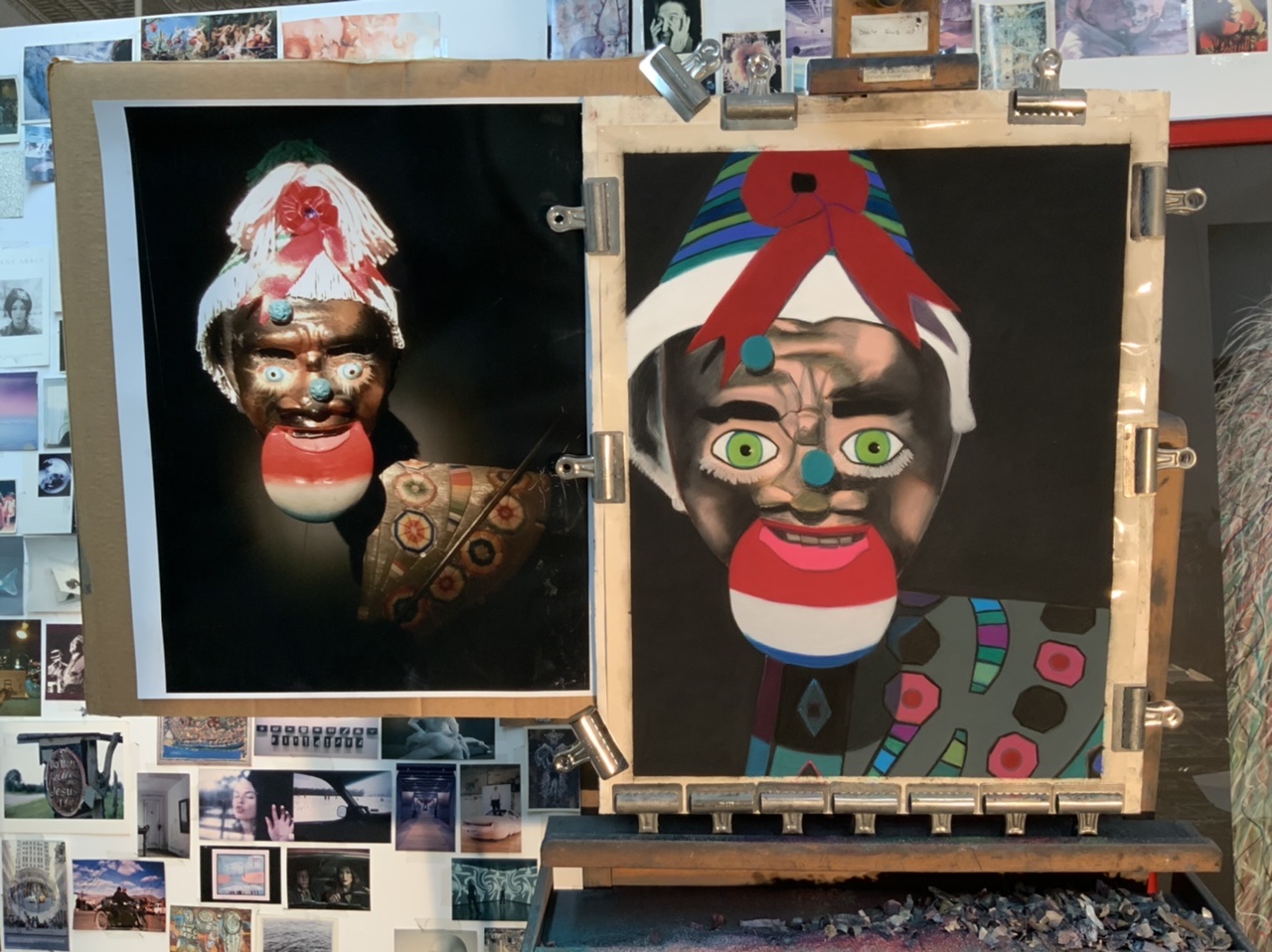
Work in progress
A. I continue refining and adding more details to “Disruptor,” soft pastel on sandpaper, 26” x 20.”
Comments are welcome!
Pearls from artists* # 532
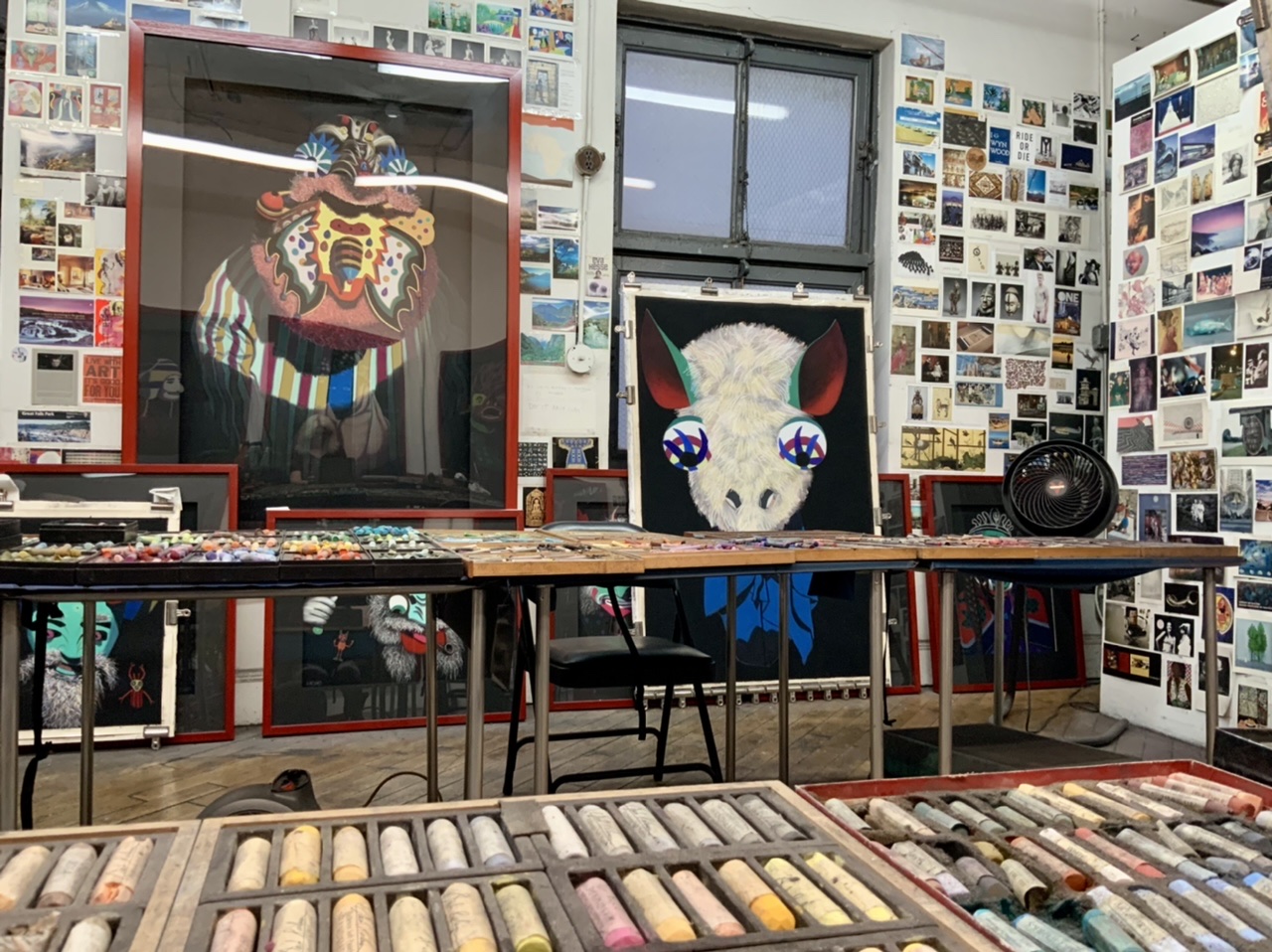
*an ongoing series of quotations – mostly from artists, to artists – that offers wisdom, inspiration, and advice for the sometimes lonely road we are on.
Far from offering an escape from the world, the arts present one of the most difficult and hard-fought ways to enter into the life of our time or any other time. What the artist must first accept is the authority of an art form, the immersion in what others have done and achieved. Once the artist has begun to take all that in – it’s a process that never really ends – there comes the even greater challenge of asserting one’s freedom. It’s the limits imposed by a vocation that makes it possible to turn away from the pressures of the moment and think and feel freely – and sometimes, give the most private emotions an extraordinary public hearing. If art is the ordering of disorderly experience, and I don’t know how else to describe it, then the artist must be true both to the order and to the disorder. These are the trials of the artist and the artistic vocation. They shape the experience of anybody who reads a novel or looks at a painting or listens to a piece of music.
Jed Perl in Authority and Freedom: A Defense of the Arts
Comments are welcome!
Q: There are so many instances in the art world where paintings are discovered to be fakes. Do you think this is a potential problem where your work is concerned? Can your pastel paintings be forged?


A: For the record, a little-appreciated fact about my pastel-on-sandpaper paintings is that they can never be forged. To detect a fake, you would only need to x-ray them. If dozens of layers of revisions are not visible under the final pastel painting, you are not looking at an original Rachko, period.
My completed paintings are the results of thousands of decisions. They are the product of an extremely meticulous, labor-intensive, and self-invented process. This is the difference between spending months thinking about and creating a painting, as I do, or a single day. It’s highly doubtful that my rigorous creative process can EVER be duplicated.
Comments are welcome!
Pearls from artists* # 531
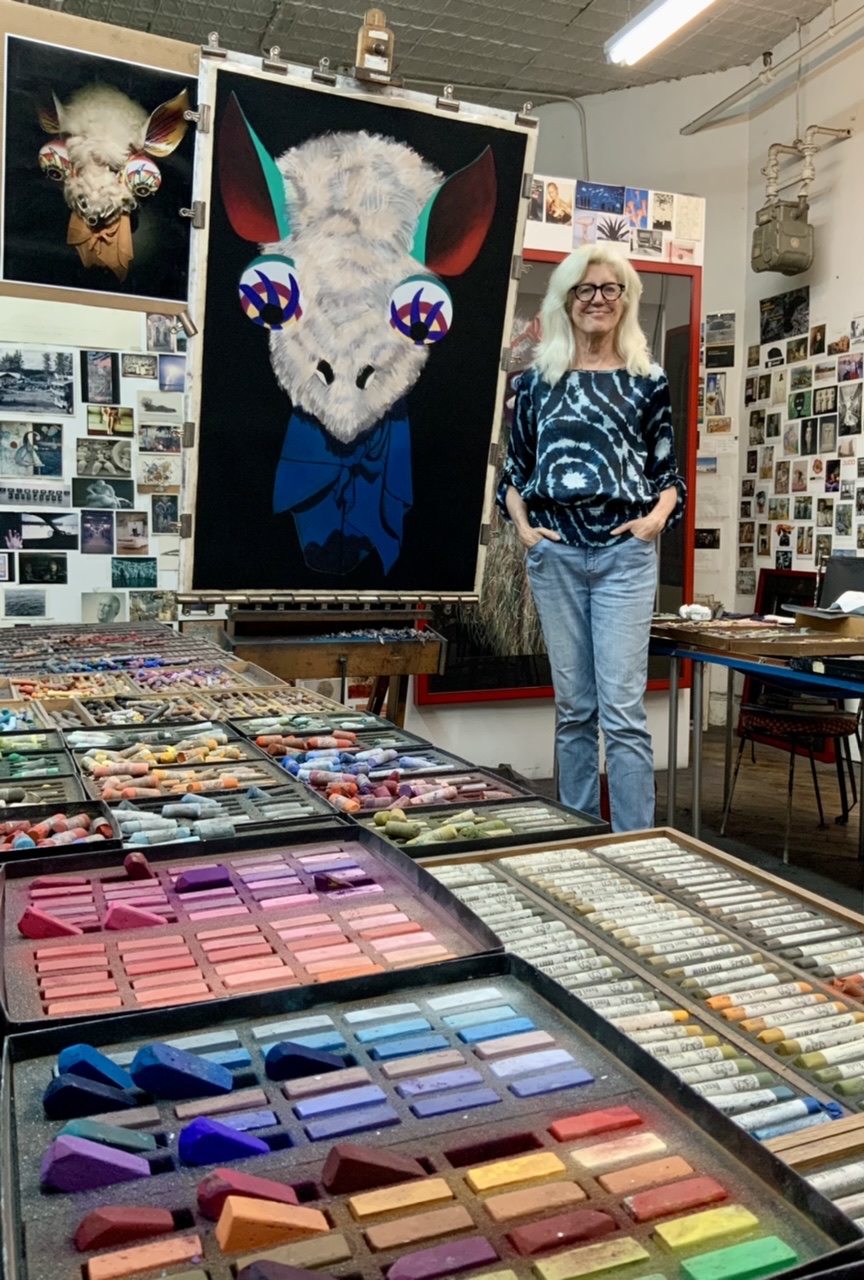
* an ongoing series of quotations – mostly from artists to artists – that offers wisdom, inspiration, and advice for the sometimes lonely road we are on.
Find joy in the process as well as in the product. The issue of recognition is in part the issue of process versus outcome. Insofar as the process brings you joy, insofar as constructing a paragraph, painting shafts of sunlight, or playing a passage fills you with awe and delight, for that hour the issue of recognition vanishes. Insofar as the effort to construct that paragraph or to master that passage is a heartfelt struggle, welling up from deep sources, for that hour the issue of recognition vanishes. Notice your joy in the work, so as to remind yourself why you embarked on this journey.
Eric Maisel in A Life in the Arts: Practical Guidance and Inspiration for Creative and Performing Artists
Comments are welcome!
Start/Finish of ”The Mentalist,” soft pastel on sandpaper, 26” x 20” image, 35” x 28.5” framed
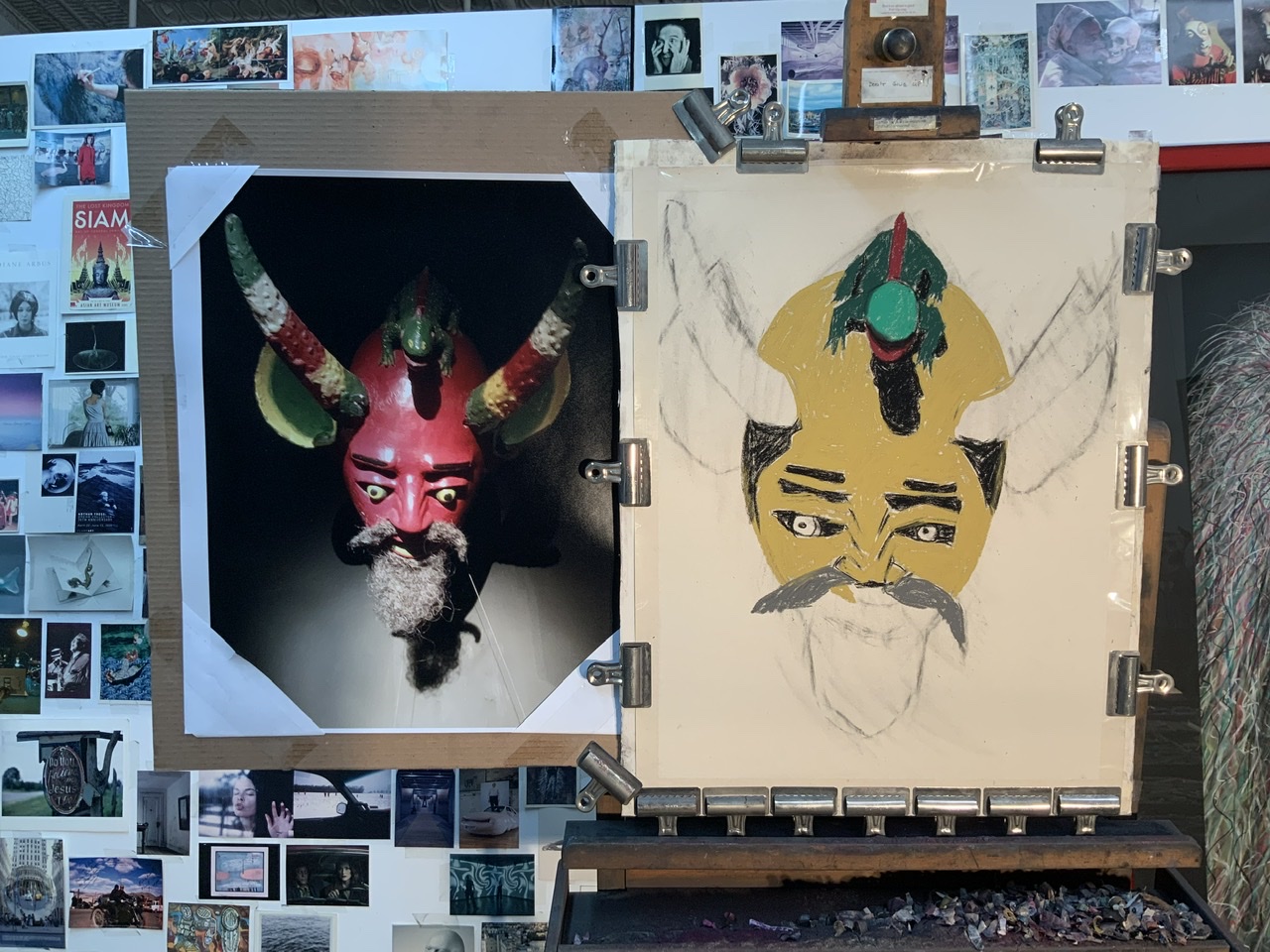

Comments are welcome!
Pearls from artists* # 530
* an ongoing series of quotations – mostly from artists to artists – that offers wisdom, inspiration, and advice for the sometimes lonely road we are on.
Samuel Coleridge described the imagination as “the living power and prime agent of all human perception.” It achieves its fullest potential in artistic expression because it is there that it transcends mere representation to bring forth unprecedented images of the world.
JF Martel in Reclaiming Art in the Age of Artifice: A Treatise, Critique, and Call to Action
Comments are welcome!
Travel photo of the month*
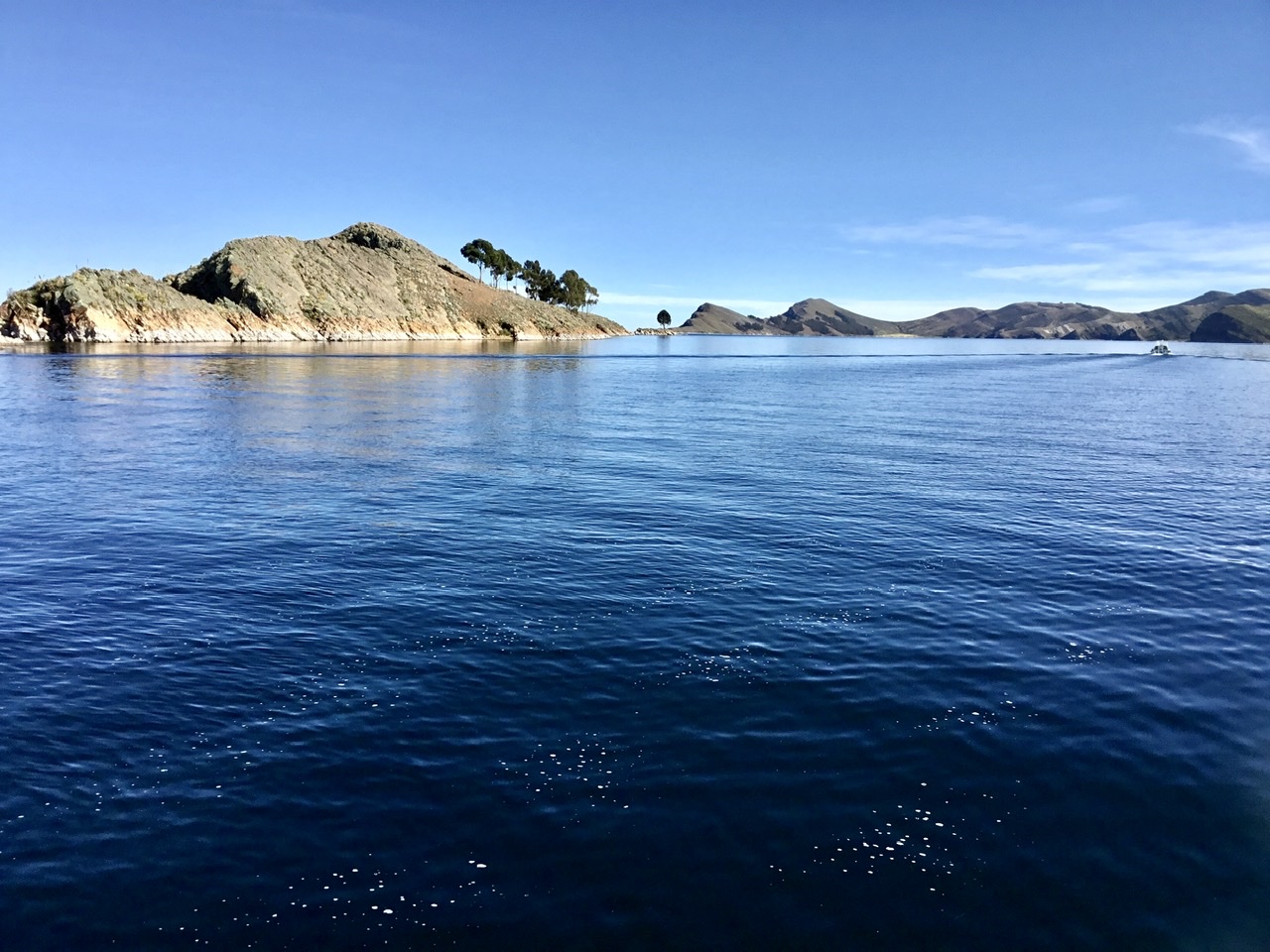
*favorite travel photos that have not yet appeared in this blog
Comments are welcome!
Q: What makes you feel most alive?

A: Making art makes me feel alive, using all my gifts, my brain, my heart, and my hands to create something that never existed before and that can never be duplicated; knowing I’m the only person, ever, who could or would make this particular thing, as I strive to push my pastel techniques further each time out. Whether it’s a painting or a photograph, I enjoy making something from nothing… art that is well-crafted and has never been seen before.
Travel is the other activity that excites me. I thrive on adventure and I especially love new vistas. When I am in a country I have never visited before, with every step and around every bend there is something new to see. I am an explorer at heart!
Comments are welcome!
Pearls from artists* # 528

*an ongoing series of quotations – mostly from artists, to artists – that offers wisdom, inspiration, and advice for the sometimes lonely road we are on.
There are so many good reasons to stop complaining if you want to live a more creative life.
First of all, it’s annoying. Every artist complains, so it’s a dead and boring topic. (From the volume of complaints that emerges from the professional creative class, you would think these people had been sentenced to their vocations by an evil dictator, rather than having chosen their line of work with a free will and open heart).
Second, of course it’s difficult to create things; if it wasn’t difficult, everyone would be doing it, and it wouldn’t be special or interesting.
Third, nobody ever really listens to anybody else’s complaints, anyhow, because we’re all too focused on our own holy struggle, so basically, you’re just talking to a brick wall.
Fourth, and most important, you’re scaring away inspiration. Every time you express a complaint about how difficult and tiresome it is to be creative, inspiration takes another step away from you, offended. It’s almost like inspiration puts up its hands and says, “Hey, sorry buddy! I didn’t realize my presence was such a drag. I’ll take my business elsewhere.”
Elizabeth Gilbert in Big Magic: Creative living Beyond Fear
Comments are welcome!


 barbararachkoscoloreddust.com
Pearls from artists* # 529
Oct 19
Posted by barbararachkoscoloreddust
* an ongoing series of quotations – mostly from artists to artists – that offers wisdom, inspiration, and advice for the sometimes lonely road we are on.
All sorts of novelists, composers, choreographers, poets, and painters find themselves engaged in the challenges of authority and freedom that are the lifeblood of the arts. Art is a way of life – and not only or even essentially for geniuses. An artistic community – to whatever degree it may be joined by social, economic, or other concerns – is fundamentally united by the imperatives of a vocation as they are shaped in a particular time. Genius doesn’t emerge ex nihilo. And it doesn’t have a unique relationship with authority and freedom. Whatever truth there is to Walter Benjamin’s comment, apropos of Proust’s novel, that certain masterpieces begin or end a genre, it’s usually true that every masterpiece reaffirms the fundamental character of a form. For every epochal achievement that we may see as an assertion of unexpected degrees of freedom (Beethoven’s final quartets or Shakespeare’s last plays), there are others that reaffirm the pressure of tradition (an example is Raphael’s neoclassical designs for tapestries representing scenes from the lives of Saint Peter and Saint Paul). For every creative spirit, the great as well as the merely good, there is a sense in which the wager is the same.
Jed Perl in Authority and Freedom: A Defense of the Arts
Comments are welcome!
Share this:
Posted in 2022, An Artist's Life, Art in general, Art Works in Progress, Inspiration, Pearls from Artists, Quotes
Comments Off on Pearls from artists* # 529
Tags: achievement, apropos, artistic, assertion, authority, Beethoven, certain, challenges, character, choreographers, comment, community, composers, concerns, creative, degree, degrees, designs, economic, emerge, engaged, epochal, essentially, every, ex nihilo, example, freedom, fundamental, fundamentally, genius, geniuses, Jed Perl, joined, lifeblood, masterpiece, masterpieces, merely, neoclassical, novelists, painters, particular, presence, pressure, Proust, quartets, Raphael, reaffirm, relationship, Saint Paul, Saint Peter, scenes, Shakespeare, shaped, social, spirit, tapestries, the arts, themselves, tradition, unexpected, unique, united, usually, vocation, Walter Benjamin, whatever, work in progress