Category Archives: Archives
Blog Archives
Pearls from artists* # 493
*an ongoing series of quotations – mostly from artists, to artists – that offers wisdom, inspiration, and advice for the sometimes lonely road we are on.
Professional opportunities in the art world almost always come out of personal connections, and community – almost by definition – is the way to make them. That’s not a prescription for superficial networking or obnoxious self-promotion, neither of which will get you anywhere. It means realizing that the chance to get a piece into a group show or meet a gallerist will probably come through someone you know and rspect, who knows and respects you.
Depending on your temperament, building community can feel daunting, artificial, or fun. There’s no need to subject yourself to awkward conversation at stuffy cocktail parties. Just keep in touch with your friends and professors from art school, attend local openings, and be open to meeting new people at events. If you’re shy, bring a friend along. It’s easier to break your way into conversation when you have a sidekick, and then you can talk about each other’s work instead of your own.
In Art/Work: Everything You Need to Know (and Do) As You Pursue Your Art Career by Heather Darcy Bhandari and Jonathan Melber
Comments are welcome!
Q: What’s on the easel today?
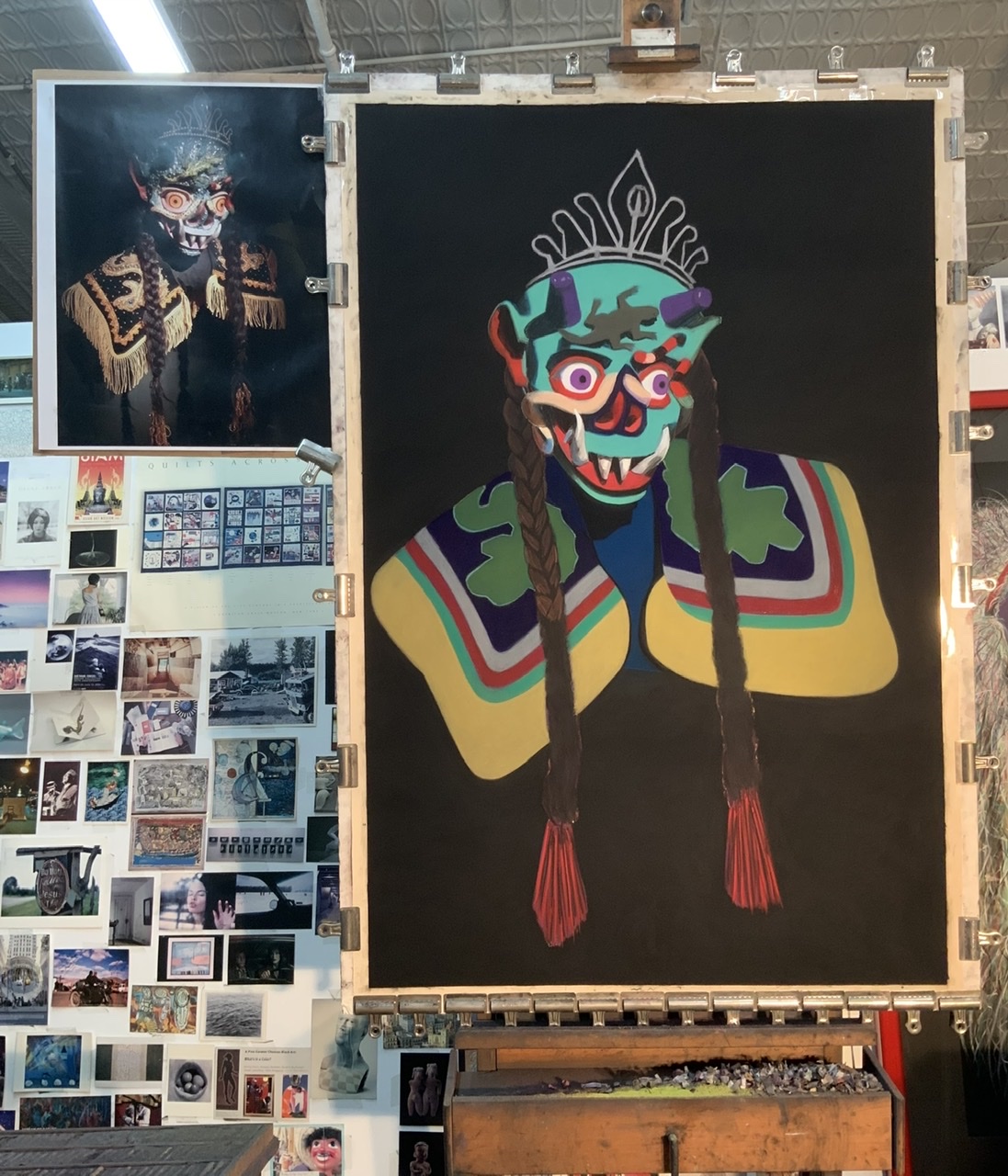
A: I continue slowly working on ”Overlord” (tentative title), 58” x 38”, soft pastel on sandpaper.
Comments are welcome!
Pearls from artists* # 492
*an ongoing series of quotations – mostly from artists, to artists – that offers wisdom, inspiration, and advice for the sometimes lonely road we are on.
Start with the community you know, who knows you. who’s interested in whatever it is that you’ve put together with your work or your gallery space or your magazine or your brand or your performance series. Start with who you know and build from there.
I think it’s about working in a way that’s true to yourself and that allows things to happen naturally, with bits of prodding to bring new people into contact with what you do.
Peter Eleey, curator, in Art/Work: Everything You Need to Know (and Do) As You Pursue Your Art Career by Heather Darcy Bhandari and Jonathan Melber
Comments are welcome!
Q: When did you decide and what prompted you to become an artist? (Question from artamour)

A: In the mid-1980s I was a thirty-three-year-old Navy lieutenant, working a soul-crushing job as a computer analyst on the midnight shift in a Pentagon basement. We were open 24/7 and supported the Joint Chiefs of Staff.
Remembering the joyful Saturdays of my youth in New Jersey when I had studied with a local painter, I enrolled in a drawing class at the Art League School in Alexandria, Virginia. I loved it! I took more classes and became a highly motivated, full-time art student who worked nights at the Pentagon. After two years and as my skills improved, I discovered my preferred medium – soft pastel on sandpaper.
I knew I had found my calling, submitted my resignation, and left the active duty Navy. On October 1, 1989 I became a professional artist. However, I remained in the Navy Reserve for another fourteen years, working at the Pentagon one weekend a month. On November 1, 2003, I retired as a Navy Commander.
Comments are welcome!
Pearls from artists* # 491
*an ongoing series of quotations – mostly from artists, to artists – that offers wisdom, inspiration, and advice for the sometimes lonely road we are on.
We look at ancient Egyptian painting today and may find it slightly comic, but what the Egyptians were trying to do with the figure was reveal the various aspects of the person’s body in the most characteristic aspect. The face is in profile because that reveals the most about the person’s face, but the shoulders are not in profile, they’re facing the viewer, because that’s the most revealing angle for the shoulders. The hips are not in profile, but the feet are. It gives a strange, twisted effect, but it was natural to the Egyptians. They were painting essences, and in order to paint an essence you have to paint it from its most characteristic angle. So they would simply combine the various characteristic essences of the human body. This was a piece of spiritual art. It wasn’t trying to reproduce photographic reality, it was trying to reproduce and combine all the essential features of a person within one figure.
Walter Murch in The Conversations: Walter Murch and the Art of Editing Film by Michael Ondaatje
Comments are welcome!
Q: How does art help you explore and understand other cultures? (Question from Arte Realizzata)
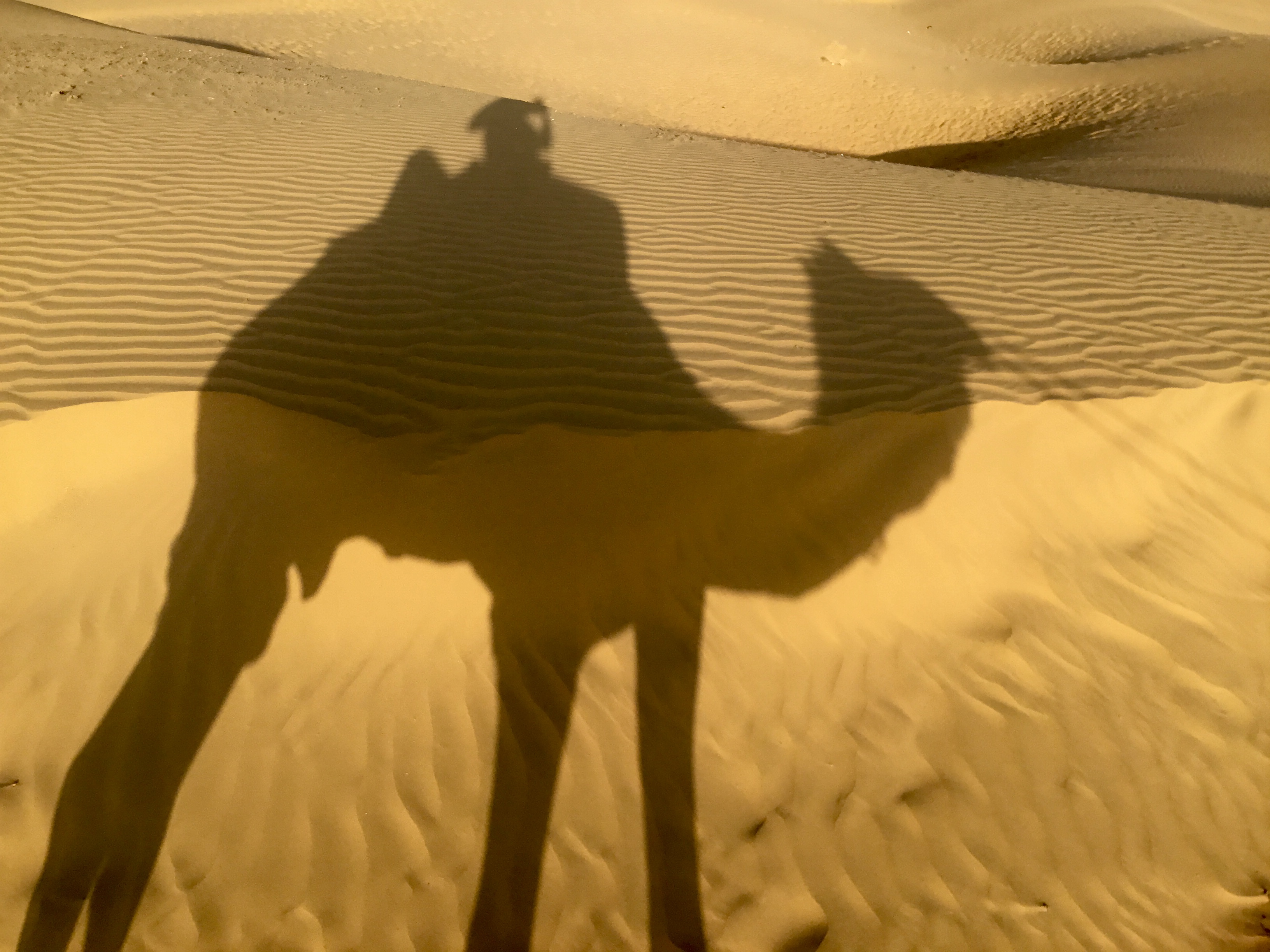
A: Art helps me explore and understand other cultures by revealing our shared humanity across space and time. For me art and travel are intertwined; there is no better education! My art-making has led me to visit fascinating places in search of source material, ideas, and inspiration: to Mexico, Guatemala, Brazil, Argentina, Uruguay, France, England, Italy, Bali, Java, Sri Lanka, and India. I have seen firsthand that people all over the world are the same.
Art has led me to undertake in-depth studies of intriguing subjects: drawing, color, composition, art, art history, the art business, film, film history, photography, mythology, literature, music, jazz, jazz history, and archaeology, particularly that of ancient Mesoamerica (Olmec, Zapotec, Mixtec, Aztec, and Maya), and South America (the Inca and their ancestors).
This rich mixture of creative influences continually grows. For anyone wanting to spend their time on earth studying, learning, and meeting new challenges, there is hardly anything more fascinating than to be a well-travelled, perpetually curious artist!
Comments are welcome!
Pearls from artists* # 490
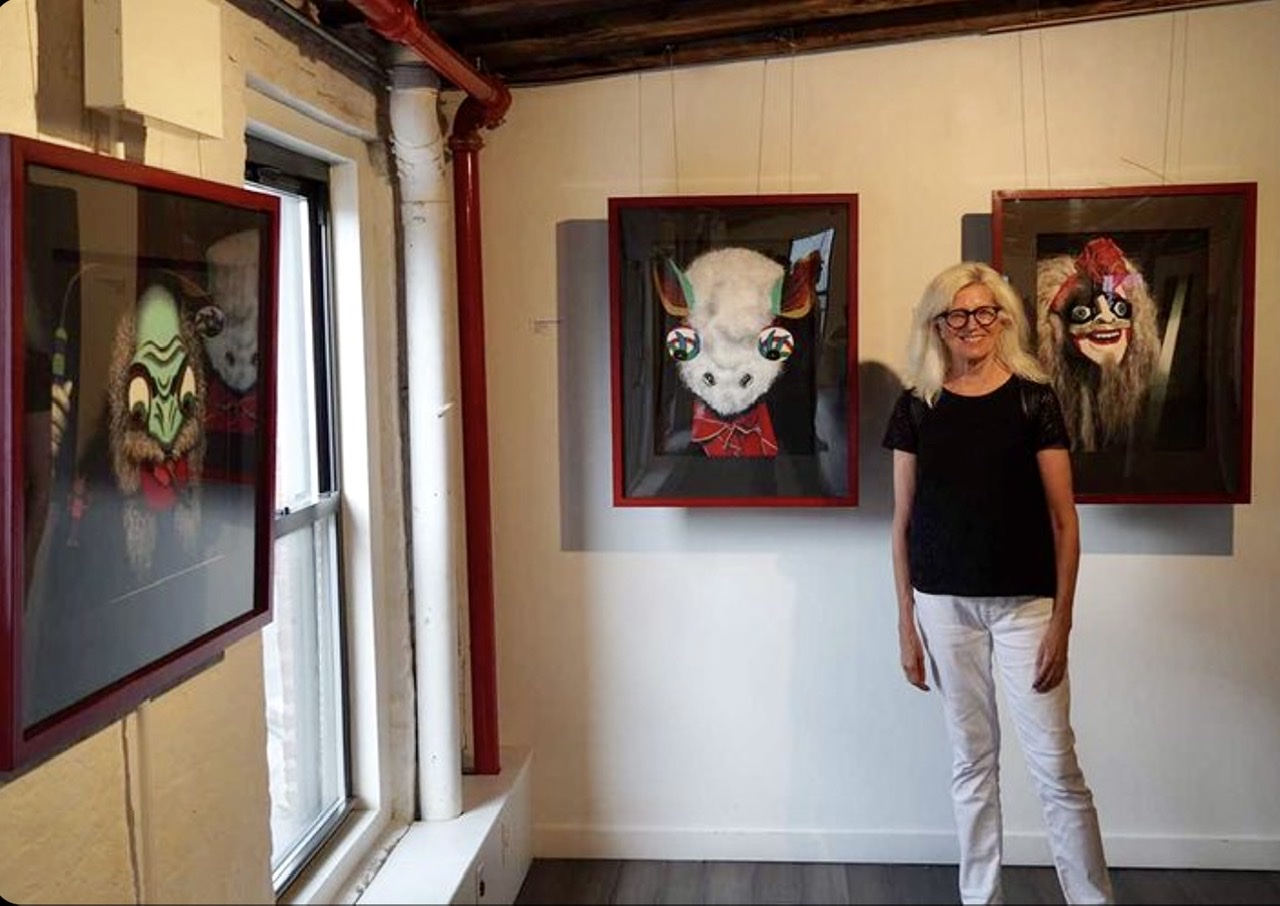
*an ongoing series of quotations – mostly from artists, to artists – that offers wisdom, inspiration, and advice for the sometimes lonely road we are on.
Wherever apathy reigns supreme, the “strong” are those who can boast that nothing affects them. Numbness and dumbness become positive qualities, and any passionate engagement with life becomes a cause for embarrassment. How many hipsters out there consider passionate commitment of any kind to be a sign that one has been duped? Fortunately this attitude can only go so far, because everything in actual experience suggests to the contrary that passion and sensibility are necessary for anything meaningful to happen to anyone. They are the vital signs that make the difference between an existence that is truly lived out and one that is merely observed from a stifling security of a castellated self that falsely imagines that it can remain detached from the rest of the universe.
JF Martel in Reclaiming Art in the Age of Artifice: A Treatise, Critique, and Call to Action
Comments are welcome!
Travel photo of the month*
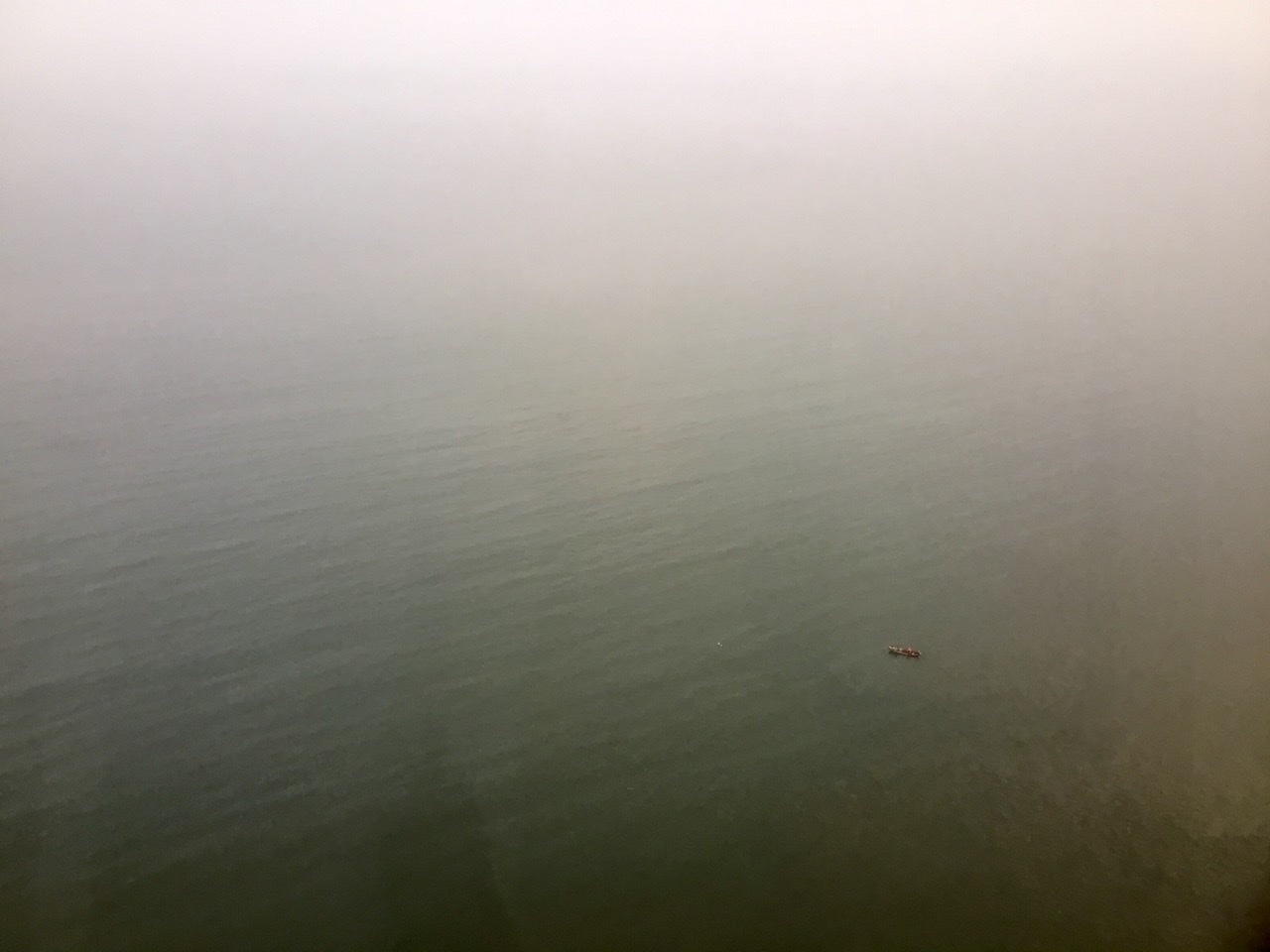
* Favorite travel photos that have not yet appeared in this blog
Comments are welcome!
Pearls from artists* # 489

*an ongoing series of quotations – mostly from artists, to artists – that offers wisdom, inspiration, and advice for the sometimes lonely road we are on.
Murch: …The only time one is able to exercise control over the film is in the editing. The images themselves are not sufficient. They’re very important, but they’re only images. What’s essential is the duration of each image: the whole eloquence of cinema is that it’s achieved in the editing room.
In The Conversations: Walter Murch and the Art of Editing Film by Michael Ondaatje
Comments are welcome!
Q: What’s on the easel today?
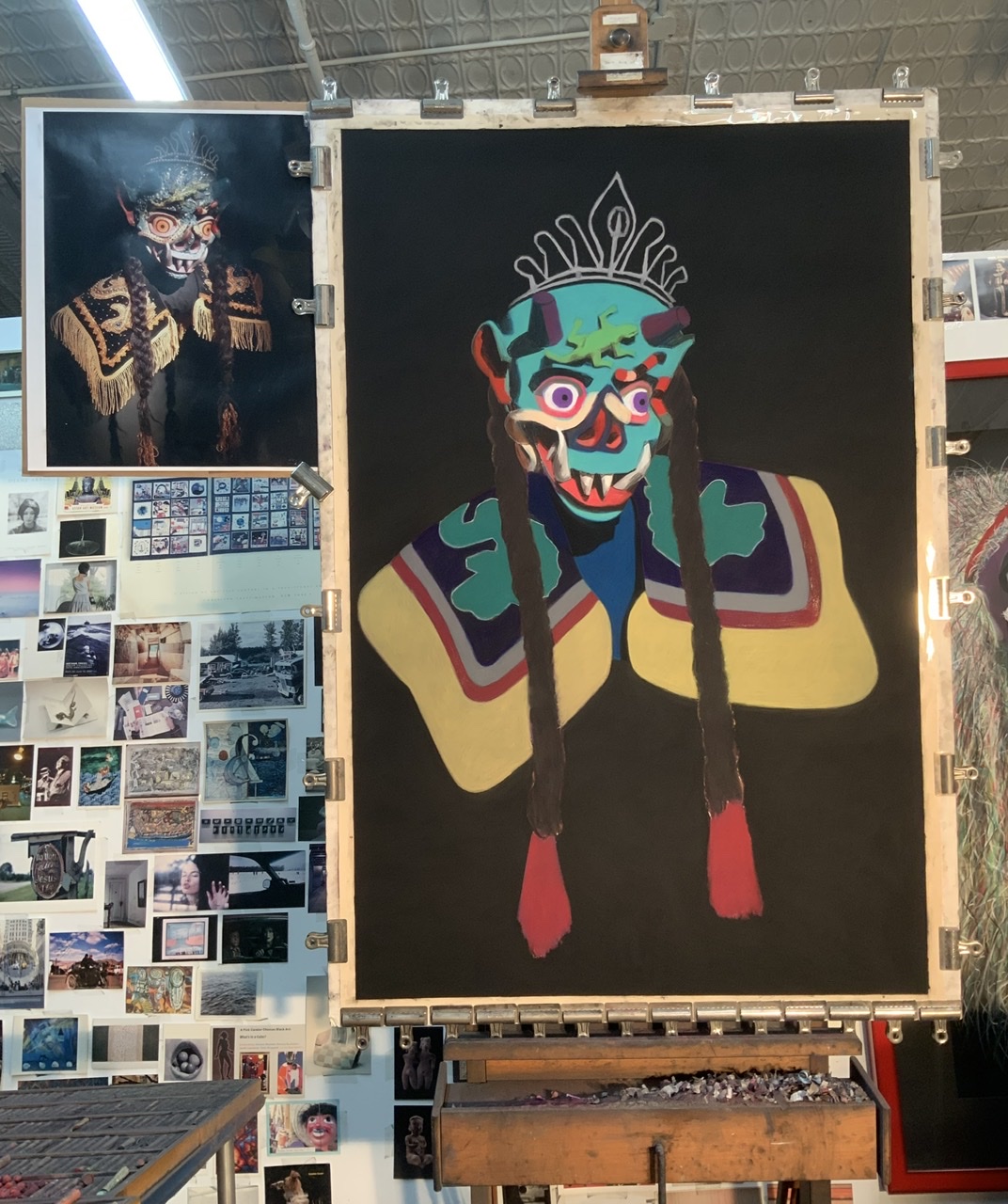
A: I’m working on a 58” x 38” pastel painting that is number 20 in the ”Bolivianos” series. It does not yet have a title. The mask depicted is a Supay. From Wikipedia:
In the Quechua, Aymara, and Inca mythologies, Supay was both the god of death and ruler of the Ukha, Pacha, and the Incan underworld, as well as a race of demons. Supay is associated with miners’ rituals.
With the Spanish colonization of the Americas, Christian priests used the name “Supay” to refer to the Christian Devil. However, unlike Europeans in relation to the Christian Devil, the indigenous people did not repudiate Supay but, being scared of him, they invoked him and begged him not to harm them.
Supay acquired a syncretic symbolism, becoming a main character of the diabladas of Bolivia (seen in the Carnival of Oruro), Peru and other Andean countries. The name Supay is now roughly translated into diablo (Spanish for devil) in most Southern American countries. In some of them, for example the northern region of Argentina, the underworld where Supay rules, is called “Salamanca”.
Comments are welcome!


 barbararachkoscoloreddust.com