Blog Archives
Pearls from artists* # 81
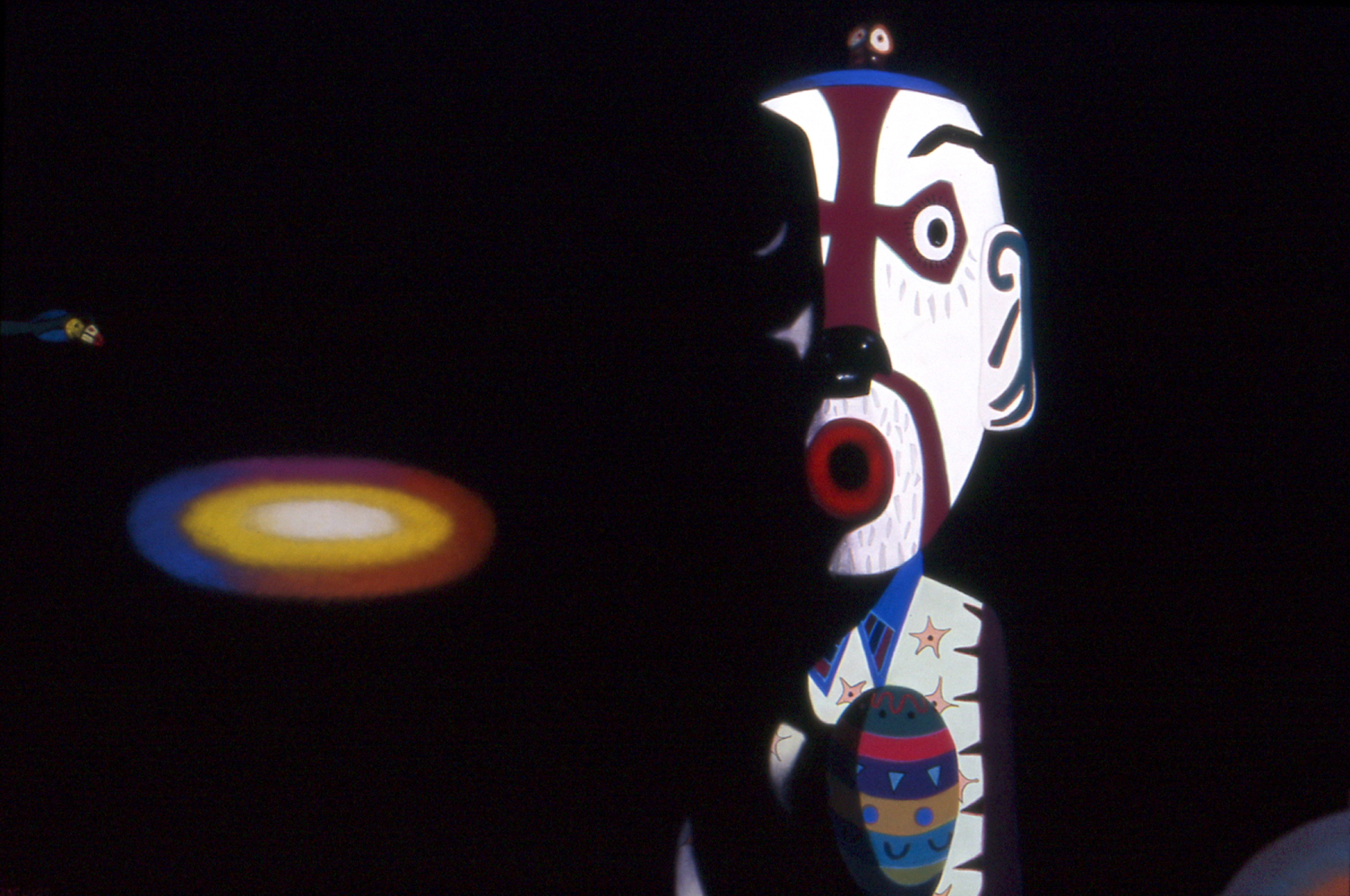
“Poker Face,” soft pastel on sandpaper, 38″ x 58″
* an ongoing series of quotations – mostly from artists, to artists – that offers wisdom, inspiration, and advice for the sometimes lonely road we are on.
The creative process remains as baffling and unpredictable to me today as it did when I began my journey over forty years ago. On the one hand, it seems entirely logical – insight building on insight; figures from my past, the culture, and everyday life sparking scenes and images on canvas; and all of it – subject, narrative, theme – working together with gesture, form, light to capture deeply felt experience. But in real time the process is a blur, a state that precludes consciousness or any kind of rational thinking. When I’m working well, I’m lost in the moment, painting quickly and intuitively, reacting to forms on the canvas, allowing their meaning to reveal itself to me. In every painting I make I’m looking for some kind of revelation, something I didn’t see before. If it surprises me, hopefully it will surprise the viewer, too.
Eric Fischl and Michael Stone in Bad Boy: My Life On and Off the Canvas
Comments are welcome!
Pearls from artists* # 75
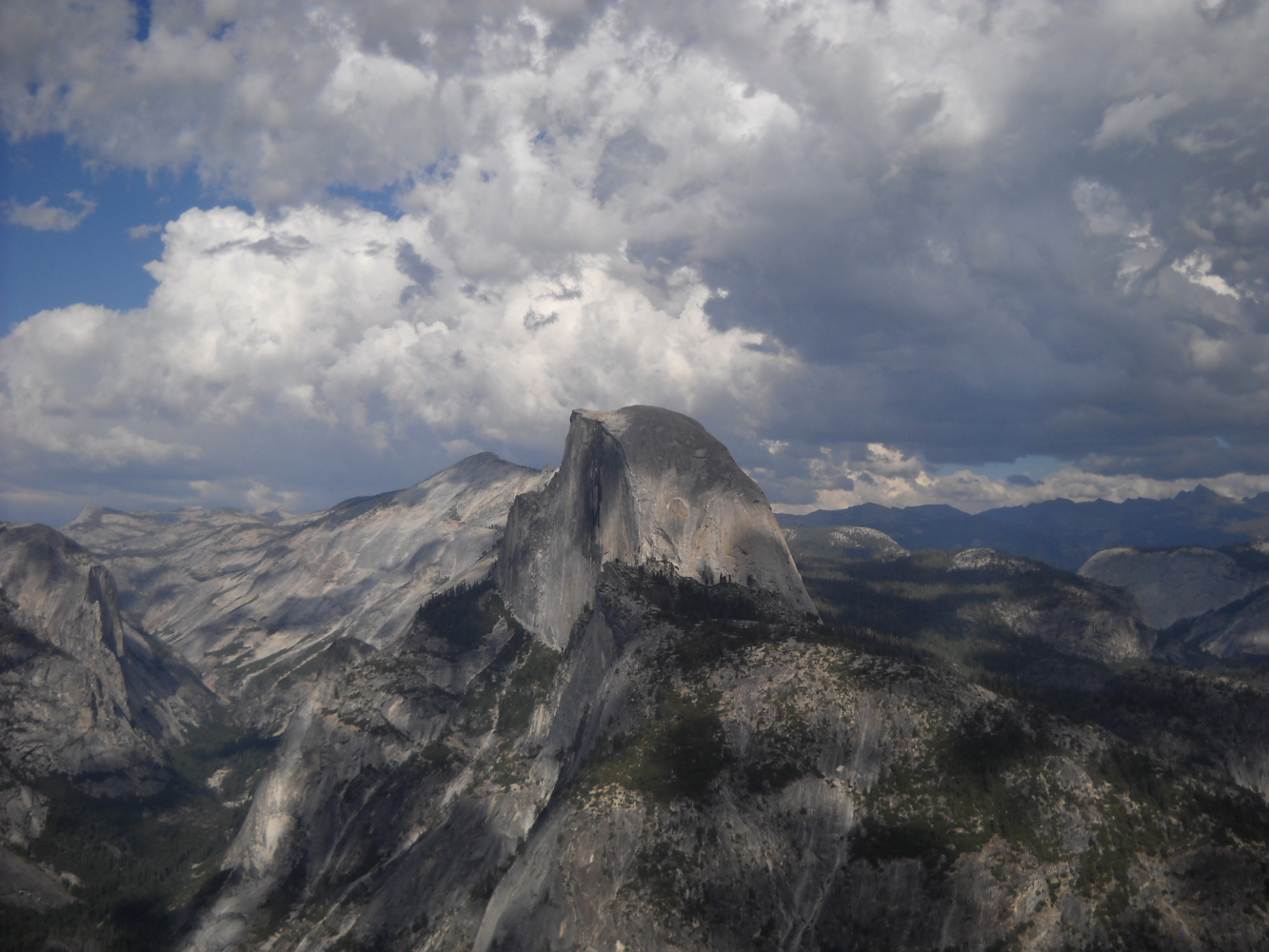
Half Dome at Yosemite
* an ongoing series of quotations – mostly from artists, to artists – that offers wisdom, inspiration, and advice for the sometimes lonely road we are on.
We realize now that our common human language is not Esperanto or computers or something having to do with vocal cords and speech. It is, rather, our sense of proportion, our balance, harmony and other aspects of simple and fundamental form. Our universal language, in other words, is beauty.
Rollo May, My Quest for Beauty
Comments are welcome!
Pearls from artists* # 66
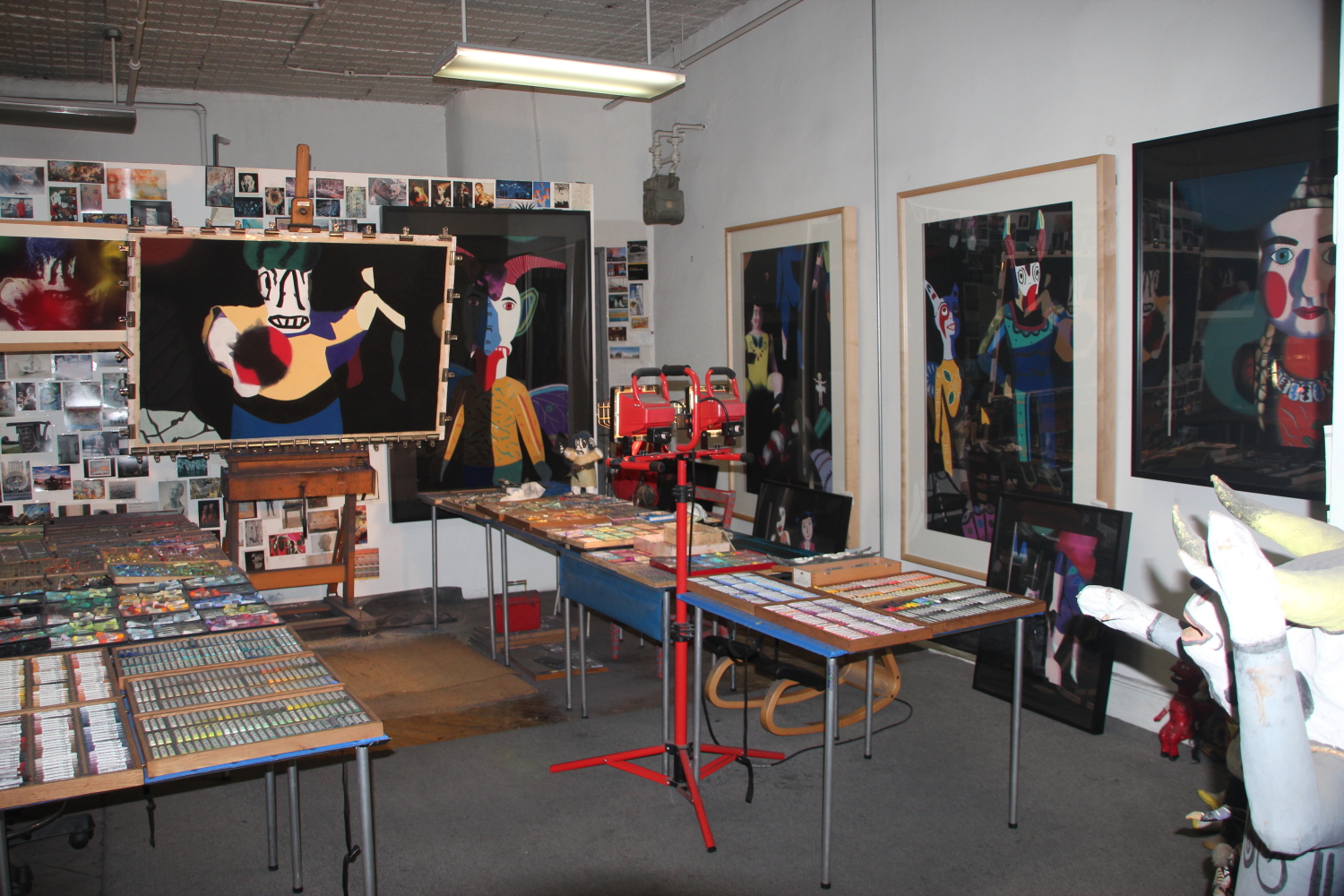
Barbara’s studio
* an ongoing series of quotations – mostly from artists, to artists – that offers wisdom, inspiration, and advice for the sometimes lonely road we are on.
I craved honesty, yet found dishonesty in myself. Why commit to art? For self-realization, or for itself? It seemed indulgent to add to the glut unless one offered illumination.
Often I’d sit and try to draw, but all the manic activity in the streets, coupled with the Vietnam War, made my efforts seem meaningless. I could not identify with political movements. In trying to join them I felt overwhelmed by yet another form of bureaucracy. I wondered if anything I did mattered.
Robert [Mapplethorpe] had little patience with these introspective bouts of mine. He never seemed to question his artistic drives, and by his example, I understood that what matters is the work: the string of words propelled by God becoming a poem, the weave of color and graphite scrawled upon the sheet that magnifies His motion. To achieve within the work a perfect balance of faith and execution. From this state of mind comes a light, life-charged.
Patti Smith in Just Kids
Comments are welcome!
Pearls from artists* # 62
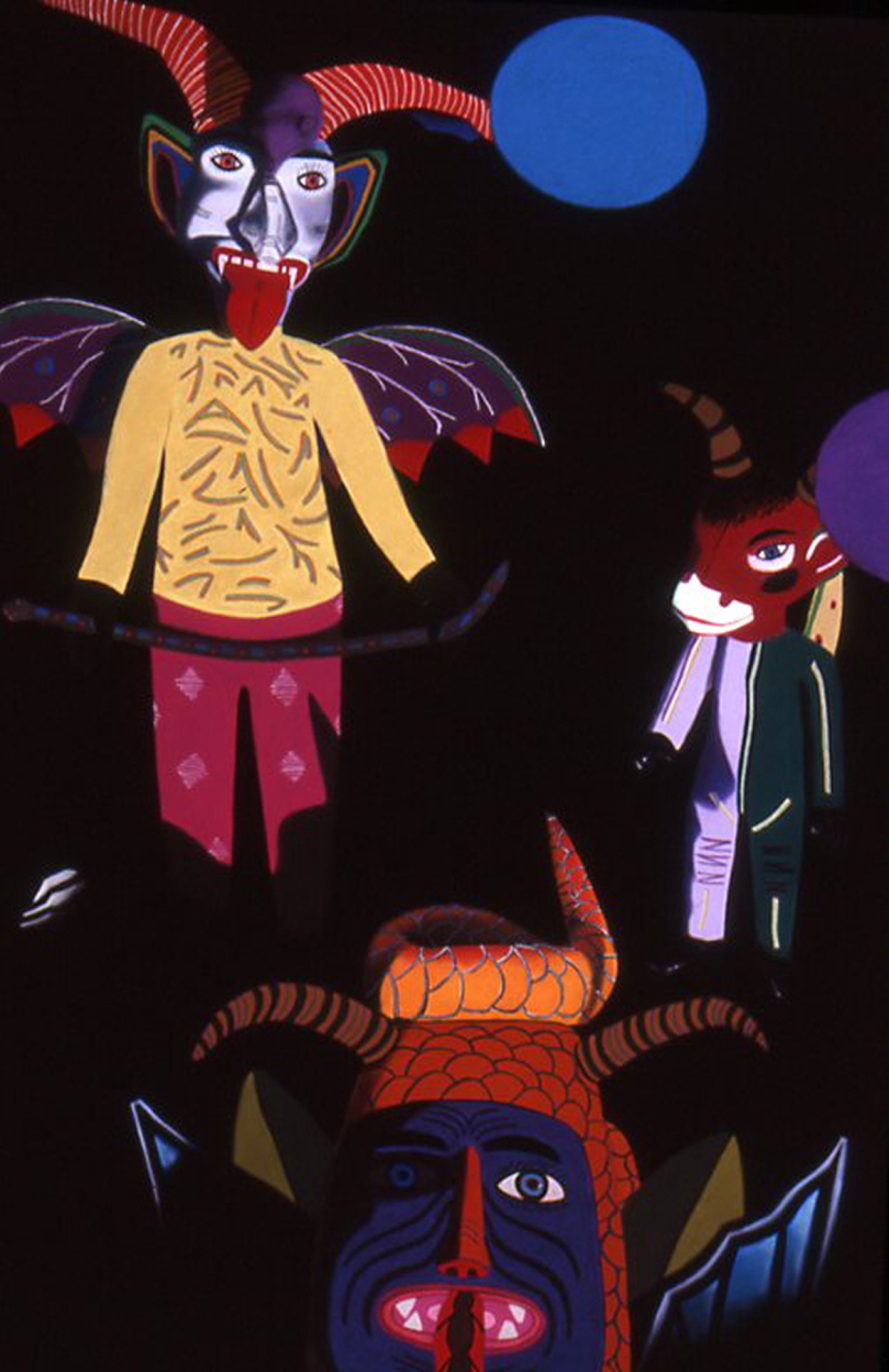
“The Sovereign,” soft pastel on sandpaper, 58″ x 38″
* an ongoing series of quotations – mostly from artists, to artists – that offers wisdom, inspiration, and advice for the sometimes lonely road we are on.
Yes, I’m formalistically obsessed. I see in a picture what I see in nature – everything has its place and is integrated. Like a tree or a human body, the image is put together for a greater whole. If you chop off something, you immediately destroy the organism. Form is crucial to what I do, and I believe that the form, in a way, creates the content. If you don’t have the form, you don’t get the content. If you get the maximum formal relationships in a precise, organic, metaphoric methodology, then you have a better chance of bringing out the content to its full degree. Of course, a picture doesn’t stand alone by its form. You can have forms that relate but offer no meaning. Ultimately, a picture is judged by its meaning, and I think that’s what a lot of people lose sight of.
Interview with Roger Ballen in Lines, Marks, and Drawings: Through the Lens of Roger Ballen, Craig Allen Subler and Christine Mullen Kreamer
Comments are welcome!
Pearls from artists* # 52
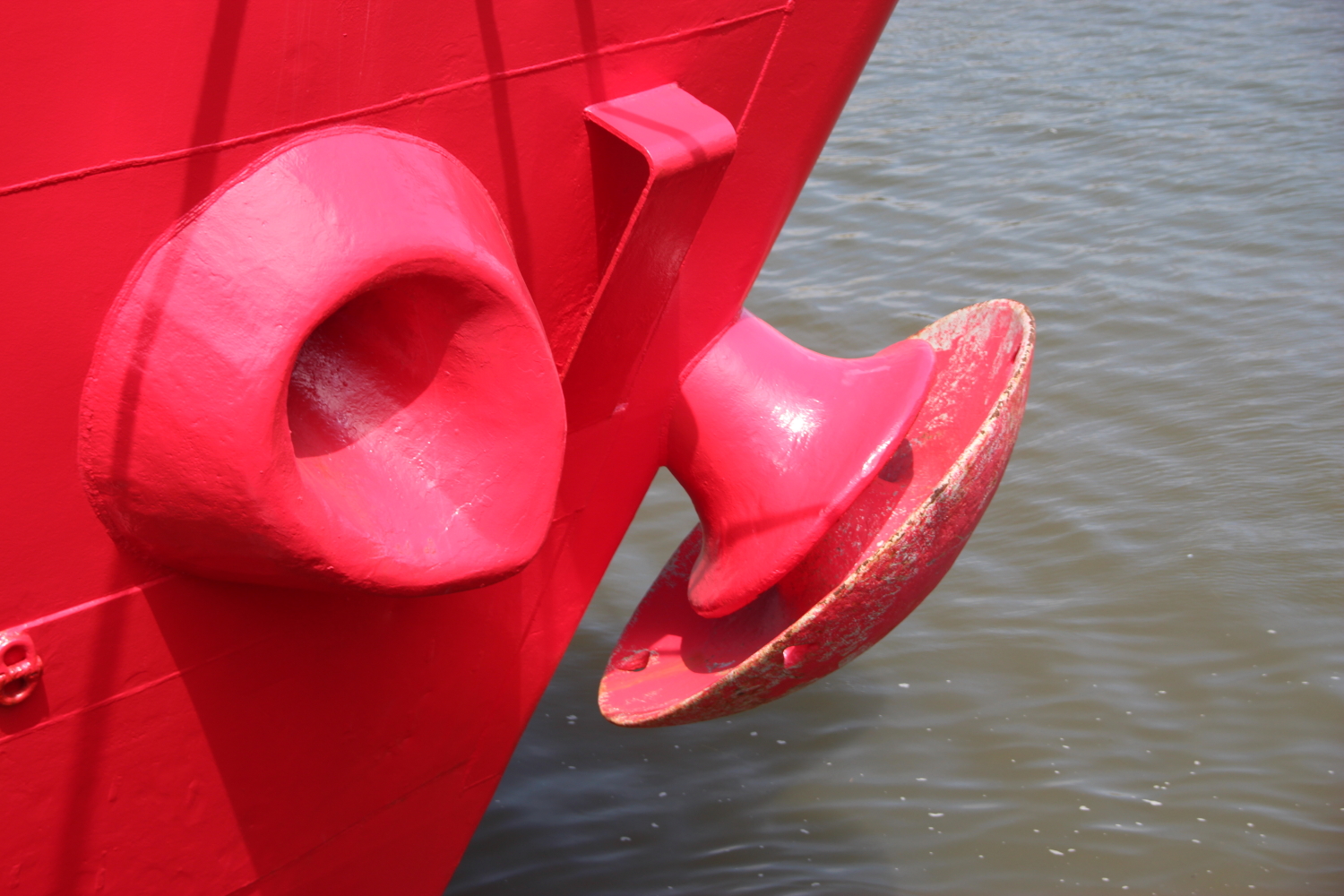
Boat hull
* an ongoing series of quotations – mostly from artists, to artists – that offers wisdom, inspiration, and advice for the sometimes lonely road we are on.
The modern way of seeing is to see in fragments. It is felt that reality is essentially unlimited, and knowledge is open-ended. It follows that all boundaries, all unifying ideas have to be misleading, demagogic; at best, provisional; almost always, in the long run, untrue. To see reality in the light of certain unifying ideas has the undeniable advantage of giving shape and form to our experience. But it also – so the modern way of seeing instructs us – denies the infinite variety and complexity of the real. Thereby it represses our energy, indeed our right, to remake what we wish to remake – our society, ourselves. What is liberating, we are told, is to notice more and more.
Paolo Dilonardo and Anne Jump, editors, Susan Sontag At the Same Time: Essays and Speeches
Comments are welcome!
Pearls from artists* # 47

Grand Falls, AZ
* an ongoing series of quotations – mostly from artists, to artists – that offers wisdom, inspiration, and advice for the sometimes lonely road we are on.
An artist can expect no help from his peers. Any art form which is not his own must be intolerable to him and upsets him to the highest degree. I have seen Claude Debussy ill at the orchestral rehearsals of Le Sacre. His soul was discovering its splendour. The form that he had given to his soul was suffering from another that did not accord with its own contours. Therefore no help. Neither from our peers nor from a mob incapable of consenting without revolt to a violent break with the habits it had begun to form. Whence will help come? From no one. And it is then that art begins to use the obscure stratagems of nature in a kingdom which resists it, which even seems to fight it or turn its back upon it.
Jean Cocteau in The Difficulty of Being
Comments are welcome!
Pearls from artists* # 41
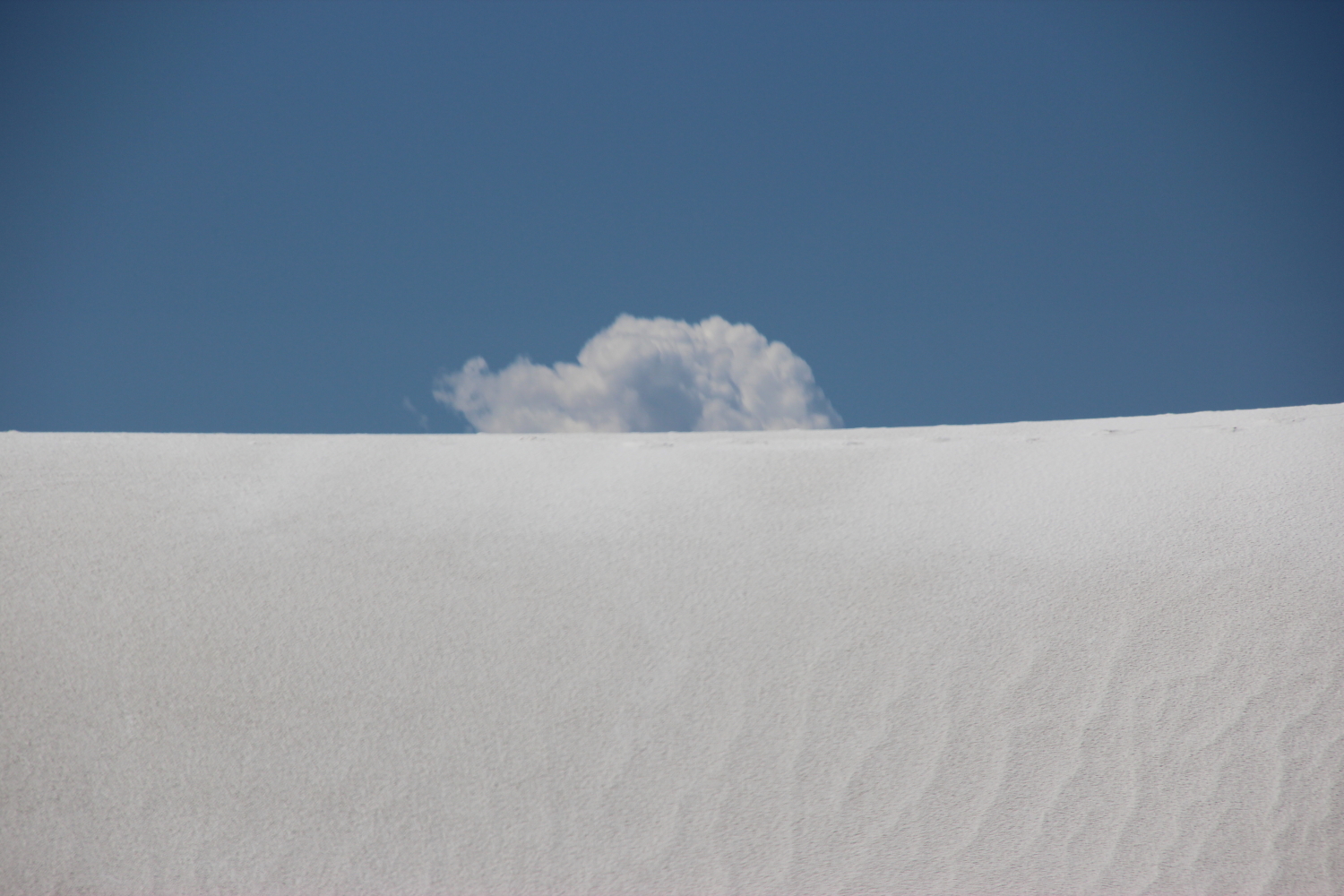
White Sands, NM
* an ongoing series of quotations – mostly from artists, to artists – that offers wisdom, inspiration, and advice for the sometimes lonely road we are on.
If you look at the work of an artist over a lifetime there is always transformation. Some hit a lively place early and then seem to lose it later. Others find that place progressively throughout their life; others still, find it late. But regardless, they are all learning to isolate the poetic place within them. That focus on the poetic in our own work increases our appreciation of the beauty around us, increases our growth, and increases our divine connection.
One thing you see in many artists’ work is that as they continue over the decades to translate their experience of the poetic into form, they learn to communicate better. They strip away all the extraneous stuff and artistic baggage they had. They say more with less.
The problem is seldom that what we truly, deeply experience is too simple to simplify. There is power in stripping everyhing away to reveal the vision. That’s what takes a lifetime.
Ian Roberts in Creative Authenticity: 16 Principles to Clarify and Deepen Your Artistic Vision
Comments are welcome!
Pearls from artists* # 25
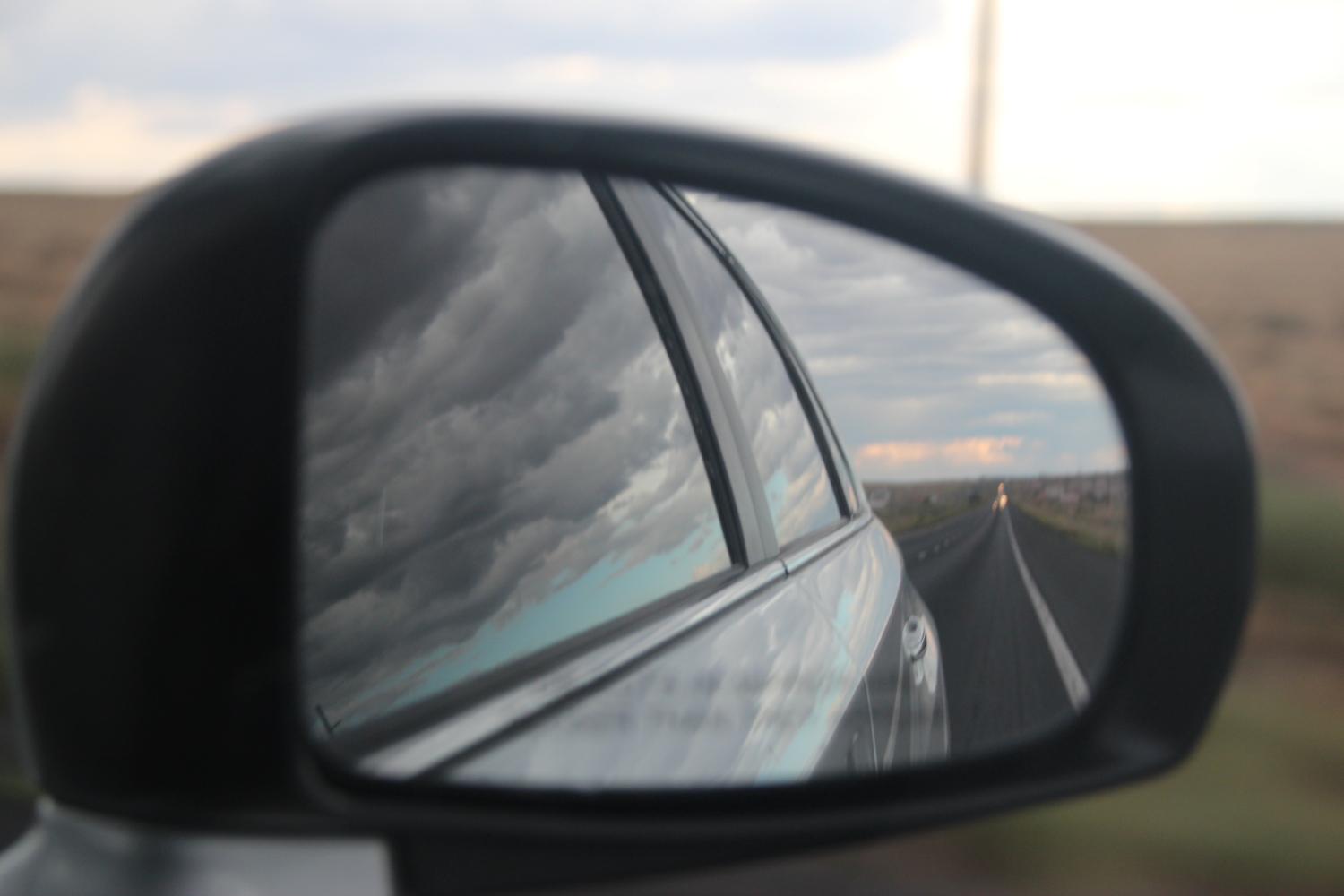
Arizona highway (Donna at the wheel)
* an ongoing series of quotations – mostly from artists, to artists – that offers wisdom, inspiration, and advice for the sometimes lonely road we are on.
February 21, 1924. A hell of a day yesterday. Bitter disappointment awaits the worker in photography.
After risking my neck to get the 8 x 10 camera on la azotea – flat roof – over Tina’s room, the highest vantage point of Lucerna 12, and after straining my back and stripping my nerves to capture a sweep of scurrying cloud forms, development revealed fog – ruinous fog – unmistakably from extraneous light – and a beautiful negative it was, or might have been!
The demon fog can play such uncanny tricks – always I am confounded, disconcerted, mystified until the trouble has been located. All morning I squinted and poked and probed, finally patching with felt the supposed leak due to a warped back, but I lost my negative, as fine a one as any of clouds I have done.
In a blue funk, I was ready to quit, and when Galvan called, accepted his suggestion that we ride into the country and then walk for a while.
North, and out of el distrito federal, he took us to a barranca – gorge – close by – in fact, hardly twenty minutes drive away, yet, from the desolation of this cactus covered gulch we seemed a hundred miles away from any city street. Cactus and rock and the tortuous curves of el arroyo seco – the dry gulch – a bleakness to the spot intensified by a lowering sky, black wrathful clouds, angrily unable to spill their burden of rain. We climbed, we shot, we lay on the dead grass and watched the sunset edge the clouds with rose, and all around stiff cacti in spreading silhouette. Tea with Galvan, his three old aunts and Don pepe – cajeta de Celaya, te, pasas – jelly from Celaya, tea, raisins, and sweet bread.
I feel better, to hell with photography, art, women and all.
Yet – I wished for my camera today. Those serrated stalks of the maguey, their bold uncompromising leaves cutting the horizon, they would make a fine jagged base to a typical Mexican sky.
Nancy Newhall, editor, The Daybooks of Edward Weston: Two Volumes in One: I. Mexico II. California
Comments are welcome!
Pearls from artists* # 8
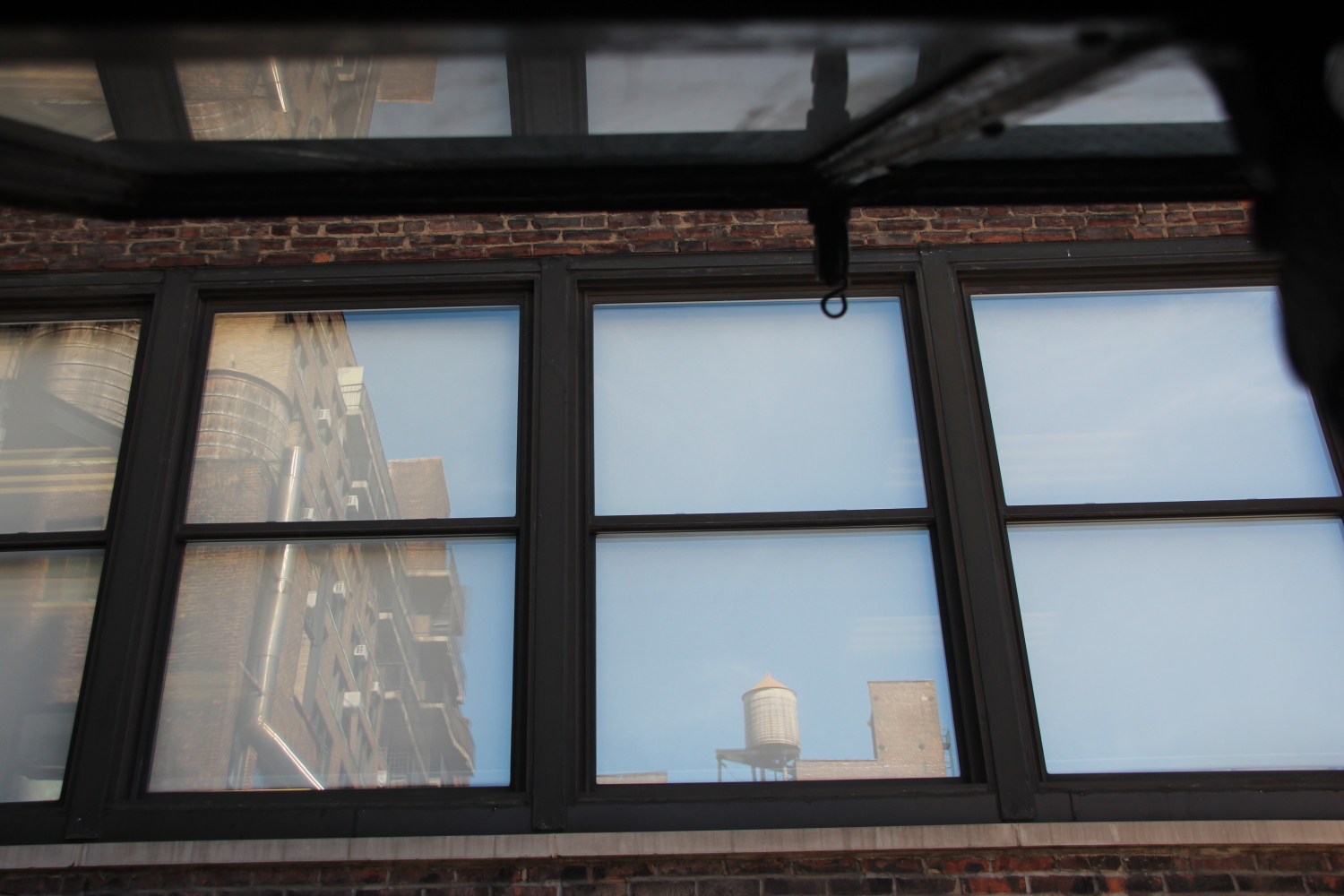
A view from the studio
* an ongoing series of quotations – mostly from artists, to artists – that offers wisdom, inspiration, and advice for the sometimes lonely road we are on.
Here is a fairly sober version of what happens in the small room between the writer and the work itself. It is similar to what happens between a painter and the canvas.
First you shape the vision of what the projected work of art will be. The vision, I stress, is no marvelous thing: it is he work’s intellectual structure and aesthetic surface. It is a chip of mind, a pleasing intellectual object. It is a vision of the work, not of the world. It is a glowing thing, a blurred thing of beauty. Its structure is at once luminous and translucent; you can see the world through it. After you receive the initial charge of this imaginary object, you add to it at once several aspects, and incubate it most gingerly as it grows into itself.
Many aspects of the work are still uncertain, of course; you know that. You know that if you proceed you will change things and learn things, that the form will grow under your hands and develop new and richer lights. But that change will not alter the vision or its deep structures; it will only enrich it. You know that and you are right.
But you are wrong if you think that in the actual writing or in the actual painting, you are filling in the vision. You cannot fill in the vision. You cannot even bring the vision to light. You are wrong if you think that you can in any way take the vision and tame it to the page. The page is jealous and tyrannical; the page is made of time and matter; the page always wins. The vision is not so much destroyed, exactly, as it is, by the time you have finished, forgotten. It has been replaced by this changeling, this bastard, this opaque lightless chunky ruinous work.
Here is how it happens. The vision is, sub specie aeternitatis, a set of mental relationships, a coherent series of formal possibilities. In the actual rooms of time, however, it is a page or two of legal paper filled with words and questions; it is a terrible diagram, a few books’ names in a margin, an ambiguous doodle, a corner folded down in a library book. There are memos from the thinking brain to witless hope.
Nevertheless, ignoring the provisional and pathetic nature of these scraps, and bearing the vision itself in mind – having it before your sights like the very Grail – you begin to scratch out the first faint marks on the canvas, on the page. You begin the work proper. Now you have gone and done it. Now the thing is no longer a vision: it is paper.
Words lad to other words and down the garden path. You adjust the paints’ values and hues not to the world, not to the vision, but to the rest of the paint. The materials are stubborn and rigid; push is always coming to shove. You can fly – you can fly higher than you thought possible – but you can never get off the page. After every passage another passage follows, more sentences, more everything on drearily down. Time and materials hound the work; the vision recedes ever farther into the dim realms.
And so you continue the work, and finish it. Probably by now you have been forced to toss the most essential part of the vision. But this is a concern for mere nostalgia now: for before your eyes, and stealing your heart, is this fighting and frail finished product, entirely opaque. You can see nothing through it. It is only itself, a series of well-known passages, some colored paint. Its relationship to the vision that impelled it is the relationship between any energy and any work, anything unchanging to anything temporal.
The work is not the vision itself, certainly. It is not the vision filled in, as if it had been a coloring book. It is not the vision reproduced in time; that were impossible. It is rather a simulacrum and a replacement. It is a golem. You try – you try every time – to reproduce the vision, to let your light so shine before men. But you can only come along with your bushel and hide it.
Annie Dillard, The Writing Life
Comments are welcome.


 barbararachkoscoloreddust.com