Category Archives: Studio
Q: What’s on the easel today?
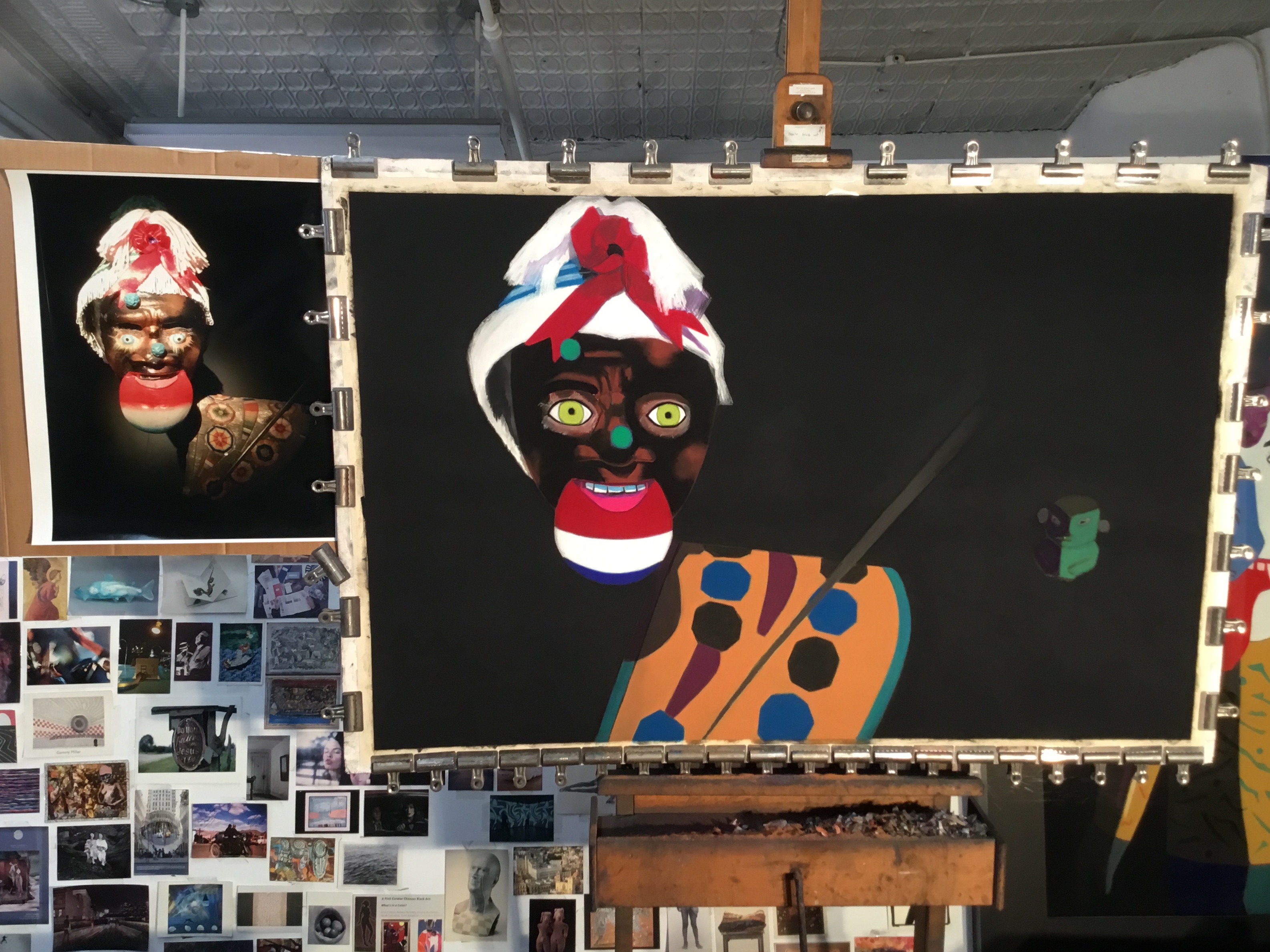
Work in progress
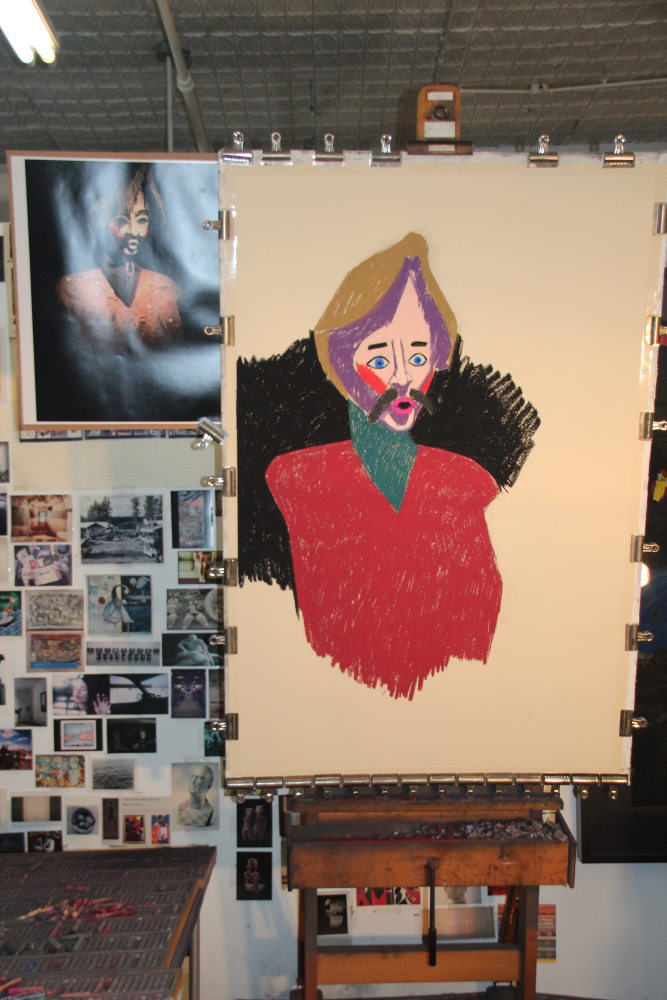
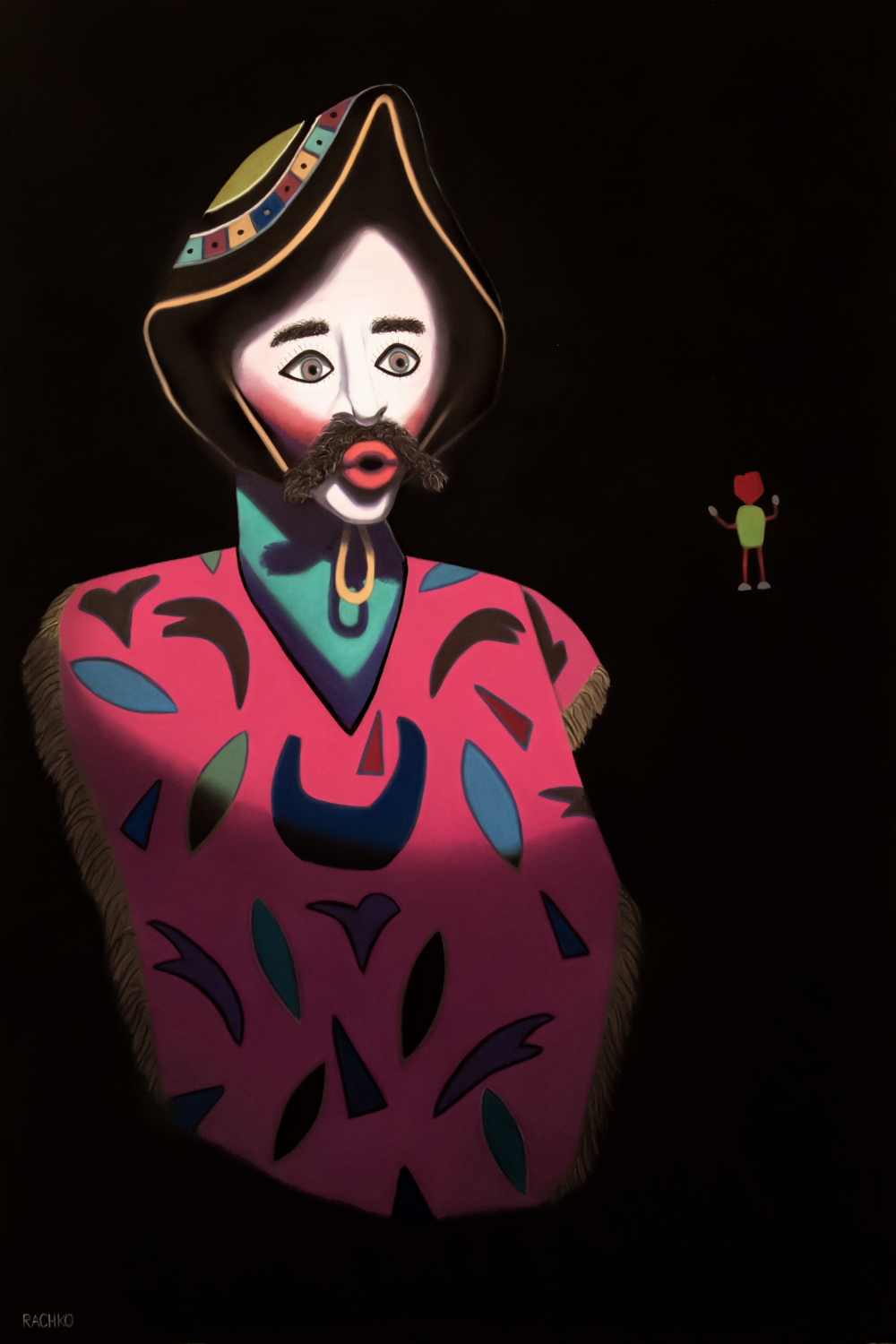
A: I continue slowly working on an untitled 38” x 58” pastel painting, number nine in the “Bolivianos” series. It still has a long way to go.
Comments are welcome!
Pearls from artists* # 349
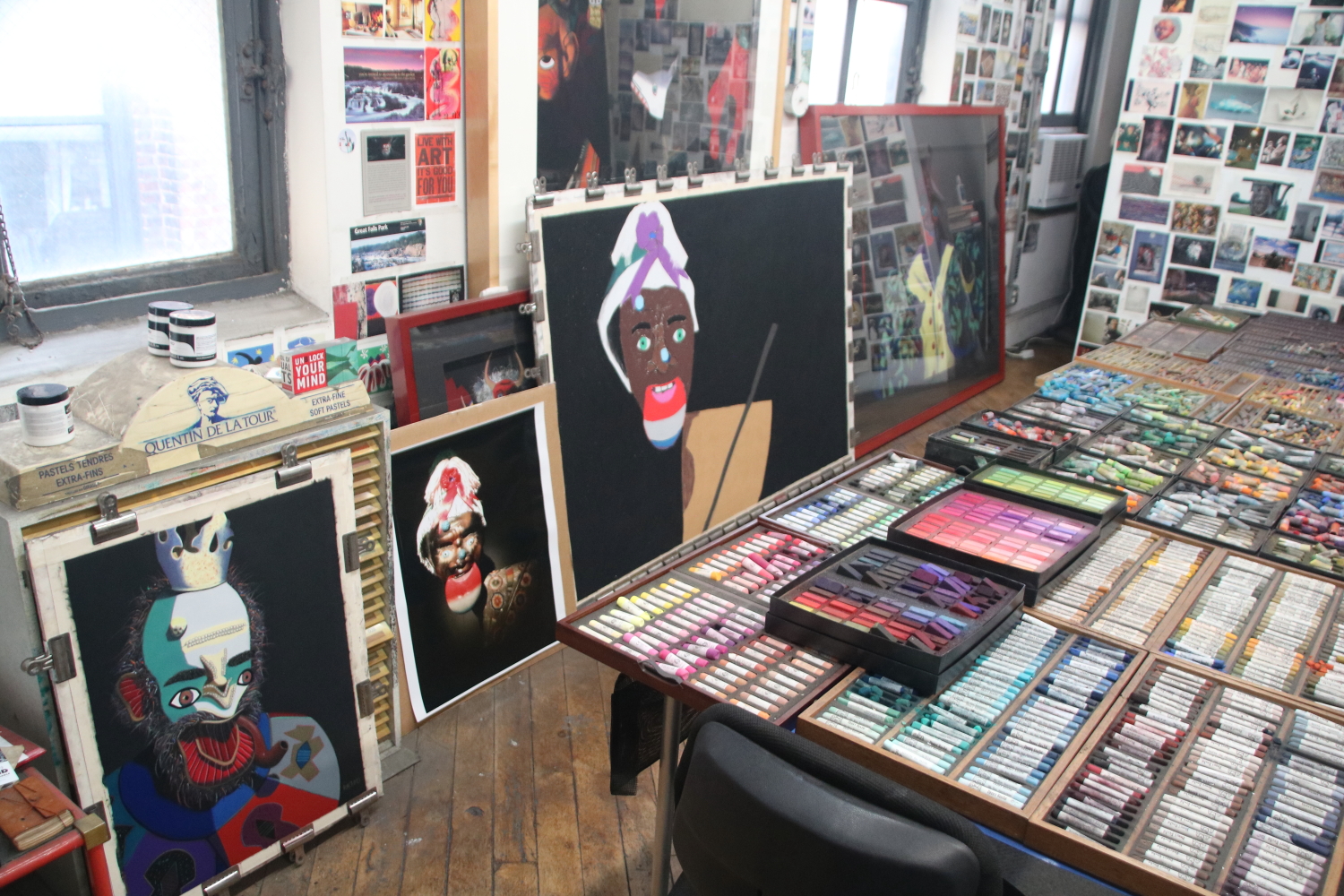
Barbara’s studio
*an ongoing series of quotations – mostly from artists, to artists – that offers wisdom, inspiration, and advice for the sometimes lonely road we are on.
If Dostoyevsky, Flaubert, and so many others were able to create great artistic works, it was because they were able to pull off something few adults can find it in themselves to do: they were able to suspend all final judgments about life and the universe in order to play…
The spirit of work is concerned with self-preservation. It evaluates concepts and ideas in terms of their practical value. Building roads, raising walls, running elections, debating policies, educating the young – all of these are purposive actions ultimately aimed at upholding social structures, changing those structures, or promoting one’s place within society. The spirit of work is the home of the ego, the part of us that has evolved to survive and thrive. One of the conditions of the artistic creation seems to be the ability to move frame this frame of mind into the spirit of play. As many artist have said in varying ways, the trick is to forget everything and create for the sake of creating. No worthwhile play, of course, is without effort. As the painstaking care Flaubert put into every line of his books makes clear, the spirit of play is sometimes the most exciting. Nevertheless, art remains in essence a game, an activity undertaken for its own sake, no matter how difficult. Like all games, it requires the establishment of a perimeter within which things that one might take very seriously in ordinary life are given only relative value. The perimeter suspends all the conventional rules, allowing the artist to turn the world on its head and let the imagination roam freely.
No sooner have we entered the spirit of play than we see things differently.
J.F. Martel in Reclaiming Art in the Age of Artifice: A Treatise, Critique, and Call to Action
Comments are welcome!
Q: Was there a pivotal time in your life when you were forced to choose between two different paths? Do you have any regrets?
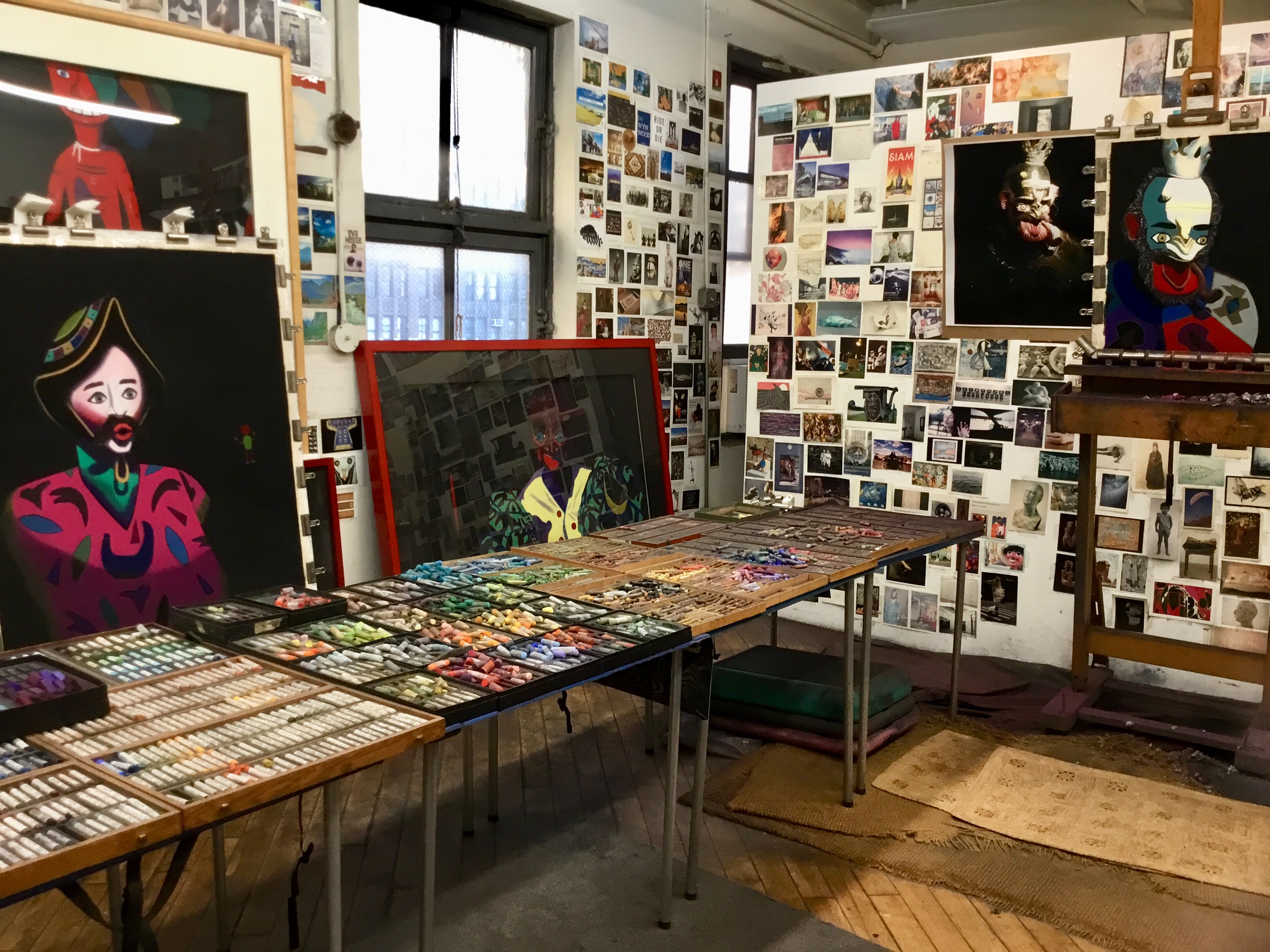
Barbara’s studio
A: In 1988 I was a Navy Lieutenant working at the Pentagon as a computer analyst. I hated my boring job! For about two years I had been taking drawing classes at the Art League School in Alexandria, VA and was rapidly improving. More importantly, I discovered that making art was endlessly fascinating and challenging.
After much soul searching, I made the scary decision to resign from active duty. Sept. 30, 1989 was my last day. I have been a professional visual artist ever since and surprisingly (to me!), have never needed a day job.
However, for fourteen years I remained in the Naval Reserve, working in Virginia one weekend a month and for two weeks each year. After I moved to New York in 1997, I used to take Amtrak to Washington, DC. I would go from my full time New York artist’s life to my part time military life. It was extremely interesting to be around such different types of people, to say the least! On November 1, 2003 I retired as a Navy Commander.
I have never, ever regretted the path I chose. I love being an artist and would not want to spend my life doing anything else.
Comments are welcome!
Start/Finish of “Viceroy,” Soft Pastel on Sandpaper, 26” x 20”
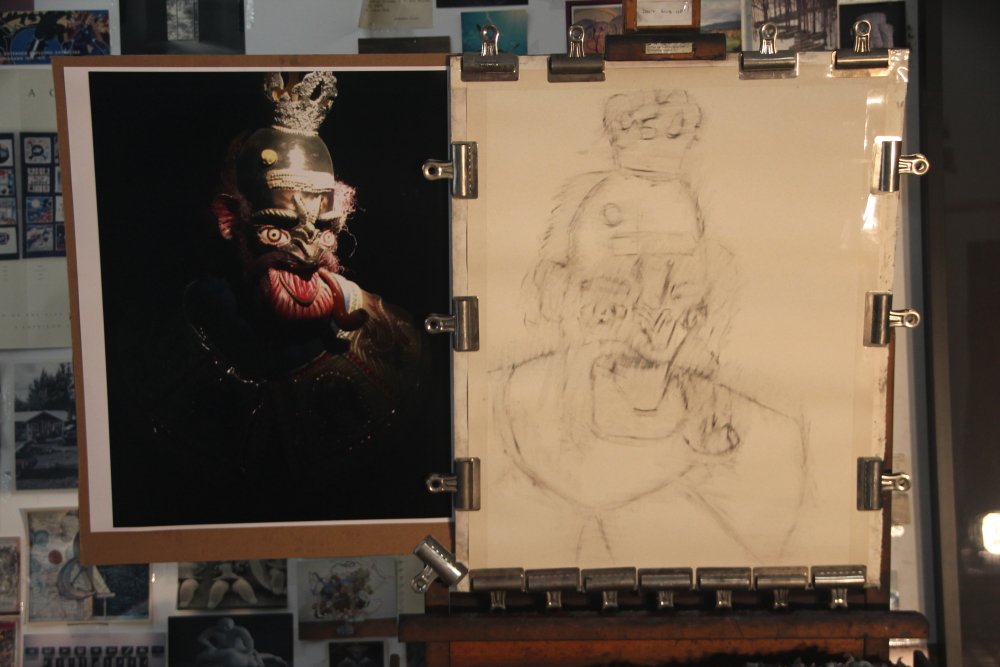
Start: erased charcoal drawing

Finished
Comments are welcome!
Pearls from artists* # 341
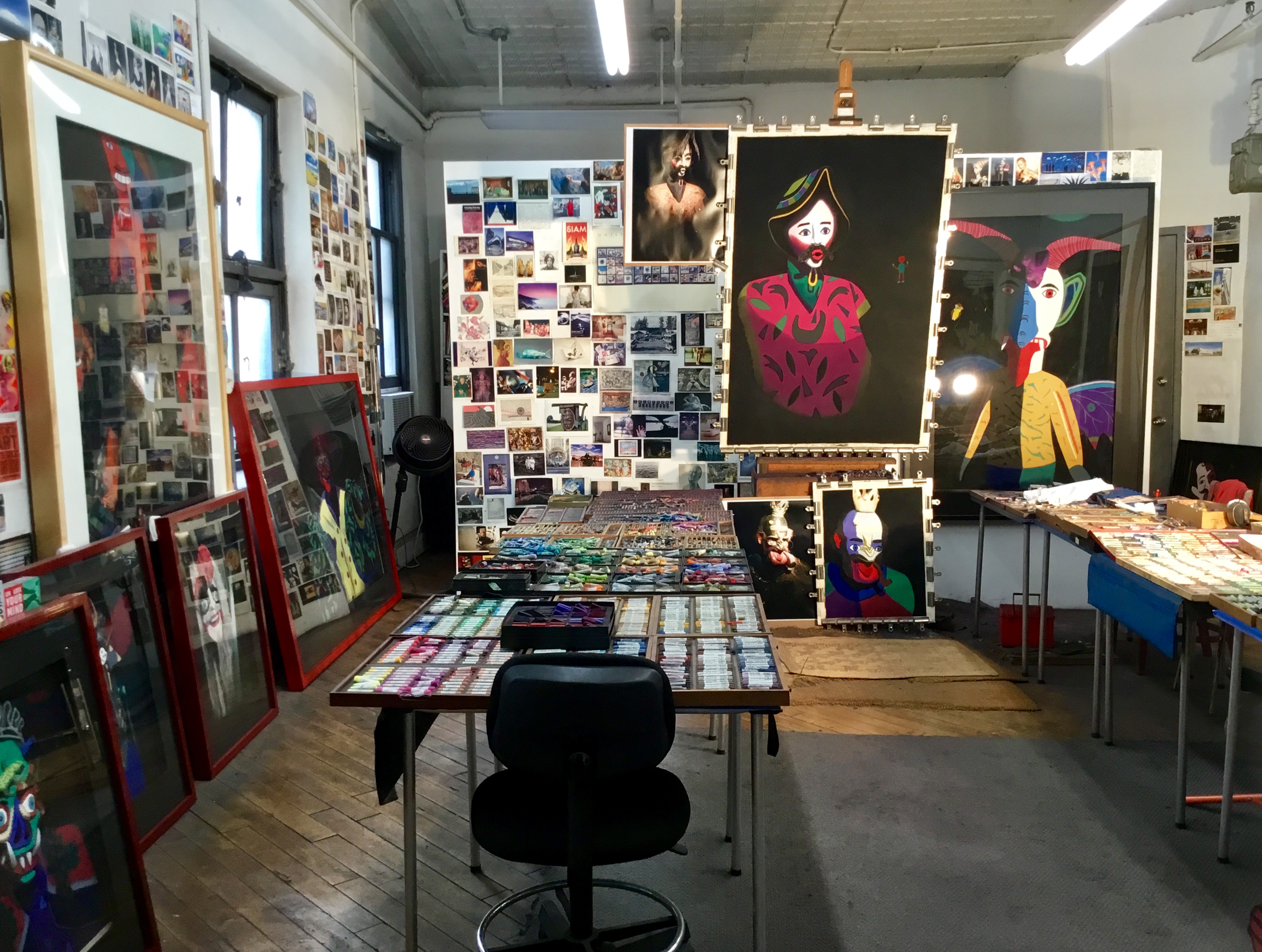
Barbara’s studio
*an ongoing series of quotations – mostly from artists, to artists – that offers wisdom, inspiration, and advice for the sometimes lonely road we are on.
The classic work of art is a form of life with its own bizarre consciousness. In the performing arts – theater, dance, music – this consciousness is not reducible to the minds of the performers onstage. The participants are parts of a spiritual organism that includes and transcends them. In our modern materialist mindset we naturally attribute the impression that a work speaks in its own voice to the intention of the author, who used it as a vehicle for her own ideas. But… works of art express much that their authors never intended to say: they exceed the limited views of those who bring them into being.
J.F. Martel in Reclaiming Art in the Age of Artifice: A Treatise, Critique, and Call to Action
Comments are welcome!
Pearls from artists* # 336

Barbara’s studio
*an ongoing series of quotations – mostly from artists, to artists – that offers wisdom, inspiration, and advice for the sometimes lonely road we are on.
Beauty and symbol are the two faces of the numinous, that enigmatic force that bestows upon certain things, places, and moments an otherworldly power. It is the combination of radical beauty and symbolic resonance – of apparition and death – that makes aesthetic objects so overpowering. While at the surface there may appear to be an insurmountable difference between a Shinto shrine and a Tom Waits concert, both use beauty and symbol to confront us with what is strange and sacred in life. Their similarity is as profound as their differences.
J.F. Martel in Reclaiming Art in the Age of Artifice: A Treatise, Critique, and Call to Action
Comments are welcome!
Q: Do you plan your work in advance or is it improvisation?
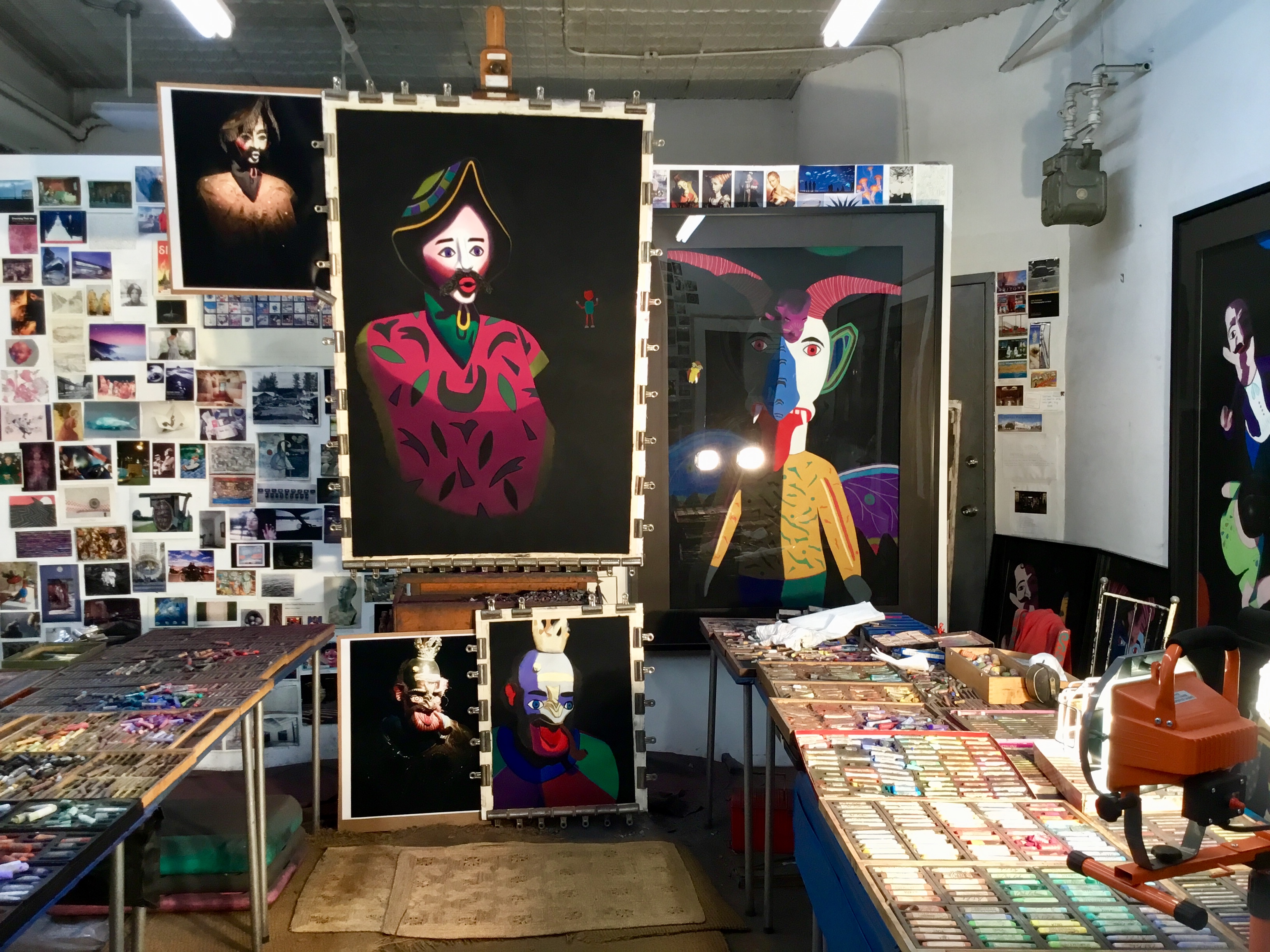
Barbara’s studio
A: My process is somewhere in between those two. I work from my own set-up or on-site photographs and make a preliminary sketch in charcoal before I start a pastel painting. Thousands of decisions about composition, color, etc. occur as I go along.
Although it starts out somewhat planned, I have no idea what a pastel painting will look like when it’s finished. Each piece takes about three months, not counting foreign travel, research, and a gestation period of several months to determine what the next pastel painting will even be.
Comments are welcome!
Q: What’s on the easel today?
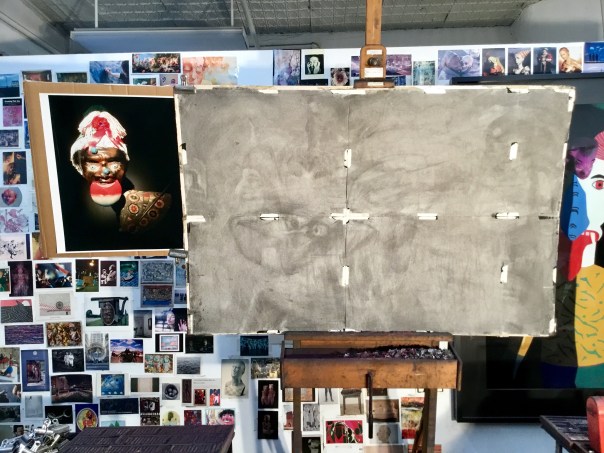
Preliminary charcoal sketch in progress.
A: I am starting a new preliminary sketch for my next pastel painting. This will be number nine in the “Bolivianos” series!
In 2018 I made six new pastel paintings, which is more than usual. The last time I created six in one year was 1996!
Comments are welcome!


 barbararachkoscoloreddust.com
Q: It is well known that you gain inspiration from foreign travel. Has anyone ever accused you of stealing their culture?
Feb 9
Posted by barbararachkoscoloreddust
The Bolivian side of Lake Titicaca
A: Yes, a few people have done so via comments on Facebook. It came as a shock.
The logic of such an accusation presumes ownership. I don’t believe any person has a claim to owning culture.
Travel is arguably the best education there is. My travels around the world, supplemented with lots of research once I return home, are an important part of my creative process. This is how I develop ideas to forge a way ahead. It is difficult and solitary work.
Every artist is tasked with remaining open to influences – however, wherever, and whenever they appear. Somewhat late in life, travel as a source of inspiration found ME. And it has been a blessing!
People around the world have become fans. Many send messages of thanks saying they are proud that some aspect of their country’s culture has inspired my work. I am always grateful and touched to know this.
Comments are welcome!
Share this:
Posted in 2019, An Artist's Life, Bolivia, Creative Process, Inspiration, Studio, The West Village, Working methods
Comments Off on Q: It is well known that you gain inspiration from foreign travel. Has anyone ever accused you of stealing their culture?
Tags: accusation, accused, afterwards, arguably, around the world, aspect, blessing, comments, country, creative process, develop, education, Facebook, foreign travel, forge ahead, grateful, handful, influences, inspiration, inspired, Lake Titicaca, late in life, logic, messages, ownership, presumes, remaining open, research, sentiments, shock, singular, source of inspiration, stealing culture, Studio, supplemented, tasked, telling, thanks, touched, travel