Author Archives: barbararachkoscoloreddust
Q: What does it feel like when you dop off a pastel painting at your Virginia framer’s shop? Are you sorry to see it go? (Question from Caroline Golden)
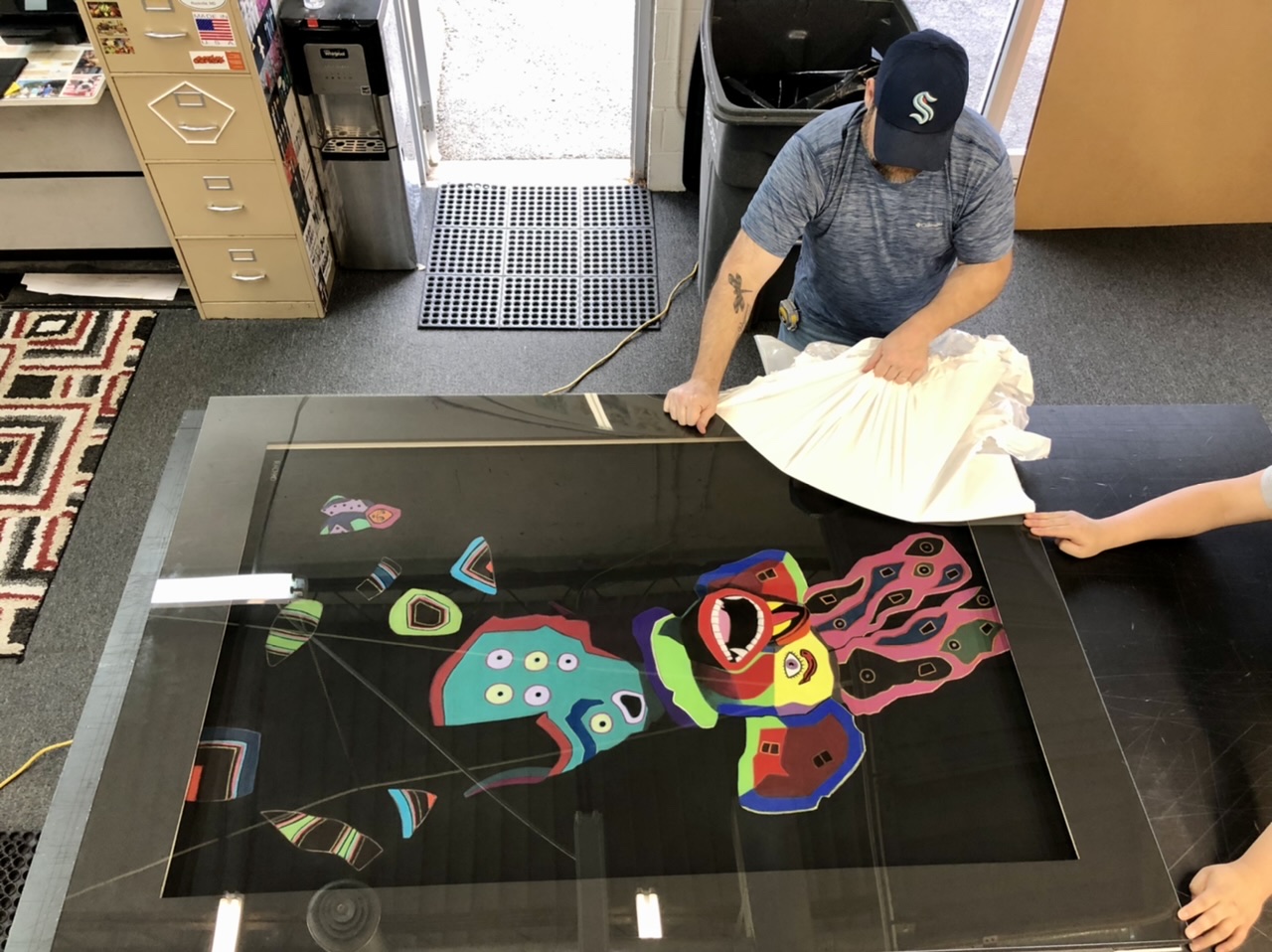
A: Actually, just the opposite since I have been looking at it on my easel for more than three months. Typically, I’m glad to say goodbye – temporarily – because I know when I pick it up in a month, I will have gained some distance and can begin to see and think about it more objectively. I can start reflecting on how this pastel painting relates to my overall body of work.
Comments are welcome!
Pearls from artists* # 534

*an ongoing series of quotations – mostly from artists, to artists – that offers wisdom, inspiration, and advice for the sometimes lonely road we are on.
Today I am quoting myself:
I strive to always do what is best for my art practice. It’s difficult sometimes, but it’s important to ignore most of what other people say. They mean well, but advice to artists is often misguided, especially when it is unsolicited. Fortunately, our hearts are never wrong.
B. Rachko on a Facebook post
Comments are welcome!
Travel photo of the month*
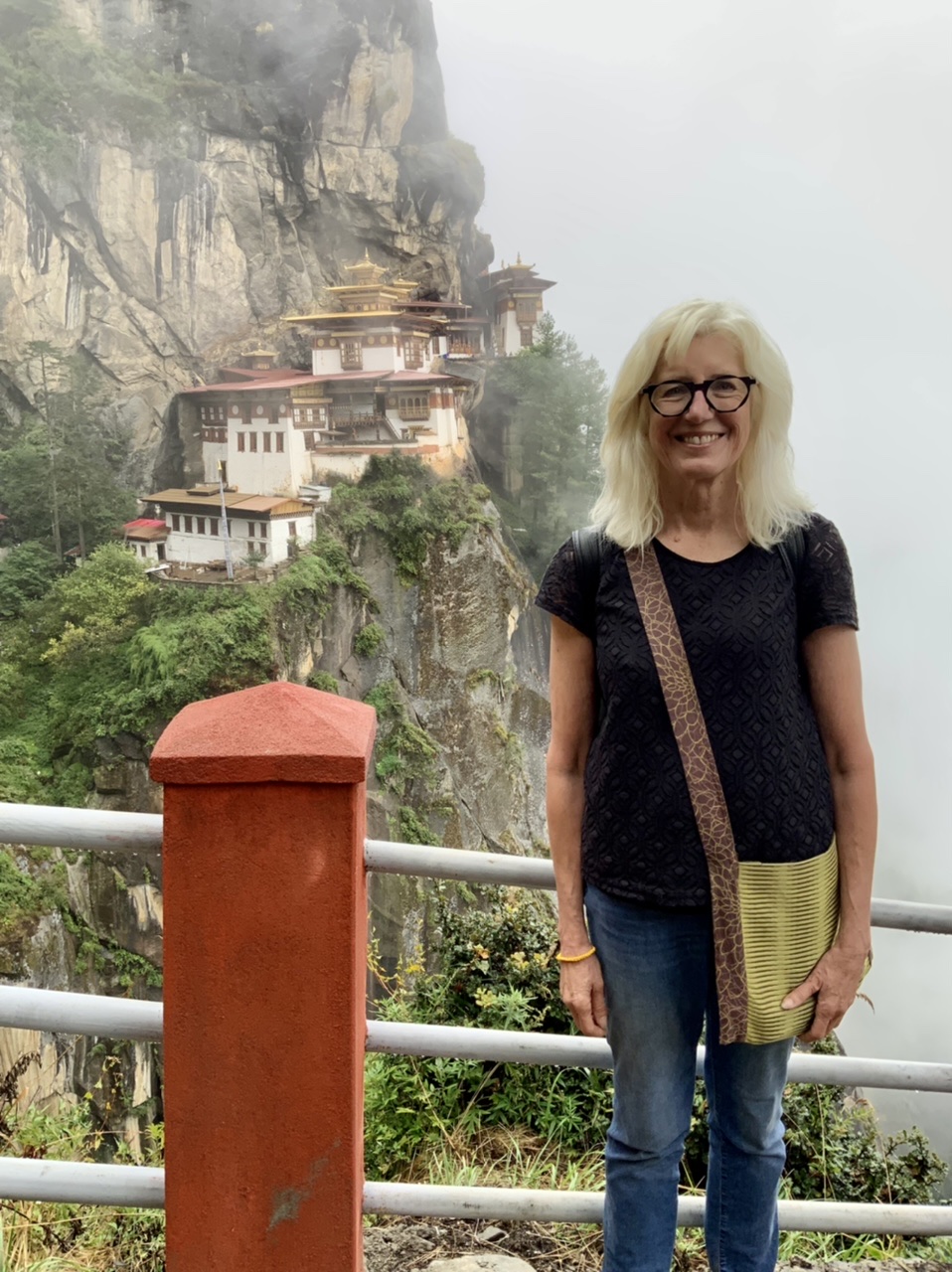
Climbing to Tiger’s Nest in Paro, Bhutan
*favorite travel photos that have not yet appeared in this blog
Comments are welcome!
Pearls from artists* # 533
*an ongoing series of quotations – mostly from artists, to artists – that offers wisdom, inspiration, and advice for the sometimes lonely road we are on.
Contemporary life promises unlimited options – and sometimes delivers them. If we’re able to avail ourselves of a never-ending supply of digital information, we can connect with our family, friends, and colleagues, binge watch or listen to anything that strikes our fancy and buy stuff so effortlessly that we’re in danger of imagining there’s no price attached. We can do so much with what seems like a little effort that doing itself becomes disembodied, wonderfully in some instances, bewilderingly or disturbingly in others. Some will say the situation is new – of course, our lives in cyberspace are unprecedented – but the desire to inhabit a time and place outside of time and place isn’t new at all. This is where the arts come in. They’ve always been a time out of time and a place out of place. But they’re also right here, right now. They’re both adamantine and ethereal, physical and metaphysical.
Jed Perl in Authority and Freedom: A Defense of the Arts
Comments are welcome!
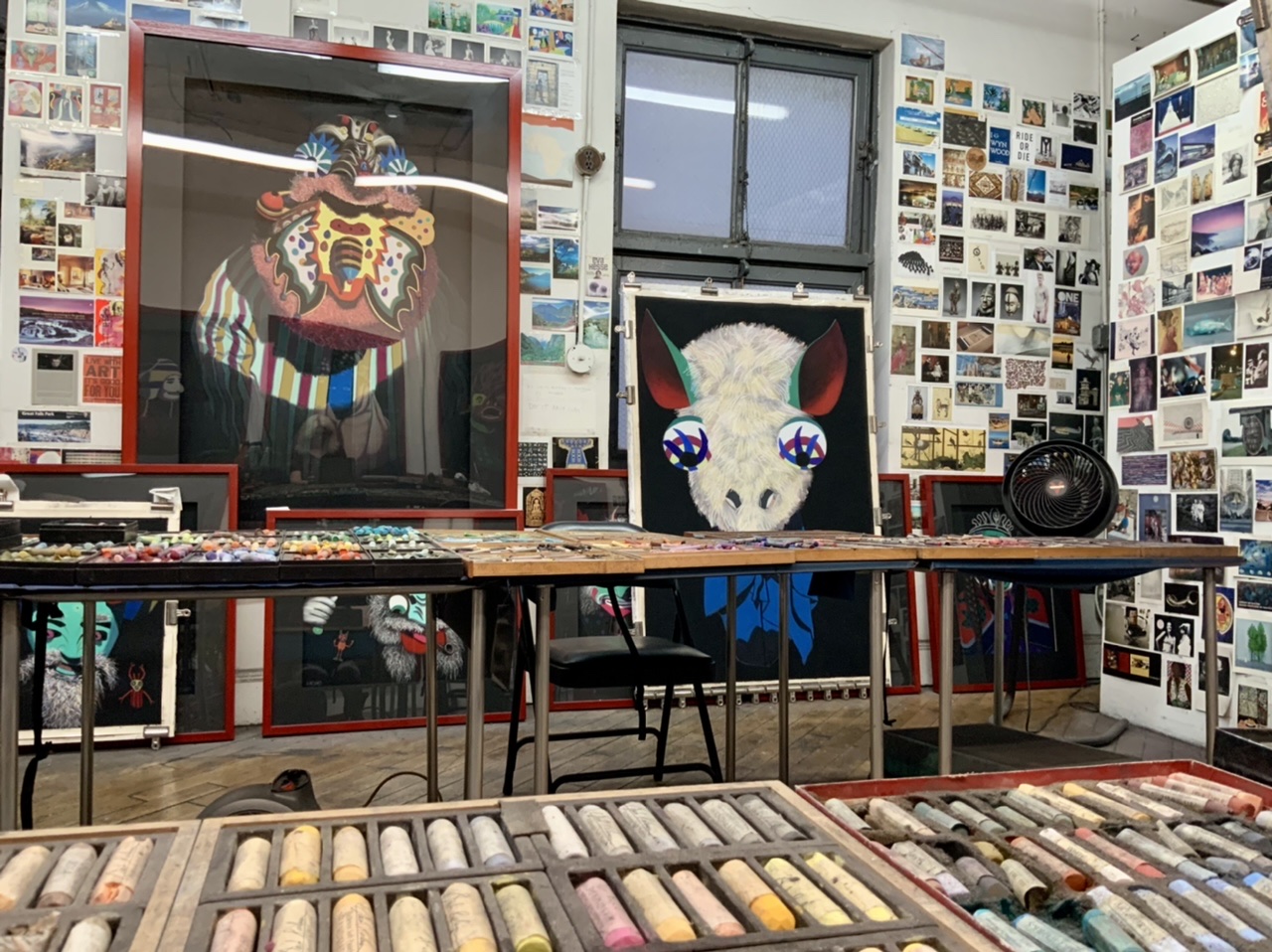
Q: What’s on the easel today?
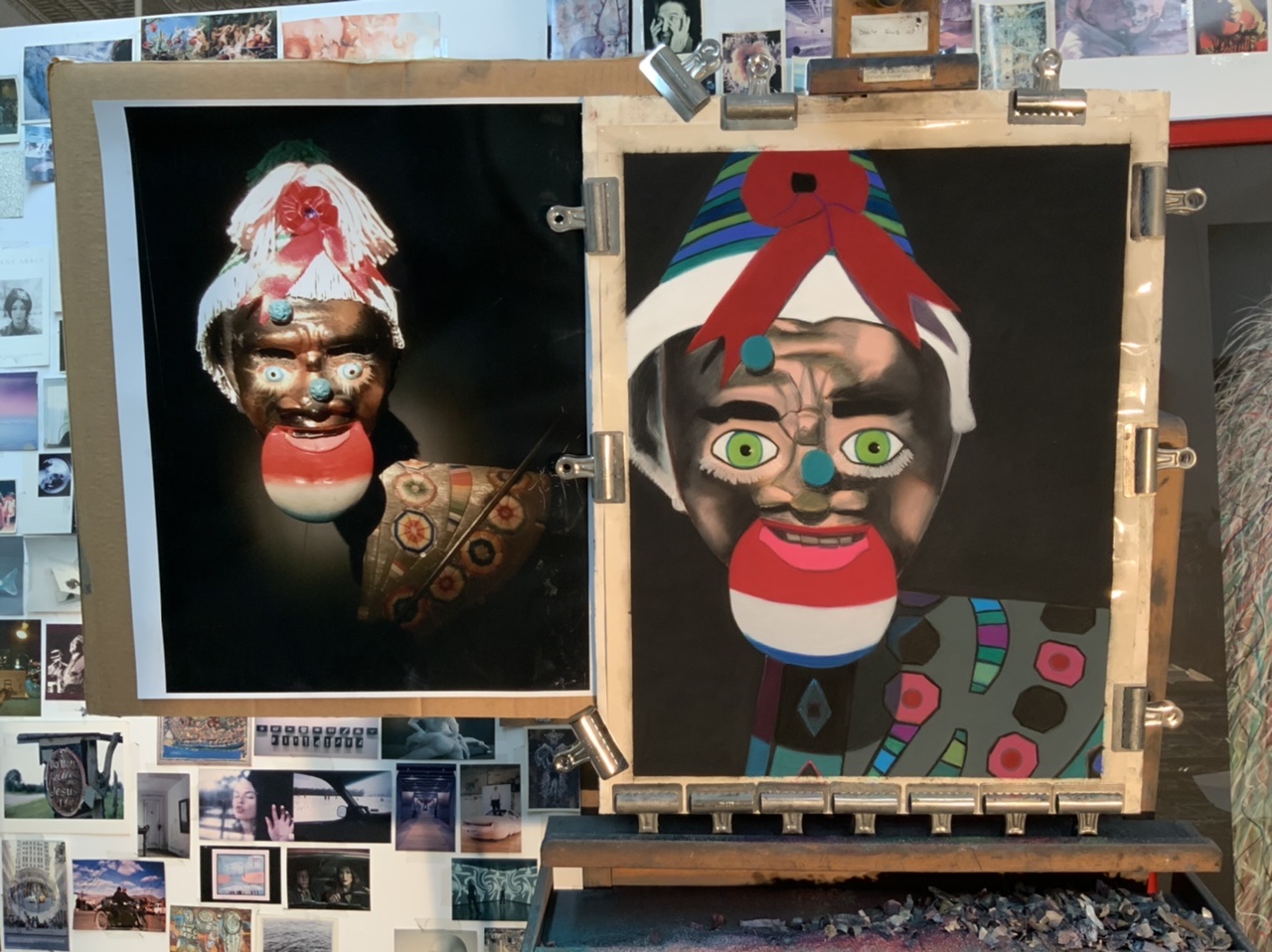
Work in progress
A. I continue refining and adding more details to “Disruptor,” soft pastel on sandpaper, 26” x 20.”
Comments are welcome!
Pearls from artists* # 532
*an ongoing series of quotations – mostly from artists, to artists – that offers wisdom, inspiration, and advice for the sometimes lonely road we are on.
Far from offering an escape from the world, the arts present one of the most difficult and hard-fought ways to enter into the life of our time or any other time. What the artist must first accept is the authority of an art form, the immersion in what others have done and achieved. Once the artist has begun to take all that in – it’s a process that never really ends – there comes the even greater challenge of asserting one’s freedom. It’s the limits imposed by a vocation that makes it possible to turn away from the pressures of the moment and think and feel freely – and sometimes, give the most private emotions an extraordinary public hearing. If art is the ordering of disorderly experience, and I don’t know how else to describe it, then the artist must be true both to the order and to the disorder. These are the trials of the artist and the artistic vocation. They shape the experience of anybody who reads a novel or looks at a painting or listens to a piece of music.
Jed Perl in Authority and Freedom: A Defense of the Arts
Comments are welcome!
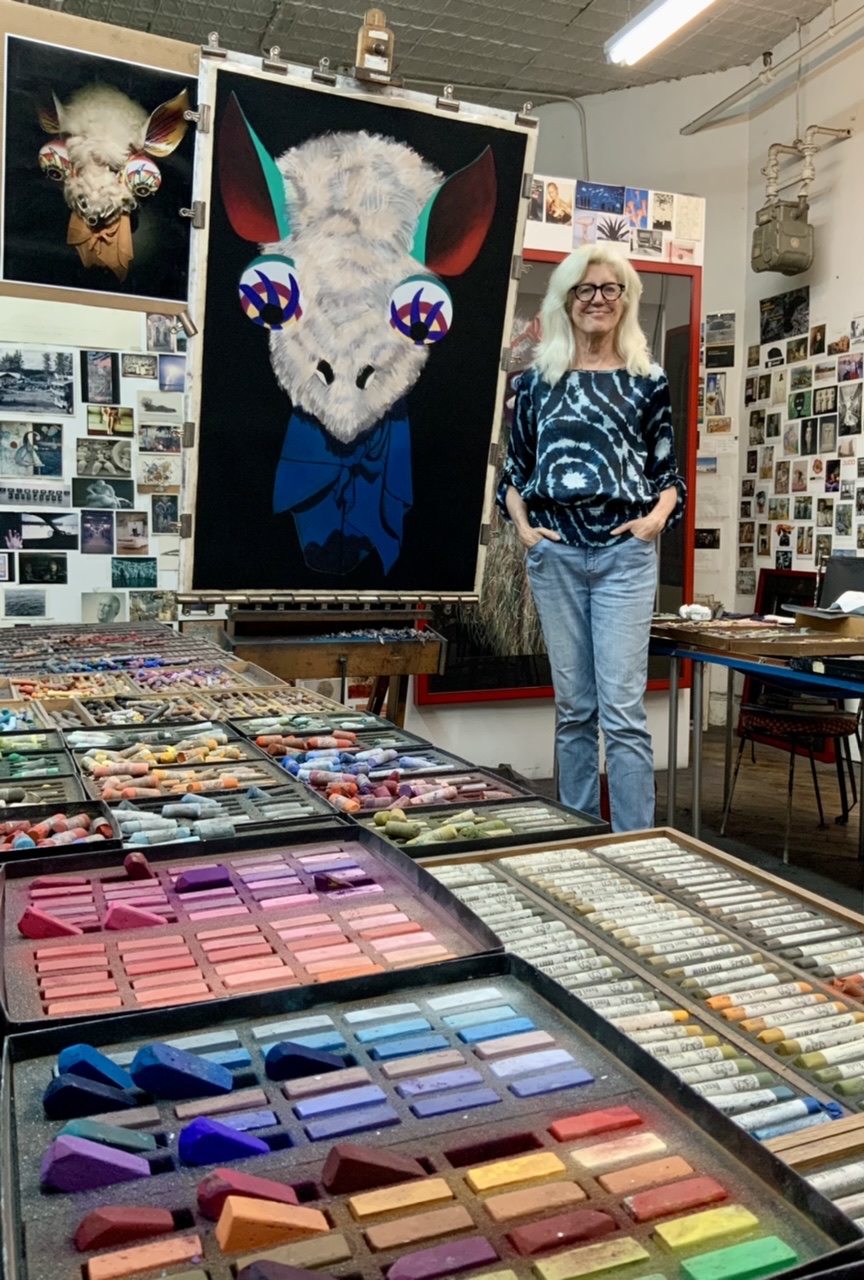
Q: There are so many instances in the art world where paintings are discovered to be fakes. Do you think this is a potential problem where your work is concerned? Can your pastel paintings be forged?


A: For the record, a little-appreciated fact about my pastel-on-sandpaper paintings is that they can never be forged. To detect a fake, you would only need to x-ray them. If dozens of layers of revisions are not visible under the final pastel painting, you are not looking at an original Rachko, period.
My completed paintings are the results of thousands of decisions. They are the product of an extremely meticulous, labor-intensive, and self-invented process. This is the difference between spending months thinking about and creating a painting, as I do, or a single day. It’s highly doubtful that my rigorous creative process can EVER be duplicated.
Comments are welcome!
Pearls from artists* # 531
* an ongoing series of quotations – mostly from artists to artists – that offers wisdom, inspiration, and advice for the sometimes lonely road we are on.
Find joy in the process as well as in the product. The issue of recognition is in part the issue of process versus outcome. Insofar as the process brings you joy, insofar as constructing a paragraph, painting shafts of sunlight, or playing a passage fills you with awe and delight, for that hour the issue of recognition vanishes. Insofar as the effort to construct that paragraph or to master that passage is a heartfelt struggle, welling up from deep sources, for that hour the issue of recognition vanishes. Notice your joy in the work, so as to remind yourself why you embarked on this journey.
Eric Maisel in A Life in the Arts: Practical Guidance and Inspiration for Creative and Performing Artists
Comments are welcome!
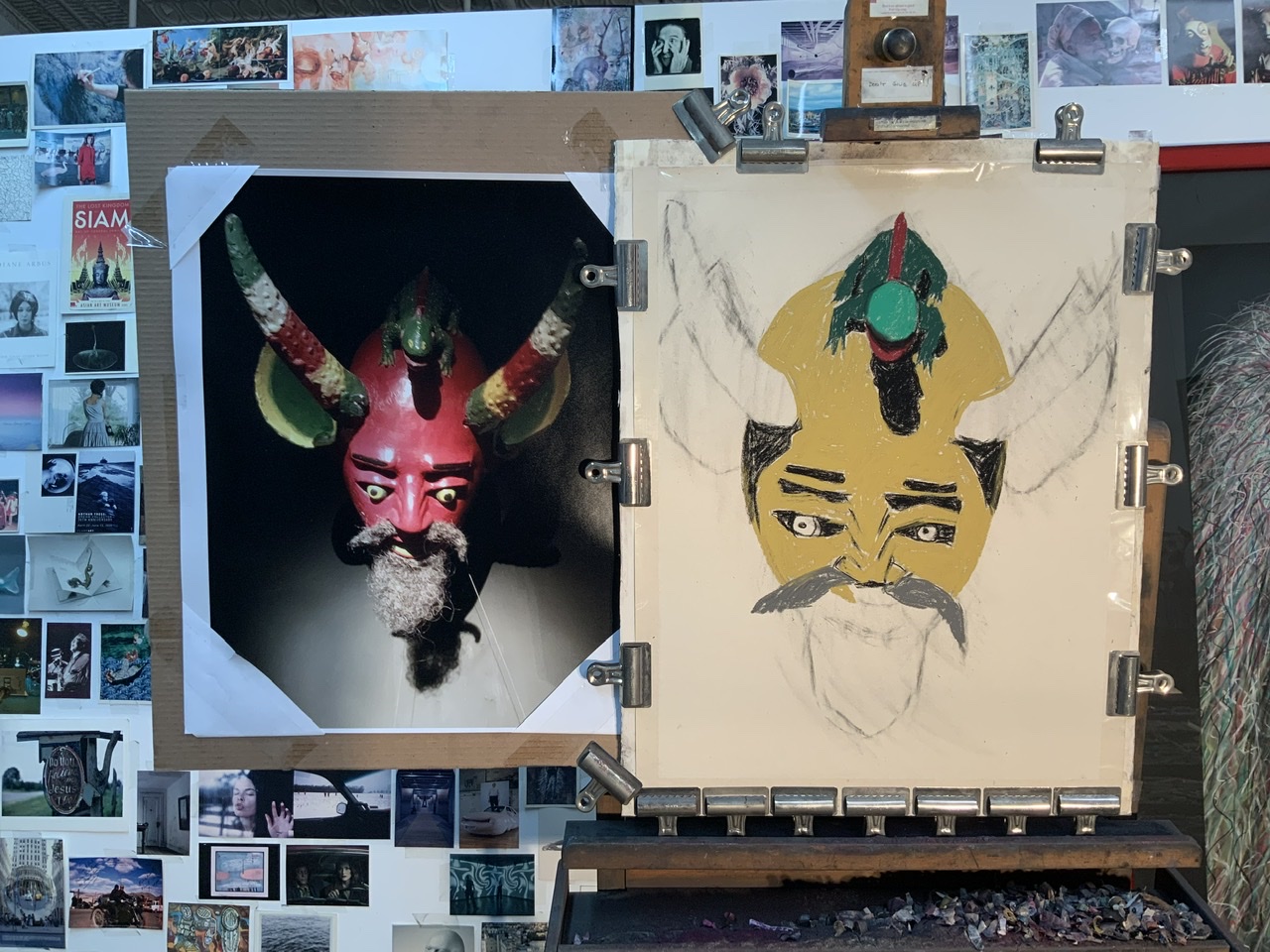
Start/Finish of ”The Mentalist,” soft pastel on sandpaper, 26” x 20” image, 35” x 28.5” framed

Comments are welcome!
Pearls from artists* # 530
* an ongoing series of quotations – mostly from artists to artists – that offers wisdom, inspiration, and advice for the sometimes lonely road we are on.
Samuel Coleridge described the imagination as “the living power and prime agent of all human perception.” It achieves its fullest potential in artistic expression because it is there that it transcends mere representation to bring forth unprecedented images of the world.
JF Martel in Reclaiming Art in the Age of Artifice: A Treatise, Critique, and Call to Action
Comments are welcome!



