Blog Archives
Pearls from artists* # 693

*an ongoing series of quotations – mostly from artists, to artists – that offers wisdom, inspiration, and advice for the sometimes lonely road we are on.
Earlier I wrote that I as an artist must concern myself with painting and not waste energy on trying to decipher other people’s intentions or motives. I still believe this to be correct.
(My main purpose in life is to paint, this is my profession. I am most happy when I am alone in the studio working. The other problems of politics exist outside my studio.)
note: I am not sure of this. I am sure of one thing that I am most happy when I am alone working in the studio. The distance between art + politics is one of grey. I have thought of my involvement in art as being one of combat—the paintings are weapons designed to destroy oppressors i.e., the establishment. Art is none of This! Art is Art.
A painting does not represent anything but itself. It shouldn’t look like anything else or make for any allusions. A painting is a painting just as a Rose is a Rose! May God bless Gertrude Stein!
Jack Whitten Notes From the Woodshed
Comments are welcome!
Pearls from artists* # 672

Barbara’s Studio
*an ongoing series of quotations – mostly from artists, to artists – that offers wisdom, inspiration, and advice for the sometimes lonely road we are on.
Beware of first impressions; try to have more presence of mind.
You should not be deceived by the eager promises of your best friends, by offers of help from influential people, or by the interest which men of talent seem to take in you, into thinking that there is anything real in what they say – real in the way of results, I mean. Many people are full of good intentions when they speak, but their eagerness subsides appreciably when it comes to action, like blusterers, or people who make angry scenes […]. And you, yourself, try to be more cautious in the way you welcome people, and above all, avoid these ridiculous attentions; they’re only offered on the impulse of the moment.
Cultivate a well-ordered mind, it’s your only road to happiness; and to reach it, be orderly in everything, even in the smallest details.
The Journal of Eugène Delacroix, edited by Hubert Wellington
Comments are welcome!
Pearls from artists* # 611
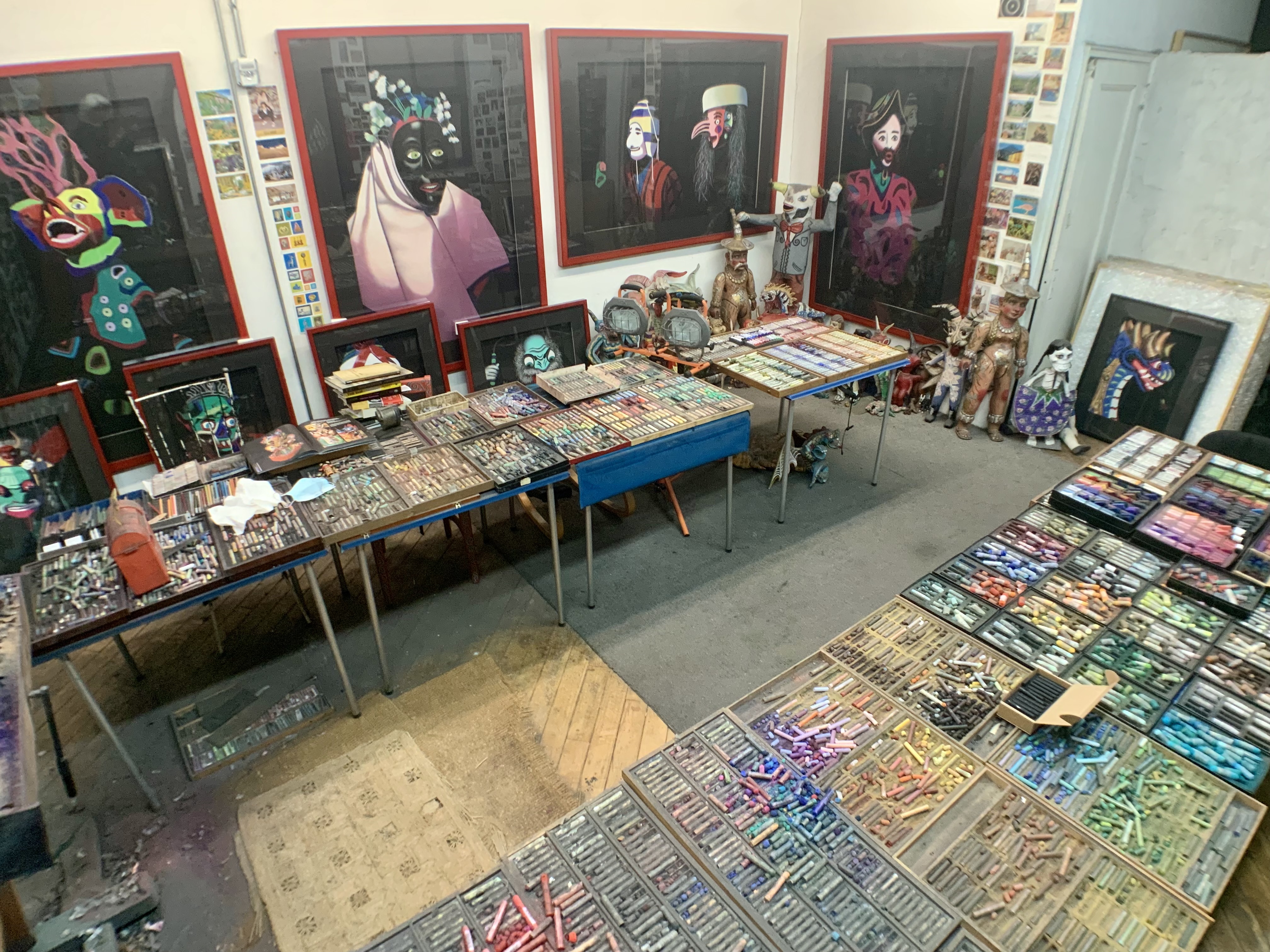
Barbara’s Studio
*an ongoing series of quotations – mostly from artists, to artists – that offers wisdom, inspiration, and advice for the sometimes lonely road we are on.
This common participation in the Trinity of Line, Form, and Color has founded a promiscuous fellowship which, while promoting the respect for skill, promotes to a far greater degree the misunderstanding of art. For skill in itself is but a sleight of hand. In a work of art one does not measure its extent but counts himself happiest when he is unaware of its existence in the contemplation of the result. Among those who decorate our banks and hotels you will find many who can imitate the manner of any master, living or dead, far better than the master could imitate himself, but they have no more knowledge of his soul than they have knowledge of their own. We will know how little skill avails, how ineffective are its artifices in filling the lack of true artistic motivation. His “less is more,” is Robert Browning’s famous evaluation of this problem in comparing the imperfections of Raphael’s art to the impecability of Del Sarto’s, “I should rather say that it will be more difficult to improve the mind of the master who makes such mistakes than to repair the work he has spoilt,” Leonardo wrote. Neither Giotto nor Goya exhibited half the skill of Coreggio or Sargent, either in the complexity of their undertaking or the apparent virtuosity of execution. The artist must have the particular skill to achieve his particular ends. If he has more, we are fortunate not to know it, for the exhibition of excess would only mar his art. You may be sure that the artist whose method is muddled betrays less his technical inadequacy than the incoherence of his own intentions.
Mark Rothko in The Artist’s Reality: Philosophies of Art
Comments are welcome!
Pearls from artists* # 438
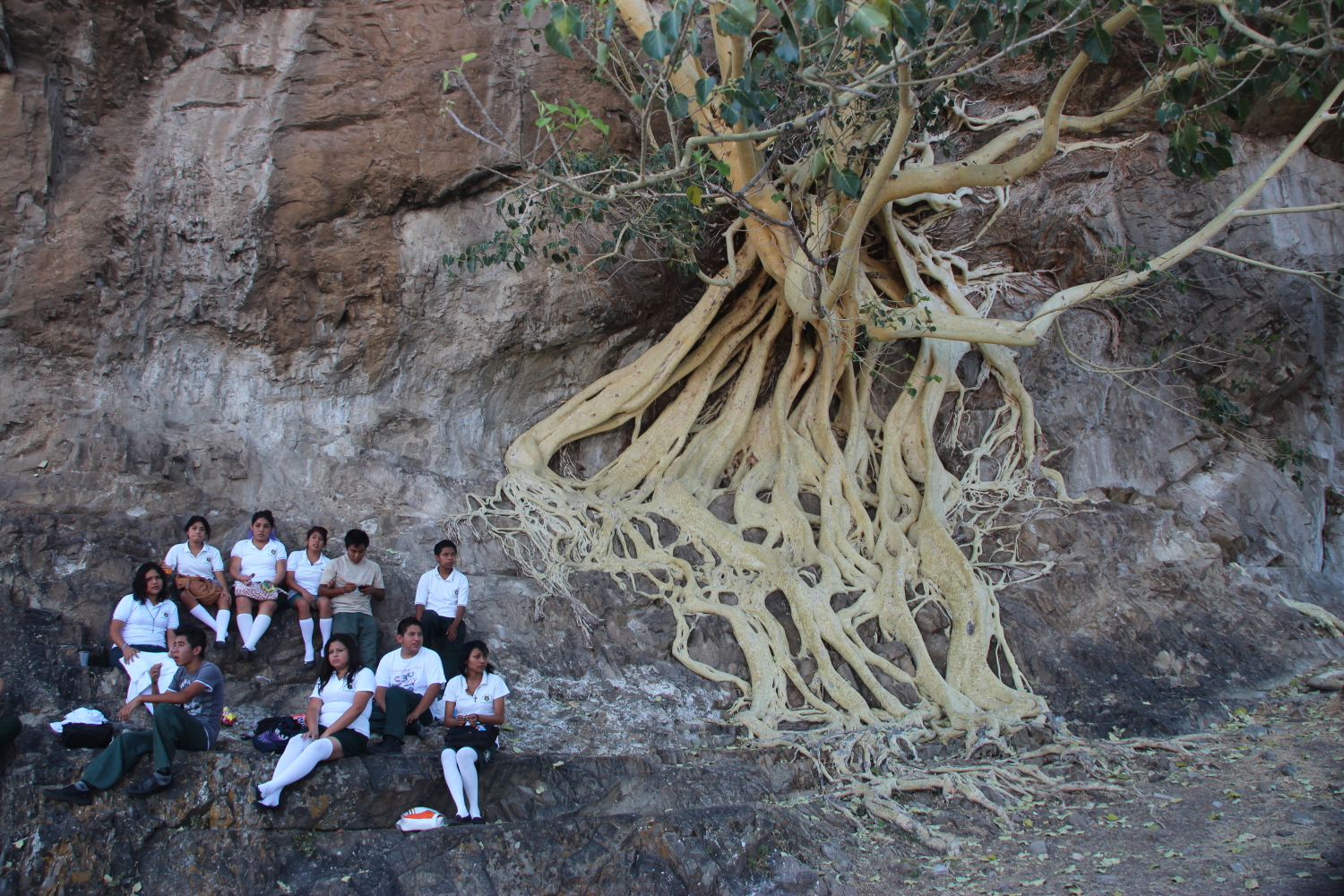
Chalcatzingo, Mexico
* an ongoing series of quotations – mostly from artists, to artists – that offers wisdom, inspiration, and advice for the sometimes lonely road we are on.
Although {Manuel} Alvarez Bravo and Cartier-Bresson were both important mentors for Iturbide, her photographs, as she confirms, are not connected to Surrealism in any way. Henri Cartier-Bresson’s publication Carnets du Mexique (Mexican Notebooks) was an important influence, as it presented a visual representation of Mexico that resonated with her. (Cartier-Bresson also worked mainly in Juchitan, where Iturbide has spent a great deal of time). However, Iturbide developed a way of working quite different from Cartier-Bresson’s. What distinguishes the two artists’ photographs lies in the notion of the fleeting instant, or, as Cartier-Bresson called it, “the decisive moment.” Iturbide refers to Cartier-Bresson’s interest in the “sharp eye” and capturing an instant in time, and describes her own intentions when photographing: “More than in time, I’m interested in the artistic form of the symbol.” Further, Iturbide’s photographs are taken with an understanding of the people, rituals, and symbols of the communities she captures, which makes them stand apart from Cartier-Bresson’s fleeting moments of Mexico. Her work is informed by her deep connection and empathy for her subjects.
Kristen Gresh in Graciela Iturbide’s Mexico
Comments are welcome!
Pearls from artists* # 159
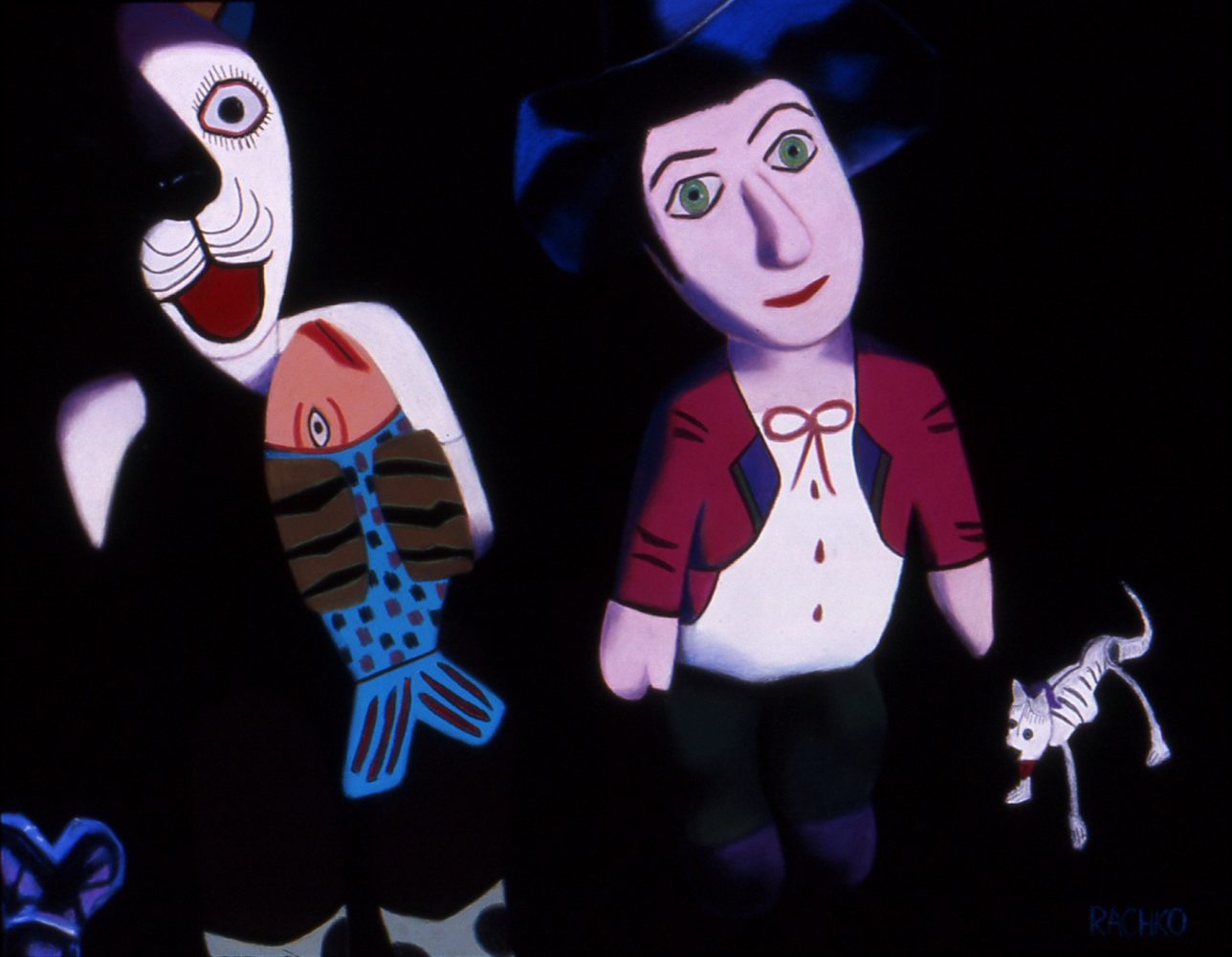
“Offering,” soft pastel on sandpaper, 20″ x 26″
* an ongoing series of quotations – mostly from artists, to artists – that offers wisdom, inspiration, and advice for the sometimes lonely road we are on.
We, the artists who are meant to provide art and teach the importance of beauty, have not yet been able to educate the public to know the difference between beauty and ugliness. .. It’s time to make sure artists with good intentions are ready to be taken seriously and to gain back their noble respectful place in culture. We should be ready with our own high standard of art for the new era, in which art patrons and a society that are more informed than ever will be thoughtfully critical and will expect everything from artists they support – talent, knowledge, skill and experience.
Samuel Adoquei in Origin of Inspiration: Seven Short Essays for Creative People
Comments are welcome!


 barbararachkoscoloreddust.com