Blog Archives
Pearls from artists* # 99

Barbara’s studio
* an ongoing series of quotations – mostly from artists, to artists – that offers wisdom, inspiration, and advice for the sometimes lonely road we are on.
I think there are two very interesting stages in creative work. One is confusion and one is boredom. They generally both mean that there’s a big fish swimming under the water. As Rilke said, “Live the questions.” And not judge that there’s something wrong about confusion, because the people who are working, say, on the cure for leprosy – they work for years and years in a state of confusion, and very often they don’t find the cure. They find something completely different. But they keep living the question. Confusion is absolutely essential to the creative process. If there was no confusion, why do it? I always feel that all of us have questions we’re asking all our lives, for our work, and if we ever found the answer, we’d stop working. We wouldn’t need to work anymore.
Boredom – if you’ve ever been in therapy, you’d know that when you start getting bored, that’s really important. The therapist sits up; there’s something going on, because the wall that you come against – that’s where the real gold is. It’s really precious.
Andre Gregory (from My Dinner with Andre) in Anne Bogart, Conversations with Anne: Twenty-four Interviews
Comments are welcome!
Pearls from artists* # 70

New York, NY
* an ongoing series of quotations – mostly from artists, to artists – that offers wisdom, inspiration, and advice for the sometimes lonely road we are on.
Ultimately, whether you like a photograph or not, it has a history behind it. When people look at a photograph, they want to believe in its authenticity, that they’re looking at something special that can’t be repeated. The artist’s eye, the photographer’s eye, has created a moment of truth by pushing the button on the camera. The issue is not that the moment is separate from the rest of the photograph; it is the element that links what’s happening to the rest of the image, and the photographer creates a higher meaning, a higher sensibility, in that instant. That’s difficult to achieve for most people who are involved in photography as artists. It’s an essential part of basic photography that’s learned on the street and in traditional ways that people used to do photography.
Roger Ballen in Lines, Marks, and Drawings: Through the Lens of Roger Ballen
Comments are welcome!
Pearls from artists* # 65
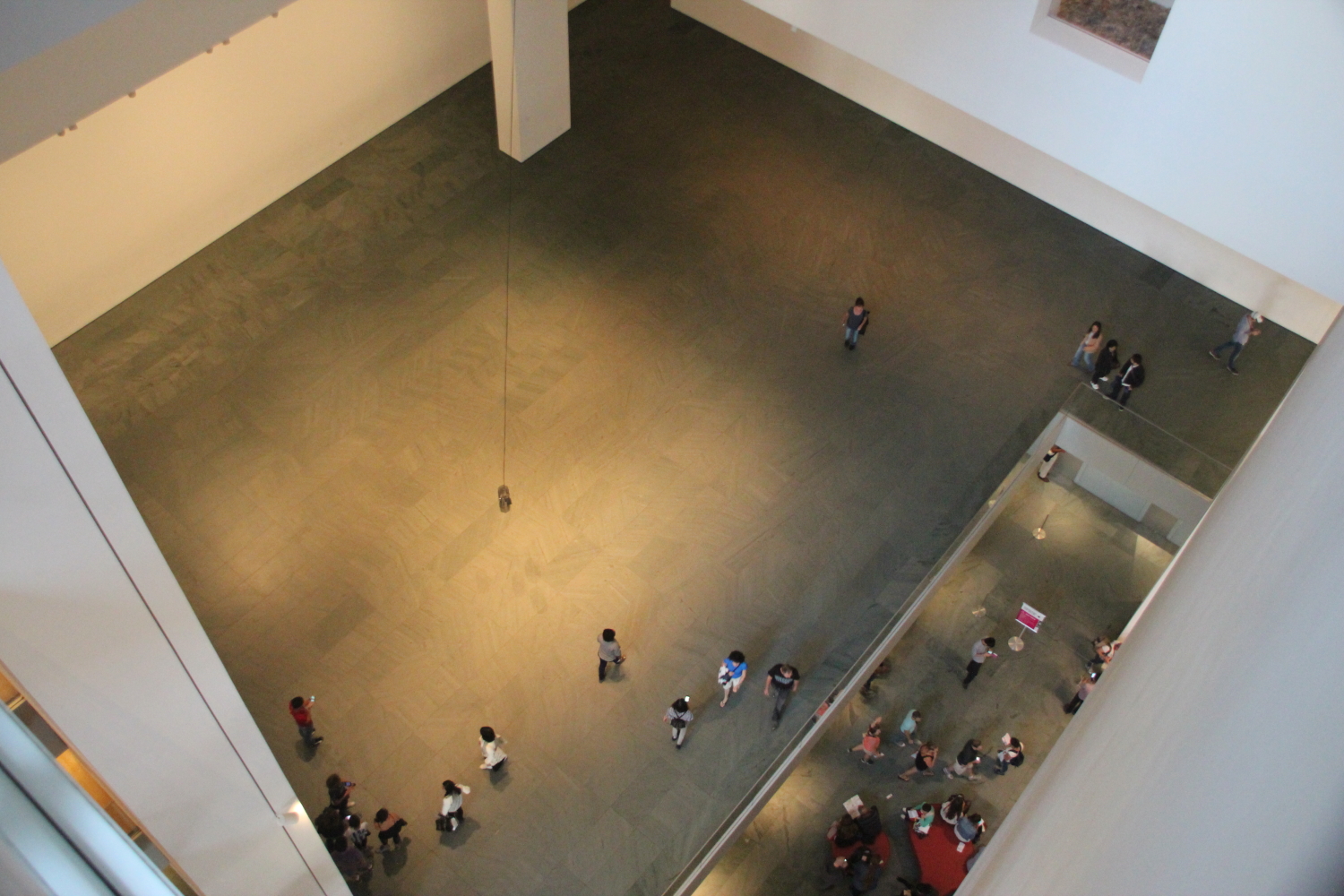
Museum of Modern Art, NYC
* an ongoing series of quotations – mostly from artists, to artists – that offers wisdom, inspiration, and advice for the sometimes lonely road we are on.
To create demands a certain undergoing: surrender to a subconscious process that can yield surprising results. And yet, despite the intuitive nature of the artistic process, it is of utmost importance to be aware of the reason you create. Be conscious about what you are attempting or tempting. Know why you are doing it. Understand what you expect in return.
The intentions that motivate an act are contained within the action itself. You will never escape this. Even though the “why” of any work can be disguised or hidden, it is always present in its essential DNA. The creation ultimately always betrays the intentions of the artist. James Joyce called this invisible motivation behind a work of art “the secret cause.” This cause secretly informs the process and then becomes integral to the outcome. This secret cause determines the distance that you will journey in the process and finally, the quality of what is wrought in the heat of the making.
Anne Bogart in and then, you act: making art in an unpredictable world
Pearls from artists* # 64

High Line, New York, NY
* an ongoing series of quotations – mostly from artists, to artists – that offers wisdom, inspiration, and advice for the sometimes lonely road we are on.
As soon as an artist has located the vital center of his activities, nothing will be more important than for him to remain within this center and never move further away from it (which is, of course, also the center of his nature, of his world) than the interior walls of his quietly and steadily expanding achievement. His place is not, never, not even for a moment, next to the beholder and critic (at least no longer in an environment where all that is visible becomes ambiguous and preliminary, an auxiliary construction and temporary scaffolding for something else). And one basically needs to be an acrobat to leap back safely and unharmed from this point of view into one’s inner center (the distances are too great and all the spots too destabilized to risk such an entirely inquisitive feat). Most artists today use up their strength in this back-and-forth, and in addition to wasting their energy they get terribly confused and lose a part of their essential innocence to the sin of having taken their work from the outside by surprise, to have tasted it, to have joined others in enjoying it!
Ulrich Baer, editor, The Wisdom of Rilke
Comments are welcome!
Pearls from artists* # 63

Untitled, chromogenic print, 24″ x 24,” edition of 5
* an ongoing series of quotations – mostly from artists, to artists – that offers wisdom, inspiration, and advice for the sometimes lonely road we are on.
The artist’s job is to get in touch with the dark places of the soul and then shed light there. Sharing the process with others is the point. Within the context of our post-Cold War, post-9/11 climate, shedding light in newly fecund dark places is a valuable activity. The dark places of the soul that haunt our dreams are understandably matched by a tendency to shut out the issues with the busy work of the daylight hours. But without looking into those dark places, as Carl Jung suggested, we will lose touch with our essential humanity.
Anne Bogart, and then, you act: making art in an unpredictable world
Comments are welcome!
Pearls from artists* # 56
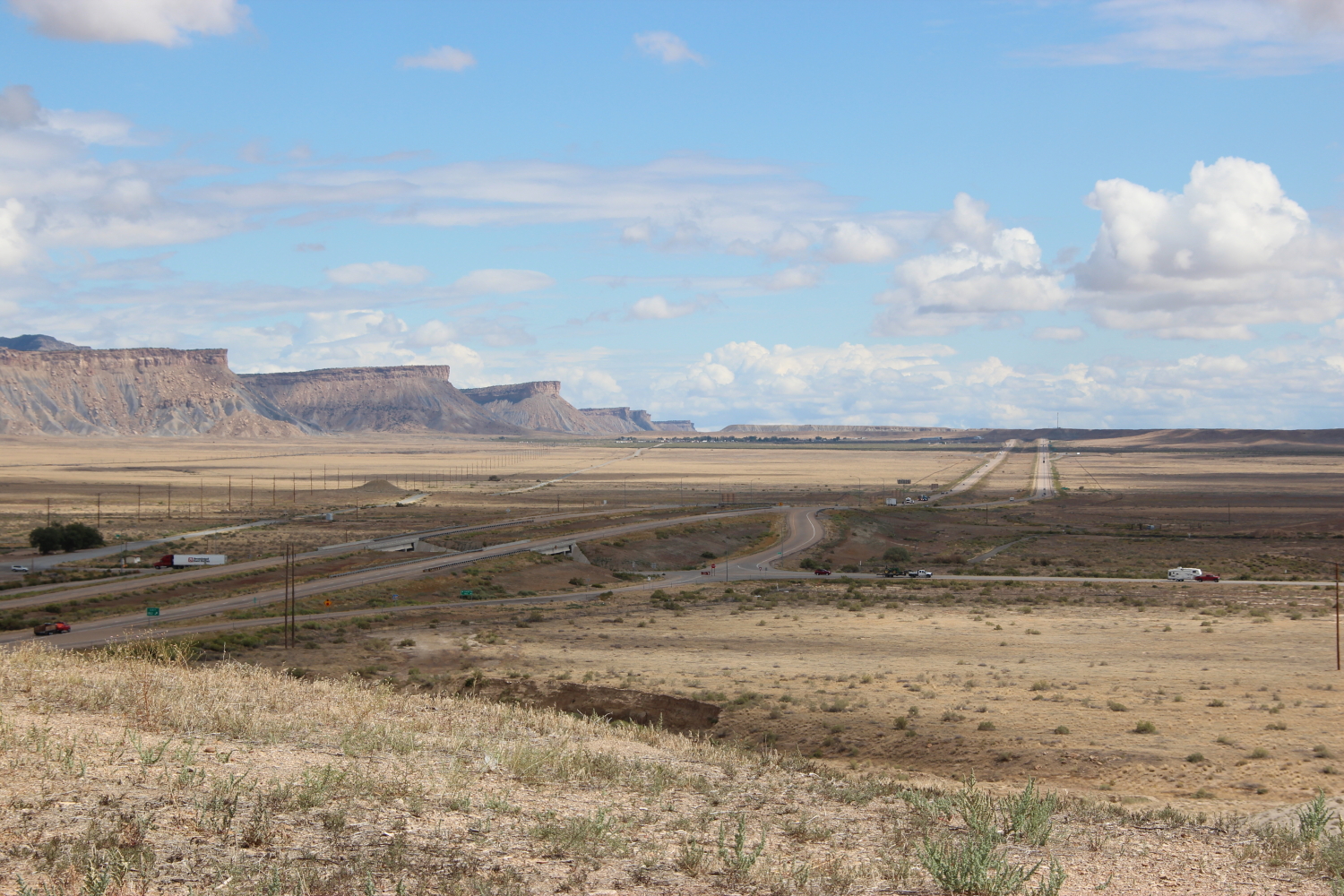
Utah
* an ongoing series of quotations – mostly from artists, to artists – that offers wisdom, inspiration, and advice for the sometimes lonely road we are on.
Balancing intuition against sensory information, and sensitivity to one’s self against pragmatic knowledge of the world, is not a stance unique to artists. The specialness of artists is the degree to which these precarious balances are crucial backups for their real endeavor. Their essential effort is to catapult themselves wholly, without holding back one bit, into a course of action without having any idea where they will end up. They are like riders who gallop into the night, eagerly leaning on their horse’s neck, peering into a blinding rain. And they have to do it over and over again. When they find that they have ridden and ridden – maybe for years, full tilt – in what is for them a mistaken direction, they must unearth within themselves some readiness to turn direction and to gallop off again. They may spend a little time scraping off the mud, resting the horse, having a hot bath, laughing and sitting in candlelight with friends. But in the back of their minds they never forget that the dark, driving run is theirs to make again. They need their balances in order to support their risks. The more they develop an understanding of all their experience – the more it is at their command – the more they carry with them into the whistling wind.
Anne Truitt in Daybook: The Journal of an Artist
Pearls from artists* # 42
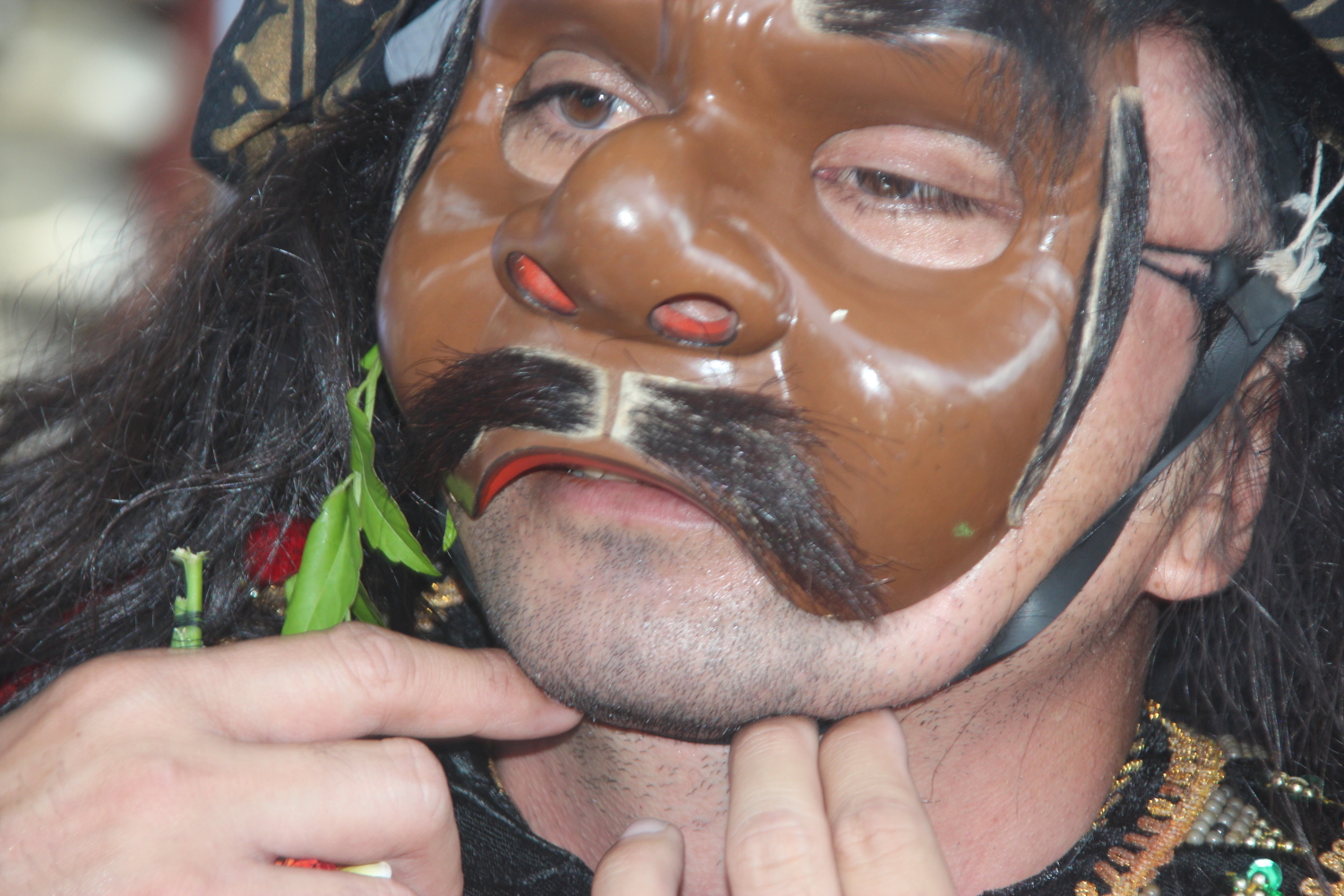
Balinese dancer
* an ongoing series of quotations – mostly from artists, to artists – that offers wisdom, inspiration, and advice for the sometimes lonely road we are on.
Things-as-they-are offer such an abundance of material that a photographer must guard against the temptation of trying to do everything. It is essential to cut from the raw material of life – to cut and cut, but to cut with discrimination. While working, a photographer must reach a precise awareness of what he is trying to do. Sometimes you have the feeling that you have already taken the strongest possible picture of a particular situation or scene; nevertheless, you find yourself compulsively shooting, because you cannot be sure in advance exactly how the situation, the scene is going to unfold. You must stay with the scene, just in case elements of the situation shoot off from the core again. At the same time, it’s essential to avoid shooting like a machine-gunner and burdening yourself with useless recordings which clutter your memory and spoil the exactness of the reportage as a whole.
Henri Cartier-Bresson in Images a la sauvette
Comments are welcome!


 barbararachkoscoloreddust.com