Category Archives: 2025
Travel photo of the month*
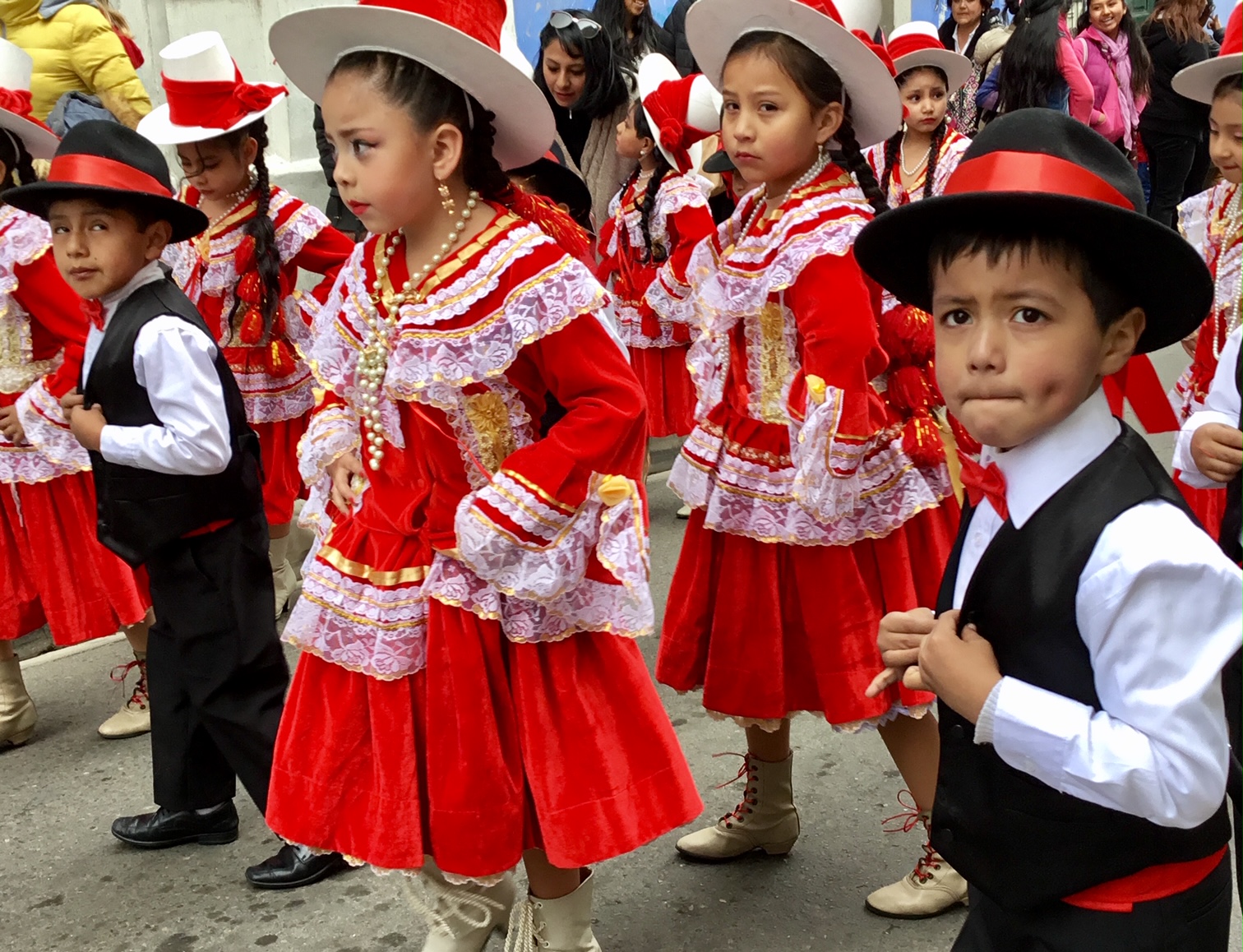
*favorite travel photos that have not yet appeared in this blog
Sucre, Bolivia
Comments are welcome!
Q: You’re also known for being remarkably consistent with your blog and writing. How do you keep that rhythm? (Question from “Pastel, Passion, and Perseverance: An Interview with Barbara Rachko” in .ART Odyssey: Healing)
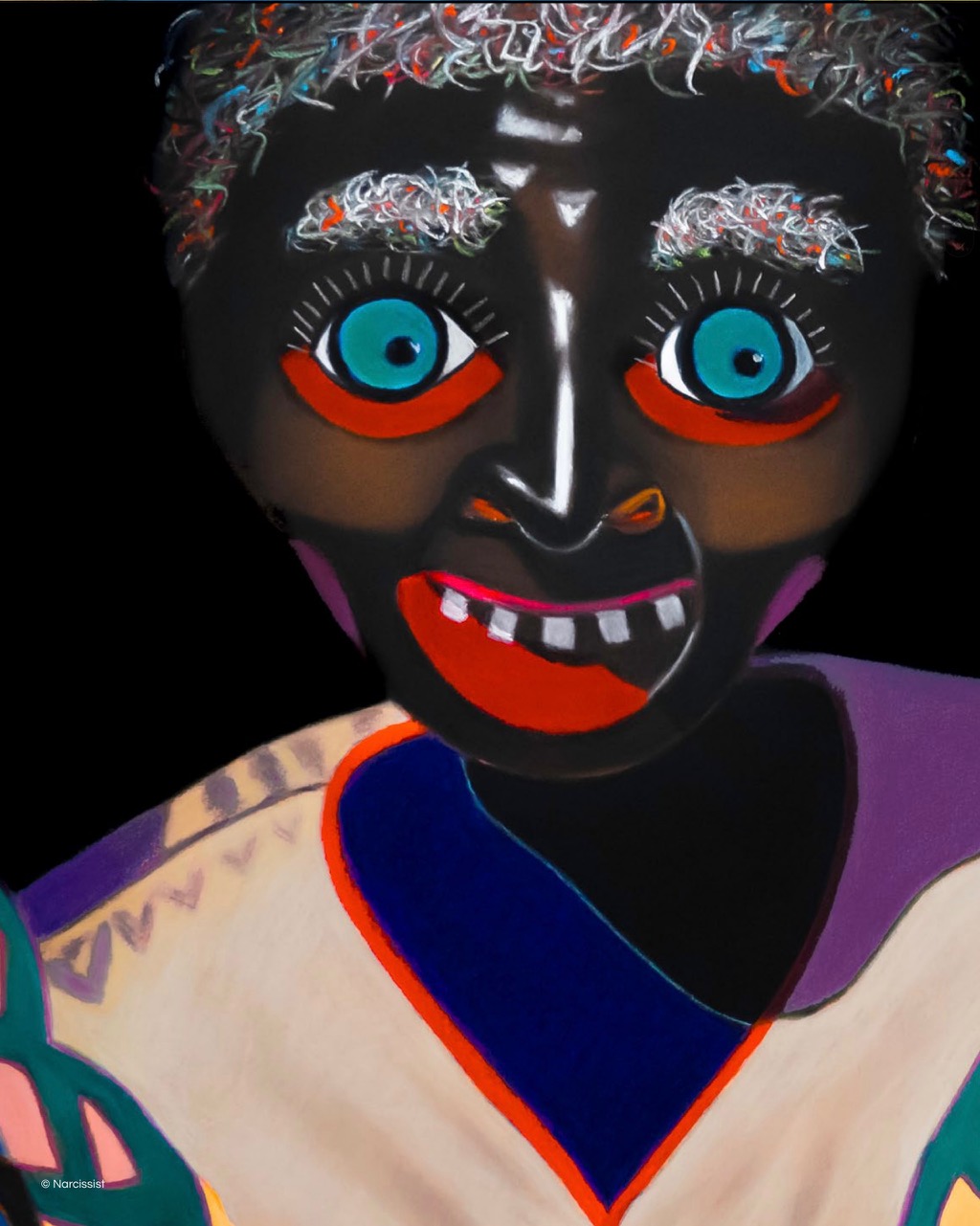
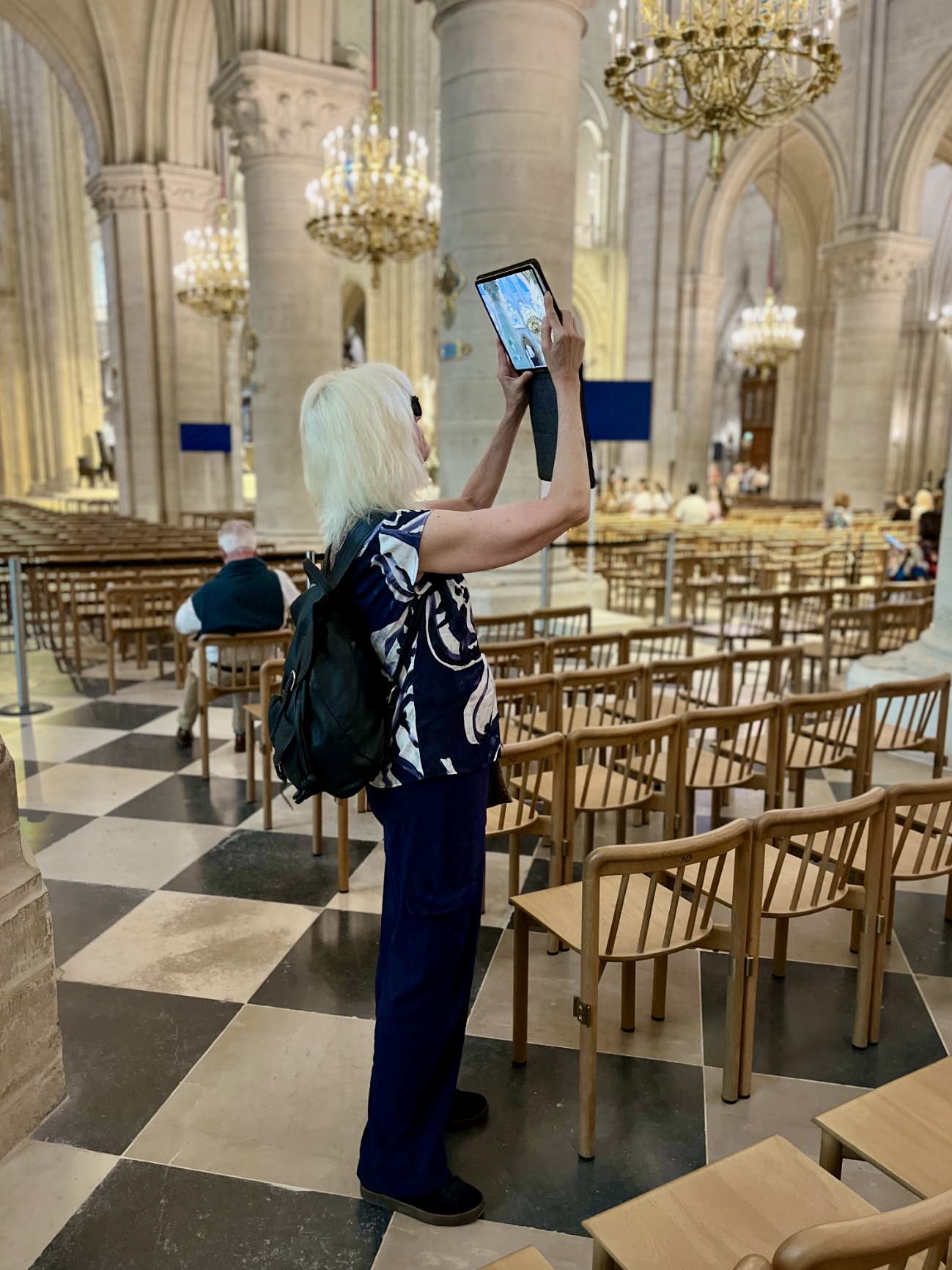
A page from the interview
A: It’s become habit. I started in 2012 and now I post twice a week.
On Wednesdays, I quote from a book I’m reading, paired with a photo. On Saturdays, I rotate: one week “What’s on the Easel,” another a travel photo, and twice a month a short reflection. Only two posts a month require real writing, so it’s sustainable. Consistency has been everything.
Comments are welcome!
Pearls from artists* # 684

*an ongoing series of quotations – mostly from artists, to artists – that offers wisdom, inspiration, and advice for the sometimes lonely road we are on.
I often think that we should invent another word altogether for what real artists are doing… outside of, and despite, the market, so we could divorce ourselves from what ‘Art’ has devolved into. I aspire to create a new and visionary paradigm far away from the old one. I wish all the art magazines and blogs would declare that there is no longer any money to be made or any fame to be had, so all the people who were in for the wrong reasons would simply go away.
I want artists everywhere to figure out how to tap into their own deep well, the unpredictable source inside that can keep their work fresh and alive. I hope they build confidence to consistently preserve their integrity and independence. I long for them to trust their own intuition, to keep them on their true path as their work evolves. Finally, I yearn for them to reject anything that gets in the way of actualizing their deepest voice, so they might step into that expansive space that the universe has intended for them since the day they appeared on this earth.
Kate Kretz in Art From Your Core: A Holistic Guide to Visual Voice
Comments are welcome!
Pearls from artists* # 683
*an ongoing series of quotations – mostly from artists, to artists – that offers wisdom, inspiration, and advice for the sometimes lonely road we are on.
Clichéd subject matter can be a symptom of shallow understanding. Experiencing our subject matter firsthand helps us absorb complexities and discover surprising insights, leading to enriched outcomes. Envision a painting of a tree copied from a found internet photograph. Then, imagine the possibilities of a work executed by a person who loves to climb, sit under, caress, plant, and nurture trees, one who has observed their qualities through downpours, windstorms, and the Fall twilight filtered through leaf layers. They don’t just see, but feel these living, breathing giants straining to grow toward the sun, cooperatively respecting their neighbor’s space high in their crowns, and communicating with their community underground. Inspiration is not just gleaned through the eyes but through our entire bodies, intellect, and feelings.
Kate Kretz in Art From Your Core: A Holistic Guide to Visual Voice
Comments are welcome!
Q: What’s on the easel today?
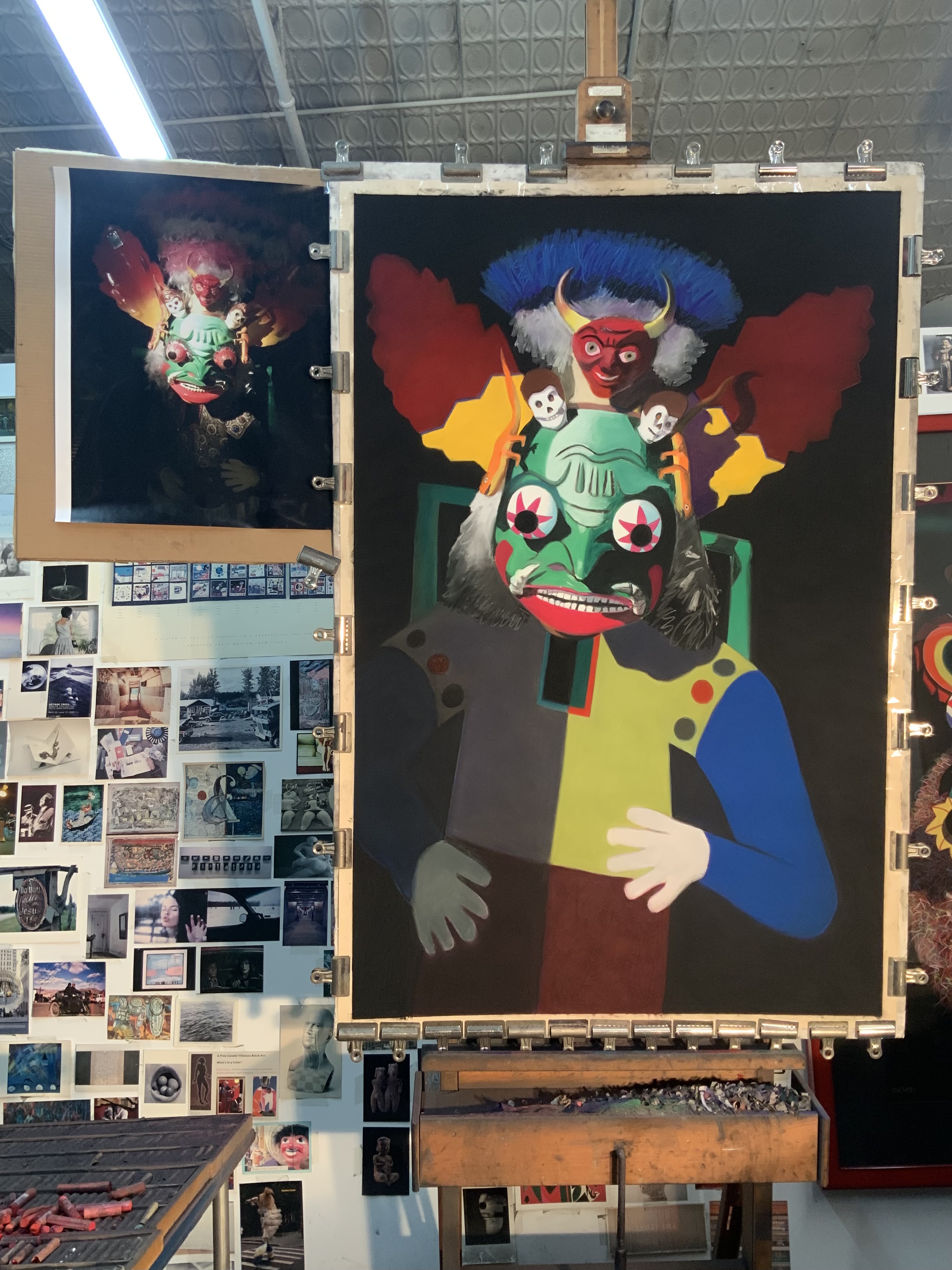
A: I continue working on “Gatecrasher,” 58” x 38,” soft pastel on sandpaper.
Comments are welcome!

Pearls from artists* # 682
*an ongoing series of quotations – mostly from artists, to artists – that offers wisdom, inspiration, and advice for the sometimes lonely road we are on.
Following Julie’s lead, I’d started viewing the everyday the way I looked at art – with an extra beat, with an inquisitive eye, with a willingness to linger on form and ask why. I’d gone into her studio hoping to see art differently. Bit by bit, I saw everything differently. Have you contemplated the forlorn beauty of a stripped-down storefront glowing white on a dark street? Or watched tarps draped on construction sites shiver with the wind? Like nibbling on a magic mushroom, turning an eye on reality makes you feel as if the world is performing just for you.
Bianca Booker in Get the Picture: A Mind-Bending Journey Among the Inspired Artists and Obsessive Friends Who Taught Me How to See
Comments are welcome!
Q: What’s the most unusual place you have exhibited your art? Was it worth it?
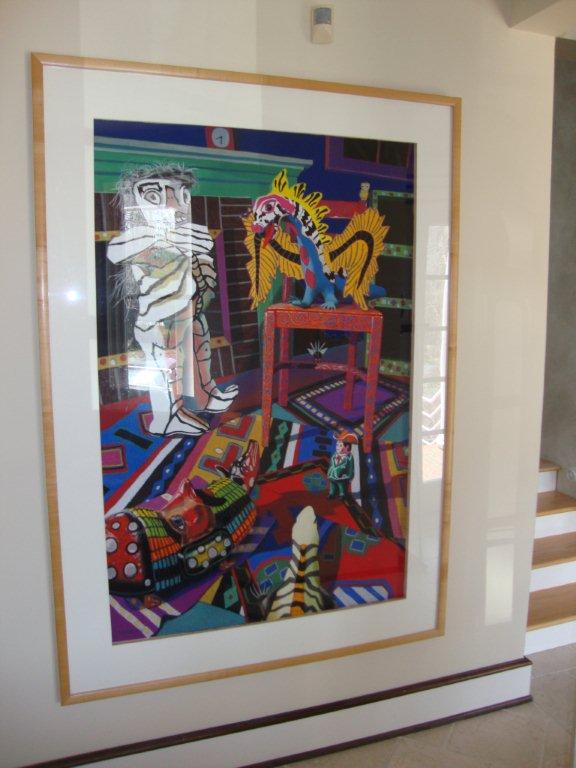
A: In 2004 I exhibited in a group show that was hosted as a fund raiser for Breast Cancer Awareness Month. Artists who had had breast cancer were invited to present our work. The show was titled, “Art of Survival,” and was held in a breast surgeon’s office in West Long Branch, NJ. I had absolutely no expectations of selling anything and reluctantly participated, thinking, “More people are likely to see my work in this show than would see it in my studio during the same period.” Who could have foreseen it, but I sold a $15,000 painting to the surgeon who had organized the exhibition!
Sadly, several years later, the curator of the exhibition informed me that Beth, the breast cancer surgeon, had died from the same disease.
Comments are welcome!
Pearls from artists* # 681
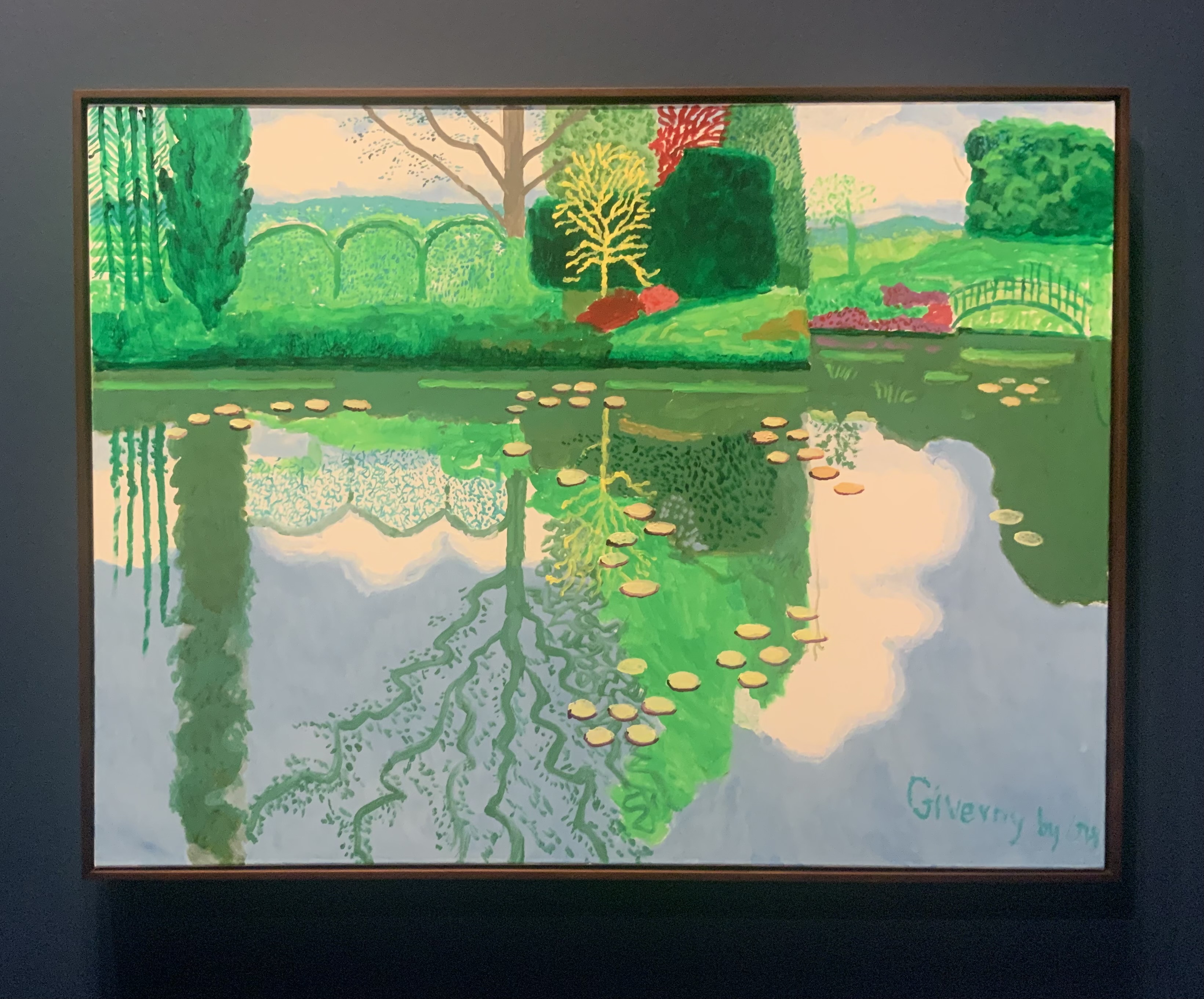
Giverny by DH, 2023, in David Hockney 25, Fondation Louis Vuitton, Paris
*an ongoing series of quotations – mostly from artists, to artists – that offers wisdom, inspiration, and advice for the sometimes lonely road we are on.
If you want to lose faith in the concept of “good” art, just consider all the artists who were brushed aside as feckless losers in their own day – El Greco, Van Gogh, Monet, Gauguin, Cézanne, the list goes on – only to get their own museum wings and their paintings plastered on tote bags today.
Bianca Booker in Get the Picture: A Mind-Bending Journey Among the Inspired Artists and Obsessive Friends Who Taught Me How to See
Comments are welcome!
Q: Would you please share your current bio?

A: Here it is.
Barbara Rachko, born in 1953 in Paterson, New Jersey, is a contemporary painter based in New York City, renowned for her large pastel-on-sandpaper paintings inspired by Bolivian Carnival masks. With nearly 40 years dedicated to revolutionizing pastel as a fine art medium, Rachko’s influential blog, Barbara Rachko’s Colored Dust, has garnered over 229,000 subscribers. She is the subject of the acclaimed documentary “Barbara Rachko: True Grit,” available on YouTube, and her ebook “From Pilot to Painter” captures her inspiring journey from a former pilot to an accomplished artist.
Rachko’s work explores the vibrant cultural heritage of Bolivian Carnival masks, and Mexican and Guatemalan folk art. Her meticulous attention to detail is showcased in notable series such as Bolivianos, Black Paintings, and Domestic Threats. In 2023, she was featured in a documentary that premiered at the Newport Beach Film Festival, earning the Audience Award and Best in Category Award, further cementing her impact on contemporary art.
Her solo exhibitions include the Joy Pratt Markham Gallery at Walton Arts Center (AR), Louise Jones Brown Gallery at Duke University (NC), Olin Gallery (VA), and La MaMa La Galleria (NY). She trained in photography at the International Center of Photography in New York and studied drawing and pastel techniques at the Art League School in Alexandria, VA. Her works are held in private collections worldwide and have been showcased at prestigious art fairs, including Art Basel Miami, Moon Art Fair in Hamburg, and Art Busan in Korea, affirming her global influence in pastel painting.
Comments are welcome!


 barbararachkoscoloreddust.com