Blog Archives
Pearls from artists* # 642

New York City
*an ongoing series of quotations – mostly from artists, to artists – that offers wisdom, inspiration, and advice for the sometimes lonely road we are on.
Radical changes in our culture threaten to undermine the potency of art and artists alike. Disparate forces conspire to lower the bar for how we expect art to function. As decades go by, we are educating and evolving to value left-brain strengths over holistic right-brain thought, with disastrous consequences for humanity… Deep contemplation has been hijacked by addictive technology. Rising authoritarianism strives to squash dissenting and diverse voices, as well as historical truths and critical thinking skills. Social media approval affects the art that is produced, shared, and validated. Easily digested work is promoted, while the most compelling work (the kind that could transform the trajectory of art, or affect real social change) is left behind. Critics are coining terms like ‘Zombie Formalism’ … and ‘Zombie Figuration’ … in response to the sterility and stultifying sameness of much contemporary work. It’s as if artists were absorbing online algorithms into their bloodstreams. This empty, safe sensibility riffs and rehashes a vacuous culture, generating a perpetual cycle of well-branded insignificance.
Kate Kretz in Art From Your Core: A Holistic Guide to Visual Voice
Comments are welcome!
Pearls from artists* # 562

“Shadow,” soft pastel on sandpaper, 26” x 20,” in progress
*an ongoing series of quotations – mostly from artists, to artists – that offers wisdom, inspiration, and advice for the sometimes lonely road we are on.
Jung observed that complexes could affect groups of people en masse. He saw that certain moments seemed to be expressions of a collective shadow, a bursting forth of a mass psychosis; the repressed side of a whole group coming alive; a tribal Mr. Hyde. He saw this madness first-hand in Germany in the 1930s and wrote about it. But every era carries some measure of collective shadow.
One could argue that no moment in time has seen more of the reality of human darkness than ours. Having witnessed the Holocaust and faced the threat of nuclear war in the twentieth century, and now facing the environmental impact of fossil fuels and plastics in the twenty-first century, we are undoubtedly aware of more of humanity’s potential for destruction than any of our ancestors ever were. Such a view does not come from a moralizing stance. Our era has made forced witnesses of us all.
The shadow is about where we put the Devil – where do we allow darkness to be housed? Racism and bigotry offer the relief of foisting our group’s shadow onto another whom we view as lesser. Doing so enables us not to look at or feel our shadow, and not see our own worst selves. But this collective shadow of our modern culture is also bigger and wider than group-to-group projections. There are culture-wide or civilization expressions of the collective shadow.
Jung saw the widespread loss of connection to the inner life and to a lived spirituality as one of the primary illnesses of our time. He observed that people were no longer animated by the traditional religions… For Jung, this meant that we’ve lost the old way but not yet found the new, and are sitting in a spiritual vacuum.
Into that vacuum, without our awareness, has slipped our fascination with human technology. Observe people closely today and you’ll notice that we have an almost magical faith in our devices. People see their computers and phones as all-knowing and expect them to function perfectly all the time, and view pharmaceuticals as magic cure-alls. Where we used to put God, we now have put technology. Where spirit was, we have unconsciously placed human genius.
Gary Bobroff in Carl Jung: Knowledge in a Nutshell
Comments are welcome!
Pearls from artists* # 473

*an ongoing series of quotations – mostly from artists, to artists – that offers wisdom, inspiration, and advice for the sometimes lonely road we are on.
… slow art arose in the later eighteenth century when two massive cultural changes converged, changes that have grown more acute ever since. First: acceleration, as capitalism and advances in technology quickened the pace of everyday life in unprecedented ways. It’s no coincidence that Harmut Rosa links the origin of modernity to the quickening movement of money, vehicles, and communication. The pressures of acceleration created the need for psychological breathers or timeouts. But second, and simultaneously: Western society grew more and more secularized. As a result, occasions to slow one’s tempo became harder to access – like devotional practices requiring viewers to focus intensely on single works over long periods of time. Hence an increased need met decreased opportunities to address that need. Slow art came to supplement older sacred practices by creating social spaces for getting off the train. In sum, as culture sped up and sacred aesthetic practices waned, slow art came to satisfy our need for downtime by producing works that require sustained attention in order to experience them.
Arden Reed in Slow Art: The Experience of Looking, Sacred Images to James Turrell
Comments are welcome!
Pearls from artists* # 74
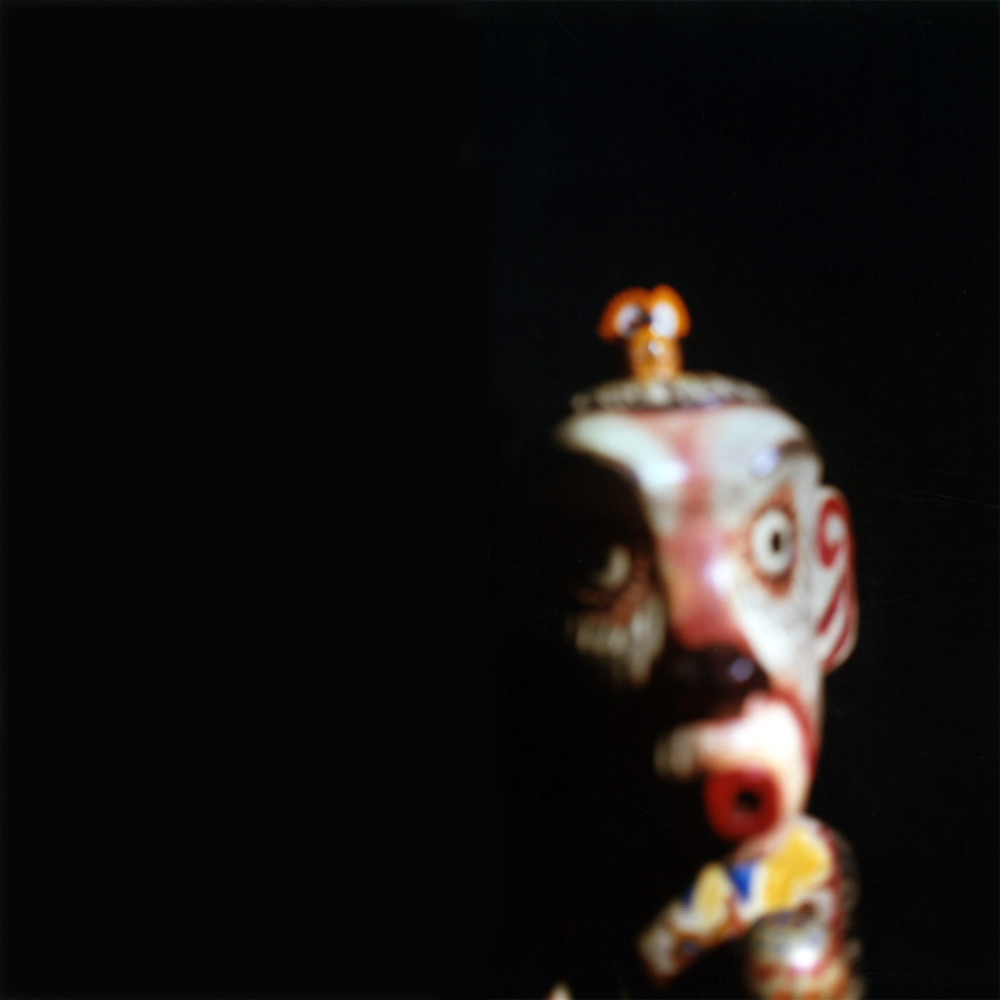
Untitled, chromogenic print, 24″ x 24,” edition of 5
* an ongoing series of quotations – mostly from artists, to artists – that offers wisdom, inspiration, and advice for the sometimes lonely road we are on.
An artist is known by his or her works. But how often do we consider that much of what we know depends on factors that were beyond the artist’s control? A few that come to mind are value on the art market, the knowledge and forethought of the artist’s survivors as they decide to keep or discard works, research interests of art and photo historians and the ways in which these change over time, willingness of dealers, collectors, and museum curators to provide information about the existence of works, the state of printing technology, and the availability of financing for exhibitions and publications.
Laszlo Moholy-Nagy: Color in Transparency, edited by Jeannine Fiedler and Hattula Maholy-Nagy for the Bauhaus-Archive Berlin
Comments are welcome!


 barbararachkoscoloreddust.com