Blog Archives
Pearls from artists* # 606

Barbara’s Studio
*an ongoing series of quotations – mostly from artists, to artists – that offers wisdom, inspiration, and advice for the sometimes lonely road we are on.
The most ephemeral thoughts and feelings are gradually shaped into hard copy that is worked over, painted over, edited, and refined before the public sees it. This is where the sculptor cuts away and polishes the stone, where the painter covers the beginnings of the image with layer upon layer of enriching re-vision.
The muse presents raw bursts of inspiration, flashes, and improvisatory moments in which the art just flows out. But she also presents the technical, organizational job of taking what we have generated, then filing and fitting and playing with the pieces until they line up. We arrange them, cook them, render them down, digest them. We add, subtract, reframe, shift, break apart, melt together. The play of revision and editing transforms the raw into the cooked. This is a whole art unto itself, of vision and revision, playing with the half-baked products of our prior play.
It is essential to perform that secretarial labor in a way that is not mechanical. Editing must come from the same inspired joy and abandon as free improvisation. Stravinsky tells us, “The idea of work to be done is for me so closely bound up with the idea of the arranging of materials and of the pleasures of the actual doing of the work affords us that, should the impossible happen and my work suddenly be given to me in a perfectly completed form, I should be embarrassed and nonplussed by it, as a hoax.”
Stephen Nachmanovitch in Free Play: Improvisation in Life and Art
Comments are welcome!
Pearls from artists* # 586

Starting a new one!
*an ongoing series of quotations – mostly from artists, to artists – that offers wisdom, inspiration, and advice for the sometimes lonely road we are on.
The page is your mirror. What happens inside you is reflected back. You come face-to-face with your own resistance, lack of balance, self-loathing, and insatiable ego – and also with your singular vision, guts, and fortitude. No matter what you’ve achieved the day before, you begin each day at the bottom of the mountain. Isn’t this true for most of us? A surgeon about to perform a difficult operation is at the bottom of the mountain. A lawyer delivering a closing argument. An actor waiting in the wings. A teacher on the first day of school. Sometimes we may think that we’re in charge, or that we have things figured out. Life is usually right there, though, ready to knock us over when we get too sure of ourselves. Fortunately, if we have learned the lessons that years of practice have taught us, when this happens, we endure. We fail better. We sit up, dust ourselves off, and begin again.
Dani Shapiro in Still Writing: The Perils and Pleasures of a Creative Life
Comments are welcome!
Pearls from artists* # 501

* an ongoing series of quotations – mostly from artists, to artists – that offers wisdom, inspiration, and advice for the sometimes lonely road we are on.
When I talk about “creative living” here, please understand that I am not necessarily talking about pursuing a life that is professionally or exclusively devoted to the arts. I’m not saying that you must become a poet who lives on a mountaintop in Greece, or that you must perform at Carnegie Hall, or that you must win the Palme d’Or at the Cannes Film Festival. (Though if you want to attempt any of these feats, have at it. I love to watch people swing for the bleachers.) No, when I refer to “creative living,” I am speaking more broadly. I’m talking about living a life that is driven more strongly by curiosity than by fear.
... A creative life is an amplified life. It’s a bigger life, a happier life, an expanded life, and a hell of a lot more interesting life. Living in this manner – continually and stubbornly bringing forth the jewels that are hidden within you – is a fine art, in and of itself.
Elizabeth Gilbert in Big Magic: Creative Living Beyond Fear
Comments are welcome!
Pearls from artists* # 478

*an ongoing series of quotations – mostly from artists, to artists – that offers wisdom, inspiration, and advice for the sometimes lonely road we are on.
Artists, because of the demands of their personality, their sense of personal mission, and their need to create or perform, are driven people. Mixed with the love of work can be a terrible pressure to work. For many artists, and especially for the most productive ones, the line between love and obsession and between love and compulsion blurs or disappears entirely. Are such artists free or are they slaves to their work?
In The Artist and Society the psychiatrist Lawrence Hatterer said of such an artist:
His most recognizable trait is his recurring daily preoccupation with translating artistic activity into accomplishment. The consuming intensity of this artistic pursuit brooks no interference or obstacles. His absorption with the creative act is such that he experiences continually what the average artist feels only infrequently when he reaches unusual levels of creative energy with accompanying output. He appears to be incapable of willful nonproductivity.
This is Picasso working for 72 hours straight. This is van Gogh turning out 200 finished paintings during his 444 days in Arles. The artist who is “incapable of willful nonproductivity” is a workaholic for whom little in life, apart from his artistic productivity and accomplishment, may have any meaning.
Eric Maisel in A Life in the Arts: Practical Guidance and Inspiration for Creative and Performing Artists
Comments are welcome!
Pearls from artists* # 403
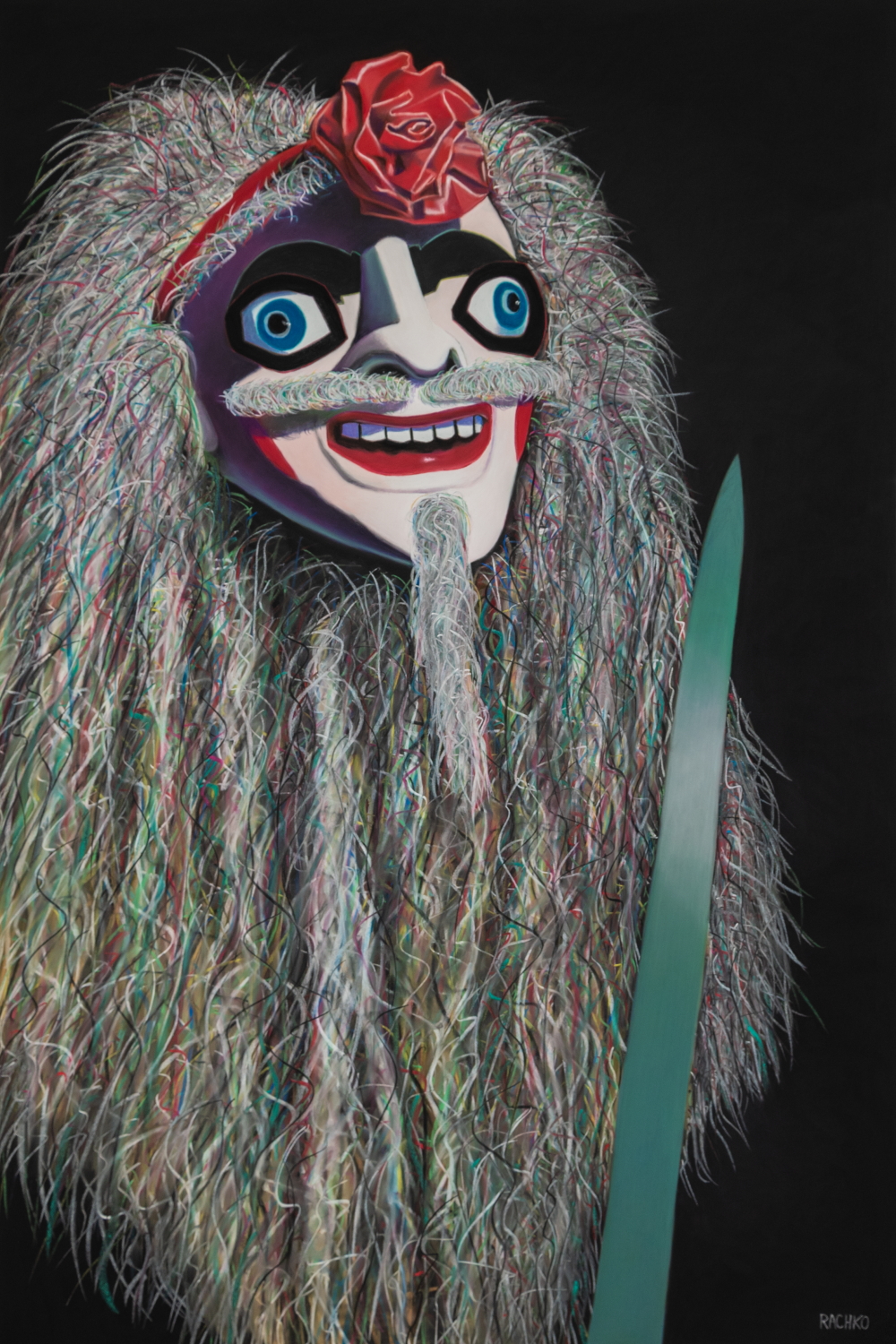
“Avenger,” soft pastel on sandpaper, 58″ x 38″
*an ongoing series of quotations – mostly from artists, to artists – that offers wisdom, inspiration, and advice for the sometimes lonely road we are on.
There is that doctor who opens you up, does exactly the right thing, closes you up – and you die. He failed to take the chance that might have saved you. Art is a crucial, dangerous operation we perform on ourselves. Unless we take a chance, we die in art.
Morty Feldman quoted in Mary Gabriel in Ninth Street Women
Comments are welcome!
Pearls from artists* # 35
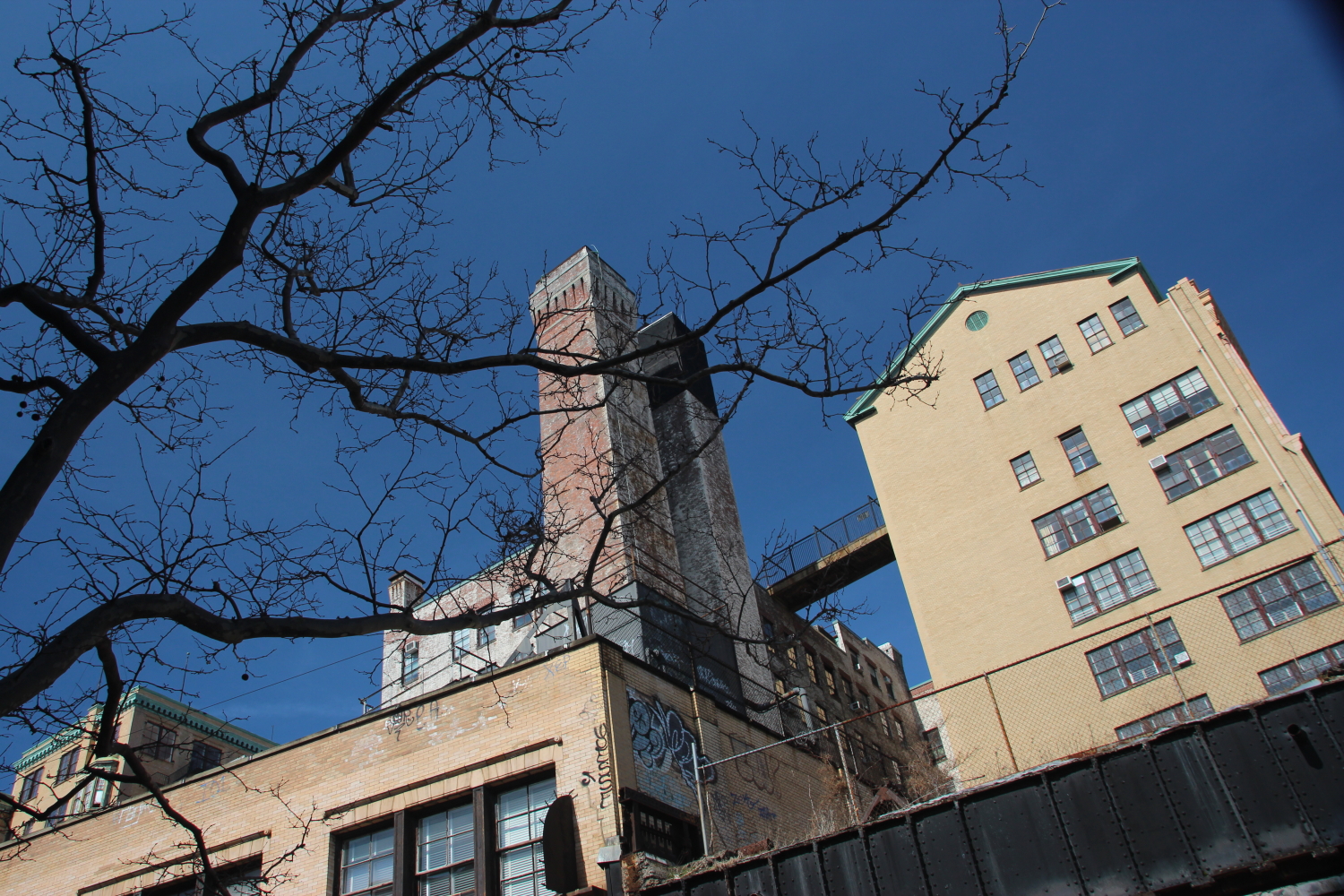
Westbeth, NYC
* an ongoing series of quotations – mostly from artists, to artists – that offers wisdom, inspiration, and advice for the sometimes lonely road we are on.
An individual who has committed himself to art and now wrestles within it, having given up everything else, has also become strict, you see. Such a person is more likely to warn off others rather than to beckon them to enter into a realm of the most tremendous demands and indescribable sacrifices. And for someone sitting at his desk, behind closed doors, matters are still relatively simple: at least he has to deal only with himself. But an actor, even when his work originates in the purest experiences of his being, stands in the open and performs his work in the open where he is exposed to all the influences, detractions, disturbances, and even hostilities that originate in his colleagues and his audience and that interrupt, distract, and split him off. For him things are more difficult than for anyone else; above all, he needs to lure success and to base his actions on it. And yet what misery results if this new alignment leads him to abandon the inner direction that had driven him into art in the first place. He seems to have no self; his job consists in letting others dictate selves to him. And the audience, once it has accepted him, wants to preserve him within the limits where it finds entertainment; and yet his achievement depends entirely upon his capacity to maintain an interior constancy through all kinds of changes, blindly, like a madman. Any momentary weakness toward success is as sure to doom him as giving in and drawing on applause as a precondition for their creation spells doom for the painter or poet.
Ulrich Baer in The Wisdom of Rilke
Comments are welcome!


 barbararachkoscoloreddust.com